

Tag Archive for: hormonal imbalances and hair loss

FrontalHair Loss In Women in La Vergne, TN

Combat frontal hair loss in women with expert solutions today!

Frontal hair loss in women can be distressing and affect self-esteem. It is a common condition that can have various underlying causes. At our clinic in La Vergne, TN, we specialize in helping women address and manage frontal hair loss, providing effective treatments and personalized care to support our patients in regaining confidence and achieving healthy, vibrant hair.

Frontal Hair Loss

Frontal hair loss, also known as female pattern hair loss, is characterized by the thinning of hair around the hairline and frontal scalp area. This type of hair loss can be particularly challenging for women, as it can significantly impact their appearance and self-image. Understanding the causes and potential treatments for frontal hair loss is crucial for addressing the issue effectively.

Causes of Frontal Hair Loss

There are several factors that can contribute to frontal hair loss in women, including:

Hormonal Imbalance: Fluctuations in hormone levels, particularly the androgens, can play a significant role in hair loss. Conditions such as polycystic ovary syndrome (PCOS) can lead to imbalances and contribute to hair loss.

Genetics: Genetic predisposition can also play a key role in frontal hair loss. Women with a family history of hair loss may be more prone to experiencing similar patterns of thinning and loss.

Stress: Emotional or physical stress can contribute to hair loss by disrupting the normal hair growth cycle. Chronic stress can lead to hair shedding and thinning over time.

Nutritional Deficiencies: Inadequate intake of essential nutrients, such as iron, vitamins, and proteins, can affect hair health and lead to thinning and loss in the frontal area.

Treatment Options for Frontal Hair Loss

Addressing frontal hair loss requires a comprehensive approach that may include the following treatment options:

Topical Treatments: Minoxidil-based solutions can be effective in promoting hair regrowth and preventing further loss in the frontal area. These topical treatments are applied directly to the scalp and can help stimulate hair follicles.

Nutritional Support: A balanced diet and supplementation with essential nutrients can support healthy hair growth and address potential deficiencies contributing to hair loss.

Hormonal Management: In cases where hormonal imbalances are identified as a contributing factor, hormonal therapies or medications may be prescribed to restore balance and reduce hair loss.

Platelet-Rich Plasma (PRP) Therapy: This innovative treatment involves using the patient’s own blood to extract platelets and growth factors, which are then injected into the scalp to stimulate hair growth and improve hair density.

Hair Transplantation: For individuals with advanced frontal hair loss, hair transplant procedures can be an effective long-term solution, providing natural and lasting results.

Lifestyle Considerations

In addition to targeted treatments, addressing frontal hair loss in women may also involve lifestyle modifications to support overall hair health. These may include:

Stress Management: Implementing stress-reducing techniques such as meditation, yoga, or counseling can help minimize the impact of stress on hair health.

Scalp Care: Gentle scalp massage and proper hair care practices can promote circulation and support a healthy environment for hair growth.

Healthy Habits: Adopting a well-rounded, healthful lifestyle that includes regular exercise, hydration, and adequate sleep can contribute to overall well-being, including hair health.

Schedule Appointment

Frontal hair loss in women can be a complex and multifaceted issue, but with the right approach, it is possible to address and manage effectively. nderstanding the underlying causes, exploring appropriate treatments, and embracing lifestyle considerations, women can take proactive steps to maintain healthy and thriving hair. At our clinic in La Vergne, TN, we are dedicated to supporting women in their journey to overcome frontal hair loss and regain confidence in their appearance.
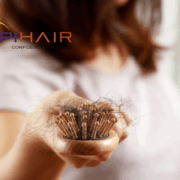

FrontalHair Loss In Women in La Vergne, TN

Combat frontal hair loss in women with expert solutions today!

Frontal hair loss in women can be distressing and affect self-esteem. It is a common condition that can have various underlying causes. At our clinic in La Vergne, TN, we specialize in helping women address and manage frontal hair loss, providing effective treatments and personalized care to support our patients in regaining confidence and achieving healthy, vibrant hair.

Frontal Hair Loss

Frontal hair loss, also known as female pattern hair loss, is characterized by the thinning of hair around the hairline and frontal scalp area. This type of hair loss can be particularly challenging for women, as it can significantly impact their appearance and self-image. Understanding the causes and potential treatments for frontal hair loss is crucial for addressing the issue effectively.

Causes of Frontal Hair Loss

There are several factors that can contribute to frontal hair loss in women, including:

Hormonal Imbalance: Fluctuations in hormone levels, particularly the androgens, can play a significant role in hair loss. Conditions such as polycystic ovary syndrome (PCOS) can lead to imbalances and contribute to hair loss.

Genetics: Genetic predisposition can also play a key role in frontal hair loss. Women with a family history of hair loss may be more prone to experiencing similar patterns of thinning and loss.

Stress: Emotional or physical stress can contribute to hair loss by disrupting the normal hair growth cycle. Chronic stress can lead to hair shedding and thinning over time.

Nutritional Deficiencies: Inadequate intake of essential nutrients, such as iron, vitamins, and proteins, can affect hair health and lead to thinning and loss in the frontal area.

Treatment Options for Frontal Hair Loss

Addressing frontal hair loss requires a comprehensive approach that may include the following treatment options:

Topical Treatments: Minoxidil-based solutions can be effective in promoting hair regrowth and preventing further loss in the frontal area. These topical treatments are applied directly to the scalp and can help stimulate hair follicles.

Nutritional Support: A balanced diet and supplementation with essential nutrients can support healthy hair growth and address potential deficiencies contributing to hair loss.

Hormonal Management: In cases where hormonal imbalances are identified as a contributing factor, hormonal therapies or medications may be prescribed to restore balance and reduce hair loss.

Platelet-Rich Plasma (PRP) Therapy: This innovative treatment involves using the patient’s own blood to extract platelets and growth factors, which are then injected into the scalp to stimulate hair growth and improve hair density.

Hair Transplantation: For individuals with advanced frontal hair loss, hair transplant procedures can be an effective long-term solution, providing natural and lasting results.

Lifestyle Considerations

In addition to targeted treatments, addressing frontal hair loss in women may also involve lifestyle modifications to support overall hair health. These may include:

Stress Management: Implementing stress-reducing techniques such as meditation, yoga, or counseling can help minimize the impact of stress on hair health.

Scalp Care: Gentle scalp massage and proper hair care practices can promote circulation and support a healthy environment for hair growth.

Healthy Habits: Adopting a well-rounded, healthful lifestyle that includes regular exercise, hydration, and adequate sleep can contribute to overall well-being, including hair health.

Schedule Appointment

Frontal hair loss in women can be a complex and multifaceted issue, but with the right approach, it is possible to address and manage effectively. nderstanding the underlying causes, exploring appropriate treatments, and embracing lifestyle considerations, women can take proactive steps to maintain healthy and thriving hair. At our clinic in La Vergne, TN, we are dedicated to supporting women in their journey to overcome frontal hair loss and regain confidence in their appearance.

FrontalHair Loss In Women in Nashville, TN

Frontal hair loss? Expert treatments available. Regain confidence today!

For many women, hair loss can be a distressing experience, especially when it occurs in the frontal area of the scalp. Frontal hair loss in women, also known as female pattern hair loss, is a common condition that can have significant emotional and psychological effects. Understanding the causes and available treatment options for frontal hair loss is crucial for women who are experiencing this condition. This article aims to provide comprehensive insights into frontal hair loss in women, including its causes, symptoms, and effective treatments, to help individuals make informed decisions about addressing this issue.

Frontal Hair Loss in Women

Frontal hair loss in women refers to the progressive thinning of hair in the frontal region of the scalp. Unlike male pattern baldness, which typically results in a receding hairline and balding at the crown, female pattern hair loss often manifests as diffuse thinning of the hair across the entire scalp, including the frontal area. The underlying cause of frontal hair loss in women is primarily attributed to genetic and hormonal factors. In some cases, medical conditions, certain medications, and lifestyle factors can also contribute to this condition.

Some common causes of frontal hair loss in women include:

Genetic Predisposition: Women with a family history of hair loss are more likely to experience frontal hair thinning due to genetic predisposition.

Hormonal Imbalance: Fluctuations in hormone levels, particularly an increase in androgens (male hormones) or a decrease in estrogen, can disrupt the hair growth cycle and lead to frontal hair loss.

Medical Conditions: Underlying health conditions such as thyroid disorders, polycystic ovary syndrome (PCOS), and autoimmune disorders can contribute to hair loss, including frontal thinning.

Stress and Lifestyle Factors: Chronic stress, poor dietary habits, and certain hairstyles that cause tension on the hair follicles can exacerbate hair loss in the frontal region.

It is essential for women experiencing frontal hair loss to consult with a healthcare professional to determine the specific cause of their condition. A thorough evaluation of medical history, hormonal levels, and scalp health can help in identifying the underlying factors contributing to frontal hair thinning.

Treatment Options for Frontal Hair Loss in Women

Addressing frontal hair loss in women often requires a multifaceted approach that may include both medical and lifestyle interventions. The following are some effective treatment options for managing frontal hair loss in women:

Topical Minoxidil (Rogaine): Minoxidil is an over-the-counter medication approved by the FDA for the treatment of female pattern hair loss. When applied to the scalp, it can promote hair regrowth and prevent further thinning in the frontal area.

Prescription Medications: Some women may benefit from oral medications such as spironolactone or finasteride, which can help regulate hormone levels and minimize hair loss.

Platelet-Rich Plasma (PRP) Therapy: PRP therapy involves the injection of concentrated platelets from the patient’s blood into the scalp to stimulate hair follicle growth and improve hair density in the frontal region.

Low-Level Light Therapy: Devices such as laser caps or combs that emit low-level light can help improve blood circulation to the scalp and promote hair growth in women with frontal hair loss.

Hair Transplantation: In cases of advanced frontal hair loss, hair transplantation procedures, such as follicular unit extraction (FUE) or follicular unit transplantation (FUT), can be effective in restoring hair density in the frontal area.

In addition to these treatments, adopting a healthy lifestyle, managing stress, and using gentle hair care practices can support overall scalp health and contribute to better outcomes in addressing frontal hair loss in women.

The core message

Frontal hair loss in women can have a significant impact on self-esteem and emotional well-being. nderstanding the underlying causes and available treatment options, women can take proactive steps to address their condition and regain confidence in their appearance. It is important to consult with a healthcare professional specializing in hair restoration to develop a personalized treatment plan tailored to individual needs.

If you are experiencing frontal hair loss, seeking guidance from a reputable hair restoration clinic can provide valuable insights and support in managing this condition. With personalized care and advanced treatment options, it is possible to address frontal hair loss effectively and achieve natural-looking, long-lasting results.

FrontalHair Loss In Women in Nashville, TN

Frontal hair loss? Expert treatments available. Regain confidence today!

For many women, hair loss can be a distressing experience, especially when it occurs in the frontal area of the scalp. Frontal hair loss in women, also known as female pattern hair loss, is a common condition that can have significant emotional and psychological effects. Understanding the causes and available treatment options for frontal hair loss is crucial for women who are experiencing this condition. This article aims to provide comprehensive insights into frontal hair loss in women, including its causes, symptoms, and effective treatments, to help individuals make informed decisions about addressing this issue.

Frontal Hair Loss in Women

Frontal hair loss in women refers to the progressive thinning of hair in the frontal region of the scalp. Unlike male pattern baldness, which typically results in a receding hairline and balding at the crown, female pattern hair loss often manifests as diffuse thinning of the hair across the entire scalp, including the frontal area. The underlying cause of frontal hair loss in women is primarily attributed to genetic and hormonal factors. In some cases, medical conditions, certain medications, and lifestyle factors can also contribute to this condition.

Some common causes of frontal hair loss in women include:

Genetic Predisposition: Women with a family history of hair loss are more likely to experience frontal hair thinning due to genetic predisposition.

Hormonal Imbalance: Fluctuations in hormone levels, particularly an increase in androgens (male hormones) or a decrease in estrogen, can disrupt the hair growth cycle and lead to frontal hair loss.

Medical Conditions: Underlying health conditions such as thyroid disorders, polycystic ovary syndrome (PCOS), and autoimmune disorders can contribute to hair loss, including frontal thinning.

Stress and Lifestyle Factors: Chronic stress, poor dietary habits, and certain hairstyles that cause tension on the hair follicles can exacerbate hair loss in the frontal region.

It is essential for women experiencing frontal hair loss to consult with a healthcare professional to determine the specific cause of their condition. A thorough evaluation of medical history, hormonal levels, and scalp health can help in identifying the underlying factors contributing to frontal hair thinning.

Treatment Options for Frontal Hair Loss in Women

Addressing frontal hair loss in women often requires a multifaceted approach that may include both medical and lifestyle interventions. The following are some effective treatment options for managing frontal hair loss in women:

Topical Minoxidil (Rogaine): Minoxidil is an over-the-counter medication approved by the FDA for the treatment of female pattern hair loss. When applied to the scalp, it can promote hair regrowth and prevent further thinning in the frontal area.

Prescription Medications: Some women may benefit from oral medications such as spironolactone or finasteride, which can help regulate hormone levels and minimize hair loss.

Platelet-Rich Plasma (PRP) Therapy: PRP therapy involves the injection of concentrated platelets from the patient’s blood into the scalp to stimulate hair follicle growth and improve hair density in the frontal region.

Low-Level Light Therapy: Devices such as laser caps or combs that emit low-level light can help improve blood circulation to the scalp and promote hair growth in women with frontal hair loss.

Hair Transplantation: In cases of advanced frontal hair loss, hair transplantation procedures, such as follicular unit extraction (FUE) or follicular unit transplantation (FUT), can be effective in restoring hair density in the frontal area.

In addition to these treatments, adopting a healthy lifestyle, managing stress, and using gentle hair care practices can support overall scalp health and contribute to better outcomes in addressing frontal hair loss in women.

The core message

Frontal hair loss in women can have a significant impact on self-esteem and emotional well-being. nderstanding the underlying causes and available treatment options, women can take proactive steps to address their condition and regain confidence in their appearance. It is important to consult with a healthcare professional specializing in hair restoration to develop a personalized treatment plan tailored to individual needs.

If you are experiencing frontal hair loss, seeking guidance from a reputable hair restoration clinic can provide valuable insights and support in managing this condition. With personalized care and advanced treatment options, it is possible to address frontal hair loss effectively and achieve natural-looking, long-lasting results.
