
Let’s help you get to the root cause of your hair loss. Call (615) 662-8722 today!
Struggling with hair loss? You’re not alone.
Nearly 1 in 2 women will deal with noticeable hair loss. But, that doesn’t have to be your story. Let us help and restore a more youthful fullness to your thinning hair.
Struggling with hair loss? You’re not alone.
Nearly 1 in 2 women will deal with noticeable hair loss. But, that doesn’t have to be your story. Let us help and restore a more youthful fullness to your thinning hair.
What is Causing Your Hair Loss?
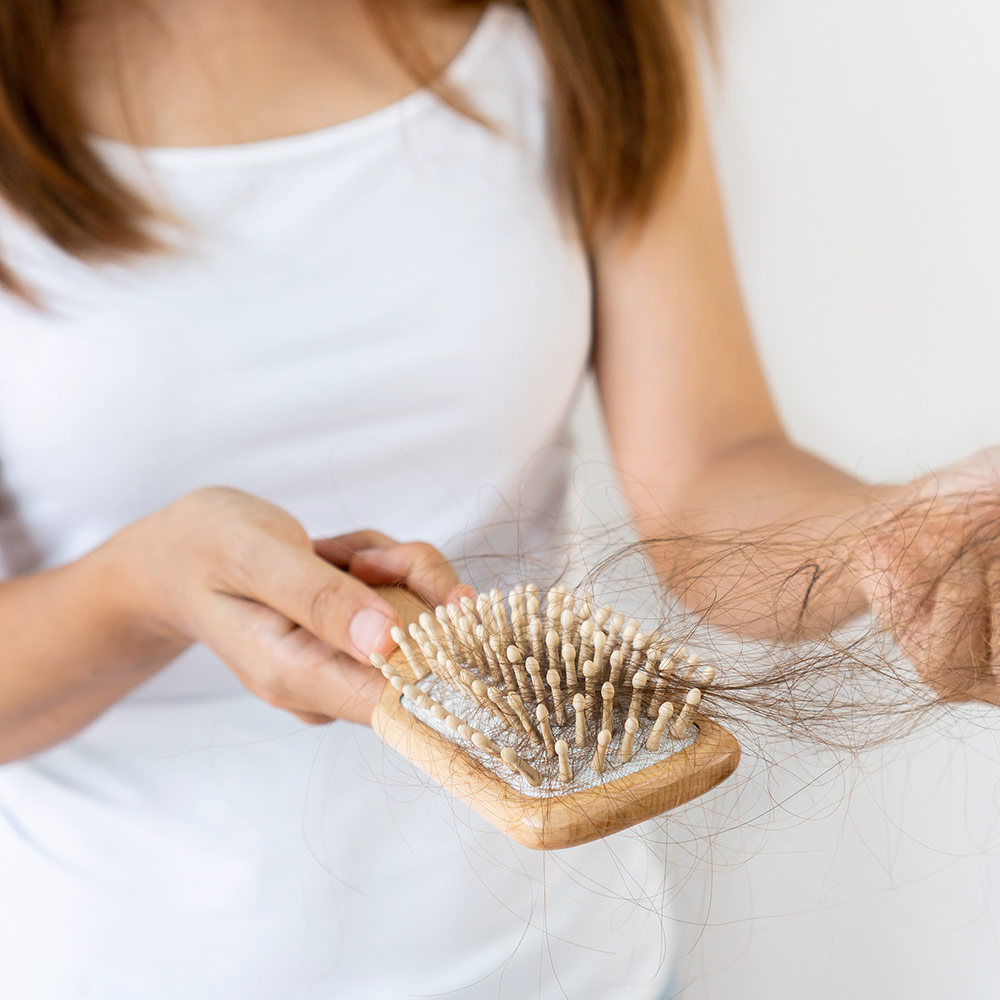
Hair loss in women is common and can be triggered by a variety of factors. The most common cause is female pattern hair loss (androgenetic alopecia), a hereditary condition that leads to gradual thinning along the crown and part line. Hormonal changes, such as those that occur during pregnancy, postpartum, menopause, or thyroid disorders, can also contribute. Other causes include stress, nutritional deficiencies, and medical conditions. In many cases, hair loss in women is reversible once the underlying cause is addressed.
What is Causing Your Hair Loss?
Hair loss in women is common and can be triggered by a variety of factors. The most common cause is female pattern hair loss (androgenetic alopecia), a hereditary condition that leads to gradual thinning along the crown and part line. Hormonal changes, such as those that occur during pregnancy, postpartum, menopause, or thyroid disorders, can also contribute. Other causes include stress, nutritional deficiencies, and medical conditions. In many cases, hair loss in women is reversible once the underlying cause is addressed.
Genetics
Genetic hair loss, also known as androgenetic alopecia, affects millions of women worldwide. It typically begins with gradual thinning along the part line or crown and may become more noticeable with age, especially after menopause. Genetic hair loss is linked to how hair follicles respond to hormones like androgens, which can shorten the hair growth cycle and cause finer, weaker strands over time. While genetic hair loss cannot be completely prevented, early treatment can help slow thinning and preserve volume.
Genetics
Genetic hair loss, also known as androgenetic alopecia, affects millions of women worldwide. It typically begins with gradual thinning along the part line or crown and may become more noticeable with age, especially after menopause. Genetic hair loss is linked to how hair follicles respond to hormones like androgens, which can shorten the hair growth cycle and cause finer, weaker strands over time. While genetic hair loss cannot be completely prevented, early treatment can help slow thinning and preserve volume.
Hormones
Hormonal changes are a common cause of women’s hair loss. Shifts in estrogen and progesterone during pregnancy, postpartum, or menopause can disrupt the hair growth cycle and trigger shedding. Higher androgen levels, such as testosterone, may also shrink follicles and cause thinning. Conditions like thyroid disorders and PCOS further contribute by creating imbalances that affect scalp health. Because hormonal hair loss varies, professional evaluation is key to finding effective treatment.

Hormones
Hormonal changes are a common cause of women’s hair loss. Shifts in estrogen and progesterone during pregnancy, postpartum, or menopause can disrupt the hair growth cycle and trigger shedding. Higher androgen levels, such as testosterone, may also shrink follicles and cause thinning. Conditions like thyroid disorders and PCOS further contribute by creating imbalances that affect scalp health. Because hormonal hair loss varies, professional evaluation is key to finding effective treatment.
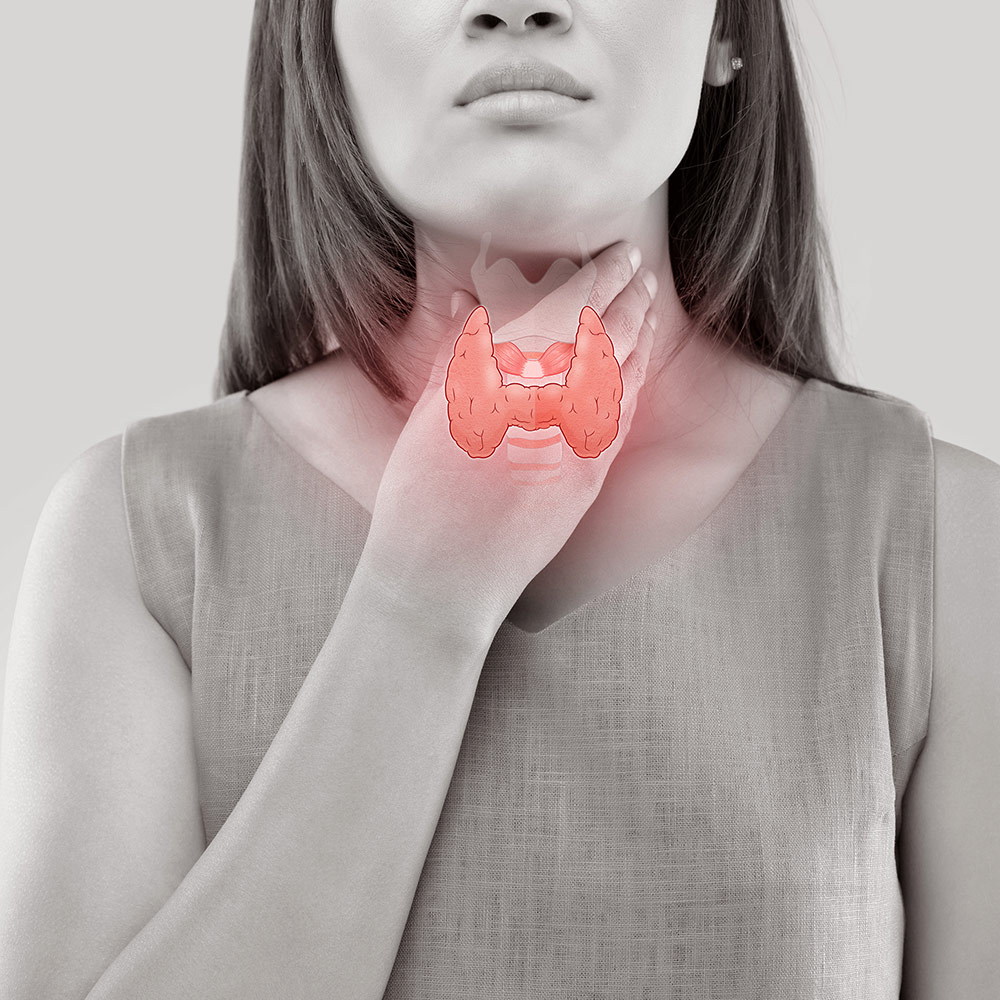
Thyroid Disorder
Thyroid disorders, including hypothyroidism and hyperthyroidism, can disrupt the body’s hormone balance and directly affect the hair growth cycle. These imbalances may push hair follicles into a resting phase, leading to diffuse thinning or excessive shedding across the scalp. Because thyroid-related hair loss often develops gradually, proper diagnosis and treatment are essential for restoring balance and supporting healthy hair growth.
Thyroid Disorder
Thyroid disorders, including hypothyroidism and hyperthyroidism, can disrupt the body’s hormone balance and directly affect the hair growth cycle. These imbalances may push hair follicles into a resting phase, leading to diffuse thinning or excessive shedding across the scalp. Because thyroid-related hair loss often develops gradually, proper diagnosis and treatment are essential for restoring balance and supporting healthy hair growth.
Stress and Hair Loss
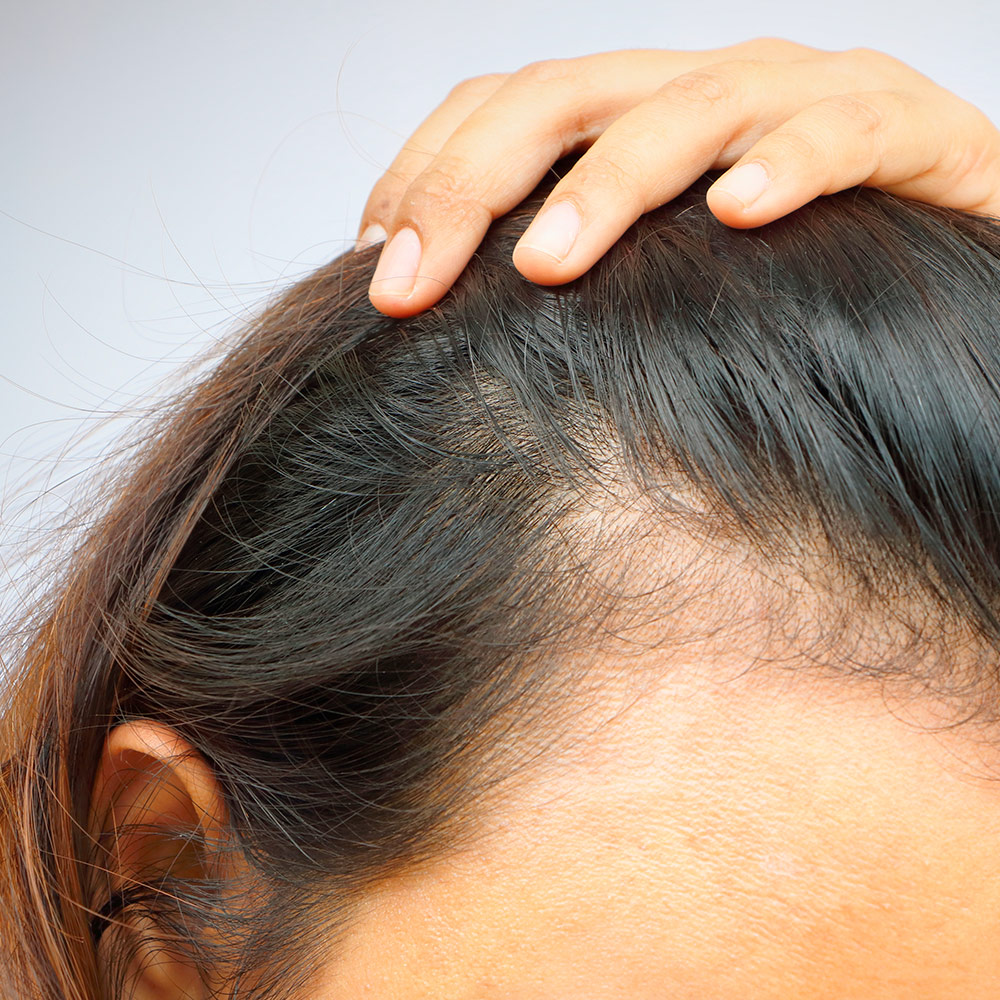
High stress levels can disrupt the hair growth cycle, pushing more follicles into the shedding phase—a condition known as telogen effluvium. This often leads to noticeable thinning across the scalp weeks or months after a stressful event. While stress-related hair loss is usually temporary, managing stress through healthy lifestyle habits and professional support can help restore natural growth.
Stress and Hair Loss
High stress levels can disrupt the hair growth cycle, pushing more follicles into the shedding phase—a condition known as telogen effluvium. This often leads to noticeable thinning across the scalp weeks or months after a stressful event. While stress-related hair loss is usually temporary, managing stress through healthy lifestyle habits and professional support can help restore natural growth.

Postpartum Hair Loss
Postpartum hair loss occurs when estrogen levels drop after childbirth, causing more hairs to enter the shedding phase. This temporary condition, known as telogen effluvium, often peaks a few months after delivery and usually resolves within a year as hormone levels rebalance.
Postpartum Hair Loss
Postpartum hair loss occurs when estrogen levels drop after childbirth, causing more hairs to enter the shedding phase. This temporary condition, known as telogen effluvium, often peaks a few months after delivery and usually resolves within a year as hormone levels rebalance.
What to Expect at Your Consultation
- 60-minute in-depth consultation with an advanced clinical trichologist and hair-loss expert
- Comprehensive hair and scalp analysis, including a microscopic view of the scalp and individual hair strands
- Baseline clinical images and measurements to document hair density, hair counts, scalp condition, and other important indicators
- Single Hair Analysis Test to provide additional insight into your hair-loss pattern and contributing factors
- Progression tracking through follow-up images and measurements, allowing us to monitor changes over time
- Additional laboratory testing, if needed, ordered through your personal insurance
- Women’s hair-loss education session to help you understand possible causes, treatment options, and realistic expectations
- Personally tailored treatment plan based on your history, assessment findings, goals, and lifestyle
Hair and Scalp Analysis
Your hair and scalp analysis establishes an objective baseline for your care. It may include high-resolution scalp images, hair counts, density measurements, strand evaluation, and documentation of scalp health.
These findings help us track progression over time, evaluate treatment response, and make informed adjustments to your personalized plan when appropriate.

What to Expect at Your Consultation
- 45 minute consultation with a advanced clinical Trichologist (Hair Loss Expert)
- Trichology analysis (microscopic view of your scalp and hair strands) and images
- Single Hair Analysis Test will reveal detailed insights into your hair loss
- Additional lab ordering if needed through personal insurance
- Women’s hair loss connection education session
- Personally tailored treatment plan
Schedule a 45-Minute Online Consultation or Call (615) 662-8722 to Discuss Personalized Options.
Hundreds of success stories
[We want yours to be next!]

HPI has been phenomenal to me since the first day I walked in. They are kind. They are flexible. They go above and beyond to meet my needs. I recommend to everyone!
—Mark
Kimberly was able to stop my hair from falling out in less than 30 days and now I am in recovery mode – my hair is filling in and growing back. I am so thankful for HPIHair!
—B. N.
HPI has been life transforming. Cindy and Summer are knowledgeable, kind and make sure I walk out of every appointment feeling and looking my best. Thank you, HPI!
—Christy
Not only have I seen great physical results from the various treatments, but I have been encouraged & supported by the entire HPI staff since Day 1! So thankful my family & I found this space!
—Mikey
I had a great experience at HPI Hair. Kimberly provided multiple options for treating my hair loss and I saw significant hair regrowth. The staff were also very kind and friendly. I would recommend HPI Hair to family and friends.
—Lois

As Seen In