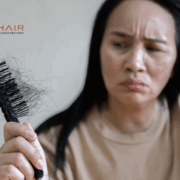
Sudden Hair Loss In Women in Nolensville, TN

Quick solutions for sudden hair loss in women. Restore confidence.

Hair loss is a common concern for women, and sudden hair loss can be particularly distressing. Whether you’re experiencing thinning hair or patchy baldness, realizing the causes and potential treatments for sudden hair loss is crucial. If you’re in Nolensville, TN and seeking assistance with sudden hair loss, our clinic is here to help. In this comprehensive guide, we’ll delve into the factors behind sudden hair loss in women and explore treatment options to help you regain confidence in your appearance.

Sudden Hair Loss

Sudden hair loss in women can occur for a variety of reasons, and pinpointing the underlying cause is the first step in finding a solution. Some of the common factors contributing to sudden hair loss include:

Hormonal Changes: Fluctuations in hormone levels, particularly during pregnancy, menopause, or thyroid disorders, can lead to sudden hair loss.

Stress and Trauma: Emotional or physical stress can disrupt the hair growth cycle, leading to excessive shedding and noticeable thinning.

Medical Conditions: Certain medical conditions such as alopecia areata, autoimmune disorders, and scalp infections can trigger sudden hair loss.

Diet and Nutrition: Inadequate intake of essential nutrients, particularly iron and protein, can impact hair health and contribute to sudden hair loss.

Seeking Professional Guidance

If you’re experiencing sudden hair loss, seeking professional guidance is crucial. Our clinic in Nolensville, TN offers a multidisciplinary approach to address sudden hair loss in women. Our team of experts specializes in diagnosing the root cause of hair loss and formulating personalized treatment plans tailored to your specific needs.

Upon visiting our clinic, you can expect a comprehensive assessment of your hair and scalp health, including:

Thorough Medical History: Understanding your medical history, including any underlying health conditions or medications, is essential in identifying potential factors contributing to sudden hair loss.

Diagnostic Testing: Our clinic utilizes advanced diagnostic tests to evaluate hormone levels, nutrient deficiencies, and any underlying scalp conditions that may be contributing to hair loss.

Personalized Treatment Plan: Based on the findings from the assessment, our team will develop a tailored treatment plan, combining medical interventions, lifestyle modifications, and supportive therapies to address sudden hair loss.

Exploring Treatment Options

Treatment for sudden hair loss in women can vary based on the underlying cause and severity of the condition. Some of the treatment options offered at our clinic include:

Topical Solutions: Prescription-strength topical solutions containing minoxidil or other active ingredients may be recommended to promote hair regrowth and halt further shedding.

Nutritional Counseling: Our team of nutrition experts can provide personalized guidance on optimizing your diet to support hair health, addressing any nutrient deficiencies that may be contributing to your hair loss.

Platelet-Rich Plasma (PRP) Therapy: PRP therapy involves using the patient’s own blood components to stimulate hair follicles, promoting hair regrowth and improving hair density.

Laser Therapy: Low-level laser therapy (LLLT) can be utilized to enhance blood flow to the scalp, promoting healthier hair follicles and potentially slowing down or reversing hair loss.

Overall

Sudden hair loss in women is a complex and multifaceted issue, and finding an effective solution requires a thorough realizing of the underlying causes and personalized treatment approaches. If you’re in Nolensville, TN, and seeking professional assistance with sudden hair loss, our clinic is dedicated to providing comprehensive care and tailored treatment plans to address your specific needs. Don’t let sudden hair loss diminish your confidencereach out to our team and take the first step towards reclaiming a full, healthy head of hair.
Types Of Hair Loss In Women in Brentwood, TN

Restore your confidence with personalized hair loss solutions for women.

Hair loss is a common concern among women, and it can be a distressing experience that affects self-esteem and confidence. Understanding the different types of hair loss in women is essential for identifying the underlying causes and seeking effective solutions. In this comprehensive guide, we will explore the various types of hair loss in women, their potential triggers, and available treatment options. Whether you are experiencing thinning hair or noticeable bald patches, it is crucial to delve into the root causes and explore potential remedies. If you are seeking personalized and effective solutions for hair loss, our clinic in Brentwood, TN, is dedicated to providing professional care and support. Let’s embark on a journey to understand the complexities of hair loss in women and find ways to address this common concern.

Hair Loss in Women

Hair loss in women can be attributed to various factors, including genetics, hormonal changes, medical conditions, and lifestyle habits. While it is normal to shed around 50 to 100 hairs a day, excessive hair loss may indicate an underlying problem that requires attention. It is essential to differentiate between temporary shedding and persistent hair loss to determine the appropriate course of action.

Types of Hair Loss in Women

1. Androgenetic Alopecia:

– Also known as female pattern baldness, androgenetic alopecia is the most common type of hair loss in women. It is characterized by thinning hair on the scalp, mainly at the crown and frontal areas. Genetics and hormonal fluctuations, particularly an increase in androgen levels, play a significant role in this type of hair loss.

2. Telogen Effluvium:

– Telogen effluvium is a condition characterized by excessive shedding of hair due to a disturbance in the hair growth cycle. It can be triggered by factors such as stress, hormonal changes, dietary deficiencies, childbirth, illness, or certain medications. The shedding is usually diffuse and not limited to specific areas of the scalp.

3. Alopecia Areata:

– Alopecia areata is an autoimmune condition that causes hair loss in distinct, round patches on the scalp or other parts of the body. It occurs when the immune system mistakenly attacks the hair follicles, leading to sudden hair loss. The condition can be unpredictable and may result in complete baldness in severe cases.

4. Traction Alopecia:

– Traction alopecia is commonly seen in women who frequently wear tight hairstyles or use hair accessories that exert constant tension on the hair shafts. Prolonged traction can damage the hair follicles and lead to hair loss, particularly along the hairline or in areas where the tension is applied.

5. Anagen Effluvium:

– This type of hair loss occurs during the anagen or active growth phase of the hair follicles. It is often associated with chemotherapy or radiation therapy for cancer treatment. Anagen effluvium leads to sudden and severe hair loss, affecting the scalp, eyebrows, and other body hair.

Seeking Solutions for Hair Loss

Recognizing the specific type of hair loss is crucial for devising an appropriate treatment plan. Our clinic in Brentwood, TN, offers a range of solutions tailored to address the unique needs of women experiencing hair loss. From advanced hair restoration therapies to medical interventions and personalized hair care regimens, our team is committed to providing comprehensive support and guidance to help you regain confidence and achieve healthy, beautiful hair.

The impact of hair loss on women goes beyond physical appearance, often affecting emotional well-being and overall quality of life. Identifying the type of hair loss and seeking professional guidance is the first step toward finding effective solutions. Our clinic in Brentwood, TN, is dedicated to offering personalized care and advanced treatments for women experiencing hair loss. Take the proactive approach towards addressing hair loss and embark on a journey to restore your hair and confidence.

Hormonal Hair Loss Regrowth Women in Nolensville, TN

Regain your confidence with our hormonal hair loss regrowth solution.

Are you among the many women experiencing hormonal hair loss and seeking a reliable solution to regrow your hair? Experiencing hair thinning and loss can be a distressing and concerning experience, affecting your self-confidence and overall well-being. Understanding the underlying causes and effective treatments for hormonal hair loss is crucial in regaining healthy and vibrant hair. In this comprehensive guide, we will delve into the dynamics of hormonal hair loss in women and explore proven regrowth solutions. Whether you’re dealing with androgenetic alopecia, postpartum hair loss, or other hormonal imbalances affecting your hair, read on to discover the steps to reclaiming your luscious locks.

Hormonal Hair Loss

Hormonal hair loss, also known as androgenetic alopecia, is a common condition among women, characterized by the gradual thinning of hair due to hormonal imbalances. The hormone dihydrotestosterone (DHT) plays a significant role in this process, leading to the shrinking of hair follicles and shorter hair growth cycles. Additionally, fluctuations in estrogen and progesterone levels, especially during pregnancy and menopause, can contribute to hair shedding and thinning. Understanding the hormonal factors contributing to hair loss is essential in devising targeted treatment approaches for regrowth.

Effective Treatments for Hormonal Hair Loss

1. Topical Minoxidil: This FDA-approved over-the-counter medication works to stimulate hair follicles, promoting regrowth and slowing down further hair loss. It is available in various concentrations and formulations, making it a versatile option for women experiencing different stages of hormonal hair loss.

2. Oral Supplements: Nutritional deficiencies can exacerbate hormonal hair loss. Biotin, vitamin D, and iron are vital for healthy hair growth. Supplements containing these essential nutrients can aid in addressing deficiencies and supporting the regrowth of hair.

3. Hormone Therapy: For women experiencing significant hormonal imbalances contributing to hair loss, hormone replacement therapy (HRT) can be a viable option. It involves the use of estrogen and progesterone to restore hormonal equilibrium and mitigate hair loss.

4. Platelet-Rich Plasma (PRP) Therapy: This innovative treatment involves the injection of concentrated platelets from your own blood into the scalp, stimulating hair follicles and promoting natural hair regrowth.

Lifestyle Modifications for Hair Regrowth

In addition to targeted treatments, implementing lifestyle modifications can complement the regrowth efforts for hormonal hair loss. Adequate nutrition, stress management, and scalp care play crucial roles in fostering a healthy environment for hair regrowth. Embracing a balanced diet rich in essential vitamins and minerals, engaging in stress-reducing activities such as yoga or meditation, and adopting a gentle hair care routine can collectively contribute to improving hair health and regrowth.

Consult Our Experts

When dealing with hormonal hair loss, seeking professional guidance is paramount in identifying the most effective regrowth solutions tailored to your unique needs. Our clinic in Nolensville, TN, is dedicated to providing comprehensive consultations and personalized treatment plans for women navigating hormonal hair loss. Our experienced team of specialists understands the complexities of hormonal imbalances and their impact on hair health, ensuring that you receive the highest standard of care and support on your journey to regaining thick, healthy hair.

Key point

Knowing the interplay of hormones in hair loss and exploring the diverse treatment options empowers women to address hormonal hair loss effectively and embark on the path to regaining confidence through healthy, revitalized hair. By combining targeted treatments, lifestyle adjustments, and expert guidance, women can embrace their journey towards achieving vibrant and resilient hair.

Causes Of Hair Loss In Older Women in Nolensville, TN

Expert solutions for women’s hair loss. Book a consultation now.

Every woman experiences changes as she ages, and for some, one of the most frustrating changes can be hair loss. While it’s commonly associated with men, hair loss can also affect women, particularly as they reach later stages of life. Understanding the causes of hair loss in older women is crucial for addressing the issue effectively. In this comprehensive guide, we will delve into the various factors that contribute to hair loss in older women, offering valuable insights for those seeking to combat this condition.

Hormonal Changes

Hormonal changes play a significant role in hair loss among older women. As women age, hormonal imbalances, particularly changes in estrogen and progesterone levels, can impact hair growth cycles. This fluctuation in hormone levels can lead to a condition known as androgenetic alopecia, which is a common cause of hair loss in older women. Additionally, the onset of menopause can contribute to hormonal shifts, further exacerbating hair loss.

Nutritional Deficiencies

Nutritional deficiencies can also contribute to hair loss in older women. As individuals age, they may experience challenges in adequately absorbing essential nutrients from their diet, leading to deficiencies in vitamins and minerals crucial for maintaining healthy hair. For instance, inadequate intake of iron, vitamin D, and B vitamins can directly impact hair health and contribute to hair thinning and loss.

Medical Conditions

Several medical conditions can contribute to hair loss in older women. Conditions such as thyroid disorders, autoimmune diseases, and scalp infections can disrupt the normal hair growth cycle, leading to excessive shedding and thinning of the hair. It’s essential for women experiencing hair loss to consult with a medical professional to rule out any underlying health issues that may be contributing to the condition.

Stress and Emotional Well-Being

The emotional well-being of older women can also have an impact on hair health. Chronic stress, anxiety, and emotional turmoil can trigger hair loss or exacerbate existing conditions. As women age, managing stress and prioritizing mental well-being becomes increasingly important for maintaining healthy hair and overall wellness.

Genetic Predisposition

Genetics play a crucial role in determining a woman’s susceptibility to hair loss. If there is a family history of hair loss, particularly among older female relatives, it increases the likelihood that an individual will also experience hair thinning and balding as they age. Understanding one’s genetic predisposition to hair loss can help in formulating effective strategies for prevention and treatment.

Treatment Options

Addressing hair loss in older women often requires a multi-faceted approach. Depending on the underlying cause, treatment options may include:

– Hormone replacement therapy to address hormonal imbalances

– Nutritional supplements to replenish deficiencies

– Prescription medications to stimulate hair growth

– Low-level laser therapy to promote hair regrowth

– Platelet-rich plasma (PRP) treatment to rejuvenate hair follicles

– Scalp treatments to address underlying scalp conditions

– Hair transplantation for more severe cases of hair loss

It’s crucial for older women experiencing hair loss to seek professional guidance from a qualified medical practitioner to determine the most suitable treatment plan tailored to their specific needs.

The essence

Acknowledging the causes of hair loss in older women is the first step toward effectively addressing this common concern. cknowledging the various factors that contribute to hair loss, women can proactively seek appropriate treatments and preventive measures. With the right knowledge and support, older women can embrace effective solutions to maintain healthy, voluminous hair well into their later years.

Black Women And Hair Loss in La Vergne, TN

Empowering hair loss solutions for black women. Find confidence today.

Black women take pride in their hair, using it as a form of self-expression and empowerment. However, many of these women also face the distressing issue of hair loss. Understanding the unique challenges black women encounter with hair loss, as well as the available solutions, is crucial for providing adequate support and care. This article aims to shed light on the complexities surrounding hair loss in black women, and offer insights into addressing these concerns effectively.

The Impact of Hair Loss on Black Women

Hair plays a significant role in the cultural identity and self-esteem of black women. The intricate styling and maintenance of various hair textures are deeply intertwined in African American culture. For many black women, hair is a symbol of pride, heritage, and individuality. However, the prevalence of hair loss can have a profound impact on their emotional well-being and sense of identity. The experience of hair loss often leads to feelings of distress, insecurity, and a loss of confidence.

Furthermore, societal beauty standards and stereotypes place additional pressure on black women to maintain a certain aesthetic, which can exacerbate the emotional toll of hair loss. This often leads to a cycle of stress-induced hair loss, creating a challenging situation for many black women.

The Root Causes

Hair loss in black women can be attributed to a variety of factors, including genetics, styling practices, and underlying health conditions. The unique texture and structure of black hair make it more susceptible to damage and breakage. Hairstyles such as braids, weaves, and chemical treatments, while popular in the black community, can contribute to traction alopecia and other forms of hair loss.

Moreover, conditions like alopecia areata, hormonal imbalances, and nutritional deficiencies can significantly impact the health of black women’s hair. Understanding these root causes is essential for developing personalized treatment plans and preventive measures to address hair loss effectively.

Empowering Through Education and Support

Empowering black women with knowledge about proper hair care and healthy practices is crucial in mitigating the impact of hair loss. Educational resources and support systems that cater specifically to the unique needs of black hair can play a vital role in promoting hair health and addressing common concerns.

Clinics and hair care professionals must prioritize culturally sensitive care and recognize the diverse needs of black women’s hair. From providing tailored treatments to offering guidance on protective styling, comprehensive support can make a significant difference in managing and preventing hair loss in black women.

Embracing Diverse Solutions

It’s essential to acknowledge that there is no one-size-fits-all solution for hair loss in black women. Embracing diverse approaches, including natural remedies, specialized treatments, and advanced technologies, can offer a range of options for addressing varying degrees of hair loss. Hair restoration procedures, scalp treatments, and customizable regimens tailored to different hair textures can all contribute to restoring confidence and promoting healthy hair growth.

Emphasizing the importance of self-care and mental well-being is also paramount. Encouraging self-love, promoting body positivity, and offering psychological support are integral components of holistic care for black women experiencing hair loss.

To summarize

The phenomenon of hair loss in black women is a multifaceted issue that requires a comprehensive and culturally informed approach. nderstanding the impact of hair loss, addressing root causes, and providing empowering solutions, we can effectively support black women in reclaiming their confidence and nurturing healthy hair. Through education, personalized care, and embracing diversity in solutions, we can create a positive and inclusive environment for black women facing hair loss.

Tests For Diagnosising Hair Loss In Women in Nolensville, TN

Boost your confidence with effective hair loss treatment options.

Hair loss can be a distressing experience for many women, impacting self-esteem and confidence. However, knowing the underlying causes and seeking timely diagnosis and treatment can help alleviate the emotional and physical toll of hair loss. In this comprehensive guide, we will explore the various tests for diagnosing hair loss in women, aiming to provide valuable insights and encouragement for those seeking solutions in Nolensville, TN.

Female Hair Loss

Hair loss in women, also known as female pattern baldness or androgenetic alopecia, can be caused by multiple factors such as hormonal imbalances, genetics, stress, underlying medical conditions, and certain medications. Unlike male pattern baldness, female hair loss often presents as overall thinning rather than complete baldness in localized areas.

Diagnostic Tests for Hair Loss in Women

1. Blood Tests

– Hormone Levels: Assessing levels of hormones such as thyroid hormones, androgens, and testosterone can provide valuable insights into potential hormonal imbalances contributing to hair loss.

– Nutritional Deficiencies: Blood tests can determine deficiencies in essential nutrients such as iron, vitamin D, and vitamin B12, which are vital for healthy hair growth.

2. Scalp Biopsy

– This procedure involves the removal of a small piece of scalp tissue for examination under a microscope, helping to diagnose conditions such as alopecia areata and scarring alopecia.

3. Pull Test

– A simple and non-invasive test where a healthcare professional gently pulls on several strands of hair to determine the amount of hair loss.

4. Hair Analysis

– Analyzing a sample of hair can reveal information about mineral imbalances and toxic metal exposure that may be contributing to hair loss.

5. Phototrichogram

– This test involves taking close-up photographs of the scalp to analyze the density and quality of hair follicles, providing valuable data for diagnosis.

Professional Hair Loss Diagnosis and Treatment in Nolensville, TN

If you’re experiencing hair loss and seeking expert guidance and treatment options, our clinic in Nolensville, TN offers comprehensive diagnostic services and personalized treatment plans tailored to your individual needs. Our team of experienced professionals specializes in addressing female hair loss using advanced techniques and cutting-edge treatments to restore and rejuvenate your hair.

Our Services Include:

– Diagnostic consultations to identify the underlying causes of hair loss

– Customized treatment plans incorporating FDA-approved medications and innovative therapies

– Scalp rejuvenation treatments to stimulate hair growth and improve follicle health

– Ongoing support and guidance for long-term hair health and maintenance

With a focus on providing compassionate care and effective solutions, our clinic is dedicated to helping women regain confidence and achieve healthy, vibrant hair.

Closing considerations

Appreciating the various tests for diagnosing hair loss in women is the first step toward finding effective solutions and regaining control over hair health. By seeking professional guidance and utilizing advanced diagnostic tools, women can embark on a personalized journey toward restoring their hair and confidence.

Discovering the root causes of hair loss through comprehensive diagnostic tests is essential for implementing targeted treatment strategies. Whether you’re experiencing hormonal imbalances, nutritional deficiencies, or other contributing factors, seeking timely diagnosis and treatment is crucial for addressing female hair loss effectively.

If you’re in Nolensville, TN, and seeking expert care for hair loss, our clinic is committed to providing personalized diagnostic services and innovative treatment options tailored to your unique needs. Take the first step toward restoring your hair and confidence by scheduling a consultation with our experienced team.

Women’s Hair Loss Prevention in Brentwood, TN

Empower your confidence with our women’s hair loss prevention guide!

It’s no secret that hair plays a significant role in a woman’s self-esteem and self-expression. Unfortunately, hair loss is a widespread concern among women, impacting both their physical appearance and emotional well-being. At our clinic in Brentwood, TN, we understand the distress and frustration that hair loss can cause, and we are committed to providing effective solutions for preventing and managing this common issue.

Hair Loss in Women

Hair loss in women can be attributed to several factors, including genetics, hormonal imbalances, stress, and nutritional deficiencies. Understanding the underlying causes of hair loss is crucial for developing appropriate prevention and treatment strategies. ecognizing the specific triggers and risk factors, women can take proactive steps to maintain healthy and vibrant hair.

– Genetics: Family history of hair loss can significantly influence a woman’s susceptibility to this condition.

– Hormonal Imbalances: Fluctuations in hormone levels, particularly during pregnancy, menopause, or conditions like polycystic ovary syndrome (PCOS), can contribute to hair thinning and shedding.

– Stress: Emotional or physical stress can disrupt the hair growth cycle, leading to excessive shedding and compromised hair health.

– Nutritional Deficiencies: Inadequate intake of essential nutrients, such as iron, biotin, and certain vitamins, can impede hair growth and contribute to hair loss.

Preventive Measures for Healthy Hair

Thankfully, there are various preventive measures and lifestyle modifications that women can embrace to maintain optimal hair health and minimize the risk of hair loss. Empowering women with the knowledge and tools to protect their hair is a cornerstone of our approach at our clinic.

– Balanced Diet: Encouraging a diet rich in essential nutrients, including protein, biotin, iron, and vitamins A, C, and E, can promote healthy hair growth and minimize the risk of deficiencies.

– Stress Management: Implementing stress-reducing practices, such as meditation, yoga, or engaging in enjoyable activities, can help mitigate the impact of stress on hair health.

– Gentle Hair Care: Using mild shampoos, limiting the use of heat-styling tools, and avoiding harsh chemical treatments can safeguard the hair from damage and breakage.

– Scalp Health: Nurturing the scalp through regular massage, exfoliation, and targeted treatments can create an optimal environment for robust hair growth.

– Professional Evaluation: Seeking guidance from a qualified provider to assess and address any underlying medical conditions or hormonal imbalances is essential for comprehensive hair loss prevention.

Treatment Options for Hair Loss

In some cases, despite preventive measures, women may still experience hair loss. Our clinic offers advanced treatment options tailored to address the specific needs and concerns of our patients.

– Platelet-Rich Plasma (PRP) Therapy: Utilizing the regenerative properties of platelet-rich plasma to stimulate hair follicles and promote new hair growth.

– Laser Therapy: Harnessing the power of low-level laser therapy to enhance scalp circulation and encourage hair follicle revitalization.

– Prescription Medications: Introducing FDA-approved medications, such as minoxidil or finasteride, to promote hair growth and prevent further loss.

– Nutritional Support: Providing comprehensive guidance on dietary supplements and topical treatments to support healthy hair follicles and overall hair health.

End thoughts

At our clinic in Brentwood, TN, we are dedicated to empowering women with effective strategies for preventing and managing hair loss. ddressing the root causes, embracing preventive measures, and offering advanced treatment options, we strive to support women in maintaining their hair’s vitality and luster. If you’re ready to embark on a journey towards healthy, resilient hair, we are here to guide and support you every step of the way.

Reasons Why Women’s Hair Loss in Nashville, TN

Solutions for Women’s Hair Loss – Find Support and Understanding

Hair loss can be a distressing experience for anyone, but for women, it can be particularly challenging. From hormonal changes to stress and genetics, there are numerous reasons why women may experience hair loss. Understanding the underlying causes is crucial in order to find effective solutions and regain confidence. In this comprehensive guide, we will delve into the various factors contributing to women’s hair loss and explore potential treatments available, aiming to provide valuable insights and guidance for women in Nashville, TN, and beyond.

Hormonal Imbalance

Hormonal fluctuations can play a significant role in women’s hair loss. Factors such as pregnancy, menopause, polycystic ovary syndrome (PCOS), and thyroid disorders can all lead to imbalances that affect hair growth cycles. During pregnancy, for example, elevated levels of estrogen can prolong the hair’s growth phase, resulting in thicker and healthier-looking hair. However, postpartum hormonal changes can cause an increased shedding of hair, leading to noticeable thinning. Similarly, the onset of menopause can lead to a decline in estrogen levels and an increase in androgen hormones, potentially contributing to hair loss. Understanding these hormonal shifts is essential in addressing the root cause of hair loss in women.

Genetic Predisposition

Genetics can also play a significant role in female hair loss. Androgenetic alopecia, commonly known as female pattern baldness, is a hereditary condition that can lead to gradual thinning of the hair. This type of hair loss typically follows a specific pattern, with the hairline receding and the crown area becoming progressively thinner. While the genetic predisposition to hair loss cannot be altered, various treatments and interventions can help manage its impact and maintain healthy hair growth.

Stress and Lifestyle Factors

Chronic stress and certain lifestyle choices can contribute to hair loss in women. High-stress levels can disrupt the hair growth cycle, leading to increased shedding and weakened hair follicles. Additionally, poor dietary habits, smoking, and excessive hairstyling or use of harsh chemical treatments can also take a toll on the overall health of the hair. Adopting stress-reducing practices, improving nutrition, and minimizing damaging hair practices can help mitigate these factors contributing to hair loss.

Medical Conditions and Medications

Certain medical conditions and medications can have a direct impact on hair health. Conditions such as alopecia areata, lupus, and trichotillomania can result in localized or widespread hair loss. Furthermore, medications used to treat conditions like cancer, arthritis, depression, and high blood pressure can also lead to hair thinning and loss as a side effect. It is important for women experiencing hair loss to consult with healthcare professionals to determine the potential influence of underlying medical conditions and medications.

Seeking Specialized Hair Restoration Solutions

In Nashville, TN, women experiencing hair loss can explore specialized hair restoration solutions to address their individual needs. Advanced technologies, such as platelet-rich plasma (PRP) therapy, low-level laser therapy, and follicular unit extraction (FUE) hair transplants, offer promising options for restoring hair density and rejuvenating the scalp. Consulting with experienced professionals in the field of hair restoration can provide women with personalized strategies tailored to their specific hair loss concerns.

Knowing the multifaceted nature of women’s hair loss is crucial for effectively addressing this common issue. ecognizing the diverse factors that contribute to hair loss, women can take proactive steps to explore suitable treatments and regain confidence in their appearance. Whether it’s managing hormonal imbalances, addressing genetic predispositions, or adopting healthier lifestyle practices, there are various pathways to achieving optimal hair health.

Symptoms Of Fatigue And Hair Loss In Women in Nashville, TN

Empower Your Health: Overcome Fatigue and Hair Loss with Confidence!

Women are strong, resilient, and capable of handling life’s many challenges. However, there are times when even the strongest among us may feel fatigued, both mentally and physically, or notice increased hair loss. While these symptoms are not uncommon, they can be indicative of underlying health issues that require attention. In this comprehensive guide, we will delve into the potential causes of fatigue and hair loss in women, exploring the various symptoms and offering valuable insights to help you understand and address these concerns. Whether you’re a professional athlete, bodybuilder, or simply someone looking to optimize your health, this information will provide you with the knowledge you need to take charge of your well-being.

Fatigue

Fatigue is a common complaint among women, and it can manifest in a variety of ways. Here are some key symptoms to watch for:

– Persistent tiredness and lack of energy

– Difficulty concentrating and making decisions

– Reduced physical performance and endurance

– Increased irritability and mood swings

– Insomnia or disrupted sleep patterns

– Muscle weakness and aches

– Headaches and dizziness

Appreciating the potential causes of fatigue is crucial. Hormonal imbalances, nutritional deficiencies, thyroid problems, and chronic stress are just a few of the factors that can contribute to this issue. It’s essential to consult with a healthcare professional to identify the root cause of your fatigue and develop a targeted treatment plan.

Hair Loss

Hair loss in women can be distressing and is often accompanied by feelings of self-consciousness and reduced self-esteem. Here are some signs that you may be experiencing abnormal hair loss:

– Excessive hair shedding during showering or brushing

– Noticeable thinning of the hair, particularly around the crown or temples

– Receding hairline or widening part

– Bald patches or areas of complete hair loss

Numerous factors can contribute to hair loss in women, including genetic predisposition, hormonal fluctuations, nutritional deficiencies, and certain medical conditions. Seeking professional guidance is imperative to determine the specific cause of your hair loss and explore appropriate treatment options.

Managing Fatigue and Hair Loss

Addressing fatigue and hair loss often involves a multifaceted approach that considers both physical and emotional aspects of health. Here are some strategies to support your well-being:

– Maintain a balanced diet rich in essential nutrients, particularly iron, B vitamins, and protein, to support energy levels and promote hair health.

– Prioritize quality sleep and establish a consistent sleep schedule to combat fatigue and support optimal hair growth.

– Manage stress through relaxation techniques, mindfulness practices, and regular physical activity to reduce the impact of stress-related hair loss and fatigue.

– Consult with a healthcare professional to evaluate hormone levels, thyroid function, and any underlying medical conditions that may be contributing to your symptoms.

Empowering yourself with knowledge and seeking professional guidance are pivotal steps in managing fatigue and hair loss effectively. ddressing these concerns proactively, you can optimize your overall health and well-being, improving your energy levels and supporting the health of your hair.

The main takeaway

Fatigue and hair loss are complex issues that require careful attention and personalized care. As a female athlete or bodybuilder, it’s essential to take a proactive approach to your health, ensuring that you have the energy and vitality to pursue your fitness goals. nderstanding the potential causes of fatigue and hair loss, you can make informed decisions about your health and seek appropriate support when needed. Remember that your well-being is paramount, and addressing these symptoms can empower you to achieve peak performance and maintain a vibrant, healthy appearance.

Types Of Hair Loss In Women in La Vergne, TN

Expert solutions for women’s hair loss. Boost confidence, feel beautiful.

Hair loss is a common concern among women, affecting their physical appearance and emotional well-being. Understanding the different types and causes of hair loss is crucial for seeking appropriate treatment and maintaining healthy, luxurious hair. As a leading clinic in La Vergne, TN, we specialize in addressing hair loss in women, offering personalized solutions to restore confidence and beauty. In this comprehensive guide, we delve into the various types of hair loss in women, shedding light on their underlying causes and potential treatment options.

Hair Growth Cycle

Hair growth follows a natural cycle consisting of three main phases: anagen, catagen, and telogen. During the anagen phase, hair actively grows, while the catagen phase signals a transition to a resting state. Finally, the telogen phase results in hair shedding, making way for the growth of new hair strands. Understanding this cycle is essential in identifying abnormalities that may lead to hair loss.

Types of Hair Loss in Women

1. Androgenetic Alopecia: Also known as female pattern hair loss, this condition is characterized by a gradual thinning of hair, primarily at the top of the head. It is the most common type of hair loss in women and is influenced by genetic and hormonal factors.

2. Telogen Effluvium: This form of hair loss occurs when a significant number of hair follicles prematurely enter the telogen phase, resulting in excessive shedding. Telogen effluvium can be triggered by physical or emotional stress, illness, or hormonal changes.

3. Alopecia Areata: A condition in which the immune system mistakenly attacks the hair follicles, leading to sudden and unpredictable hair loss in round patches. While the exact cause is not fully understood, it is believed to be an autoimmune disorder.

4. Traction Alopecia: Commonly seen in women who frequently wear tight hairstyles, such as tight ponytails or braids, resulting in gradual hair loss due to constant tension on the hair shafts.

5. Anagen Effluvium: This type of hair loss occurs during the anagen phase and is often associated with cancer treatments, such as chemotherapy, which target rapidly dividing cells, including hair follicles.

Causes of Hair Loss in Women

– Hormonal Imbalance: Fluctuations in hormone levels, particularly androgens, can contribute to hair loss, as seen in conditions like polycystic ovary syndrome (PCOS) and menopause.

– Genetics: Family history plays a significant role in the predisposition to certain types of hair loss, including androgenetic alopecia.

– Medical Conditions: Certain medical conditions, such as thyroid disorders and autoimmune diseases, can lead to hair loss in women.

– Stress: Physical or emotional stress can disrupt the hair growth cycle, leading to excessive shedding and thinning of the hair.

– Hair Styling Practices: Overly tight hairstyles, frequent use of heated styling tools, and harsh chemical treatments can cause damage to the hair and contribute to hair loss.

Seeking Treatment

Upon noticing signs of hair loss, it is vital for women to seek professional evaluation and personalized treatment options. Our clinic in La Vergne, TN, offers a range of advanced treatments, including hair restoration therapies, PRP (platelet-rich plasma) treatments, and personalized hair care regimens tailored to individual needs. We prioritize patient education and empowerment, guiding women through their journey to reclaiming healthy, vibrant hair.

To conclude

Recognizing the different types and causes of hair loss in women is the first step toward effective management and restoration. With the right knowledge and professional guidance, women can address their concerns with confidence and find suitable solutions to maintain beautiful, healthy hair. If you are experiencing hair loss, our clinic is dedicated to providing exceptional care and support, empowering women to embrace their natural beauty with pride and confidence.