Women Over 40 Hair Loss in Brentwood, TN

Combat hair loss after 40 with personalized solutions for women.

As women age, changes in their bodies can impact various aspects of their health, including their hair. For many women over 40, experiencing hair loss or thinning can be distressing and frustrating. While this issue is relatively common, it can still have a significant impact on a woman’s self-esteem and overall well-being. Understanding the causes of hair loss and exploring potential solutions can help women regain confidence and maintain healthy, beautiful hair as they age.

Hair Loss in Women Over 40

Hair loss in women over 40 can be caused by a variety of factors, from hormonal changes to genetic predisposition. Understanding these potential causes is key to addressing the issue effectively.

– Hormonal Changes: Fluctuations in hormone levels, particularly during menopause, can contribute to hair thinning and loss in women over 40. Changes in estrogen and progesterone levels can impact the hair growth cycle, leading to gradual thinning.

– Genetic Predisposition: A family history of hair loss can significantly increase a woman’s likelihood of experiencing similar issues as she ages. Genetic factors can play a crucial role in determining the thickness and density of a woman’s hair over time.

– Nutritional Deficiencies: Inadequate intake of essential nutrients, such as vitamins, minerals, and protein, can negatively impact hair health. Women over 40 may need to pay particular attention to their diet to ensure they are providing their bodies with the necessary building blocks for healthy hair growth.

– Stress and Lifestyle Factors: High levels of stress, as well as certain lifestyle choices, can contribute to hair loss in women. Chronic stress, poor sleep quality, and unhealthy habits can all affect the condition of the hair and scalp.

– Medical Conditions: Some underlying medical conditions, such as thyroid disorders or autoimmune diseases, can manifest as hair loss in women over 40. Identifying and addressing these health issues is essential in managing hair loss.

Exploring Treatment Options

When it comes to addressing hair loss in women over 40, there are several treatment options available, ranging from topical solutions to medical interventions.

– Topical Treatments: Over-the-counter minoxidil solutions can be effective in promoting hair regrowth and slowing down further loss. Additionally, specialized shampoos and serums containing key nutrients can provide support for thinning hair.

– Nutritional Support: Ensuring adequate intake of essential vitamins and minerals, such as biotin, folic acid, and iron, can support overall hair health. Dietary supplements tailored to hair growth may also be beneficial.

– Hormone Therapy: For women experiencing significant hair loss related to hormonal changes, hormone replacement therapy (HRT) may be a viable option. Balancing hormone levels can help mitigate the impact on hair.

– Platelet-Rich Plasma (PRP) Therapy: This innovative treatment involves injecting a concentrated form of the patient’s own blood into the scalp to stimulate hair follicles and encourage regrowth.

– Hair Transplantation: In cases of advanced hair loss, surgical hair transplantation procedures can provide a long-term solution, restoring density and volume to the hair.

Empowering Women Over 40

Navigating hair loss as a woman over 40 can be challenging, but it’s important to remember that there are effective solutions and support available. ddressing the root causes of hair loss and exploring suitable treatment options, women can take proactive steps to reclaim confidence in their appearance and overall well-being.

Schedule Appointment

Women over 40 facing hair loss deserve personalized care and effective solutions to address this common concern. nderstanding the underlying causes of hair loss and exploring an array of treatment options, women can regain their confidence and maintain healthy, vibrant hair as they age. Our clinic in Brentwood, TN, is dedicated to providing tailored support and comprehensive solutions for women experiencing hair loss. Contact us today to learn more about how we can help you on your journey to healthier, more beautiful hair.
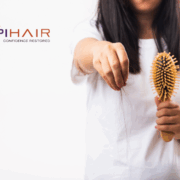

Reasons Why Women’s Hair Loss in Nolensville, TN

Combat hair loss with expert advice for men and women.

Hair loss is a common issue that can affect both men and women. While it is often associated with aging, many women also experience hair loss at a younger age. Understanding the underlying reasons for women’s hair loss is crucial in addressing this concern and finding effective solutions. This comprehensive guide will explore the various factors that contribute to hair loss in women, offering valuable insights for those seeking professional guidance and treatment at our clinic in Nolensville, TN.

Female Hair Loss

Hair loss in women, also known as female pattern hair loss or androgenetic alopecia, can manifest in different ways compared to male pattern baldness. While men typically experience a receding hairline and bald spots, women tend to notice a widening of the part and overall thinning of the hair. Understanding the reasons behind this phenomenon is essential for developing tailored treatment plans.

Hormonal Imbalances

Fluctuations in hormone levels can have a significant impact on hair health. Hormonal imbalances, often associated with conditions such as polycystic ovary syndrome (PCOS) or menopause, can lead to hair thinning and loss. Estrogen, progesterone, and testosterone levels play a crucial role in maintaining the hair growth cycle, and any disruption can contribute to hair loss in women.

Nutritional Deficiencies

A balanced diet is essential for overall health, including the strength and vitality of hair. Deficiencies in key nutrients such as iron, zinc, vitamin D, and biotin can lead to weakened hair follicles and increased shedding. Additionally, crash diets and extreme weight loss can deprive the body of essential nutrients, impacting the hair growth cycle and resulting in noticeable hair loss.

Stress and Emotional Factors

The impact of stress and emotional well-being on hair health should not be underestimated. Chronic stress can disrupt the normal hair growth cycle, leading to excessive shedding and even triggering conditions such as telogen effluvium. Emotional factors such as anxiety, depression, and trauma can also contribute to hair loss in women, highlighting the intricate relationship between mental health and physical well-being.

Medical Conditions

Certain medical conditions can directly or indirectly contribute to hair loss in women. Autoimmune disorders such as alopecia areata can cause sudden hair loss in localized areas, while thyroid imbalances, particularly hypothyroidism, can lead to overall hair thinning. Identifying and addressing these underlying medical issues is crucial in managing and minimizing hair loss.

Genetic Predisposition

Genetics can significantly influence a woman’s susceptibility to hair loss. Family history and inherited genetic traits play a pivotal role in determining the pattern and extent of hair loss. Understanding one’s genetic predisposition can assist in developing personalized treatment strategies to mitigate the effects of hereditary hair loss.

Environmental Factors

Exposure to environmental stressors and pollutants can impact the health of the hair and scalp. UV radiation, pollution, and harsh chemicals in hair products can weaken the hair shaft and disrupt the natural balance of the scalp, leading to increased hair shedding and reduced hair quality. Protecting the hair from environmental damage is crucial for maintaining its strength and vitality.

Concluding remarks

Women’s hair loss can be influenced by a myriad of factors, ranging from hormonal imbalances and nutritional deficiencies to genetic predisposition and environmental stressors. Understanding the complexities of hair loss in women is essential in providing tailored solutions to address this concern effectively. At our clinic in Nolensville, TN, we offer comprehensive consultations and personalized treatment plans to support women in managing and reversing hair loss. ddressing the root causes and implementing targeted interventions, women can regain confidence in their hair’s health and appearance.

How To Know Whether My Hair Loss Is Immune Related Women in Brentwood, TN

Combat hair loss in women with expert immune-related insights.

Hair loss in women is a common concern that can be distressing and challenging to address. While many factors can contribute to hair loss, immune-related causes are often overlooked. Understanding the signs and symptoms of immune-related hair loss in women is crucial for early detection and effective treatment. In this comprehensive guide, we’ll explore the potential immune-related causes of hair loss in women and provide valuable insights on how to recognize and address this issue.

The Immune System and Hair Loss

The immune system plays a crucial role in protecting the body from infections and diseases. However, in some cases, the immune system can mistakenly target the body’s own cells, leading to autoimmune disorders. When the immune system targets hair follicles, it can result in hair loss. Alopecia areata is a common autoimmune condition that causes hair loss in distinct patches on the scalp or other areas of the body. Additionally, other autoimmune conditions such as lupus and thyroid disorders can also contribute to hair loss in women.

Recognizing Immune-Related Hair Loss

Identifying immune-related hair loss in women requires careful observation of symptoms and potential underlying health conditions. Some key indications of immune-related hair loss include:

1. Sudden and patchy hair loss: Alopecia areata often presents as rapid, patchy hair loss, typically in round or oval shapes on the scalp.

2. Changes in skin and nails: Autoimmune conditions affecting the hair may also lead to changes in the skin and nails, such as redness, scaling, or pitting of the nails.

3. Family history of autoimmune disorders: Genetic predisposition to autoimmune conditions can increase the risk of immune-related hair loss in women.

4. Other signs of autoimmune diseases: Symptoms such as fatigue, joint pain, and unexplained weight changes may indicate underlying autoimmune disorders contributing to hair loss.

Seeking Professional Evaluation and Treatment

If you suspect that your hair loss may be immune-related, it is essential to seek professional evaluation and treatment. A dermatologist or healthcare provider with expertise in treating hair loss and autoimmune conditions can provide a thorough assessment and recommend appropriate interventions. Diagnostic tests, including blood work and scalp examinations, may be necessary to determine the underlying cause of the hair loss and develop a tailored treatment plan.

Treatment Options for Immune-Related Hair Loss

The management of immune-related hair loss in women often involves a multifaceted approach aimed at addressing the autoimmune component and promoting hair regrowth. Some potential treatment options may include:

1. Corticosteroid injections: In cases of alopecia areata, corticosteroid injections into the affected areas of the scalp can help reduce inflammation and stimulate hair regrowth.

2. Immunomodulatory therapy: Medications that modulate the immune system’s response, such as topical or oral immunomodulators, may be prescribed to manage autoimmune-related hair loss.

3. Addressing underlying autoimmune conditions: Treating concurrent autoimmune disorders, such as thyroid disease or lupus, is essential for managing immune-related hair loss in women.

4. Hair restoration treatments: For individuals experiencing extensive hair loss, options such as hair transplants or scalp micropigmentation may be considered to restore hair density and improve aesthetic outcomes.

Concluding perspectives

Immune-related hair loss in women can have a significant impact on both physical appearance and emotional well-being. nderstanding the potential immune-related causes and recognizing the signs of immune-related hair loss, women can take proactive steps to seek appropriate evaluation and treatment. With the guidance of qualified healthcare professionals, effective interventions can be tailored to address the underlying autoimmune factors and promote hair regrowth. Empowering women with knowledge about immune-related hair loss is essential for fostering confidence and well-being.

Medical Reasons For Hair Loss In Women in Nashville, TN

Seeking hope for hair loss? Discover medical solutions today.

Hair loss in women can be a distressing and emotionally taxing experience, impacting self-esteem and confidence. If you’re noticing more hair in your brush or on your pillow, it’s essential to understand the underlying medical reasons for this occurrence. In this comprehensive guide, we’ll explore the various medical factors that can contribute to hair loss in women, providing valuable insights and shedding light on potential treatment options. Whether you’re dealing with temporary shedding or a more persistent condition, this information will empower you to take proactive steps towards addressing your concerns and seeking professional help if necessary.

Hormonal Imbalance

One of the most common medical reasons for hair loss in women is hormonal imbalance. Fluctuations in hormone levels, particularly during pregnancy, childbirth, and menopause, can disrupt the normal growth cycle of the hair follicles, leading to excessive shedding. Conditions such as polycystic ovary syndrome (PCOS) and thyroid disorders can also cause hormonal imbalances, resulting in hair thinning and loss. Understanding the role of hormones in hair health is crucial for women experiencing these changes, as it forms the basis for targeted treatment and management strategies.

Nutritional Deficiencies

Another significant factor contributing to hair loss in women is nutritional deficiencies. Inadequate intake of essential nutrients such as iron, zinc, and biotin can impact the health of the hair follicles, leading to weakened strands and increased shedding. Similarly, crash dieting or restrictive eating patterns can deprive the body of vital nutrients, exacerbating the problem. Addressing nutritional deficiencies through dietary modifications and supplementation can play a pivotal role in restoring hair health and promoting regrowth.

Stress and Emotional Well-being

The connection between stress and hair loss is well-documented, with psychological factors playing a substantial role in the onset and progression of this condition. Chronic stress, anxiety, and emotional turmoil can trigger a specific type of hair loss known as telogen effluvium, leading to a sudden increase in shedding. Furthermore, the psychological impact of hair loss itself can create a vicious cycle, perpetuating further stress and exacerbating the problem. Addressing underlying emotional well-being through therapy, mindfulness practices, and stress-reduction techniques is essential for managing this aspect of hair loss.

Medical Conditions and Medications

Certain medical conditions and medications can also contribute to hair loss in women. Autoimmune disorders like alopecia areata can cause patchy hair loss, while specific medications such as chemotherapy drugs and certain blood pressure medications can lead to widespread hair shedding. Identifying any underlying medical conditions and reviewing medication side effects with a healthcare professional is critical in appreciating and addressing these potential triggers for hair loss.

Genetic Predisposition

In some cases, genetic predisposition plays a significant role in female pattern hair loss. This hereditary condition, known as androgenetic alopecia, can lead to progressive thinning of the hair and eventual hair loss. Understanding the genetic component of hair loss is essential for developing personalized treatment plans and exploring options such as topical minoxidil and oral medications to slow down the progression of this condition.

Closing considerations

Hair loss in women can be attributed to a range of medical reasons, from hormonal imbalances and nutritional deficiencies to stress, medical conditions, and genetic predisposition. Recognizing the underlying factors contributing to hair loss is the first step towards addressing these concerns and seeking appropriate treatment. If you’re experiencing noticeable hair thinning or increased shedding, consulting with a healthcare professional or a specialized hair loss clinic can provide valuable insights and personalized solutions to help restore hair health and confidence.

Low TestosteroneHair Loss In Women in Brentwood, TN

Unlock healthy hair and balance hormones with expert solutions.

When it comes to maintaining optimal health and wellness, striking a balance of hormones is crucial. Testosterone, often associated with male characteristics, also plays a significant role in women’s health. However, low levels of testosterone in women can lead to various issues, including hair loss. Understanding the relationship between low testosterone and hair loss in women is essential for proper diagnosis and treatment. In this comprehensive guide, we’ll explore the causes of low testosterone in women, its impact on hair health, and effective solutions to address this concern. If you’re a female bodybuilder seeking to optimize your overall well-being, this article will provide valuable insights tailored to meet your specific needs.

Causes of Low Testosterone in Women

Low testosterone levels in women can result from various factors, including:

– Hormonal Imbalance: Fluctuations in hormone levels, particularly during menopause, can lead to decreased testosterone production.

– Polycystic Ovary Syndrome (PCOS): This common condition can disrupt hormone levels, causing low testosterone in women.

– Adrenal Insufficiency: Conditions affecting the adrenal glands can impact hormone production, leading to low testosterone levels.

– Stress and Lifestyle Factors: Chronic stress, poor diet, and lack of physical activity can contribute to hormonal imbalances, affecting testosterone levels in women.

Impact of Low Testosterone on Hair Health

The link between low testosterone and hair loss in women is notable. Testosterone plays a crucial role in supporting hair growth and density. When levels are low, women may experience:

– Thinning Hair: Reduced testosterone can lead to decreased hair density, resulting in noticeable thinning of the hair.

– Hair Shedding: Low testosterone levels can contribute to increased hair shedding, leading to noticeable hair loss over time.

– Changes in Hair Texture: Women with low testosterone may experience changes in the texture and quality of their hair, such as increased dryness or brittleness.

Acknowledging the impact of low testosterone on hair health is essential for identifying and addressing the underlying issue effectively.

Solutions for Addressing Low Testosterone-Related Hair Loss

Managing low testosterone levels and its effects on hair health involves a multi-faceted approach. Here are some effective solutions:

– Hormone Therapy: Working with a qualified healthcare provider to explore hormone replacement therapy tailored to individual needs can address low testosterone levels and mitigate hair loss.

– Nutritional Support: Incorporating a well-balanced diet rich in essential nutrients for hair health, such as protein, vitamins, and minerals, can support overall hair growth and vitality.

– Stress Management: Adopting stress-reducing practices like meditation, yoga, or counseling can help regulate cortisol levels and support hormonal balance, including testosterone.

– Scalp Treatments: Utilizing specialized scalp treatments and products designed to promote hair growth and combat thinning can be beneficial for women experiencing low testosterone-related hair loss.

By implementing these solutions and working closely with healthcare professionals, women can effectively address low testosterone-related hair loss and optimize their overall well-being.

In summary

Acknowledging the impact of low testosterone on hair health is crucial for women striving to maintain optimal wellness, especially female bodybuilders whose physical and hormonal balance is of utmost importance. By identifying the causes, recognizing the effects, and implementing targeted solutions, women can effectively address low testosterone-related hair loss and achieve healthy, vibrant hair.

With a comprehensive approach, including hormone therapy, nutritional support, stress management, and targeted hair care, women can regain confidence and vitality while also promoting overall wellness. Empowered with this knowledge, women can take proactive steps to address low testosterone-related hair loss and embrace a healthier, more balanced lifestyle.

Common Causes For Hair Loss In Women In Their Early 40S in Brentwood, TN

Regain confidence with hair loss solutions for women in 40s.

Hair loss in women, particularly in their early 40s, can be a distressing and complex issue. Understanding the common causes and potential solutions is crucial for those experiencing this phenomenon. At our clinic in Brentwood, TN, we specialize in addressing hair loss concerns comprehensively and compassionately. With a focus on providing personalized care, we aim to support our clients in regaining confidence and achieving optimal hair health. If you’re seeking answers and effective treatments for hair loss, read on to explore the common causes and potential solutions for women in their early 40s.

Common Causes of Hair Loss in Women in Their Early 40s

Hair loss in women can occur due to various factors, some of which are specific to this age group. Understanding these common causes can help in identifying potential triggers and seeking appropriate interventions. Here are the prevalent reasons for hair loss in women in their early 40s:

Hormonal Changes:

During the early 40s, women often experience significant hormonal fluctuations, particularly related to menopause. The decrease in estrogen levels and the imbalance of androgens can contribute to hair thinning and loss.

Genetic Predisposition:

A family history of hair loss or thinning can significantly influence a woman’s susceptibility to similar issues in her early 40s. Genetic predisposition to conditions such as female pattern baldness can become more apparent during this life stage.

Stress and Lifestyle Factors:

The pressures of balancing professional responsibilities, family life, and other obligations can lead to chronic stress, which is a known contributor to hair loss. Additionally, poor dietary habits, lack of exercise, and inadequate self-care can exacerbate the problem.

Medical Conditions:

Certain medical conditions, such as thyroid disorders, autoimmune diseases, and nutritional deficiencies, can manifest as hair loss in women in their early 40s. Identifying and addressing these underlying health issues is crucial for effective hair loss management.

Potential Solutions and Treatments

Recognizing the causes of hair loss is the first step toward finding effective solutions. At our clinic, we offer a range of treatments tailored to address the specific needs of women in their early 40s experiencing hair loss. Here are some potential solutions and treatments to consider:

Hormone Therapy:

For women experiencing hormonal imbalances contributing to hair loss, hormone replacement therapy (HRT) may be beneficial. estoring hormonal levels, HRT can help in stabilizing hair growth and minimizing further loss.

Nutritional Supplements:

Incorporating essential vitamins and minerals, such as biotin, iron, and zinc, into the daily regimen can support hair health and growth. Our clinic provides personalized nutritional guidance and supplement recommendations to address individual deficiencies.

Topical Treatments:

Topical solutions, such as minoxidil and other prescribed medications, can be effective in promoting hair regrowth and preventing further loss. Our clinic offers customized topical treatments suited to each client’s unique needs.

Platelet-Rich Plasma (PRP) Therapy:

PRP therapy involves using the individual’s own blood components to stimulate hair follicles, promoting growth and thickness. This natural and minimally invasive procedure is safe and yields promising results for women in their early 40s.

Consultation and Customized Care:

Upon scheduling a consultation with our experienced specialists, each client receives a personalized treatment plan tailored to their specific condition and concerns. Our approach emphasizes comprehensive care and ongoing support for optimal results.

Wrapping up

Hair loss in women in their early 40s can stem from a combination of genetic, hormonal, and lifestyle factors. ddressing these underlying causes and pursuing targeted treatments, women can restore their hair health and regain confidence. Our clinic in Brentwood, TN, is dedicated to providing compassionate and effective solutions for hair loss, guiding our clients toward achieving their desired results.

Extreme Hair Loss In Women in La Vergne, TN

Combat hair loss with effective treatments and regain confidence today!

Hair loss is a common concern for women, and it can be an emotionally distressing experience. The psychological impact of losing hair can be particularly devastating for women, as hair is often seen as a symbol of femininity and beauty. If you are experiencing extreme hair loss, you are not alone – it is a condition that affects many women, and there are effective treatments available to help you regain your confidence and hair.

Extreme Hair Loss in Women

Extreme hair loss, also known as alopecia, can be caused by a variety of factors, including genetics, hormonal imbalances, medical conditions, stress, and lifestyle factors. Understanding the root cause of your hair loss is crucial in identifying the most appropriate treatment options. In women, the most common type of hair loss is androgenetic alopecia, which is also known as female pattern hair loss. This type of hair loss is usually hereditary and tends to affect the top of the scalp.

Symptoms of Extreme Hair Loss

– Noticeable thinning of hair on the scalp

– Receding hairline

– Visible bald spots

– Excessive shedding of hair during activities such as brushing or showering

– Changes in the texture or quality of hair

Recognizing the symptoms of extreme hair loss can help you identify the problem early and seek appropriate treatment.

Causes of Extreme Hair Loss in Women

– Genetics: Family history of hair loss can significantly contribute to the likelihood of experiencing extreme hair loss.

– Hormonal Imbalances: Hormonal changes due to pregnancy, menopause, or thyroid imbalances can lead to hair loss.

– Medical Conditions: Certain medical conditions such as alopecia areata, lupus, and polycystic ovary syndrome can cause extreme hair loss in women.

– Stress: Chronic stress can disrupt the normal hair growth cycle, leading to excessive shedding and hair loss.

– Lifestyle Factors: Poor nutrition, frequent use of harsh hair treatments, and certain medications can contribute to hair loss.

Treatment Options for Extreme Hair Loss

– Topical Treatments: Minoxidil is an FDA-approved over-the-counter treatment for female pattern hair loss that can help stimulate hair growth.

– Prescription Medications: Medications such as finasteride may be prescribed by a healthcare professional to address hormonal imbalances and prevent further hair loss.

– Platelet-Rich Plasma (PRP) Therapy: This innovative treatment involves injecting the patient’s own platelet-rich plasma into the scalp to stimulate hair growth.

– Hair Transplantation: For severe cases of hair loss, hair transplantation procedures can be considered to restore natural-looking hair.

It is important to consult with a qualified healthcare professional to determine the most suitable treatment option based on your individual needs and medical history.

Maintaining Healthy Hair and Preventing Further Loss

– Follow a balanced and nutritious diet rich in essential vitamins and minerals, including iron, B-vitamins, and protein, to support healthy hair growth.

– Minimize the use of harsh hair products and heat-styling tools that can damage the hair and contribute to further hair loss.

– Manage stress through relaxation techniques, exercise, and adequate sleep to promote a healthy hair growth cycle.

– Seek regular medical check-ups to monitor and manage any underlying medical conditions that may be contributing to hair loss.

By taking proactive steps to maintain your overall health and well-being, you can support healthy hair growth and minimize the risk of further hair loss.

Lastly

Extreme hair loss in women can have a profound impact on self-esteem and emotional well-being. nderstanding the underlying causes, seeking appropriate treatment, and adopting healthy lifestyle habits, women can effectively address hair loss and regain confidence in their appearance. If you are experiencing extreme hair loss, it is important to seek professional guidance to explore the most suitable treatment options tailored to your individual needs.

Main Cause Of Hair Loss In Women Over 60 in Nashville, TN

Expert solutions for women’s hair loss concerns. Visit us now.

Hair loss is a common concern for women as they age, particularly for those over 60. While it is natural for hair to thin and become more brittle with age, excessive hair loss can be distressing and impact one’s self-confidence. As we age, various factors contribute to hair loss, from hormonal changes to genetic predisposition. Understanding the main causes of hair loss in women over 60 is crucial for seeking appropriate treatment and care. In this article, we will delve into the primary factors behind hair loss in women over 60 and explore potential solutions. Whether you are experiencing hair loss or seeking information for a loved one, this guide aims to provide clarity and support regarding this common issue.

Hormonal Changes

Hormonal changes play a significant role in hair loss for women over 60. As women enter menopause, the body undergoes a major shift in hormone levels, primarily a decline in estrogen. This hormonal imbalance can lead to thinning of hair, reduced growth, and increased shedding. Additionally, the production of androgens, such as dihydrotestosterone (DHT), may increase, further contributing to hair loss. Understanding these hormonal fluctuations can help in addressing the underlying causes and seeking appropriate medical advice.

Genetic Predisposition

Genetics also play a crucial role in hair loss for women over 60. Individuals with a family history of thinning hair or pattern baldness are more likely to experience similar issues as they age. While genetic predisposition cannot be altered, appreciating the familial pattern of hair loss can guide individuals in exploring preventive measures and early interventions. Consulting with a healthcare professional can provide valuable insights into managing genetic factors contributing to hair loss.

Nutritional Deficiencies

Nutritional deficiencies can exacerbate hair loss in women over 60. With age, the body may become less efficient in absorbing essential nutrients, leading to deficiencies in vitamins and minerals crucial for hair health, such as iron, vitamin D, and B vitamins. Additionally, inadequate protein intake can impact hair strength and growth. Addressing nutritional deficiencies through dietary adjustments and supplementation can positively influence hair health and mitigate hair loss.

Medical Conditions and Medications

Various medical conditions and medications can contribute to hair loss in women over 60. Conditions such as thyroid disorders, autoimmune diseases, and alopecia areata can result in excessive hair shedding and noticeable thinning. Furthermore, certain medications, including those prescribed for high blood pressure, cholesterol, and cancer, may have hair loss as a potential side effect. It is essential for individuals experiencing significant hair loss to consult with a healthcare provider to assess any underlying medical conditions and evaluate the potential impact of medications.

Stress and Emotional Well-Being

The impact of stress and emotional well-being on hair loss should not be overlooked. Chronic stress can disrupt normal hair growth cycles and lead to increased shedding. Additionally, psychological distress and emotional upheaval, such as grief or trauma, can manifest in hair loss. Exploring stress management techniques, seeking counseling, and prioritizing mental well-being can positively influence hair health and overall quality of life.

Final considerations

Knowing the main causes of hair loss in women over 60 is crucial for taking proactive steps towards maintaining healthy and vibrant hair. ddressing hormonal changes, genetic predisposition, nutritional deficiencies, medical conditions, and emotional well-being, individuals can empower themselves to make informed choices and seek appropriate care. Consulting with healthcare professionals, such as dermatologists and endocrinologists, can provide personalized guidance and treatment options tailored to individual needs. Through a comprehensive approach that considers both physical and emotional aspects, women over 60 can navigate hair loss with resilience and confidence.

Easy Women’s Hair Loss Treatments That Work in Nolensville, TN

Boost confidence with solutions for women’s hair loss. Call now!

Understanding Women’s Hair Loss

Hair loss in women can be attributed to a variety of factors, including genetics, hormonal changes, stress, nutritional deficiencies, and medical conditions. Understanding the root cause of your hair loss is the first step toward finding an appropriate treatment. Consulting with a qualified healthcare professional, such as a dermatologist or trichologist, can help you identify the underlying issues contributing to your hair loss.

Effective Hair Loss Treatments

There are several proven treatments for women’s hair loss that have shown positive results for many individuals. Here are some of the most effective options to consider:

– Topical Minoxidil: This over-the-counter medication is applied directly to the scalp and has been approved by the FDA for the treatment of female pattern hair loss. Minoxidil works by stimulating hair follicles and promoting hair regrowth.

– Prescription Medications: In some cases, healthcare providers may prescribe oral medications, such as spironolactone or finasteride, to address hair loss by targeting hormonal imbalances or other underlying causes.

– Low-Level Laser Therapy (LLLT): LLLT devices, such as laser caps or combs, use non-invasive laser technology to stimulate hair follicles and encourage new hair growth. This treatment is often used as part of a comprehensive hair loss management plan.

– Platelet-Rich Plasma (PRP) Therapy: PRP therapy involves extracting a patient’s own blood, processing it to isolate platelet-rich plasma, and then injecting it into the scalp. This approach can promote hair follicle regeneration and improve hair density.

– Scalp Micropigmentation: For individuals with advanced hair loss or thinning, scalp micropigmentation offers a non-surgical solution to create the appearance of a fuller head of hair by tattooing tiny dots to mimic the look of hair follicles.

Lifestyle Modifications and Home Remedies

In addition to clinical treatments, making certain lifestyle modifications and trying home remedies may help manage and prevent further hair loss. These can include:

– Nutritious Diet: Consuming a well-balanced diet rich in essential nutrients, such as protein, iron, and vitamins, can support overall hair health and growth.

– Stress Management: Chronic stress can contribute to hair loss, so practicing stress-reducing activities like yoga, meditation, or deep breathing exercises may be beneficial.

– Gentle Hair Care Practices: Avoiding harsh treatments, such as excessive heat styling and tight hairstyles, can minimize damage to the hair and prevent further loss.

– Scalp Massage: Regularly massaging the scalp can help improve blood circulation and promote healthy hair growth.

– Herbal Remedies: Some natural remedies, like saw palmetto, rosemary oil, or aloe vera, may have potential benefits for hair health, although more research is needed to support their effectiveness.

Consultation and Personalized Treatment

Ultimately, the most effective approach to addressing women’s hair loss is a personalized treatment plan tailored to each individual’s specific needs. Consulting with a knowledgeable hair loss specialist can provide valuable guidance in selecting the most suitable treatment options based on an assessment of your unique circumstances.

With the right combination of professional treatments, lifestyle adjustments, and home remedies, many women can effectively manage and even reverse the effects of hair loss, leading to improved confidence and a renewed sense of self-assurance. Remember that seeking support and guidance from qualified experts can significantly enhance your journey toward healthier, fuller hair.

Dealing with women’s hair loss can be challenging, but there are numerous treatment options available to help you address this issue effectively. nderstanding the causes of hair loss, exploring proven treatments, making lifestyle modifications, and seeking personalized care, you can take proactive steps to promote hair regrowth and regain your confidence. Don’t hesitate to reach out to experts who can provide the support and guidance needed to embark on a successful hair restoration journey.

How Many Men And Women Suffer From Hair Loss in La Vergne, TN

Regain confidence with effective hair loss solutions for men & women.

Hair loss can be a frustrating and emotionally challenging experience for both men and women. It can affect anyone at any age and can have a significant impact on self-esteem and confidence. Understanding the prevalence and causes of hair loss is crucial in finding effective solutions and support for those experiencing this issue. In this comprehensive guide, we will explore the statistics, factors, and treatments related to hair loss, with a focus on addressing the concerns of women who may be seeking assistance with hair loss in La Vergne, TN.

Hair Loss: A Common Challenge

Hair loss is a prevalent issue that impacts millions of individuals globally. Contrary to popular belief, hair loss is not just a concern for men; women are also affected, and the emotional toll can be just as significant. Here, we’ll delve into the specific numbers and data related to hair loss in both men and women.

Statistics on Hair Loss in Men and Women:

– It is estimated that approximately 85% of men experience significant hair thinning by the age of 50.

– By the age of 60, about two-thirds of men experience some degree of hair loss.

– Women make up 40% of individuals experiencing hair loss in the United States.

– Around 21 million women in the United States are affected by female pattern hair loss.

These statistics highlight the widespread impact of hair loss and emphasize the importance of addressing it as a universal concern, rather than an issue specific to one gender.

Causes of Hair Loss in Men and Women

Realizing the underlying causes of hair loss is essential for developing effective treatment strategies. Both men and women can experience hair loss due to a variety of factors, including:

– Genetics: Hereditary hair loss is the most common cause of hair loss, affecting both men and women. This type of hair loss is often referred to as male pattern baldness in men and female pattern hair loss in women.

– Hormonal Changes: Hormonal imbalances, particularly during pregnancy, childbirth, and menopause, can contribute to hair loss in women.

– Medical Conditions: Certain medical conditions such as thyroid disorders, alopecia areata, and autoimmune diseases can lead to hair loss in both men and women.

Addressing Hair Loss: Treatment Options and Support

Recognizing the impact of hair loss on one’s mental and emotional well-being, it is essential to explore the available treatment options and support for individuals seeking to address this concern. In La Vergne, TN, our clinic offers comprehensive solutions tailored to fit the unique needs of each individual.

Effective Treatments for Hair Loss:

– Topical Treatments: Minoxidil is an FDA-approved topical treatment for hair loss in both men and women. It can help stimulate hair growth and slow down the progression of hair loss.

– Oral Medications: Finasteride is an oral medication that is FDA-approved for treating hair loss in men. Other options, such as spironolactone, can be prescribed for women experiencing hair loss.

– Platelet-Rich Plasma (PRP) Therapy: PRP therapy involves using the patient’s own blood to promote hair growth and is a popular option for both men and women seeking hair restoration.

Support and Guidance:

– Hair Restoration Consultation: Our clinic provides personalized consultations to assess the specific causes and extent of hair loss, offering individualized treatment plans for each patient.

– Emotional Support: We understand the emotional impact of hair loss and provide a supportive environment for our patients, ensuring they feel heard and supported throughout their journey.

Final considerations

Hair loss is a widespread concern that affects both men and women, with emotional and psychological implications. nderstanding the prevalence, causes, and available treatment options, individuals can take proactive steps to address their hair loss and regain confidence in their appearance. With compassionate support and personalized treatment plans, our clinic in La Vergne, TN, is committed to assisting men and women in their journey toward hair restoration and renewed confidence.