Women’s Hair Loss Thinning Hair in Franklin, TN

Combat hair loss and thinning hair with expert solutions. Reach out!

Are you concerned about hair loss or thinning hair? You are not alone. Many women experience these issues at some point in their lives. Hair loss and thinning can be distressing and affect self-esteem, but realizing the causes and available solutions can help you take positive steps towards regaining confidence and maintaining healthy hair. If you are in Franklin, TN, and looking for solutions to your hair concerns, our clinic offers personalized and effective treatments to address hair loss and thinning.

Hair Loss and Thinning

Hair loss and thinning can occur for various reasons, ranging from genetics to lifestyle factors. Understanding the root cause of your hair issues is the first step in finding the right solution. Here are some common causes of hair loss and thinning:

Hormonal Changes: Fluctuations in hormones, especially during pregnancy, menopause, or thyroid imbalances, can contribute to hair loss and thinning.

Stress: Chronic stress can lead to a condition called telogen effluvium, causing excessive shedding and thinning of the hair.

Nutritional Deficiencies: Lack of essential nutrients, such as iron, vitamin D, and protein, can impact the health of your hair, leading to thinning and shedding.

Medical Conditions: Certain medical conditions like alopecia areata, scalp infections, and other autoimmune disorders can result in hair loss.

Effective Solutions for Hair Loss and Thinning

Once the underlying cause of hair loss and thinning is identified, it’s essential to explore effective solutions that can promote hair regrowth and enhance hair health. At our clinic in Franklin, TN, we offer personalized treatments tailored to address your specific needs. Here are some of the solutions we provide:

Platelet-Rich Plasma (PRP) Therapy: This innovative treatment involves using the patient’s own blood plasma, rich in growth factors, to stimulate hair follicles and promote hair regrowth.

Low-Level Laser Therapy: Non-invasive laser therapy can stimulate blood flow to the scalp, promoting hair growth and improving hair density.

Topical Treatments: We offer clinically-proven topical solutions and treatments that can nourish the scalp and support healthy hair growth.

Lifestyle Modifications: Our experienced team can provide guidance on lifestyle changes, including diet and stress management, that can positively impact your hair health.

Maintaining Healthy Hair

Beyond addressing hair loss and thinning, it’s important to adopt habits and practices that support overall hair health. Here are some tips for maintaining healthy hair:

Follow a Balanced Diet: Consuming a diet rich in essential nutrients, including protein, vitamins, and minerals, can promote healthy hair growth.

Gentle Hair Care: Avoiding harsh chemical treatments and excessive heat styling can help prevent further damage to the hair.

Stress Management: Incorporating stress-reducing activities such as yoga, meditation, and regular exercise can benefit both your hair and overall well-being.

Regular Scalp Care: Practicing regular scalp massage and using nourishing hair products can help maintain a healthy scalp environment.

Final notions

Hair loss and thinning can be distressing, but with the right realizing and personalized treatments, you can take positive steps towards improving the health and appearance of your hair. If you’re in Franklin, TN, our clinic offers comprehensive solutions to address hair concerns and promote healthy, vibrant hair.
Sudden Hair Loss In Women in Brentwood, TN

Rapid hair loss in women? Learn causes and effective treatments.

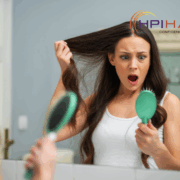
Hair loss can be a distressing experience for anyone, but when it happens suddenly to women, it can be particularly alarming. From changes in hormone levels to stress and nutritional deficiencies, there are several factors that can contribute to sudden hair loss in women. Understanding the underlying causes and available treatment options is crucial for anyone experiencing this issue. In this comprehensive guide, we will delve into the various reasons behind sudden hair loss in women and explore potential solutions to address this concern.

Sudden Hair Loss in Women

Sudden hair loss in women can be a harrowing experience, causing distress and impacting self-esteem. While it is normal for women to shed some hair each day, sudden and significant hair loss can be indicative of an underlying issue. Understanding the potential causes is the first step towards addressing the problem effectively.

Common Causes of Sudden Hair Loss in Women

1. Hormonal Imbalance: Fluctuations in hormone levels, particularly during pregnancy, childbirth, or menopause, can trigger sudden hair loss in women.

2. Stress: High levels of stress can disrupt the normal hair growth cycle, leading to increased shedding and eventual thinning of the hair.

3. Nutritional Deficiencies: Inadequate intake of essential nutrients, such as iron, protein, and vitamins, can contribute to sudden hair loss in women.

4. Medical Conditions: Certain medical conditions, including thyroid disorders, autoimmune diseases, and alopecia areata, can result in sudden hair loss.

5. Medications: Side effects of certain medications, such as those used for cancer, depression, or high blood pressure, can also cause hair loss.

Seeking Professional Assistance

When dealing with sudden hair loss, seeking professional assistance is crucial. A qualified healthcare provider, specifically a dermatologist or a trichologist, can conduct a thorough evaluation to determine the underlying cause of the hair loss. Diagnostic tests, such as blood work and scalp examination, may be recommended to assess the overall health of the hair and scalp.

Treatment Options for Sudden Hair Loss in Women

1. Topical Treatments: Minoxidil, a topical solution applied to the scalp, is a commonly prescribed treatment to promote hair regrowth in women experiencing hair loss.

2. Nutritional Supplements: Supplements containing essential vitamins and minerals, such as biotin, iron, and zinc, can help address nutritional deficiencies contributing to hair loss.

3. Hormone Therapy: For cases related to hormonal imbalances, hormone therapy may be recommended to restore the appropriate hormone levels and alleviate hair loss.

4. Platelet-Rich Plasma (PRP) Therapy: This innovative treatment involves using the patient’s own blood to stimulate hair growth and improve the overall condition of the scalp.

5. Lifestyle Modifications: Adopting a balanced diet, managing stress effectively, and practicing good hair care habits can contribute to combating sudden hair loss in women.

Concluding perspectives

Sudden hair loss in women can be a challenging issue to navigate, but with a comprehensive recognizing of the potential causes and available treatment options, it is possible to address and manage this concern effectively. By seeking professional guidance and exploring suitable interventions, women experiencing sudden hair loss can regain confidence and maintain the health and vitality of their hair.

Women In 40S Hair Loss in Nashville, TN

Combat hair loss in your 40s with our effective solutions.

Hair loss in women in their 40s is a common and distressing issue that can have a significant impact on self-esteem and overall well-being. As women age, hormonal changes, genetic predisposition, stress, and other health factors can contribute to hair thinning and loss. In many cases, women in their 40s may experience a gradual but noticeable decrease in hair density, requiring careful attention and targeted treatment to manage the condition effectively.

Hair Loss in Women

Hair loss in women, especially in their 40s, can be attributed to a variety of factors. Understanding the underlying causes is crucial in developing a tailored approach to address the issue. Some common factors that contribute to hair loss in women include:

Hormonal Changes: Fluctuations in hormone levels, particularly during menopause, can lead to hair loss. The imbalance of estrogen and testosterone can affect the hair growth cycle, causing thinning and shedding.

Genetic Predisposition: Family history of hair loss can significantly influence a woman’s likelihood of experiencing thinning or balding.

Stress and Lifestyle: High levels of stress, poor nutrition, and unhealthy lifestyle choices can impact hair health, leading to increased shedding and reduced hair density.

Health Conditions: Certain medical conditions, such as thyroid disorders or autoimmune diseases, can contribute to hair loss in women.

Addressing Hair Loss Concerns

It’s important for women in their 40s experiencing hair loss to seek professional guidance and support to address their concerns effectively. A comprehensive approach to treating hair loss can involve the following strategies:

Consultation and Assessment: Visiting a reputable clinic in Nashville, TN specializing in hair restoration and scalp health is the first step toward recognizing the root cause of hair loss. A thorough assessment by experienced professionals can provide insights into the best treatment options.

Customized Treatment Plans: Tailored treatment plans that consider individual needs, health history, and lifestyle factors can maximize the effectiveness of hair restoration efforts. These plans may include FDA-approved medications, low-level laser therapy, platelet-rich plasma (PRP) treatments, and more.

Nutritional and Lifestyle Guidance: Incorporating a balanced diet, exercise, and stress management techniques can complement hair loss treatments, supporting overall well-being and the health of the scalp and hair follicles.

Ongoing Support and Monitoring: Regular follow-up appointments with hair restoration specialists can ensure that the chosen treatments are producing positive results and allow for adjustments if needed.

Embracing Hair Restoration Solutions

Women in their 40s facing hair loss should feel empowered to explore the available hair restoration solutions that can help them regain confidence and feel comfortable in their own skin. Advancements in medical technologies and treatment options make it possible to address hair loss effectively and achieve natural-looking results.

nderstanding the complexities of hair loss in women and taking proactive steps to seek professional guidance, individuals can embark on a journey toward improved hair health and revitalized self-esteem.

If you’re ready to take the next step in addressing your hair loss concerns, our Nashville, TN clinic is here to provide expert care and support tailored to your unique needs. Contact us today to schedule a consultation and start your personalized journey toward hair restoration.

How Does Topical Finasteride Work For Women’s Hair Loss in Brentwood, TN

Revive your confidence with topical finasteride for women’s hair loss.

Hair loss can be a distressing experience, especially for women. For those seeking effective solutions, topical finasteride has emerged as a promising option. This article aims to provide a comprehensive knowing of how topical finasteride works for women’s hair loss, catering to the specific needs of female bodybuilders and fitness enthusiasts. We will explore the mechanisms of action, benefits, and considerations related to using topical finasteride for hair loss treatment, with a focus on promoting healthy and strong hair growth.

Women’s Hair Loss

For many women, hair loss can have a significant impact on self-esteem and confidence. From hormonal imbalances to stress and genetics, there are various factors that contribute to hair thinning and loss in women. In the fitness industry, where appearance and vitality are highly valued, addressing hair loss is a priority for many female bodybuilders. Topical finasteride presents a potential solution that is gaining attention for its ability to target the root causes of hair loss.

The Mechanism of Action

Topical finasteride works by inhibiting the activity of the enzyme 5-alpha reductase, which is responsible for converting testosterone into dihydrotestosterone (DHT). DHT is known to contribute to hair follicle miniaturization and eventual hair loss. educing DHT production at the scalp level, topical finasteride helps to counteract the damaging effects of this hormone on hair follicles. This mechanism effectively supports the maintenance and regrowth of hair, offering a promising solution for women experiencing hair thinning and shedding.

Benefits of Topical Finasteride for Women

1. Targeted Treatment: Unlike oral finasteride, which can have systemic effects, topical finasteride delivers the medication directly to the scalp, minimizing the risk of systemic side effects.

2. Improved Hair Density: By inhibiting DHT activity at the scalp, topical finasteride promotes an environment conducive to hair regrowth and improved hair density, leading to thicker and fuller-looking hair.

3. Convenience: The topical application of finasteride offers convenience and ease of use, allowing women to incorporate the treatment into their daily routines with minimal disruption.

4. Minimal Side Effects: Compared to some other hair loss treatments, topical finasteride has been associated with fewer systemic side effects, making it potentially suitable for long-term use.

Considerations for Use

While topical finasteride holds promise for women’s hair loss, it is essential to consider certain factors before initiating treatment. Consulting with a qualified healthcare professional, such as our clinic in Brentwood, TN, is crucial to assess individual suitability and receive personalized guidance. Additionally, knowing the potential side effects and establishing realistic expectations regarding the timeline for results is important for a positive treatment experience.

Final notions

Topical finasteride offers a targeted and effective approach to addressing women’s hair loss, providing numerous benefits with minimal systemic side effects. As the fitness industry continues to prioritize overall wellness and appearance, incorporating topical finasteride into a comprehensive hair care regimen can be valuable for female bodybuilders and fitness enthusiasts. nderstanding the mechanisms of action and considering the potential benefits, women can take proactive steps towards maintaining healthy and resilient hair.

Causes Of Women’s Hair Loss

Boost confidence with our comprehensive hair loss solutions. Call now.

Understanding Women’s Hair Loss: A Comprehensive Guide

Hair loss in women can be caused by a variety of factors, ranging from hormonal imbalances to genetic predisposition. By gaining a deeper recognizing of these causes, individuals can better address their unique hair loss concerns and explore suitable treatment options. Here, we delve into the most common causes of women’s hair loss, shedding light on how each factor can contribute to this challenging issue.

Hormonal Imbalances

Hormonal imbalances are one of the leading causes of hair loss in women. Fluctuations in hormone levels, particularly during pregnancy, menopause, or due to conditions such as polycystic ovary syndrome (PCOS), can disrupt the hair growth cycle. This disruption often leads to excessive shedding or a noticeable reduction in hair volume. Understanding the role of hormones in hair health is essential for addressing this common cause of hair loss.

Genetic Predisposition

Genetics play a significant role in hair loss for both men and women. If a woman has a family history of female pattern baldness or androgenetic alopecia, she may be at a higher risk of experiencing hair thinning and loss. Recognizing the influence of genetic predisposition can guide individuals in seeking proactive measures and tailored treatments to address their specific hair loss concerns.

Stress and Lifestyle Factors

Chronic stress, poor dietary choices, and lifestyle factors can also contribute to hair loss in women. High levels of stress can lead to disruptions in the hair growth cycle, causing increased shedding and weakened hair follicles. Additionally, a lack of essential nutrients, such as iron and protein, can affect the overall health and strength of the hair. ddressing these lifestyle factors, women can potentially minimize the impact of external stressors on their hair health.

Medical Conditions and Treatments

Various medical conditions and treatments can trigger hair loss in women. Autoimmune disorders, thyroid imbalances, and certain medications, such as chemotherapy drugs, are known to cause hair thinning and shedding. Understanding the potential impact of these factors on hair health is vital for individuals navigating hair loss within the context of their overall health and wellness.

A Comprehensive Approach to Addressing Women’s Hair Loss

Recognizing the multifaceted nature of women’s hair loss, it is crucial to approach treatment and management with a comprehensive perspective. nderstanding the interplay of hormonal, genetic, lifestyle, and medical factors, individuals can make informed decisions regarding personalized treatment plans. Consulting with experienced professionals, such as dermatologists specializing in hair disorders or licensed trichologists, can provide tailored insights and strategies for addressing women’s hair loss effectively.

The core message

Women’s hair loss can stem from diverse factors, and gaining a deeper recognizing of these causes is essential for finding appropriate solutions and treatments. cknowledging the role of hormonal imbalances, genetic predisposition, stress and lifestyle factors, as well as medical conditions and treatments, individuals can take proactive steps to address their unique hair loss concerns. Through a comprehensive and informed approach, women can navigate their hair loss journey with confidence and explore effective strategies for restoring and maintaining healthy, vibrant hair.

How Bad Is Hair Loss When First Using Rogaine Foam For Women in Nolensville, TN

Restore your confidence with Rogaine Foam. Effective hair loss treatment.

Hair loss can be a disheartening experience, and for many women, it can be a source of frustration and concern. Whether it’s due to genetics, hormones, or other factors, finding a solution to this common issue is a top priority for many. One popular option for combatting hair loss in women is the use of Rogaine foam. However, how bad is hair loss when first using Rogaine foam for women? In this comprehensive guide, we will explore the realities of hair loss and the initial stages of using Rogaine foam.

Hair Loss in Women

Hair loss in women can be attributed to various factors, including genetics, hormonal changes, stress, and certain medical conditions. Understanding the root cause of hair loss is crucial in determining the most effective course of action for treatment. It’s important for women to recognize that experiencing hair loss is not uncommon and seeking professional advice is the first step towards finding a suitable solution.

The Science Behind Rogaine Foam

Rogaine foam, also known as minoxidil, is a topical treatment designed to stimulate hair growth. It works by widening the blood vessels in the scalp, which allows for better circulation and delivery of nutrients to the hair follicles, ultimately promoting hair growth. While Rogaine foam has been proven effective for many individuals, it’s essential to understand the potential side effects and the adjustment period that comes with its use.

The Initial Experience with Rogaine Foam

When first using Rogaine foam, women may experience an initial period of increased hair shedding. This occurrence, known as shedding, is a normal part of the hair growth cycle and is often a sign that Rogaine is beginning to work. It’s essential to recognize that hair shedding in the initial stages of using Rogaine foam is not a cause for alarm, but rather a temporary phase that many individuals go through before experiencing hair regrowth.

During this transitional period, it’s common for women to feel concerned about the increased hair loss. However, it’s important to remain patient and stay committed to the treatment plan. The shedding phase typically lasts for a few weeks to a few months, and it’s crucial for women to continue using Rogaine as directed by their healthcare provider.

Managing Expectations and Optimizing Results

Despite the initial shedding phase, it’s essential for women to stay optimistic and focused on the long-term benefits of using Rogaine foam. Maintaining realistic expectations and recognizing that the process of hair regrowth takes time is key. Additionally, adopting a healthy lifestyle, including a balanced diet and stress management, can complement the effects of Rogaine foam and contribute to overall hair health.

Moreover, seeking the guidance of a knowledgeable healthcare professional, such as those at our clinic in Nolensville, TN, can provide tailored advice and support throughout the journey. Monitoring the progress and making necessary adjustments to the treatment plan based on individual response is crucial for optimizing results with Rogaine foam.

To conclude

The initial stages of using Rogaine foam for women may come with a temporary increase in hair shedding. However, recognizing the science behind Rogaine and managing expectations are vital steps in navigating this process. With patience, dedication, and the guidance of experienced professionals, women can effectively address hair loss and work towards achieving healthier, fuller hair.

Medical Reasons For Hair Loss In Women in Brentwood, TN

Expert solutions for women’s hair loss. Restore your confidence today.

Hair loss can be a distressing experience, especially for women who take pride in their appearance. The emotional impact of losing hair can be significant, affecting self-esteem and confidence. It’s important to understand that hair loss in women can be caused by various medical reasons, and seeking professional advice and treatment can help address the underlying issues. In this comprehensive guide, we will delve into the medical reasons for hair loss in women, shedding light on the potential causes and treatment options. Whether you’re experiencing hair loss or seeking knowledge to help a loved one, this guide aims to equip you with valuable insights.

Hormonal Changes and Imbalances

One of the primary medical reasons for hair loss in women is hormonal changes and imbalances. Hormones such as estrogen, progesterone, and testosterone play a crucial role in maintaining healthy hair growth. Fluctuations in hormone levels, such as those experienced during pregnancy, childbirth, menopause, or conditions like polycystic ovary syndrome (PCOS), can lead to hair thinning and loss. Understanding the intricate relationship between hormones and hair health is essential in addressing the root cause of the issue.

Thyroid Disorders

The thyroid gland plays a pivotal role in regulating metabolism and overall bodily function. When the thyroid malfunctions, it can lead to either an overactive (hyperthyroidism) or underactive (hypothyroidism) thyroid. Both conditions can contribute to hair loss in women. Thyroid disorders can disrupt the hair growth cycle, resulting in excessive shedding and thinning. Identifying and treating thyroid imbalances is crucial for restoring hair health and overall well-being.

Nutritional Deficiencies

A balanced diet is essential for maintaining healthy hair. Nutritional deficiencies, such as iron, vitamin D, and protein, can impact hair growth and lead to shedding. Iron deficiency, in particular, is a common cause of hair loss in women. Ensuring adequate intake of essential nutrients through a well-rounded diet or supplementation can help promote healthy hair growth and prevent further loss.

Stress and Telogen Effluvium

Excessive stress can have a profound impact on the body, including hair health. Chronic stress can lead to a condition called telogen effluvium, where a large number of hair follicles enter the resting (telogen) phase prematurely, causing increased shedding. Managing stress through relaxation techniques, mindfulness, and seeking professional support can help mitigate the effects of stress-related hair loss.

Autoimmune Conditions

Certain autoimmune conditions, such as alopecia areata, can result in hair loss in women. These conditions occur when the immune system mistakenly targets hair follicles, leading to hair loss in specific areas or more widespread patterns. Seeking medical intervention and exploring treatment options can help manage the symptoms and promote hair regrowth.

Concluding remarks

Addressing hair loss in women requires a comprehensive recognizing of the underlying medical reasons. By identifying the specific cause, tailored treatment plans can be developed to support hair regrowth and overall well-being. Seeking professional guidance from specialists in hair restoration and dermatology is crucial for addressing individual concerns and restoring confidence. Remember, you’re not alone in this journey, and with the right approach, positive outcomes can be achieved.

Causes Of Women’s Hair Loss in Brentwood, TN

Boost confidence with our comprehensive hair loss solutions. Call now.

Understanding Women’s Hair Loss: A Comprehensive Guide

Hair loss in women can be caused by a variety of factors, ranging from hormonal imbalances to genetic predisposition. By gaining a deeper recognizing of these causes, individuals can better address their unique hair loss concerns and explore suitable treatment options. Here, we delve into the most common causes of women’s hair loss, shedding light on how each factor can contribute to this challenging issue.

Hormonal Imbalances

Hormonal imbalances are one of the leading causes of hair loss in women. Fluctuations in hormone levels, particularly during pregnancy, menopause, or due to conditions such as polycystic ovary syndrome (PCOS), can disrupt the hair growth cycle. This disruption often leads to excessive shedding or a noticeable reduction in hair volume. Understanding the role of hormones in hair health is essential for addressing this common cause of hair loss.

Genetic Predisposition

Genetics play a significant role in hair loss for both men and women. If a woman has a family history of female pattern baldness or androgenetic alopecia, she may be at a higher risk of experiencing hair thinning and loss. Recognizing the influence of genetic predisposition can guide individuals in seeking proactive measures and tailored treatments to address their specific hair loss concerns.

Stress and Lifestyle Factors

Chronic stress, poor dietary choices, and lifestyle factors can also contribute to hair loss in women. High levels of stress can lead to disruptions in the hair growth cycle, causing increased shedding and weakened hair follicles. Additionally, a lack of essential nutrients, such as iron and protein, can affect the overall health and strength of the hair. ddressing these lifestyle factors, women can potentially minimize the impact of external stressors on their hair health.

Medical Conditions and Treatments

Various medical conditions and treatments can trigger hair loss in women. Autoimmune disorders, thyroid imbalances, and certain medications, such as chemotherapy drugs, are known to cause hair thinning and shedding. Understanding the potential impact of these factors on hair health is vital for individuals navigating hair loss within the context of their overall health and wellness.

A Comprehensive Approach to Addressing Women’s Hair Loss

Recognizing the multifaceted nature of women’s hair loss, it is crucial to approach treatment and management with a comprehensive perspective. nderstanding the interplay of hormonal, genetic, lifestyle, and medical factors, individuals can make informed decisions regarding personalized treatment plans. Consulting with experienced professionals, such as dermatologists specializing in hair disorders or licensed trichologists, can provide tailored insights and strategies for addressing women’s hair loss effectively.

The core message

Women’s hair loss can stem from diverse factors, and gaining a deeper recognizing of these causes is essential for finding appropriate solutions and treatments. cknowledging the role of hormonal imbalances, genetic predisposition, stress and lifestyle factors, as well as medical conditions and treatments, individuals can take proactive steps to address their unique hair loss concerns. Through a comprehensive and informed approach, women can navigate their hair loss journey with confidence and explore effective strategies for restoring and maintaining healthy, vibrant hair.

Women’s Hair Loss Thinning Hair in La Vergne, TN

Restore your confidence with expert solutions for women’s hair loss.

Hair is a vital part of a woman’s identity, and experiencing hair loss or thinning can be a distressing and emotional journey. Whether you’re grappling with genetic predispositions, hormonal changes, or lifestyle factors, hair loss in women can have a profound impact on self-esteem and confidence. At our clinic in La Vergne, TN, we’re dedicated to helping women regain their hair and confidence through personalized solutions and compassionate care. In this comprehensive guide, we’ll delve into the complexities of women’s hair loss and thinning hair, shedding light on potential causes, effective treatments, and lifestyle adjustments that can promote hair health.

Women’s Hair Loss

What Causes Hair Loss in Women?

– Hormonal Imbalance: Fluctuations in hormones, such as during pregnancy, menopause, or conditions like polycystic ovary syndrome (PCOS), can contribute to hair loss.

– Genetic Predisposition: Family history can play a significant role in hair thinning and loss, with conditions like female pattern baldness being inherited.

– Stress and Trauma: Emotional or physical stress can lead to a condition called telogen effluvium, causing a sudden shedding of hair.

Types of Hair Loss in Women

Alopecia Areata:

– Characterized by sudden hair loss in patches, often triggered by an auto-immune response.

Androgenetic Alopecia:

– Also known as female pattern baldness, this type of hair loss is influenced by genetic and hormonal factors, leading to gradual thinning of hair across the scalp.

Telogen Effluvium:

– A temporary condition causing excessive shedding due to stress, trauma, or certain medications.

Traction Alopecia:

– Caused by constant pulling or tension on the hair, often due to tight hairstyles or use of hair extensions.

Effective Treatments for Hair Loss in Women

Topical Solutions:

– Minoxidil: An FDA-approved topical solution that can enhance hair growth and prevent further loss.

– Prescription Medications: Certain medications, such as spironolactone, can address hormonal imbalances contributing to hair loss.

Platelet-Rich Plasma (PRP) Therapy:

– Utilizes the patient’s own platelet-rich plasma to stimulate hair follicles and promote hair growth.

Low-Level Laser Therapy (LLLT):

– Non-invasive treatment using red light to enhance blood flow to the scalp and stimulate hair growth.

Lifestyle Adjustments for Hair Health

Nutrition:

– Ensure adequate intake of essential nutrients like iron, protein, and vitamins crucial for hair health.

– Incorporate foods rich in antioxidants, such as berries and spinach, to support overall wellness.

Stress Management:

– Engage in stress-reducing activities like meditation, yoga, or hobbies to minimize the impact of stress on hair health.

Gentle Hair Care Practices:

– Be mindful of using harsh chemicals, excessive heat, or tight hairstyles that can damage hair and contribute to thinning.

Women experiencing hair loss or thinning hair may find solace in seeking professional guidance and tailored solutions. Our clinic in La Vergne, TN, is committed to providing personalized care and effective treatments to address the complexities of women’s hair loss. If you’re seeking solutions to regain confidence and promote hair health, our team is dedicated to guiding you on this transformative journey.

How Stop Hair Thinning Loss Forum Women in Franklin, TN

Empower yourself with solutions for hair thinning and loss.

Understanding Hair Thinning and Loss

Hair thinning and loss are often multifaceted issues that can result from a variety of factors, including genetics, hormonal imbalances, nutritional deficiencies, and lifestyle choices. It’s important to understand the root causes of your specific hair loss in order to effectively address the issue. Female bodybuilders, in particular, may face unique challenges related to hair thinning due to the rigorous training regimens, dietary restrictions, and potential hormonal fluctuations associated with their athletic pursuits.

Identifying the Causes

To effectively combat hair thinning and loss, it’s crucial to identify the underlying causes that are contributing to the issue. For female bodybuilders, factors such as intense physical training, strict dietary practices, and potential use of performance-enhancing supplements or medications can all play a role in hair health. Additionally, hormonal imbalances resulting from extreme fitness routines can impact hair growth and quality. By pinpointing the specific triggers for hair thinning and loss, individuals can tailor their approach to address these underlying factors.

Developing a Comprehensive Treatment Plan

Addressing hair thinning and loss requires a comprehensive treatment plan that encompasses various aspects of health and wellness. For female bodybuilders, a tailored approach that considers the unique demands of their training and lifestyle is essential. This may include specialized nutritional strategies to support hair health, targeted supplements to address potential deficiencies, and lifestyle modifications to minimize stress and optimize hormonal balance. Furthermore, exploring professional treatments and therapies, such as low-level laser therapy, platelet-rich plasma (PRP) injections, or prescription medications, can be beneficial in combating hair thinning and promoting regrowth.

Embracing a Holistic Approach

In the journey to stop hair thinning and loss, embracing a holistic approach is key. This can encompass not only physical treatments and interventions but also mental and emotional well-being. Female bodybuilders, who often lead highly disciplined and demanding lifestyles, can benefit from incorporating stress-reducing practices, mindfulness techniques, and self-care rituals into their daily routines. Cultivating a balanced and nourishing lifestyle can support overall health, including the condition of the hair.

Seeking Professional Guidance

It’s important for women experiencing hair thinning and loss, including female bodybuilders, to seek professional guidance from healthcare providers specializing in hair restoration and dermatology. Consulting with experts who understand the unique needs of athletes and individuals with rigorous fitness regimens can provide tailored recommendations and treatments. Furthermore, connecting with a supportive community and seeking guidance from experienced professionals can offer valuable insights and encouragement throughout the hair restoration journey.

Wrapping up

Female bodybuilders facing hair thinning and loss can take proactive steps to address this concern and regain healthy, vibrant hair. nderstanding the causes, developing a comprehensive treatment plan, embracing a holistic approach, and seeking professional guidance, women can effectively combat hair thinning and achieve optimal hair health. With the right resources and support, it’s possible to restore confidence and vitality, both in the gym and beyond.