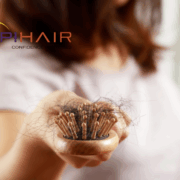
Excessive Hair Loss In Women All My Life in La Vergne, TN

Struggling with hair loss? Find understanding and solutions today.

Understanding Excessive Hair Loss in Women

Excessive hair loss in women, also known as female pattern hair loss (FPHL), can be a complex and multifaceted issue. It is essential to address the underlying factors contributing to hair loss and develop a targeted approach for each individual. Exploring the Causes

Hair loss in women can be attributed to various factors, including genetics, hormonal imbalances, stress, and underlying health conditions. Understanding the root cause of hair loss is crucial in determining the most suitable treatment plan. Genetics and Hormonal Imbalances

Genetic predisposition and hormonal imbalances play a significant role in female hair loss. While genetics determine the susceptibility to hair loss, hormonal fluctuations, particularly an excess of androgens, can contribute to thinning hair and balding patterns in women. Stress and Its Impact

Stress is often an overlooked but influential factor in hair loss. The physical and emotional strain of prolonged stress can disrupt hair growth cycles, leading to excessive shedding and thinning of the hair. Managing stress is essential in addressing hair loss concerns. Underlying Health Conditions

Certain medical conditions, such as thyroid disorders and autoimmune diseases, can manifest in the form of hair loss in women. Identifying and addressing these underlying health issues is crucial in managing excessive hair loss effectively.

Effective Treatment Options for Excessive Hair Loss

Our clinic in La Vergne, TN, offers a comprehensive range of treatment options tailored to address the specific needs of each patient. From advanced therapies to personalized regimens, our goal is to restore hair health and confidence in women experiencing excessive hair loss. Non-Surgical Treatments

Non-surgical interventions, including topical treatments, laser therapy, and scalp microneedling, can stimulate hair growth and improve the overall health of the scalp. These non-invasive treatments are designed to enhance hair density and quality without the need for surgery. Advanced Hair Restoration Therapies

For women seeking more extensive restoration, advanced hair transplant procedures, such as follicular unit extraction (FUE) and platelet-rich plasma (PRP) therapy, offer viable solutions. These innovative techniques provide natural-looking results and long-term hair rejuvenation. Personalized Care and Support

At our clinic, we prioritize individualized care and support, recognizing that each woman’s experience with hair loss is unique. Our team of specialists works closely with patients to develop personalized treatment plans, addressing their concerns and empowering them on their journey to regaining healthy, voluminous hair.

Empowering Women Through Education and Restoration

Excessive hair loss can take a toll on a woman’s confidence and self-image, impacting various aspects of her life. Our mission is not only to provide effective treatment but also to empower women with knowledge and support, guiding them through their hair restoration journey. Embracing Confidence and Self-Empowerment

Beyond physical restoration, we aim to enhance the overall well-being of our patients, fostering a sense of confidence and self-empowerment. We strive to create a supportive environment where women can openly discuss their concerns and take proactive steps towards reclaiming their hair and self-assurance. Educating and Raising Awareness

Education is a fundamental aspect of our approach, as we believe that informed decisions are vital in effective hair loss management. Through resources, seminars, and one-on-one consultations, we aim to educate women about the causes of hair loss, available treatments, and maintenance strategies, empowering them to make well-informed choices for their hair health.

Lastly

Excessive hair loss in women can be a challenging and emotional journey, but it’s important to remember that effective solutions are available. Our clinic in La Vergne, TN, is committed to providing compassionate care, personalized treatments, and empowering support to help women overcome the burden of hair loss and embrace a future with restored confidence and vitality.
How To Stop Hair Loss In Women in Nolensville, TN

Regain confidence with proven hair loss solutions. Call for help.

Struggling with hair loss can be a distressing experience, impacting both your physical appearance and emotional well-being. For women, hair loss can be especially challenging, often leading to a loss of confidence and self-esteem. If you’re in Nolensville, TN, and looking for effective ways to address hair loss, you’ve come to the right place. Our clinic is dedicated to providing comprehensive solutions to help women regain their confidence and restore their hair. In this article, we’ll explore the various causes of hair loss in women and provide valuable insights on how to stop hair loss effectively.

Hair Loss in Women

Hair loss in women can be caused by a variety of factors, including genetics, hormonal changes, medical conditions, and lifestyle habits. Understanding the root cause of hair loss is crucial in determining the most effective treatment approach. Here are some common causes of hair loss in women:

– Genetics: Female pattern hair loss, also known as androgenetic alopecia, is the most common cause of hair loss in women. It is hereditary and can result in thinning hair or bald patches.

– Hormonal Changes: Hormonal fluctuations due to pregnancy, childbirth, menopause, or thyroid disorders can lead to temporary or permanent hair loss.

– Medical Conditions: Certain medical conditions such as alopecia areata, autoimmune diseases, and scalp infections can contribute to hair loss.

– Lifestyle Factors: Poor nutrition, extreme stress, and harsh hairstyling practices can also contribute to hair thinning and loss.

Appreciating the specific cause of hair loss is the first step towards finding an effective solution. Our clinic in Nolensville, TN, offers personalized consultations to help identify the underlying cause and customize a treatment plan tailored to your needs.

Effective Solutions for Hair Loss

When it comes to stopping hair loss in women, there are several effective solutions available. Here are some of the most impactful strategies to prevent and reverse hair loss:

– Nutritional Support: Ensuring that your diet is rich in essential nutrients such as vitamins, minerals, and protein is vital for maintaining healthy hair. Our clinic offers personalized nutrition plans to address any deficiencies that may be contributing to hair loss.

– Medical Treatments: For women experiencing significant hair loss, medical treatments such as minoxidil and low-level laser therapy (LLLT) can be beneficial in stimulating hair growth and preventing further loss.

– Scalp Care: Proper scalp care is crucial for maintaining a healthy environment for hair growth. Our clinic provides specialized scalp treatments and products to promote a healthy scalp and optimal hair growth.

ddressing the root cause of hair loss and implementing targeted solutions, women can effectively stop and reverse the progression of hair loss. Our clinic takes a comprehensive approach to hair restoration, combining advanced treatments with personalized care to help you achieve lasting results.

Consult Our Experts for Personalized Solutions

Every woman’s experience with hair loss is unique, and there is no one-size-fits-all solution. At our clinic in Nolensville, TN, our team of experts is dedicated to providing personalized solutions tailored to your specific needs. Whether you’re seeking preventive measures or actively looking to restore lost hair, our experienced professionals are here to guide you every step of the way.

Through thorough consultations and in-depth assessments, we can develop a customized treatment plan that addresses the underlying causes of hair loss and helps you achieve your desired results. Our advanced techniques and compassionate approach ensure that you receive the highest standard of care throughout your hair restoration journey.

The essence

Hair loss can be a challenging experience for women, but with the right guidance and effective solutions, it is possible to overcome this obstacle and restore your confidence. If you’re in Nolensville, TN, and struggling with hair loss, our clinic is here to provide the support and expertise you need to stop hair loss and regain your natural hair.

Reach out to our team today to schedule a consultation and take the first step towards achieving a fuller, healthier head of hair. Let us help you reclaim your confidence and embrace a vibrant, thriving appearance.

Low Testosterone Women’s Hair Loss in Franklin, TN

Combat hair loss with our low testosterone treatment for women.

Low testosterone levels can have a profound impact on a woman’s body, leading to various symptoms like fatigue, decreased muscle mass, and even hair loss. While testosterone is often associated with male characteristics, it plays a crucial role in a woman’s overall health as well. Understanding the link between low testosterone and hair loss is essential for female bodybuilders and fitness enthusiasts looking to maintain a healthy and balanced lifestyle. In this comprehensive guide, we will explore the connection between low testosterone levels and hair loss in women, as well as potential solutions to address this issue.

Testosterone and Hair Loss

Testosterone, often referred to as the male hormone, is a natural hormone present in both men and women. While women have lower levels of testosterone compared to men, it still plays a crucial role in various bodily functions, including the growth and maintenance of hair. Testosterone helps to stimulate hair follicles, contributing to the growth of healthy and strong hair.

When testosterone levels in the body decrease, especially below the normal range, it can lead to a condition known as female androgenic alopecia, which is characterized by gradual hair thinning and loss. This condition can be particularly concerning for female bodybuilders and fitness enthusiasts, as maintaining a healthy and vibrant appearance is often a priority in the industry.

Symptoms of Low Testosterone in Women and Hair Loss

Identifying the symptoms of low testosterone in women is crucial in addressing potential hair loss concerns. Some common signs of low testosterone levels in women include:

* Fatigue and decreased energy levels

* Decreased muscle mass and strength

* Weight gain and difficulty in losing weight

* Irregular menstrual cycles

* Mood swings and irritability

* Hair thinning and loss

Hair thinning and loss, in particular, can be a distressing symptom for many women, affecting their confidence and self-esteem. Understanding the correlation between low testosterone and hair loss can empower female bodybuilders and fitness enthusiasts to take proactive measures to address these concerns.

Addressing Low Testosterone and Hair Loss in Women

For women experiencing hair loss due to low testosterone levels, it is essential to explore potential solutions to maintain healthy and vibrant hair. While seeking professional medical advice is crucial, there are several strategies and treatments that can be considered:

* Hormone replacement therapy: This treatment involves supplementing the body with the necessary hormones, including testosterone, to restore balance and alleviate symptoms such as hair loss.

* Nutritional supplements: Certain vitamins and minerals, such as biotin, zinc, and iron, play a significant role in maintaining healthy hair. Incorporating these supplements into the diet may help support hair growth and thickness.

* Lifestyle modifications: Engaging in regular exercise, managing stress levels, and following a balanced diet can positively impact hormone levels and overall hair health.

Acknowledging the underlying causes of low testosterone and hair loss in women can guide individuals in making informed decisions about their overall health and well-being. ddressing these concerns, female bodybuilders and fitness enthusiasts can prioritize their hair health alongside their physical fitness goals.

Final thoughts

Recognizing the impact of low testosterone on hair loss in women is vital for individuals in the fitness industry, especially for female bodybuilders and fitness enthusiasts. nderstanding the symptoms of low testosterone and exploring potential solutions, women can take proactive steps to address hair loss concerns and maintain a healthy and vibrant appearance. Seeking professional guidance and incorporating lifestyle modifications can significantly contribute to managing low testosterone levels and promoting overall well-being.

Female bodybuilders and fitness enthusiasts are encouraged to approach their health holistically and consider the interplay between testosterone levels, hair health, and physical fitness goals. By staying informed and proactive, women can effectively address the impact of low testosterone on hair loss, ultimately empowering themselves to prioritize their overall well-being.

Indian Women’s Hair Loss In Usa in Nolensville, TN

Expert solutions for Indian women’s hair loss in the USA.

Hair loss is a common concern among women of Indian descent living in the United States. Whether it’s due to genetics, environmental factors, or lifestyle choices, addressing hair loss is essential for maintaining confidence and a sense of well-being. In this comprehensive guide, we’ll explore the unique challenges faced by Indian women in the USA when it comes to hair loss and provide insights into effective treatment options. If you are dealing with hair loss, appreciating the reasons behind it and finding the right solutions can make a significant difference in your life.

Challenges Faced by Indian Women in the USA

Indian women living in the USA often encounter specific challenges related to hair loss, which may be different from those faced by women from other ethnic backgrounds. Some of the primary factors contributing to hair loss among Indian women in the USA include:

Dietary Changes: A shift from traditional Indian diets to American eating habits can impact the nutritional intake, potentially leading to deficiencies that contribute to hair loss.

Stress and Lifestyle: The demands of adapting to a new culture, juggling professional and personal responsibilities, and dealing with societal pressures can all take a toll on Indian women’s overall well-being, including their hair health.

Environmental Factors: Climate variations and exposure to different pollutants in the USA can affect the scalp and hair health of Indian women, particularly if they are not accustomed to these changes.

Genetic Predisposition: Many Indian women have a genetic predisposition to hair loss, such as female pattern baldness, which can be exacerbated by environmental factors when living in the USA.

Hair Loss in Indian Women

Hair loss in Indian women has distinctive characteristics and requires a nuanced approach for effective management. Understanding the specific factors contributing to hair loss in this demographic is crucial for developing personalized treatment plans. Some important aspects to consider include:

Hair Care Practices: Traditional Indian hair care practices, such as oil massages and natural remedies, may need to be modified to suit the environmental conditions in the USA while maintaining the essence of cultural heritage.

Cultural and Social Stigma: Hair holds a significant cultural and social value in the Indian community, and experiencing hair loss can have profound emotional and psychological implications. Addressing the emotional impact of hair loss is as crucial as treating the physical symptoms.

Hormonal Influences: Hormonal imbalances, particularly related to conditions such as polycystic ovary syndrome (PCOS), can significantly contribute to hair loss in Indian women and require specialized attention.

Treatment Options for Indian Women in the USA

As an Indian woman dealing with hair loss in the USA, it’s important to explore treatment options that not only address the physical manifestations of hair loss but also cater to the unique cultural and emotional aspects associated with it. Some effective treatment options include:

Specialized Hair Loss Clinics: Seeking professional help from hair loss clinics that understand the specific needs of Indian women can provide tailored treatment plans and sensitive support.

Nutritional Guidance: Working with nutritionists familiar with both Indian dietary practices and Western nutrition can help address any nutritional deficiencies contributing to hair loss.

Cultural Sensitivity: Finding healthcare professionals who are culturally sensitive and understand the significance of hair in Indian culture can make the treatment process more comfortable and effective.

Holistic Approach: Embracing a holistic approach that considers physical, emotional, and cultural aspects of hair loss can lead to comprehensive and enduring solutions.

Closing considerations

Hair loss among Indian women in the USA is a multifaceted issue that demands a personalized and culturally sensitive approach. nderstanding the unique challenges and factors contributing to hair loss, Indian women can embark on a journey toward restoring their hair health while maintaining a strong connection to their cultural heritage. Seeking support from healthcare professionals who appreciate the complexities of this experience is pivotal in finding effective solutions and reclaiming confidence and well-being.

Auto Immune Disease And Hair Loss In Women in Nolensville, TN

Fight hair loss with our autoimmune disease expertise. Call now!

The human body has a remarkable ability to protect itself from foreign substances and harmful organisms, thanks to the immune system. However, in some cases, the immune system can malfunction, leading to a group of disorders known as autoimmune diseases. These conditions occur when the body’s immune system mistakenly attacks its own cells and tissues. This can have far-reaching effects on various bodily functions, one of which is the potential impact on hair health in women. In this comprehensive guide, we’ll delve into the relationship between autoimmune diseases and hair loss in women, shedding light on potential causes, symptoms, and treatment options, with the aim of providing valuable insights to those seeking to understand and address these intertwined issues.

Autoimmune Diseases: Unraveling the Complexity

Autoimmune diseases encompass a wide range of conditions that occur when the immune system mistakenly attacks the body’s own tissues and cells. This can result in inflammation, tissue damage, and a host of symptoms that can affect virtually any part of the body. There are over 80 recognized autoimmune diseases, including rheumatoid arthritis, lupus, multiple sclerosis, and type 1 diabetes, among others. These conditions can be challenging to diagnose and manage, often presenting with a myriad of symptoms that can vary in severity and impact on daily life.

The Immune System and Hair Loss in Women

Hair loss, medically known as alopecia, can be a distressing symptom of autoimmune diseases in women. The relationship between autoimmune diseases and hair loss is complex, with several factors at play. One of the key mechanisms involves the immune system’s attack on hair follicles, which can lead to various forms of alopecia, including alopecia areata, an autoimmune condition characterized by patchy hair loss, and other forms of nonscarring alopecia. Additionally, the chronic inflammation associated with autoimmune diseases can disrupt the normal hair growth cycle, leading to excessive shedding and thinning of the hair.

Aside from direct immune system involvement, autoimmune diseases can also impact hormonal balance, which in turn can contribute to hair loss in women. Conditions such as thyroid disorders, which are often autoimmune in nature, can lead to hormonal imbalances that affect hair health. Furthermore, the stress and emotional burden of living with a chronic autoimmune condition can exacerbate hair loss through indirect pathways, highlighting the multifaceted nature of this issue.

Navigating the Intersection: Seeking Solutions

Addressing autoimmune-related hair loss in women requires a comprehensive approach that considers the underlying autoimmune condition, as well as the specific manifestations impacting hair health. Dermatologists and autoimmune specialists play a crucial role in diagnosing and managing autoimmune-related hair loss. Treatment may involve a combination of immunomodulatory therapies to address the autoimmune component, as well as targeted interventions to support hair regrowth and restoration.

Furthermore, holistic strategies such as stress management, nutritional support, and lifestyle modifications can play a significant role in mitigating the impact of autoimmune diseases on hair health. It’s important for women experiencing autoimmune-related hair loss to seek personalized and multidisciplinary care that addresses not only the external symptoms but also the underlying immune dysregulation and associated factors.

Empowering Women: Navigating the Journey

Living with an autoimmune disease can pose numerous challenges, and dealing with the additional burden of hair loss can exacerbate the emotional and psychological toll. It’s crucial for women to seek support and guidance from healthcare professionals who understand the multifaceted nature of these conditions. Additionally, building a support network and connecting with others who have similar experiences can provide much-needed solidarity and insight.

Recognizing the complex interplay between autoimmune diseases and hair loss in women is essential for empowering individuals to seek effective solutions and regain a sense of control over their health and well-being. By shedding light on this intricate relationship, we strive to contribute to the journey of those navigating the challenges posed by autoimmune diseases and their impact on hair health.

Causes Of Loss Of Hair In Senior Women in Brentwood, TN

Senior women, combat hair loss with effective natural solutions.

Hair loss is a natural part of the aging process, particularly for senior women. While it is common for women to experience some degree of hair thinning as they age, significant hair loss can be distressing and may signal an underlying health concern. In an effort to provide knowledge and support to senior women experiencing hair loss, this article aims to delve into the various causes of hair loss in senior women. Understanding the underlying factors can not only help in addressing the issue but also in seeking appropriate solutions. With the expertise and resources available at our clinic in Brentwood, TN, we offer comprehensive care and solutions for senior women dealing with hair loss, empowering them to embrace their natural beauty with confidence.

Hormonal Changes and Imbalance

Hormonal fluctuations play a crucial role in hair loss among senior women. The hormonal changes associated with menopause can lead to a reduction in estrogen levels, which in turn can cause hair to become thinner and more brittle. Additionally, an increase in androgen levels during menopause can contribute to hair loss in a condition known as female pattern baldness. Understanding these hormonal shifts is essential in addressing hair loss in senior women, and our clinic offers personalized treatment plans to help restore hormonal balance and promote hair regrowth.

Nutritional Deficiencies

Adequate nutrition is vital for maintaining healthy hair, and deficiencies in certain nutrients can contribute to hair loss in senior women. Key nutrients such as iron, vitamin D, and protein play a significant role in supporting healthy hair growth. Senior women may be at an increased risk of nutritional deficiencies due to factors such as decreased appetite and difficulty in absorbing nutrients. At our clinic in Brentwood, TN, we provide comprehensive nutritional assessments and guidance to ensure that senior women receive the essential nutrients needed for maintaining healthy hair.

Medical Conditions and Medications

Certain medical conditions and medications can also lead to hair loss in senior women. Conditions such as thyroid disorders, autoimmune diseases, and alopecia can contribute to hair thinning and loss. Similarly, medications used to treat various health conditions, including blood pressure medications, cholesterol-lowering drugs, and cancer treatments, may have hair loss as a potential side effect. ddressing these underlying medical factors, our clinic offers specialized treatment approaches to help minimize hair loss and support overall well-being in senior women.

Stress and Emotional Well-being

Stress can have a significant impact on hair health, and senior women may experience heightened stress due to various life changes and challenges. Chronic stress can lead to a condition called telogen effluvium, which causes hair follicles to enter a resting phase, resulting in increased hair shedding. Additionally, emotional well-being and mental health play a crucial role in overall health, including hair quality and growth. At our clinic, we emphasize the importance of addressing stress and emotional well-being through personalized counseling and stress management techniques to support healthy hair growth in senior women.

Genetic Factors

Genetic predisposition can also contribute to hair loss in senior women. Family history and genetic traits can influence the likelihood of experiencing hair thinning and pattern baldness. Understanding the genetic factors at play can aid in identifying effective treatment approaches tailored to the unique needs of senior women experiencing hair loss. Our clinic offers advanced genetic testing and personalized consultations to develop targeted solutions for addressing genetic predisposition to hair loss.

Schedule Appointment

Hair loss in senior women can stem from a variety of factors, including hormonal changes, nutritional deficiencies, medical conditions, stress, and genetic predisposition. nderstanding the underlying causes, senior women can seek appropriate care and treatment to address hair loss and promote healthy hair regrowth. At our clinic in Brentwood, TN, we are dedicated to providing comprehensive support and personalized solutions for senior women dealing with hair loss, empowering them to embrace their natural beauty with confidence and vitality.

Dermatologist Specializing In Women’s Hair Loss in Brentwood, TN

Expert help for female hair loss in Brentwood, TN. Visit us!

Are you experiencing hair loss and seeking professional help in Brentwood, TN? If so, you’re in the right place. We understand the emotional toll that hair loss can take, and we’re here to provide personalized, effective solutions. Our specialized dermatologist focuses on women’s hair loss, offering expert care tailored to your unique needs. Whether you’re dealing with thinning hair, alopecia, or other forms of hair loss, our clinic is dedicated to helping you regain your confidence and achieve healthy, beautiful hair.

Expert Care for Women’s Hair Loss

At our clinic in Brentwood, TN, we prioritize women’s hair loss, recognizing the specific challenges and concerns that women face when it comes to their hair. Our specialized dermatologist has extensive experience and training in addressing various types of hair loss in women, allowing us to offer comprehensive, targeted solutions. When you choose our clinic, you can expect personalized attention, advanced treatment options, and compassionate care focused on restoring your hair and self-esteem.

– Customized Treatment Plans: We understand that the causes of hair loss can vary widely among women. Our dermatologist takes the time to assess your unique situation and create a personalized treatment plan that addresses your specific needs. Whether it’s hormonal imbalances, genetic factors, or stress-related hair loss, we offer tailored solutions to effectively combat hair thinning and promote regrowth.

– Advanced Techniques and Technologies: Our clinic is equipped with the latest advancements in dermatological treatments for hair loss. From platelet-rich plasma (PRP) therapy to laser treatments, we utilize cutting-edge techniques to stimulate hair follicles, improve scalp health, and encourage new hair growth. Our specialized approach ensures that you receive the most effective and up-to-date treatments available.

– Holistic Approach to Hair Health: Beyond addressing the outward symptoms of hair loss, our dermatologist takes a holistic approach to improving overall hair health. We provide guidance on lifestyle modifications, nutritional support, and home care regimens to complement our in-office treatments. By considering the full spectrum of factors influencing hair loss, we aim to deliver comprehensive, long-lasting results for our patients.

Compassionate and Supportive Environment

Navigating hair loss can be challenging, both physically and emotionally. At our clinic, we prioritize creating a supportive and knowing environment where women feel comfortable discussing their concerns and pursuing treatment. Our compassionate team strives to foster open communication, empowering you to make informed decisions about your hair health. We’re dedicated to being your trusted partner on the journey to reclaiming your confidence and embracing your natural beauty.

– Empowering Education: Our dermatologist takes the time to educate patients about the complexities of hair loss, empowering them with knowledge that demystifies the condition. Through detailed explanations and open dialogue, we ensure that you have a thorough knowing of your diagnosis, treatment options, and expectations. This collaborative approach puts you at the center of your care, allowing you to make confident choices about your hair restoration journey.

– Emotional Support: We recognize the emotional impact of hair loss and the toll it can take on a woman’s self-esteem. Our clinic provides a safe space for women to express their feelings and receive empathetic support throughout their treatment. With a focus on emotional well-being alongside physical restoration, we aim to lift the spirits of our patients and help them embrace their beauty at every stage of the process.

Next Steps: Reclaim Your Hair Confidence

If you’re ready to take the next step toward addressing your hair loss, our clinic in Brentwood, TN, is here to guide you on your journey to restored hair confidence. Our specialized dermatologist is committed to providing personalized, effective solutions for women’s hair loss, tailored to your unique needs. Don’t let hair loss hold you back any longerreach out to us today to schedule a consultation and discover the transformative possibilities for your hair health.

Remember, you don’t have to face hair loss alone. Our compassionate team is here to support and empower you every step of the way. Let’s work together to reclaim your hair confidence and embrace the beauty that’s uniquely yours.

How To Help Genetic Hair Loss In Women in Nolensville, TN

Combat genetic hair loss in women. Effective treatment options available.

Genetic hair loss, also known as female pattern hair loss, is a common concern for many women. While it can be distressing to experience thinning hair or bald patches, there are effective treatment options available to address genetic hair loss in women. At our clinic in Nolensville, TN, we are dedicated to providing specialized care and support for women dealing with genetic hair loss. In this comprehensive guide, we will explore the causes of genetic hair loss, potential treatment options, and how our clinic can help you regain confidence and maintain healthy, full hair.

Appreciating Genetic Hair Loss

Causes of Genetic Hair Loss

Genetic hair loss, or female pattern hair loss, is primarily caused by a combination of genetic and hormonal factors. While the specific genes responsible for hair loss are not fully understood, it is believed that a genetic predisposition, along with hormonal changes, plays a significant role. Women with a family history of hair loss are more likely to experience genetic hair loss themselves. Hormonal changes, such as those related to pregnancy, menopause, or conditions like polycystic ovary syndrome (PCOS), can also contribute to the onset and progression of hair loss.

Symptoms and Impact

Hair loss in women typically presents as a gradual thinning of the hair, often starting at the crown or part line. While it may not lead to complete baldness, the loss of volume and thickness can have a substantial impact on a woman’s self-esteem and confidence. The emotional toll of genetic hair loss should not be underestimated, as it can affect a woman’s overall well-being and quality of life.

Treatment Options for Genetic Hair Loss

Topical Treatments and Medications

One of the most common treatment options for genetic hair loss in women is the use of topical treatments and medications. Minoxidil, an over-the-counter medication available in foam or liquid form, has been shown to effectively promote hair regrowth and prevent further hair loss. When applied regularly to the scalp, minoxidil can stimulate hair follicles and improve the density and thickness of hair.

Oral Medications

In some cases, oral medications such as spironolactone may be prescribed to help block the effects of androgens, the hormones that contribute to hair loss. Additionally, oral contraceptives containing anti-androgenic properties may be recommended to help regulate hormonal imbalances and reduce hair shedding.

Platelet-Rich Plasma (PRP) Therapy

Platelet-rich plasma (PRP) therapy is a non-invasive treatment that has gained popularity for its ability to stimulate hair growth. During a PRP session, a woman’s blood is drawn and processed to extract the platelet-rich plasma, which is then injected into the scalp to promote hair follicle regeneration. PRP therapy can help improve hair density and overall hair health, making it a promising option for women with genetic hair loss.

Hair Transplant Surgery

For women with advanced hair loss, hair transplant surgery may be considered as a more permanent solution. During a hair transplant procedure, healthy hair follicles are harvested from donor areas and transplanted into the thinning or balding areas of the scalp. This method can provide long-lasting results and restore a natural-looking hairline for women seeking a more comprehensive approach to addressing genetic hair loss.

How Our Clinic Can Help

At our clinic in Nolensville, TN, we understand the unique challenges that women face when dealing with genetic hair loss. Our team of experienced professionals is dedicated to providing personalized care and custom treatment plans tailored to each patient’s specific needs. With advanced diagnostics and innovative treatment options, we aim to help women regain their confidence and achieve natural, healthy-looking hair.

Overall

Genetic hair loss in women can be a distressing experience, but it’s important to remember that effective treatment options are available. Whether through topical treatments, oral medications, PRP therapy, or hair transplant surgery, women have various options to address genetic hair loss and achieve desirable results. If you are experiencing genetic hair loss and seeking personalized care in Nolensville, TN, our clinic is here to support you on your journey to regaining full, healthy hair.

How To Know Whether My Hair Loss Is Immune Related Women in Franklin, TN

Combat hair loss confidently with tailored solutions for women’s well-being.

Hair loss can be a distressing experience for anyone, but when it comes to women, it can be particularly worrisome due to its impact on self-esteem and overall well-being. While many factors can contribute to hair loss, one lesser-known cause is immune-related hair loss. This type of hair loss occurs when the immune system mistakenly attacks hair follicles, leading to thinning and shedding. If you’re experiencing hair loss and suspect it might be immune-related, it’s essential to understand the signs and symptoms so you can seek the appropriate care. In this comprehensive guide, we’ll delve into the details of immune-related hair loss in women and provide valuable insights to help you determine if this may be the underlying cause of your hair loss.

Immune-Related Hair Loss

Immune-related hair loss, also known as alopecia areata, is a condition characterized by sudden, patchy hair loss that occurs when the immune system mistakenly attacks the hair follicles. While the exact cause of this immune response is not fully understood, genetic and environmental factors are believed to play a role. In some cases, immune-related hair loss can progress to more severe forms, leading to total hair loss on the scalp (alopecia totalis) or the entire body (alopecia universalis). It’s important to recognize the signs of immune-related hair loss so that appropriate interventions can be pursued.

Signs and Symptoms

Some common signs and symptoms of immune-related hair loss in women include:

– Sudden and patchy hair loss

– Circular or oval bald patches on the scalp

– Tenderness or itching in the affected areas

– Changes in the texture or appearance of the nails

– Regrowth of hair in previously affected areas while experiencing new patches of hair loss elsewhere

If you notice any of these symptoms, it’s crucial to seek evaluation from a healthcare professional with expertise in immune-related conditions and hair loss.

Diagnosis and Evaluation

Diagnosing immune-related hair loss typically involves a thorough evaluation of your medical history, including any family history of autoimmune conditions. Additionally, your healthcare provider may perform a physical examination of the affected areas and may suggest further diagnostic tests, such as a scalp biopsy, to confirm the diagnosis. Understanding the precise cause of your hair loss is essential for developing an individualized treatment plan tailored to your specific needs.

Treatment Options

While there is currently no cure for immune-related hair loss, there are several treatment options aimed at managing the condition and promoting hair regrowth. Some common treatments include:

– Corticosteroid injections: These injections are administered directly into the affected areas to suppress the immune response and stimulate hair regrowth.

– Topical immunotherapy: This treatment involves applying a chemical irritant to the scalp to provoke an immune response, potentially leading to hair regrowth.

– Oral medications: In some cases, oral medications that modulate the immune system may be prescribed to help control the progression of hair loss.

It’s important to discuss the potential benefits and risks of these treatments with a healthcare provider experienced in treating immune-related hair loss.

Lifestyle Considerations

In addition to medical interventions, certain lifestyle changes and considerations may help manage immune-related hair loss:

– Stress management: Implementing stress-reduction techniques, such as meditation, yoga, or counseling, may help alleviate emotional distress associated with hair loss and potentially modulate immune responses.

– Nutritional support: Consuming a well-balanced diet rich in essential nutrients, including vitamins and minerals, may support overall hair health.

– Scalp care: Using gentle hair care practices and avoiding harsh chemicals or treatments may help minimize further damage to the hair and scalp.

The bottomline

Immune-related hair loss in women can have a profound impact on quality of life, but with early recognition and appropriate care, it is possible to manage the condition and promote regrowth. nderstanding the signs and symptoms of immune-related hair loss and seeking evaluation from healthcare professionals, women can take proactive steps toward addressing this challenging condition.

Low Testosterone Women’s Hair Loss in Nolensville, TN

Revitalize your hair with expert solutions. Uncover natural beauty!

Throughout history, hair has been a symbol of beauty and vitality. For many women, hair loss can be a distressing experience that impacts self-esteem and confidence. In some cases, low testosterone levels in women can contribute to hair loss, posing a unique challenge that requires comprehensive appreciating and treatment. In this in-depth guide, we will explore the relationship between low testosterone and hair loss in women, providing insights and solutions for those experiencing this issue.

Testosterone and Its Role in Women’s Health

Testosterone is commonly associated with men, but it also plays a crucial role in women’s health. While women have lower testosterone levels than men, this hormone is essential for maintaining energy levels, muscle mass, and overall well-being. In addition to its physical effects, testosterone influences mental clarity and mood, making it an integral part of a woman’s hormonal balance.

As women age, their testosterone levels naturally decline, which can lead to a range of symptoms, including hair loss. However, hormonal imbalances, medical conditions, and lifestyle factors can also contribute to low testosterone in women. Understanding the complex interplay of hormones and their impact on hair health is crucial for effective management and treatment.

The Connection Between Low Testosterone and Hair Loss

Hair loss in women can be caused by various factors, and low testosterone is one of them. When testosterone levels are insufficient, it can lead to a condition known as androgenetic alopecia, commonly referred to as female pattern hair loss. This type of hair loss typically manifests as overall thinning, especially at the crown of the head, and can be a significant source of distress for women.

In addition to affecting the quantity of hair, low testosterone can also impact the quality of hair, leading to dullness, dryness, and increased breakage. Understanding the specific role of testosterone in hair health is pivotal in addressing and managing female hair loss effectively.

Treatment Options for Low Testosterone-Related Hair Loss

For women experiencing hair loss linked to low testosterone, seeking guidance from healthcare professionals is essential. Comprehensive evaluations of hormonal levels, including testosterone, can provide valuable insights into the underlying causes of hair loss. In some cases, hormone replacement therapy (HRT) or other targeted treatments may be recommended to address low testosterone levels and mitigate the associated hair loss.

In addition to medical interventions, lifestyle modifications and nutritional support can play a pivotal role in optimizing hair health. Adequate protein intake, essential vitamins and minerals, and stress management strategies can all contribute to supporting hair growth and minimizing the impact of low testosterone on hair.

Empowerment Through Knowledge and Support

Dealing with hair loss, particularly when linked to low testosterone, can be a daunting experience for women. Seeking support from knowledgeable healthcare providers, such as our clinic in Nolensville, TN, can provide a sense of empowerment and assurance. Understanding the underlying mechanisms of hair loss and the potential treatment options available enables women to take proactive steps towards regaining hair health and confidence.

At our clinic, we are dedicated to providing tailored solutions for women experiencing low testosterone-related hair loss. Our team of experienced professionals is committed to offering personalized care and guiding individuals through the process of addressing hormonal imbalances and their impact on hair health.

Concluding remarks

In the realm of women’s health, appreciating the interplay of hormones and their effects on hair is crucial for addressing issues such as low testosterone-related hair loss. By gaining insights into the connection between hormonal imbalances and hair health, women can embark on a journey towards restoration and rejuvenation. With a blend of medical expertise, lifestyle adjustments, and ongoing support, the impact of low testosterone on hair loss can be effectively managed, allowing women to embrace vitality and confidence.

With a deep commitment to empowering women and optimizing their well-being, our clinic stands as a beacon of hope for those navigating the complexities of low testosterone-related hair loss.