

Tag Archive for: autoimmune diseases causing hair loss

Autoimmune Diseases That Cause Hair Loss In Women in Franklin, TN

Women with autoimmune conditions? Regain hair with our specialized treatments!

Hair loss can be a distressing experience for anyone, but for women dealing with autoimmune diseases, the impact can be even more challenging. Autoimmune diseases are conditions in which the body’s immune system mistakenly attacks its own cells, leading to a range of symptoms, including hair loss. Understanding the connection between autoimmune diseases and hair loss is crucial for women seeking relief from this distressing symptom.

Autoimmune Diseases and Hair Loss: An Overview

Autoimmune Diseases

Autoimmune diseases occur when the immune system mistakes healthy cells for foreign invaders, leading to inflammation and tissue damage. There are numerous autoimmune diseases that can potentially cause hair loss in women, including:

Alopecia Areata

Alopecia areata is a common autoimmune condition that causes hair loss in patches. It occurs when the immune system targets hair follicles, leading to sudden hair loss. This condition can range from mild to severe, and in some cases, the hair may regrow on its own, while in others, treatment may be necessary.

Lupus

Lupus is a systemic autoimmune disease that can affect various parts of the body, including the skin. Hair loss is a common symptom of lupus, and it can be diffuse or occur in patches. Managing lupus-related hair loss typically involves treating the underlying condition and addressing any associated inflammation.

Hashimoto’s Thyroiditis

Hashimoto’s thyroiditis is an autoimmune disorder that affects the thyroid gland. Imbalances in thyroid hormone levels can lead to hair loss, thinning, and changes in hair texture. Managing Hashimoto’s thyroiditis and regulating thyroid hormone levels are essential for addressing hair loss in women with this condition.

Rheumatoid Arthritis

Rheumatoid arthritis is an autoimmune disorder that primarily affects the joints, but it can also lead to systemic inflammation that affects the skin and hair. Some individuals with rheumatoid arthritis may experience hair thinning or loss as a result of the condition’s impact on the body.

Managing Hair Loss Due to Autoimmune Diseases

Seeking Professional Guidance

For women experiencing hair loss associated with autoimmune diseases, seeking professional medical guidance is essential. Dermatologists, rheumatologists, and endocrinologists can provide targeted treatment approaches to address the underlying autoimmune condition and manage associated hair loss.

Exploring Treatment Options

Treatment options for autoimmune-related hair loss may include topical medications, oral medications, injections, and in some cases, advanced interventions such as platelet-rich plasma therapy or hair transplantation. The appropriate treatment approach will depend on the specific autoimmune condition and the individual’s unique needs.

Managing Emotional Well-Being

Dealing with hair loss can have a significant emotional impact, and it’s important for women to prioritize their emotional well-being while addressing the physical symptoms. Seeking support from mental health professionals, support groups, and loved ones can play a crucial role in navigating the challenges associated with autoimmune-related hair loss.

Empowering Women Through Knowledge and Support

Appreciating the connection between autoimmune diseases and hair loss empowers women to take proactive steps in managing their health and well-being. By leveraging professional guidance, exploring treatment options, and prioritizing emotional support, women can navigate the complexities of autoimmune-related hair loss with resilience and confidence.

The bottomline

Autoimmune diseases causing hair loss in women present unique challenges that require a comprehensive approach to management and care. ecognizing the specific autoimmune conditions that can contribute to hair loss and seeking targeted treatment, women can take significant strides in addressing this distressing symptom and reclaiming their sense of confidence and well-being.
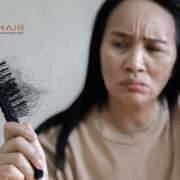

Autoimmune Diseases That Cause Hair Loss In Women in Franklin, TN

Women with autoimmune conditions? Regain hair with our specialized treatments!

Hair loss can be a distressing experience for anyone, but for women dealing with autoimmune diseases, the impact can be even more challenging. Autoimmune diseases are conditions in which the body’s immune system mistakenly attacks its own cells, leading to a range of symptoms, including hair loss. Understanding the connection between autoimmune diseases and hair loss is crucial for women seeking relief from this distressing symptom.

Autoimmune Diseases and Hair Loss: An Overview

Autoimmune Diseases

Autoimmune diseases occur when the immune system mistakes healthy cells for foreign invaders, leading to inflammation and tissue damage. There are numerous autoimmune diseases that can potentially cause hair loss in women, including:

Alopecia Areata

Alopecia areata is a common autoimmune condition that causes hair loss in patches. It occurs when the immune system targets hair follicles, leading to sudden hair loss. This condition can range from mild to severe, and in some cases, the hair may regrow on its own, while in others, treatment may be necessary.

Lupus

Lupus is a systemic autoimmune disease that can affect various parts of the body, including the skin. Hair loss is a common symptom of lupus, and it can be diffuse or occur in patches. Managing lupus-related hair loss typically involves treating the underlying condition and addressing any associated inflammation.

Hashimoto’s Thyroiditis

Hashimoto’s thyroiditis is an autoimmune disorder that affects the thyroid gland. Imbalances in thyroid hormone levels can lead to hair loss, thinning, and changes in hair texture. Managing Hashimoto’s thyroiditis and regulating thyroid hormone levels are essential for addressing hair loss in women with this condition.

Rheumatoid Arthritis

Rheumatoid arthritis is an autoimmune disorder that primarily affects the joints, but it can also lead to systemic inflammation that affects the skin and hair. Some individuals with rheumatoid arthritis may experience hair thinning or loss as a result of the condition’s impact on the body.

Managing Hair Loss Due to Autoimmune Diseases

Seeking Professional Guidance

For women experiencing hair loss associated with autoimmune diseases, seeking professional medical guidance is essential. Dermatologists, rheumatologists, and endocrinologists can provide targeted treatment approaches to address the underlying autoimmune condition and manage associated hair loss.

Exploring Treatment Options

Treatment options for autoimmune-related hair loss may include topical medications, oral medications, injections, and in some cases, advanced interventions such as platelet-rich plasma therapy or hair transplantation. The appropriate treatment approach will depend on the specific autoimmune condition and the individual’s unique needs.

Managing Emotional Well-Being

Dealing with hair loss can have a significant emotional impact, and it’s important for women to prioritize their emotional well-being while addressing the physical symptoms. Seeking support from mental health professionals, support groups, and loved ones can play a crucial role in navigating the challenges associated with autoimmune-related hair loss.

Empowering Women Through Knowledge and Support

Appreciating the connection between autoimmune diseases and hair loss empowers women to take proactive steps in managing their health and well-being. By leveraging professional guidance, exploring treatment options, and prioritizing emotional support, women can navigate the complexities of autoimmune-related hair loss with resilience and confidence.

The bottomline

Autoimmune diseases causing hair loss in women present unique challenges that require a comprehensive approach to management and care. ecognizing the specific autoimmune conditions that can contribute to hair loss and seeking targeted treatment, women can take significant strides in addressing this distressing symptom and reclaiming their sense of confidence and well-being.

Autoimmune Diseases That Cause Hair Loss In Women in Nolensville, TN

Hair loss? Possible autoimmune disease. Consult specialist for diagnosis and treatment.

Autoimmune diseases are a group of conditions in which the immune system mistakenly attacks the body’s own cells. This can lead to a range of symptoms and complications, including hair loss. In women, autoimmune diseases that cause hair loss can be distressing and have a profound impact on their self-esteem and well-being. Understanding the underlying conditions and available treatment options is vital for those dealing with hair loss due to autoimmune diseases. In this comprehensive guide, we will explore the various autoimmune diseases that can lead to hair loss in women, their symptoms, and potential treatment approaches. Whether you’re experiencing hair loss or seeking to expand your knowledge, this article aims to provide valuable insights and support.

Autoimmune Diseases Causing Hair Loss

Autoimmune diseases manifest when the immune system fails to differentiate between foreign substances and the body’s own cells, resulting in the immune system attacking normal healthy tissues. Several autoimmune diseases are associated with hair loss in women, including:

Alopecia Areata

Alopecia areata is a common autoimmune condition that causes round patches of hair loss on the scalp and other areas of the body. It occurs when the immune system targets hair follicles, leading to hair loss. The condition can range from mild to severe, with some women experiencing total scalp hair loss (alopecia totalis) or complete body hair loss (alopecia universalis). Understanding the triggers and potential treatment options is crucial for managing alopecia areata effectively.

Lupus

Lupus is a chronic autoimmune disease that can affect multiple organs, including the skin. Hair loss can be a prominent symptom of lupus, often occurring in patches and sometimes leading to thinning of the scalp hair. Women with lupus may also experience other skin-related issues, necessitating a comprehensive approach to treatment and management. Understanding the complex nature of lupus and its impact on hair loss is essential for those navigating this condition.

Hashimoto’s Thyroiditis

Hashimoto’s thyroiditis is an autoimmune condition that affects the thyroid gland, leading to hypothyroidism. Thyroid hormone imbalances can contribute to hair loss in women, with symptoms such as thinning hair, brittle hair, and overall hair loss being common manifestations of the condition. Addressing the underlying thyroid dysfunction is pivotal in managing hair loss associated with Hashimoto’s thyroiditis.

Further Understanding and Support

Apart from the aforementioned autoimmune diseases, several other conditions, such as rheumatoid arthritis, celiac disease, and scleroderma, can also contribute to hair loss in women. Seeking comprehensive medical evaluation and support from healthcare professionals specializing in autoimmune diseases is crucial for accurate diagnosis and personalized treatment plans. Addressing the underlying autoimmune condition is paramount in managing hair loss effectively.

Treatment Approaches for Hair Loss Due to Autoimmune Diseases

The treatment of hair loss in women with autoimmune diseases typically involves a multidisciplinary approach aimed at addressing the underlying autoimmune condition while also targeting hair regrowth and scalp health. Some common treatment approaches include:

Immunosuppressant Therapy

For conditions such as alopecia areata and lupus, immunosuppressant medications may be prescribed to modulate the immune system’s response and reduce the attack on hair follicles. These medications aim to mitigate inflammation and prevent further hair loss.

Hormone Replacement Therapy

In cases of Hashimoto’s thyroiditis and other hormonal imbalances contributing to hair loss, hormone replacement therapy may be recommended to restore hormonal equilibrium and alleviate hair loss symptoms.

Topical Treatments

Topical treatments, such as minoxidil, can be beneficial in promoting hair regrowth and improving scalp health. Additionally, medicated shampoos and scalp treatments may be prescribed to address underlying skin conditions associated with autoimmune diseases.

Lifestyle Modifications

Incorporating a well-balanced diet, stress management techniques, and adequate sleep can support overall health and potentially contribute to mitigating hair loss associated with autoimmune diseases. Consultation with a healthcare provider and a registered dietitian can help tailor lifestyle interventions to individual needs.

Wrapping up

Hair loss due to autoimmune diseases can significantly impact a woman’s emotional well-being and quality of life. nderstanding the underlying autoimmune conditions, recognizing the associated symptoms, and embracing holistic treatment approaches, women can navigate the challenges of hair loss with confidence and resilience. Seeking expert medical guidance and support remains essential in managing hair loss caused by autoimmune diseases, empowering women to maintain a positive sense of self and well-being.