Tag Archive for: Female Hair Care

Steps To Take To Reduce Hair Loss In Women in La Vergne, TN

Restore confidence with our hair loss prevention tips for women.

Hair loss can be distressing, especially for women. Whether it’s due to genetics, hormonal changes, or other underlying health issues, there are steps women can take to reduce hair loss and maintain healthy, vibrant hair. In this comprehensive guide, we’ll explore the various factors that contribute to hair loss in women and provide practical tips and strategies to promote hair growth and reduce shedding. If you’re seeking solutions to hair loss or simply looking to maintain strong and healthy locks, this article is for you.

Hair Loss in Women

Hair loss in women can be attributed to several factors, including genetics, hormonal imbalances, stress, nutritional deficiencies, and underlying medical conditions. For many women, experiencing hair loss can be emotionally distressing and impact their self-esteem. Understanding the root causes of hair loss is crucial in identifying effective strategies to address the issue.

Evaluating Your Hair Care Routine

Taking proactive steps to maintain healthy hair can significantly minimize the risk of excessive shedding and hair thinning. It’s essential to evaluate your current hair care routine and make adjustments to promote optimal hair health. Consider the following steps:

– Choose gentle hair care products: Opt for shampoos and conditioners specifically formulated for your hair type, and avoid products containing harsh chemicals that can strip the hair of its natural oils.

– Practice scalp massage: Massaging the scalp can stimulate blood flow to the hair follicles, promoting hair growth and reducing hair loss.

– Limit heat styling: Excessive use of heating tools such as straighteners and curling irons can damage the hair and contribute to breakage. Limit the use of these tools and use heat protection products when styling.

– Protect your hair from the sun: UV rays can damage the hair cuticle, leading to dryness and breakage. Wear a hat or use products with UV protection when spending time outdoors.

Nutrition and Hair Health

A well-balanced diet plays a crucial role in promoting healthy hair growth and minimizing hair loss. Ensure that your diet includes the following nutrients known to support hair health:

– Protein: Hair is primarily made up of protein, so it’s vital to consume an adequate amount of protein-rich foods such as lean meats, fish, eggs, and dairy products.

– Iron: Iron deficiency can lead to hair shedding. Incorporate iron-rich foods such as spinach, lentils, and red meat into your diet to support healthy hair growth.

– Omega-3 fatty acids: These essential fats are found in oily fish, flaxseeds, and walnuts and can help nourish the scalp and support hair strength.

– Vitamins and minerals: Ensure that your diet includes adequate amounts of vitamins A, C, and E, as well as minerals such as zinc and selenium, which are essential for healthy hair growth.

Stress Management and Hair Loss

Chronic stress can significantly impact hair health and contribute to hair loss. Implementing stress management techniques such as meditation, yoga, deep breathing exercises, or seeking professional counseling can help mitigate the effects of stress on the hair and overall well-being.

Consulting with a Healthcare Professional

If you’re experiencing significant hair loss or suspect an underlying health issue contributing to the problem, it’s essential to consult with a healthcare professional. A healthcare provider can perform a thorough evaluation to identify any potential medical causes of hair loss and recommend appropriate treatment options.

Wrapping up

Taking proactive steps to address and prevent hair loss in women is essential for maintaining healthy, vibrant hair. nderstanding the factors contributing to hair loss and implementing practical strategies such as evaluating your hair care routine, prioritizing nutrition, managing stress, and seeking professional guidance when needed, women can promote optimal hair health and minimize the impact of hair loss.
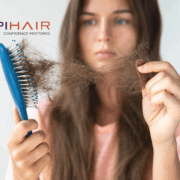
How To PreventHair Loss In Women in Nashville, TN

Combat hair loss with our expert tips in Nashville, TN!

Are you concerned about hair loss? You’re not alone. Many women in Nashville, TN, are experiencing hair loss and seeking effective prevention methods. Whether it’s due to genetics, stress, hormonal imbalances, or other factors, hair loss can be distressing. But the good news is that there are steps you can take to prevent and minimize the impact of hair loss. In this comprehensive guide, we’ll explore the best strategies and lifestyle changes for preventing hair loss in women.
Hair Loss in Women

Hair loss in women can be attributed to various factors, including genetics, hormonal imbalances, stress, and environmental influences. Understanding the root cause of hair loss is crucial for implementing an effective prevention plan. Here are some key insights into the common causes of hair loss in women:

Genetics: Family history plays a significant role in determining the likelihood of hair loss in women. If your mother or other female relatives experienced hair thinning or baldness, there’s a higher chance that you may also be predisposed to hair loss.

Hormonal Imbalances: Fluctuations in hormone levels, particularly during pregnancy, childbirth, menopause, or thyroid disorders, can contribute to hair loss in women. Hormonal imbalances can disrupt the natural growth and shedding cycles of hair, resulting in excessive shedding and thinning.

Stress: Chronic stress can have a detrimental effect on overall health, including hair health. High stress levels can lead to a condition called telogen effluvium, where a significant amount of hair shifts into the shedding phase, causing noticeable hair thinning.

Environmental Factors: Exposure to environmental pollutants, harsh chemicals, and certain hair styling practices can damage the hair follicles and contribute to hair loss. Protecting your hair from these external factors is essential for maintaining its health and vitality.

Effective Hair Care Practices

Implementing a holistic hair care routine is crucial for preventing hair loss and promoting healthy hair growth. Here are some key tips for maintaining optimal hair health:

Gentle Hair Styling: Avoid tight ponytails, braids, and other hairstyles that put excessive tension on the hair follicles. Opt for gentle hair accessories and styles that minimize pulling and breakage.

Proper Hair Washing: Use a gentle, sulfate-free shampoo and conditioner to cleanse and nourish your hair. Avoid over-washing, as it can strip the hair of essential oils and lead to dryness and brittleness.

Scalp Care: Keep your scalp clean and healthy by regularly exfoliating and massaging it to stimulate blood circulation and promote hair growth. Consider using scalp serums or treatments with essential nutrients for added nourishment.

Nutritious Diet: Ensure that your diet is rich in essential nutrients, such as protein, iron, vitamins, and omega-3 fatty acids, that support hair health. Incorporate foods like leafy greens, nuts, fish, and eggs for optimal hair nutrition.

Stress Management and Self-Care

Managing stress and prioritizing self-care are integral aspects of preventing hair loss in women. Here are some effective strategies for reducing stress and promoting overall well-being:

Mindfulness Practices: Engage in mindfulness meditation, deep breathing exercises, or yoga to alleviate stress and promote relaxation. These practices can help balance hormone levels and reduce the impact of stress on hair health.

Physical Activity: Regular exercise not only improves overall health but also enhances blood circulation to the scalp, promoting hair growth. Incorporate a mix of cardiovascular and strength-training exercises into your routine for optimal benefits.

Relaxation Techniques: Explore various relaxation techniques, such as aromatherapy, hot baths, or soothing music, to create a calming environment and reduce stress levels. Prioritize activities that bring joy and relaxation into your daily life.

Professional Consultation and Treatment Options

If you’re experiencing persistent or severe hair loss, seeking professional consultation from a reputable clinic in Nashville, TN, is crucial. Trained specialists can assess your specific needs and recommend personalized treatment options, including:

Scalp Analysis: Advanced scalp analysis techniques can provide valuable insights into the underlying causes of hair loss and guide personalized treatment plans.

Medical Treatments: Medical interventions, such as prescription medications, PRP therapy, or laser treatments, can effectively target the root causes of hair loss and promote regrowth.

Nutritional Guidance: Experienced professionals can offer tailored nutritional guidance and supplement recommendations to address any deficiencies contributing to hair loss.

Concluding concepts

Preventing hair loss in women requires a comprehensive approach that encompasses proper hair care, stress management, and professional guidance. nderstanding the underlying causes of hair loss and implementing proactive measures, women in Nashville, TN, can maintain healthy and vibrant hair. Take proactive steps to protect your hair and seek professional support when needed to embark on a journey towards optimal hair health.

Women’s Hair Loss Prevention in Franklin, TN

Boost confidence with our comprehensive women’s hair loss prevention guide!

Hair loss can be a distressing experience for women, impacting their confidence and self-esteem. It’s a common problem that affects millions of women, but the good news is that there are effective ways to prevent and manage it. Whether you’re dealing with thinning hair, receding hairline, or any other form of hair loss, it’s important to understand the underlying causes and explore the preventive measures available to you. In this comprehensive guide, we’ll delve into the various factors contributing to women’s hair loss and provide practical tips and strategies for preventing it. Our goal is to empower you with the knowledge and resources to address hair loss proactively, so you can feel beautiful and confident in your own skin.

Female Hair Loss: Causes and Contributing Factors

Hair loss in women can stem from a variety of causes, including genetics, hormonal changes, nutritional deficiencies, and lifestyle factors. nderstanding the underlying reasons for hair loss, you can better tailor your prevention efforts to address the specific issues at play.

Genetics: Family history plays a significant role in determining whether a woman is prone to hair loss. If female relatives, such as your mother or grandmother, have experienced hair thinning or balding, you may be genetically predisposed to similar patterns of hair loss.

Hormonal Changes: Fluctuations in hormone levels, particularly during pregnancy, menopause, or conditions such as polycystic ovarian syndrome (PCOS), can lead to hair thinning or shedding. This hormonal imbalance can disrupt the hair growth cycle and contribute to hair loss over time.

Nutritional Deficiencies: Inadequate intake of essential nutrients, such as iron, protein, and certain vitamins, can impact the health of your hair. Poor dietary choices or restrictive eating habits may result in weakened hair follicles and increased susceptibility to hair loss.

Lifestyle Factors: Factors like excessive stress, improper hair care, excessive use of styling tools, and certain medications can also contribute to women’s hair loss. Adopting healthier lifestyle habits and mindful hair care practices can make a significant difference in preventing and reducing hair loss.

Best Practices for Preventing Hair Loss in Women

Taking a proactive approach to prevent hair loss involves a holistic strategy addressing various aspects of your overall health and well-being. By incorporating the following best practices into your routine, you can minimize the risk of hair loss and promote healthy, vibrant hair growth.

Proper Nutrition: Ensuring adequate intake of essential nutrients, such as iron, protein, omega-3 fatty acids, and vitamins A, C, and E, can support optimal hair health. Incorporate a variety of nutrient-dense foods into your diet, including leafy greens, lean proteins, nuts, and fruits, to boost your hair’s strength and resilience.

Scalp Care: Maintaining a clean and healthy scalp is crucial for supporting hair growth. Regular scalp massages, gentle exfoliation, and using nourishing hair products can help improve circulation and nourish the hair follicles, promoting stronger and healthier hair.

Stress Management: Chronic stress can contribute to hair loss, so implementing stress-reducing practices like meditation, yoga, or deep breathing exercises can help mitigate its impact on your hair health. Finding healthy outlets for managing stress can positively influence the condition of your hair.

Gentle Hair Care: Avoiding harsh chemicals, heat styling, tight hairstyles, and over-manipulation of the hair can minimize damage and breakage. Opt for gentle hair care products and styling techniques to support the overall health and resilience of your hair.

Seeking Professional Guidance and Treatment Options

If you’re experiencing significant hair loss or notice changes in your hair’s texture and density, it’s essential to seek professional guidance from a qualified hair loss specialist. They can assess your condition, identify potential underlying causes, and recommend personalized treatment options tailored to your specific needs.

Diagnostic Testing: A thorough evaluation of your medical history, lifestyle, and potential contributing factors to your hair loss can guide the diagnostic testing process. Blood tests, scalp examinations, and other assessments may be conducted to determine the root causes of your hair loss.

Customized Treatment Plans: Based on the diagnostic findings, your hair loss specialist can create a personalized treatment plan that may include medical interventions, topical treatments, dietary changes, and lifestyle modifications to address the underlying factors contributing to your hair loss.

Ongoing Support and Monitoring: Establishing a long-term relationship with a hair loss specialist allows for continuous monitoring of your progress and the adjustment of treatment plans as needed. Ongoing support and guidance can empower you to take proactive steps in managing your hair loss effectively.

Final considerations

Preventing women’s hair loss requires a multifaceted approach that encompasses nutrition, scalp care, stress management, and professional guidance. ddressing the underlying causes and adopting proactive measures, women can maintain strong, healthy hair and mitigate the impact of hair loss. Remember, every woman’s hair loss journey is unique, and seeking professional support can provide invaluable insights and tailored solutions to support your hair health.