Tag Archive for: female hair loss causes

Women’s Hair Loss Causes And Treatments in Franklin, TN

Combat women’s hair loss with effective treatments. Restore confidence today.

Hair loss is a common condition that can be particularly distressing for women. Whether it’s due to hormonal changes, genetics, or other factors, hair loss can impact a woman’s confidence and self-esteem. However, recognizing the causes and potential treatments for women’s hair loss can help individuals make informed decisions about their care. In this comprehensive guide, we will delve into the various factors that contribute to hair loss in women and explore the available treatments. Whether you’re experiencing hair thinning or looking to support a loved one through this journey, this resource aims to provide valuable insights and guidance.

Female Hair Loss

Hair loss in women can have various underlying causes, from genetic predisposition to hormonal imbalances. Understanding the potential factors contributing to hair loss is crucial for identifying effective treatment options. Here are some common causes of hair loss in women:

– Genetic Predisposition: Just as in men, female hair loss can be influenced by genetic factors. If there’s a history of hair loss in your family, you’re more likely to experience it yourself.

– Hormonal Changes: Fluctuations in hormones, such as during pregnancy, menopause, or thyroid imbalances, can lead to hair loss in women.

– Medical Conditions: Certain medical conditions, such as autoimmune disorders or scalp infections, can contribute to hair thinning or loss.

– Stress and Lifestyle Factors: Psychological stress, poor nutrition, and extreme weight loss can impact the health of the hair, leading to excessive shedding or thinning.

– Hair Styling Practices: Overuse of heat styling tools, tight hairstyles, and chemical treatments can damage the hair and contribute to hair loss over time.

Treatment Options for Women’s Hair Loss

Addressing hair loss in women often involves a multi-faceted approach that considers both the underlying causes and the individual’s unique circumstances. Here are some potential treatment options for women experiencing hair loss:

– Topical Treatments: Over-the-counter or prescription topical treatments, such as minoxidil, can help stimulate hair growth and slow down the progression of hair loss in women.

– Hormone Therapy: For women experiencing hair loss due to hormonal imbalances, hormone therapy or specific medications may be recommended to restore balance.

– Platelet-Rich Plasma (PRP) Therapy: This innovative treatment involves injecting the patient’s own platelet-rich plasma into the scalp to stimulate hair follicle regeneration.

– Low-Level Laser Therapy: LLLT devices emit low levels of laser light to stimulate hair growth and improve the overall health of the scalp.

– Hair Transplant Surgery: In cases of advanced hair loss, hair transplant surgery can be a viable option for restoring a fuller head of hair in women.

– Lifestyle Changes: Adopting a healthy lifestyle, managing stress, and incorporating a well-balanced diet rich in essential nutrients can support overall hair health.

Schedule Appointment

Women’s hair loss can have a profound impact on self-esteem and quality of life. nderstanding the potential causes and available treatment options, women can take proactive steps towards addressing their hair loss concerns. Whether it’s seeking professional medical advice, exploring innovative treatments, or making lifestyle adjustments, there are various strategies for managing and potentially reversing hair loss in women. With the right approach and support, women can regain confidence and embrace a fuller, healthier head of hair.
Women’s Hair Loss Causes And Treatments in Franklin, TN

Combat women’s hair loss with effective treatments. Restore confidence today.

Hair loss is a common condition that can be particularly distressing for women. Whether it’s due to hormonal changes, genetics, or other factors, hair loss can impact a woman’s confidence and self-esteem. However, recognizing the causes and potential treatments for women’s hair loss can help individuals make informed decisions about their care. In this comprehensive guide, we will delve into the various factors that contribute to hair loss in women and explore the available treatments. Whether you’re experiencing hair thinning or looking to support a loved one through this journey, this resource aims to provide valuable insights and guidance.

Female Hair Loss

Hair loss in women can have various underlying causes, from genetic predisposition to hormonal imbalances. Understanding the potential factors contributing to hair loss is crucial for identifying effective treatment options. Here are some common causes of hair loss in women:

– Genetic Predisposition: Just as in men, female hair loss can be influenced by genetic factors. If there’s a history of hair loss in your family, you’re more likely to experience it yourself.

– Hormonal Changes: Fluctuations in hormones, such as during pregnancy, menopause, or thyroid imbalances, can lead to hair loss in women.

– Medical Conditions: Certain medical conditions, such as autoimmune disorders or scalp infections, can contribute to hair thinning or loss.

– Stress and Lifestyle Factors: Psychological stress, poor nutrition, and extreme weight loss can impact the health of the hair, leading to excessive shedding or thinning.

– Hair Styling Practices: Overuse of heat styling tools, tight hairstyles, and chemical treatments can damage the hair and contribute to hair loss over time.

Treatment Options for Women’s Hair Loss

Addressing hair loss in women often involves a multi-faceted approach that considers both the underlying causes and the individual’s unique circumstances. Here are some potential treatment options for women experiencing hair loss:

– Topical Treatments: Over-the-counter or prescription topical treatments, such as minoxidil, can help stimulate hair growth and slow down the progression of hair loss in women.

– Hormone Therapy: For women experiencing hair loss due to hormonal imbalances, hormone therapy or specific medications may be recommended to restore balance.

– Platelet-Rich Plasma (PRP) Therapy: This innovative treatment involves injecting the patient’s own platelet-rich plasma into the scalp to stimulate hair follicle regeneration.

– Low-Level Laser Therapy: LLLT devices emit low levels of laser light to stimulate hair growth and improve the overall health of the scalp.

– Hair Transplant Surgery: In cases of advanced hair loss, hair transplant surgery can be a viable option for restoring a fuller head of hair in women.

– Lifestyle Changes: Adopting a healthy lifestyle, managing stress, and incorporating a well-balanced diet rich in essential nutrients can support overall hair health.

Schedule Appointment

Women’s hair loss can have a profound impact on self-esteem and quality of life. nderstanding the potential causes and available treatment options, women can take proactive steps towards addressing their hair loss concerns. Whether it’s seeking professional medical advice, exploring innovative treatments, or making lifestyle adjustments, there are various strategies for managing and potentially reversing hair loss in women. With the right approach and support, women can regain confidence and embrace a fuller, healthier head of hair.
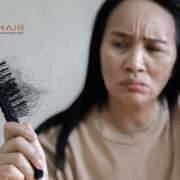
Common Causes Of Hair Loss In Women in Franklin, TN

Expert solutions for women’s hair loss. Find relief today.

Hair loss in women is a challenging and often distressing experience. Whether you’re noticing a thinning crown or a widening part, acknowledging the potential causes is crucial to finding the right solution. At our clinic in Franklin, TN, we specialize in helping women address their hair loss concerns with personalized and effective treatments. In this comprehensive guide, we’ll explore the common causes of hair loss in women, providing valuable insights for body builders and fitness industry professionals who are looking to understand and address this issue from a female perspective.

Hormonal Imbalance

Hormonal imbalance is a significant factor in female hair loss. Fluctuations in hormones, especially during pregnancy, childbirth, menopause, and thyroid disorders, can lead to excessive shedding and thinning of the hair. Understanding the impact of hormonal changes on hair health is essential for women in the fitness industry, as the rigorous training and nutrition regimes can sometimes disrupt hormonal balance. Our clinic offers tailored treatments to address hormonal imbalances and their effects on hair loss.

Stress and Nutrition

Another common cause of hair loss in women is stress and nutritional deficiencies. High-stress levels can lead to a condition called telogen effluvium, resulting in widespread shedding of hair. Additionally, inadequate intake of essential nutrients, such as protein, iron, and vitamins, can contribute to weakened hair follicles and subsequent hair loss. Fitness-focused women, including body builders, often face unique challenges in managing stress and maintaining a balanced diet. Our clinic provides holistic approaches to address stress reduction and nutritional support for optimal hair health.

Genetic Factors

Genetic predisposition plays a significant role in female hair loss. Conditions such as androgenetic alopecia, commonly known as female pattern baldness, can be inherited and lead to progressive thinning of the hair. Understanding the genetic factors contributing to hair loss is crucial for women in the fitness industry, as it allows for proactive measures to maintain hair health. At our clinic, we offer genetic testing and personalized treatment plans tailored to individual genetic profiles.

Medical Conditions and Treatments

Certain medical conditions and treatments can also contribute to hair loss in women. Conditions like alopecia areata, autoimmune disorders, and scalp infections can lead to hair thinning and bald patches. Additionally, undergoing medical treatments such as chemotherapy can result in significant hair loss. It is essential for women in the fitness industry to be aware of these potential factors and seek specialized care from professionals who understand the unique needs of active individuals. Our clinic offers comprehensive evaluations and targeted treatments for women experiencing hair loss due to medical conditions or treatments.

Schedule Appointment

In summary, hair loss in women can stem from a variety of causes, ranging from hormonal imbalances and stress to genetic predisposition and medical conditions. Understanding these common factors is essential for women in the fitness industry, including body builders, who are seeking personalized solutions for their hair loss concerns. At our clinic in Franklin, TN, we are dedicated to providing tailored treatments and compassionate care to address the diverse needs of women experiencing hair loss. By gaining a deeper acknowledging of the underlying causes, women can take proactive steps to regain confidence and maintain optimal hair health.

Common Causes Of Hair Loss In Women in Franklin, TN

Expert solutions for women’s hair loss. Find relief today.

Hair loss in women is a challenging and often distressing experience. Whether you’re noticing a thinning crown or a widening part, acknowledging the potential causes is crucial to finding the right solution. At our clinic in Franklin, TN, we specialize in helping women address their hair loss concerns with personalized and effective treatments. In this comprehensive guide, we’ll explore the common causes of hair loss in women, providing valuable insights for body builders and fitness industry professionals who are looking to understand and address this issue from a female perspective.

Hormonal Imbalance

Hormonal imbalance is a significant factor in female hair loss. Fluctuations in hormones, especially during pregnancy, childbirth, menopause, and thyroid disorders, can lead to excessive shedding and thinning of the hair. Understanding the impact of hormonal changes on hair health is essential for women in the fitness industry, as the rigorous training and nutrition regimes can sometimes disrupt hormonal balance. Our clinic offers tailored treatments to address hormonal imbalances and their effects on hair loss.

Stress and Nutrition

Another common cause of hair loss in women is stress and nutritional deficiencies. High-stress levels can lead to a condition called telogen effluvium, resulting in widespread shedding of hair. Additionally, inadequate intake of essential nutrients, such as protein, iron, and vitamins, can contribute to weakened hair follicles and subsequent hair loss. Fitness-focused women, including body builders, often face unique challenges in managing stress and maintaining a balanced diet. Our clinic provides holistic approaches to address stress reduction and nutritional support for optimal hair health.

Genetic Factors

Genetic predisposition plays a significant role in female hair loss. Conditions such as androgenetic alopecia, commonly known as female pattern baldness, can be inherited and lead to progressive thinning of the hair. Understanding the genetic factors contributing to hair loss is crucial for women in the fitness industry, as it allows for proactive measures to maintain hair health. At our clinic, we offer genetic testing and personalized treatment plans tailored to individual genetic profiles.

Medical Conditions and Treatments

Certain medical conditions and treatments can also contribute to hair loss in women. Conditions like alopecia areata, autoimmune disorders, and scalp infections can lead to hair thinning and bald patches. Additionally, undergoing medical treatments such as chemotherapy can result in significant hair loss. It is essential for women in the fitness industry to be aware of these potential factors and seek specialized care from professionals who understand the unique needs of active individuals. Our clinic offers comprehensive evaluations and targeted treatments for women experiencing hair loss due to medical conditions or treatments.

Schedule Appointment

In summary, hair loss in women can stem from a variety of causes, ranging from hormonal imbalances and stress to genetic predisposition and medical conditions. Understanding these common factors is essential for women in the fitness industry, including body builders, who are seeking personalized solutions for their hair loss concerns. At our clinic in Franklin, TN, we are dedicated to providing tailored treatments and compassionate care to address the diverse needs of women experiencing hair loss. By gaining a deeper acknowledging of the underlying causes, women can take proactive steps to regain confidence and maintain optimal hair health.

Significant Hair Loss In Women in Nashville, TN

Get expert support for women’s hair loss. Find relief now.

As a woman, experiencing hair loss can be an emotionally distressing and perplexing ordeal. The significance of hair in defining femininity and personal confidence makes hair loss in women a particularly delicate and often complex issue. Understanding the causes and treatment options for significant hair loss in women is crucial for addressing the concerns and needs of those facing this challenge. In this comprehensive guide, we will delve into the various factors contributing to hair loss in women and explore effective treatment options to help you regain confidence and a sense of control over your hair health.

The Complexity of Female Hair Loss

Hair loss in women is a multifaceted issue with a wide array of potential causes. Unlike male-pattern baldness, which is commonly associated with genetic factors and aging, female hair loss can stem from numerous sources, including hormonal imbalances, stress, nutritional deficiencies, and underlying medical conditions. Additionally, certain lifestyle factors and styling practices may contribute to excessive hair shedding and thinning.

Acknowledging the complexity of female hair loss begins with recognizing the various types of hair loss conditions that affect women. From the common and temporary shedding associated with telogen effluvium to the more persistent and hereditary pattern hair loss, women may face different manifestations of hair loss, each requiring specific management strategies.

Identifying the Underlying Causes

To effectively address significant hair loss in women, it is essential to identify the underlying factors contributing to the condition. Hormonal fluctuations, particularly those occurring during pregnancy, childbirth, and menopause, can lead to noticeable hair thinning and shedding. Conditions such as polycystic ovary syndrome (PCOS) and thyroid disorders are also known to cause hair loss among women. Stress and its impact on the hair growth cycle cannot be overlooked, as chronic stress can induce an increased rate of hair shedding.

Nutritional deficiencies, specifically low levels of iron, vitamin D, and certain essential fatty acids, can negatively impact hair health and contribute to excessive hair loss. Furthermore, certain hairstyles and treatments, such as tight ponytails, braids, and chemical processing, can subject the hair follicles to undue tension and damage, leading to traction alopecia and hair breakage.

Effective Treatment Options

Addressing significant hair loss in women necessitates a multifaceted approach that targets the specific underlying causes identified in each case. Consulting with a qualified healthcare professional or a board-certified dermatologist is paramount to accurately diagnose the root cause of the hair loss and determine the most appropriate treatment plan. Depending on the underlying factors and the type of hair loss, treatment options may include:

– Hormone therapy: For women with hormonal imbalances contributing to hair loss, hormone replacement therapy or oral contraceptives may be prescribed to restore hormonal equilibrium and mitigate excessive hair shedding.

– Nutritional supplementation: In cases where nutritional deficiencies are identified, supplementation with iron, vitamin D, and essential fatty acids can help improve hair health and combat hair loss.

– Topical treatments: Minoxidil, an FDA-approved over-the-counter topical solution, has been shown to be effective in promoting hair regrowth in women with hereditary hair loss.

– Platelet-rich plasma (PRP) therapy: This innovative treatment involves the injection of the patient’s own platelet-rich plasma into the scalp to stimulate hair follicle activity and promote hair regrowth.

– Low-level laser therapy: Utilizing specialized laser devices, low-level laser therapy has been found to improve hair density and stimulate hair growth in women with certain types of hair loss.

Schedule Appointment

Significant hair loss in women can have profound emotional and psychological effects, impacting self-esteem and overall well-being. nderstanding the complexity of female hair loss, identifying the underlying causes, and exploring effective treatment options, women can regain confidence and take proactive steps towards addressing their hair loss concerns. Seek consultation with experienced professionals and empower yourself with the knowledge and resources to overcome hair loss and embrace a fuller, healthier head of hair.

Significant Hair Loss In Women in Nashville, TN

Get expert support for women’s hair loss. Find relief now.

As a woman, experiencing hair loss can be an emotionally distressing and perplexing ordeal. The significance of hair in defining femininity and personal confidence makes hair loss in women a particularly delicate and often complex issue. Understanding the causes and treatment options for significant hair loss in women is crucial for addressing the concerns and needs of those facing this challenge. In this comprehensive guide, we will delve into the various factors contributing to hair loss in women and explore effective treatment options to help you regain confidence and a sense of control over your hair health.

The Complexity of Female Hair Loss

Hair loss in women is a multifaceted issue with a wide array of potential causes. Unlike male-pattern baldness, which is commonly associated with genetic factors and aging, female hair loss can stem from numerous sources, including hormonal imbalances, stress, nutritional deficiencies, and underlying medical conditions. Additionally, certain lifestyle factors and styling practices may contribute to excessive hair shedding and thinning.

Acknowledging the complexity of female hair loss begins with recognizing the various types of hair loss conditions that affect women. From the common and temporary shedding associated with telogen effluvium to the more persistent and hereditary pattern hair loss, women may face different manifestations of hair loss, each requiring specific management strategies.

Identifying the Underlying Causes

To effectively address significant hair loss in women, it is essential to identify the underlying factors contributing to the condition. Hormonal fluctuations, particularly those occurring during pregnancy, childbirth, and menopause, can lead to noticeable hair thinning and shedding. Conditions such as polycystic ovary syndrome (PCOS) and thyroid disorders are also known to cause hair loss among women. Stress and its impact on the hair growth cycle cannot be overlooked, as chronic stress can induce an increased rate of hair shedding.

Nutritional deficiencies, specifically low levels of iron, vitamin D, and certain essential fatty acids, can negatively impact hair health and contribute to excessive hair loss. Furthermore, certain hairstyles and treatments, such as tight ponytails, braids, and chemical processing, can subject the hair follicles to undue tension and damage, leading to traction alopecia and hair breakage.

Effective Treatment Options

Addressing significant hair loss in women necessitates a multifaceted approach that targets the specific underlying causes identified in each case. Consulting with a qualified healthcare professional or a board-certified dermatologist is paramount to accurately diagnose the root cause of the hair loss and determine the most appropriate treatment plan. Depending on the underlying factors and the type of hair loss, treatment options may include:

– Hormone therapy: For women with hormonal imbalances contributing to hair loss, hormone replacement therapy or oral contraceptives may be prescribed to restore hormonal equilibrium and mitigate excessive hair shedding.

– Nutritional supplementation: In cases where nutritional deficiencies are identified, supplementation with iron, vitamin D, and essential fatty acids can help improve hair health and combat hair loss.

– Topical treatments: Minoxidil, an FDA-approved over-the-counter topical solution, has been shown to be effective in promoting hair regrowth in women with hereditary hair loss.

– Platelet-rich plasma (PRP) therapy: This innovative treatment involves the injection of the patient’s own platelet-rich plasma into the scalp to stimulate hair follicle activity and promote hair regrowth.

– Low-level laser therapy: Utilizing specialized laser devices, low-level laser therapy has been found to improve hair density and stimulate hair growth in women with certain types of hair loss.

Schedule Appointment

Significant hair loss in women can have profound emotional and psychological effects, impacting self-esteem and overall well-being. nderstanding the complexity of female hair loss, identifying the underlying causes, and exploring effective treatment options, women can regain confidence and take proactive steps towards addressing their hair loss concerns. Seek consultation with experienced professionals and empower yourself with the knowledge and resources to overcome hair loss and embrace a fuller, healthier head of hair.

Cause Of Hair Loss In Women in Franklin, TN

Combat hair loss in women with effective treatment options available.

Hair loss is a common concern for many individuals, and while it is often associated with men, women can also experience this issue. Understanding the causes of hair loss in women is crucial for effective treatment and management. If you are experiencing hair loss, it’s essential to identify the underlying factors contributing to this condition. In this comprehensive guide, we will explore the various causes of hair loss in women, from hormonal imbalances to lifestyle factors. Whether you are seeking treatment for thinning hair or looking to prevent future hair loss, this article will provide valuable insights and information to empower you on your journey to healthy and vibrant hair.

Hair Loss in Women

Hair loss in women can be attributed to various factors, and it is essential to recognize that it can have a significant impact on self-esteem and overall well-being. While it is normal to shed some hair every day, excessive hair loss or thinning can be concerning. Understanding the common causes of hair loss in women is the first step in addressing this issue effectively. ecognizing the underlying factors contributing to hair loss, individuals can seek appropriate treatment and make informed lifestyle choices to promote hair health.

Hormonal Imbalances

Hormonal imbalances are a common cause of hair loss in women. Fluctuations in hormone levels, particularly during pregnancy, childbirth, menopause, or conditions such as polycystic ovary syndrome (PCOS), can contribute to hair thinning or shedding. Hormonal imbalances can affect the hair growth cycle, leading to increased shedding or decreased growth. Understanding the role of hormones in hair health is crucial for women experiencing hair loss.

– Hormonal imbalances, such as an excess of androgens or a decrease in estrogen levels, can impact hair growth and contribute to hair loss.

– Women experiencing hormonal disruptions should seek medical guidance to address underlying conditions and restore hormone balance for healthier hair.

Stress and Lifestyle Factors

High levels of stress and certain lifestyle choices can also contribute to hair loss in women. Chronic stress can disrupt the natural hair growth cycle, leading to increased shedding and thinning. Additionally, factors such as poor nutrition, improper hair care, and excessive styling or treatments can impact overall hair health.

– Managing stress through relaxation techniques, exercise, and mindfulness can help reduce its impact on hair loss.

– Adopting a balanced diet rich in essential nutrients, such as vitamins and minerals, can support healthy hair growth and prevent deficiencies that may contribute to hair loss.

Genetic Predisposition

Genetic predisposition plays a significant role in hair loss for both men and women. Female pattern hair loss, also known as androgenetic alopecia, can be inherited and often results in gradual thinning of the hair over time. Understanding the genetic factors contributing to hair loss can aid in early intervention and personalized treatment approaches.

– Recognizing family history and genetic predispositions for hair loss can prompt proactive measures to prevent or manage the condition effectively.

– Seeking professional advice and treatment options tailored to genetic factors can help address hair loss concerns with a personalized approach.

Medical Conditions and Treatments

Certain medical conditions and treatments can contribute to hair loss in women. Conditions such as autoimmune diseases, thyroid disorders, and scalp infections can impact hair health and lead to increased shedding. Additionally, treatments such as chemotherapy or radiation therapy can result in temporary or permanent hair loss.

– Consulting healthcare professionals to address underlying medical conditions is essential for managing hair loss and promoting overall well-being.

– Understanding the potential impact of medical treatments on hair health can help individuals prepare for hair loss and explore supportive care options throughout the treatment process.

The bottomline

Recognizing the various causes of hair loss in women is crucial for effective management and treatment. nderstanding the role of hormonal imbalances, stress, genetic predisposition, and medical factors, women can take proactive steps to address hair loss and promote healthy hair growth. Seeking professional guidance and personalized treatment approaches tailored to individual needs can empower women to navigate the complexities of hair loss with confidence and resilience.

Cause Of Hair Loss In Women in Franklin, TN

Combat hair loss in women with effective treatment options available.

Hair loss is a common concern for many individuals, and while it is often associated with men, women can also experience this issue. Understanding the causes of hair loss in women is crucial for effective treatment and management. If you are experiencing hair loss, it’s essential to identify the underlying factors contributing to this condition. In this comprehensive guide, we will explore the various causes of hair loss in women, from hormonal imbalances to lifestyle factors. Whether you are seeking treatment for thinning hair or looking to prevent future hair loss, this article will provide valuable insights and information to empower you on your journey to healthy and vibrant hair.

Hair Loss in Women

Hair loss in women can be attributed to various factors, and it is essential to recognize that it can have a significant impact on self-esteem and overall well-being. While it is normal to shed some hair every day, excessive hair loss or thinning can be concerning. Understanding the common causes of hair loss in women is the first step in addressing this issue effectively. ecognizing the underlying factors contributing to hair loss, individuals can seek appropriate treatment and make informed lifestyle choices to promote hair health.

Hormonal Imbalances

Hormonal imbalances are a common cause of hair loss in women. Fluctuations in hormone levels, particularly during pregnancy, childbirth, menopause, or conditions such as polycystic ovary syndrome (PCOS), can contribute to hair thinning or shedding. Hormonal imbalances can affect the hair growth cycle, leading to increased shedding or decreased growth. Understanding the role of hormones in hair health is crucial for women experiencing hair loss.

– Hormonal imbalances, such as an excess of androgens or a decrease in estrogen levels, can impact hair growth and contribute to hair loss.

– Women experiencing hormonal disruptions should seek medical guidance to address underlying conditions and restore hormone balance for healthier hair.

Stress and Lifestyle Factors

High levels of stress and certain lifestyle choices can also contribute to hair loss in women. Chronic stress can disrupt the natural hair growth cycle, leading to increased shedding and thinning. Additionally, factors such as poor nutrition, improper hair care, and excessive styling or treatments can impact overall hair health.

– Managing stress through relaxation techniques, exercise, and mindfulness can help reduce its impact on hair loss.

– Adopting a balanced diet rich in essential nutrients, such as vitamins and minerals, can support healthy hair growth and prevent deficiencies that may contribute to hair loss.

Genetic Predisposition

Genetic predisposition plays a significant role in hair loss for both men and women. Female pattern hair loss, also known as androgenetic alopecia, can be inherited and often results in gradual thinning of the hair over time. Understanding the genetic factors contributing to hair loss can aid in early intervention and personalized treatment approaches.

– Recognizing family history and genetic predispositions for hair loss can prompt proactive measures to prevent or manage the condition effectively.

– Seeking professional advice and treatment options tailored to genetic factors can help address hair loss concerns with a personalized approach.

Medical Conditions and Treatments

Certain medical conditions and treatments can contribute to hair loss in women. Conditions such as autoimmune diseases, thyroid disorders, and scalp infections can impact hair health and lead to increased shedding. Additionally, treatments such as chemotherapy or radiation therapy can result in temporary or permanent hair loss.

– Consulting healthcare professionals to address underlying medical conditions is essential for managing hair loss and promoting overall well-being.

– Understanding the potential impact of medical treatments on hair health can help individuals prepare for hair loss and explore supportive care options throughout the treatment process.

The bottomline

Recognizing the various causes of hair loss in women is crucial for effective management and treatment. nderstanding the role of hormonal imbalances, stress, genetic predisposition, and medical factors, women can take proactive steps to address hair loss and promote healthy hair growth. Seeking professional guidance and personalized treatment approaches tailored to individual needs can empower women to navigate the complexities of hair loss with confidence and resilience.

Reasons ForHair Loss In Women in La Vergne, TN

Expert solutions for women’s hair loss. Get help today!

Hair loss is a common concern for many women across the United States. It can be a distressing experience that impacts self-esteem and overall well-being. Understanding the reasons for hair loss in women is crucial for finding effective treatment solutions. At our clinic in La Vergne, TN, we specialize in providing comprehensive care and support for women experiencing hair loss. In this article, we will explore the various causes of hair loss in women and discuss potential treatment options. Whether you’re experiencing thinning hair, bald patches, or overall hair loss, our clinic is equipped to provide personalized care to help you regain confidence and achieve healthy, beautiful hair.

The Complexities of Female Hair Loss

Hair loss in women is a multifaceted issue that can stem from a variety of factors. Understanding the complexities of female hair loss is essential for developing targeted treatment plans. While some causes of hair loss in women may be temporary or reversible, others require ongoing management and intervention. By delving into the intricacies of female hair loss, we can provide tailored solutions that address the root causes and promote long-term hair health.

Hormonal Imbalances

One of the primary reasons for hair loss in women is hormonal imbalances. Fluctuations in hormone levels, particularly during pregnancy, childbirth, menopause, or thyroid disorders, can lead to increased shedding and noticeable thinning of the hair. Hormonal shifts can disrupt the natural growth cycles of hair follicles, resulting in accelerated hair loss. Addressing hormonal imbalances through targeted interventions and therapies can help restore hair growth and prevent further loss.

Nutritional Deficiencies

Another common factor contributing to hair loss in women is nutritional deficiencies. Inadequate intake of essential vitamins and minerals, such as iron, zinc, vitamin D, and biotin, can significantly impact the health of hair follicles. When the body lacks essential nutrients, hair growth may be impaired, leading to brittle, weak hair that is more prone to shedding. Our clinic offers personalized nutritional assessments and guidance to ensure that women receive the necessary nutrients to support healthy hair growth.

Stress and Lifestyle Factors

The impact of stress and lifestyle factors on hair health should not be underestimated. Chronic stress, poor dietary choices, and excessive styling or chemical treatments can all contribute to hair loss in women. Stress-induced hair loss, known as telogen effluvium, can result in a sudden increase in shedding due to the disruption of the hair growth cycle. ddressing lifestyle factors and implementing stress-reducing strategies, women can promote a healthier environment for hair growth.

Genetic Predisposition

For some women, genetic predisposition plays a significant role in hair loss. Female pattern hair loss, or androgenetic alopecia, is a hereditary condition that can lead to progressive thinning of the hair over time. Understanding the genetic factors contributing to hair loss is crucial for developing personalized treatment plans that aim to slow the progression of hair thinning and stimulate regrowth.

Medical Conditions and Treatments

Certain medical conditions and treatments can also contribute to hair loss in women. Conditions such as autoimmune disorders, alopecia areata, and scalp infections can directly impact hair follicles and lead to hair loss. Additionally, undergoing certain medical treatments such as chemotherapy or radiation therapy can result in temporary or permanent hair loss. Addressing the specific medical factors contributing to hair loss is essential in determining the most suitable treatment approach.

Treatment Options and Solutions

At our clinic in La Vergne, TN, we offer a wide range of treatment options and solutions for hair loss in women. From personalized hair care regimens to advanced medical interventions, we are dedicated to helping women achieve healthy and vibrant hair. Our comprehensive approach includes the following treatment options:

– Topical Hair Growth Formulas: We provide topical solutions that promote hair regrowth and strengthen hair follicles. These formulations are tailored to individual needs and designed to stimulate new hair growth.

– Platelet-Rich Plasma (PRP) Therapy: PRP therapy involves utilizing the patient’s own blood plasma enriched with platelets to stimulate hair follicles’ activity and promote new hair growth.

– Laser Therapy: Our clinic offers advanced laser therapy treatments that stimulate hair follicles, improve circulation, and enhance hair density.

– Nutritional Counseling: Our team of experts provides personalized nutritional counseling to address dietary deficiencies and optimize hair health from within.

– Scalp Micro-pigmentation: For women who prefer a non-invasive solution, scalp micro-pigmentation offers a natural-looking way to create the appearance of fuller, thicker hair.

– Hair Transplantation: In cases of advanced hair loss, we offer hair transplantation procedures that provide natural and lasting results.

The essence

Hair loss in women is a complex and sometimes emotionally challenging experience. However, with the right support and personalized treatment approach, women can regain confidence and achieve healthy, beautiful hair. At our clinic in La Vergne, TN, we are committed to providing compassionate care and effective solutions for women experiencing hair loss. If you’re seeking comprehensive support and advanced treatment options to address hair loss, we are here to help you on your journey to restored hair health.