Tag Archive for: female hair loss

Significant Hair Loss In Women in Brentwood, TN

Combat hair loss in women with our expert treatments now.

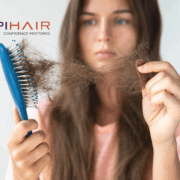
Hair loss in women is a significant concern that affects many aspects of their lives. From self-esteem to overall health, the impact of hair loss can be profound. At our clinic in Brentwood, TN, we understand the emotional and physical toll that hair loss can take on women. Our expert team is dedicated to providing tailored solutions to address each individual’s unique needs. Whether you’re experiencing thinning hair, pattern baldness, or any other form of hair loss, we’re here to help you regain confidence and achieve healthy, beautiful hair.

Women experiencing hair loss often face challenges in finding effective treatments and reliable information. Many factors can contribute to hair loss in women, and recognizing the underlying causes is crucial for finding the most suitable solutions. In this comprehensive guide, we’ll explore the significant aspects of hair loss in women, including the common causes, identifiable symptoms, and available treatments. Our goal is to equip you with the knowledge needed to make informed decisions about addressing hair loss and to empower you to take proactive steps towards regaining healthy hair.

Hair Loss in Women: Causes and Contributing Factors

While hair loss is often associated with men, it is a prevalent issue among women as well. Understanding the various causes and contributing factors can provide valuable insights into the underlying reasons behind hair loss in women. Some of the primary factors that can lead to hair loss in women include:

– Hormonal imbalances: Fluctuations in hormones, such as those experienced during pregnancy, childbirth, menopause, or conditions like polycystic ovary syndrome (PCOS), can contribute to hair loss.

– Genetics: Family history and genetic predisposition can play a significant role in female pattern hair loss.

– Medical conditions: Certain medical conditions, such as thyroid disorders, autoimmune diseases, and alopecia areata, can lead to hair loss in women.

– Environmental factors: Excessive exposure to harsh chemicals, pollutants, or extreme styling practices can damage the hair follicles and contribute to hair loss.

– Stress: Emotional or physical stress can disrupt the hair growth cycle and result in increased shedding or thinning of hair.

Symptoms of Hair Loss in Women: Recognizing the Signs

Recognizing the early symptoms of hair loss in women is essential for seeking timely intervention. Some common signs and symptoms of hair loss in women include:

– Noticeable thinning of hair, particularly around the crown or along the part line

– Increased shedding of hair during routine activities such as washing or brushing

– Receding hairline or widening of the part

– Visible patches of baldness or hair loss

– Changes in hair texture or overall quality

It’s important to note that seeking professional evaluation and diagnosis is crucial when experiencing any of these symptoms, as it can help determine the underlying cause of the hair loss and guide appropriate treatment options.

Effective Treatment Options for Hair Loss in Women

Addressing hair loss in women often requires a customized approach that considers the specific causes and individual needs. Some effective treatment options for hair loss in women may include:

– Topical treatments: Minoxidil, a topical solution approved by the FDA for women, can help promote hair regrowth and prevent further hair loss.

– Oral medications: Prescription medications such as finasteride may be recommended for certain women to help control hair loss and stimulate regrowth.

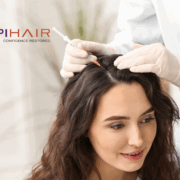
– Platelet-rich plasma (PRP) therapy: This innovative treatment involves using the patient’s own blood plasma to stimulate hair follicle rejuvenation and promote hair growth.

– Laser therapy: Low-level laser therapy (LLLT) devices can be used to stimulate hair follicles and improve hair density and thickness.

– Lifestyle modifications: Adopting a healthy lifestyle, managing stress, and ensuring proper nutrition can significantly support overall hair health.

Schedule Appointment

If you’re experiencing hair loss as a woman, it’s essential to seek professional guidance and explore the available treatment options. At our clinic in Brentwood, TN, we offer personalized consultations and advanced treatments designed to address the specific needs of women experiencing hair loss. Our compassionate team is dedicated to supporting you on your journey to healthy, beautiful hair. Don’t let hair loss impact your confidence and well-being – take proactive steps to address it today.
Reasons For Hair Loss In Young Women in La Vergne, TN

Regain confidence with solutions for young women’s hair loss.

Hair loss is a common concern among young women, and it can be a distressing experience that affects self-esteem and confidence. While hair loss is often associated with aging, there are many reasons why young women may experience thinning or shedding of hair. Understanding the underlying causes of hair loss is crucial for seeking appropriate treatment and finding solutions to restore hair health. In this comprehensive guide, we will delve into the various factors that contribute to hair loss in young women, empowering them to make informed decisions and seek professional help when needed.

Hormonal Imbalance

Hormonal imbalance is one of the leading causes of hair loss in young women. Fluctuations in hormone levels, particularly during puberty, pregnancy, and menopause, can disrupt the hair growth cycle and result in excessive shedding. Conditions such as polycystic ovary syndrome (PCOS) and thyroid disorders can also contribute to hormonal imbalances, leading to hair thinning and loss. Understanding the impact of hormonal fluctuations on hair health is essential for addressing the root cause of the issue and exploring targeted treatments.

Stress and Emotional Wellbeing

The relationship between stress and hair loss is well-documented, and young women are not immune to the effects of psychological and emotional stress on their hair. High levels of stress, anxiety, and emotional turmoil can trigger a condition known as telogen effluvium, leading to significant hair shedding. Moreover, the pressures of modern lifestyles, academic demands, and professional responsibilities can take a toll on young women, impacting their overall wellbeing and potentially contributing to hair loss. Addressing stress management and prioritizing emotional wellbeing are essential components of holistic hair care for young women.

Nutritional Deficiencies

Proper nutrition plays a vital role in maintaining healthy hair, and deficiencies in key nutrients can lead to hair loss in young women. Iron deficiency anemia, for example, is a common cause of hair thinning and is often prevalent in young women due to menstrual blood loss. Inadequate intake of essential vitamins and minerals, such as vitamin D, vitamin E, and biotin, can also impact the strength and vitality of hair. Identifying and addressing nutritional deficiencies through dietary modifications and supplementation can significantly improve hair health in young women.

Genetic Predisposition

Genetics can also play a significant role in determining a young woman’s susceptibility to hair loss. Female pattern hair loss, known as androgenetic alopecia, is influenced by genetic factors and can manifest in early adulthood. Understanding the genetic predispositions and family history of hair loss is crucial in assessing the potential risk and developing proactive strategies to manage and prevent further hair thinning.

Environmental Factors

Young women are exposed to various environmental factors that can contribute to hair loss. Overexposure to UV radiation, harsh chemical treatments, excessive heat styling, and pollution can weaken the hair shaft and lead to increased breakage and loss. Additionally, lifestyle choices such as smoking and alcohol consumption can also impact the overall health of the hair. Creating awareness about the impact of environmental factors and adopting protective measures can help young women preserve the quality and strength of their hair.

Medical Conditions and Medications

Certain medical conditions and medications can have a direct impact on hair health in young women. Autoimmune disorders, such as lupus and alopecia areata, can result in hair loss, while medications used to treat conditions like acne, depression, and high blood pressure may have hair-thinning side effects. Consulting with healthcare professionals and acknowledging the potential implications of underlying medical conditions and medications is essential for addressing hair loss comprehensively.

Closing considerations

Hair loss in young women can be attributed to a myriad of factors, ranging from hormonal imbalances and stress to genetic predispositions and environmental influences. nderstanding the multifaceted nature of hair loss, young women can proactively address the underlying causes and seek personalized treatments to restore and maintain healthy hair. Seeking professional guidance from experienced specialists can empower young women to navigate their hair loss journey with confidence and resilience.

Women’s Hair Loss Causes in Nashville, TN

Regain confidence with effective hair loss treatments for women today!

Struggling with hair loss can be a deeply distressing experience for anyone, and it’s a common misconception that it only affects men. In reality, women also face hair loss issues, and the emotional impact can be just as significant. Understanding the causes of hair loss in women is crucial for finding effective treatments and regaining confidence. In this comprehensive guide, we’ll explore the various factors that contribute to hair loss in women, the different types of hair loss, and the available treatment options. Whether you’re experiencing hair loss yourself or seeking to support someone who is, arming yourself with knowledge is the first step towards empowerment and regaining control over your hair and your confidence. Let’s delve into this important topic and explore the causes of hair loss in women.

Common Causes of Hair Loss in Women

Hair loss in women can be caused by a variety of factors, and appreciating these causes is essential for effective treatment. Some of the most common causes include:

Hormonal imbalances: Fluctuations in hormones, such as during pregnancy, childbirth, menopause, or thyroid imbalances, can lead to hair loss in women.

Genetics: Just like men, women can also inherit a genetic predisposition to hair loss, leading to conditions such as female-pattern baldness.

Medical conditions: Certain medical conditions, such as alopecia areata, autoimmune disorders, and scalp infections, can result in hair loss in women.

Stress and emotional factors: High stress levels, traumatic events, and emotional distress can contribute to hair loss in women.

Poor nutrition: Inadequate intake of essential nutrients, such as iron, protein, and certain vitamins, can impact the health of the hair and lead to thinning and loss.

Types of Hair Loss in Women

Hair loss in women can manifest in different forms, and appreciating these distinctions can help pinpoint the underlying cause. Some of the common types of hair loss in women include:

Female-pattern hair loss (androgenetic alopecia): This type of hair loss is characterized by a gradual thinning of the hair, typically starting at the crown or the top of the head. It is the most common type of hair loss in women.

Alopecia areata: This condition causes sudden and patchy hair loss, often in small, coin-sized patches on the scalp. It can also affect other areas of the body.

Telogen effluvium: This type of hair loss is often triggered by a significant physiological or emotional event, leading to a temporary shedding of hair.

Anagen effluvium: Typically caused by certain medical treatments, such as chemotherapy, this type of hair loss affects the active growth phase of the hair follicles.

Treatment Options for Hair Loss in Women

Fortunately, there are various treatment options available for addressing hair loss in women. These treatments can range from lifestyle changes to medical interventions, and the most suitable approach depends on the underlying cause and individual circumstances. Some of the treatment options for hair loss in women include:

Topical treatments: These include minoxidil, a medication that can help stimulate hair growth, and other topical solutions designed to promote hair health.

Oral medications: Certain medications, such as finasteride, may be prescribed to address hormonal imbalances and prevent further hair loss.

Platelet-rich plasma (PRP) therapy: This innovative treatment involves using the patient’s own blood plasma, rich in growth factors, to stimulate hair growth.

Laser therapy: Low-level laser therapy can be used to promote hair growth and improve the overall health of the hair and scalp.

Hair transplants: In cases of advanced hair loss, surgical hair restoration procedures can be considered to transplant hair follicles to thinning or balding areas.

It’s important to consult a qualified healthcare professional to determine the most appropriate treatment plan based on individual needs and the underlying cause of hair loss.

To summarize

Hair loss in women can have a profound impact on self-esteem and emotional well-being, but with a deeper appreciating of the causes and available treatments, there is hope for regaining confidence and restoring healthy hair. ddressing the underlying factors contributing to hair loss and exploring suitable treatment options, women can take proactive steps towards maintaining healthy, vibrant hair. If you or someone you know is struggling with hair loss, don’t hesitate to seek professional guidance and explore the available solutions tailored to your specific needs.

Reasons For Hair Loss In Young Women in La Vergne, TN

Regain confidence with solutions for young women’s hair loss.

Hair loss is a common concern among young women, and it can be a distressing experience that affects self-esteem and confidence. While hair loss is often associated with aging, there are many reasons why young women may experience thinning or shedding of hair. Understanding the underlying causes of hair loss is crucial for seeking appropriate treatment and finding solutions to restore hair health. In this comprehensive guide, we will delve into the various factors that contribute to hair loss in young women, empowering them to make informed decisions and seek professional help when needed.

Hormonal Imbalance

Hormonal imbalance is one of the leading causes of hair loss in young women. Fluctuations in hormone levels, particularly during puberty, pregnancy, and menopause, can disrupt the hair growth cycle and result in excessive shedding. Conditions such as polycystic ovary syndrome (PCOS) and thyroid disorders can also contribute to hormonal imbalances, leading to hair thinning and loss. Understanding the impact of hormonal fluctuations on hair health is essential for addressing the root cause of the issue and exploring targeted treatments.

Stress and Emotional Wellbeing

The relationship between stress and hair loss is well-documented, and young women are not immune to the effects of psychological and emotional stress on their hair. High levels of stress, anxiety, and emotional turmoil can trigger a condition known as telogen effluvium, leading to significant hair shedding. Moreover, the pressures of modern lifestyles, academic demands, and professional responsibilities can take a toll on young women, impacting their overall wellbeing and potentially contributing to hair loss. Addressing stress management and prioritizing emotional wellbeing are essential components of holistic hair care for young women.

Nutritional Deficiencies

Proper nutrition plays a vital role in maintaining healthy hair, and deficiencies in key nutrients can lead to hair loss in young women. Iron deficiency anemia, for example, is a common cause of hair thinning and is often prevalent in young women due to menstrual blood loss. Inadequate intake of essential vitamins and minerals, such as vitamin D, vitamin E, and biotin, can also impact the strength and vitality of hair. Identifying and addressing nutritional deficiencies through dietary modifications and supplementation can significantly improve hair health in young women.

Genetic Predisposition

Genetics can also play a significant role in determining a young woman’s susceptibility to hair loss. Female pattern hair loss, known as androgenetic alopecia, is influenced by genetic factors and can manifest in early adulthood. Understanding the genetic predispositions and family history of hair loss is crucial in assessing the potential risk and developing proactive strategies to manage and prevent further hair thinning.

Environmental Factors

Young women are exposed to various environmental factors that can contribute to hair loss. Overexposure to UV radiation, harsh chemical treatments, excessive heat styling, and pollution can weaken the hair shaft and lead to increased breakage and loss. Additionally, lifestyle choices such as smoking and alcohol consumption can also impact the overall health of the hair. Creating awareness about the impact of environmental factors and adopting protective measures can help young women preserve the quality and strength of their hair.

Medical Conditions and Medications

Certain medical conditions and medications can have a direct impact on hair health in young women. Autoimmune disorders, such as lupus and alopecia areata, can result in hair loss, while medications used to treat conditions like acne, depression, and high blood pressure may have hair-thinning side effects. Consulting with healthcare professionals and acknowledging the potential implications of underlying medical conditions and medications is essential for addressing hair loss comprehensively.

Closing considerations

Hair loss in young women can be attributed to a myriad of factors, ranging from hormonal imbalances and stress to genetic predispositions and environmental influences. nderstanding the multifaceted nature of hair loss, young women can proactively address the underlying causes and seek personalized treatments to restore and maintain healthy hair. Seeking professional guidance from experienced specialists can empower young women to navigate their hair loss journey with confidence and resilience.

Women’s Hair Loss Causes in Nashville, TN

Regain confidence with effective hair loss treatments for women today!

Struggling with hair loss can be a deeply distressing experience for anyone, and it’s a common misconception that it only affects men. In reality, women also face hair loss issues, and the emotional impact can be just as significant. Understanding the causes of hair loss in women is crucial for finding effective treatments and regaining confidence. In this comprehensive guide, we’ll explore the various factors that contribute to hair loss in women, the different types of hair loss, and the available treatment options. Whether you’re experiencing hair loss yourself or seeking to support someone who is, arming yourself with knowledge is the first step towards empowerment and regaining control over your hair and your confidence. Let’s delve into this important topic and explore the causes of hair loss in women.

Common Causes of Hair Loss in Women

Hair loss in women can be caused by a variety of factors, and appreciating these causes is essential for effective treatment. Some of the most common causes include:

Hormonal imbalances: Fluctuations in hormones, such as during pregnancy, childbirth, menopause, or thyroid imbalances, can lead to hair loss in women.

Genetics: Just like men, women can also inherit a genetic predisposition to hair loss, leading to conditions such as female-pattern baldness.

Medical conditions: Certain medical conditions, such as alopecia areata, autoimmune disorders, and scalp infections, can result in hair loss in women.

Stress and emotional factors: High stress levels, traumatic events, and emotional distress can contribute to hair loss in women.

Poor nutrition: Inadequate intake of essential nutrients, such as iron, protein, and certain vitamins, can impact the health of the hair and lead to thinning and loss.

Types of Hair Loss in Women

Hair loss in women can manifest in different forms, and appreciating these distinctions can help pinpoint the underlying cause. Some of the common types of hair loss in women include:

Female-pattern hair loss (androgenetic alopecia): This type of hair loss is characterized by a gradual thinning of the hair, typically starting at the crown or the top of the head. It is the most common type of hair loss in women.

Alopecia areata: This condition causes sudden and patchy hair loss, often in small, coin-sized patches on the scalp. It can also affect other areas of the body.

Telogen effluvium: This type of hair loss is often triggered by a significant physiological or emotional event, leading to a temporary shedding of hair.

Anagen effluvium: Typically caused by certain medical treatments, such as chemotherapy, this type of hair loss affects the active growth phase of the hair follicles.

Treatment Options for Hair Loss in Women

Fortunately, there are various treatment options available for addressing hair loss in women. These treatments can range from lifestyle changes to medical interventions, and the most suitable approach depends on the underlying cause and individual circumstances. Some of the treatment options for hair loss in women include:

Topical treatments: These include minoxidil, a medication that can help stimulate hair growth, and other topical solutions designed to promote hair health.

Oral medications: Certain medications, such as finasteride, may be prescribed to address hormonal imbalances and prevent further hair loss.

Platelet-rich plasma (PRP) therapy: This innovative treatment involves using the patient’s own blood plasma, rich in growth factors, to stimulate hair growth.

Laser therapy: Low-level laser therapy can be used to promote hair growth and improve the overall health of the hair and scalp.

Hair transplants: In cases of advanced hair loss, surgical hair restoration procedures can be considered to transplant hair follicles to thinning or balding areas.

It’s important to consult a qualified healthcare professional to determine the most appropriate treatment plan based on individual needs and the underlying cause of hair loss.

To summarize

Hair loss in women can have a profound impact on self-esteem and emotional well-being, but with a deeper appreciating of the causes and available treatments, there is hope for regaining confidence and restoring healthy hair. ddressing the underlying factors contributing to hair loss and exploring suitable treatment options, women can take proactive steps towards maintaining healthy, vibrant hair. If you or someone you know is struggling with hair loss, don’t hesitate to seek professional guidance and explore the available solutions tailored to your specific needs.

Older Women’s Hair Loss in Brentwood, TN

Effective solutions for women’s hair loss. Discover your options today.

Hair loss is a natural part of aging for many women. As we age, our bodies go through various changes, and for some women, this includes experiencing hair loss. If you’re an older woman dealing with hair loss, you’re not alone, and there are effective solutions available to help you address this common issue.

While hair loss in older women can be distressing, it’s essential to understand the causes, treatments, and solutions available. In this comprehensive guide, we’ll explore the factors contributing to hair loss in older women and discuss the various options for addressing this concern. Whether you’re experiencing thinning hair, pattern baldness, or other forms of hair loss, this article aims to provide valuable insights and actionable advice to help you regain confidence and maintain healthy, vibrant hair.

Hair Loss in Older Women

As women age, a range of factors can contribute to hair loss. Understanding the underlying causes can empower you to make informed decisions about addressing this issue. Some of the key factors that may lead to hair loss in older women include:

– Hormonal Changes: Fluctuations in hormones, particularly during menopause, can trigger hair loss in older women. Declining estrogen levels and increased testosterone can affect hair growth cycles.

– Genetics: Hereditary factors play a significant role in hair loss. If your family has a history of pattern baldness or thinning hair, you may be genetically predisposed to experiencing similar issues as you age.

– Nutritional Deficiencies: Inadequate intake of essential nutrients, such as iron, vitamins, and proteins, can impact hair health and contribute to hair loss.

– Medical Conditions: Certain health conditions, such as thyroid disorders, autoimmune diseases, and alopecia areata, can lead to hair loss in older women.

– Stress: Chronic stress and emotional turmoil can disrupt the hair growth cycle, leading to increased shedding and thinning of hair.

It’s important to consult with a qualified healthcare professional to accurately diagnose the specific cause of your hair loss and determine the most suitable treatment options.

Effective Treatments and Solutions

Fortunately, there are several effective treatments and solutions available to address hair loss in older women. Depending on the underlying cause and individual circumstances, the following approaches may help restore and maintain healthy hair:

– Topical Treatments: Over-the-counter and prescription topical solutions, such as minoxidil, can stimulate hair growth and slow down hair loss.

– Hormone Therapy: Hormone replacement therapy (HRT) can help rebalance hormonal levels and alleviate hair loss associated with menopause.

– Nutritional Support: A well-rounded diet rich in essential nutrients, along with targeted supplementation, can promote hair growth and improve overall hair health.

– Platelet-Rich Plasma (PRP) Therapy: This innovative treatment involves injecting concentrated platelets from your blood into the scalp to stimulate hair follicles and encourage growth.

– Hair Transplantation: Surgical procedures, such as follicular unit extraction (FUE) or follicular unit transplantation (FUT), offer a permanent solution for restoring hair in areas of thinning or baldness.

– Lifestyle Modifications: Managing stress, engaging in regular physical activity, and practicing self-care can support hair growth and overall well-being.

It’s important to consult with experienced hair loss specialists to explore the most suitable treatment options tailored to your unique needs and preferences.

Closing considerations

Hair loss in older women is a common and often distressing concern, but it’s not something you have to accept as an inevitable part of aging. nderstanding the causes of hair loss and exploring the available treatments and solutions, you can take proactive steps to address this issue and reclaim your confidence.

Whether you’re considering topical treatments, hormone therapy, or advanced procedures like PRP therapy or hair transplantation, seeking guidance from qualified professionals is crucial for achieving optimal results. With the right support and personalized approach, you can effectively manage hair loss and maintain healthy, vibrant hair as you embrace the aging process.

Remember, you’re not alone in your journey to combat hair loss, and there are dedicated healthcare providers and specialists ready to assist you in Brentwood, TN. Take the first step toward revitalizing your hair and regaining your confidence by reaching out to our clinic for personalized consultations and advanced solutions tailored to your needs.

Older Women’s Hair Loss in Brentwood, TN

Effective solutions for women’s hair loss. Discover your options today.

Hair loss is a natural part of aging for many women. As we age, our bodies go through various changes, and for some women, this includes experiencing hair loss. If you’re an older woman dealing with hair loss, you’re not alone, and there are effective solutions available to help you address this common issue.

While hair loss in older women can be distressing, it’s essential to understand the causes, treatments, and solutions available. In this comprehensive guide, we’ll explore the factors contributing to hair loss in older women and discuss the various options for addressing this concern. Whether you’re experiencing thinning hair, pattern baldness, or other forms of hair loss, this article aims to provide valuable insights and actionable advice to help you regain confidence and maintain healthy, vibrant hair.

Hair Loss in Older Women

As women age, a range of factors can contribute to hair loss. Understanding the underlying causes can empower you to make informed decisions about addressing this issue. Some of the key factors that may lead to hair loss in older women include:

– Hormonal Changes: Fluctuations in hormones, particularly during menopause, can trigger hair loss in older women. Declining estrogen levels and increased testosterone can affect hair growth cycles.

– Genetics: Hereditary factors play a significant role in hair loss. If your family has a history of pattern baldness or thinning hair, you may be genetically predisposed to experiencing similar issues as you age.

– Nutritional Deficiencies: Inadequate intake of essential nutrients, such as iron, vitamins, and proteins, can impact hair health and contribute to hair loss.

– Medical Conditions: Certain health conditions, such as thyroid disorders, autoimmune diseases, and alopecia areata, can lead to hair loss in older women.

– Stress: Chronic stress and emotional turmoil can disrupt the hair growth cycle, leading to increased shedding and thinning of hair.

It’s important to consult with a qualified healthcare professional to accurately diagnose the specific cause of your hair loss and determine the most suitable treatment options.

Effective Treatments and Solutions

Fortunately, there are several effective treatments and solutions available to address hair loss in older women. Depending on the underlying cause and individual circumstances, the following approaches may help restore and maintain healthy hair:

– Topical Treatments: Over-the-counter and prescription topical solutions, such as minoxidil, can stimulate hair growth and slow down hair loss.

– Hormone Therapy: Hormone replacement therapy (HRT) can help rebalance hormonal levels and alleviate hair loss associated with menopause.

– Nutritional Support: A well-rounded diet rich in essential nutrients, along with targeted supplementation, can promote hair growth and improve overall hair health.

– Platelet-Rich Plasma (PRP) Therapy: This innovative treatment involves injecting concentrated platelets from your blood into the scalp to stimulate hair follicles and encourage growth.

– Hair Transplantation: Surgical procedures, such as follicular unit extraction (FUE) or follicular unit transplantation (FUT), offer a permanent solution for restoring hair in areas of thinning or baldness.

– Lifestyle Modifications: Managing stress, engaging in regular physical activity, and practicing self-care can support hair growth and overall well-being.

It’s important to consult with experienced hair loss specialists to explore the most suitable treatment options tailored to your unique needs and preferences.

Closing considerations

Hair loss in older women is a common and often distressing concern, but it’s not something you have to accept as an inevitable part of aging. nderstanding the causes of hair loss and exploring the available treatments and solutions, you can take proactive steps to address this issue and reclaim your confidence.

Whether you’re considering topical treatments, hormone therapy, or advanced procedures like PRP therapy or hair transplantation, seeking guidance from qualified professionals is crucial for achieving optimal results. With the right support and personalized approach, you can effectively manage hair loss and maintain healthy, vibrant hair as you embrace the aging process.

Remember, you’re not alone in your journey to combat hair loss, and there are dedicated healthcare providers and specialists ready to assist you in Brentwood, TN. Take the first step toward revitalizing your hair and regaining your confidence by reaching out to our clinic for personalized consultations and advanced solutions tailored to your needs.

Doctor Who Specializes In Women’s Hair Loss in Franklin, TN

Regain confidence with personalized hair loss care. Book today.

Hair loss in women can be a distressing experience, impacting self-esteem and overall well-being. If you’re struggling with hair loss, seeking the expertise of a doctor who specializes in women’s hair loss can provide the guidance and support you need. In Franklin, TN, our clinic is dedicated to helping women address hair loss through personalized treatment plans and compassionate care. Whether you’re experiencing thinning hair, pattern baldness, or other forms of hair loss, finding the right doctor is essential in addressing the underlying causes and exploring effective solutions.

The Impact of Women’s Hair Loss

Hair is an integral part of a woman’s identity, and the emotional toll of experiencing hair loss should not be overlooked. Women’s hair loss can result from various factors, including genetics, hormonal changes, stress, health conditions, and environmental influences. Understanding the underlying causes of hair loss is crucial in developing a tailored approach to treatment. Furthermore, the impact of hair loss on a woman’s confidence and sense of femininity should be addressed with empathy and expertise.

Why Choose a Doctor Specializing in Women’s Hair Loss

When seeking treatment for women’s hair loss, choosing a doctor specializing in this specific area is paramount. A specialized doctor possesses the knowledge and experience to address the unique factors contributing to women’s hair loss. Additionally, they can offer a comprehensive range of treatment options tailored to the individual needs of each patient. By choosing a doctor specializing in women’s hair loss, you can be confident that you’re receiving targeted, effective care.

Qualities to Look for in a Doctor

When selecting a doctor for women’s hair loss, several qualities should be considered to ensure a positive and productive patient-doctor relationship. Look for a doctor who demonstrates:

Compassion and Empathy: A doctor who understands the emotional impact of hair loss and approaches each patient with compassion.

Expertise and Experience: An established track record of successfully treating women’s hair loss through a variety of methods and techniques.

Personalized Approach: The ability to create individualized treatment plans that address the unique needs and concerns of each patient.

The Role of Consultation and Diagnosis

Consulting with a specialist in women’s hair loss is a crucial first step in the journey toward addressing hair loss. During the consultation, the doctor will conduct a thorough assessment of your hair and scalp, considering factors such as hair density, texture, and patterns of thinning or loss. Additionally, a detailed medical history will be obtained to identify any underlying health conditions or lifestyle factors that may contribute to hair loss. Through this comprehensive approach, the doctor can effectively diagnose the causes of your hair loss and develop a personalized treatment plan.

Treatment Options for Women’s Hair Loss

After a thorough diagnosis, the doctor will discuss various treatment options tailored to your specific needs. These treatment options may include:

Topical Treatments: Solutions and foams designed to promote hair growth and thickness when applied directly to the scalp.

Oral Medications: Prescription medications that target hormonal imbalances and other underlying causes of hair loss.

Low-Level Laser Therapy: Non-invasive treatment using laser technology to stimulate hair follicles and promote regrowth.

Platelet-Rich Plasma (PRP) Therapy: A natural treatment that utilizes the patient’s own blood components to stimulate hair growth.

Hair Transplantation: Surgical procedure to transplant healthy hair follicles to areas of thinning or balding.

Support and Follow-Up Care

Beyond providing effective treatment, a doctor specializing in women’s hair loss understands the importance of ongoing support and follow-up care. Regular check-ins and assessments allow the doctor to monitor your progress, make any necessary adjustments to your treatment plan, and address any concerns or questions you may have. Additionally, the doctor can offer guidance on maintaining the health and vitality of your hair over the long term.

Last reflections

Finding the right doctor who specializes in women’s hair loss is an essential step in addressing the physical and emotional aspects of hair loss. With personalized care, comprehensive treatment options, and ongoing support, you can take proactive steps toward restoring the health and beauty of your hair.

Doctor Who Specializes In Women’s Hair Loss in Franklin, TN

Regain confidence with personalized hair loss care. Book today.

Hair loss in women can be a distressing experience, impacting self-esteem and overall well-being. If you’re struggling with hair loss, seeking the expertise of a doctor who specializes in women’s hair loss can provide the guidance and support you need. In Franklin, TN, our clinic is dedicated to helping women address hair loss through personalized treatment plans and compassionate care. Whether you’re experiencing thinning hair, pattern baldness, or other forms of hair loss, finding the right doctor is essential in addressing the underlying causes and exploring effective solutions.

The Impact of Women’s Hair Loss

Hair is an integral part of a woman’s identity, and the emotional toll of experiencing hair loss should not be overlooked. Women’s hair loss can result from various factors, including genetics, hormonal changes, stress, health conditions, and environmental influences. Understanding the underlying causes of hair loss is crucial in developing a tailored approach to treatment. Furthermore, the impact of hair loss on a woman’s confidence and sense of femininity should be addressed with empathy and expertise.

Why Choose a Doctor Specializing in Women’s Hair Loss

When seeking treatment for women’s hair loss, choosing a doctor specializing in this specific area is paramount. A specialized doctor possesses the knowledge and experience to address the unique factors contributing to women’s hair loss. Additionally, they can offer a comprehensive range of treatment options tailored to the individual needs of each patient. By choosing a doctor specializing in women’s hair loss, you can be confident that you’re receiving targeted, effective care.

Qualities to Look for in a Doctor

When selecting a doctor for women’s hair loss, several qualities should be considered to ensure a positive and productive patient-doctor relationship. Look for a doctor who demonstrates:

Compassion and Empathy: A doctor who understands the emotional impact of hair loss and approaches each patient with compassion.

Expertise and Experience: An established track record of successfully treating women’s hair loss through a variety of methods and techniques.

Personalized Approach: The ability to create individualized treatment plans that address the unique needs and concerns of each patient.

The Role of Consultation and Diagnosis

Consulting with a specialist in women’s hair loss is a crucial first step in the journey toward addressing hair loss. During the consultation, the doctor will conduct a thorough assessment of your hair and scalp, considering factors such as hair density, texture, and patterns of thinning or loss. Additionally, a detailed medical history will be obtained to identify any underlying health conditions or lifestyle factors that may contribute to hair loss. Through this comprehensive approach, the doctor can effectively diagnose the causes of your hair loss and develop a personalized treatment plan.

Treatment Options for Women’s Hair Loss

After a thorough diagnosis, the doctor will discuss various treatment options tailored to your specific needs. These treatment options may include:

Topical Treatments: Solutions and foams designed to promote hair growth and thickness when applied directly to the scalp.

Oral Medications: Prescription medications that target hormonal imbalances and other underlying causes of hair loss.

Low-Level Laser Therapy: Non-invasive treatment using laser technology to stimulate hair follicles and promote regrowth.

Platelet-Rich Plasma (PRP) Therapy: A natural treatment that utilizes the patient’s own blood components to stimulate hair growth.

Hair Transplantation: Surgical procedure to transplant healthy hair follicles to areas of thinning or balding.

Support and Follow-Up Care

Beyond providing effective treatment, a doctor specializing in women’s hair loss understands the importance of ongoing support and follow-up care. Regular check-ins and assessments allow the doctor to monitor your progress, make any necessary adjustments to your treatment plan, and address any concerns or questions you may have. Additionally, the doctor can offer guidance on maintaining the health and vitality of your hair over the long term.

Last reflections

Finding the right doctor who specializes in women’s hair loss is an essential step in addressing the physical and emotional aspects of hair loss. With personalized care, comprehensive treatment options, and ongoing support, you can take proactive steps toward restoring the health and beauty of your hair.

Best Treatment For Women’s Hair Loss in Nolensville, TN

Restore confidence with effective treatments for women’s hair loss.

Hair loss is a common issue that can significantly impact a woman’s confidence and self-esteem. Whether caused by genetics, hormonal changes, stress, or other factors, addressing and treating hair loss is crucial for many women. With the advancements in medical technology and hair restoration techniques, there are several effective treatments available to help women regain their lush locks and confidence. If you’re struggling with hair loss, it’s essential to explore the best treatment options to find what works best for you. This comprehensive guide delves into the most effective treatments for women’s hair loss, providing insights and information that can help you make an informed decision about restoring your hair and confidence.

Women’s Hair Loss

Appreciating the causes and patterns of women’s hair loss is the first step in finding the most effective treatment. While genetics can play a significant role, hormonal imbalances, stress, nutritional deficiencies, and medical conditions can also contribute to hair loss in women. Female pattern hair loss, also known as androgenetic alopecia, is the most common type of hair loss in women and typically presents as a gradual thinning of the hair. Other types of hair loss, such as alopecia areata and telogen effluvium, may also affect women, each with its own distinct characteristics and causes.

In some cases, lifestyle factors and external stressors can exacerbate hair loss in women. Understanding the underlying causes and factors contributing to hair loss is essential in determining the most appropriate treatment. Consulting with a qualified healthcare professional can help identify the root cause of the hair loss and guide the selection of the best treatment plan.

Effective Treatments for Women’s Hair Loss

1. Topical Minoxidil: Topical minoxidil, commonly known as Rogaine, is an FDA-approved over-the-counter treatment for female pattern hair loss. This solution is applied directly to the scalp and has been shown to promote hair growth and prevent further hair loss in women. It is available in various strengths and formulations, and consistent use is essential to see optimal results.

2. Oral Finasteride: Finasteride, sold under the brand name Propecia, is an oral medication approved for the treatment of hair loss in men. While it is not FDA-approved for female hair loss, some healthcare providers may prescribe it off-label for women with androgenetic alopecia. It works by reducing the production of dihydrotestosterone (DHT), a hormone that contributes to hair loss. However, potential side effects, such as birth defects, must be carefully considered, especially in women of childbearing age.

3. Platelet-Rich Plasma (PRP) Therapy: PRP therapy is a regenerative treatment that uses the patient’s own blood plasma, enriched with platelets, to stimulate hair growth. This minimally invasive procedure involves injecting the PRP into the scalp, where it promotes hair follicle health and encourages new hair growth. Many women find PRP therapy to be an effective and natural option for addressing hair loss without the need for pharmaceuticals.

4. Low-Level Laser Therapy (LLLT): LLLT is a non-invasive treatment that uses low-level lasers to stimulate cellular activity in the scalp. This therapy can promote hair regrowth, improve hair thickness, and increase blood flow to the hair follicles. Devices such as laser caps or combs offer the convenience of at-home use, making LLLT a popular choice for women seeking effective and convenient hair loss treatment.

5. Hair Transplantation: For women with advanced hair loss or those seeking long-term solutions, hair transplantation offers a permanent and natural-looking option. This surgical procedure involves transferring hair follicles from a donor area to the thinning or balding areas of the scalp, resulting in restored hair density and coverage. Advancements in hair transplant techniques, such as follicular unit extraction (FUE), have made this procedure increasingly popular among women seeking a lasting solution for hair loss.

Final thoughts

Women experiencing hair loss have a range of effective treatment options available to help restore their confidence and beauty. From FDA-approved medications like minoxidil to innovative treatments like PRP therapy and hair transplantation, there are diverse solutions tailored to address different types and stages of hair loss in women. It’s important to consult with a qualified healthcare provider to determine the most suitable treatment plan based on individual needs, preferences, and the underlying causes of hair loss. xploring these effective treatments, women can regain control over their hair and embrace their natural beauty with confidence.