Tag Archive for: female-pattern hair loss

Common Causes Of Hair Loss In Women in Nashville, TN

Regain confidence with expert solutions for women’s hair loss.

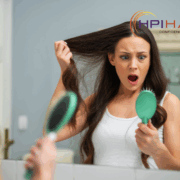
Hair loss is a common concern for many women, causing distress and impacting self-esteem. Although it is often associated with men, hair loss can affect women of all ages and can be caused by a variety of factors. Understanding the underlying causes of hair loss in women is crucial in addressing the issue effectively. In this comprehensive guide, we will explore the common causes of hair loss in women, shedding light on the factors that contribute to this condition. Whether you are experiencing hair loss or seeking information to help a loved one, this article aims to provide valuable insights to help you better understand and manage this common issue.

Hair Growth Cycle

Before delving into the causes of hair loss, it is essential to comprehend the hair growth cycle. The hair growth process consists of three main phases: anagen, catagen, and telogen. Anagen is the active growth phase, during which hair follicles are continuously dividing, resulting in the growth of new hair. Catagen is a transitional phase, marking the end of active growth. Telogen is the resting phase, during which hair is shed to make room for new growth. Understanding this cycle is crucial in identifying abnormalities and potential causes of hair loss.

Common Causes of Hair Loss in Women

Genetic Predisposition: One of the most common causes of hair loss in women is a genetic predisposition. Female pattern hair loss, also known as androgenetic alopecia, is inherited and can result in gradual thinning of the hair over time. This type of hair loss typically occurs in a predictable pattern, often starting with a widening part and progressively affecting the entire scalp.

Hormonal Imbalance: Fluctuations in hormones can significantly impact hair growth and contribute to hair loss in women. Conditions such as polycystic ovary syndrome (PCOS), thyroid disorders, pregnancy, and menopause can lead to hormonal imbalances that disrupt the hair growth cycle. Understanding the underlying hormonal factors is crucial in addressing hair loss effectively.

Stress and Emotional Factors: Chronic stress, anxiety, and emotional trauma can trigger hair loss in women. The body’s response to stress can lead to a condition called telogen effluvium, causing a large number of hair follicles to enter the resting phase simultaneously, ultimately resulting in excessive shedding. Additionally, emotional factors can contribute to trichotillomania, a compulsive hair-pulling disorder that can lead to noticeable hair loss.

Nutritional Deficiencies: Inadequate intake of essential nutrients, such as vitamins, minerals, and proteins, can impact the health of the hair and contribute to hair loss. Iron deficiency, in particular, is associated with hair thinning and shedding in women. Ensuring a well-balanced diet and addressing any nutritional deficiencies are crucial in promoting healthy hair growth.

Medical Conditions and Treatments: Certain medical conditions and treatments can contribute to hair loss in women. Autoimmune conditions such as alopecia areata can result in patchy hair loss, while skin conditions like seborrheic dermatitis can also impact the scalp and hair health. Additionally, treatments such as chemotherapy can lead to significant hair loss, often causing distress for women undergoing cancer treatment.

Environmental Factors: Exposure to environmental stressors, such as pollution, harsh chemicals, and excessive heat styling, can damage the hair and contribute to hair loss over time. Protecting the hair from environmental damage and adopting gentle hair care practices are essential in maintaining healthy hair.

Seeking Professional Guidance

If you are experiencing hair loss, seeking professional guidance is crucial in identifying the underlying cause and determining the most effective course of action. Consulting with a qualified dermatologist or trichologist can provide valuable insights and personalized treatment options to address your specific concerns.

The bottomline

Realizing the common causes of hair loss in women is essential in addressing this prevalent issue. ecognizing the factors that contribute to hair loss, individuals can take proactive steps to promote healthy hair growth and seek appropriate treatment when needed. Whether it is genetic predisposition, hormonal imbalance, or external stressors, a comprehensive appreciating of the underlying causes empowers women to make informed decisions regarding their hair health.
Number One Cause Of Hair Loss In Women in Brentwood, TN

Restore your confidence with our solution for hair loss in women.

Hair loss in women can be a distressing experience, impacting self-esteem and confidence. From genetics to hormonal imbalances, numerous factors can contribute to hair thinning and shedding in women. However, one primary cause stands out as a significant concern for many individuals: Androgenetic Alopecia.

Androgenetic Alopecia, commonly known as female pattern hair loss, is a condition that affects millions of women across the United States. Understanding the causes, symptoms, and potential treatments for this prevalent issue is crucial for effectively addressing and managing hair loss. In this comprehensive guide, we delve into the complexities of Androgenetic Alopecia and its impact, providing valuable insights for those seeking to tackle this challenge.

Debunking Myths about Hair Loss

Hair loss, especially in women, is often clouded by misconceptions and myths. Understanding the underlying causes and debunking common misconceptions is essential for developing a clear perspective on this issue. Let’s explore some prevalent myths surrounding hair loss in women:

– Myth 1: Hair loss is primarily a male concern.

– Myth 2: Hair products are the sole cause of hair thinning.

– Myth 3: Only aging women experience significant hair loss.

It’s imperative to dispel these myths and recognize that female hair loss is a valid and widespread condition that requires attention and understanding.

The Role of Androgens in Female Hair Loss

Androgens, a group of hormones that includes testosterone, play a significant role in the development of Androgenetic Alopecia. While androgens are typically known as male hormones, they are also present in females, albeit in lower levels. In women predisposed to Androgenetic Alopecia, an increase in androgen activity in hair follicles can lead to the miniaturization of hair, resulting in gradual thinning and shedding.

Appreciating the intricate relationship between androgens and hair follicles is essential in navigating the complexities of female pattern hair loss. By gaining insight into this biological process, individuals can make informed decisions about potential treatments and management strategies.

Factors Contributing to Androgenetic Alopecia in Women

Several factors contribute to the development and progression of Androgenetic Alopecia in women. Exploring these underlying influences can shed light on the diverse nature of female hair loss. Some key factors include:

– Genetic Predisposition: Family history plays a crucial role in determining an individual’s susceptibility to Androgenetic Alopecia.

– Hormonal Imbalances: Fluctuations in hormone levels, particularly androgens, can trigger or exacerbate hair loss in women.

– Age: While Androgenetic Alopecia can manifest at any age, it often becomes more noticeable as women age.

xamining these contributing factors, women can gain a deeper realizing of the multifaceted nature of Androgenetic Alopecia and its impact on their lives.

Embracing Treatment Options

Addressing Androgenetic Alopecia in women involves exploring a range of treatment options aimed at managing and potentially reversing hair loss. From topical solutions to oral medications and innovative procedures, the field of hair restoration offers diverse avenues for individuals seeking to address this concern.

When considering treatment options, it’s essential to consult with experienced professionals who can provide personalized recommendations tailored to individual needs and circumstances. mbracing evidence-based treatments and making well-informed decisions, women can take proactive steps towards addressing Androgenetic Alopecia effectively.

Final notions

Androgenetic Alopecia represents a prevalent and impactful cause of hair loss in women. nraveling the complexities of this condition and debunking prevalent myths, individuals can cultivate a clearer realizing of the primary factors contributing to female pattern hair loss. Through informed insights into the role of androgens and the diverse influences shaping Androgenetic Alopecia, women can embark on a journey towards embracing effective treatment options and managing this concern with confidence.

In a world where hair loss can significantly impact self-image and well-being, realizing the primary cause of hair loss in women assumes paramount importance. mpowering women with knowledge and awareness, we strive to support them in their quest for holistic well-being and hair restoration.

Number One Cause Of Hair Loss In Women in Brentwood, TN

Restore your confidence with our solution for hair loss in women.

Hair loss in women can be a distressing experience, impacting self-esteem and confidence. From genetics to hormonal imbalances, numerous factors can contribute to hair thinning and shedding in women. However, one primary cause stands out as a significant concern for many individuals: Androgenetic Alopecia.

Androgenetic Alopecia, commonly known as female pattern hair loss, is a condition that affects millions of women across the United States. Understanding the causes, symptoms, and potential treatments for this prevalent issue is crucial for effectively addressing and managing hair loss. In this comprehensive guide, we delve into the complexities of Androgenetic Alopecia and its impact, providing valuable insights for those seeking to tackle this challenge.

Debunking Myths about Hair Loss

Hair loss, especially in women, is often clouded by misconceptions and myths. Understanding the underlying causes and debunking common misconceptions is essential for developing a clear perspective on this issue. Let’s explore some prevalent myths surrounding hair loss in women:

– Myth 1: Hair loss is primarily a male concern.

– Myth 2: Hair products are the sole cause of hair thinning.

– Myth 3: Only aging women experience significant hair loss.

It’s imperative to dispel these myths and recognize that female hair loss is a valid and widespread condition that requires attention and understanding.

The Role of Androgens in Female Hair Loss

Androgens, a group of hormones that includes testosterone, play a significant role in the development of Androgenetic Alopecia. While androgens are typically known as male hormones, they are also present in females, albeit in lower levels. In women predisposed to Androgenetic Alopecia, an increase in androgen activity in hair follicles can lead to the miniaturization of hair, resulting in gradual thinning and shedding.

Appreciating the intricate relationship between androgens and hair follicles is essential in navigating the complexities of female pattern hair loss. By gaining insight into this biological process, individuals can make informed decisions about potential treatments and management strategies.

Factors Contributing to Androgenetic Alopecia in Women

Several factors contribute to the development and progression of Androgenetic Alopecia in women. Exploring these underlying influences can shed light on the diverse nature of female hair loss. Some key factors include:

– Genetic Predisposition: Family history plays a crucial role in determining an individual’s susceptibility to Androgenetic Alopecia.

– Hormonal Imbalances: Fluctuations in hormone levels, particularly androgens, can trigger or exacerbate hair loss in women.

– Age: While Androgenetic Alopecia can manifest at any age, it often becomes more noticeable as women age.

xamining these contributing factors, women can gain a deeper realizing of the multifaceted nature of Androgenetic Alopecia and its impact on their lives.

Embracing Treatment Options

Addressing Androgenetic Alopecia in women involves exploring a range of treatment options aimed at managing and potentially reversing hair loss. From topical solutions to oral medications and innovative procedures, the field of hair restoration offers diverse avenues for individuals seeking to address this concern.

When considering treatment options, it’s essential to consult with experienced professionals who can provide personalized recommendations tailored to individual needs and circumstances. mbracing evidence-based treatments and making well-informed decisions, women can take proactive steps towards addressing Androgenetic Alopecia effectively.

Final notions

Androgenetic Alopecia represents a prevalent and impactful cause of hair loss in women. nraveling the complexities of this condition and debunking prevalent myths, individuals can cultivate a clearer realizing of the primary factors contributing to female pattern hair loss. Through informed insights into the role of androgens and the diverse influences shaping Androgenetic Alopecia, women can embark on a journey towards embracing effective treatment options and managing this concern with confidence.

In a world where hair loss can significantly impact self-image and well-being, realizing the primary cause of hair loss in women assumes paramount importance. mpowering women with knowledge and awareness, we strive to support them in their quest for holistic well-being and hair restoration.

Types Of Hair Loss In Women in Franklin, TN

Regain confidence with expert hair loss solutions for women.

For women, experiencing hair loss can be an emotionally challenging and distressing issue. Whether it’s thinning hair, bald patches, or a receding hairline, hair loss in women can have a significant impact on self-esteem and confidence. Understanding the different types of hair loss, their causes, and potential solutions is crucial in addressing this problem effectively.

Hair loss in women can be attributed to a variety of factors, including genetics, hormonal changes, medical conditions, and lifestyle choices. By identifying the specific type of hair loss and its root cause, women can take proactive steps to manage and potentially reverse the effects. At Franklin Hair Restoration, we specialize in providing personalized solutions for women experiencing various types of hair loss. Our team of experts is dedicated to helping women regain their confidence and achieve healthy, beautiful hair.

Female Pattern Hair Loss

Female pattern hair loss, also known as androgenetic alopecia, is the most common type of hair loss in women. This condition is characterized by a gradual thinning of the hair, typically starting at the crown or the top of the head. While male pattern baldness often results in a receding hairline, female pattern hair loss rarely causes complete baldness. Instead, women tend to experience overall thinning of the hair.

The underlying cause of female pattern hair loss is a combination of genetic predisposition and hormonal changes, particularly the influence of androgens such as dihydrotestosterone (DHT). While the exact mechanisms are still not fully understood, the gradual miniaturization of hair follicles and the shortened hair growth cycle contribute to the thinning of the hair over time.

Addressing Telogen Effluvium

Telogen effluvium is a type of hair loss that occurs when a large number of hair follicles enter the resting phase of the hair growth cycle simultaneously. This can be triggered by various factors, including significant stress, hormonal changes, nutritional deficiencies, medication, or underlying medical conditions. Women experiencing telogen effluvium may notice excessive shedding and a noticeable decrease in hair density.

Identifying and addressing the underlying trigger for telogen effluvium is key to managing this type of hair loss. Our clinic offers comprehensive evaluations to determine the root cause of telogen effluvium in each individual case, allowing for targeted and effective treatment options.

Exploring Alopecia Areata

Alopecia areata is an autoimmune condition that causes hair loss in distinct patches on the scalp or other areas of the body. This type of hair loss can affect people of all ages, including women. The underlying cause of alopecia areata involves the body’s immune system mistakenly targeting hair follicles, leading to hair loss.

While the exact triggers for alopecia areata are not fully understood, it is believed to have a genetic component and can be influenced by environmental factors. Treatment options for alopecia areata may include corticosteroid injections, topical immunotherapy, or systemic medications to suppress the immune response.

Potential Solutions and Treatment Options

At Franklin Hair Restoration, we offer a range of personalized solutions and treatment options to address various types of hair loss in women. Our comprehensive approach emphasizes identifying the specific cause of hair loss for each individual and tailoring a treatment plan accordingly. Some of the treatment options available for women with hair loss include:

– Advanced hair transplantation techniques

– Platelet-rich plasma (PRP) therapy

– Low-level laser therapy

– Prescription medications

– Nutritional and lifestyle guidance

Our team of experts is dedicated to providing compassionate care and effective solutions for women experiencing hair loss, helping them reclaim their confidence and achieve beautiful, healthy hair.

End thoughts

Realizing the different types of hair loss in women is essential for effectively addressing this common concern. By identifying the specific type of hair loss and its underlying causes, women can explore personalized solutions and treatment options to combat the effects of hair loss and promote healthy hair growth.

At Franklin Hair Restoration, we are committed to empowering women with the knowledge and resources they need to address hair loss and achieve the results they desire. Our personalized approach and advanced treatment options are designed to support women on their journey to regaining healthy, beautiful hair.

Types Of Hair Loss In Women in Franklin, TN

Regain confidence with expert hair loss solutions for women.

For women, experiencing hair loss can be an emotionally challenging and distressing issue. Whether it’s thinning hair, bald patches, or a receding hairline, hair loss in women can have a significant impact on self-esteem and confidence. Understanding the different types of hair loss, their causes, and potential solutions is crucial in addressing this problem effectively.

Hair loss in women can be attributed to a variety of factors, including genetics, hormonal changes, medical conditions, and lifestyle choices. By identifying the specific type of hair loss and its root cause, women can take proactive steps to manage and potentially reverse the effects. At Franklin Hair Restoration, we specialize in providing personalized solutions for women experiencing various types of hair loss. Our team of experts is dedicated to helping women regain their confidence and achieve healthy, beautiful hair.

Female Pattern Hair Loss

Female pattern hair loss, also known as androgenetic alopecia, is the most common type of hair loss in women. This condition is characterized by a gradual thinning of the hair, typically starting at the crown or the top of the head. While male pattern baldness often results in a receding hairline, female pattern hair loss rarely causes complete baldness. Instead, women tend to experience overall thinning of the hair.

The underlying cause of female pattern hair loss is a combination of genetic predisposition and hormonal changes, particularly the influence of androgens such as dihydrotestosterone (DHT). While the exact mechanisms are still not fully understood, the gradual miniaturization of hair follicles and the shortened hair growth cycle contribute to the thinning of the hair over time.

Addressing Telogen Effluvium

Telogen effluvium is a type of hair loss that occurs when a large number of hair follicles enter the resting phase of the hair growth cycle simultaneously. This can be triggered by various factors, including significant stress, hormonal changes, nutritional deficiencies, medication, or underlying medical conditions. Women experiencing telogen effluvium may notice excessive shedding and a noticeable decrease in hair density.

Identifying and addressing the underlying trigger for telogen effluvium is key to managing this type of hair loss. Our clinic offers comprehensive evaluations to determine the root cause of telogen effluvium in each individual case, allowing for targeted and effective treatment options.

Exploring Alopecia Areata

Alopecia areata is an autoimmune condition that causes hair loss in distinct patches on the scalp or other areas of the body. This type of hair loss can affect people of all ages, including women. The underlying cause of alopecia areata involves the body’s immune system mistakenly targeting hair follicles, leading to hair loss.

While the exact triggers for alopecia areata are not fully understood, it is believed to have a genetic component and can be influenced by environmental factors. Treatment options for alopecia areata may include corticosteroid injections, topical immunotherapy, or systemic medications to suppress the immune response.

Potential Solutions and Treatment Options

At Franklin Hair Restoration, we offer a range of personalized solutions and treatment options to address various types of hair loss in women. Our comprehensive approach emphasizes identifying the specific cause of hair loss for each individual and tailoring a treatment plan accordingly. Some of the treatment options available for women with hair loss include:

– Advanced hair transplantation techniques

– Platelet-rich plasma (PRP) therapy

– Low-level laser therapy

– Prescription medications

– Nutritional and lifestyle guidance

Our team of experts is dedicated to providing compassionate care and effective solutions for women experiencing hair loss, helping them reclaim their confidence and achieve beautiful, healthy hair.

End thoughts

Realizing the different types of hair loss in women is essential for effectively addressing this common concern. By identifying the specific type of hair loss and its underlying causes, women can explore personalized solutions and treatment options to combat the effects of hair loss and promote healthy hair growth.

At Franklin Hair Restoration, we are committed to empowering women with the knowledge and resources they need to address hair loss and achieve the results they desire. Our personalized approach and advanced treatment options are designed to support women on their journey to regaining healthy, beautiful hair.

Womens Hair Loss in La Vergne, TN

Discover effective solutions for women’s hair loss. Get expert help!

For many women, hair loss can be a distressing and challenging condition. Whether it’s due to hormonal changes, genetics, or other health-related factors, the impact of losing hair can be profound. In La Vergne, TN, our clinic aims to provide comprehensive care and support for women dealing with hair loss. From diagnosis to treatment and ongoing management, we are dedicated to helping our patients regain their confidence and maintain healthy, vibrant hair.

The Complexity of Women’s Hair Loss

Hair loss in women is a multifaceted issue that can result from a variety of factors. Understanding the complexity of this condition is crucial in determining effective treatments and solutions. Some key aspects to consider include:

– Hormonal Imbalance: Fluctuations in hormone levels, such as during pregnancy or menopause, can contribute to hair loss.

– Genetics: Female pattern hair loss, or androgenetic alopecia, can be inherited and may lead to thinning hair or baldness.

– Medical Conditions: Certain health issues, such as thyroid disorders or autoimmune diseases, can be associated with hair loss.

– Stress and Lifestyle Factors: High levels of stress, poor dietary choices, and lack of sufficient rest can impact hair health.

– Environmental Factors: Exposure to pollutants, harsh chemicals, or excessive heat styling can damage hair and lead to loss.

Acknowledging the specific underlying causes of hair loss is fundamental in developing a personalized treatment plan.

Effective Diagnosis and Evaluation

Diagnosing women’s hair loss involves a comprehensive assessment to identify the root cause and determine the most suitable course of action. Our clinic in La Vergne, TN, utilizes advanced diagnostic tools and techniques to evaluate and understand our patients’ unique hair loss concerns. A thorough evaluation may include:

– Scalp Examination: Close observation of the scalp and hair follicles to assess the condition and density of the hair.

– Blood Tests: Analysis of hormone levels, vitamin and mineral deficiencies, and other relevant factors to uncover underlying imbalances.

– Medical History: Gathering detailed information about medical history, medications, and lifestyle factors that may contribute to hair loss.

– Advanced Imaging: Utilizing imaging technologies to visualize the scalp and hair follicles for a more in-depth assessment.

This meticulous evaluation allows us to tailor our approach to each individual, ensuring that the treatment addresses the specific causes of hair loss.

Comprehensive Treatment Solutions

At our clinic, we offer a range of comprehensive treatment solutions to address women’s hair loss effectively. These may include:

– Hormone Regulation: Balancing hormone levels through medication or lifestyle modifications to mitigate the impact on hair growth.

– Topical Treatments: Application of specialized solutions or foams to stimulate hair growth and improve scalp health.

– Nutritional Support: Incorporating personalized dietary and supplement recommendations to address nutritional deficiencies that may contribute to hair loss.

– Laser Therapy: Utilizing low-level laser technology to promote hair follicle stimulation and encourage natural regrowth.

– Medical Therapies: Prescription medications and innovative treatments targeting specific causes of hair loss, such as autoimmune-related conditions.

Each treatment approach is customized to address the unique needs and circumstances of our patients, ensuring a targeted and effective response to hair loss.

Empowering Women Through Education and Support

Beyond treatment, our clinic is committed to empowering women through education and ongoing support. We provide comprehensive guidance on proper hair care, lifestyle adjustments, and strategies to minimize the impact of hair loss. Additionally, we offer a supportive environment where women can connect with others facing similar challenges, fostering a sense of community and understanding.

Our goal is to ensure that every woman who walks through our doors feels empowered, informed, and equipped to manage and overcome the effects of hair loss.

Final thoughts

Women’s hair loss is a complex and often emotionally challenging experience, but it is not a journey that women have to face alone. At our clinic in La Vergne, TN, we stand ready to provide compassionate care, advanced treatments, and unwavering support to empower women in regaining their confidence and restoring healthy, beautiful hair.

Topics:

women’s hair loss,

female pattern hair loss,

hair loss treatments

Indian Women’s Hair Loss in Nashville, TN

Luscious hair solutions for Indian women: Find your perfect treatment.

Indian women are known for their beautiful and luscious hair, which has been an intrinsic part of their cultural identity for centuries. However, many Indian women struggle with hair loss, a condition that can significantly impact their confidence and overall well-being. In a society where hair is often associated with femininity and beauty, dealing with hair loss can be emotionally challenging for many women. Understanding the causes, treatments, and solutions for hair loss is crucial for Indian women to regain their confidence and maintain their vibrant hair. If you are experiencing hair loss, you are not alone, and there are effective solutions available to help you address this issue.

Indian Women’s Hair Loss

Hair loss among Indian women is a complex and multifactorial issue that can be attributed to various genetic, hormonal, and environmental factors. Understanding the root causes of hair loss is essential for devising personalized treatment plans to address this condition effectively.

Genetic Predisposition: Indian women may be genetically predisposed to hair loss, with conditions such as androgenetic alopecia being common among women of Indian descent. This condition, also known as female pattern hair loss, is characterized by the gradual thinning of hair, particularly at the crown and along the parting line.

Hormonal Imbalance: Hormonal fluctuations, such as those experienced during pregnancy, childbirth, or menopause, can contribute to hair loss in Indian women. Conditions like polycystic ovary syndrome (PCOS) can also lead to hormonal imbalances, resulting in hair thinning and hair fall.

Nutritional Deficiencies: Inadequate intake of essential nutrients, particularly iron, vitamin D, and protein, can contribute to hair loss among Indian women. A diet lacking in vital nutrients can adversely affect the health and growth of hair, leading to increased shedding and reduced hair volume.

Stress and Lifestyle Factors: Modern lifestyles, stress, and environmental factors can also play a significant role in exacerbating hair loss among Indian women. Factors such as pollution, harsh chemical treatments, and high-stress levels can all contribute to hair thinning and weakening.

Effective Treatments for Indian Women’s Hair Loss

Fortunately, there are several effective treatments available to address hair loss among Indian women. These treatments aim to target the underlying causes of hair loss and promote regrowth, restoring the natural thickness and vitality of the hair.

Topical Treatments: Minoxidil is a commonly used topical treatment for female pattern hair loss. When applied to the scalp, it can help stimulate hair follicles and promote hair regrowth. Additionally, topical solutions containing essential nutrients and vitamins can nourish the scalp and support healthy hair growth.

Nutritional Supplementation: Addressing nutritional deficiencies through proper supplementation is essential for combating hair loss. Indian women can benefit from supplements containing iron, biotin, and other essential vitamins and minerals that support hair health.

Platelet-Rich Plasma (PRP) Therapy: PRP therapy involves the injection of concentrated platelets from the patient’s blood into the scalp to stimulate hair growth. This natural and minimally invasive treatment has shown promising results in promoting hair regrowth in women with hair loss.

Hormonal Management: For women experiencing hair loss due to hormonal imbalances, hormone therapy and medications targeted at regulating hormone levels can help manage and reduce hair loss.

Hair Transplantation: In cases of advanced hair loss, hair transplantation can be a viable option for Indian women. This surgical procedure involves transplanting healthy hair follicles from one area of the scalp to areas experiencing hair thinning or balding, resulting in natural-looking and long-lasting hair restoration.

Empowering Indian Women with Hair Loss Solutions

Empowering Indian women with the knowledge and resources to address hair loss is crucial for promoting confidence and self-esteem. Beyond medical treatments, there are several lifestyle modifications and self-care practices that women can incorporate to manage and prevent hair loss effectively.

Healthy Hair Care Practices: Adopting gentle hair care practices, such as using mild shampoos, avoiding harsh chemical treatments, and minimizing heat styling, can help protect and maintain the health of the hair.

Stress Management: Engaging in stress-reducing activities, such as yoga, meditation, or regular exercise, can help alleviate the impact of stress on hair health. Managing stress levels is essential for preventing stress-induced hair loss.

Balanced Nutrition: Consuming a well-rounded diet rich in essential nutrients, including a variety of fruits, vegetables, lean proteins, and healthy fats, can support overall hair health and help prevent nutritional deficiencies that contribute to hair loss.

Scalp Massage and Aromatherapy: Regular scalp massages and the use of essential oils, such as lavender or rosemary, can improve circulation to the scalp and promote relaxation, contributing to enhanced hair growth and thickness.

Consultation with Hair Experts: Seeking guidance from experienced hair specialists and trichologists can provide personalized insights and recommendations for managing and treating hair loss effectively.

The core message

Hair loss can be a distressing experience for Indian women, affecting not only their physical appearance but also their emotional well-being. nderstanding the various causes of hair loss and exploring the available treatments and solutions, Indian women can regain control over their hair health and embrace their natural beauty with confidence. Empower yourself with knowledge, seek professional support, and take proactive steps towards restoring your vibrant and healthy hair.

Types Of Hair Loss In Women in Nashville, TN

Restore your confidence with personalized hair loss treatment options.

Hair loss is a common concern for many women, and it can be a distressing experience that impacts self-esteem and confidence. Whether you’re noticing thinning patches, a receding hairline, or excessive shedding, realizing the different types of hair loss and available treatments can help you make informed decisions about your hair health. At our clinic in Nashville, TN, we specialize in helping women address their hair loss concerns, providing personalized treatment plans to promote hair regrowth and restore confidence. In this comprehensive guide, we’ll explore the various types of hair loss in women and discuss the available options for managing and treating this condition.

Hair Loss in Women

Hair loss, also known as alopecia, can manifest in different forms and result from various underlying causes. While it’s normal to shed some hair every day, significant hair thinning or bald patches may signal an underlying issue that requires attention. Understanding the types of hair loss in women is essential for identifying the most effective course of action. Here are the primary categories of hair loss that women may experience:

1. Androgenetic Alopecia

Also known as female-pattern hair loss, androgenetic alopecia is the most common type of hair loss in women. It is characterized by a diffuse thinning of hair on the scalp, particularly at the top and front. This type of hair loss is influenced by genetics and hormones, specifically the presence of androgens such as dihydrotestosterone (DHT), which can shrink hair follicles over time. Androgenetic alopecia can start as early as the late teens or early 20s, and its progression varies among individuals.

2. Telogen Effluvium

Telogen effluvium is a type of hair loss characterized by a significant shedding of hair. This condition occurs when a large number of hair follicles simultaneously enter the telogen (resting) phase of the hair growth cycle, leading to excessive hair loss. Telogen effluvium can be triggered by various factors, including physical or emotional stress, illness, hormonal changes, and certain medications. While this type of hair loss is usually temporary, identifying and addressing the underlying cause is crucial for promoting hair regrowth.

3. Alopecia Areata

Alopecia areata is an autoimmune condition that causes patchy hair loss on the scalp or body. It occurs when the body’s immune system mistakenly attacks the hair follicles, leading to hair loss in defined areas. This type of hair loss can vary in severity, ranging from small, coin-sized patches to more extensive hair loss. Alopecia areata can affect individuals of all ages and may have a genetic component.

4. Traction Alopecia

Traction alopecia is a type of hair loss that results from repeated pulling or tension on the hair. This condition is commonly associated with tight hairstyles, hair extensions, and the habitual use of hair accessories that cause constant pulling on the hair shafts. Over time, this can lead to damage and weakening of the hair follicles, resulting in hair loss, especially along the hairline and in areas of repeated tension.

5. Medical and Health-Related Factors

Hair loss in women can also be linked to various medical and health-related factors, including hormonal imbalances, thyroid disorders, nutritional deficiencies, and certain medical treatments such as chemotherapy. Identifying and addressing these underlying health issues is crucial for managing hair loss effectively.

Treatment Options for Hair Loss in Women

While experiencing hair loss can be distressing, there are several effective treatment options available for women seeking to address this issue. At our clinic in Nashville, TN, we offer personalized hair restoration solutions tailored to each individual’s unique needs. Here are some of the treatment options commonly recommended for managing hair loss in women:

1. Topical Treatments

Topical treatments such as minoxidil (Rogaine) are FDA-approved for promoting hair regrowth in women with androgenetic alopecia. These solutions are applied directly to the scalp and can help stimulate hair follicles, promoting thicker and healthier hair growth over time.

2. Oral Medications

Certain oral medications, such as spironolactone and finasteride, may be prescribed to address hormonal imbalances and inhibit the effects of androgens on the hair follicles. These medications are typically recommended for women with androgenetic alopecia and require careful monitoring by a healthcare professional.

3. Platelet-Rich Plasma (PRP) Therapy

PRP therapy involves using the patient’s own blood plasma, enriched with platelets, to stimulate hair follicles and promote hair regrowth. This innovative treatment has shown promising results in promoting hair density and improving the overall quality of the hair.

4. Low-Level Laser Therapy (LLLT)

LLLT is a non-invasive treatment option that uses red or near-infrared light to stimulate hair follicles, enhance circulation in the scalp, and promote hair regrowth. This therapy is safe, painless, and can be performed in a clinical setting or with at-home devices.

5. Hair Transplantation

For women with advanced hair loss, hair transplantation offers a permanent solution to restore hair density and achieve natural-looking results. This procedure involves transplanting hair follicles from donor areas to the thinning or balding areas of the scalp, creating lasting improvements in hair thickness and coverage.

Last reflections

Hair loss in women is a multifaceted issue that can result from a combination of genetic, hormonal, and environmental factors. nderstanding the different types of hair loss and the available treatment options, women can take proactive steps to address their hair health and regain confidence in their appearance. At our clinic in Nashville, TN, we are dedicated to providing personalized and effective solutions for women experiencing hair loss, helping them achieve optimal results and renewed self-assurance.