Tag Archive for: genetic predisposition

Causes Of Hair Loss In Women in Nashville, TN

Combat hair loss in women. Expert advice and solutions available.

Hair loss in women can be distressing, impacting both physical appearance and emotional well-being. As a leading clinic in Nashville, TN, we understand the concerns and challenges that women face when dealing with hair loss. Our goal is to provide valuable insights and guidance to help you understand the causes of hair loss and explore effective solutions. From hormonal imbalances to lifestyle factors, there are several reasons why women may experience hair loss. In this comprehensive guide, we will delve into the various factors that contribute to this condition, shedding light on the complexities of female hair loss.

Hormonal Imbalances

Hormonal imbalances are a common cause of hair loss in women. Fluctuations in hormone levels, such as those experienced during pregnancy, childbirth, or menopause, can disrupt the natural growth cycle of hair. Additionally, conditions like polycystic ovary syndrome (PCOS) can lead to elevated androgen levels, contributing to hair thinning and alopecia. Understanding the intricate relationship between hormones and hair health is crucial in addressing the underlying causes of hair loss in women.

Genetic Predisposition

Genetics play a significant role in determining an individual’s susceptibility to hair loss. Female pattern hair loss, also known as androgenetic alopecia, is influenced by genetic factors and can result in gradual thinning of the hair. While the inheritance pattern may vary, having a family history of hair loss can significantly increase the likelihood of experiencing similar issues. cknowledging genetic predispositions, women can better assess their risk and proactively manage their hair health.

Stress and Emotional Well-being

The impact of stress on hair health should not be overlooked. Chronic stress can disrupt the normal hair growth cycle and lead to increased shedding. Moreover, emotional well-being and mental health play a crucial role in maintaining healthy hair. It’s essential for women to prioritize self-care and seek support to manage stress effectively, thereby reducing its potential impact on hair loss.

Nutritional Deficiencies

A balanced diet is fundamental for overall well-being, including the health of your hair. Nutritional deficiencies, such as inadequate intake of essential vitamins and minerals, can contribute to hair thinning and loss. Iron, vitamin D, and biotin are particularly important for promoting healthy hair growth. Our clinic offers personalized nutritional guidance to address any deficiencies and optimize your dietary choices to support hair health.

Medical Conditions and Treatments

Certain medical conditions and treatments can have an impact on hair health. Conditions like thyroid disorders and autoimmune diseases can manifest in hair loss symptoms. Additionally, treatments such as chemotherapy may result in temporary or permanent hair loss. Understanding the implications of these factors is crucial in developing comprehensive treatment plans tailored to individual needs.

Environmental Factors and Hair Care Practices

External factors, including environmental pollutants and harsh hair care practices, can contribute to hair damage and loss. Exposure to pollutants and toxins can compromise the overall health of the scalp and hair follicles. Similarly, excessive heat styling, overuse of chemical treatments, and tight hairstyles can lead to increased breakage and hair loss. Adopting gentle hair care practices and minimizing exposure to harmful substances are essential steps in preserving the integrity of your hair.

Overall

Hair loss in women can stem from a multitude of factors, each requiring a nuanced approach for effective management. By gaining a deeper acknowledging of the causes of hair loss, women can make informed decisions and take proactive steps to address their specific concerns. Our clinic is committed to providing comprehensive care and specialized solutions to support women on their journey to healthier, fuller hair.
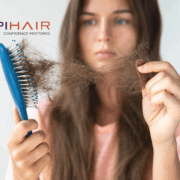
Causes Of Hair Loss In Women in Nashville, TN

Combat hair loss in women. Expert advice and solutions available.

Hair loss in women can be distressing, impacting both physical appearance and emotional well-being. As a leading clinic in Nashville, TN, we understand the concerns and challenges that women face when dealing with hair loss. Our goal is to provide valuable insights and guidance to help you understand the causes of hair loss and explore effective solutions. From hormonal imbalances to lifestyle factors, there are several reasons why women may experience hair loss. In this comprehensive guide, we will delve into the various factors that contribute to this condition, shedding light on the complexities of female hair loss.

Hormonal Imbalances

Hormonal imbalances are a common cause of hair loss in women. Fluctuations in hormone levels, such as those experienced during pregnancy, childbirth, or menopause, can disrupt the natural growth cycle of hair. Additionally, conditions like polycystic ovary syndrome (PCOS) can lead to elevated androgen levels, contributing to hair thinning and alopecia. Understanding the intricate relationship between hormones and hair health is crucial in addressing the underlying causes of hair loss in women.

Genetic Predisposition

Genetics play a significant role in determining an individual’s susceptibility to hair loss. Female pattern hair loss, also known as androgenetic alopecia, is influenced by genetic factors and can result in gradual thinning of the hair. While the inheritance pattern may vary, having a family history of hair loss can significantly increase the likelihood of experiencing similar issues. cknowledging genetic predispositions, women can better assess their risk and proactively manage their hair health.

Stress and Emotional Well-being

The impact of stress on hair health should not be overlooked. Chronic stress can disrupt the normal hair growth cycle and lead to increased shedding. Moreover, emotional well-being and mental health play a crucial role in maintaining healthy hair. It’s essential for women to prioritize self-care and seek support to manage stress effectively, thereby reducing its potential impact on hair loss.

Nutritional Deficiencies

A balanced diet is fundamental for overall well-being, including the health of your hair. Nutritional deficiencies, such as inadequate intake of essential vitamins and minerals, can contribute to hair thinning and loss. Iron, vitamin D, and biotin are particularly important for promoting healthy hair growth. Our clinic offers personalized nutritional guidance to address any deficiencies and optimize your dietary choices to support hair health.

Medical Conditions and Treatments

Certain medical conditions and treatments can have an impact on hair health. Conditions like thyroid disorders and autoimmune diseases can manifest in hair loss symptoms. Additionally, treatments such as chemotherapy may result in temporary or permanent hair loss. Understanding the implications of these factors is crucial in developing comprehensive treatment plans tailored to individual needs.

Environmental Factors and Hair Care Practices

External factors, including environmental pollutants and harsh hair care practices, can contribute to hair damage and loss. Exposure to pollutants and toxins can compromise the overall health of the scalp and hair follicles. Similarly, excessive heat styling, overuse of chemical treatments, and tight hairstyles can lead to increased breakage and hair loss. Adopting gentle hair care practices and minimizing exposure to harmful substances are essential steps in preserving the integrity of your hair.

Overall

Hair loss in women can stem from a multitude of factors, each requiring a nuanced approach for effective management. By gaining a deeper acknowledging of the causes of hair loss, women can make informed decisions and take proactive steps to address their specific concerns. Our clinic is committed to providing comprehensive care and specialized solutions to support women on their journey to healthier, fuller hair.
Main Cause Of Hair Loss In Women Over 60 in Nashville, TN

Expert solutions for women’s hair loss concerns. Visit us now.

Hair loss is a common concern for women as they age, particularly for those over 60. While it is natural for hair to thin and become more brittle with age, excessive hair loss can be distressing and impact one’s self-confidence. As we age, various factors contribute to hair loss, from hormonal changes to genetic predisposition. Understanding the main causes of hair loss in women over 60 is crucial for seeking appropriate treatment and care. In this article, we will delve into the primary factors behind hair loss in women over 60 and explore potential solutions. Whether you are experiencing hair loss or seeking information for a loved one, this guide aims to provide clarity and support regarding this common issue.

Hormonal Changes

Hormonal changes play a significant role in hair loss for women over 60. As women enter menopause, the body undergoes a major shift in hormone levels, primarily a decline in estrogen. This hormonal imbalance can lead to thinning of hair, reduced growth, and increased shedding. Additionally, the production of androgens, such as dihydrotestosterone (DHT), may increase, further contributing to hair loss. Understanding these hormonal fluctuations can help in addressing the underlying causes and seeking appropriate medical advice.

Genetic Predisposition

Genetics also play a crucial role in hair loss for women over 60. Individuals with a family history of thinning hair or pattern baldness are more likely to experience similar issues as they age. While genetic predisposition cannot be altered, appreciating the familial pattern of hair loss can guide individuals in exploring preventive measures and early interventions. Consulting with a healthcare professional can provide valuable insights into managing genetic factors contributing to hair loss.

Nutritional Deficiencies

Nutritional deficiencies can exacerbate hair loss in women over 60. With age, the body may become less efficient in absorbing essential nutrients, leading to deficiencies in vitamins and minerals crucial for hair health, such as iron, vitamin D, and B vitamins. Additionally, inadequate protein intake can impact hair strength and growth. Addressing nutritional deficiencies through dietary adjustments and supplementation can positively influence hair health and mitigate hair loss.

Medical Conditions and Medications

Various medical conditions and medications can contribute to hair loss in women over 60. Conditions such as thyroid disorders, autoimmune diseases, and alopecia areata can result in excessive hair shedding and noticeable thinning. Furthermore, certain medications, including those prescribed for high blood pressure, cholesterol, and cancer, may have hair loss as a potential side effect. It is essential for individuals experiencing significant hair loss to consult with a healthcare provider to assess any underlying medical conditions and evaluate the potential impact of medications.

Stress and Emotional Well-Being

The impact of stress and emotional well-being on hair loss should not be overlooked. Chronic stress can disrupt normal hair growth cycles and lead to increased shedding. Additionally, psychological distress and emotional upheaval, such as grief or trauma, can manifest in hair loss. Exploring stress management techniques, seeking counseling, and prioritizing mental well-being can positively influence hair health and overall quality of life.

Final considerations

Knowing the main causes of hair loss in women over 60 is crucial for taking proactive steps towards maintaining healthy and vibrant hair. ddressing hormonal changes, genetic predisposition, nutritional deficiencies, medical conditions, and emotional well-being, individuals can empower themselves to make informed choices and seek appropriate care. Consulting with healthcare professionals, such as dermatologists and endocrinologists, can provide personalized guidance and treatment options tailored to individual needs. Through a comprehensive approach that considers both physical and emotional aspects, women over 60 can navigate hair loss with resilience and confidence.

Main Cause Of Hair Loss In Women Over 60 in Nashville, TN

Expert solutions for women’s hair loss concerns. Visit us now.

Hair loss is a common concern for women as they age, particularly for those over 60. While it is natural for hair to thin and become more brittle with age, excessive hair loss can be distressing and impact one’s self-confidence. As we age, various factors contribute to hair loss, from hormonal changes to genetic predisposition. Understanding the main causes of hair loss in women over 60 is crucial for seeking appropriate treatment and care. In this article, we will delve into the primary factors behind hair loss in women over 60 and explore potential solutions. Whether you are experiencing hair loss or seeking information for a loved one, this guide aims to provide clarity and support regarding this common issue.

Hormonal Changes

Hormonal changes play a significant role in hair loss for women over 60. As women enter menopause, the body undergoes a major shift in hormone levels, primarily a decline in estrogen. This hormonal imbalance can lead to thinning of hair, reduced growth, and increased shedding. Additionally, the production of androgens, such as dihydrotestosterone (DHT), may increase, further contributing to hair loss. Understanding these hormonal fluctuations can help in addressing the underlying causes and seeking appropriate medical advice.

Genetic Predisposition

Genetics also play a crucial role in hair loss for women over 60. Individuals with a family history of thinning hair or pattern baldness are more likely to experience similar issues as they age. While genetic predisposition cannot be altered, appreciating the familial pattern of hair loss can guide individuals in exploring preventive measures and early interventions. Consulting with a healthcare professional can provide valuable insights into managing genetic factors contributing to hair loss.

Nutritional Deficiencies

Nutritional deficiencies can exacerbate hair loss in women over 60. With age, the body may become less efficient in absorbing essential nutrients, leading to deficiencies in vitamins and minerals crucial for hair health, such as iron, vitamin D, and B vitamins. Additionally, inadequate protein intake can impact hair strength and growth. Addressing nutritional deficiencies through dietary adjustments and supplementation can positively influence hair health and mitigate hair loss.

Medical Conditions and Medications

Various medical conditions and medications can contribute to hair loss in women over 60. Conditions such as thyroid disorders, autoimmune diseases, and alopecia areata can result in excessive hair shedding and noticeable thinning. Furthermore, certain medications, including those prescribed for high blood pressure, cholesterol, and cancer, may have hair loss as a potential side effect. It is essential for individuals experiencing significant hair loss to consult with a healthcare provider to assess any underlying medical conditions and evaluate the potential impact of medications.

Stress and Emotional Well-Being

The impact of stress and emotional well-being on hair loss should not be overlooked. Chronic stress can disrupt normal hair growth cycles and lead to increased shedding. Additionally, psychological distress and emotional upheaval, such as grief or trauma, can manifest in hair loss. Exploring stress management techniques, seeking counseling, and prioritizing mental well-being can positively influence hair health and overall quality of life.

Final considerations

Knowing the main causes of hair loss in women over 60 is crucial for taking proactive steps towards maintaining healthy and vibrant hair. ddressing hormonal changes, genetic predisposition, nutritional deficiencies, medical conditions, and emotional well-being, individuals can empower themselves to make informed choices and seek appropriate care. Consulting with healthcare professionals, such as dermatologists and endocrinologists, can provide personalized guidance and treatment options tailored to individual needs. Through a comprehensive approach that considers both physical and emotional aspects, women over 60 can navigate hair loss with resilience and confidence.

Cause Of Hair Loss In Older Women in Nashville, TN

Expert solutions for natural hair loss in older women available!

Hair loss is a natural part of aging for both men and women. However, the causes and impact of hair loss can differ between the genders. For older women, experiencing hair thinning or loss can be a distressing and emotionally challenging experience. It’s important for women to understand the various factors that can contribute to hair loss as they age, as well as seek appropriate solutions to maintain healthy and vibrant hair.

Factors Contributing to Hair Loss

As women enter their later years, several factors can contribute to the thinning and loss of hair. Understanding these factors can provide clarity and potentially guide individuals toward effective solutions to address their concerns.

Hormonal Changes

One of the leading causes of hair loss in older women is hormonal changes. Fluctuations in hormone levels, particularly during menopause, can result in reduced hair thickness and density. The decrease in estrogen levels can lead to hair becoming finer and more prone to falling out.

Genetic Predisposition

Genetics also play a significant role in hair loss among older women. Family history of hair thinning or balding can increase the likelihood of experiencing similar issues as women age. Understanding the genetic predisposition can help in early intervention and management strategies.

Nutritional Deficiencies

Poor nutrition can have a substantial impact on hair health. As women age, it’s vital to ensure they are getting adequate levels of essential vitamins and minerals to support healthy hair growth. Deficiencies in nutrients such as iron, vitamin D, and biotin can contribute to hair thinning and loss.

Stress and Emotional Well-being

The emotional and psychological toll of aging can also manifest in physical ways, including hair health. Chronic stress and emotional distress can lead to hair loss in older women. Finding effective stress management techniques and promoting emotional well-being can positively impact overall health, including hair growth.

Medical Conditions and Treatments

Certain medical conditions and the treatments for them can also lead to hair loss. Conditions such as thyroid disorders, autoimmune diseases, and certain medications can contribute to hair thinning. It’s important for older women to work closely with healthcare providers to address underlying health issues that may be impacting their hair.

Lifestyle Factors

Lifestyle habits and choices can also influence hair health. Factors such as smoking, excessive sun exposure, and harsh hair treatments can contribute to hair damage and loss. Adopting a healthy lifestyle and minimizing damaging habits can support overall hair wellness.

Effective Strategies for Managing Hair Loss

While the causes of hair loss in older women can be multifaceted, there are various strategies to address and manage these concerns. Seeking professional guidance from a specialized clinic, such as our renowned facility in Nashville, TN, can provide personalized solutions and support for women experiencing hair loss.

Hormone Replacement Therapy

For women experiencing hair loss related to hormonal changes, hormone replacement therapy (HRT) may be a viable option. HRT can help restore hormone levels to mitigate the impact of menopausal hormone imbalances on hair health.

Nutritional Supplementation

Incorporating targeted nutritional supplements, such as biotin, iron, and vitamin D, can support hair growth and combat deficiencies that contribute to hair thinning. Our clinic offers comprehensive nutritional assessments and personalized supplementation recommendations.

Advanced Hair Restoration Treatments

Our clinic specializes in advanced hair restoration treatments tailored to the unique needs of older women. From non-surgical solutions such as laser therapy to innovative hair transplant techniques, we offer cutting-edge options to restore and enhance hair density.

Stress Management and Well-being

Addressing stress and emotional well-being is integral to promoting overall health, including hair growth. Our clinic provides holistic approaches to stress management, including relaxation techniques and counseling support to mitigate the impact of emotional distress on hair health.

Personalized Lifestyle Guidance

Our team of experts offers individualized lifestyle recommendations to promote optimal hair wellness. From advising on gentle hair care practices to encouraging healthy lifestyle habits, we aim to empower women with the knowledge and tools to support vibrant and resilient hair.

The bottomline

Hair loss in older women can stem from a variety of factors, and addressing these concerns requires a multifaceted approach. At our Nashville, TN clinic, we are dedicated to providing tailored solutions and compassionate care for women seeking to combat hair loss and restore confidence in their appearance. nderstanding the underlying causes and exploring effective interventions, women can reclaim healthy and beautiful hair as they age.