Tag Archive for: hair care

How To Deal With Hair Loss As A Women in Nolensville, TN

Discover solutions for women’s hair loss. Expert advice and support.

Are you a woman struggling with hair loss? You’re not alone. From hormonal changes to stress and genetics, numerous factors can contribute to hair thinning or loss in women. While it can be frustrating and impactful on your confidence, there are various strategies and treatments available to help you manage and cope with this common issue. In this comprehensive guide, we’ll explore how to deal with hair loss as a woman, providing insight, tips, and actionable steps to address this concern. Whether you’re experiencing mild shedding or more pronounced hair loss, this article is designed to empower you with knowledge and solutions.

Hair Loss in Women

Hair loss in women can be caused by a multitude of factors, including hormonal imbalances, genetics, stress, and nutritional deficiencies. Understanding the underlying reasons for your hair loss is crucial in determining the most effective treatment plan. When seeking solutions for hair loss, it’s essential to consult with a qualified healthcare professional or dermatologist to assess the root cause and explore personalized treatment options.

Healthy Lifestyle Practices

Maintaining a healthy lifestyle is essential for overall well-being, including hair health. Some lifestyle practices that can help manage and potentially prevent hair loss in women include:

– Eating a balanced diet rich in vitamins, minerals, and protein.

– Managing stress through relaxation techniques, meditation, or therapy.

– Avoiding harsh hair treatments and using gentle, nourishing products.

– Getting regular exercise to improve circulation and overall health.

– Ensuring adequate sleep to support hair growth and overall health.

Nutritional Support

Nutrition plays a crucial role in maintaining healthy hair. Including specific nutrients in your diet can support hair health and potentially mitigate hair loss. Consider incorporating these nutrients into your diet:

– Biotin: A B-vitamin essential for hair growth.

– Omega-3 fatty acids: Found in fish, flaxseeds, and walnuts, they support scalp health.

– Iron: Essential for carrying oxygen to hair follicles.

– Vitamin D: Playing a role in hair follicle cycling, a deficiency can lead to hair thinning.

Hair Care and Styling Tips

Proper hair care and styling techniques can help minimize hair loss and promote healthy hair:

– Use gentle hair care products suitable for your hair type.

– Avoid applying excessive heat from styling tools and opt for air-drying when possible.

– Limit tight hairstyles and hair accessories that can pull on the hair.

– Be gentle when detangling and brushing to prevent unnecessary hair breakage.

Medical and Professional Treatments

If you’re experiencing significant hair loss, seeking professional assistance may be beneficial. Some medical and professional treatments available for women dealing with hair loss include:

– Prescription medications: Certain medications can help slow or stop hair loss.

– Platelet-rich plasma (PRP) therapy: A procedure involving the injection of concentrated platelets to stimulate hair growth.

– Low-level laser therapy: Treatment that uses red light to promote hair growth.

Final thoughts

Dealing with hair loss as a woman can be challenging, but it’s essential to remember that there are numerous strategies and treatments available to address this concern. By prioritizing a holistic approach that includes lifestyle practices, nutritional support, proper hair care, and seeking professional treatments when needed, you can take proactive steps to manage and cope with hair loss effectively.

How To Deal With Hair Loss As A Women in Nolensville, TN

Discover solutions for women’s hair loss. Expert advice and support.

Are you a woman struggling with hair loss? You’re not alone. From hormonal changes to stress and genetics, numerous factors can contribute to hair thinning or loss in women. While it can be frustrating and impactful on your confidence, there are various strategies and treatments available to help you manage and cope with this common issue. In this comprehensive guide, we’ll explore how to deal with hair loss as a woman, providing insight, tips, and actionable steps to address this concern. Whether you’re experiencing mild shedding or more pronounced hair loss, this article is designed to empower you with knowledge and solutions.

Hair Loss in Women

Hair loss in women can be caused by a multitude of factors, including hormonal imbalances, genetics, stress, and nutritional deficiencies. Understanding the underlying reasons for your hair loss is crucial in determining the most effective treatment plan. When seeking solutions for hair loss, it’s essential to consult with a qualified healthcare professional or dermatologist to assess the root cause and explore personalized treatment options.

Healthy Lifestyle Practices

Maintaining a healthy lifestyle is essential for overall well-being, including hair health. Some lifestyle practices that can help manage and potentially prevent hair loss in women include:

– Eating a balanced diet rich in vitamins, minerals, and protein.

– Managing stress through relaxation techniques, meditation, or therapy.

– Avoiding harsh hair treatments and using gentle, nourishing products.

– Getting regular exercise to improve circulation and overall health.

– Ensuring adequate sleep to support hair growth and overall health.

Nutritional Support

Nutrition plays a crucial role in maintaining healthy hair. Including specific nutrients in your diet can support hair health and potentially mitigate hair loss. Consider incorporating these nutrients into your diet:

– Biotin: A B-vitamin essential for hair growth.

– Omega-3 fatty acids: Found in fish, flaxseeds, and walnuts, they support scalp health.

– Iron: Essential for carrying oxygen to hair follicles.

– Vitamin D: Playing a role in hair follicle cycling, a deficiency can lead to hair thinning.

Hair Care and Styling Tips

Proper hair care and styling techniques can help minimize hair loss and promote healthy hair:

– Use gentle hair care products suitable for your hair type.

– Avoid applying excessive heat from styling tools and opt for air-drying when possible.

– Limit tight hairstyles and hair accessories that can pull on the hair.

– Be gentle when detangling and brushing to prevent unnecessary hair breakage.

Medical and Professional Treatments

If you’re experiencing significant hair loss, seeking professional assistance may be beneficial. Some medical and professional treatments available for women dealing with hair loss include:

– Prescription medications: Certain medications can help slow or stop hair loss.

– Platelet-rich plasma (PRP) therapy: A procedure involving the injection of concentrated platelets to stimulate hair growth.

– Low-level laser therapy: Treatment that uses red light to promote hair growth.

Final thoughts

Dealing with hair loss as a woman can be challenging, but it’s essential to remember that there are numerous strategies and treatments available to address this concern. By prioritizing a holistic approach that includes lifestyle practices, nutritional support, proper hair care, and seeking professional treatments when needed, you can take proactive steps to manage and cope with hair loss effectively.

Most Common Causes Of Hair Loss In Women In Their 40S in Brentwood, TN

Stop hair loss in women over 40. Find solutions now.

Hair loss can be a distressing experience, especially for women in their 40s. As we age, changes in our bodies can lead to a variety of health concerns, including the thinning or loss of hair. Understanding the underlying causes of hair loss is essential to finding effective solutions that can help restore confidence and maintain healthy hair. In this comprehensive guide, we will explore the most common causes of hair loss in women in their 40s and provide valuable insights to help you address this issue.

Hormonal Changes and Imbalance

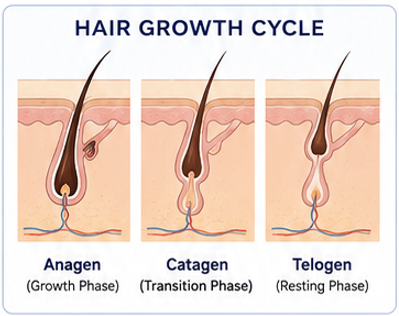
Hormonal changes play a significant role in the hair growth cycle. During the 40s, women may experience fluctuations in hormone levels, particularly during perimenopause and menopause. These hormonal shifts can lead to a condition known as androgenetic alopecia, or female-pattern baldness. Additionally, imbalances in thyroid hormones can also contribute to hair loss in women. It is important to consult with a healthcare provider to assess hormone levels and explore treatment options to address hormonal imbalances.

Stress and Lifestyle Factors

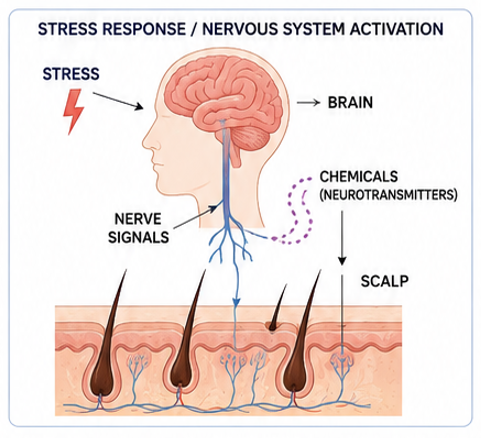
The demands of juggling career, family, and other responsibilities can lead to high levels of stress and anxiety for women in their 40s. Chronic stress can disrupt the hair growth cycle and contribute to increased shedding and thinning of hair. Furthermore, lifestyle factors such as poor nutrition, inadequate sleep, and excessive use of styling products or heat can also impact the health of the hair. Adopting stress-management techniques, maintaining a balanced diet, and incorporating healthy lifestyle habits can play a crucial role in combating hair loss.

Genetic Predisposition

Genetic predisposition can significantly influence hair loss patterns in women. If there is a family history of hair loss or thinning, women in their 40s may be more susceptible to experiencing similar issues. Understanding genetic factors can provide valuable insight into the potential progression of hair loss and guide treatment options tailored to individual needs.

Medical Conditions and Treatments

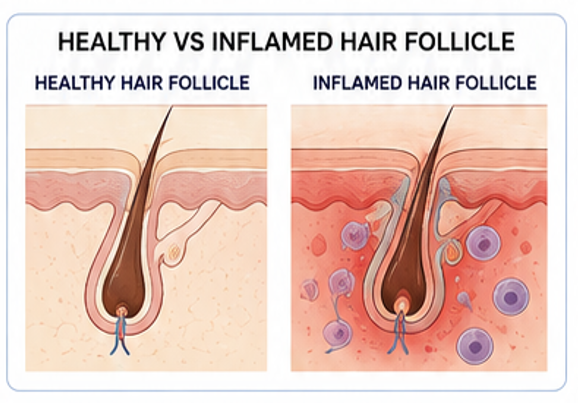
Certain medical conditions and treatments can contribute to hair loss in women in their 40s. Conditions such as alopecia areata, autoimmune disorders, and scalp infections can impact the hair follicles, leading to hair loss. Additionally, undergoing chemotherapy or radiation therapy for cancer treatment can result in temporary hair loss. It is essential to work closely with healthcare providers to address any underlying medical conditions and explore available treatment options to manage hair loss effectively.

Environmental Factors and Hair Care Practices

Exposure to environmental pollutants, harsh chemicals, and UV radiation can have adverse effects on hair health, leading to increased brittleness and thinning. Inadequate hair care practices, including excessive heat styling, tight hairstyles, and improper use of hair products, can also contribute to hair damage and loss. Implementing protective measures, such as using products with UV protection, minimizing heat exposure, and adopting gentle hair care practices, can help mitigate the impact of environmental factors on hair loss.

Concluding remarks

Hair loss in women in their 40s can have various underlying causes, ranging from hormonal changes and genetic predisposition to lifestyle factors and medical conditions. By gaining a comprehensive recognizing of these factors, women can take proactive steps to address hair loss and maintain healthy, vibrant hair. Consulting with healthcare professionals and adopting a holistic approach to hair care and overall well-being are essential for effectively managing and mitigating the impact of hair loss.

Most Common Causes Of Hair Loss In Women In Their 40S in Brentwood, TN

Stop hair loss in women over 40. Find solutions now.

Hair loss can be a distressing experience, especially for women in their 40s. As we age, changes in our bodies can lead to a variety of health concerns, including the thinning or loss of hair. Understanding the underlying causes of hair loss is essential to finding effective solutions that can help restore confidence and maintain healthy hair. In this comprehensive guide, we will explore the most common causes of hair loss in women in their 40s and provide valuable insights to help you address this issue.

Hormonal Changes and Imbalance

Hormonal changes play a significant role in the hair growth cycle. During the 40s, women may experience fluctuations in hormone levels, particularly during perimenopause and menopause. These hormonal shifts can lead to a condition known as androgenetic alopecia, or female-pattern baldness. Additionally, imbalances in thyroid hormones can also contribute to hair loss in women. It is important to consult with a healthcare provider to assess hormone levels and explore treatment options to address hormonal imbalances.

Stress and Lifestyle Factors

The demands of juggling career, family, and other responsibilities can lead to high levels of stress and anxiety for women in their 40s. Chronic stress can disrupt the hair growth cycle and contribute to increased shedding and thinning of hair. Furthermore, lifestyle factors such as poor nutrition, inadequate sleep, and excessive use of styling products or heat can also impact the health of the hair. Adopting stress-management techniques, maintaining a balanced diet, and incorporating healthy lifestyle habits can play a crucial role in combating hair loss.

Genetic Predisposition

Genetic predisposition can significantly influence hair loss patterns in women. If there is a family history of hair loss or thinning, women in their 40s may be more susceptible to experiencing similar issues. Understanding genetic factors can provide valuable insight into the potential progression of hair loss and guide treatment options tailored to individual needs.

Medical Conditions and Treatments

Certain medical conditions and treatments can contribute to hair loss in women in their 40s. Conditions such as alopecia areata, autoimmune disorders, and scalp infections can impact the hair follicles, leading to hair loss. Additionally, undergoing chemotherapy or radiation therapy for cancer treatment can result in temporary hair loss. It is essential to work closely with healthcare providers to address any underlying medical conditions and explore available treatment options to manage hair loss effectively.

Environmental Factors and Hair Care Practices

Exposure to environmental pollutants, harsh chemicals, and UV radiation can have adverse effects on hair health, leading to increased brittleness and thinning. Inadequate hair care practices, including excessive heat styling, tight hairstyles, and improper use of hair products, can also contribute to hair damage and loss. Implementing protective measures, such as using products with UV protection, minimizing heat exposure, and adopting gentle hair care practices, can help mitigate the impact of environmental factors on hair loss.

Concluding remarks

Hair loss in women in their 40s can have various underlying causes, ranging from hormonal changes and genetic predisposition to lifestyle factors and medical conditions. By gaining a comprehensive recognizing of these factors, women can take proactive steps to address hair loss and maintain healthy, vibrant hair. Consulting with healthcare professionals and adopting a holistic approach to hair care and overall well-being are essential for effectively managing and mitigating the impact of hair loss.

RemedyHair Loss In Women in Brentwood, TN

Empathetic support for women experiencing hair loss. Get guidance now.

Understanding Hair Loss in Women

Hair loss in women can be attributed to various factors, including genetics, hormonal imbalances, medical conditions, and lifestyle choices. Understanding the root cause of your hair loss is crucial in determining the most effective remedy. It’s essential to seek professional guidance to accurately diagnose the underlying reasons for your hair loss and develop a targeted treatment plan.

Common Causes of Hair Loss in Women:

Genetic predisposition and family history of hair loss

Hormonal changes, such as during pregnancy, menopause, or thyroid imbalances

Medical conditions like alopecia areata, scalp infections, or autoimmune disorders

Stress and nutritional deficiencies impacting hair health

Effective Remedies for Hair Loss in Women

Addressing hair loss in women requires a comprehensive approach that targets the specific causes and promotes healthy hair growth. Our clinic specializes in offering tailored remedies that are evidence-based and personalized to your unique needs.

Remedies for Hair Loss:

Topical treatments and scalp therapies to promote hair follicle health

Nutritional guidance and supplements to address deficiencies impacting hair growth

Hormone balancing strategies to stabilize imbalances contributing to hair loss

Cutting-edge regenerative treatments, such as PRP therapy, to stimulate hair follicle regeneration

Laser therapy to improve scalp circulation and promote hair growth

Our Approach to Restoring Hair Health

At our Brentwood, TN clinic, we take a holistic approach to restore hair health in women. Our team of experienced professionals combines medical expertise with a compassionate acknowledging of the emotional impact of hair loss. We believe in empowering our patients with the knowledge and tools to regain confidence and achieve optimal hair health.

Comprehensive Consultations:

Thorough evaluation of your medical history, lifestyle factors, and potential triggers for hair loss

Personalized treatment plans tailored to address the specific underlying causes of your hair loss

Ongoing support and guidance throughout your hair restoration journey

Cutting-Edge Treatments:

Utilization of advanced technology and evidence-based treatments to promote hair growth

Continuous monitoring and adjustments to treatment plans based on your progress and evolving needs

Empowering Education:

Education on effective hair care practices, nutrition, and lifestyle strategies that support hair health

Guidance on maintaining the results of your hair restoration treatments for long-term benefits

Empathetic Support:

A caring and supportive environment where you can openly discuss your concerns and goals for hair restoration

Compassionate guidance to help you navigate the emotional aspects of hair loss and regain confidence

Our approach is centered on your individual needs, and we are committed to providing exceptional care and support throughout your hair restoration journey.

Closing considerations

Hair loss in women can have a profound impact on self-esteem and overall well-being. It’s essential to seek professional guidance to understand the underlying causes of hair loss and explore personalized remedies that address your specific needs. At our clinic in Brentwood, TN, we are dedicated to helping women reclaim their confidence and achieve healthy, beautiful hair through our comprehensive approach to hair restoration.

If you’re ready to take the first step towards restoring your hair health, we invite you to schedule a consultation with our experienced team. Together, we can create a tailored plan to address your hair loss concerns and help you achieve the vibrant, healthy hair you deserve.

RemedyHair Loss In Women in Brentwood, TN

Empathetic support for women experiencing hair loss. Get guidance now.

Understanding Hair Loss in Women

Hair loss in women can be attributed to various factors, including genetics, hormonal imbalances, medical conditions, and lifestyle choices. Understanding the root cause of your hair loss is crucial in determining the most effective remedy. It’s essential to seek professional guidance to accurately diagnose the underlying reasons for your hair loss and develop a targeted treatment plan.

Common Causes of Hair Loss in Women:

Genetic predisposition and family history of hair loss

Hormonal changes, such as during pregnancy, menopause, or thyroid imbalances

Medical conditions like alopecia areata, scalp infections, or autoimmune disorders

Stress and nutritional deficiencies impacting hair health

Effective Remedies for Hair Loss in Women

Addressing hair loss in women requires a comprehensive approach that targets the specific causes and promotes healthy hair growth. Our clinic specializes in offering tailored remedies that are evidence-based and personalized to your unique needs.

Remedies for Hair Loss:

Topical treatments and scalp therapies to promote hair follicle health

Nutritional guidance and supplements to address deficiencies impacting hair growth

Hormone balancing strategies to stabilize imbalances contributing to hair loss

Cutting-edge regenerative treatments, such as PRP therapy, to stimulate hair follicle regeneration

Laser therapy to improve scalp circulation and promote hair growth

Our Approach to Restoring Hair Health

At our Brentwood, TN clinic, we take a holistic approach to restore hair health in women. Our team of experienced professionals combines medical expertise with a compassionate acknowledging of the emotional impact of hair loss. We believe in empowering our patients with the knowledge and tools to regain confidence and achieve optimal hair health.

Comprehensive Consultations:

Thorough evaluation of your medical history, lifestyle factors, and potential triggers for hair loss

Personalized treatment plans tailored to address the specific underlying causes of your hair loss

Ongoing support and guidance throughout your hair restoration journey

Cutting-Edge Treatments:

Utilization of advanced technology and evidence-based treatments to promote hair growth

Continuous monitoring and adjustments to treatment plans based on your progress and evolving needs

Empowering Education:

Education on effective hair care practices, nutrition, and lifestyle strategies that support hair health

Guidance on maintaining the results of your hair restoration treatments for long-term benefits

Empathetic Support:

A caring and supportive environment where you can openly discuss your concerns and goals for hair restoration

Compassionate guidance to help you navigate the emotional aspects of hair loss and regain confidence

Our approach is centered on your individual needs, and we are committed to providing exceptional care and support throughout your hair restoration journey.

Closing considerations

Hair loss in women can have a profound impact on self-esteem and overall well-being. It’s essential to seek professional guidance to understand the underlying causes of hair loss and explore personalized remedies that address your specific needs. At our clinic in Brentwood, TN, we are dedicated to helping women reclaim their confidence and achieve healthy, beautiful hair through our comprehensive approach to hair restoration.

If you’re ready to take the first step towards restoring your hair health, we invite you to schedule a consultation with our experienced team. Together, we can create a tailored plan to address your hair loss concerns and help you achieve the vibrant, healthy hair you deserve.

Reduce Hair Loss For Women in La Vergne, TN

Boost your confidence with effective hair loss reduction strategies.

Hair loss can be a distressing experience for women, impacting their confidence and self-esteem. The good news is that there are effective ways to address this issue and promote hair growth. If you’re looking for ways to reduce hair loss and rejuvenate your hair, you’ve come to the right place. In this comprehensive guide, we’ll explore various strategies and treatments that can help women combat hair loss and achieve luscious, healthy locks. Whether you’re experiencing thinning hair due to aging, hormonal changes, or other factors, these approaches can make a significant difference in promoting hair growth and preventing further loss. So, let’s delve into the world of hair care and discover how to maintain a full, beautiful head of hair.

Hair Loss in Women

Hair loss in women can stem from various causes, including genetics, hormonal imbalances, stress, and certain medical conditions. Understanding the underlying reasons for hair loss is crucial in determining the most effective treatment methods. It’s essential to consult with a qualified healthcare professional to identify the specific cause of your hair loss and develop a personalized plan to address it.

Effective Hair Care Practices

Taking care of your hair is vital in reducing hair loss and promoting healthy growth. Here are some effective practices to incorporate into your hair care routine:

– Use gentle shampoos and conditioners suitable for your hair type

– Minimize heat styling and opt for heat-free styling methods

– Avoid hairstyles that pull on the hair, such as tight ponytails or braids

– Massage your scalp regularly to stimulate blood circulation

– Eat a balanced diet rich in essential nutrients for hair health, such as protein, vitamins, and minerals

– Consider using hair growth-promoting supplements or topical treatments recommended by a healthcare professional

Medical Treatments for Hair Loss

When hair loss is more than just a cosmetic concern, medical treatments may be necessary to address the underlying issues. Some of the medical interventions for hair loss in women include:

– Hormone therapy to rebalance hormonal levels that contribute to hair loss

– Prescription medications to promote hair growth and prevent further loss

– Platelet-rich plasma (PRP) therapy to stimulate hair follicles and encourage growth

– Laser therapy to promote circulation and improve hair growth

– Hair transplant procedures for severe cases of hair loss

It’s important to consult with a qualified healthcare provider to explore these treatment options and determine the most suitable approach for your specific needs.

Lifestyle Changes for Healthy Hair

In addition to specific hair care practices and medical treatments, certain lifestyle changes can support overall hair health and reduce hair loss. Here are some lifestyle factors that can impact hair growth:

– Managing stress through relaxation techniques, exercise, and mindfulness practices

– Getting adequate sleep to support overall health and hair regeneration

– Avoiding smoking and excessive alcohol consumption, which can impact circulation and contribute to hair loss

– Maintaining a healthy weight and avoiding extreme dieting, which can lead to nutrient deficiencies and impact hair health

ddressing these lifestyle factors, women can create an optimal environment for hair growth and minimize the risk of further loss.

The core message

While hair loss can be a challenging experience for women, there are numerous strategies and treatments available to reduce hair loss and promote healthy hair growth. nderstanding the underlying causes, implementing effective hair care practices, exploring medical treatments, and making lifestyle adjustments, women can take proactive steps toward maintaining a full, vibrant head of hair. It’s important to seek professional guidance to determine the most appropriate approach for your unique circumstances and regain confidence in your hair’s health and appearance.

Reduce Hair Loss For Women in La Vergne, TN

Boost your confidence with effective hair loss reduction strategies.

Hair loss can be a distressing experience for women, impacting their confidence and self-esteem. The good news is that there are effective ways to address this issue and promote hair growth. If you’re looking for ways to reduce hair loss and rejuvenate your hair, you’ve come to the right place. In this comprehensive guide, we’ll explore various strategies and treatments that can help women combat hair loss and achieve luscious, healthy locks. Whether you’re experiencing thinning hair due to aging, hormonal changes, or other factors, these approaches can make a significant difference in promoting hair growth and preventing further loss. So, let’s delve into the world of hair care and discover how to maintain a full, beautiful head of hair.

Hair Loss in Women

Hair loss in women can stem from various causes, including genetics, hormonal imbalances, stress, and certain medical conditions. Understanding the underlying reasons for hair loss is crucial in determining the most effective treatment methods. It’s essential to consult with a qualified healthcare professional to identify the specific cause of your hair loss and develop a personalized plan to address it.

Effective Hair Care Practices

Taking care of your hair is vital in reducing hair loss and promoting healthy growth. Here are some effective practices to incorporate into your hair care routine:

– Use gentle shampoos and conditioners suitable for your hair type

– Minimize heat styling and opt for heat-free styling methods

– Avoid hairstyles that pull on the hair, such as tight ponytails or braids

– Massage your scalp regularly to stimulate blood circulation

– Eat a balanced diet rich in essential nutrients for hair health, such as protein, vitamins, and minerals

– Consider using hair growth-promoting supplements or topical treatments recommended by a healthcare professional

Medical Treatments for Hair Loss

When hair loss is more than just a cosmetic concern, medical treatments may be necessary to address the underlying issues. Some of the medical interventions for hair loss in women include:

– Hormone therapy to rebalance hormonal levels that contribute to hair loss

– Prescription medications to promote hair growth and prevent further loss

– Platelet-rich plasma (PRP) therapy to stimulate hair follicles and encourage growth

– Laser therapy to promote circulation and improve hair growth

– Hair transplant procedures for severe cases of hair loss

It’s important to consult with a qualified healthcare provider to explore these treatment options and determine the most suitable approach for your specific needs.

Lifestyle Changes for Healthy Hair

In addition to specific hair care practices and medical treatments, certain lifestyle changes can support overall hair health and reduce hair loss. Here are some lifestyle factors that can impact hair growth:

– Managing stress through relaxation techniques, exercise, and mindfulness practices

– Getting adequate sleep to support overall health and hair regeneration

– Avoiding smoking and excessive alcohol consumption, which can impact circulation and contribute to hair loss

– Maintaining a healthy weight and avoiding extreme dieting, which can lead to nutrient deficiencies and impact hair health

ddressing these lifestyle factors, women can create an optimal environment for hair growth and minimize the risk of further loss.

The core message

While hair loss can be a challenging experience for women, there are numerous strategies and treatments available to reduce hair loss and promote healthy hair growth. nderstanding the underlying causes, implementing effective hair care practices, exploring medical treatments, and making lifestyle adjustments, women can take proactive steps toward maintaining a full, vibrant head of hair. It’s important to seek professional guidance to determine the most appropriate approach for your unique circumstances and regain confidence in your hair’s health and appearance.

Reduce Hair Loss For Women in Nolensville, TN

Regain confidence with effective hair loss solutions for women.

Hair loss is a common concern for many women, and it can be a distressing experience. From hormonal imbalances to stress and genetics, there are numerous factors that contribute to hair loss in women. If you’re a woman experiencing hair loss, you’re not alone. Understanding the causes and exploring effective solutions can help you address this issue and regain confidence. In this comprehensive guide, we’ll delve into the various causes of hair loss in women and explore the best strategies to reduce hair loss. Whether you’re looking to prevent further hair loss or promote regrowth, this article will provide valuable insights to help you on your journey to healthier, fuller hair.

Hair Loss in Women

Hair loss in women can be attributed to a variety of factors, ranging from genetics and hormonal changes to lifestyle and environmental influences. It’s essential to understand the root causes before implementing targeted solutions to address the issue. Here are some common factors contributing to hair loss in women:

Genetics: Family history plays a significant role in hair loss for both men and women. If your mother, grandmother, or other female relatives have experienced hair thinning or balding, genetics may contribute to your hair loss as well.

Hormonal Changes: Fluctuations in hormonal levels, particularly during pregnancy, menopause, or thyroid imbalances, can trigger hair loss in women. The hormonal shifts can disrupt the natural growth cycle of the hair, leading to increased shedding and thinning.

Stress: Chronic stress can have a profound impact on your overall health, including the condition of your hair. Prolonged periods of stress may lead to increased shedding and a weakened hair structure, contributing to noticeable hair thinning.

Lifestyle Factors: Poor nutrition, inadequate hydration, and excessive heat styling or chemical treatments can all contribute to hair loss. Additionally, certain medications and medical conditions can also influence the health of your hair.

Environmental Factors: Exposure to pollutants, harsh chemicals, and UV radiation can damage the hair and scalp, leading to increased shedding and reduced hair quality.

Effective Strategies to Reduce Hair Loss

While experiencing hair loss can be disheartening, there are effective strategies to minimize its impact and promote healthier hair growth. ddressing the root causes and implementing targeted solutions, you can take proactive steps to reduce hair loss and enhance the overall condition of your hair. Here are some proven strategies to consider:

Nutritional Support: A balanced diet rich in essential nutrients, including vitamins, minerals, and protein, is crucial for maintaining healthy hair. Incorporating foods such as leafy greens, lean proteins, and nuts can support hair growth and minimize shedding.

Scalp Care: Nourishing your scalp through regular massage, exfoliation, and the use of specialized hair care products can improve blood circulation and promote a healthy environment for hair growth.

Hair Care Practices: Avoiding excessive heat styling, harsh chemical treatments, and tight hairstyles can help prevent damage and minimize hair loss. Using gentle, nourishing hair care products tailored to your hair type can also support healthy hair growth.

Professional Treatments: Consulting with a dermatologist or hair specialist can provide valuable insights into personalized treatment options, such as topical solutions, laser therapy, or scalp treatments, to address your specific hair loss concerns.

Stress Management: Incorporating stress-reducing practices such as meditation, yoga, or relaxation techniques can help minimize the impact of stress on hair health and overall well-being.

Schedule Appointment

Hair loss in women can have a significant impact on self-esteem and confidence, but by acknowledging the underlying causes and implementing effective strategies, you can take control of the situation and work towards healthier, fuller hair. Whether it’s making dietary adjustments, adopting scalp care rituals, or seeking professional guidance, there are numerous avenues to explore in addressing hair loss. Remember, the journey to healthier hair is a multifaceted approach that requires patience and persistence. By prioritizing your hair health and implementing targeted solutions, you can reduce hair loss and embrace a vibrant, resilient mane.

Reduce Hair Loss For Women in Nolensville, TN

Regain confidence with effective hair loss solutions for women.

Hair loss is a common concern for many women, and it can be a distressing experience. From hormonal imbalances to stress and genetics, there are numerous factors that contribute to hair loss in women. If you’re a woman experiencing hair loss, you’re not alone. Understanding the causes and exploring effective solutions can help you address this issue and regain confidence. In this comprehensive guide, we’ll delve into the various causes of hair loss in women and explore the best strategies to reduce hair loss. Whether you’re looking to prevent further hair loss or promote regrowth, this article will provide valuable insights to help you on your journey to healthier, fuller hair.

Hair Loss in Women

Hair loss in women can be attributed to a variety of factors, ranging from genetics and hormonal changes to lifestyle and environmental influences. It’s essential to understand the root causes before implementing targeted solutions to address the issue. Here are some common factors contributing to hair loss in women:

Genetics: Family history plays a significant role in hair loss for both men and women. If your mother, grandmother, or other female relatives have experienced hair thinning or balding, genetics may contribute to your hair loss as well.

Hormonal Changes: Fluctuations in hormonal levels, particularly during pregnancy, menopause, or thyroid imbalances, can trigger hair loss in women. The hormonal shifts can disrupt the natural growth cycle of the hair, leading to increased shedding and thinning.

Stress: Chronic stress can have a profound impact on your overall health, including the condition of your hair. Prolonged periods of stress may lead to increased shedding and a weakened hair structure, contributing to noticeable hair thinning.

Lifestyle Factors: Poor nutrition, inadequate hydration, and excessive heat styling or chemical treatments can all contribute to hair loss. Additionally, certain medications and medical conditions can also influence the health of your hair.

Environmental Factors: Exposure to pollutants, harsh chemicals, and UV radiation can damage the hair and scalp, leading to increased shedding and reduced hair quality.

Effective Strategies to Reduce Hair Loss

While experiencing hair loss can be disheartening, there are effective strategies to minimize its impact and promote healthier hair growth. ddressing the root causes and implementing targeted solutions, you can take proactive steps to reduce hair loss and enhance the overall condition of your hair. Here are some proven strategies to consider:

Nutritional Support: A balanced diet rich in essential nutrients, including vitamins, minerals, and protein, is crucial for maintaining healthy hair. Incorporating foods such as leafy greens, lean proteins, and nuts can support hair growth and minimize shedding.

Scalp Care: Nourishing your scalp through regular massage, exfoliation, and the use of specialized hair care products can improve blood circulation and promote a healthy environment for hair growth.

Hair Care Practices: Avoiding excessive heat styling, harsh chemical treatments, and tight hairstyles can help prevent damage and minimize hair loss. Using gentle, nourishing hair care products tailored to your hair type can also support healthy hair growth.

Professional Treatments: Consulting with a dermatologist or hair specialist can provide valuable insights into personalized treatment options, such as topical solutions, laser therapy, or scalp treatments, to address your specific hair loss concerns.

Stress Management: Incorporating stress-reducing practices such as meditation, yoga, or relaxation techniques can help minimize the impact of stress on hair health and overall well-being.

Schedule Appointment

Hair loss in women can have a significant impact on self-esteem and confidence, but by acknowledging the underlying causes and implementing effective strategies, you can take control of the situation and work towards healthier, fuller hair. Whether it’s making dietary adjustments, adopting scalp care rituals, or seeking professional guidance, there are numerous avenues to explore in addressing hair loss. Remember, the journey to healthier hair is a multifaceted approach that requires patience and persistence. By prioritizing your hair health and implementing targeted solutions, you can reduce hair loss and embrace a vibrant, resilient mane.