Tag Archive for: hair loss causes

Concel Hair Loss Black Women in Franklin, TN

Expert care for hair loss in Black women. Book consultation now.

Understanding Hair Loss in Black Women

Black women are more susceptible to certain types of hair loss compared to women of other ethnicities. It’s important to understand the underlying causes and contributing factors that can lead to hair loss in black women. By gaining a deeper acknowledging of these factors, you can make informed decisions about how to address and manage hair loss effectively.

The Unique Challenges of Hair Loss in Black Women

Several factors contribute to the unique challenges of hair loss in black women, including:

– Hair Texture: The unique texture of black hair can make it more prone to breakage and damage, leading to hair loss.

– Hairstyling Practices: Many traditional hairstyling practices, such as braids, weaves, and chemical treatments, can place strain on the hair and scalp, contributing to hair loss.

– Health Conditions: Certain health conditions, such as hormonal imbalances, autoimmune disorders, and thyroid problems, can contribute to hair loss in black women.

Impact of Hair Loss

Hair loss can have a profound impact on a black woman’s sense of identity, self-esteem, and overall well-being. It’s essential to recognize and address the emotional and psychological impact of hair loss, as well as its physical effects. cknowledging the holistic impact of hair loss, we can approach treatment from a comprehensive perspective, addressing both the physical and emotional aspects of the condition.

Emotional and Psychological Effects

– Self-Esteem and Confidence: Hair loss can significantly impact a woman’s self-esteem and confidence, affecting her overall sense of identity and beauty.

– Social and Professional Impact: Hair loss can influence a woman’s social interactions and professional opportunities, leading to feelings of self-consciousness and diminished self-image.

– Emotional Well-Being: Dealing with hair loss can cause stress, anxiety, and emotional distress, affecting overall mental well-being.

Treatment Options for Hair Loss in Black Women

Finding the right treatment for hair loss in black women requires a personalized approach that addresses the unique characteristics of black hair and scalp. At our clinic in Franklin, TN, we offer a range of specialized treatment options designed to effectively manage and reverse hair loss in black women.

Professional Consultation and Diagnosis

– Scalp Analysis: Our experienced professionals perform a thorough scalp analysis to identify the specific causes of hair loss in black women, allowing for a targeted treatment approach.

– Medical Examination: Comprehensive medical examinations are conducted to detect any underlying health conditions that may be contributing to hair loss.

Customized Treatment Plans

Based on the individual needs and characteristics of black hair, our clinic offers personalized treatment plans that may include:

– Scalp Treatments: Specialized scalp treatments are tailored to promote hair growth and strengthen the hair follicles, addressing the unique needs of black women’s hair.

– Nutritional Support: Nutritional counseling and supplementation are provided to address any deficiencies that may be contributing to hair loss.

– Advanced Therapies: Our clinic offers advanced hair restoration therapies, including laser treatments and regenerative hair treatments, to promote healthy hair growth.

In summary

Hair loss in black women is a complex and multifaceted issue that requires a personalized and comprehensive approach to treatment. At our clinic in Franklin, TN, we are committed to providing compassionate care and effective solutions to address the unique challenges of hair loss in black women. nderstanding the underlying causes, acknowledging the emotional impact, and exploring the available treatment options, we aim to empower black women to regain confidence, embrace their natural beauty, and maintain healthy, vibrant hair.
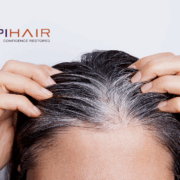
Main Cause Of Hair Loss In Women Over 60 in La Vergne, TN

Regain confidence with effective hair loss treatment for women over 60.

As women age, they may experience changes in their hair quality and quantity. Hair loss is a common concern for many women over 60 and can have a significant impact on their self-esteem and overall well-being. Understanding the main causes of hair loss in women over 60 is crucial for identifying appropriate treatment options and seeking professional help. In this comprehensive guide, we will delve into the primary causes of hair loss in women over 60 and explore potential solutions to address this issue.

The Physiology of Hair Loss

Hair loss, also known as alopecia, can be a distressing experience for women of all ages, but it becomes more prevalent as women enter their senior years. The structure of hair is complex, with each strand originating from a hair follicle embedded in the scalp. As women age, changes in hormone levels, particularly a decrease in estrogen production during menopause, can affect the hair growth cycle. Additionally, aging can lead to a reduction in the size of hair follicles, which may contribute to thinner and more fragile hair.

Common Causes of Hair Loss in Women Over 60

1. Hormonal Changes: Fluctuations in hormone levels, particularly lower estrogen and progesterone levels, can contribute to hair thinning and loss in women over 60.

2. Nutritional Deficiencies: Inadequate intake of essential nutrients such as protein, iron, and vitamins can impact the health of hair follicles, leading to hair loss.

3. Medical Conditions: Underlying health conditions such as thyroid disorders, autoimmune diseases, and certain medications can be associated with hair loss in older women.

4. Genetic Predisposition: Family history can play a significant role in determining a woman’s susceptibility to hair loss, including pattern baldness.

5. Stress and Emotional Well-being: Psychological stress and emotional distress can contribute to hair shedding and exacerbate existing hair loss conditions.

Effective Treatment Options for Hair Loss

1. Hormone Replacement Therapy: For women experiencing hormonal imbalances, hormone replacement therapy (HRT) can be considered to address estrogen and progesterone deficiencies, which may help improve hair growth.

2. Nutritional Supplements: Incorporating supplements such as biotin, iron, and vitamin D into the diet can help address potential nutrient deficiencies contributing to hair loss.

3. Topical Treatments: Minoxidil, a topical solution approved by the FDA for hair regrowth, can be applied directly to the scalp to stimulate hair follicles and promote new hair growth.

4. Platelet-Rich Plasma (PRP) Therapy: This innovative treatment involves using the patient’s own blood plasma, rich in growth factors, to rejuvenate hair follicles and stimulate hair growth.

5. Lifestyle Modifications: Managing stress through relaxation techniques, engaging in regular physical activity, and maintaining a well-balanced diet can positively impact overall hair health.

Seek Professional Guidance

If you are experiencing significant hair loss or thinning, it’s essential to consult with a qualified healthcare professional, such as a dermatologist or trichologist, who can assess your specific condition and recommend appropriate treatment options. By seeking expert guidance, you can receive personalized care tailored to your unique needs and situation.

Schedule Appointment

Hair loss in women over 60 can be a complex and multifaceted issue, influenced by various factors such as hormonal changes, nutritional status, genetic predisposition, and overall health. Understanding the underlying causes of hair loss is a crucial first step in addressing this concern and exploring effective treatment options. With the right support and guidance from healthcare professionals, women can take proactive steps to manage and potentially reverse hair loss, enabling them to embrace their natural beauty with confidence.

Concel Hair Loss Black Women in Franklin, TN

Expert care for hair loss in Black women. Book consultation now.

Understanding Hair Loss in Black Women

Black women are more susceptible to certain types of hair loss compared to women of other ethnicities. It’s important to understand the underlying causes and contributing factors that can lead to hair loss in black women. By gaining a deeper acknowledging of these factors, you can make informed decisions about how to address and manage hair loss effectively.

The Unique Challenges of Hair Loss in Black Women

Several factors contribute to the unique challenges of hair loss in black women, including:

– Hair Texture: The unique texture of black hair can make it more prone to breakage and damage, leading to hair loss.

– Hairstyling Practices: Many traditional hairstyling practices, such as braids, weaves, and chemical treatments, can place strain on the hair and scalp, contributing to hair loss.

– Health Conditions: Certain health conditions, such as hormonal imbalances, autoimmune disorders, and thyroid problems, can contribute to hair loss in black women.

Impact of Hair Loss

Hair loss can have a profound impact on a black woman’s sense of identity, self-esteem, and overall well-being. It’s essential to recognize and address the emotional and psychological impact of hair loss, as well as its physical effects. cknowledging the holistic impact of hair loss, we can approach treatment from a comprehensive perspective, addressing both the physical and emotional aspects of the condition.

Emotional and Psychological Effects

– Self-Esteem and Confidence: Hair loss can significantly impact a woman’s self-esteem and confidence, affecting her overall sense of identity and beauty.

– Social and Professional Impact: Hair loss can influence a woman’s social interactions and professional opportunities, leading to feelings of self-consciousness and diminished self-image.

– Emotional Well-Being: Dealing with hair loss can cause stress, anxiety, and emotional distress, affecting overall mental well-being.

Treatment Options for Hair Loss in Black Women

Finding the right treatment for hair loss in black women requires a personalized approach that addresses the unique characteristics of black hair and scalp. At our clinic in Franklin, TN, we offer a range of specialized treatment options designed to effectively manage and reverse hair loss in black women.

Professional Consultation and Diagnosis

– Scalp Analysis: Our experienced professionals perform a thorough scalp analysis to identify the specific causes of hair loss in black women, allowing for a targeted treatment approach.

– Medical Examination: Comprehensive medical examinations are conducted to detect any underlying health conditions that may be contributing to hair loss.

Customized Treatment Plans

Based on the individual needs and characteristics of black hair, our clinic offers personalized treatment plans that may include:

– Scalp Treatments: Specialized scalp treatments are tailored to promote hair growth and strengthen the hair follicles, addressing the unique needs of black women’s hair.

– Nutritional Support: Nutritional counseling and supplementation are provided to address any deficiencies that may be contributing to hair loss.

– Advanced Therapies: Our clinic offers advanced hair restoration therapies, including laser treatments and regenerative hair treatments, to promote healthy hair growth.

In summary

Hair loss in black women is a complex and multifaceted issue that requires a personalized and comprehensive approach to treatment. At our clinic in Franklin, TN, we are committed to providing compassionate care and effective solutions to address the unique challenges of hair loss in black women. nderstanding the underlying causes, acknowledging the emotional impact, and exploring the available treatment options, we aim to empower black women to regain confidence, embrace their natural beauty, and maintain healthy, vibrant hair.
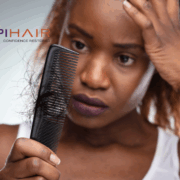
Main Cause Of Hair Loss In Women Over 60 in La Vergne, TN

Regain confidence with effective hair loss treatment for women over 60.

As women age, they may experience changes in their hair quality and quantity. Hair loss is a common concern for many women over 60 and can have a significant impact on their self-esteem and overall well-being. Understanding the main causes of hair loss in women over 60 is crucial for identifying appropriate treatment options and seeking professional help. In this comprehensive guide, we will delve into the primary causes of hair loss in women over 60 and explore potential solutions to address this issue.

The Physiology of Hair Loss

Hair loss, also known as alopecia, can be a distressing experience for women of all ages, but it becomes more prevalent as women enter their senior years. The structure of hair is complex, with each strand originating from a hair follicle embedded in the scalp. As women age, changes in hormone levels, particularly a decrease in estrogen production during menopause, can affect the hair growth cycle. Additionally, aging can lead to a reduction in the size of hair follicles, which may contribute to thinner and more fragile hair.

Common Causes of Hair Loss in Women Over 60

1. Hormonal Changes: Fluctuations in hormone levels, particularly lower estrogen and progesterone levels, can contribute to hair thinning and loss in women over 60.

2. Nutritional Deficiencies: Inadequate intake of essential nutrients such as protein, iron, and vitamins can impact the health of hair follicles, leading to hair loss.

3. Medical Conditions: Underlying health conditions such as thyroid disorders, autoimmune diseases, and certain medications can be associated with hair loss in older women.

4. Genetic Predisposition: Family history can play a significant role in determining a woman’s susceptibility to hair loss, including pattern baldness.

5. Stress and Emotional Well-being: Psychological stress and emotional distress can contribute to hair shedding and exacerbate existing hair loss conditions.

Effective Treatment Options for Hair Loss

1. Hormone Replacement Therapy: For women experiencing hormonal imbalances, hormone replacement therapy (HRT) can be considered to address estrogen and progesterone deficiencies, which may help improve hair growth.

2. Nutritional Supplements: Incorporating supplements such as biotin, iron, and vitamin D into the diet can help address potential nutrient deficiencies contributing to hair loss.

3. Topical Treatments: Minoxidil, a topical solution approved by the FDA for hair regrowth, can be applied directly to the scalp to stimulate hair follicles and promote new hair growth.

4. Platelet-Rich Plasma (PRP) Therapy: This innovative treatment involves using the patient’s own blood plasma, rich in growth factors, to rejuvenate hair follicles and stimulate hair growth.

5. Lifestyle Modifications: Managing stress through relaxation techniques, engaging in regular physical activity, and maintaining a well-balanced diet can positively impact overall hair health.

Seek Professional Guidance

If you are experiencing significant hair loss or thinning, it’s essential to consult with a qualified healthcare professional, such as a dermatologist or trichologist, who can assess your specific condition and recommend appropriate treatment options. By seeking expert guidance, you can receive personalized care tailored to your unique needs and situation.

Schedule Appointment

Hair loss in women over 60 can be a complex and multifaceted issue, influenced by various factors such as hormonal changes, nutritional status, genetic predisposition, and overall health. Understanding the underlying causes of hair loss is a crucial first step in addressing this concern and exploring effective treatment options. With the right support and guidance from healthcare professionals, women can take proactive steps to manage and potentially reverse hair loss, enabling them to embrace their natural beauty with confidence.

Reasons For Women’s Hair Loss in La Vergne, TN

Regain confidence with effective hair loss treatments for women.

Hair loss is a common concern for women across the country, and it can be a distressing experience for many individuals. From thinning hair to noticeable bald patches, the impact of hair loss on a woman’s self-esteem and confidence cannot be overstated. As a leading clinic in La Vergne, TN, we understand the importance of addressing this issue and providing effective solutions that restore both hair and confidence to our clients. In this comprehensive guide, we will explore the various reasons for hair loss in women, shedding light on the underlying causes and potential treatment options.

Women’s Hair Loss

While hair loss is often associated with aging, it can affect women of all ages, leading to frustration and anxiety. It’s essential to recognize that the reasons behind hair loss in women are diverse and can be influenced by a range of factors, including genetics, hormonal imbalances, lifestyle choices, and medical conditions. By gaining a deeper knowing of these underlying causes, women can make informed decisions about seeking suitable treatments for their unique situation.

Common Causes of Hair Loss in Women

1. Genetics: Hereditary hair loss, also known as androgenetic alopecia, is the most common cause of hair loss in both men and women. It typically results in a gradual thinning of the hair, which can start as early as the teenage years.

2. Hormonal Imbalances: Fluctuations in hormone levels, such as those experienced during pregnancy, childbirth, menopause, or conditions like polycystic ovary syndrome (PCOS), can contribute to hair loss in women.

3. Medical Conditions: Certain medical conditions, such as thyroid disorders, autoimmune diseases, and scalp infections, can lead to hair loss. Identifying and treating the underlying condition is crucial for addressing the associated hair loss.

4. Stress and Trauma: Emotional and physical stress can trigger hair loss in women. Chronic stress, traumatic events, or sudden weight loss can disrupt the hair growth cycle, leading to excessive shedding.

5. Nutritional Deficiencies: Inadequate intake of essential nutrients, particularly iron, protein, and certain vitamins, can impact the health of the hair and contribute to hair loss in women.

Effective Treatment Options for Hair Loss

1. Topical Treatments: FDA-approved topical treatments, such as minoxidil, can help stimulate hair growth and prevent further loss. These solutions are easy to apply and can be incorporated into a daily hair care routine.

2. Oral Medications: In some cases, oral medications, like finasteride, may be prescribed to counteract the effects of androgenetic alopecia. It’s important to consult with a qualified healthcare provider to determine the suitability of these medications.

3. Platelet-Rich Plasma (PRP) Therapy: PRP therapy involves utilizing the patient’s own blood to extract growth factors that are then injected into the scalp to stimulate hair growth. This innovative treatment has shown promising results in improving hair density and quality.

4. Laser Therapy: Low-level laser therapy (LLLT) devices are designed to promote hair growth by stimulating the hair follicles. This non-invasive treatment option can be used at home or administered in a clinical setting.

5. Hair Transplantation: For women with advanced hair loss, hair transplantation offers a long-term solution by relocating hair follicles from a donor site to the thinning or balding areas of the scalp.

Schedule Appointment

Hair loss in women can have a significant impact on both physical appearance and emotional well-being. nderstanding the various causes of hair loss and exploring the available treatment options, women can regain confidence and take proactive steps towards restoring a full and healthy head of hair. At our clinic in La Vergne, TN, we are committed to providing personalized solutions that cater to the unique needs of each individual, ensuring a positive and comprehensive approach to hair restoration.

How To Know Whether My Hair Loss Is Immune Related Women in Nolensville, TN

Effective treatments to address women’s hair loss. Discover your options.

Hair loss is a common concern for many women, and it can be caused by a variety of factors. One possible cause of hair loss is immune-related conditions. Understanding the signs and symptoms of immune-related hair loss is crucial for seeking appropriate treatment. In this article, we will explore how to recognize immune-related hair loss in women and discuss potential treatment options. If you are experiencing hair loss and suspect it may be immune-related, read on to learn more about the possible causes and how to address this issue effectively.

Immune-Related Hair Loss in Women

Recognizing Immune-Related Hair Loss

Hair loss can be distressing, but it’s important to identify the underlying cause in order to determine the best course of action. When it comes to immune-related hair loss in women, there are certain signs to watch out for:

– Sudden or rapid hair loss

– Patchy hair loss on the scalp

– Redness, itching, or pain on the scalp

– Hair thinning or shedding beyond what is considered normal

– Changes in the texture or appearance of the hair

If you have noticed any of these symptoms, it is advisable to consult with a healthcare professional to determine the cause of your hair loss.

The Immune System’s Role

The immune system plays a vital role in protecting the body from illness and infection. However, in some cases, the immune system may mistakenly attack healthy cells, including hair follicles. This autoimmune response can lead to various types of hair loss, such as alopecia areata or frontal fibrosing alopecia. Understanding the role of the immune system in hair loss is crucial for accurately diagnosing and treating the condition.

Seeking Professional Evaluation

If you suspect that your hair loss may be immune-related, it is important to seek professional evaluation from a qualified healthcare provider. A dermatologist or trichologist can assess your symptoms, conduct relevant tests, and provide an accurate diagnosis. Additionally, they can recommend personalized treatment options based on the specific cause of your immune-related hair loss.

Treatment Options for Immune-Related Hair Loss

Topical Treatments

In some cases, topical treatments such as corticosteroids or immunotherapy may be prescribed to target the immune response in the scalp. These treatments can help to reduce inflammation, promote hair regrowth, and manage symptoms of immune-related hair loss.

Oral Medications

For more extensive or persistent cases of immune-related hair loss, oral medications such as corticosteroids or immunosuppressants may be recommended. These medications work to modulate the immune system’s response and can be effective in managing certain types of autoimmune-related hair loss.

Laser Therapy

Low-level laser therapy (LLLT) has shown promise in treating immune-related hair loss by stimulating hair follicles and promoting healthier hair growth. This non-invasive treatment option can be used in conjunction with other therapies to improve the overall condition of the scalp and hair.

Supportive Care

In addition to medical interventions, maintaining a healthy lifestyle and caring for your scalp can contribute to managing immune-related hair loss. This includes proper nutrition, stress management, and gentle hair care practices that minimize further damage to the hair and scalp.

Schedule Appointment

Recognizing the signs of immune-related hair loss in women is the first step towards seeking appropriate care and treatment. nderstanding the role of the immune system in hair loss and exploring available treatment options, individuals can take proactive steps to address this condition effectively. Seeking professional evaluation and personalized treatment recommendations are crucial for managing immune-related hair loss and promoting healthier hair growth.

Women’s Hair Loss And Thyroid in La Vergne, TN

Discover effective treatments for women’s hair loss and thyroid issues.

Hair loss is a common concern for many individuals, and it can be particularly distressing for women. There are various factors that can contribute to hair loss in women, and one of the less discussed causes is related to thyroid issues. Understanding the connection between women’s hair loss and thyroid function is crucial for addressing this issue effectively. In this comprehensive guide, we will delve into the causes, symptoms, and treatment options for women experiencing hair loss due to thyroid imbalances.

The Connection Between Women’s Hair Loss and Thyroid

The thyroid is a vital gland that plays a significant role in regulating various functions in the body, including metabolism and growth. When the thyroid gland doesn’t function properly, it can lead to imbalances in hormone production, which may result in hair loss among other symptoms. The two main thyroid conditions associated with hair loss in women are hypothyroidism and hyperthyroidism.

Hypothyroidism occurs when the thyroid gland is underactive, leading to lower levels of thyroid hormones in the body. This can cause hair to become thin, dry, and brittle, ultimately resulting in hair loss. On the other hand, hyperthyroidism, which is the opposite condition of hypothyroidism, occurs when the thyroid gland is overactive, leading to excessive production of thyroid hormones. This condition can also contribute to hair thinning and loss.

Symptoms of Thyroid-Related Hair Loss

In addition to hair loss, women with thyroid imbalances may experience other symptoms that are indicative of the underlying thyroid condition. Some common symptoms to look out for include:

– Fatigue and weakness

– Weight changes

– Mood swings and irritability

– Intolerance to cold or heat

– Irregular menstrual cycles

– Dry skin and hair

– Brittle nails

– Muscle aches and weakness

– Anxiety or nervousness

It’s important to recognize that these symptoms may vary in severity and can be influenced by individual differences in the body’s response to thyroid imbalances.

Treatment Options for Women’s Hair Loss and Thyroid Imbalances

Addressing women’s hair loss related to thyroid imbalances involves a multi-faceted approach that targets both the underlying thyroid condition and the symptoms of hair loss. Treatment options may include:

1. Thyroid Medications: For individuals diagnosed with hypothyroidism or hyperthyroidism, physicians may prescribe thyroid hormone replacement medications or anti-thyroid medications to restore thyroid hormone levels to normal.

2. Lifestyle Modifications: Implementing healthy lifestyle practices such as proper nutrition, regular exercise, stress management, and adequate sleep can support overall thyroid health and promote hair regrowth.

3. Hair Care Regimen: Adopting a gentle hair care routine and using products specifically designed for fragile or thinning hair can help minimize further damage and improve the appearance of existing hair.

4. Consultation with a Specialist: Seeking guidance from a healthcare professional, such as an endocrinologist or dermatologist with expertise in hair and thyroid disorders, can provide personalized recommendations and treatment plans tailored to the individual’s specific needs.

It’s important for women experiencing hair loss due to thyroid imbalances to seek medical evaluation and guidance to address the underlying thyroid condition effectively and manage the associated symptoms, including hair loss.

To conclude

Women’s hair loss related to thyroid imbalances can have a significant impact on overall well-being and self-esteem. nderstanding the connection between thyroid function and hair health, individuals can take proactive steps to address the underlying thyroid condition and mitigate the effects of hair loss. Seeking professional guidance and adopting a holistic approach to treatment can lead to improved thyroid function and healthier, fuller hair for women experiencing this distressing issue.

Women’s Hair Loss in Nashville, TN

Boost your confidence with effective hair loss treatments for women.

Hair loss is a common issue that affects women of all ages, and it can have a significant impact on self-esteem and confidence. If you’re experiencing hair loss, you’re not alone. There are numerous factors that can contribute to hair loss in women, and appreciating these causes is crucial for finding effective treatments. In this comprehensive guide, we’ll explore the various causes of hair loss in women and discuss the available treatment options. Whether you’re dealing with thinning hair or more severe hair loss, this guide will provide valuable insights to help you make informed decisions about your hair health. If you’re located in Nashville, TN, and seeking professional help for your hair loss, our clinic is dedicated to providing personalized and effective solutions to address your specific needs.

Hair Loss in Women

Hair loss in women can be a distressing experience, impacting not only physical appearance but also emotional well-being. It’s essential to understand the underlying causes of hair loss in order to effectively address the issue. While hair loss can be influenced by genetic factors, there are various other potential causes to consider, including hormonal imbalances, stress, nutritional deficiencies, and certain medical conditions. By identifying the specific cause of your hair loss, you can take proactive steps to address the issue and explore suitable treatment options.

The Causes of Hair Loss in Women

– Hormonal Imbalances: Fluctuations in hormone levels, particularly during pregnancy, menopause, or thyroid disorders, can lead to hair loss in women.

– Stress: Chronic stress can disrupt the hair growth cycle, leading to increased shedding and thinning of the hair.

– Nutritional Deficiencies: Inadequate intake of essential nutrients such as iron, vitamin D, and protein can contribute to hair loss.

– Medical Conditions: Conditions such as alopecia areata, autoimmune disorders, and certain medications may also be linked to hair loss in women.

Effective Treatment Options for Hair Loss

Fortunately, there are various treatment options available to address hair loss in women, ranging from topical treatments to advanced medical procedures. It’s important to consult with a qualified specialist to determine the most suitable treatment for your specific condition. Some of the effective treatment options for hair loss in women include:

– Topical Solutions: Minoxidil is an FDA-approved topical treatment that can promote hair regrowth and slow down further hair loss.

– Nutritional Supplements: Certain vitamins and minerals, such as biotin, iron, and zinc, can support hair health and growth when taken as supplements.

– Platelet-Rich Plasma (PRP) Therapy: This innovative procedure involves injecting concentrated platelets from your own blood into the scalp to stimulate hair growth.

– Hair Transplantation: For women with more advanced hair loss, hair transplantation can provide long-lasting and natural-looking results.

Seek Professional Assistance in Nashville, TN

If you’re in Nashville, TN, and seeking personalized care for your hair loss, our clinic offers comprehensive services tailored to address the unique needs of women experiencing hair loss. Our team of experienced specialists is committed to providing effective solutions, utilizing the latest advancements in hair restoration techniques. We understand the impact of hair loss on your well-being and are dedicated to helping you regain your confidence and achieve optimal hair health.

Schedule Appointment

Hair loss in women is a multifaceted issue with various underlying causes, but effective treatments are available to address this concern. nderstanding the factors contributing to hair loss and exploring suitable treatment options, women can take proactive steps toward restoring their hair health and confidence. If you’re dealing with hair loss, seeking professional assistance from our clinic in Nashville, TN, can provide you with the personalized care and support you need to address this issue effectively.

Women’s Hair Loss in Nashville, TN

Boost your confidence with effective hair loss treatments for women.

Hair loss is a common issue that affects women of all ages, and it can have a significant impact on self-esteem and confidence. If you’re experiencing hair loss, you’re not alone. There are numerous factors that can contribute to hair loss in women, and appreciating these causes is crucial for finding effective treatments. In this comprehensive guide, we’ll explore the various causes of hair loss in women and discuss the available treatment options. Whether you’re dealing with thinning hair or more severe hair loss, this guide will provide valuable insights to help you make informed decisions about your hair health. If you’re located in Nashville, TN, and seeking professional help for your hair loss, our clinic is dedicated to providing personalized and effective solutions to address your specific needs.

Hair Loss in Women

Hair loss in women can be a distressing experience, impacting not only physical appearance but also emotional well-being. It’s essential to understand the underlying causes of hair loss in order to effectively address the issue. While hair loss can be influenced by genetic factors, there are various other potential causes to consider, including hormonal imbalances, stress, nutritional deficiencies, and certain medical conditions. By identifying the specific cause of your hair loss, you can take proactive steps to address the issue and explore suitable treatment options.

The Causes of Hair Loss in Women

– Hormonal Imbalances: Fluctuations in hormone levels, particularly during pregnancy, menopause, or thyroid disorders, can lead to hair loss in women.

– Stress: Chronic stress can disrupt the hair growth cycle, leading to increased shedding and thinning of the hair.

– Nutritional Deficiencies: Inadequate intake of essential nutrients such as iron, vitamin D, and protein can contribute to hair loss.

– Medical Conditions: Conditions such as alopecia areata, autoimmune disorders, and certain medications may also be linked to hair loss in women.

Effective Treatment Options for Hair Loss

Fortunately, there are various treatment options available to address hair loss in women, ranging from topical treatments to advanced medical procedures. It’s important to consult with a qualified specialist to determine the most suitable treatment for your specific condition. Some of the effective treatment options for hair loss in women include:

– Topical Solutions: Minoxidil is an FDA-approved topical treatment that can promote hair regrowth and slow down further hair loss.

– Nutritional Supplements: Certain vitamins and minerals, such as biotin, iron, and zinc, can support hair health and growth when taken as supplements.

– Platelet-Rich Plasma (PRP) Therapy: This innovative procedure involves injecting concentrated platelets from your own blood into the scalp to stimulate hair growth.

– Hair Transplantation: For women with more advanced hair loss, hair transplantation can provide long-lasting and natural-looking results.

Seek Professional Assistance in Nashville, TN

If you’re in Nashville, TN, and seeking personalized care for your hair loss, our clinic offers comprehensive services tailored to address the unique needs of women experiencing hair loss. Our team of experienced specialists is committed to providing effective solutions, utilizing the latest advancements in hair restoration techniques. We understand the impact of hair loss on your well-being and are dedicated to helping you regain your confidence and achieve optimal hair health.

Schedule Appointment

Hair loss in women is a multifaceted issue with various underlying causes, but effective treatments are available to address this concern. nderstanding the factors contributing to hair loss and exploring suitable treatment options, women can take proactive steps toward restoring their hair health and confidence. If you’re dealing with hair loss, seeking professional assistance from our clinic in Nashville, TN, can provide you with the personalized care and support you need to address this issue effectively.

SuddenHair Loss In Women in Nashville, TN

Expert advice and treatments for women’s sudden hair loss.

Hair loss can be a distressing experience, especially for women. The sudden onset of hair loss can be a source of anxiety and concern, impacting a woman’s self-esteem and confidence. If you are experiencing sudden hair loss, it’s essential to understand the potential causes and available treatment options. In this comprehensive guide, we will delve into the various factors that can contribute to sudden hair loss in women and explore the effective treatments that can help you regain your luscious locks.

Sudden Hair Loss

Sudden hair loss in women can be a perplexing and challenging issue to navigate. Unlike gradual hair thinning, sudden hair loss often catches individuals off guard, leaving them searching for answers and solutions. There are several factors that may contribute to sudden hair loss in women, including:

– Hormonal Imbalance: Fluctuations in hormonal levels, particularly during pregnancy, childbirth, or menopause, can trigger sudden hair loss.

– Medical Conditions: Certain medical conditions such as thyroid disorders, autoimmune diseases, and scalp infections can lead to sudden hair loss.

– Stress and Trauma: Emotional or physical stress, trauma, or sudden weight loss can disrupt the hair growth cycle, resulting in excessive shedding.

– Nutritional Deficiencies: Inadequate intake of essential nutrients, such as iron, proteins, and vitamins, can impact hair health, leading to sudden hair loss.

Seeking Professional Evaluation

If you are experiencing sudden hair loss, it’s crucial to seek a thorough evaluation from a qualified healthcare professional. A dermatologist or trichologist can assess your scalp and hair health, identify any underlying causes, and recommend personalized treatment options to address your specific needs. Additionally, they may perform diagnostic tests to uncover any potential hormonal imbalances or nutritional deficiencies that could be contributing to your hair loss.

Treatment Options for Sudden Hair Loss

Fortunately, there are various treatment options available to address sudden hair loss in women. Depending on the underlying cause and your individual circumstances, the following treatments may be recommended:

– Topical Treatments: Minoxidil, a topical solution approved by the FDA, can help stimulate hair growth and halt further hair loss.

– Oral Medications: In certain cases, oral medications such as spironolactone or finasteride may be prescribed to manage hormonal imbalances that contribute to hair loss.

– Platelet-Rich Plasma (PRP) Therapy: PRP therapy involves injecting platelet-rich plasma derived from your blood into the scalp to promote hair growth and improve hair density.

– Nutritional Supplements: Supplements containing biotin, vitamins, and minerals can help address nutritional deficiencies and support healthy hair growth.

– Laser Therapy: Low-level laser therapy, often administered through specialized combs or helmets, can stimulate hair follicles and promote hair regrowth.

Embracing Hair Care Practices

In addition to seeking professional treatment, adopting healthy hair care practices is essential for managing and preventing sudden hair loss. Here are some tips to promote optimal hair health:

– Use gentle hair care products free from harsh chemicals and sulfates to minimize damage to the hair and scalp.

– Avoid tight hairstyles and excessive heat styling, which can strain and weaken the hair, leading to breakage and hair loss.

– Maintain a balanced and nutritious diet rich in proteins, vitamins, and minerals to support overall hair health.

– Practice stress-reducing techniques such as meditation, yoga, and deep breathing exercises to minimize the impact of stress on hair health.

Schedule Appointment

Sudden hair loss in women can have a profound impact on emotional well-being and self-image. nderstanding the potential causes, seeking professional evaluation, exploring treatment options, and adopting healthy hair care practices, women can effectively address sudden hair loss and regain confidence in their appearance.