Tag Archive for: Hair Loss in Women

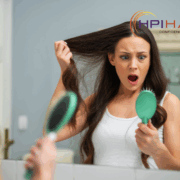
Main Cause Of Hair Loss In Women Over 60 in Nolensville, TN

Expert solutions for hair loss in women over 60.

Hair loss in women over 60 is a common concern that many individuals face as they age. Despite its prevalence, the topic is often overlooked, and the causes and treatment options are not widely discussed. Understanding the main causes of hair loss in women over 60 is essential for implementing effective prevention and treatment strategies. In this comprehensive guide, we will explore the primary factors contributing to hair loss in older women and provide valuable insights for those seeking to address this issue. Whether you’re experiencing hair loss or seeking to support a loved one, this article aims to equip you with the knowledge necessary to make informed decisions for addressing this common concern.

What Causes Hair Loss in Women Over 60?

As women age, various factors can contribute to the gradual thinning of hair and, in some cases, significant loss. Understanding the main causes of hair loss in women over 60 is crucial for identifying the appropriate interventions. Here are the primary factors to consider:

– Hormonal Changes: Fluctuations in hormone levels, particularly a decrease in estrogen during menopause, can lead to hair thinning and loss in women over 60. Hormonal imbalances can disrupt the natural hair growth cycle, leading to decreased density and overall volume.

– Genetic Predisposition: A family history of hair loss, particularly from the maternal side, can significantly influence a woman’s likelihood of experiencing hair loss as she ages. Genetic predisposition to androgenetic alopecia, also known as female pattern hair loss, can manifest in older women.

– Nutritional Deficiencies: Inadequate intake of essential nutrients, such as iron, protein, and certain vitamins, can contribute to hair loss in women over 60. As the body’s nutritional needs change with age, it becomes increasingly important to maintain a well-balanced diet to support healthy hair growth.

– Age-Related Changes: The aging process itself can affect the hair follicles, leading to reduced hair density and thinning. The natural aging of hair follicles can result in shorter growth phases, finer hair, and a slower rate of regrowth.

Addressing Hair Loss in Women Over 60

While hair loss can be distressing, there are various approaches to addressing this issue and promoting healthy hair growth in women over 60. Consider the following strategies for managing and potentially reversing hair loss:

– Consultation with a Medical Professional: Seeking guidance from a healthcare provider or a qualified trichologist can help identify the specific cause of hair loss and determine the most appropriate treatment options. A comprehensive evaluation may include blood tests to assess hormone levels and nutritional status.

– Hormone Replacement Therapy: For women experiencing hair loss related to hormonal changes, hormone replacement therapy (HRT) may be recommended to rebalance estrogen levels and alleviate associated symptoms, including hair thinning.

– Nutritional Support: A diet rich in essential nutrients, including iron, protein, omega-3 fatty acids, and biotin, can support healthy hair growth. Additionally, dietary supplements may be recommended to address specific deficiencies contributing to hair loss.

– Topical Treatments: Over-the-counter minoxidil solutions and prescription-strength formulations can be applied directly to the scalp to stimulate hair regrowth and increase hair density. Additionally, some women may benefit from prescription medications to address underlying hormonal imbalances.

– Lifestyle Modifications: Implementing stress-reducing techniques, maintaining a consistent exercise routine, and prioritizing adequate sleep can support overall health and potentially mitigate factors contributing to hair loss.

Concluding remarks

Hair loss in women over 60 is a multifaceted issue influenced by various physiological and environmental factors. nderstanding the primary causes of hair loss and proactively addressing the underlying contributors, women can take proactive steps to promote healthy hair growth and maintain confidence in their appearance. Seeking guidance from healthcare professionals, optimizing nutrition, and considering targeted interventions can significantly impact the management of hair loss in older women.
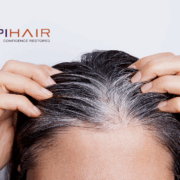
How To End Hair Loss In Women Over 50 in Nolensville, TN

Restore confidence and beauty. Hair loss solutions for women over 50.

If you are a woman over 50 experiencing hair loss, you are not alone. Hair loss in women over 50 can be a distressing issue, affecting not only your physical appearance but also your self-esteem and confidence. However, the good news is that there are effective solutions available to help you address and reverse the effects of hair loss. At our clinic in Nolensville, TN, we specialize in providing personalized and advanced treatments to help women like you regain healthy, beautiful hair. Read on to discover the steps you can take to end hair loss and restore your confidence and beauty.

Hair Loss in Women Over 50

Hair loss in women over 50 is a common occurrence, often associated with hormonal changes, genetics, and aging. As women age, hormonal fluctuations, particularly the decrease in estrogen and progesterone levels, can contribute to hair thinning and loss. Additionally, genetics play a significant role in determining one’s susceptibility to hair loss, with some women being more predisposed to experiencing thinning or balding as they age. Furthermore, environmental factors, stress, and certain medical conditions can also exacerbate hair loss in women over 50.

Evaluating Treatment Options

When it comes to addressing hair loss in women over 50, it is essential to explore the available treatment options to find the most effective solution for your specific needs. At our clinic in Nolensville, TN, we offer comprehensive consultations and evaluations to determine the underlying causes of your hair loss and develop personalized treatment plans tailored to your unique circumstances. From advanced hair restoration treatments to therapeutic interventions, we provide a range of options to help you achieve noticeable improvements in hair growth and thickness.

Lifestyle Modifications and Maintenance

In addition to professional treatments, making certain lifestyle modifications can play a significant role in managing and preventing further hair loss. Embracing a balanced diet rich in essential nutrients, such as vitamins, minerals, and proteins, can promote hair health and vitality. Regular exercise, stress management techniques, and adequate sleep are also crucial for maintaining overall well-being, which in turn can positively impact your hair growth and quality. Furthermore, incorporating gentle hair care practices and minimizing heat and chemical damage are vital for preserving the strength and integrity of your hair.

Empower Yourself with Knowledge

Educating yourself about the various causes of hair loss in women over 50 and the available treatment modalities is an empowering step towards regaining control over your hair health. By staying informed about the latest advancements in hair restoration and maintenance, you can make well-informed decisions about the best approach for addressing your specific concerns. Our clinic in Nolensville, TN is committed to providing educational resources and guidance to empower women to take charge of their hair loss journey and achieve meaningful results.

Seeking Professional Guidance and Support

Navigating the complexities of hair loss in women over 50 can be overwhelming, but you do not have to face it alone. Seeking professional guidance and support from experienced hair restoration specialists can provide you with the reassurance and expertise needed to embark on a transformative hair restoration journey. Our team of skilled professionals at our Nolensville clinic is dedicated to offering compassionate care and comprehensive solutions to help women over 50 regain their confidence and vitality through effective hair restoration.

The essence

Hair loss in women over 50 can be a challenging experience, but with the right resources and support, it is possible to address and overcome this issue. nderstanding the underlying causes of hair loss, exploring personalized treatment options, making lifestyle modifications, and seeking professional guidance, women over 50 can reclaim healthy, beautiful hair and revitalize their self-esteem. At our clinic in Nolensville, TN, we are committed to helping women achieve optimal hair restoration results and embrace their natural beauty with confidence.

To To Cure Hair Loss In Women in Nolensville, TN

Boost confidence with our effective hair loss solutions for women!

Hair loss can be a distressing experience for women, impacting self-esteem and confidence. If you’re seeking hair loss solutions, it’s essential to understand the underlying causes and explore effective treatments. At our clinic in Nolensville, TN, we specialize in providing tailored solutions for women experiencing hair loss. Our holistic approach addresses the root causes to restore and rejuvenate your hair. In this comprehensive guide, we’ll delve into the various causes of hair loss in women and explore proven remedies to help you achieve healthy and voluminous hair.

Recognizing Hair Loss in Women

Hair loss in women can be attributed to several factors, including genetics, hormonal imbalances, stress, and medical conditions. It’s crucial to identify the specific cause to tailor an effective treatment plan. Our team of experts at Nolensville Clinic is dedicated to conducting thorough assessments to determine the underlying reasons for your hair loss. nderstanding the root cause, we can formulate a personalized treatment approach to address your unique needs.

Genetic Predisposition

Genetic predisposition, also known as female pattern hair loss, is one of the primary causes of hair thinning in women. This condition, which is hereditary, leads to gradual hair thinning and loss over time. Understanding your genetic predisposition to hair loss is crucial in developing a targeted treatment plan.

Hormonal Imbalances

Hormonal imbalances, particularly fluctuations in estrogen and androgen levels, can contribute to hair loss in women. Conditions such as polycystic ovary syndrome (PCOS) and menopause can lead to hormonal changes that affect hair health. Addressing hormonal imbalances is key to preventing further hair loss and promoting regrowth.

Stress and Lifestyle Factors

High levels of stress, poor dietary habits, and lifestyle factors can also impact hair health. Chronic stress can lead to a condition known as telogen effluvium, causing hair follicles to prematurely enter the resting phase and subsequently shed. Addressing stress and adopting a healthy lifestyle are integral parts of our holistic approach to treating hair loss in women.

Effective Treatments for Hair Loss

At our Nolensville clinic, we offer a range of effective treatments tailored to address the specific needs of women experiencing hair loss. Our multidimensional approach encompasses targeted therapies, nutritional guidance, and lifestyle modifications to promote hair regrowth and overall well-being.

Topical Treatments

Topical treatments, such as minoxidil, can be effective in stimulating hair follicles and promoting regrowth. Our clinic offers specially formulated topical solutions designed to nourish the scalp and encourage new hair growth.

Platelet-Rich Plasma (PRP) Therapy

PRP therapy harnesses the regenerative properties of platelets to stimulate hair follicles and promote hair growth. This innovative treatment option is safe and minimally invasive, offering promising results for women struggling with hair loss.

Nutritional Guidance

Nutritional deficiencies can significantly impact hair health. Our team provides personalized nutritional guidance to ensure that you’re consuming essential nutrients vital for hair growth. A balanced diet rich in vitamins, minerals, and proteins is key to nurturing healthy hair.

Laser Therapy

Low-level laser therapy (LLLT) can stimulate the scalp and promote circulation, fostering an optimal environment for hair regrowth. This non-invasive treatment option is well-tolerated and can complement other therapies for comprehensive hair restoration.

To conclude

Hair loss in women is a multifaceted concern that necessitates a tailored approach to address both the underlying causes and visible symptoms. At our clinic in Nolensville, TN, we are committed to providing comprehensive solutions that prioritize your unique needs. nderstanding the specific factors contributing to your hair loss, we can develop a personalized treatment plan to help you achieve a healthy, vibrant mane. Take the first step toward reclaiming your confidence and revitalizing your hair by scheduling a consultation with our expert team.

To To Cure Hair Loss In Women in Nolensville, TN

Boost confidence with our effective hair loss solutions for women!

Hair loss can be a distressing experience for women, impacting self-esteem and confidence. If you’re seeking hair loss solutions, it’s essential to understand the underlying causes and explore effective treatments. At our clinic in Nolensville, TN, we specialize in providing tailored solutions for women experiencing hair loss. Our holistic approach addresses the root causes to restore and rejuvenate your hair. In this comprehensive guide, we’ll delve into the various causes of hair loss in women and explore proven remedies to help you achieve healthy and voluminous hair.

Recognizing Hair Loss in Women

Hair loss in women can be attributed to several factors, including genetics, hormonal imbalances, stress, and medical conditions. It’s crucial to identify the specific cause to tailor an effective treatment plan. Our team of experts at Nolensville Clinic is dedicated to conducting thorough assessments to determine the underlying reasons for your hair loss. nderstanding the root cause, we can formulate a personalized treatment approach to address your unique needs.

Genetic Predisposition

Genetic predisposition, also known as female pattern hair loss, is one of the primary causes of hair thinning in women. This condition, which is hereditary, leads to gradual hair thinning and loss over time. Understanding your genetic predisposition to hair loss is crucial in developing a targeted treatment plan.

Hormonal Imbalances

Hormonal imbalances, particularly fluctuations in estrogen and androgen levels, can contribute to hair loss in women. Conditions such as polycystic ovary syndrome (PCOS) and menopause can lead to hormonal changes that affect hair health. Addressing hormonal imbalances is key to preventing further hair loss and promoting regrowth.

Stress and Lifestyle Factors

High levels of stress, poor dietary habits, and lifestyle factors can also impact hair health. Chronic stress can lead to a condition known as telogen effluvium, causing hair follicles to prematurely enter the resting phase and subsequently shed. Addressing stress and adopting a healthy lifestyle are integral parts of our holistic approach to treating hair loss in women.

Effective Treatments for Hair Loss

At our Nolensville clinic, we offer a range of effective treatments tailored to address the specific needs of women experiencing hair loss. Our multidimensional approach encompasses targeted therapies, nutritional guidance, and lifestyle modifications to promote hair regrowth and overall well-being.

Topical Treatments

Topical treatments, such as minoxidil, can be effective in stimulating hair follicles and promoting regrowth. Our clinic offers specially formulated topical solutions designed to nourish the scalp and encourage new hair growth.

Platelet-Rich Plasma (PRP) Therapy

PRP therapy harnesses the regenerative properties of platelets to stimulate hair follicles and promote hair growth. This innovative treatment option is safe and minimally invasive, offering promising results for women struggling with hair loss.

Nutritional Guidance

Nutritional deficiencies can significantly impact hair health. Our team provides personalized nutritional guidance to ensure that you’re consuming essential nutrients vital for hair growth. A balanced diet rich in vitamins, minerals, and proteins is key to nurturing healthy hair.

Laser Therapy

Low-level laser therapy (LLLT) can stimulate the scalp and promote circulation, fostering an optimal environment for hair regrowth. This non-invasive treatment option is well-tolerated and can complement other therapies for comprehensive hair restoration.

To conclude

Hair loss in women is a multifaceted concern that necessitates a tailored approach to address both the underlying causes and visible symptoms. At our clinic in Nolensville, TN, we are committed to providing comprehensive solutions that prioritize your unique needs. nderstanding the specific factors contributing to your hair loss, we can develop a personalized treatment plan to help you achieve a healthy, vibrant mane. Take the first step toward reclaiming your confidence and revitalizing your hair by scheduling a consultation with our expert team.

Reduce Hair Loss For Women in Nolensville, TN

Regain confidence with effective hair loss solutions for women.

Hair loss is a common concern for many women, and it can be a distressing experience. From hormonal imbalances to stress and genetics, there are numerous factors that contribute to hair loss in women. If you’re a woman experiencing hair loss, you’re not alone. Understanding the causes and exploring effective solutions can help you address this issue and regain confidence. In this comprehensive guide, we’ll delve into the various causes of hair loss in women and explore the best strategies to reduce hair loss. Whether you’re looking to prevent further hair loss or promote regrowth, this article will provide valuable insights to help you on your journey to healthier, fuller hair.

Hair Loss in Women

Hair loss in women can be attributed to a variety of factors, ranging from genetics and hormonal changes to lifestyle and environmental influences. It’s essential to understand the root causes before implementing targeted solutions to address the issue. Here are some common factors contributing to hair loss in women:

Genetics: Family history plays a significant role in hair loss for both men and women. If your mother, grandmother, or other female relatives have experienced hair thinning or balding, genetics may contribute to your hair loss as well.

Hormonal Changes: Fluctuations in hormonal levels, particularly during pregnancy, menopause, or thyroid imbalances, can trigger hair loss in women. The hormonal shifts can disrupt the natural growth cycle of the hair, leading to increased shedding and thinning.

Stress: Chronic stress can have a profound impact on your overall health, including the condition of your hair. Prolonged periods of stress may lead to increased shedding and a weakened hair structure, contributing to noticeable hair thinning.

Lifestyle Factors: Poor nutrition, inadequate hydration, and excessive heat styling or chemical treatments can all contribute to hair loss. Additionally, certain medications and medical conditions can also influence the health of your hair.

Environmental Factors: Exposure to pollutants, harsh chemicals, and UV radiation can damage the hair and scalp, leading to increased shedding and reduced hair quality.

Effective Strategies to Reduce Hair Loss

While experiencing hair loss can be disheartening, there are effective strategies to minimize its impact and promote healthier hair growth. ddressing the root causes and implementing targeted solutions, you can take proactive steps to reduce hair loss and enhance the overall condition of your hair. Here are some proven strategies to consider:

Nutritional Support: A balanced diet rich in essential nutrients, including vitamins, minerals, and protein, is crucial for maintaining healthy hair. Incorporating foods such as leafy greens, lean proteins, and nuts can support hair growth and minimize shedding.

Scalp Care: Nourishing your scalp through regular massage, exfoliation, and the use of specialized hair care products can improve blood circulation and promote a healthy environment for hair growth.

Hair Care Practices: Avoiding excessive heat styling, harsh chemical treatments, and tight hairstyles can help prevent damage and minimize hair loss. Using gentle, nourishing hair care products tailored to your hair type can also support healthy hair growth.

Professional Treatments: Consulting with a dermatologist or hair specialist can provide valuable insights into personalized treatment options, such as topical solutions, laser therapy, or scalp treatments, to address your specific hair loss concerns.

Stress Management: Incorporating stress-reducing practices such as meditation, yoga, or relaxation techniques can help minimize the impact of stress on hair health and overall well-being.

Schedule Appointment

Hair loss in women can have a significant impact on self-esteem and confidence, but by acknowledging the underlying causes and implementing effective strategies, you can take control of the situation and work towards healthier, fuller hair. Whether it’s making dietary adjustments, adopting scalp care rituals, or seeking professional guidance, there are numerous avenues to explore in addressing hair loss. Remember, the journey to healthier hair is a multifaceted approach that requires patience and persistence. By prioritizing your hair health and implementing targeted solutions, you can reduce hair loss and embrace a vibrant, resilient mane.

Reduce Hair Loss For Women in Nolensville, TN

Regain confidence with effective hair loss solutions for women.

Hair loss is a common concern for many women, and it can be a distressing experience. From hormonal imbalances to stress and genetics, there are numerous factors that contribute to hair loss in women. If you’re a woman experiencing hair loss, you’re not alone. Understanding the causes and exploring effective solutions can help you address this issue and regain confidence. In this comprehensive guide, we’ll delve into the various causes of hair loss in women and explore the best strategies to reduce hair loss. Whether you’re looking to prevent further hair loss or promote regrowth, this article will provide valuable insights to help you on your journey to healthier, fuller hair.

Hair Loss in Women

Hair loss in women can be attributed to a variety of factors, ranging from genetics and hormonal changes to lifestyle and environmental influences. It’s essential to understand the root causes before implementing targeted solutions to address the issue. Here are some common factors contributing to hair loss in women:

Genetics: Family history plays a significant role in hair loss for both men and women. If your mother, grandmother, or other female relatives have experienced hair thinning or balding, genetics may contribute to your hair loss as well.

Hormonal Changes: Fluctuations in hormonal levels, particularly during pregnancy, menopause, or thyroid imbalances, can trigger hair loss in women. The hormonal shifts can disrupt the natural growth cycle of the hair, leading to increased shedding and thinning.

Stress: Chronic stress can have a profound impact on your overall health, including the condition of your hair. Prolonged periods of stress may lead to increased shedding and a weakened hair structure, contributing to noticeable hair thinning.

Lifestyle Factors: Poor nutrition, inadequate hydration, and excessive heat styling or chemical treatments can all contribute to hair loss. Additionally, certain medications and medical conditions can also influence the health of your hair.

Environmental Factors: Exposure to pollutants, harsh chemicals, and UV radiation can damage the hair and scalp, leading to increased shedding and reduced hair quality.

Effective Strategies to Reduce Hair Loss

While experiencing hair loss can be disheartening, there are effective strategies to minimize its impact and promote healthier hair growth. ddressing the root causes and implementing targeted solutions, you can take proactive steps to reduce hair loss and enhance the overall condition of your hair. Here are some proven strategies to consider:

Nutritional Support: A balanced diet rich in essential nutrients, including vitamins, minerals, and protein, is crucial for maintaining healthy hair. Incorporating foods such as leafy greens, lean proteins, and nuts can support hair growth and minimize shedding.

Scalp Care: Nourishing your scalp through regular massage, exfoliation, and the use of specialized hair care products can improve blood circulation and promote a healthy environment for hair growth.

Hair Care Practices: Avoiding excessive heat styling, harsh chemical treatments, and tight hairstyles can help prevent damage and minimize hair loss. Using gentle, nourishing hair care products tailored to your hair type can also support healthy hair growth.

Professional Treatments: Consulting with a dermatologist or hair specialist can provide valuable insights into personalized treatment options, such as topical solutions, laser therapy, or scalp treatments, to address your specific hair loss concerns.

Stress Management: Incorporating stress-reducing practices such as meditation, yoga, or relaxation techniques can help minimize the impact of stress on hair health and overall well-being.

Schedule Appointment

Hair loss in women can have a significant impact on self-esteem and confidence, but by acknowledging the underlying causes and implementing effective strategies, you can take control of the situation and work towards healthier, fuller hair. Whether it’s making dietary adjustments, adopting scalp care rituals, or seeking professional guidance, there are numerous avenues to explore in addressing hair loss. Remember, the journey to healthier hair is a multifaceted approach that requires patience and persistence. By prioritizing your hair health and implementing targeted solutions, you can reduce hair loss and embrace a vibrant, resilient mane.

Loss Of Body Hair In Women in Nashville, TN

Regain your confidence! Explore effective hair loss treatment options now.

Every woman’s hair is a vital part of her identity, confidence, and self-expression. The loss of body hair in women can be a distressing experience and can significantly impact one’s self-esteem and overall well-being. While hair loss is often associated with men, it is important to recognize that women can also be affected by this condition. Understanding the causes and available treatment options is essential for addressing this issue and restoring confidence. In this comprehensive guide, we will delve into the various factors contributing to hair loss in women and explore effective solutions to combat this phenomenon.

The Physical and Emotional Impact of Hair Loss

For many women, the loss of body hair can have profound physical and emotional consequences. From thinning eyebrows to reduced eyelash density, the changes in physical appearance can be particularly challenging to navigate. Beyond the physical effects, the emotional toll of hair loss cannot be overlooked. Women may experience feelings of self-consciousness, lowered self-esteem, and even depression as a result of this condition. Consequently, addressing hair loss is not merely a cosmetic concern but also a significant aspect of overall well-being.

Potential Causes of Hair Loss in Women

Recognizing the underlying causes of hair loss is crucial in determining the appropriate course of action. There are several potential factors that contribute to hair loss in women:

Hormonal Imbalance: Fluctuations in hormone levels, particularly during pregnancy, menopause, or due to conditions like polycystic ovary syndrome (PCOS), can lead to hair thinning and shedding.

Genetic Predisposition: Hereditary factors play a significant role in hair loss, with conditions such as female pattern baldness being genetically inherited.

Nutritional Deficiencies: Insufficient intake of essential nutrients, such as iron, vitamin D, and protein, can impact hair health and lead to increased hair shedding.

Stress: High-stress levels can trigger a condition known as telogen effluvium, resulting in temporary hair loss.

Medical Conditions: Underlying medical issues, such as thyroid disorders and autoimmune diseases, can contribute to hair loss in women.

Exploring Treatment Options

Fortunately, there are several effective treatment options available for women experiencing hair loss. The appropriate approach depends on the underlying cause and the individual’s unique circumstances. Some potential treatment options include:

Topical Treatments: Minoxidil, also known as Rogaine, is a topical solution that can help stimulate hair growth when applied directly to the scalp.

Hormone Therapy: For women with hormonal imbalances contributing to hair loss, hormone replacement therapy or oral contraceptives may be prescribed to restore a healthy hormonal equilibrium.

Nutritional Supplements: Incorporating essential vitamins and minerals into one’s diet, or through supplements, can address nutritional deficiencies and support hair regrowth.

Platelet-Rich Plasma (PRP) Therapy: This innovative treatment involves injecting the patient’s own platelet-rich plasma into the scalp to promote hair growth.

Hair Transplantation: In cases of permanent hair loss, hair transplantation offers a long-term solution by relocating hair follicles from one area of the scalp to the affected areas.

Schedule Appointment

Hair loss in women can have a significant impact on both physical appearance and emotional well-being. nderstanding the potential causes and available treatment options, women can take proactive steps to address this condition and regain confidence in their appearance. Seeking professional guidance from experienced healthcare providers is essential in identifying the underlying factors contributing to hair loss and determining the most effective treatment approach.

In Nashville, TN, our clinic specializes in addressing hair loss in women, providing personalized treatment plans tailored to individual needs. Our team of experts is dedicated to helping women regain their confidence and embrace their natural beauty. If you are experiencing hair loss, we invite you to schedule a consultation to explore the options available to you.

Together, we can embark on a journey towards hair restoration and renewed self-assurance. Say goodbye to hair loss and hello to a vibrant, confident you.

Loss Of Body Hair In Women in Nashville, TN

Regain your confidence! Explore effective hair loss treatment options now.

Every woman’s hair is a vital part of her identity, confidence, and self-expression. The loss of body hair in women can be a distressing experience and can significantly impact one’s self-esteem and overall well-being. While hair loss is often associated with men, it is important to recognize that women can also be affected by this condition. Understanding the causes and available treatment options is essential for addressing this issue and restoring confidence. In this comprehensive guide, we will delve into the various factors contributing to hair loss in women and explore effective solutions to combat this phenomenon.

The Physical and Emotional Impact of Hair Loss

For many women, the loss of body hair can have profound physical and emotional consequences. From thinning eyebrows to reduced eyelash density, the changes in physical appearance can be particularly challenging to navigate. Beyond the physical effects, the emotional toll of hair loss cannot be overlooked. Women may experience feelings of self-consciousness, lowered self-esteem, and even depression as a result of this condition. Consequently, addressing hair loss is not merely a cosmetic concern but also a significant aspect of overall well-being.

Potential Causes of Hair Loss in Women

Recognizing the underlying causes of hair loss is crucial in determining the appropriate course of action. There are several potential factors that contribute to hair loss in women:

Hormonal Imbalance: Fluctuations in hormone levels, particularly during pregnancy, menopause, or due to conditions like polycystic ovary syndrome (PCOS), can lead to hair thinning and shedding.

Genetic Predisposition: Hereditary factors play a significant role in hair loss, with conditions such as female pattern baldness being genetically inherited.

Nutritional Deficiencies: Insufficient intake of essential nutrients, such as iron, vitamin D, and protein, can impact hair health and lead to increased hair shedding.

Stress: High-stress levels can trigger a condition known as telogen effluvium, resulting in temporary hair loss.

Medical Conditions: Underlying medical issues, such as thyroid disorders and autoimmune diseases, can contribute to hair loss in women.

Exploring Treatment Options

Fortunately, there are several effective treatment options available for women experiencing hair loss. The appropriate approach depends on the underlying cause and the individual’s unique circumstances. Some potential treatment options include:

Topical Treatments: Minoxidil, also known as Rogaine, is a topical solution that can help stimulate hair growth when applied directly to the scalp.

Hormone Therapy: For women with hormonal imbalances contributing to hair loss, hormone replacement therapy or oral contraceptives may be prescribed to restore a healthy hormonal equilibrium.

Nutritional Supplements: Incorporating essential vitamins and minerals into one’s diet, or through supplements, can address nutritional deficiencies and support hair regrowth.

Platelet-Rich Plasma (PRP) Therapy: This innovative treatment involves injecting the patient’s own platelet-rich plasma into the scalp to promote hair growth.

Hair Transplantation: In cases of permanent hair loss, hair transplantation offers a long-term solution by relocating hair follicles from one area of the scalp to the affected areas.

Schedule Appointment

Hair loss in women can have a significant impact on both physical appearance and emotional well-being. nderstanding the potential causes and available treatment options, women can take proactive steps to address this condition and regain confidence in their appearance. Seeking professional guidance from experienced healthcare providers is essential in identifying the underlying factors contributing to hair loss and determining the most effective treatment approach.

In Nashville, TN, our clinic specializes in addressing hair loss in women, providing personalized treatment plans tailored to individual needs. Our team of experts is dedicated to helping women regain their confidence and embrace their natural beauty. If you are experiencing hair loss, we invite you to schedule a consultation to explore the options available to you.

Together, we can embark on a journey towards hair restoration and renewed self-assurance. Say goodbye to hair loss and hello to a vibrant, confident you.

Common Causes Of Hair Loss In Women in Nashville, TN

Regain confidence with expert solutions for women’s hair loss.

Hair loss is a common concern for many women, causing distress and impacting self-esteem. Although it is often associated with men, hair loss can affect women of all ages and can be caused by a variety of factors. Understanding the underlying causes of hair loss in women is crucial in addressing the issue effectively. In this comprehensive guide, we will explore the common causes of hair loss in women, shedding light on the factors that contribute to this condition. Whether you are experiencing hair loss or seeking information to help a loved one, this article aims to provide valuable insights to help you better understand and manage this common issue.

Hair Growth Cycle

Before delving into the causes of hair loss, it is essential to comprehend the hair growth cycle. The hair growth process consists of three main phases: anagen, catagen, and telogen. Anagen is the active growth phase, during which hair follicles are continuously dividing, resulting in the growth of new hair. Catagen is a transitional phase, marking the end of active growth. Telogen is the resting phase, during which hair is shed to make room for new growth. Understanding this cycle is crucial in identifying abnormalities and potential causes of hair loss.

Common Causes of Hair Loss in Women

Genetic Predisposition: One of the most common causes of hair loss in women is a genetic predisposition. Female pattern hair loss, also known as androgenetic alopecia, is inherited and can result in gradual thinning of the hair over time. This type of hair loss typically occurs in a predictable pattern, often starting with a widening part and progressively affecting the entire scalp.

Hormonal Imbalance: Fluctuations in hormones can significantly impact hair growth and contribute to hair loss in women. Conditions such as polycystic ovary syndrome (PCOS), thyroid disorders, pregnancy, and menopause can lead to hormonal imbalances that disrupt the hair growth cycle. Understanding the underlying hormonal factors is crucial in addressing hair loss effectively.

Stress and Emotional Factors: Chronic stress, anxiety, and emotional trauma can trigger hair loss in women. The body’s response to stress can lead to a condition called telogen effluvium, causing a large number of hair follicles to enter the resting phase simultaneously, ultimately resulting in excessive shedding. Additionally, emotional factors can contribute to trichotillomania, a compulsive hair-pulling disorder that can lead to noticeable hair loss.

Nutritional Deficiencies: Inadequate intake of essential nutrients, such as vitamins, minerals, and proteins, can impact the health of the hair and contribute to hair loss. Iron deficiency, in particular, is associated with hair thinning and shedding in women. Ensuring a well-balanced diet and addressing any nutritional deficiencies are crucial in promoting healthy hair growth.

Medical Conditions and Treatments: Certain medical conditions and treatments can contribute to hair loss in women. Autoimmune conditions such as alopecia areata can result in patchy hair loss, while skin conditions like seborrheic dermatitis can also impact the scalp and hair health. Additionally, treatments such as chemotherapy can lead to significant hair loss, often causing distress for women undergoing cancer treatment.

Environmental Factors: Exposure to environmental stressors, such as pollution, harsh chemicals, and excessive heat styling, can damage the hair and contribute to hair loss over time. Protecting the hair from environmental damage and adopting gentle hair care practices are essential in maintaining healthy hair.

Seeking Professional Guidance

If you are experiencing hair loss, seeking professional guidance is crucial in identifying the underlying cause and determining the most effective course of action. Consulting with a qualified dermatologist or trichologist can provide valuable insights and personalized treatment options to address your specific concerns.

The bottomline

Realizing the common causes of hair loss in women is essential in addressing this prevalent issue. ecognizing the factors that contribute to hair loss, individuals can take proactive steps to promote healthy hair growth and seek appropriate treatment when needed. Whether it is genetic predisposition, hormonal imbalance, or external stressors, a comprehensive appreciating of the underlying causes empowers women to make informed decisions regarding their hair health.

How To Know Whether My Hair Loss Is Immune Related Women in La Vergne, TN

Combat female hair loss with immune-related solutions. Expert advice available.

Hair loss can be a distressing experience for anyone, but for women, it can be particularly challenging. Understanding the root causes of hair loss is crucial in finding the most effective treatment. In some cases, hair loss may be immune-related, which requires specialized care and attention.

Recognizing Immune-Related Hair Loss

Hair loss, also known as alopecia, can have various causes, including genetics, hormonal changes, and medical conditions. Immune-related hair loss, specifically alopecia areata, occurs when the immune system mistakenly attacks the hair follicles, leading to hair loss in localized or widespread areas. Understanding the following signs can help you determine if your hair loss may be immune-related:

– Sudden or rapid hair loss in patches or across the entire scalp

– Presence of smooth, round bald patches on the scalp

– Changes in the texture and appearance of the nails, such as pitting or white spots

– Previous history of other autoimmune conditions, such as thyroid disorders or lupus

– Family history of immune-related hair loss or other autoimmune diseases

If you are experiencing any of these symptoms, it is essential to seek the expertise of a medical professional specializing in hair loss and autoimmune conditions.

Diagnosing Immune-Related Hair Loss

Diagnosing immune-related hair loss requires a comprehensive evaluation by a healthcare provider, typically a dermatologist or a trichologist. The diagnostic process may involve:

– Detailed medical history assessment, including family history of autoimmune diseases

– Physical examination of the scalp and affected areas

– Scalp biopsy to analyze the hair follicles and confirm the presence of immune system activity

– Blood tests to assess immune system function and detect any underlying autoimmune conditions

Accurate diagnosis is crucial in determining the most appropriate treatment and management plan for immune-related hair loss.

Treatment Options for Immune-Related Hair Loss

Once immune-related hair loss is diagnosed, various treatment options may be considered, tailored to individual needs and the extent of the condition. Some potential treatment approaches include:

– Topical immunotherapy: Applying substances to the scalp to provoke an allergic reaction and stimulate the immune system to target hair follicles

– Corticosteroid injections: Directly injecting corticosteroids into the scalp to reduce inflammation and suppress immune system activity

– Systemic immunosuppressants: In cases of extensive hair loss, oral medications may be prescribed to modulate immune function and prevent further hair loss

– Hair restoration procedures: Surgical or non-surgical methods to restore hair growth, such as hair transplants or low-level laser therapy

Collaborating with a healthcare provider experienced in treating immune-related hair loss is essential for developing a personalized treatment plan that addresses the specific needs and goals of each individual.

Embracing Comprehensive Care for Hair Wellness

While addressing immune-related hair loss is crucial, adopting a holistic approach to hair wellness can enhance overall outcomes and well-being. Embracing comprehensive care may involve:

– Nutritional support: Ensuring a well-balanced diet rich in essential nutrients, vitamins, and minerals that promote hair health

– Stress management: Implementing stress-reducing techniques and activities to minimize the impact of stress on hair and overall health

– Scalp care: Maintaining a healthy scalp environment through proper cleansing, moisturizing, and protective measures

– Lifestyle adjustments: Making lifestyle changes that support overall wellness, including regular exercise and adequate sleep

By prioritizing holistic care and incorporating these strategies into daily routines, women can support their hair health and well-being while addressing immune-related hair loss.

Final thoughts

Recognizing and addressing immune-related hair loss in women requires a multi-faceted approach, from early recognition of symptoms to personalized treatment and comprehensive care. By partnering with a specialized healthcare provider and embracing a holistic approach to hair wellness, women can navigate the challenges of immune-related hair loss and enhance their overall quality of life.