Tag Archive for: Hormonal Imbalances

Cause Of Hair Loss In Women in Nolensville, TN

Combat hair loss with our expert solutions for women today!

Hair loss in women can be a distressing and complex issue, impacting not only physical appearance but also emotional well-being. While it is commonly associated with men, hair loss is a significant concern for many women as well. Whether it’s thinning hair, receding hairlines, or bald patches, the causes of hair loss in women can be multifaceted. Understanding these causes is crucial in seeking effective solutions. This comprehensive guide aims to delve into the various factors contributing to hair loss in women, from genetic predispositions to lifestyle influences. We will explore potential treatments and considerations for seeking professional assistance, with the goal of empowering women to take proactive steps toward restoring their confidence and hair health.

Genetic Factors and Hormonal Imbalances

Genetics play a significant role in determining an individual’s susceptibility to hair loss. For women, female pattern hair loss (FPHL) is the most common predisposition. FPHL is characterized by a gradual thinning of the hair, typically starting around the crown or part line. This genetic predisposition is often influenced by hormonal imbalances, particularly an excess of androgens, which are male hormones present in both men and women. High androgen levels can result in miniaturization of hair follicles, leading to the production of finer and shorter hair shafts, ultimately contributing to visible hair thinning.

Medical Conditions and Underlying Health Issues

Hair loss in women can also be a manifestation of underlying medical conditions or health concerns. Disorders such as polycystic ovarian syndrome (PCOS) and thyroid imbalances can disrupt the normal functioning of hormones, directly impacting the hair growth cycle. Additionally, autoimmune conditions like alopecia areata can cause sudden hair loss in distinct patches, while more severe forms like alopecia universalis result in total hair loss on the scalp and body. Furthermore, nutritional deficiencies, particularly of iron and protein, can compromise the health and vitality of the hair, contributing to excessive shedding and reduced hair thickness.

Stress and Lifestyle Influences

The modern lifestyle often entails high levels of stress, which can exert a profound impact on overall health, including hair condition. Chronic stress triggers the body’s release of cortisol, a hormone that, when elevated for extended periods, can disrupt normal hair growth cycles and lead to increased shedding and thinning. Unhealthy lifestyle practices, such as crash dieting, excessive consumption of alcohol, and smoking, can also compromise hair health. Furthermore, exposure to environmental pollutants and harsh chemicals, as well as overuse of styling tools and techniques, can contribute to hair damage and loss.

Exploring Treatment Options and Seeking Professional Assistance

When addressing hair loss in women, it is essential to consider a holistic approach that encompasses both lifestyle modifications and targeted treatments. Consulting with a healthcare professional specialized in hair and scalp health, such as a dermatologist or trichologist, can provide valuable insights into the underlying causes of hair loss and guide personalized treatment plans. For women experiencing hormonal imbalances, medications like minoxidil or spironolactone may be prescribed to help counteract the effects of androgen excess and promote hair regrowth. Additionally, professional-grade hair care products and in-office procedures, such as platelet-rich plasma (PRP) therapy and laser therapy, offer promising solutions for revitalizing hair density and strength.

Lastly

Hair loss in women is a multifaceted issue with a range of potential causes, from genetic predispositions to lifestyle influences. By gaining a thorough realizing of these factors, women can make informed decisions about seeking professional assistance and exploring suitable treatment options. With a proactive and comprehensive approach, addressing hair loss in women can be an empowering journey toward restoring confidence and hair health.
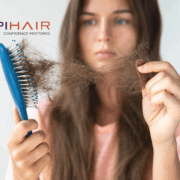
Cause Of Hair Loss In Women in Nolensville, TN

Combat hair loss with our expert solutions for women today!

Hair loss in women can be a distressing and complex issue, impacting not only physical appearance but also emotional well-being. While it is commonly associated with men, hair loss is a significant concern for many women as well. Whether it’s thinning hair, receding hairlines, or bald patches, the causes of hair loss in women can be multifaceted. Understanding these causes is crucial in seeking effective solutions. This comprehensive guide aims to delve into the various factors contributing to hair loss in women, from genetic predispositions to lifestyle influences. We will explore potential treatments and considerations for seeking professional assistance, with the goal of empowering women to take proactive steps toward restoring their confidence and hair health.

Genetic Factors and Hormonal Imbalances

Genetics play a significant role in determining an individual’s susceptibility to hair loss. For women, female pattern hair loss (FPHL) is the most common predisposition. FPHL is characterized by a gradual thinning of the hair, typically starting around the crown or part line. This genetic predisposition is often influenced by hormonal imbalances, particularly an excess of androgens, which are male hormones present in both men and women. High androgen levels can result in miniaturization of hair follicles, leading to the production of finer and shorter hair shafts, ultimately contributing to visible hair thinning.

Medical Conditions and Underlying Health Issues

Hair loss in women can also be a manifestation of underlying medical conditions or health concerns. Disorders such as polycystic ovarian syndrome (PCOS) and thyroid imbalances can disrupt the normal functioning of hormones, directly impacting the hair growth cycle. Additionally, autoimmune conditions like alopecia areata can cause sudden hair loss in distinct patches, while more severe forms like alopecia universalis result in total hair loss on the scalp and body. Furthermore, nutritional deficiencies, particularly of iron and protein, can compromise the health and vitality of the hair, contributing to excessive shedding and reduced hair thickness.

Stress and Lifestyle Influences

The modern lifestyle often entails high levels of stress, which can exert a profound impact on overall health, including hair condition. Chronic stress triggers the body’s release of cortisol, a hormone that, when elevated for extended periods, can disrupt normal hair growth cycles and lead to increased shedding and thinning. Unhealthy lifestyle practices, such as crash dieting, excessive consumption of alcohol, and smoking, can also compromise hair health. Furthermore, exposure to environmental pollutants and harsh chemicals, as well as overuse of styling tools and techniques, can contribute to hair damage and loss.

Exploring Treatment Options and Seeking Professional Assistance

When addressing hair loss in women, it is essential to consider a holistic approach that encompasses both lifestyle modifications and targeted treatments. Consulting with a healthcare professional specialized in hair and scalp health, such as a dermatologist or trichologist, can provide valuable insights into the underlying causes of hair loss and guide personalized treatment plans. For women experiencing hormonal imbalances, medications like minoxidil or spironolactone may be prescribed to help counteract the effects of androgen excess and promote hair regrowth. Additionally, professional-grade hair care products and in-office procedures, such as platelet-rich plasma (PRP) therapy and laser therapy, offer promising solutions for revitalizing hair density and strength.

Lastly

Hair loss in women is a multifaceted issue with a range of potential causes, from genetic predispositions to lifestyle influences. By gaining a thorough realizing of these factors, women can make informed decisions about seeking professional assistance and exploring suitable treatment options. With a proactive and comprehensive approach, addressing hair loss in women can be an empowering journey toward restoring confidence and hair health.
Low Testosterone Women’s Hair Loss in Nolensville, TN

Revitalize your hair with expert solutions. Uncover natural beauty!

Throughout history, hair has been a symbol of beauty and vitality. For many women, hair loss can be a distressing experience that impacts self-esteem and confidence. In some cases, low testosterone levels in women can contribute to hair loss, posing a unique challenge that requires comprehensive appreciating and treatment. In this in-depth guide, we will explore the relationship between low testosterone and hair loss in women, providing insights and solutions for those experiencing this issue.

Testosterone and Its Role in Women’s Health

Testosterone is commonly associated with men, but it also plays a crucial role in women’s health. While women have lower testosterone levels than men, this hormone is essential for maintaining energy levels, muscle mass, and overall well-being. In addition to its physical effects, testosterone influences mental clarity and mood, making it an integral part of a woman’s hormonal balance.

As women age, their testosterone levels naturally decline, which can lead to a range of symptoms, including hair loss. However, hormonal imbalances, medical conditions, and lifestyle factors can also contribute to low testosterone in women. Understanding the complex interplay of hormones and their impact on hair health is crucial for effective management and treatment.

The Connection Between Low Testosterone and Hair Loss

Hair loss in women can be caused by various factors, and low testosterone is one of them. When testosterone levels are insufficient, it can lead to a condition known as androgenetic alopecia, commonly referred to as female pattern hair loss. This type of hair loss typically manifests as overall thinning, especially at the crown of the head, and can be a significant source of distress for women.

In addition to affecting the quantity of hair, low testosterone can also impact the quality of hair, leading to dullness, dryness, and increased breakage. Understanding the specific role of testosterone in hair health is pivotal in addressing and managing female hair loss effectively.

Treatment Options for Low Testosterone-Related Hair Loss

For women experiencing hair loss linked to low testosterone, seeking guidance from healthcare professionals is essential. Comprehensive evaluations of hormonal levels, including testosterone, can provide valuable insights into the underlying causes of hair loss. In some cases, hormone replacement therapy (HRT) or other targeted treatments may be recommended to address low testosterone levels and mitigate the associated hair loss.

In addition to medical interventions, lifestyle modifications and nutritional support can play a pivotal role in optimizing hair health. Adequate protein intake, essential vitamins and minerals, and stress management strategies can all contribute to supporting hair growth and minimizing the impact of low testosterone on hair.

Empowerment Through Knowledge and Support

Dealing with hair loss, particularly when linked to low testosterone, can be a daunting experience for women. Seeking support from knowledgeable healthcare providers, such as our clinic in Nolensville, TN, can provide a sense of empowerment and assurance. Understanding the underlying mechanisms of hair loss and the potential treatment options available enables women to take proactive steps towards regaining hair health and confidence.

At our clinic, we are dedicated to providing tailored solutions for women experiencing low testosterone-related hair loss. Our team of experienced professionals is committed to offering personalized care and guiding individuals through the process of addressing hormonal imbalances and their impact on hair health.

Concluding remarks

In the realm of women’s health, appreciating the interplay of hormones and their effects on hair is crucial for addressing issues such as low testosterone-related hair loss. By gaining insights into the connection between hormonal imbalances and hair health, women can embark on a journey towards restoration and rejuvenation. With a blend of medical expertise, lifestyle adjustments, and ongoing support, the impact of low testosterone on hair loss can be effectively managed, allowing women to embrace vitality and confidence.

With a deep commitment to empowering women and optimizing their well-being, our clinic stands as a beacon of hope for those navigating the complexities of low testosterone-related hair loss.

Low Testosterone Women’s Hair Loss in Nolensville, TN

Revitalize your hair with expert solutions. Uncover natural beauty!

Throughout history, hair has been a symbol of beauty and vitality. For many women, hair loss can be a distressing experience that impacts self-esteem and confidence. In some cases, low testosterone levels in women can contribute to hair loss, posing a unique challenge that requires comprehensive appreciating and treatment. In this in-depth guide, we will explore the relationship between low testosterone and hair loss in women, providing insights and solutions for those experiencing this issue.

Testosterone and Its Role in Women’s Health

Testosterone is commonly associated with men, but it also plays a crucial role in women’s health. While women have lower testosterone levels than men, this hormone is essential for maintaining energy levels, muscle mass, and overall well-being. In addition to its physical effects, testosterone influences mental clarity and mood, making it an integral part of a woman’s hormonal balance.

As women age, their testosterone levels naturally decline, which can lead to a range of symptoms, including hair loss. However, hormonal imbalances, medical conditions, and lifestyle factors can also contribute to low testosterone in women. Understanding the complex interplay of hormones and their impact on hair health is crucial for effective management and treatment.

The Connection Between Low Testosterone and Hair Loss

Hair loss in women can be caused by various factors, and low testosterone is one of them. When testosterone levels are insufficient, it can lead to a condition known as androgenetic alopecia, commonly referred to as female pattern hair loss. This type of hair loss typically manifests as overall thinning, especially at the crown of the head, and can be a significant source of distress for women.

In addition to affecting the quantity of hair, low testosterone can also impact the quality of hair, leading to dullness, dryness, and increased breakage. Understanding the specific role of testosterone in hair health is pivotal in addressing and managing female hair loss effectively.

Treatment Options for Low Testosterone-Related Hair Loss

For women experiencing hair loss linked to low testosterone, seeking guidance from healthcare professionals is essential. Comprehensive evaluations of hormonal levels, including testosterone, can provide valuable insights into the underlying causes of hair loss. In some cases, hormone replacement therapy (HRT) or other targeted treatments may be recommended to address low testosterone levels and mitigate the associated hair loss.

In addition to medical interventions, lifestyle modifications and nutritional support can play a pivotal role in optimizing hair health. Adequate protein intake, essential vitamins and minerals, and stress management strategies can all contribute to supporting hair growth and minimizing the impact of low testosterone on hair.

Empowerment Through Knowledge and Support

Dealing with hair loss, particularly when linked to low testosterone, can be a daunting experience for women. Seeking support from knowledgeable healthcare providers, such as our clinic in Nolensville, TN, can provide a sense of empowerment and assurance. Understanding the underlying mechanisms of hair loss and the potential treatment options available enables women to take proactive steps towards regaining hair health and confidence.

At our clinic, we are dedicated to providing tailored solutions for women experiencing low testosterone-related hair loss. Our team of experienced professionals is committed to offering personalized care and guiding individuals through the process of addressing hormonal imbalances and their impact on hair health.

Concluding remarks

In the realm of women’s health, appreciating the interplay of hormones and their effects on hair is crucial for addressing issues such as low testosterone-related hair loss. By gaining insights into the connection between hormonal imbalances and hair health, women can embark on a journey towards restoration and rejuvenation. With a blend of medical expertise, lifestyle adjustments, and ongoing support, the impact of low testosterone on hair loss can be effectively managed, allowing women to embrace vitality and confidence.

With a deep commitment to empowering women and optimizing their well-being, our clinic stands as a beacon of hope for those navigating the complexities of low testosterone-related hair loss.

Conditions That Cause Hair Loss In Women in Franklin, TN

Resolve hair loss with expert solutions for women. Book now!

Hair loss is a common concern among women and can have various underlying causes. Understanding the factors that contribute to hair loss is crucial in identifying appropriate treatments and management strategies. Whether it’s thinning hair or noticeable bald patches, addressing the issue can significantly impact a woman’s self-esteem and confidence. At our clinic in Franklin, TN, we specialize in providing personalized solutions and support for women experiencing hair loss. In this comprehensive guide, we delve into the intricate details of the conditions that cause hair loss in women, empowering individuals to make informed decisions about their hair health.

Hormonal Imbalances

Hormonal imbalances are a leading cause of hair loss in women. Fluctuations in hormone levels, particularly during pregnancy, childbirth, menopause, and conditions such as polycystic ovary syndrome (PCOS), can trigger excessive shedding of hair. Hormones play a significant role in regulating hair growth cycles, and any disruptions can result in noticeable hair loss.

– Pregnancy and Postpartum: Many women experience a surge in hair density and thickness during pregnancy, attributed to elevated estrogen levels. However, after childbirth, a significant number of women notice increased hair shedding due to hormonal adjustments.

– Menopause: The hormonal changes associated with menopause, particularly a decline in estrogen levels, can lead to hair loss and changes in hair texture for many women.

Medical Conditions and Treatment

Various medical conditions and treatments can impact hair health and contribute to hair loss in women. Autoimmune diseases, skin conditions, and certain medications are known to affect hair growth and can result in substantial hair thinning or bald patches.

– Alopecia Areata: This autoimmune condition causes the body’s immune system to attack hair follicles, leading to sudden hair loss in coin-sized patches on the scalp.

– Thyroid Disorders: Both an underactive thyroid (hypothyroidism) and an overactive thyroid (hyperthyroidism) can disrupt the hair growth cycle, leading to hair thinning and loss.

– Chemotherapy: Cancer treatments such as chemotherapy can result in drastic hair loss due to the targeting of rapidly dividing cells, including hair follicles.

Nutritional Deficiencies

Nutritional deficiencies play a significant role in the health of hair follicles and the overall condition of the hair. Inadequate intake of essential vitamins, minerals, and proteins can manifest as hair thinning and decreased hair growth in women.

– Iron Deficiency: Anemia, often caused by insufficient iron levels, can lead to hair loss and reduced hair strength and quality.

– Vitamin D Deficiency: Low levels of vitamin D have been linked to hair thinning and alopecia in women, highlighting the importance of maintaining adequate vitamin D levels for optimal hair health.

– Protein Deficiency: Protein is essential for the growth and repair of tissues, including hair follicles. Inadequate protein intake can result in weakened hair and reduced hair growth.

Stress and Emotional Factors

Psychological stress and emotional factors can play a role in hair loss, with chronic stress being a significant contributor to hair thinning and shedding. Additionally, certain habitual behaviors such as pulling or twisting hair can lead to a specific type of hair loss known as traction alopecia.

– Telogen Effluvium: This condition is characterized by excessive shedding of hair due to significant stress or trauma, leading to a noticeable decrease in hair density.

– Trichotillomania: A psychological disorder involving the recurrent pulling out of one’s hair, often leading to noticeable hair loss and bald spots.

The core message

Recognizing the factors that contribute to hair loss in women is the first step towards finding effective solutions and regaining confidence in one’s appearance. At our clinic in Franklin, TN, we prioritize individualized care and provide comprehensive assessments to identify the root causes of hair loss. ddressing hormonal imbalances, medical conditions, nutritional deficiencies, and stress-related factors, we aim to empower women to take control of their hair health and explore suitable treatment options. If you or someone you know is experiencing hair loss, our team is dedicated to offering tailored solutions for restoring hair vitality and promoting overall well-being.

Conditions That Cause Hair Loss In Women in Franklin, TN

Resolve hair loss with expert solutions for women. Book now!

Hair loss is a common concern among women and can have various underlying causes. Understanding the factors that contribute to hair loss is crucial in identifying appropriate treatments and management strategies. Whether it’s thinning hair or noticeable bald patches, addressing the issue can significantly impact a woman’s self-esteem and confidence. At our clinic in Franklin, TN, we specialize in providing personalized solutions and support for women experiencing hair loss. In this comprehensive guide, we delve into the intricate details of the conditions that cause hair loss in women, empowering individuals to make informed decisions about their hair health.

Hormonal Imbalances

Hormonal imbalances are a leading cause of hair loss in women. Fluctuations in hormone levels, particularly during pregnancy, childbirth, menopause, and conditions such as polycystic ovary syndrome (PCOS), can trigger excessive shedding of hair. Hormones play a significant role in regulating hair growth cycles, and any disruptions can result in noticeable hair loss.

– Pregnancy and Postpartum: Many women experience a surge in hair density and thickness during pregnancy, attributed to elevated estrogen levels. However, after childbirth, a significant number of women notice increased hair shedding due to hormonal adjustments.

– Menopause: The hormonal changes associated with menopause, particularly a decline in estrogen levels, can lead to hair loss and changes in hair texture for many women.

Medical Conditions and Treatment

Various medical conditions and treatments can impact hair health and contribute to hair loss in women. Autoimmune diseases, skin conditions, and certain medications are known to affect hair growth and can result in substantial hair thinning or bald patches.

– Alopecia Areata: This autoimmune condition causes the body’s immune system to attack hair follicles, leading to sudden hair loss in coin-sized patches on the scalp.

– Thyroid Disorders: Both an underactive thyroid (hypothyroidism) and an overactive thyroid (hyperthyroidism) can disrupt the hair growth cycle, leading to hair thinning and loss.

– Chemotherapy: Cancer treatments such as chemotherapy can result in drastic hair loss due to the targeting of rapidly dividing cells, including hair follicles.

Nutritional Deficiencies

Nutritional deficiencies play a significant role in the health of hair follicles and the overall condition of the hair. Inadequate intake of essential vitamins, minerals, and proteins can manifest as hair thinning and decreased hair growth in women.

– Iron Deficiency: Anemia, often caused by insufficient iron levels, can lead to hair loss and reduced hair strength and quality.

– Vitamin D Deficiency: Low levels of vitamin D have been linked to hair thinning and alopecia in women, highlighting the importance of maintaining adequate vitamin D levels for optimal hair health.

– Protein Deficiency: Protein is essential for the growth and repair of tissues, including hair follicles. Inadequate protein intake can result in weakened hair and reduced hair growth.

Stress and Emotional Factors

Psychological stress and emotional factors can play a role in hair loss, with chronic stress being a significant contributor to hair thinning and shedding. Additionally, certain habitual behaviors such as pulling or twisting hair can lead to a specific type of hair loss known as traction alopecia.

– Telogen Effluvium: This condition is characterized by excessive shedding of hair due to significant stress or trauma, leading to a noticeable decrease in hair density.

– Trichotillomania: A psychological disorder involving the recurrent pulling out of one’s hair, often leading to noticeable hair loss and bald spots.

The core message

Recognizing the factors that contribute to hair loss in women is the first step towards finding effective solutions and regaining confidence in one’s appearance. At our clinic in Franklin, TN, we prioritize individualized care and provide comprehensive assessments to identify the root causes of hair loss. ddressing hormonal imbalances, medical conditions, nutritional deficiencies, and stress-related factors, we aim to empower women to take control of their hair health and explore suitable treatment options. If you or someone you know is experiencing hair loss, our team is dedicated to offering tailored solutions for restoring hair vitality and promoting overall well-being.

Women In 40S Hair Loss in La Vergne, TN

Revitalize your hair and confidence. Get expert solutions now.

Hair loss in women is a common and distressing issue that can significantly impact self-esteem and confidence. For women in their 40s, experiencing hair thinning or sudden hair loss can be particularly worrisome, as it may be perceived as a sign of aging. Understanding the potential causes and available solutions for hair loss is crucial for women in this age group to address the issue effectively and regain their confidence. In this comprehensive guide, we will explore the factors contributing to hair loss in women in their 40s and the various options for treatment and management.

Hair Loss in Women in Their 40s

Women in their 40s may start noticing changes in their hair, including increased shedding or thinning. It is essential to understand that experiencing hair loss during this period of life is not uncommon and is often influenced by a combination of hormonal changes, genetic predisposition, lifestyle factors, and underlying medical conditions. The following are some key factors contributing to hair loss in women in their 40s:

Hormonal Changes: Fluctuations in hormone levels, particularly during perimenopause and menopause, can lead to changes in hair growth cycles and result in hair thinning or increased shedding.

Genetic Predisposition: Family history and genetics play a significant role in determining an individual’s susceptibility to hair loss. Women with a family history of female pattern hair loss may be more prone to experiencing hair thinning in their 40s.

Stress: Chronic stress can contribute to hair loss by disrupting the natural growth cycle of hair follicles. Women in their 40s often juggle multiple responsibilities, and stress management is crucial for maintaining overall health, including hair health.

Nutritional Deficiencies: Inadequate intake of essential nutrients, including vitamins, minerals, and proteins, can impact the strength and vitality of the hair. Women in their 40s should pay attention to their diet and ensure they are consuming adequate nutrients to support healthy hair growth.

Medical Conditions: Certain medical conditions, such as thyroid disorders, autoimmune diseases, and alopecia areata, can manifest with hair loss as a symptom. It is important for women in their 40s to undergo thorough medical evaluations to identify any underlying health issues contributing to hair loss.

Treatment Options for Hair Loss in Women in Their 40s

Addressing hair loss in women in their 40s often requires a multifaceted approach that takes into account the underlying causes and individualized needs. The following are some common treatment options and strategies for managing hair loss in this demographic:

Topical Treatments: Minoxidil, a topical medication approved by the FDA for promoting hair regrowth, can be an effective option for women experiencing hair thinning. Additionally, topical treatments containing ingredients such as saw palmetto and biotin can help nourish the scalp and support healthy hair follicles.

Nutritional Supplements: Nutritional support plays a crucial role in maintaining healthy hair. Women in their 40s can benefit from supplementing with vitamins and minerals, including biotin, vitamin D, iron, and zinc, to support hair growth and strength.

Hormone Therapy: For women experiencing hair loss related to hormonal imbalances, hormone replacement therapy (HRT) or other hormone-regulating medications may be recommended to restore hormonal equilibrium and minimize hair thinning.

Platelet-Rich Plasma (PRP) Therapy: PRP therapy involves using the patient’s own blood plasma, enriched with platelets, to stimulate hair follicles’ growth. This innovative treatment option has shown promising results in promoting hair regrowth for women with mild to moderate hair loss.

Lifestyle Modifications: Adopting a healthy lifestyle, including regular exercise, stress management techniques, and a well-balanced diet, can significantly contribute to maintaining overall health and healthy hair.

Advanced Treatment Modalities: In cases of more severe hair loss, advanced treatment modalities such as laser therapy, hair transplantation, and scalp micropigmentation may be considered to restore hair density and enhance the overall aesthetic appearance of the hair.

Schedule Appointment

Hair loss in women in their 40s can have diverse underlying causes, and addressing this issue effectively requires a personalized approach tailored to individual needs and circumstances. nderstanding the potential factors contributing to hair loss and exploring the available treatment options, women in this age group can take proactive steps toward regaining healthy, vibrant hair and boosting their confidence.

Women In 40S Hair Loss in La Vergne, TN

Revitalize your hair and confidence. Get expert solutions now.

Hair loss in women is a common and distressing issue that can significantly impact self-esteem and confidence. For women in their 40s, experiencing hair thinning or sudden hair loss can be particularly worrisome, as it may be perceived as a sign of aging. Understanding the potential causes and available solutions for hair loss is crucial for women in this age group to address the issue effectively and regain their confidence. In this comprehensive guide, we will explore the factors contributing to hair loss in women in their 40s and the various options for treatment and management.

Hair Loss in Women in Their 40s

Women in their 40s may start noticing changes in their hair, including increased shedding or thinning. It is essential to understand that experiencing hair loss during this period of life is not uncommon and is often influenced by a combination of hormonal changes, genetic predisposition, lifestyle factors, and underlying medical conditions. The following are some key factors contributing to hair loss in women in their 40s:

Hormonal Changes: Fluctuations in hormone levels, particularly during perimenopause and menopause, can lead to changes in hair growth cycles and result in hair thinning or increased shedding.

Genetic Predisposition: Family history and genetics play a significant role in determining an individual’s susceptibility to hair loss. Women with a family history of female pattern hair loss may be more prone to experiencing hair thinning in their 40s.

Stress: Chronic stress can contribute to hair loss by disrupting the natural growth cycle of hair follicles. Women in their 40s often juggle multiple responsibilities, and stress management is crucial for maintaining overall health, including hair health.

Nutritional Deficiencies: Inadequate intake of essential nutrients, including vitamins, minerals, and proteins, can impact the strength and vitality of the hair. Women in their 40s should pay attention to their diet and ensure they are consuming adequate nutrients to support healthy hair growth.

Medical Conditions: Certain medical conditions, such as thyroid disorders, autoimmune diseases, and alopecia areata, can manifest with hair loss as a symptom. It is important for women in their 40s to undergo thorough medical evaluations to identify any underlying health issues contributing to hair loss.

Treatment Options for Hair Loss in Women in Their 40s

Addressing hair loss in women in their 40s often requires a multifaceted approach that takes into account the underlying causes and individualized needs. The following are some common treatment options and strategies for managing hair loss in this demographic:

Topical Treatments: Minoxidil, a topical medication approved by the FDA for promoting hair regrowth, can be an effective option for women experiencing hair thinning. Additionally, topical treatments containing ingredients such as saw palmetto and biotin can help nourish the scalp and support healthy hair follicles.

Nutritional Supplements: Nutritional support plays a crucial role in maintaining healthy hair. Women in their 40s can benefit from supplementing with vitamins and minerals, including biotin, vitamin D, iron, and zinc, to support hair growth and strength.

Hormone Therapy: For women experiencing hair loss related to hormonal imbalances, hormone replacement therapy (HRT) or other hormone-regulating medications may be recommended to restore hormonal equilibrium and minimize hair thinning.

Platelet-Rich Plasma (PRP) Therapy: PRP therapy involves using the patient’s own blood plasma, enriched with platelets, to stimulate hair follicles’ growth. This innovative treatment option has shown promising results in promoting hair regrowth for women with mild to moderate hair loss.

Lifestyle Modifications: Adopting a healthy lifestyle, including regular exercise, stress management techniques, and a well-balanced diet, can significantly contribute to maintaining overall health and healthy hair.

Advanced Treatment Modalities: In cases of more severe hair loss, advanced treatment modalities such as laser therapy, hair transplantation, and scalp micropigmentation may be considered to restore hair density and enhance the overall aesthetic appearance of the hair.

Schedule Appointment

Hair loss in women in their 40s can have diverse underlying causes, and addressing this issue effectively requires a personalized approach tailored to individual needs and circumstances. nderstanding the potential factors contributing to hair loss and exploring the available treatment options, women in this age group can take proactive steps toward regaining healthy, vibrant hair and boosting their confidence.

Hormonal Hair Loss Regrowth Women in La Vergne, TN

Regrow your hair naturally. Hormonal hair loss solution for women.

Hormonal hair loss regrowth in women can be a distressing issue that affects many aspects of a woman’s life. Understanding the causes and available solutions for this condition is crucial for women seeking to regain their confidence and maintain their overall well-being. At [Clinic Name], we specialize in providing natural and effective solutions for hormonal hair loss regrowth. Our clinic in La Vergne, TN, is dedicated to helping women achieve healthy and vibrant hair through personalized and comprehensive treatment plans. If you are experiencing hormonal hair loss, it’s essential to explore the options available to you and take proactive steps toward regaining your hair’s natural strength and beauty.

Hormonal Hair Loss in Women

Hormonal hair loss in women, also known as female pattern hair loss, is characterized by a gradual thinning of the hair, particularly at the top and sides of the head. This condition is often caused by hormonal imbalances, genetics, and age-related factors. Women may notice an increase in shedding, a widening part, or a reduction in hair volume over time. While hormonal hair loss can be emotionally challenging, it is essential to remember that there are effective treatments available to address this issue.

Causes of Hormonal Hair Loss

Several factors can contribute to hormonal hair loss in women, including:

– Hormonal Imbalances: Fluctuations in estrogen and progesterone levels can lead to hair loss, especially during periods of pregnancy, menopause, and other hormonal changes.

– Genetics: Family history plays a significant role in female pattern hair loss, with genetic predisposition being a key factor in determining susceptibility to this condition.

– Age: As women age, hormonal changes, particularly decreases in estrogen, can contribute to hair thinning and loss.

– Stress: Chronic stress can disrupt hormone levels and contribute to hair loss.

– Medical Conditions: Certain medical conditions such as polycystic ovary syndrome (PCOS) and thyroid disorders can lead to hormonal imbalances and subsequent hair loss.

Recognizing the underlying causes of hormonal hair loss is essential for developing targeted treatment strategies that address the root of the issue.

Effective Treatment Options for Hormonal Hair Loss

At [Clinic Name], we offer a range of natural and effective treatment options to help women combat hormonal hair loss and promote regrowth. Our personalized treatment plans focus on addressing the specific needs of each individual, taking into account their unique hormonal profile, lifestyle, and overall health. Some of the treatment options we offer include:

– Hormone Balancing Therapies: Our clinic provides hormone balancing therapies to address hormonal imbalances that may be contributing to hair loss. These therapies aim to restore optimal hormone levels and promote healthy hair growth.

– Nutritional Guidance: Proper nutrition is essential for healthy hair growth. We offer personalized nutritional guidance to ensure that our patients are consuming essential vitamins, minerals, and nutrients that support hair health.

– Scalp Treatments: Our clinic offers specialized scalp treatments that promote circulation, stimulate hair follicles, and nourish the scalp to support optimal hair regrowth.

– Herbal Supplements: We incorporate natural herbal supplements that support hormonal balance and promote healthy hair growth without the use of synthetic chemicals or harsh ingredients.

By combining these treatment options with a comprehensive and holistic approach, we empower women to address hormonal hair loss at its source and achieve long-lasting results.

Empower Yourself with Natural Solutions

If you are struggling with hormonal hair loss, we understand the impact it can have on your confidence and well-being. Our team at [Clinic Name] is dedicated to providing compassionate and effective care to help you regain control over your hair health. With our natural solutions for hormonal hair loss regrowth, you can empower yourself to embrace a vibrant and healthy hair journey.

Closing considerations

Hormonal hair loss regrowth in women is a complex issue that requires personalized care and targeted solutions. nderstanding the root causes of hormonal hair loss and exploring natural treatment options, women can take proactive steps towards regaining their hair’s natural strength and beauty. At [Clinic Name] in La Vergne, TN, we are committed to empowering women with natural and effective solutions for hormonal hair loss regrowth. Contact us today to discover how our personalized treatment plans can help you achieve healthy and vibrant hair.

Hormones AndHair Loss In Women in Brentwood, TN

Unlock your confidence – Hormone expertise for hair loss relief.

Hair plays an essential role in defining our appearance and confidence. For many women, experiencing hair loss can be distressing and can affect their self-esteem. While there are various factors that can contribute to hair loss in women, hormones play a significant role in this complex issue.

Appreciating the connection between hormones and hair loss is crucial in addressing and managing this concern. In this comprehensive guide, we will delve into the intricacies of how hormones impact hair loss in women and explore potential solutions. Whether you are personally navigating through hair loss or seeking knowledge to better understand the experiences of others, this information aims to provide valuable insights and empower individuals to make informed decisions.

The Role of Hormones in Hair Loss

Hormones are powerful chemical messengers that play a crucial role in regulating various bodily functions, including hair growth. In women, hormone levels fluctuate throughout different stages of life, such as puberty, pregnancy, and menopause. These fluctuations can directly impact the hair growth cycle, leading to changes in hair density and texture.

Key hormones involved in hair loss in women include:

Estrogen: Known for promoting hair growth, estrogen levels decline during menopause, often contributing to hair thinning and loss.

Progesterone: An imbalance in progesterone levels can lead to increased hair shedding and reduced hair volume.

Testosterone: While primarily considered a male hormone, women also produce small amounts of testosterone, and an excess of this hormone can lead to hair thinning and pattern baldness.

Thyroid hormones: Hypothyroidism and hyperthyroidism can disrupt the hair growth cycle, leading to hair loss or thinning.

Appreciating the delicate balance of these hormones is crucial in addressing hair loss concerns in women. By identifying and addressing hormonal imbalances, it is possible to mitigate the effects of hair loss and promote healthier, fuller hair.

Identifying Hormonal Imbalances and Hair Loss Symptoms

Recognizing the signs of hormonal imbalances and their correlation with hair loss is the first step in seeking appropriate interventions. Some common symptoms and indicators of hormonal imbalances related to hair loss in women include:

Sudden or gradual thinning of the hair

Increased hair shedding, especially during showering or brushing

Changes in hair texture, such as increased brittleness or dryness

Visible scalp and widening of the hair parting

Appreciating these symptoms can prompt individuals to seek professional guidance and assessment to determine the underlying causes of their hair loss.

Seeking Professional Consultation and Hormonal Testing

When experiencing hair loss, consulting with a healthcare professional, such as a dermatologist or endocrinologist, is crucial in identifying the root cause of the issue. Hormonal testing, including blood tests to assess estrogen, progesterone, testosterone, and thyroid hormone levels, can provide valuable insights into possible imbalances.

Through thorough evaluation and diagnosis, healthcare providers can develop personalized treatment plans to address hormonal imbalances and their impact on hair loss. This may involve hormone replacement therapy, dietary adjustments, or other targeted interventions aimed at restoring hormonal equilibrium and promoting hair regrowth.

Embracing Holistic Approaches to Hormonal Balance and Hair Health

In addition to medical interventions, embracing holistic approaches can support hormonal balance and overall hair health. Strategies such as:

Maintaining a nutritious diet rich in essential vitamins and minerals, including Biotin, Vitamin D, and Iron.

Incorporating stress-reducing practices, such as meditation, yoga, or mindfulness techniques, to mitigate the impact of stress hormones on hair health.

Using gentle hair care products and avoiding harsh treatments or styling practices that can contribute to hair damage.

Regular exercise to promote circulation and overall well-being, which can positively influence hormone levels.

By integrating these holistic approaches alongside medical interventions, women can optimize their hormonal balance and support the health and vitality of their hair.

The bottomline

Hormonal imbalances can have a profound impact on hair loss in women, and acknowledging the intricate connection between hormones and hair health is essential in addressing this concern. ecognizing the role of hormones, identifying symptoms, seeking professional guidance, and embracing holistic approaches, women can navigate through hair loss with knowledge and empowerment.

Appreciating the complexities of hormonal influences on hair loss offers a comprehensive perspective that fosters informed decision-making and proactive management of this common issue among women.