Tag Archive for: Hormonal Imbalances

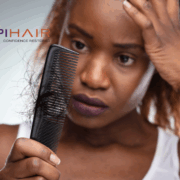
Reasons For Hair Loss In Women in Nashville, TN

Restore your confidence with personalized hair loss treatment options for women.

Hair loss is a common concern for many women, and it can significantly impact self-esteem and confidence. As a leading clinic in Nashville, TN, we understand the importance of addressing this issue with a comprehensive approach tailored to each individual. In this article, we’ll explore the various reasons for hair loss in women, shedding light on the potential factors and effective treatment options available to restore confidence and vitality.

Hair Loss

Hair loss, also known as alopecia, can occur due to a wide range of factors, both internal and external. Understanding the underlying causes is crucial in developing a personalized treatment plan that addresses the specific needs of each patient.

Hormonal Imbalance

Hormonal imbalance is often a significant factor in hair loss among women. Fluctuations in hormone levels, particularly during pregnancy, menopause, or as a result of conditions such as polycystic ovary syndrome (PCOS), can lead to excessive hair shedding.

Stress and Emotional Factors

Chronic stress and emotional turmoil can manifest physically, leading to conditions such as telogen effluvium, a form of hair loss triggered by significant emotional or physical stress. Managing stress is crucial in maintaining overall well-being and mitigating the impact on hair health.

Nutritional Deficiencies

A balanced and nutritious diet is essential for overall health, including the health of the hair. Deficiencies in essential nutrients such as iron, vitamins, and protein can contribute to hair thinning and loss. Identifying and addressing these deficiencies is vital for promoting hair regrowth.

Medical Conditions and Treatments

Certain medical conditions, such as thyroid disorders and autoimmune diseases, can contribute to hair loss in women. Additionally, undergoing treatments like chemotherapy can result in temporary or permanent hair loss. Understanding the implications of these conditions and treatments is crucial in managing hair loss effectively.

Genetic Predisposition

Genetics play a significant role in determining susceptibility to hair loss. Female-pattern hair loss, also known as androgenetic alopecia, can be inherited and typically results in gradual thinning of the hair over time. Recognizing the genetic predisposition to hair loss can guide treatment strategies for long-term management.

Environmental Factors

External factors such as exposure to pollutants, harsh chemicals, and UV radiation can impact the health of the scalp and hair, contributing to hair loss. Protecting the hair and scalp from environmental stressors is essential in maintaining healthy hair growth.

Effective Treatment Options

At our clinic, we offer a range of personalized treatment options to address hair loss in women. Our holistic approach focuses on identifying the root cause of hair loss and implementing tailored solutions for optimal results.

Topical Treatments and Therapies

Topical treatments and therapies, including minoxidil and low-level laser therapy, can stimulate hair follicles and promote regrowth. These options are suitable for addressing various forms of hair loss and can be integrated into a comprehensive treatment plan.

Nutritional Support and Supplements

Addressing nutritional deficiencies through dietary adjustments and targeted supplements can support hair health from within. Our team provides personalized nutritional guidance and recommendations for supplements to optimize hair regrowth and overall well-being.

Hormonal Management

For individuals experiencing hair loss due to hormonal imbalances, our clinic offers specialized hormonal management strategies to restore balance and alleviate the impact on hair health. Our approach is designed to address underlying hormonal issues while promoting healthy hair growth.

Innovative Hair Restoration Therapies

Advanced hair restoration therapies, such as platelet-rich plasma (PRP) therapy and hair transplant procedures, are available to restore thicker, fuller hair. These cutting-edge options offer long-lasting results and can effectively rejuvenate the hair and scalp.

Comprehensive Consultation and Individualized Care

We understand that each case of hair loss is unique, and our dedicated team provides comprehensive consultations and individualized care plans. From thorough evaluations to ongoing support, our goal is to empower women to regain confidence and achieve vibrant, healthy hair.

In summary

Hair loss in women can stem from a variety of factors, including hormonal imbalances, nutritional deficiencies, genetic predisposition, and environmental stressors. ddressing these underlying causes and providing personalized treatment options, our clinic in Nashville, TN, is committed to supporting women on their journey to restored hair health and confidence.
Symptoms Of Fatigue And Hair Loss In Women in Nolensville, TN

Combat fatigue and hair loss with our women’s wellness program.

Fatigue and hair loss are common concerns that women may experience at some point in their lives. These symptoms can be frustrating and may impact not only physical well-being but also emotional health. Understanding the potential connection between fatigue and hair loss is crucial for identifying underlying health issues and seeking appropriate care. In this article, we will explore the symptoms of fatigue and hair loss in women, shedding light on potential causes and treatments. If you are experiencing these symptoms, it may be time to seek professional guidance. This dynamic information aims to bring awareness and encourage action, serving as a valuable resource for women seeking answers and solutions to their health concerns.

Symptoms of Fatigue in Women

Fatigue or excessive tiredness is a common complaint among women. It can manifest in various ways, ranging from general tiredness to debilitating exhaustion. Recognizing the symptoms of fatigue is essential in addressing the underlying causes and seeking effective solutions. Here are some common indicators of fatigue in women:

– Persistent lack of energy

– Difficulty concentrating

– Muscle weakness

– Reduced physical or mental performance

– Feeling sleepy despite getting enough rest

– Irritability and mood swings

– Insomnia

– Chronic headaches

– Unexplained weight loss or gain

– Decreased immune function

These symptoms can significantly impact daily activities and overall quality of life, making it essential to explore the potential triggers of fatigue and develop strategies to combat it effectively.

Symptoms of Hair Loss in Women

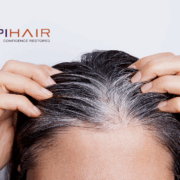
Hair loss, or alopecia, can be distressing and may affect women of various ages. Understanding the signs of hair loss can help women identify the issue early and seek appropriate treatment. Here are some common symptoms of hair loss in women:

– Thinning of hair, especially at the crown or along the part line

– Excessive hair shedding, leading to noticeable hair loss in the shower or on hairbrushes

– Receding hairline

– Small bald patches on the scalp

– Changes in hair texture, such as becoming brittle or fragile

– Visible scalp through the hair

While some degree of hair shedding is normal, persistent or excessive hair loss should be evaluated by a healthcare professional to determine the underlying cause and explore suitable interventions.

The Connection

Fatigue and hair loss can often be interconnected and may share common underlying causes. For women experiencing both symptoms simultaneously, it is essential to consider the potential links between the two. Several factors can contribute to both fatigue and hair loss, including:

– Hormonal imbalances: Fluctuations in estrogen and progesterone levels can impact both energy levels and hair health.

– Nutritional deficiencies: Inadequate intake of essential nutrients, such as iron, vitamin D, and protein, can contribute to fatigue and hair loss.

– Thyroid disorders: Conditions such as hypothyroidism or hyperthyroidism can lead to fatigue and hair thinning or loss.

– Stress: Chronic stress can not only cause fatigue but also trigger a type of hair loss called telogen effluvium.

– Autoimmune conditions: Disorders like alopecia areata or lupus can lead to both fatigue and hair loss as the body’s immune system attacks its tissues, including hair follicles.

Appreciating the potential connections between these symptoms can guide women in seeking comprehensive healthcare that addresses their overall well-being.

Seeking Professional Guidance

If you are experiencing persistent fatigue and hair loss, it is crucial to consult a healthcare professional for a thorough evaluation. Seeking the expertise of a healthcare provider can help identify the underlying causes of these symptoms and establish a tailored treatment plan. Diagnostic tests, including blood work and hormonal assessments, may be necessary to pinpoint the root cause of fatigue and hair loss. Based on the findings, healthcare providers can recommend targeted interventions, which may include:

– Dietary modifications to address nutritional deficiencies

– Hormonal therapies to balance hormone levels

– Stress management techniques such as mindfulness meditation or counseling

– Prescription medications or supplements to support hair growth and combat fatigue

– Lifestyle adjustments to promote overall well-being

By consulting with a healthcare provider, women can gain valuable insights into their health and access the support needed to address the symptoms of fatigue and hair loss effectively.

The essence

Fatigue and hair loss can be challenging for women, impacting not only their physical appearance but also their emotional well-being. ecognizing the symptoms and potential connections between these issues, women can take proactive steps to address their health concerns. Seeking professional guidance is essential in determining the underlying causes and developing personalized strategies for managing fatigue and promoting hair health. With the right approach, women can regain vitality and confidence, enhancing their overall quality of life.

Hormones AndHair Loss In Women in Franklin, TN

Discover how hormones impact hair loss. Expert insights available.

Hormones play a crucial role in various functions of the body, including hair growth and loss. For women, hormonal imbalances can lead to hair thinning and loss, posing a significant concern for many. Understanding the relationship between hormones and hair loss is essential for addressing this issue effectively. In this comprehensive guide, we will explore the impact of hormones on hair loss in women, delving into the underlying causes and potential treatment options. Whether you’re a fitness professional, bodybuilder, or simply seeking to better understand this issue, this article will provide valuable insights into the intricate connection between hormones and hair health.

Hormones and Hair Loss in Women

Hormones are chemical messengers that regulate various bodily functions, and imbalances in these hormones can have a profound impact on hair health. In women, specific hormones play a crucial role in maintaining the normal growth cycle of hair follicles. Understanding the following hormones and their influence on hair loss is essential for identifying and addressing potential issues:

– Estrogen: This hormone is responsible for promoting hair growth and maintaining the overall health of hair follicles. Fluctuations in estrogen levels, such as those experienced during pregnancy or menopause, can lead to hair thinning and increased shedding.

– Androgens: While often considered male hormones, androgens are also present in women and can influence hair growth. Elevated levels of androgens, such as dihydrotestosterone (DHT), can lead to miniaturization of hair follicles, resulting in hair thinning and eventual loss.

– Thyroid Hormones: The thyroid gland plays a crucial role in regulating metabolism and hormone production. Thyroid disorders, particularly hypothyroidism and hyperthyroidism, can disrupt the normal growth cycle of hair, leading to hair loss.

– Cortisol: Known as the stress hormone, cortisol levels can impact hair health. Chronic stress and high levels of cortisol can disrupt the normal hair growth cycle, leading to increased shedding and potential hair thinning.

Acknowledging the intricate balance of these hormones in the body is essential for identifying and addressing potential issues related to hair loss in women.

Causes of Hormonal Imbalance and Hair Loss

Several factors can contribute to hormonal imbalances that lead to hair loss in women, including:

– Menopause: The hormonal shifts that occur during menopause, particularly the reduction in estrogen levels, can lead to hair thinning and loss.

– Pregnancy: Changes in hormone levels during and after pregnancy can cause temporary hair loss known as postpartum shedding.

– Polycystic Ovary Syndrome (PCOS): This common endocrine disorder is characterized by elevated androgen levels, which can lead to hair thinning and male-pattern baldness in affected women.

– Thyroid Disorders: Conditions such as hypothyroidism and hyperthyroidism can disrupt the normal hair growth cycle, leading to hair loss.

– Stress: Chronic stress can disrupt the balance of hormones in the body, potentially leading to hair shedding and thinning.

Given the complex interplay of hormones and their impact on hair health, addressing the underlying causes of hormonal imbalances is crucial for mitigating hair loss in women.

Treatment Options for Hormonal Hair Loss

Addressing hormonal hair loss in women requires a multifaceted approach that targets the underlying hormonal imbalances as well as promotes hair regrowth. Some potential treatment options include:

– Hormone Replacement Therapy: For menopausal women experiencing hair loss due to estrogen depletion, hormone replacement therapy (HRT) may help restore hormone balance and improve hair health.

– Anti-Androgen Medications: For women with androgenic alopecia or PCOS-related hair loss, anti-androgen medications may help reduce the impact of androgens on hair follicles, promoting regrowth.

– Thyroid Medications: Treating underlying thyroid disorders with medications can help restore hormone balance and improve hair health.

– Stress Management: Implementing stress-reduction techniques such as meditation, yoga, and counseling can help regulate cortisol levels and mitigate the impact of chronic stress on hair health.

– Nutritional Supplements: Certain vitamins and minerals, such as biotin, vitamin D, and iron, play a vital role in maintaining healthy hair. Supplementing with these nutrients may support hair growth and overall hair health.

Consulting with a healthcare professional, such as an endocrinologist or dermatologist, is crucial for determining the most appropriate treatment options based on the individual’s specific hormonal profile and hair loss concerns.

Final considerations

Acknowledging the intricate relationship between hormones and hair loss in women is essential for addressing this common concern effectively. ecognizing the impact of hormones such as estrogen, androgens, thyroid hormones, and cortisol on hair health, individuals can take proactive steps to identify and address hormonal imbalances that contribute to hair loss. With a comprehensive approach that targets the underlying hormonal factors and promotes hair regrowth, women can mitigate the impact of hormonal hair loss and restore their hair’s vitality. If you’re experiencing hair loss related to hormonal imbalances, seeking professional guidance and exploring tailored treatment options can pave the way to healthier, fuller hair.