Tag Archive for: Hormone Replacement Therapy

Low Testosterone In Women’s Hair Loss in Brentwood, TN

Combat hair loss caused by low testosterone in women now.

Low testosterone in women can have various impacts on the body, one of which is hair loss. Women with low testosterone levels may experience thinning hair, bald patches, or overall hair loss. This condition can be distressing and may have an impact on a woman’s self-esteem and confidence. Understanding the link between low testosterone and hair loss is crucial in addressing the issue and seeking effective treatment. In this article, we’ll dive into the relationship between low testosterone and hair loss in women, exploring possible causes and potential solutions.

The Role of Testosterone in Women’s Health

Testosterone plays a crucial role in women’s health, despite being present in smaller amounts than in men. It is responsible for contributing to muscle mass, bone density, and overall energy levels. Testosterone also plays a significant role in the growth and maintenance of healthy hair. When levels of testosterone drop, whether due to age, hormonal imbalances, or other factors, it can lead to various symptoms, including hair loss.

Hair Loss in Women Due to Low Testosterone

Hair loss in women, though less common than in men, can be linked to low levels of testosterone. Testosterone contributes to the production of hair in the scalp, and a decline in this hormone can lead to hair thinning and loss. Additionally, low testosterone levels may also lead to an increase in the production of another hormone called dihydrotestosterone (DHT), which is associated with hair miniaturization and eventual follicle shrinkage. Understanding the nuanced relationship between testosterone, DHT, and hair follicles is crucial for addressing hair loss in women affected by low testosterone levels.

Causes of Low Testosterone in Women

Several factors can contribute to low testosterone levels in women, including:

– Aging: As women age, levels of testosterone naturally decline.

– Hormonal Imbalances: Conditions such as polycystic ovary syndrome (PCOS) and menopause can lead to hormonal imbalances, including low testosterone levels.

– Stress and Diet: Chronic stress and poor dietary habits can also impact hormone levels, including testosterone.

– Medical Conditions: Certain medical conditions or treatments, such as chemotherapy, can lead to decreased testosterone production.

Addressing Hair Loss Caused by Low Testosterone

Women experiencing hair loss due to low testosterone may explore various treatment options, including:

– Hormone Replacement Therapy: In some cases, hormone replacement therapy may be recommended to increase testosterone levels in women.

– Topical Treatments: Prescription and over-the-counter topical treatments, such as minoxidil, may be used to stimulate hair growth.

– Dietary Changes: Adopting a balanced diet and addressing any nutritional deficiencies can contribute to overall hormone balance and hair health.

– Stress Management: Implementing stress-reducing techniques can help in maintaining hormone levels and reducing the impact of hair loss.

It’s important for women experiencing hair loss related to low testosterone to consult with healthcare professionals to identify the underlying cause and explore suitable treatment options.

Schedule Appointment

Realizing the link between low testosterone and hair loss in women is essential for both individuals experiencing these symptoms and healthcare professionals. ecognizing the potential causes and exploring effective treatment options, women can proactively address hair loss and its underlying hormonal factors. Seeking guidance from healthcare providers and adopting a holistic approach to wellness can contribute to improved hair health and overall well-being.
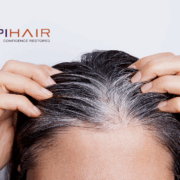
Low Testosterone In Women’s Hair Loss in Brentwood, TN

Combat hair loss caused by low testosterone in women now.

Low testosterone in women can have various impacts on the body, one of which is hair loss. Women with low testosterone levels may experience thinning hair, bald patches, or overall hair loss. This condition can be distressing and may have an impact on a woman’s self-esteem and confidence. Understanding the link between low testosterone and hair loss is crucial in addressing the issue and seeking effective treatment. In this article, we’ll dive into the relationship between low testosterone and hair loss in women, exploring possible causes and potential solutions.

The Role of Testosterone in Women’s Health

Testosterone plays a crucial role in women’s health, despite being present in smaller amounts than in men. It is responsible for contributing to muscle mass, bone density, and overall energy levels. Testosterone also plays a significant role in the growth and maintenance of healthy hair. When levels of testosterone drop, whether due to age, hormonal imbalances, or other factors, it can lead to various symptoms, including hair loss.

Hair Loss in Women Due to Low Testosterone

Hair loss in women, though less common than in men, can be linked to low levels of testosterone. Testosterone contributes to the production of hair in the scalp, and a decline in this hormone can lead to hair thinning and loss. Additionally, low testosterone levels may also lead to an increase in the production of another hormone called dihydrotestosterone (DHT), which is associated with hair miniaturization and eventual follicle shrinkage. Understanding the nuanced relationship between testosterone, DHT, and hair follicles is crucial for addressing hair loss in women affected by low testosterone levels.

Causes of Low Testosterone in Women

Several factors can contribute to low testosterone levels in women, including:

– Aging: As women age, levels of testosterone naturally decline.

– Hormonal Imbalances: Conditions such as polycystic ovary syndrome (PCOS) and menopause can lead to hormonal imbalances, including low testosterone levels.

– Stress and Diet: Chronic stress and poor dietary habits can also impact hormone levels, including testosterone.

– Medical Conditions: Certain medical conditions or treatments, such as chemotherapy, can lead to decreased testosterone production.

Addressing Hair Loss Caused by Low Testosterone

Women experiencing hair loss due to low testosterone may explore various treatment options, including:

– Hormone Replacement Therapy: In some cases, hormone replacement therapy may be recommended to increase testosterone levels in women.

– Topical Treatments: Prescription and over-the-counter topical treatments, such as minoxidil, may be used to stimulate hair growth.

– Dietary Changes: Adopting a balanced diet and addressing any nutritional deficiencies can contribute to overall hormone balance and hair health.

– Stress Management: Implementing stress-reducing techniques can help in maintaining hormone levels and reducing the impact of hair loss.

It’s important for women experiencing hair loss related to low testosterone to consult with healthcare professionals to identify the underlying cause and explore suitable treatment options.

Schedule Appointment

Realizing the link between low testosterone and hair loss in women is essential for both individuals experiencing these symptoms and healthcare professionals. ecognizing the potential causes and exploring effective treatment options, women can proactively address hair loss and its underlying hormonal factors. Seeking guidance from healthcare providers and adopting a holistic approach to wellness can contribute to improved hair health and overall well-being.
HormonalHair Loss In Women in Nolensville, TN

Combat hormonal hair loss with our expert treatment solutions today!

Hair loss is a common condition that affects women of all ages, and hormonal imbalances can play a significant role in this issue. Understanding the underlying causes and potential solutions for hormonal hair loss is crucial for women who are experiencing this distressing condition. In this comprehensive guide, we will delve into the intricacies of hormonal hair loss in women, covering everything from the physiological mechanisms at play to the available treatment options. By the end, you will have a thorough acknowledging of this issue, empowering you to make informed decisions about your hair health.

Hormonal Imbalances and Hair Loss

Hormonal imbalances can have a profound impact on the health of a woman’s hair. Fluctuations in hormone levels, particularly related to estrogen, progesterone, and testosterone, can disrupt the hair growth cycle, leading to thinning, shedding, and reduced hair density. Understanding the specific hormonal factors at play is crucial in formulating effective treatment strategies for hormonal hair loss.

The Role of Androgens

Androgens, commonly referred to as male hormones, are present in both men and women and play a crucial role in regulating many physiological processes, including hair growth. However, when androgen levels become imbalanced, it can lead to conditions such as androgenetic alopecia, or female pattern hair loss. This condition is characterized by a gradual reduction in hair volume, particularly in the frontal and crown areas of the scalp. Examining the interplay between androgens and hair follicles is essential in acknowledging the mechanisms of hormonal hair loss.

Thyroid Dysfunction and Hair Loss

The thyroid gland plays a vital role in regulating metabolism and hormone production. When the thyroid malfunctions, it can lead to an array of symptoms, including hair loss. Both an underactive thyroid (hypothyroidism) and an overactive thyroid (hyperthyroidism) can disrupt the delicate balance of hormones in the body, contributing to hair thinning and brittleness. Exploring the correlation between thyroid function and hair health is crucial in addressing hair loss related to thyroid dysfunction.

Menopause and Hair Loss

Menopause represents a significant hormonal shift for women, as estrogen and progesterone levels decline. This decrease in hormone production can have a direct impact on the hair growth cycle, leading to increased shedding and reduced hair density. Understanding the hormonal changes associated with menopause and their effects on hair follicles is essential in developing holistic treatment approaches for menopausal hair loss.

Treatment Options for Hormonal Hair Loss

When addressing hormonal hair loss in women, a multifaceted approach is often necessary to yield optimal results. Treatment options may include:

– Hormone Replacement Therapy (HRT): Balancing hormone levels through HRT can help mitigate the effects of hormonal imbalances on hair health.

– Topical Minoxidil: This over-the-counter medication can promote hair regrowth and increase hair density by stimulating hair follicles.

– Nutrition and Supplements: Supporting overall hair health through a balanced diet and targeted nutritional supplements can help address hormonal imbalances affecting hair growth.

– Lifestyle Modifications: Stress management and lifestyle adjustments can play a pivotal role in restoring hormonal balance and mitigating hair loss.

Concluding concepts

Hormonal hair loss in women is a complex issue with multifaceted causes and potential solutions. By gaining a deeper acknowledging of the hormonal factors influencing hair health, women can take proactive steps to address and manage this condition. Whether it involves hormonal therapies, lifestyle modifications, or targeted treatments, there are avenues for effectively mitigating hormonal hair loss and rejuvenating hair vitality.

HormonalHair Loss In Women in Nolensville, TN

Combat hormonal hair loss with our expert treatment solutions today!

Hair loss is a common condition that affects women of all ages, and hormonal imbalances can play a significant role in this issue. Understanding the underlying causes and potential solutions for hormonal hair loss is crucial for women who are experiencing this distressing condition. In this comprehensive guide, we will delve into the intricacies of hormonal hair loss in women, covering everything from the physiological mechanisms at play to the available treatment options. By the end, you will have a thorough acknowledging of this issue, empowering you to make informed decisions about your hair health.

Hormonal Imbalances and Hair Loss

Hormonal imbalances can have a profound impact on the health of a woman’s hair. Fluctuations in hormone levels, particularly related to estrogen, progesterone, and testosterone, can disrupt the hair growth cycle, leading to thinning, shedding, and reduced hair density. Understanding the specific hormonal factors at play is crucial in formulating effective treatment strategies for hormonal hair loss.

The Role of Androgens

Androgens, commonly referred to as male hormones, are present in both men and women and play a crucial role in regulating many physiological processes, including hair growth. However, when androgen levels become imbalanced, it can lead to conditions such as androgenetic alopecia, or female pattern hair loss. This condition is characterized by a gradual reduction in hair volume, particularly in the frontal and crown areas of the scalp. Examining the interplay between androgens and hair follicles is essential in acknowledging the mechanisms of hormonal hair loss.

Thyroid Dysfunction and Hair Loss

The thyroid gland plays a vital role in regulating metabolism and hormone production. When the thyroid malfunctions, it can lead to an array of symptoms, including hair loss. Both an underactive thyroid (hypothyroidism) and an overactive thyroid (hyperthyroidism) can disrupt the delicate balance of hormones in the body, contributing to hair thinning and brittleness. Exploring the correlation between thyroid function and hair health is crucial in addressing hair loss related to thyroid dysfunction.

Menopause and Hair Loss

Menopause represents a significant hormonal shift for women, as estrogen and progesterone levels decline. This decrease in hormone production can have a direct impact on the hair growth cycle, leading to increased shedding and reduced hair density. Understanding the hormonal changes associated with menopause and their effects on hair follicles is essential in developing holistic treatment approaches for menopausal hair loss.

Treatment Options for Hormonal Hair Loss

When addressing hormonal hair loss in women, a multifaceted approach is often necessary to yield optimal results. Treatment options may include:

– Hormone Replacement Therapy (HRT): Balancing hormone levels through HRT can help mitigate the effects of hormonal imbalances on hair health.

– Topical Minoxidil: This over-the-counter medication can promote hair regrowth and increase hair density by stimulating hair follicles.

– Nutrition and Supplements: Supporting overall hair health through a balanced diet and targeted nutritional supplements can help address hormonal imbalances affecting hair growth.

– Lifestyle Modifications: Stress management and lifestyle adjustments can play a pivotal role in restoring hormonal balance and mitigating hair loss.

Concluding concepts

Hormonal hair loss in women is a complex issue with multifaceted causes and potential solutions. By gaining a deeper acknowledging of the hormonal factors influencing hair health, women can take proactive steps to address and manage this condition. Whether it involves hormonal therapies, lifestyle modifications, or targeted treatments, there are avenues for effectively mitigating hormonal hair loss and rejuvenating hair vitality.

Low Testosterone Women’s Hair Loss in Brentwood, TN

Combat hair loss due to low testosterone levels. Trusted solutions available.

Hair loss can be a distressing experience for anyone, and for women with low testosterone levels, it can be a particularly challenging issue. Understanding the connection between low testosterone and hair loss is crucial for addressing this concern effectively. At our clinic in Brentwood, TN, we specialize in providing comprehensive care for women dealing with hormonal imbalances and their associated effects, including hair loss. In this article, we will delve into the intricate relationship between low testosterone levels and hair loss in women, exploring potential causes, symptoms, and treatment options. Our goal is to empower women, including bodybuilders, to make informed decisions about their health and seek the support they need to address low testosterone-related hair loss effectively.

The Link Between Testosterone and Hair Loss

Beyond its association with male characteristics, testosterone plays a vital role in various bodily functions for both men and women. Testosterone influences hair growth and maintenance, and its deficiency can result in noticeable changes in hair density and texture. In women, low testosterone levels can lead to thinning hair, hair loss, and decreases in overall hair volume. Understanding the impact of low testosterone on hair health is essential for effectively addressing hair loss concerns in women.

Symptoms of Low Testosterone-related Hair Loss

– Thinning of hair on the scalp

– Decreased hair volume and density

– Noticeable hair shedding or hair loss

– Changes in hair texture and quality

– Difficulty in regrowth of hair

Factors Contributing to Low Testosterone in Women

Several factors can contribute to low testosterone levels in women, which in turn can lead to hair loss. Hormonal imbalances, medical conditions, and lifestyle factors can all play a role in diminishing testosterone levels. Understanding these contributing factors is critical in addressing the root cause of low testosterone and its effects on hair health in women.

Medical Conditions: Certain medical conditions, such as polycystic ovary syndrome (PCOS), can cause hormonal imbalances, leading to decreased testosterone levels in women.

Menopause: The natural decline in hormone levels during menopause can result in low testosterone, affecting various aspects of a woman’s health, including hair growth and maintenance.

Stress and Lifestyle: Chronic stress, poor nutrition, and inadequate exercise can also contribute to hormonal imbalances, potentially leading to low testosterone levels and associated hair loss in women.

Effective Treatment Options for Low Testosterone-related Hair Loss

Addressing low testosterone-related hair loss in women requires a multifaceted approach, considering both hormonal interventions and lifestyle modifications. Combining medical expertise with holistic care can significantly improve hair health and overall well-being for women dealing with this issue.

Hormone Replacement Therapy (HRT): In cases where low testosterone levels are a contributing factor to hair loss, hormone replacement therapy under the guidance of a qualified healthcare provider can help restore hormonal balance and alleviate hair loss symptoms.

Nutritional Support: A balanced diet rich in essential nutrients, including protein, vitamins, and minerals, is crucial for promoting healthy hair growth and combating the effects of low testosterone on hair health.

Stress Management: Implementing stress-reducing practices, such as mindfulness meditation, yoga, or regular physical activity, can help mitigate the impact of chronic stress on hormone levels and hair health.

Topical Treatments: Certain topical solutions and serums formulated to support hair growth and follicle health can be beneficial in addressing the visible effects of low testosterone-related hair loss in women.

Laser Therapy: Low-level laser therapy has shown promise in promoting hair regrowth and increasing hair density in individuals experiencing hair loss related to hormonal imbalances.

Overall

Addressing hair loss linked to low testosterone in women requires a comprehensive knowing of the hormonal factors at play, coupled with personalized treatment strategies to restore hair health effectively. ecognizing the impact of low testosterone levels on hair density, texture, and volume, women can take proactive steps to address this concern and seek professional support to achieve optimal results. At our clinic in Brentwood, TN, we are committed to providing tailored care for women experiencing low testosterone-related hair loss, empowering them to regain confidence and embrace healthier, fuller hair.

Low Testosterone Women’s Hair Loss in Brentwood, TN

Combat hair loss due to low testosterone levels. Trusted solutions available.

Hair loss can be a distressing experience for anyone, and for women with low testosterone levels, it can be a particularly challenging issue. Understanding the connection between low testosterone and hair loss is crucial for addressing this concern effectively. At our clinic in Brentwood, TN, we specialize in providing comprehensive care for women dealing with hormonal imbalances and their associated effects, including hair loss. In this article, we will delve into the intricate relationship between low testosterone levels and hair loss in women, exploring potential causes, symptoms, and treatment options. Our goal is to empower women, including bodybuilders, to make informed decisions about their health and seek the support they need to address low testosterone-related hair loss effectively.

The Link Between Testosterone and Hair Loss

Beyond its association with male characteristics, testosterone plays a vital role in various bodily functions for both men and women. Testosterone influences hair growth and maintenance, and its deficiency can result in noticeable changes in hair density and texture. In women, low testosterone levels can lead to thinning hair, hair loss, and decreases in overall hair volume. Understanding the impact of low testosterone on hair health is essential for effectively addressing hair loss concerns in women.

Symptoms of Low Testosterone-related Hair Loss

– Thinning of hair on the scalp

– Decreased hair volume and density

– Noticeable hair shedding or hair loss

– Changes in hair texture and quality

– Difficulty in regrowth of hair

Factors Contributing to Low Testosterone in Women

Several factors can contribute to low testosterone levels in women, which in turn can lead to hair loss. Hormonal imbalances, medical conditions, and lifestyle factors can all play a role in diminishing testosterone levels. Understanding these contributing factors is critical in addressing the root cause of low testosterone and its effects on hair health in women.

Medical Conditions: Certain medical conditions, such as polycystic ovary syndrome (PCOS), can cause hormonal imbalances, leading to decreased testosterone levels in women.

Menopause: The natural decline in hormone levels during menopause can result in low testosterone, affecting various aspects of a woman’s health, including hair growth and maintenance.

Stress and Lifestyle: Chronic stress, poor nutrition, and inadequate exercise can also contribute to hormonal imbalances, potentially leading to low testosterone levels and associated hair loss in women.

Effective Treatment Options for Low Testosterone-related Hair Loss

Addressing low testosterone-related hair loss in women requires a multifaceted approach, considering both hormonal interventions and lifestyle modifications. Combining medical expertise with holistic care can significantly improve hair health and overall well-being for women dealing with this issue.

Hormone Replacement Therapy (HRT): In cases where low testosterone levels are a contributing factor to hair loss, hormone replacement therapy under the guidance of a qualified healthcare provider can help restore hormonal balance and alleviate hair loss symptoms.

Nutritional Support: A balanced diet rich in essential nutrients, including protein, vitamins, and minerals, is crucial for promoting healthy hair growth and combating the effects of low testosterone on hair health.

Stress Management: Implementing stress-reducing practices, such as mindfulness meditation, yoga, or regular physical activity, can help mitigate the impact of chronic stress on hormone levels and hair health.

Topical Treatments: Certain topical solutions and serums formulated to support hair growth and follicle health can be beneficial in addressing the visible effects of low testosterone-related hair loss in women.

Laser Therapy: Low-level laser therapy has shown promise in promoting hair regrowth and increasing hair density in individuals experiencing hair loss related to hormonal imbalances.

Overall

Addressing hair loss linked to low testosterone in women requires a comprehensive knowing of the hormonal factors at play, coupled with personalized treatment strategies to restore hair health effectively. ecognizing the impact of low testosterone levels on hair density, texture, and volume, women can take proactive steps to address this concern and seek professional support to achieve optimal results. At our clinic in Brentwood, TN, we are committed to providing tailored care for women experiencing low testosterone-related hair loss, empowering them to regain confidence and embrace healthier, fuller hair.

Low Testosterone Women’s Hair Loss in La Vergne, TN

Combat hair loss with expert solutions for women. Book now.

As women, we often associate hair loss with aging or genetics. However, there is another culprit that can significantly contribute to hair thinning and loss in women – low testosterone. This hormonal imbalance can wreak havoc on a woman’s physical and emotional well-being, yet it is often overlooked and misunderstood. In this comprehensive guide, we will explore the relationship between low testosterone and hair loss in women and provide insights into how our clinic in La Vergne, TN, can help address this issue effectively.

Acknowledging Low Testosterone in Women

Low testosterone, also known as hypoandrogenism, is a condition characterized by an insufficient level of testosterone in the female body. Testosterone, typically associated with male physiology, plays a crucial role in women’s health as well. It contributes to muscle mass, bone density, libido, and overall sense of well-being. When testosterone levels dip below the normal range in women, it can lead to a myriad of symptoms, including hair loss.

The Link Between Low Testosterone and Hair Loss

While testosterone is not the primary hormone responsible for hair growth in women, it does play a vital role in maintaining the health of hair follicles. Testosterone, along with its derivative dihydrotestosterone (DHT), supports the growth and maintenance of hair by promoting follicle cell proliferation and preventing miniaturization. When testosterone levels are low, the hair follicles may become more susceptible to miniaturization, resulting in thinning and eventual hair loss.

Additionally, low testosterone levels can disrupt the natural hair growth cycle, leading to an increase in shedding and a decrease in the regrowth of new hairs. This imbalance in the hair growth cycle can manifest as overall hair thinning, decreased hair density, and even the development of male-pattern baldness in some cases.

Recognizing the Signs of Low Testosterone-Related Hair Loss

Symptoms of low testosterone-related hair loss in women may not always be immediately apparent, as they can overlap with other common causes of hair thinning, such as genetics or stress. However, the following signs may indicate a potential link between low testosterone levels and hair loss:

– Gradual thinning of the hair, particularly on the crown or top of the head

– Increased shedding of hair during routine activities, such as washing or brushing

– Noticeable decrease in overall hair density and volume

– Changes in hair texture, such as increased brittleness or dryness

If you are experiencing any of these symptoms or suspect that low testosterone may be contributing to your hair loss, seeking a professional evaluation at our clinic in La Vergne, TN, is crucial to knowing and addressing the underlying cause.

Treatment Options for Low Testosterone-Related Hair Loss

It’s essential to approach the treatment of low testosterone-related hair loss from a comprehensive perspective. At our clinic in La Vergne, TN, we offer personalized treatment plans that address both the hormonal imbalances and the specific needs of your hair and scalp. Some of the treatment options we provide include:

– Hormone Replacement Therapy: This approach involves restoring testosterone levels to a healthy range through the use of bioidentical hormone replacement therapy (BHRT). eplenishing the body’s testosterone levels, we can help mitigate the impact of low testosterone on hair health and overall well-being.
– Scalp Treatments: Our clinic offers advanced scalp treatments aimed at nourishing the hair follicles, stimulating circulation, and promoting a healthy environment for hair growth. These treatments can help counteract the effects of low testosterone on the scalp and support the regrowth of thicker, healthier hair.

– Nutritional Support: Proper nutrition plays a vital role in maintaining healthy hair. Our clinic provides guidance on dietary adjustments and nutritional supplements that can support hair growth and combat the effects of low testosterone on hair health.

By combining these approaches and customizing them to each individual’s unique needs, we can effectively address the underlying hormonal imbalances while promoting the restoration of healthy and vibrant hair.

Final thoughts

Low testosterone-related hair loss in women is a complex and often overlooked issue that can have profound effects on one’s self-esteem and quality of life. nderstanding the link between low testosterone and hair loss and seeking comprehensive treatment tailored to individual needs, women can reclaim healthy, lustrous hair and regain confidence in their appearance. Our clinic in La Vergne, TN, is dedicated to providing specialized care and support for women experiencing low testosterone-related hair loss, empowering them to embrace their natural beauty with confidence and vitality.

We Provide Personalized Hair Loss Solutions in Nashville

Peptide And Hormone Replacement Therapy

Peptide and Hormone Replacement Therapy: Empowering Women to Reclaim Hair Health

Welcome to the forefront of hair science where advancements in peptide and hormone replacement therapies provide new hope for those seeking to address hair loss. At HPIHair in Nashville, we understand the impact that hair loss can have on individuals, especially for women. Our commitment is to offer cutting-edge, physician-supported treatments that empower you to reclaim your hair health. As you delve into the world of peptide and hormone replacement therapy, we aim to provide clarity by addressing some of the frequently asked questions to guide your journey towards exploring these innovative solutions.

Peptide Therapy

Peptide therapy has emerged as a promising avenue for addressing hair loss by harnessing the potential of specific peptides to influence biological processes that are crucial for hair regrowth and overall wellness. Below, we address some of the common inquiries regarding peptide therapy:

– How Does Peptide Therapy Work for Hair Loss?

– Peptide therapy utilizes short chains of amino acids, known as peptides, to target and influence specific biological processes involved in hair growth and restoration. These peptides may contribute to improved tissue repair, enhanced immune function, and optimized overall wellness, thereby supporting hair regrowth.

– What are the Potential Benefits of Peptide Therapy for Hair Loss?

– Peptide therapy offers the potential for stimulating hair follicles, promoting a healthy scalp environment, and supporting overall hair health. By targeting underlying biological processes involved in hair regrowth, peptide therapy may provide a holistic approach to addressing hair loss.

– What Results Can Women Expect from Peptide Therapy?

– While individual results can vary based on factors such as the extent of hair loss and overall health, many women have experienced improved hair density, enhanced hair quality, and a more vibrant scalp appearance through peptide therapy. Consulting with healthcare professionals can provide personalized insights into the potential outcomes for individual cases.

Exploring Hormone Replacement Therapy

In addition to peptide therapy, hormone replacement therapy (HRT) can also play a pivotal role in addressing hair loss, especially for women experiencing hormonal imbalances that contribute to the condition. Here, we provide insights into the role of HRT in supporting hair health:

– How Does Hormonal Imbalance Contribute to Hair Loss in Women?

– Hormonal imbalances, particularly fluctuations in estrogen, progesterone, and testosterone levels, can disrupt the hair growth cycle, leading to thinning, shedding, and reduced hair volume. Hormone replacement therapy aims to restore hormonal balance, thereby addressing one of the underlying causes of hair loss.

– What Are the Potential Benefits of Hormone Replacement Therapy for Hair Loss?

– For women experiencing hair loss associated with hormonal imbalances, hormone replacement therapy offers the potential to restore healthy hair growth patterns, halt excessive shedding, and promote fuller, thicker hair. ddressing the root cause through hormonal balance, HRT can play a vital role in revitalizing hair health.

– Is Hormone Replacement Therapy Safe for Women?

– When administered under the guidance of healthcare professionals, hormone replacement therapy can be safe and effective in addressing hair loss related to hormonal imbalances. Comprehensive evaluations, personalized treatment plans, and ongoing monitoring are essential components of safe and successful hormone replacement therapy for women.

Navigating Your Personalized Hair Restoration Journey

As a woman researching peptide and hormone replacement therapy, you are taking an important step towards acknowledging and addressing the factors contributing to your hair loss. At HPIHair, we acknowledge the significance of tailored, evidence-based solutions in empowering women to reclaim their hair health. Through our personalized approach, we strive to provide the following assurances:

– Individualized Treatment Plans: Our team works closely with you to develop treatment plans that consider your unique needs, hair restoration goals, and overall health profile. By tailoring our approach to your specific requirements, we aim to maximize the effectiveness and satisfaction of your hair restoration journey.

– Physician-Supported Care: With experienced trichologists and hair loss specialists guiding your treatment, you can trust in the expertise and support offered by our healthcare professionals. Rest assured that your journey towards hair restoration is backed by comprehensive clinical knowledge and a commitment to your well-being.

– Holistic Wellness Integration: Beyond addressing hair loss, our treatments are designed to support your overall wellness, encompassing aspects such as scalp health, immune function, and hormonal balance. Our holistic approach acknowledges the interconnectedness of various physiological factors in optimizing hair health.

Schedule Session Today!

At HPIHair in Nashville, we recognize the importance of equipping women with the knowledge and resources to make informed decisions about their hair health. Peptide and hormone replacement therapies represent valuable avenues for addressing hair loss from an evidence-based, personalized perspective. Through the guidance of our experienced team and a commitment to empowering you along your hair restoration journey, we invite you to discover the transformative potential of these innovative therapies.

Schedule a Session Today to Begin Your Hair Restoration Journey!

Unlocking Hair Regrowth Potential Through Peptide Therapy

Peptide And Hormone Replacement Therapy

At HPIHair in Nashville, we offer personalized, physician-supported solutions rooted in science to help you address the underlying causes of hair loss. Our team of trichologists and hair loss specialists work with you to develop a clinically-based, individualized treatment plan tailored to your unique needs, whether you’re in the early stages of hair loss or seeking full restoration. With over 30 years of success in helping people regrow their hair, it’s no wonder that physicians trust us with their patients’ care. One promising option we offer is peptide therapy, a rapidly developing field that uses specific peptidesshort chains of amino acidsto potentially influence biological processes like tissue repair, immune function, and overall wellness. Though peptide therapy shows promise in supporting hair regrowth, individual results can vary, so it’s essential to consult with healthcare professionals to determine how this treatment may align with your personal health goals. Experience the power of hair science for yourselfget started on your journey today.

Unlocking the Power of Peptide Therapy

Peptide Therapy

– Peptide therapy is a cutting-edge treatment that utilizes short chains of amino acids, known as peptides, to target specific biological processes in the body.

– These peptides can potentially influence functions such as tissue repair, immune response, and hormonal balance, offering a holistic approach to addressing hair loss at its core.

How Peptide Therapy Can Benefit Women with Hair Loss

– Tailored Solutions: Peptide therapy offers personalized treatment plans that align with your unique health and wellness goals, addressing the specific concerns associated with female hair loss.

– Hormonal Balance: Peptides can play a role in rebalancing hormonal fluctuations, which is often a contributing factor in female pattern hair loss.

– Enhanced Blood Circulation: Certain peptides can promote improved blood circulation to the scalp, fostering a healthier environment for hair follicles to thrive.

Consulting with a Healthcare Professional

– Individualized Assessment: Prior to initiating peptide therapy, it’s crucial to consult with a healthcare professional to undergo a thorough evaluation of your health history, lifestyle, and hair loss concerns.

– Customized Treatment: A healthcare professional can develop a personalized peptide therapy plan tailored to your specific needs, ensuring the safest and most effective approach to regaining hair health.

Empowering Female Patients with Effective Solutions

Combining Peptide Therapy with Hormone Replacement

– Comprehensive Approach: For women experiencing hair loss related to hormonal imbalances, the combination of peptide therapy and hormone replacement offers a comprehensive strategy to address the underlying causes.

– Targeted Intervention: By targeting both hormonal irregularities and promoting tissue repair and hair growth, this combination approach offers a multifaceted solution for female hair loss.

Professional Guidance

– Safety and Efficacy: When considering peptide and hormone replacement therapies, partnering with qualified healthcare professionals ensures the safety and efficacy of these treatments, providing peace of mind for women seeking hair restoration.

– Ongoing Support: Working with a team of experienced professionals allows for continuous monitoring and adjustments to treatment plans, ensuring optimal results and long-term hair health.

Unleash the Potential of Peptide and Hormone Replacement Therapies

Seeking Solutions Tailored to Women’s Unique Needs

Reclaiming your confidence and embracing healthy, vibrant hair is a journey that begins with realizing and exploring the transformative potential of peptide and hormone replacement therapies. Whether you’re navigating early signs of hair loss or seeking a comprehensive approach to hair restoration, our team at HPIHair is dedicated to empowering women with personalized, science-based solutions. Take the first step towards revitalizing your hair health by scheduling a consultation with our experienced professionals today.

Unlocking Hair Power: Peptide and Hormone Replacement Therapy

Peptide And Hormone Replacement Therapy

At HPIHair in Nashville, we offer personalized, physician-supported solutions rooted in science to help you address the underlying causes of hair loss. Our team of trichologists and hair loss specialists work with you to develop a clinically-based, individualized treatment plan tailored to your unique needs, whether you’re in the early stages of hair loss or seeking full restoration. With over 30 years of success in helping people regrow their hair, it’s no wonder that physicians trust us with their patients’ care.

The Promise of Peptide Therapy: Enhancing Biological Processes for Hair Regrowth

Peptide therapy represents a groundbreaking approach to combatting hair loss by leveraging the potential influence of specific peptides on biological processes. Peptides, short chains of amino acids, have been shown to play significant roles in tissue repair, immune function, and overall wellness. At HPIHair, we’re at the forefront of this rapidly developing field, offering access to the latest advancements in peptide therapy to support your journey towards hair regrowth.

– Peptides and Tissue Repair: Certain peptides have demonstrated the ability to stimulate collagen production and enhance skin and hair follicle regeneration, contributing to the overall improvement in hair health and growth.

– Immune Function Modulation: Select peptides exhibit the potential to modulate immune responses, potentially reducing inflammation and addressing underlying immune-related factors contributing to hair loss.

– Overall Wellness Influence: Peptide therapy may promote overall wellness by unlocking the potential for improved cellular functions and metabolic processes, indirectly benefiting hair health and growth.

Individualized Results and Consultation: Unlocking Your Personalized Hair Regrowth Journey

While peptide therapy shows significant promise in supporting hair regrowth, individual results can vary based on a range of factors, including overall health, genetic predispositions, and the specific underlying causes of hair loss. Therefore, it’s essential to consult with our expert healthcare professionals at HPIHair to determine how this innovative treatment aligns with your personal health goals. Through personalized consultations, our team can craft a tailored peptide therapy plan to address your unique needs, offering you the expertise and guidance necessary to maximize the potential benefits of this groundbreaking treatment.

– Comprehensive Assessment: Our team conducts a thorough assessment to understand your specific hair loss concerns, medical history, and lifestyle factors to inform the development of your personalized peptide therapy plan.

– Personalized Treatment Plan: Leveraging the insights from your assessment, our healthcare professionals create an individualized peptide therapy plan designed to address the underlying causes of your hair loss and optimize the potential for regrowth.

– Ongoing Support and Monitoring: Throughout your peptide therapy journey, you’ll receive continuous support, monitoring, and adjustments as needed to ensure that you’re progressing towards your hair regrowth goals.

Experience the Power of Hair Science: Embark on Your Hair Regrowth Journey

Are you ready to take the first step towards unlocking the potential of peptide therapy for hair regrowth? Our team at HPIHair is dedicated to empowering you with scientifically-based solutions that harness the transformative power of hair science. By scheduling a consultation with our experienced healthcare professionals, you can embark on a personalized journey towards addressing the underlying causes of your hair loss and achieving the hair regrowth you desire. Experience the efficacy and promise of peptide therapy for yourself and witness the transformation in your hair health.

Schedule a Session Today

Embark on your personalized hair regrowth journey by scheduling a consultation with our expert healthcare professionals at HPIHair. Experience the transformative potential of peptide therapy and unlock the power of hair science for effective hair regrowth solutions. Contact us today to get started on your path towards reclaiming your confidence and revitalizing your hair health.