Tag Archive for: Low Testosterone Women

Low Testosterone Women’s Hair Loss in Franklin, TN

Combat hair loss with our low testosterone treatment for women.

Low testosterone levels can have a profound impact on a woman’s body, leading to various symptoms like fatigue, decreased muscle mass, and even hair loss. While testosterone is often associated with male characteristics, it plays a crucial role in a woman’s overall health as well. Understanding the link between low testosterone and hair loss is essential for female bodybuilders and fitness enthusiasts looking to maintain a healthy and balanced lifestyle. In this comprehensive guide, we will explore the connection between low testosterone levels and hair loss in women, as well as potential solutions to address this issue.

Testosterone and Hair Loss

Testosterone, often referred to as the male hormone, is a natural hormone present in both men and women. While women have lower levels of testosterone compared to men, it still plays a crucial role in various bodily functions, including the growth and maintenance of hair. Testosterone helps to stimulate hair follicles, contributing to the growth of healthy and strong hair.

When testosterone levels in the body decrease, especially below the normal range, it can lead to a condition known as female androgenic alopecia, which is characterized by gradual hair thinning and loss. This condition can be particularly concerning for female bodybuilders and fitness enthusiasts, as maintaining a healthy and vibrant appearance is often a priority in the industry.

Symptoms of Low Testosterone in Women and Hair Loss

Identifying the symptoms of low testosterone in women is crucial in addressing potential hair loss concerns. Some common signs of low testosterone levels in women include:

* Fatigue and decreased energy levels

* Decreased muscle mass and strength

* Weight gain and difficulty in losing weight

* Irregular menstrual cycles

* Mood swings and irritability

* Hair thinning and loss

Hair thinning and loss, in particular, can be a distressing symptom for many women, affecting their confidence and self-esteem. Understanding the correlation between low testosterone and hair loss can empower female bodybuilders and fitness enthusiasts to take proactive measures to address these concerns.

Addressing Low Testosterone and Hair Loss in Women

For women experiencing hair loss due to low testosterone levels, it is essential to explore potential solutions to maintain healthy and vibrant hair. While seeking professional medical advice is crucial, there are several strategies and treatments that can be considered:

* Hormone replacement therapy: This treatment involves supplementing the body with the necessary hormones, including testosterone, to restore balance and alleviate symptoms such as hair loss.

* Nutritional supplements: Certain vitamins and minerals, such as biotin, zinc, and iron, play a significant role in maintaining healthy hair. Incorporating these supplements into the diet may help support hair growth and thickness.

* Lifestyle modifications: Engaging in regular exercise, managing stress levels, and following a balanced diet can positively impact hormone levels and overall hair health.

Acknowledging the underlying causes of low testosterone and hair loss in women can guide individuals in making informed decisions about their overall health and well-being. ddressing these concerns, female bodybuilders and fitness enthusiasts can prioritize their hair health alongside their physical fitness goals.

Final thoughts

Recognizing the impact of low testosterone on hair loss in women is vital for individuals in the fitness industry, especially for female bodybuilders and fitness enthusiasts. nderstanding the symptoms of low testosterone and exploring potential solutions, women can take proactive steps to address hair loss concerns and maintain a healthy and vibrant appearance. Seeking professional guidance and incorporating lifestyle modifications can significantly contribute to managing low testosterone levels and promoting overall well-being.

Female bodybuilders and fitness enthusiasts are encouraged to approach their health holistically and consider the interplay between testosterone levels, hair health, and physical fitness goals. By staying informed and proactive, women can effectively address the impact of low testosterone on hair loss, ultimately empowering themselves to prioritize their overall well-being.

Low Testosterone Women’s Hair Loss in Franklin, TN

Combat hair loss with our low testosterone treatment for women.

Low testosterone levels can have a profound impact on a woman’s body, leading to various symptoms like fatigue, decreased muscle mass, and even hair loss. While testosterone is often associated with male characteristics, it plays a crucial role in a woman’s overall health as well. Understanding the link between low testosterone and hair loss is essential for female bodybuilders and fitness enthusiasts looking to maintain a healthy and balanced lifestyle. In this comprehensive guide, we will explore the connection between low testosterone levels and hair loss in women, as well as potential solutions to address this issue.

Testosterone and Hair Loss

Testosterone, often referred to as the male hormone, is a natural hormone present in both men and women. While women have lower levels of testosterone compared to men, it still plays a crucial role in various bodily functions, including the growth and maintenance of hair. Testosterone helps to stimulate hair follicles, contributing to the growth of healthy and strong hair.

When testosterone levels in the body decrease, especially below the normal range, it can lead to a condition known as female androgenic alopecia, which is characterized by gradual hair thinning and loss. This condition can be particularly concerning for female bodybuilders and fitness enthusiasts, as maintaining a healthy and vibrant appearance is often a priority in the industry.

Symptoms of Low Testosterone in Women and Hair Loss

Identifying the symptoms of low testosterone in women is crucial in addressing potential hair loss concerns. Some common signs of low testosterone levels in women include:

* Fatigue and decreased energy levels

* Decreased muscle mass and strength

* Weight gain and difficulty in losing weight

* Irregular menstrual cycles

* Mood swings and irritability

* Hair thinning and loss

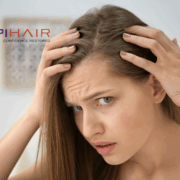
Hair thinning and loss, in particular, can be a distressing symptom for many women, affecting their confidence and self-esteem. Understanding the correlation between low testosterone and hair loss can empower female bodybuilders and fitness enthusiasts to take proactive measures to address these concerns.

Addressing Low Testosterone and Hair Loss in Women

For women experiencing hair loss due to low testosterone levels, it is essential to explore potential solutions to maintain healthy and vibrant hair. While seeking professional medical advice is crucial, there are several strategies and treatments that can be considered:

* Hormone replacement therapy: This treatment involves supplementing the body with the necessary hormones, including testosterone, to restore balance and alleviate symptoms such as hair loss.

* Nutritional supplements: Certain vitamins and minerals, such as biotin, zinc, and iron, play a significant role in maintaining healthy hair. Incorporating these supplements into the diet may help support hair growth and thickness.

* Lifestyle modifications: Engaging in regular exercise, managing stress levels, and following a balanced diet can positively impact hormone levels and overall hair health.

Acknowledging the underlying causes of low testosterone and hair loss in women can guide individuals in making informed decisions about their overall health and well-being. ddressing these concerns, female bodybuilders and fitness enthusiasts can prioritize their hair health alongside their physical fitness goals.

Final thoughts

Recognizing the impact of low testosterone on hair loss in women is vital for individuals in the fitness industry, especially for female bodybuilders and fitness enthusiasts. nderstanding the symptoms of low testosterone and exploring potential solutions, women can take proactive steps to address hair loss concerns and maintain a healthy and vibrant appearance. Seeking professional guidance and incorporating lifestyle modifications can significantly contribute to managing low testosterone levels and promoting overall well-being.

Female bodybuilders and fitness enthusiasts are encouraged to approach their health holistically and consider the interplay between testosterone levels, hair health, and physical fitness goals. By staying informed and proactive, women can effectively address the impact of low testosterone on hair loss, ultimately empowering themselves to prioritize their overall well-being.

Low Testosterone Women’s Hair Loss in Brentwood, TN

Combat hair loss due to low testosterone levels. Trusted solutions available.

Hair loss can be a distressing experience for anyone, and for women with low testosterone levels, it can be a particularly challenging issue. Understanding the connection between low testosterone and hair loss is crucial for addressing this concern effectively. At our clinic in Brentwood, TN, we specialize in providing comprehensive care for women dealing with hormonal imbalances and their associated effects, including hair loss. In this article, we will delve into the intricate relationship between low testosterone levels and hair loss in women, exploring potential causes, symptoms, and treatment options. Our goal is to empower women, including bodybuilders, to make informed decisions about their health and seek the support they need to address low testosterone-related hair loss effectively.

The Link Between Testosterone and Hair Loss

Beyond its association with male characteristics, testosterone plays a vital role in various bodily functions for both men and women. Testosterone influences hair growth and maintenance, and its deficiency can result in noticeable changes in hair density and texture. In women, low testosterone levels can lead to thinning hair, hair loss, and decreases in overall hair volume. Understanding the impact of low testosterone on hair health is essential for effectively addressing hair loss concerns in women.

Symptoms of Low Testosterone-related Hair Loss

– Thinning of hair on the scalp

– Decreased hair volume and density

– Noticeable hair shedding or hair loss

– Changes in hair texture and quality

– Difficulty in regrowth of hair

Factors Contributing to Low Testosterone in Women

Several factors can contribute to low testosterone levels in women, which in turn can lead to hair loss. Hormonal imbalances, medical conditions, and lifestyle factors can all play a role in diminishing testosterone levels. Understanding these contributing factors is critical in addressing the root cause of low testosterone and its effects on hair health in women.

Medical Conditions: Certain medical conditions, such as polycystic ovary syndrome (PCOS), can cause hormonal imbalances, leading to decreased testosterone levels in women.

Menopause: The natural decline in hormone levels during menopause can result in low testosterone, affecting various aspects of a woman’s health, including hair growth and maintenance.

Stress and Lifestyle: Chronic stress, poor nutrition, and inadequate exercise can also contribute to hormonal imbalances, potentially leading to low testosterone levels and associated hair loss in women.

Effective Treatment Options for Low Testosterone-related Hair Loss

Addressing low testosterone-related hair loss in women requires a multifaceted approach, considering both hormonal interventions and lifestyle modifications. Combining medical expertise with holistic care can significantly improve hair health and overall well-being for women dealing with this issue.

Hormone Replacement Therapy (HRT): In cases where low testosterone levels are a contributing factor to hair loss, hormone replacement therapy under the guidance of a qualified healthcare provider can help restore hormonal balance and alleviate hair loss symptoms.

Nutritional Support: A balanced diet rich in essential nutrients, including protein, vitamins, and minerals, is crucial for promoting healthy hair growth and combating the effects of low testosterone on hair health.

Stress Management: Implementing stress-reducing practices, such as mindfulness meditation, yoga, or regular physical activity, can help mitigate the impact of chronic stress on hormone levels and hair health.

Topical Treatments: Certain topical solutions and serums formulated to support hair growth and follicle health can be beneficial in addressing the visible effects of low testosterone-related hair loss in women.

Laser Therapy: Low-level laser therapy has shown promise in promoting hair regrowth and increasing hair density in individuals experiencing hair loss related to hormonal imbalances.

Overall

Addressing hair loss linked to low testosterone in women requires a comprehensive knowing of the hormonal factors at play, coupled with personalized treatment strategies to restore hair health effectively. ecognizing the impact of low testosterone levels on hair density, texture, and volume, women can take proactive steps to address this concern and seek professional support to achieve optimal results. At our clinic in Brentwood, TN, we are committed to providing tailored care for women experiencing low testosterone-related hair loss, empowering them to regain confidence and embrace healthier, fuller hair.