
Tag Archive for: thyroid dysfunction

Thyroid Hair Loss In Women in Nashville, TN

Combat thyroid-related hair loss. Discover treatment options today.

Thyroid hair loss in women is a common and distressing condition that can have a profound impact on a person’s self-esteem and overall well-being. The thyroid, a small butterfly-shaped gland located at the base of the neck, plays a crucial role in regulating metabolism, growth, and development. When the thyroid gland becomes underactive or overactive, it can lead to a range of symptoms, including hair loss.

Thyroid Function and Hair Loss

The thyroid gland produces hormones that are responsible for regulating the body’s metabolic rate, heart and digestive function, muscle control, brain development, mood, and bone maintenance. When the thyroid gland is not functioning properly, it can disrupt the body’s delicate balance and lead to a condition known as hypothyroidism or hyperthyroidism.

Hypothyroidism, or an underactive thyroid, occurs when the thyroid gland does not produce enough hormones to meet the body’s needs. This can result in a range of symptoms, including fatigue, weight gain, dry skin, and hair loss. On the other hand, hyperthyroidism, or an overactive thyroid, can cause symptoms such as weight loss, rapid heartbeat, anxiety, and also hair loss.

The Link Between Thyroid Dysfunction and Hair Loss

Hair growth is a complex process that is influenced by various factors, including genetics, hormonal balance, and overall health. Thyroid hormones play a crucial role in regulating the hair growth cycle. When thyroid function is disrupted, it can lead to changes in the hair growth cycle, resulting in hair loss.

Thyroid-related hair loss in women typically presents as diffuse thinning of the hair, rather than specific bald patches. The hair may become dry, brittle, and prone to breakage. In some cases, changes in hair texture and color may also occur. It’s important to note that not all cases of hair loss in women are due to thyroid dysfunction, so it’s essential to consult a healthcare professional for an accurate diagnosis.

Treatment Options for Thyroid-Related Hair Loss

The good news is that thyroid-related hair loss in women is often reversible with proper treatment. Managing thyroid dysfunction through medication, lifestyle modifications, and dietary changes can help restore hormonal balance and promote hair regrowth. In some cases, healthcare professionals may also recommend specific hair care products and treatments to support the hair growth process.

For individuals experiencing thyroid-related hair loss, it’s essential to work closely with a healthcare provider to develop a comprehensive treatment plan that addresses both the underlying thyroid condition and the hair loss symptoms. ddressing the root cause of the hair loss, women can regain confidence and achieve healthier, fuller hair.

Wrapping up

Thyroid hair loss in women can be a challenging and distressing experience, but with the right support and treatment, it is possible to overcome this condition and restore the health and vitality of the hair. nderstanding the link between thyroid dysfunction and hair loss and exploring effective treatment options, women can take proactive steps towards reclaiming their confidence and well-being.

For individuals experiencing symptoms of thyroid dysfunction and hair loss, seeking professional guidance and support is crucial. By partnering with a trusted healthcare provider, women can access personalized care and evidence-based treatments to address both the thyroid condition and associated hair loss.

If you or someone you know is struggling with thyroid-related hair loss, our clinic in Nashville, TN, offers comprehensive care and expertise in treating thyroid disorders and associated symptoms, including hair loss. Contact us today to schedule a consultation and take the first step towards restoring healthy, vibrant hair.

Thyroid Hair Loss In Women in Nashville, TN

Combat thyroid-related hair loss. Discover treatment options today.

Thyroid hair loss in women is a common and distressing condition that can have a profound impact on a person’s self-esteem and overall well-being. The thyroid, a small butterfly-shaped gland located at the base of the neck, plays a crucial role in regulating metabolism, growth, and development. When the thyroid gland becomes underactive or overactive, it can lead to a range of symptoms, including hair loss.

Thyroid Function and Hair Loss

The thyroid gland produces hormones that are responsible for regulating the body’s metabolic rate, heart and digestive function, muscle control, brain development, mood, and bone maintenance. When the thyroid gland is not functioning properly, it can disrupt the body’s delicate balance and lead to a condition known as hypothyroidism or hyperthyroidism.

Hypothyroidism, or an underactive thyroid, occurs when the thyroid gland does not produce enough hormones to meet the body’s needs. This can result in a range of symptoms, including fatigue, weight gain, dry skin, and hair loss. On the other hand, hyperthyroidism, or an overactive thyroid, can cause symptoms such as weight loss, rapid heartbeat, anxiety, and also hair loss.

The Link Between Thyroid Dysfunction and Hair Loss

Hair growth is a complex process that is influenced by various factors, including genetics, hormonal balance, and overall health. Thyroid hormones play a crucial role in regulating the hair growth cycle. When thyroid function is disrupted, it can lead to changes in the hair growth cycle, resulting in hair loss.

Thyroid-related hair loss in women typically presents as diffuse thinning of the hair, rather than specific bald patches. The hair may become dry, brittle, and prone to breakage. In some cases, changes in hair texture and color may also occur. It’s important to note that not all cases of hair loss in women are due to thyroid dysfunction, so it’s essential to consult a healthcare professional for an accurate diagnosis.

Treatment Options for Thyroid-Related Hair Loss

The good news is that thyroid-related hair loss in women is often reversible with proper treatment. Managing thyroid dysfunction through medication, lifestyle modifications, and dietary changes can help restore hormonal balance and promote hair regrowth. In some cases, healthcare professionals may also recommend specific hair care products and treatments to support the hair growth process.

For individuals experiencing thyroid-related hair loss, it’s essential to work closely with a healthcare provider to develop a comprehensive treatment plan that addresses both the underlying thyroid condition and the hair loss symptoms. ddressing the root cause of the hair loss, women can regain confidence and achieve healthier, fuller hair.

Wrapping up

Thyroid hair loss in women can be a challenging and distressing experience, but with the right support and treatment, it is possible to overcome this condition and restore the health and vitality of the hair. nderstanding the link between thyroid dysfunction and hair loss and exploring effective treatment options, women can take proactive steps towards reclaiming their confidence and well-being.

For individuals experiencing symptoms of thyroid dysfunction and hair loss, seeking professional guidance and support is crucial. By partnering with a trusted healthcare provider, women can access personalized care and evidence-based treatments to address both the thyroid condition and associated hair loss.

If you or someone you know is struggling with thyroid-related hair loss, our clinic in Nashville, TN, offers comprehensive care and expertise in treating thyroid disorders and associated symptoms, including hair loss. Contact us today to schedule a consultation and take the first step towards restoring healthy, vibrant hair.

Women’s Hair Loss And Thyroid in Franklin, TN

Regain your confidence with expert solutions for women’s hair loss.

Hair loss can be a distressing experience for many women, impacting not only their physical appearance but also their self-esteem and confidence. While there are various factors that can contribute to hair loss, one often overlooked culprit is thyroid dysfunction. Understanding the connection between women’s hair loss and thyroid health is crucial in addressing the issue and seeking effective treatment. In this comprehensive guide, we will delve into the intricate relationship between hair loss and thyroid function, shedding light on the underlying causes, symptoms, and available treatment options. Whether you are personally experiencing hair loss or seeking insights to support a loved one, this article aims to equip you with valuable knowledge to take proactive steps towards addressing this common concern.

The Thyroid and Hair Loss

The thyroid gland plays a vital role in regulating numerous bodily functions, including metabolism, growth, and development. It produces essential hormones, such as thyroxine (T4) and triiodothyronine (T3), which influence the body’s metabolic rate, energy levels, and temperature regulation. When the thyroid gland becomes imbalanced, either due to overactivity (hyperthyroidism) or underactivity (hypothyroidism), it can have far-reaching effects on various systems in the body, including the hair follicles.

The Impact of Thyroid Dysfunction on Hair Loss

Thyroid dysfunction can disrupt the normal growth and shedding cycle of hair, leading to a range of hair-related issues. Some of the ways in which thyroid dysfunction can contribute to hair loss include:

Thyroid hormone imbalance affecting the hair growth cycle, leading to excessive shedding or thinning.

Reduction in the production of hair proteins, resulting in brittle and easily damaged hair.

Slowing of the hair growth process, causing a noticeable decrease in hair volume.

Alteration of the hair texture, such as becoming dry, coarse, or lacking luster.

Recognizing the Signs and Symptoms

It’s important for women to be aware of the potential signs and symptoms of thyroid-related hair loss, as early detection can lead to prompt intervention and management. Some common indicators of thyroid dysfunction associated with hair loss include:

Noticeable thinning of hair, especially along the scalp’s top or sides.

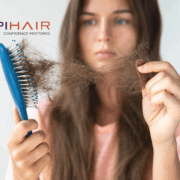
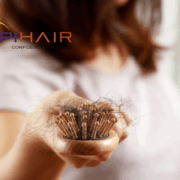
Excessive shedding, where clumps of hair may come out during washing or brushing.

Changes in hair texture, such as dryness, brittleness, or a lack of vibrancy.

Scalp issues, including dryness, itchiness, or flakiness.

Diagnostic Approaches and Treatment Options

Seeking professional medical guidance is essential for accurately diagnosing thyroid-related hair loss and formulating an effective treatment plan. Healthcare providers may conduct comprehensive assessments, including physical examinations, blood tests to measure thyroid hormone levels, and in some cases, additional diagnostic imaging studies to evaluate the thyroid gland’s structure and function.

Treatment strategies for thyroid-related hair loss often involve addressing the underlying thyroid dysfunction through medication, hormonal replacement therapy, or other targeted interventions to restore thyroid hormone balance. In addition to managing thyroid function, healthcare providers may recommend supplementary approaches to promote hair regrowth and overall hair health, including:

Nutritional guidance to support a well-balanced diet rich in essential nutrients for hair growth, such as protein, iron, and vitamins.

Lifestyle modifications to reduce stress levels, as chronic stress can exacerbate hair loss.

Topical treatments, such as minoxidil, to stimulate hair follicles and encourage regrowth.

Empowering Women to Take Action

As women navigate through the complexities of hair loss and thyroid health, the journey towards finding effective solutions can be both empowering and transformative. aising awareness about the interplay between the thyroid and hair loss, individuals can become advocates for their own well-being and take proactive steps towards seeking the support and resources they need. Through education, support networks, and access to comprehensive healthcare services, women can embrace a holistic approach to address the multifaceted aspects of hair loss linked to thyroid dysfunction. Every step taken towards understanding, managing, and overcoming the challenges of hair loss contributes to a path of empowerment and renewed confidence.

The intricate relationship between women’s hair loss and thyroid health underscores the importance of comprehensive evaluation, accurate diagnosis, and tailored interventions to address this common concern. By bridging the gap between appreciating thyroid function and its impact on hair health, individuals can make informed decisions and embark on a journey towards holistic well-being. Through collaborative efforts between healthcare providers and individuals, the quest for effective solutions for hair loss associated with thyroid dysfunction can yield meaningful transformations and lasting results.