Tag Archive for: Treatment Options for Hair Loss

Typical Hair Loss In Women in Franklin, TN

Boost your confidence with effective hair loss treatment options for women.

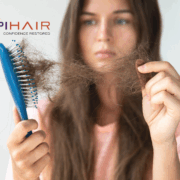
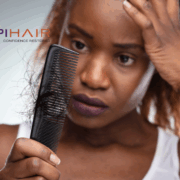
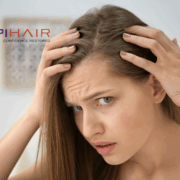
Hair loss is a common concern for many women, and it can be a distressing experience that impacts self-esteem and confidence. While hair loss is often associated with men, it is important to recognize that women also experience this issue. Understanding the causes and treatment options for hair loss in women is crucial for anyone seeking to address this condition and regain healthy, beautiful hair.

Hair Growth and Loss

Appreciating the natural hair growth cycle is essential in comprehending hair loss. The hair growth cycle consists of three phases: anagen (growth phase), catagen (transitional phase), and telogen (resting phase). Each hair follicle operates independently, and various factors can influence the duration and quality of each phase.

Diagnostics to detect the cause of hair loss in women can include a scalp biopsy, blood tests, and microscopic analysis of a hair strand. It is important to consult a medical professional to accurately diagnose the underlying cause of the hair loss and determine the most appropriate treatment options.

Common Causes of Hair Loss in Women

Hormonal Changes

Hormonal changes, such as those experienced during pregnancy, childbirth, menopause, or thyroid imbalances, can lead to hair loss. These changes can disrupt the natural hair growth cycle, leading to increased shedding or thinning of the hair.

Medical Conditions

Certain medical conditions, such as alopecia areata, autoimmune disorders, and underlying health issues, can contribute to hair loss in women. It is crucial to address any underlying medical conditions to effectively manage hair loss.

Stress and Lifestyle Factors

Chronic stress, poor nutrition, and unhealthy lifestyle habits can negatively impact hair health. Maintaining a balanced diet, managing stress, and prioritizing healthy lifestyle choices can significantly influence hair growth and prevent excessive shedding.

Genetic Predisposition

Genetic predisposition can play a significant role in hair loss for both men and women. Understanding family history and genetic influences can provide valuable insights into potential hair loss patterns.

Treatment Options for Hair Loss in Women

Topical Treatments

Topical treatments, such as minoxidil, can help stimulate hair growth and slow down the progression of hair loss. These treatments are often applied directly to the scalp and can be effective for certain types of hair loss.

Prescription Medications

For hormonal-related hair loss, prescription medications like spironolactone or oral contraceptives may be recommended to address the underlying hormonal imbalances contributing to hair loss.

Platelet-Rich Plasma (PRP) Therapy

PRP therapy involves extracting a patient’s blood, processing it to isolate the platelet-rich plasma, and injecting it into the scalp to stimulate hair follicles and promote hair growth.

Low-Level Laser Therapy (LLLT)

LLLT utilizes red light to stimulate hair follicles and promote hair growth. This non-invasive treatment option has gained popularity for its ability to improve hair thickness and density.

Last ideas

Overall, hair loss in women can be a complex and multifaceted issue with various underlying causes. nderstanding the factors contributing to hair loss and exploring the available treatment options, women can take proactive steps to address this condition and restore healthy, vibrant hair.
Typical Hair Loss In Women in Franklin, TN

Boost your confidence with effective hair loss treatment options for women.

Hair loss is a common concern for many women, and it can be a distressing experience that impacts self-esteem and confidence. While hair loss is often associated with men, it is important to recognize that women also experience this issue. Understanding the causes and treatment options for hair loss in women is crucial for anyone seeking to address this condition and regain healthy, beautiful hair.

Hair Growth and Loss

Appreciating the natural hair growth cycle is essential in comprehending hair loss. The hair growth cycle consists of three phases: anagen (growth phase), catagen (transitional phase), and telogen (resting phase). Each hair follicle operates independently, and various factors can influence the duration and quality of each phase.

Diagnostics to detect the cause of hair loss in women can include a scalp biopsy, blood tests, and microscopic analysis of a hair strand. It is important to consult a medical professional to accurately diagnose the underlying cause of the hair loss and determine the most appropriate treatment options.

Common Causes of Hair Loss in Women

Hormonal Changes

Hormonal changes, such as those experienced during pregnancy, childbirth, menopause, or thyroid imbalances, can lead to hair loss. These changes can disrupt the natural hair growth cycle, leading to increased shedding or thinning of the hair.

Medical Conditions

Certain medical conditions, such as alopecia areata, autoimmune disorders, and underlying health issues, can contribute to hair loss in women. It is crucial to address any underlying medical conditions to effectively manage hair loss.

Stress and Lifestyle Factors

Chronic stress, poor nutrition, and unhealthy lifestyle habits can negatively impact hair health. Maintaining a balanced diet, managing stress, and prioritizing healthy lifestyle choices can significantly influence hair growth and prevent excessive shedding.

Genetic Predisposition

Genetic predisposition can play a significant role in hair loss for both men and women. Understanding family history and genetic influences can provide valuable insights into potential hair loss patterns.

Treatment Options for Hair Loss in Women

Topical Treatments

Topical treatments, such as minoxidil, can help stimulate hair growth and slow down the progression of hair loss. These treatments are often applied directly to the scalp and can be effective for certain types of hair loss.

Prescription Medications

For hormonal-related hair loss, prescription medications like spironolactone or oral contraceptives may be recommended to address the underlying hormonal imbalances contributing to hair loss.

Platelet-Rich Plasma (PRP) Therapy

PRP therapy involves extracting a patient’s blood, processing it to isolate the platelet-rich plasma, and injecting it into the scalp to stimulate hair follicles and promote hair growth.

Low-Level Laser Therapy (LLLT)

LLLT utilizes red light to stimulate hair follicles and promote hair growth. This non-invasive treatment option has gained popularity for its ability to improve hair thickness and density.

Last ideas

Overall, hair loss in women can be a complex and multifaceted issue with various underlying causes. nderstanding the factors contributing to hair loss and exploring the available treatment options, women can take proactive steps to address this condition and restore healthy, vibrant hair.

Excessive Hair Loss In Women All My Life in Nashville, TN

Stop hair loss worries. Find effective treatment options for women.

Experiencing excessive hair loss as a woman can be a distressing and persistent concern that affects not only our physical appearance but also our emotional well-being. The journey of dealing with hair loss is often complex and can significantly impact our self-esteem. Whether you’ve struggled with this issue for years or if you’re newly navigating the challenges of excessive hair shedding, it’s crucial to understand the underlying causes and explore effective treatment options to address this issue.

Excessive Hair Loss

Excessive hair loss, medically known as alopecia, can be a life-long struggle for many women. It’s essential to recognize that hair loss is a natural part of the hair growth cycle and it’s normal to shed some hair every day. However, when the shedding exceeds the normal range, it can lead to noticeable thinning of the hair or bald patches, causing distress and discomfort.

There are various factors that can contribute to excessive hair loss in women, including genetics, hormonal changes, underlying health conditions, stress, and certain medications. Understanding the specific triggers behind your hair loss is crucial in addressing this issue effectively.

Causes of Excessive Hair Loss

1. Genetic Predisposition: Family history can play a significant role in determining whether you’re prone to excessive hair loss. If female relatives on either side of your family have experienced hair loss, it increases the likelihood of you encountering similar challenges.

2. Hormonal Imbalance: Hormonal fluctuations, particularly during pregnancy, childbirth, and menopause, can trigger excessive hair shedding in women. Conditions such as polycystic ovary syndrome (PCOS) or thyroid disorders can also disrupt the hormonal balance, leading to hair loss.

3. Underlying Health Conditions: Certain medical conditions, such as autoimmune diseases, scalp infections, and nutritional deficiencies, can contribute to excessive hair loss. It’s crucial to address any underlying health issues to manage hair loss effectively.

4. Stress and Emotional Well-being: Chronic stress or traumatic events can disrupt the hair growth cycle, leading to increased shedding. Taking care of your mental well-being is essential in addressing excessive hair loss.

Treatment Options for Excessive Hair Loss

1. Topical Treatments: Minoxidil, an over-the-counter topical medication, is FDA-approved for treating female pattern hair loss. It can help stimulate hair growth and prevent further hair thinning.

2. Prescription Medications: Some women may benefit from prescription medications, such as spironolactone or finasteride, to address hormonal imbalances contributing to hair loss.

3. Platelet-Rich Plasma (PRP) Therapy: This innovative treatment involves injecting platelet-rich plasma derived from your blood into the scalp to stimulate hair growth.

4. Hair Transplantation: In cases of advanced hair loss, hair transplant surgery can be a viable option to restore hair density and improve the overall appearance.

5. Lifestyle Modifications: Adopting a balanced diet, managing stress effectively, and incorporating scalp care routines can all contribute to promoting healthy hair growth and minimizing excessive shedding.

Last ideas

Excessive hair loss in women is a multifaceted issue that requires personalized attention and comprehensive treatment strategies. nderstanding the underlying causes and exploring appropriate treatment options, women can regain confidence and take proactive steps towards addressing their hair loss concerns. If you’re experiencing excessive hair shedding, seeking guidance from a qualified healthcare provider or a specialized hair restoration clinic can provide valuable insights and support on your journey to healthier, fuller hair.

Women Over 40 Hair Loss in Franklin, TN

Effective treatment options for women over 40 experiencing hair loss.

Hair loss is a common concern that affects women of all ages, but it can be particularly distressing for women over 40. As we age, changes in hormone levels, genetics, and environmental factors can contribute to hair thinning and loss. Understanding the causes and available treatment options is essential for women dealing with this issue. In this comprehensive guide, we will explore the various factors that contribute to hair loss in women over 40 and discuss the best approaches to addressing this concern.

Hair Loss in Women Over 40

As women reach their 40s and beyond, they often experience changes in their hair texture and density. Hair may become thinner, finer, and more prone to shedding. There are several factors that can contribute to hair loss in women over 40, including:

Hormonal Changes: Fluctuations in hormone levels, particularly decreases in estrogen and progesterone, can affect hair growth cycles and lead to increased shedding.

Genetics: Family history can play a significant role in determining a woman’s susceptibility to hair loss. If other female family members have experienced hair thinning or baldness, it’s likely that she may also be predisposed to similar issues.

Stress: Chronic stress can have a profound impact on the body, including disrupting the hair growth cycle and leading to increased shedding.

Nutritional Deficiencies: Inadequate intake of essential nutrients, such as iron, protein, and certain vitamins, can contribute to hair loss and affect overall hair health.

Environmental Factors: Exposure to pollutants, harsh styling practices, and excessive heat or chemical treatments can damage hair and contribute to increased shedding.

It’s important for women to recognize that hair loss is not solely a cosmetic issue; it can also have a significant impact on self-esteem and overall well-being. Seeking professional guidance and support is essential for effectively addressing hair loss concerns.

Treatment Options for Women Over 40

Fortunately, there are several treatment options available to help women over 40 manage and address hair loss. These options may include:

Topical Treatments: Minoxidil, also known as Rogaine, is an FDA-approved topical treatment that can help stimulate hair growth and prevent further hair loss.

Prescription Medications: Some women may benefit from prescription medications, such as spironolactone or finasteride, to help regulate hormone levels and minimize hair shedding.

Nutritional Supplements: Supplements containing biotin, vitamins, and minerals essential for hair health can help support hair growth and overall hair quality.

Platelet-Rich Plasma (PRP) Therapy: This regenerative treatment involves using the patient’s own blood platelets to promote hair growth and improve hair density.

Hair Transplantation: For women dealing with advanced hair loss, surgical options such as hair transplantation can provide long-term restoration of hair density and coverage.

Lifestyle Changes: Adopting a healthy lifestyle, managing stress, and ensuring a well-balanced diet can contribute to overall hair health and minimize hair loss.

It’s important for women to consult with a qualified healthcare professional or specialist to determine the most suitable treatment approach based on their individual needs and medical history.

Final thoughts

Hair loss in women over 40 can be a complex and emotionally challenging issue, but it’s important to remember that effective treatment options are available. nderstanding the underlying causes of hair loss and exploring appropriate treatment avenues, women can regain confidence and achieve healthier, fuller-looking hair.

If you’re experiencing hair loss and seeking guidance, our clinic in Franklin, TN, offers comprehensive solutions tailored to address the unique needs of women over 40. Our team of experienced professionals is dedicated to providing personalized care and helping you achieve your hair restoration goals.

Remember, you’re not alone in your journey to address hair loss. We’re here to support you every step of the way.

Hormones AndHair Loss In Women in Franklin, TN

Discover how hormones impact hair loss. Expert insights available.

Hormones play a crucial role in various functions of the body, including hair growth and loss. For women, hormonal imbalances can lead to hair thinning and loss, posing a significant concern for many. Understanding the relationship between hormones and hair loss is essential for addressing this issue effectively. In this comprehensive guide, we will explore the impact of hormones on hair loss in women, delving into the underlying causes and potential treatment options. Whether you’re a fitness professional, bodybuilder, or simply seeking to better understand this issue, this article will provide valuable insights into the intricate connection between hormones and hair health.

Hormones and Hair Loss in Women

Hormones are chemical messengers that regulate various bodily functions, and imbalances in these hormones can have a profound impact on hair health. In women, specific hormones play a crucial role in maintaining the normal growth cycle of hair follicles. Understanding the following hormones and their influence on hair loss is essential for identifying and addressing potential issues:

– Estrogen: This hormone is responsible for promoting hair growth and maintaining the overall health of hair follicles. Fluctuations in estrogen levels, such as those experienced during pregnancy or menopause, can lead to hair thinning and increased shedding.

– Androgens: While often considered male hormones, androgens are also present in women and can influence hair growth. Elevated levels of androgens, such as dihydrotestosterone (DHT), can lead to miniaturization of hair follicles, resulting in hair thinning and eventual loss.

– Thyroid Hormones: The thyroid gland plays a crucial role in regulating metabolism and hormone production. Thyroid disorders, particularly hypothyroidism and hyperthyroidism, can disrupt the normal growth cycle of hair, leading to hair loss.

– Cortisol: Known as the stress hormone, cortisol levels can impact hair health. Chronic stress and high levels of cortisol can disrupt the normal hair growth cycle, leading to increased shedding and potential hair thinning.

Acknowledging the intricate balance of these hormones in the body is essential for identifying and addressing potential issues related to hair loss in women.

Causes of Hormonal Imbalance and Hair Loss

Several factors can contribute to hormonal imbalances that lead to hair loss in women, including:

– Menopause: The hormonal shifts that occur during menopause, particularly the reduction in estrogen levels, can lead to hair thinning and loss.

– Pregnancy: Changes in hormone levels during and after pregnancy can cause temporary hair loss known as postpartum shedding.

– Polycystic Ovary Syndrome (PCOS): This common endocrine disorder is characterized by elevated androgen levels, which can lead to hair thinning and male-pattern baldness in affected women.

– Thyroid Disorders: Conditions such as hypothyroidism and hyperthyroidism can disrupt the normal hair growth cycle, leading to hair loss.

– Stress: Chronic stress can disrupt the balance of hormones in the body, potentially leading to hair shedding and thinning.

Given the complex interplay of hormones and their impact on hair health, addressing the underlying causes of hormonal imbalances is crucial for mitigating hair loss in women.

Treatment Options for Hormonal Hair Loss

Addressing hormonal hair loss in women requires a multifaceted approach that targets the underlying hormonal imbalances as well as promotes hair regrowth. Some potential treatment options include:

– Hormone Replacement Therapy: For menopausal women experiencing hair loss due to estrogen depletion, hormone replacement therapy (HRT) may help restore hormone balance and improve hair health.

– Anti-Androgen Medications: For women with androgenic alopecia or PCOS-related hair loss, anti-androgen medications may help reduce the impact of androgens on hair follicles, promoting regrowth.

– Thyroid Medications: Treating underlying thyroid disorders with medications can help restore hormone balance and improve hair health.

– Stress Management: Implementing stress-reduction techniques such as meditation, yoga, and counseling can help regulate cortisol levels and mitigate the impact of chronic stress on hair health.

– Nutritional Supplements: Certain vitamins and minerals, such as biotin, vitamin D, and iron, play a vital role in maintaining healthy hair. Supplementing with these nutrients may support hair growth and overall hair health.

Consulting with a healthcare professional, such as an endocrinologist or dermatologist, is crucial for determining the most appropriate treatment options based on the individual’s specific hormonal profile and hair loss concerns.

Final considerations

Acknowledging the intricate relationship between hormones and hair loss in women is essential for addressing this common concern effectively. ecognizing the impact of hormones such as estrogen, androgens, thyroid hormones, and cortisol on hair health, individuals can take proactive steps to identify and address hormonal imbalances that contribute to hair loss. With a comprehensive approach that targets the underlying hormonal factors and promotes hair regrowth, women can mitigate the impact of hormonal hair loss and restore their hair’s vitality. If you’re experiencing hair loss related to hormonal imbalances, seeking professional guidance and exploring tailored treatment options can pave the way to healthier, fuller hair.