Tag Archive for: treatment options

Medical Reasons For Hair Loss In Women in Brentwood, TN

Expert solutions for women’s hair loss. Restore your confidence today.

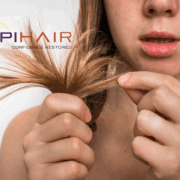
Hair loss can be a distressing experience, especially for women who take pride in their appearance. The emotional impact of losing hair can be significant, affecting self-esteem and confidence. It’s important to understand that hair loss in women can be caused by various medical reasons, and seeking professional advice and treatment can help address the underlying issues. In this comprehensive guide, we will delve into the medical reasons for hair loss in women, shedding light on the potential causes and treatment options. Whether you’re experiencing hair loss or seeking knowledge to help a loved one, this guide aims to equip you with valuable insights.

Hormonal Changes and Imbalances

One of the primary medical reasons for hair loss in women is hormonal changes and imbalances. Hormones such as estrogen, progesterone, and testosterone play a crucial role in maintaining healthy hair growth. Fluctuations in hormone levels, such as those experienced during pregnancy, childbirth, menopause, or conditions like polycystic ovary syndrome (PCOS), can lead to hair thinning and loss. Understanding the intricate relationship between hormones and hair health is essential in addressing the root cause of the issue.

Thyroid Disorders

The thyroid gland plays a pivotal role in regulating metabolism and overall bodily function. When the thyroid malfunctions, it can lead to either an overactive (hyperthyroidism) or underactive (hypothyroidism) thyroid. Both conditions can contribute to hair loss in women. Thyroid disorders can disrupt the hair growth cycle, resulting in excessive shedding and thinning. Identifying and treating thyroid imbalances is crucial for restoring hair health and overall well-being.

Nutritional Deficiencies

A balanced diet is essential for maintaining healthy hair. Nutritional deficiencies, such as iron, vitamin D, and protein, can impact hair growth and lead to shedding. Iron deficiency, in particular, is a common cause of hair loss in women. Ensuring adequate intake of essential nutrients through a well-rounded diet or supplementation can help promote healthy hair growth and prevent further loss.

Stress and Telogen Effluvium

Excessive stress can have a profound impact on the body, including hair health. Chronic stress can lead to a condition called telogen effluvium, where a large number of hair follicles enter the resting (telogen) phase prematurely, causing increased shedding. Managing stress through relaxation techniques, mindfulness, and seeking professional support can help mitigate the effects of stress-related hair loss.

Autoimmune Conditions

Certain autoimmune conditions, such as alopecia areata, can result in hair loss in women. These conditions occur when the immune system mistakenly targets hair follicles, leading to hair loss in specific areas or more widespread patterns. Seeking medical intervention and exploring treatment options can help manage the symptoms and promote hair regrowth.

Concluding remarks

Addressing hair loss in women requires a comprehensive recognizing of the underlying medical reasons. By identifying the specific cause, tailored treatment plans can be developed to support hair regrowth and overall well-being. Seeking professional guidance from specialists in hair restoration and dermatology is crucial for addressing individual concerns and restoring confidence. Remember, you’re not alone in this journey, and with the right approach, positive outcomes can be achieved.
Medical Reasons For Hair Loss In Women in Brentwood, TN

Expert solutions for women’s hair loss. Restore your confidence today.

Hair loss can be a distressing experience, especially for women who take pride in their appearance. The emotional impact of losing hair can be significant, affecting self-esteem and confidence. It’s important to understand that hair loss in women can be caused by various medical reasons, and seeking professional advice and treatment can help address the underlying issues. In this comprehensive guide, we will delve into the medical reasons for hair loss in women, shedding light on the potential causes and treatment options. Whether you’re experiencing hair loss or seeking knowledge to help a loved one, this guide aims to equip you with valuable insights.

Hormonal Changes and Imbalances

One of the primary medical reasons for hair loss in women is hormonal changes and imbalances. Hormones such as estrogen, progesterone, and testosterone play a crucial role in maintaining healthy hair growth. Fluctuations in hormone levels, such as those experienced during pregnancy, childbirth, menopause, or conditions like polycystic ovary syndrome (PCOS), can lead to hair thinning and loss. Understanding the intricate relationship between hormones and hair health is essential in addressing the root cause of the issue.

Thyroid Disorders

The thyroid gland plays a pivotal role in regulating metabolism and overall bodily function. When the thyroid malfunctions, it can lead to either an overactive (hyperthyroidism) or underactive (hypothyroidism) thyroid. Both conditions can contribute to hair loss in women. Thyroid disorders can disrupt the hair growth cycle, resulting in excessive shedding and thinning. Identifying and treating thyroid imbalances is crucial for restoring hair health and overall well-being.

Nutritional Deficiencies

A balanced diet is essential for maintaining healthy hair. Nutritional deficiencies, such as iron, vitamin D, and protein, can impact hair growth and lead to shedding. Iron deficiency, in particular, is a common cause of hair loss in women. Ensuring adequate intake of essential nutrients through a well-rounded diet or supplementation can help promote healthy hair growth and prevent further loss.

Stress and Telogen Effluvium

Excessive stress can have a profound impact on the body, including hair health. Chronic stress can lead to a condition called telogen effluvium, where a large number of hair follicles enter the resting (telogen) phase prematurely, causing increased shedding. Managing stress through relaxation techniques, mindfulness, and seeking professional support can help mitigate the effects of stress-related hair loss.

Autoimmune Conditions

Certain autoimmune conditions, such as alopecia areata, can result in hair loss in women. These conditions occur when the immune system mistakenly targets hair follicles, leading to hair loss in specific areas or more widespread patterns. Seeking medical intervention and exploring treatment options can help manage the symptoms and promote hair regrowth.

Concluding remarks

Addressing hair loss in women requires a comprehensive recognizing of the underlying medical reasons. By identifying the specific cause, tailored treatment plans can be developed to support hair regrowth and overall well-being. Seeking professional guidance from specialists in hair restoration and dermatology is crucial for addressing individual concerns and restoring confidence. Remember, you’re not alone in this journey, and with the right approach, positive outcomes can be achieved.
How Many Men And Women Suffer From Hair Loss in Nolensville, TN

Effective hair loss treatment for men and women. Call now!

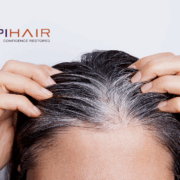
Hair loss is a common, yet distressing condition that affects millions of men and women worldwide. In the pursuit of maintaining luscious locks, individuals often seek effective solutions to combat this prevalent issue. At our clinic in Nolensville, TN, we are dedicated to providing comprehensive hair loss treatments tailored to the unique needs of each client. Whether you are experiencing thinning hair, alopecia, or pattern baldness, our team of experts is here to guide you through a personalized journey towards rejuvenating your natural beauty.

Acknowledging the Impact of Hair Loss

Hair Loss Statistics

Hair loss does not discriminate based on gender or age. Both men and women are susceptible to this condition, with a remarkable number of individuals experiencing varying degrees of hair thinning or baldness. Here are some eye-opening statistics highlighting the prevalence of hair loss:

Men:

– Approximately 85% of men will experience significant hair thinning by the age of 50.

– By the age of 35, almost 40% of men will have noticeable hair loss.

Women:

– Over 40% of women will experience visible hair loss by the time they reach the age of 40.

– Nearly 50% of women will have noticeable hair thinning or bald patches by the age of 65.

Root Causes of Hair Loss

Acknowledging the underlying causes of hair loss is essential in devising effective treatment plans. Factors contributing to hair loss in men and women can include:

– Genetic predisposition: Family history and hereditary factors play a significant role in male and female pattern baldness.

– Hormonal imbalances: Fluctuations in hormone levels, particularly dihydrotestosterone (DHT) in men and women, can contribute to hair loss.

– Stress and lifestyle: High-stress levels, poor nutrition, and certain medications can all impact hair health and lead to increased shedding.

– Medical conditions: Autoimmune diseases, thyroid disorders, and scalp infections can contribute to hair loss in both men and women.

Treatment Options

At our clinic, we offer a range of innovative treatment options to address hair loss, tailored to the specific needs of each individual. These may include:

– Platelet-rich plasma (PRP) therapy: Utilizing the body’s natural healing properties to stimulate hair follicle regeneration.

– Low-level laser therapy: Non-invasive treatment to promote hair growth and restore thickness.

– Prescription medications: Targeting hormonal imbalances and promoting hair regrowth.

Our comprehensive approach to hair loss treatment encompasses the latest advancements in regenerative medicine, ensuring that each client receives personalized care and achieves optimal results.

Empowering You to Reclaim Your Confidence

At our clinic in Nolensville, TN, we understand the impact that hair loss can have on one’s self-esteem and overall well-being. Our dedicated team is committed to providing guidance, support, and the most advanced treatments to help you regain your confidence and embrace your hair’s natural vitality.

Final thoughts

Hair loss is a widespread concern that transcends gender and age, impacting men and women across the globe. nderstanding the prevalence of this condition and exploring effective treatment options, individuals can take proactive steps towards rejuvenating their hair and reclaiming their sense of self-assurance.

In the pursuit of combating hair loss, our clinic in Nolensville, TN stands as a beacon of hope, offering personalized solutions and compassionate care to empower every client on their journey towards hair rejuvenation.

How Many Men And Women Suffer From Hair Loss in Nolensville, TN

Effective hair loss treatment for men and women. Call now!

Hair loss is a common, yet distressing condition that affects millions of men and women worldwide. In the pursuit of maintaining luscious locks, individuals often seek effective solutions to combat this prevalent issue. At our clinic in Nolensville, TN, we are dedicated to providing comprehensive hair loss treatments tailored to the unique needs of each client. Whether you are experiencing thinning hair, alopecia, or pattern baldness, our team of experts is here to guide you through a personalized journey towards rejuvenating your natural beauty.

Acknowledging the Impact of Hair Loss

Hair Loss Statistics

Hair loss does not discriminate based on gender or age. Both men and women are susceptible to this condition, with a remarkable number of individuals experiencing varying degrees of hair thinning or baldness. Here are some eye-opening statistics highlighting the prevalence of hair loss:

Men:

– Approximately 85% of men will experience significant hair thinning by the age of 50.

– By the age of 35, almost 40% of men will have noticeable hair loss.

Women:

– Over 40% of women will experience visible hair loss by the time they reach the age of 40.

– Nearly 50% of women will have noticeable hair thinning or bald patches by the age of 65.

Root Causes of Hair Loss

Acknowledging the underlying causes of hair loss is essential in devising effective treatment plans. Factors contributing to hair loss in men and women can include:

– Genetic predisposition: Family history and hereditary factors play a significant role in male and female pattern baldness.

– Hormonal imbalances: Fluctuations in hormone levels, particularly dihydrotestosterone (DHT) in men and women, can contribute to hair loss.

– Stress and lifestyle: High-stress levels, poor nutrition, and certain medications can all impact hair health and lead to increased shedding.

– Medical conditions: Autoimmune diseases, thyroid disorders, and scalp infections can contribute to hair loss in both men and women.

Treatment Options

At our clinic, we offer a range of innovative treatment options to address hair loss, tailored to the specific needs of each individual. These may include:

– Platelet-rich plasma (PRP) therapy: Utilizing the body’s natural healing properties to stimulate hair follicle regeneration.

– Low-level laser therapy: Non-invasive treatment to promote hair growth and restore thickness.

– Prescription medications: Targeting hormonal imbalances and promoting hair regrowth.

Our comprehensive approach to hair loss treatment encompasses the latest advancements in regenerative medicine, ensuring that each client receives personalized care and achieves optimal results.

Empowering You to Reclaim Your Confidence

At our clinic in Nolensville, TN, we understand the impact that hair loss can have on one’s self-esteem and overall well-being. Our dedicated team is committed to providing guidance, support, and the most advanced treatments to help you regain your confidence and embrace your hair’s natural vitality.

Final thoughts

Hair loss is a widespread concern that transcends gender and age, impacting men and women across the globe. nderstanding the prevalence of this condition and exploring effective treatment options, individuals can take proactive steps towards rejuvenating their hair and reclaiming their sense of self-assurance.

In the pursuit of combating hair loss, our clinic in Nolensville, TN stands as a beacon of hope, offering personalized solutions and compassionate care to empower every client on their journey towards hair rejuvenation.

Auto Immune Disease And Hair Loss In Women in La Vergne, TN

Don’t let autoimmune disease impact your hair. Find treatment options.

Autoimmune diseases can have a significant impact on a woman’s overall health and well-being. One of the lesser-known effects of autoimmune conditions is their potential to cause hair loss in women. This article aims to shed light on the connection between autoimmune diseases and hair loss, as well as provide valuable information for women seeking treatment options. If you are experiencing hair loss and suspect it may be related to an autoimmune condition, it’s important to understand the underlying causes and explore available resources for managing this challenging aspect of your health.

Autoimmune Diseases: A Brief Overview

The Basics

Autoimmune diseases occur when the body’s immune system mistakenly attacks its own tissues. Instead of protecting the body from external threats, the immune system begins to target healthy cells, leading to inflammation and tissue damage. There are over 80 known autoimmune diseases, each with its own set of symptoms and effects on the body. Common autoimmune conditions include rheumatoid arthritis, lupus, multiple sclerosis, and type 1 diabetes. These diseases can affect multiple organs and systems within the body, leading to a wide range of symptoms and complications.

The Link Between Autoimmune Diseases and Hair Loss

Exploring the Connection

While autoimmune diseases can manifest in various ways, the connection between these conditions and hair loss is particularly concerning for many women. Alopecia areata, for example, is an autoimmune disease that specifically targets the hair follicles, leading to patchy hair loss on the scalp and sometimes other areas of the body. Additionally, autoimmune conditions such as lupus and Hashimoto’s thyroiditis have been associated with increased hair shedding and thinning. Understanding the specific mechanisms through which autoimmune diseases impact hair follicles is crucial in addressing hair loss in women with these conditions.

Impact on Women’s Mental and Emotional Well-being

Navigating the Effects

Hair loss can have a profound impact on a woman’s self-esteem and overall quality of life. Many women report feeling distressed and emotionally burdened by the physical changes associated with autoimmune-related hair loss. It’s essential to acknowledge the psychological toll that hair loss can take and provide the necessary support for women dealing with these challenges. Recognizing the emotional aspects of hair loss is a crucial step in holistic healthcare for women with autoimmune conditions.

Treatment Options and Management Strategies

Empowering Women Through Knowledge and Action

Seeking the guidance of a knowledgeable healthcare provider is crucial for women experiencing hair loss due to autoimmune diseases. Treatment options may include medications to suppress the immune system’s attack on hair follicles, topical solutions to stimulate hair growth, and lifestyle modifications to support overall health and well-being. Additionally, addressing the emotional impact of hair loss through counseling and support groups can be an essential part of holistic care for women with autoimmune conditions.

Schedule Appointment:

Autoimmune diseases can have far-reaching effects on a woman’s health, with hair loss being a particularly challenging manifestation. nderstanding the connection between autoimmune conditions and hair loss, women can take proactive steps to manage this aspect of their health effectively. Seeking support from healthcare professionals and exploring treatment options tailored to individual needs are essential in addressing autoimmune-related hair loss and promoting overall well-being.

Auto Immune Disease And Hair Loss In Women in La Vergne, TN

Don’t let autoimmune disease impact your hair. Find treatment options.

Autoimmune diseases can have a significant impact on a woman’s overall health and well-being. One of the lesser-known effects of autoimmune conditions is their potential to cause hair loss in women. This article aims to shed light on the connection between autoimmune diseases and hair loss, as well as provide valuable information for women seeking treatment options. If you are experiencing hair loss and suspect it may be related to an autoimmune condition, it’s important to understand the underlying causes and explore available resources for managing this challenging aspect of your health.

Autoimmune Diseases: A Brief Overview

The Basics

Autoimmune diseases occur when the body’s immune system mistakenly attacks its own tissues. Instead of protecting the body from external threats, the immune system begins to target healthy cells, leading to inflammation and tissue damage. There are over 80 known autoimmune diseases, each with its own set of symptoms and effects on the body. Common autoimmune conditions include rheumatoid arthritis, lupus, multiple sclerosis, and type 1 diabetes. These diseases can affect multiple organs and systems within the body, leading to a wide range of symptoms and complications.

The Link Between Autoimmune Diseases and Hair Loss

Exploring the Connection

While autoimmune diseases can manifest in various ways, the connection between these conditions and hair loss is particularly concerning for many women. Alopecia areata, for example, is an autoimmune disease that specifically targets the hair follicles, leading to patchy hair loss on the scalp and sometimes other areas of the body. Additionally, autoimmune conditions such as lupus and Hashimoto’s thyroiditis have been associated with increased hair shedding and thinning. Understanding the specific mechanisms through which autoimmune diseases impact hair follicles is crucial in addressing hair loss in women with these conditions.

Impact on Women’s Mental and Emotional Well-being

Navigating the Effects

Hair loss can have a profound impact on a woman’s self-esteem and overall quality of life. Many women report feeling distressed and emotionally burdened by the physical changes associated with autoimmune-related hair loss. It’s essential to acknowledge the psychological toll that hair loss can take and provide the necessary support for women dealing with these challenges. Recognizing the emotional aspects of hair loss is a crucial step in holistic healthcare for women with autoimmune conditions.

Treatment Options and Management Strategies

Empowering Women Through Knowledge and Action

Seeking the guidance of a knowledgeable healthcare provider is crucial for women experiencing hair loss due to autoimmune diseases. Treatment options may include medications to suppress the immune system’s attack on hair follicles, topical solutions to stimulate hair growth, and lifestyle modifications to support overall health and well-being. Additionally, addressing the emotional impact of hair loss through counseling and support groups can be an essential part of holistic care for women with autoimmune conditions.

Schedule Appointment:

Autoimmune diseases can have far-reaching effects on a woman’s health, with hair loss being a particularly challenging manifestation. nderstanding the connection between autoimmune conditions and hair loss, women can take proactive steps to manage this aspect of their health effectively. Seeking support from healthcare professionals and exploring treatment options tailored to individual needs are essential in addressing autoimmune-related hair loss and promoting overall well-being.

Women Over 40 Hair Loss in Brentwood, TN

Combat hair loss after 40 with personalized solutions for women.

As women age, changes in their bodies can impact various aspects of their health, including their hair. For many women over 40, experiencing hair loss or thinning can be distressing and frustrating. While this issue is relatively common, it can still have a significant impact on a woman’s self-esteem and overall well-being. Understanding the causes of hair loss and exploring potential solutions can help women regain confidence and maintain healthy, beautiful hair as they age.

Hair Loss in Women Over 40

Hair loss in women over 40 can be caused by a variety of factors, from hormonal changes to genetic predisposition. Understanding these potential causes is key to addressing the issue effectively.

– Hormonal Changes: Fluctuations in hormone levels, particularly during menopause, can contribute to hair thinning and loss in women over 40. Changes in estrogen and progesterone levels can impact the hair growth cycle, leading to gradual thinning.

– Genetic Predisposition: A family history of hair loss can significantly increase a woman’s likelihood of experiencing similar issues as she ages. Genetic factors can play a crucial role in determining the thickness and density of a woman’s hair over time.

– Nutritional Deficiencies: Inadequate intake of essential nutrients, such as vitamins, minerals, and protein, can negatively impact hair health. Women over 40 may need to pay particular attention to their diet to ensure they are providing their bodies with the necessary building blocks for healthy hair growth.

– Stress and Lifestyle Factors: High levels of stress, as well as certain lifestyle choices, can contribute to hair loss in women. Chronic stress, poor sleep quality, and unhealthy habits can all affect the condition of the hair and scalp.

– Medical Conditions: Some underlying medical conditions, such as thyroid disorders or autoimmune diseases, can manifest as hair loss in women over 40. Identifying and addressing these health issues is essential in managing hair loss.

Exploring Treatment Options

When it comes to addressing hair loss in women over 40, there are several treatment options available, ranging from topical solutions to medical interventions.

– Topical Treatments: Over-the-counter minoxidil solutions can be effective in promoting hair regrowth and slowing down further loss. Additionally, specialized shampoos and serums containing key nutrients can provide support for thinning hair.

– Nutritional Support: Ensuring adequate intake of essential vitamins and minerals, such as biotin, folic acid, and iron, can support overall hair health. Dietary supplements tailored to hair growth may also be beneficial.

– Hormone Therapy: For women experiencing significant hair loss related to hormonal changes, hormone replacement therapy (HRT) may be a viable option. Balancing hormone levels can help mitigate the impact on hair.

– Platelet-Rich Plasma (PRP) Therapy: This innovative treatment involves injecting a concentrated form of the patient’s own blood into the scalp to stimulate hair follicles and encourage regrowth.

– Hair Transplantation: In cases of advanced hair loss, surgical hair transplantation procedures can provide a long-term solution, restoring density and volume to the hair.

Empowering Women Over 40

Navigating hair loss as a woman over 40 can be challenging, but it’s important to remember that there are effective solutions and support available. ddressing the root causes of hair loss and exploring suitable treatment options, women can take proactive steps to reclaim confidence in their appearance and overall well-being.

Schedule Appointment

Women over 40 facing hair loss deserve personalized care and effective solutions to address this common concern. nderstanding the underlying causes of hair loss and exploring an array of treatment options, women can regain their confidence and maintain healthy, vibrant hair as they age. Our clinic in Brentwood, TN, is dedicated to providing tailored support and comprehensive solutions for women experiencing hair loss. Contact us today to learn more about how we can help you on your journey to healthier, more beautiful hair.

Medical Reasons For Hair Loss In Women in Nashville, TN

Seeking hope for hair loss? Discover medical solutions today.

Hair loss in women can be a distressing and emotionally taxing experience, impacting self-esteem and confidence. If you’re noticing more hair in your brush or on your pillow, it’s essential to understand the underlying medical reasons for this occurrence. In this comprehensive guide, we’ll explore the various medical factors that can contribute to hair loss in women, providing valuable insights and shedding light on potential treatment options. Whether you’re dealing with temporary shedding or a more persistent condition, this information will empower you to take proactive steps towards addressing your concerns and seeking professional help if necessary.

Hormonal Imbalance

One of the most common medical reasons for hair loss in women is hormonal imbalance. Fluctuations in hormone levels, particularly during pregnancy, childbirth, and menopause, can disrupt the normal growth cycle of the hair follicles, leading to excessive shedding. Conditions such as polycystic ovary syndrome (PCOS) and thyroid disorders can also cause hormonal imbalances, resulting in hair thinning and loss. Understanding the role of hormones in hair health is crucial for women experiencing these changes, as it forms the basis for targeted treatment and management strategies.

Nutritional Deficiencies

Another significant factor contributing to hair loss in women is nutritional deficiencies. Inadequate intake of essential nutrients such as iron, zinc, and biotin can impact the health of the hair follicles, leading to weakened strands and increased shedding. Similarly, crash dieting or restrictive eating patterns can deprive the body of vital nutrients, exacerbating the problem. Addressing nutritional deficiencies through dietary modifications and supplementation can play a pivotal role in restoring hair health and promoting regrowth.

Stress and Emotional Well-being

The connection between stress and hair loss is well-documented, with psychological factors playing a substantial role in the onset and progression of this condition. Chronic stress, anxiety, and emotional turmoil can trigger a specific type of hair loss known as telogen effluvium, leading to a sudden increase in shedding. Furthermore, the psychological impact of hair loss itself can create a vicious cycle, perpetuating further stress and exacerbating the problem. Addressing underlying emotional well-being through therapy, mindfulness practices, and stress-reduction techniques is essential for managing this aspect of hair loss.

Medical Conditions and Medications

Certain medical conditions and medications can also contribute to hair loss in women. Autoimmune disorders like alopecia areata can cause patchy hair loss, while specific medications such as chemotherapy drugs and certain blood pressure medications can lead to widespread hair shedding. Identifying any underlying medical conditions and reviewing medication side effects with a healthcare professional is critical in appreciating and addressing these potential triggers for hair loss.

Genetic Predisposition

In some cases, genetic predisposition plays a significant role in female pattern hair loss. This hereditary condition, known as androgenetic alopecia, can lead to progressive thinning of the hair and eventual hair loss. Understanding the genetic component of hair loss is essential for developing personalized treatment plans and exploring options such as topical minoxidil and oral medications to slow down the progression of this condition.

Closing considerations

Hair loss in women can be attributed to a range of medical reasons, from hormonal imbalances and nutritional deficiencies to stress, medical conditions, and genetic predisposition. Recognizing the underlying factors contributing to hair loss is the first step towards addressing these concerns and seeking appropriate treatment. If you’re experiencing noticeable hair thinning or increased shedding, consulting with a healthcare professional or a specialized hair loss clinic can provide valuable insights and personalized solutions to help restore hair health and confidence.

Women Over 40 Hair Loss in Brentwood, TN

Combat hair loss after 40 with personalized solutions for women.

As women age, changes in their bodies can impact various aspects of their health, including their hair. For many women over 40, experiencing hair loss or thinning can be distressing and frustrating. While this issue is relatively common, it can still have a significant impact on a woman’s self-esteem and overall well-being. Understanding the causes of hair loss and exploring potential solutions can help women regain confidence and maintain healthy, beautiful hair as they age.

Hair Loss in Women Over 40

Hair loss in women over 40 can be caused by a variety of factors, from hormonal changes to genetic predisposition. Understanding these potential causes is key to addressing the issue effectively.

– Hormonal Changes: Fluctuations in hormone levels, particularly during menopause, can contribute to hair thinning and loss in women over 40. Changes in estrogen and progesterone levels can impact the hair growth cycle, leading to gradual thinning.

– Genetic Predisposition: A family history of hair loss can significantly increase a woman’s likelihood of experiencing similar issues as she ages. Genetic factors can play a crucial role in determining the thickness and density of a woman’s hair over time.

– Nutritional Deficiencies: Inadequate intake of essential nutrients, such as vitamins, minerals, and protein, can negatively impact hair health. Women over 40 may need to pay particular attention to their diet to ensure they are providing their bodies with the necessary building blocks for healthy hair growth.

– Stress and Lifestyle Factors: High levels of stress, as well as certain lifestyle choices, can contribute to hair loss in women. Chronic stress, poor sleep quality, and unhealthy habits can all affect the condition of the hair and scalp.

– Medical Conditions: Some underlying medical conditions, such as thyroid disorders or autoimmune diseases, can manifest as hair loss in women over 40. Identifying and addressing these health issues is essential in managing hair loss.

Exploring Treatment Options

When it comes to addressing hair loss in women over 40, there are several treatment options available, ranging from topical solutions to medical interventions.

– Topical Treatments: Over-the-counter minoxidil solutions can be effective in promoting hair regrowth and slowing down further loss. Additionally, specialized shampoos and serums containing key nutrients can provide support for thinning hair.

– Nutritional Support: Ensuring adequate intake of essential vitamins and minerals, such as biotin, folic acid, and iron, can support overall hair health. Dietary supplements tailored to hair growth may also be beneficial.

– Hormone Therapy: For women experiencing significant hair loss related to hormonal changes, hormone replacement therapy (HRT) may be a viable option. Balancing hormone levels can help mitigate the impact on hair.

– Platelet-Rich Plasma (PRP) Therapy: This innovative treatment involves injecting a concentrated form of the patient’s own blood into the scalp to stimulate hair follicles and encourage regrowth.

– Hair Transplantation: In cases of advanced hair loss, surgical hair transplantation procedures can provide a long-term solution, restoring density and volume to the hair.

Empowering Women Over 40

Navigating hair loss as a woman over 40 can be challenging, but it’s important to remember that there are effective solutions and support available. ddressing the root causes of hair loss and exploring suitable treatment options, women can take proactive steps to reclaim confidence in their appearance and overall well-being.

Schedule Appointment

Women over 40 facing hair loss deserve personalized care and effective solutions to address this common concern. nderstanding the underlying causes of hair loss and exploring an array of treatment options, women can regain their confidence and maintain healthy, vibrant hair as they age. Our clinic in Brentwood, TN, is dedicated to providing tailored support and comprehensive solutions for women experiencing hair loss. Contact us today to learn more about how we can help you on your journey to healthier, more beautiful hair.

Medical Reasons For Hair Loss In Women in Nashville, TN

Seeking hope for hair loss? Discover medical solutions today.

Hair loss in women can be a distressing and emotionally taxing experience, impacting self-esteem and confidence. If you’re noticing more hair in your brush or on your pillow, it’s essential to understand the underlying medical reasons for this occurrence. In this comprehensive guide, we’ll explore the various medical factors that can contribute to hair loss in women, providing valuable insights and shedding light on potential treatment options. Whether you’re dealing with temporary shedding or a more persistent condition, this information will empower you to take proactive steps towards addressing your concerns and seeking professional help if necessary.

Hormonal Imbalance

One of the most common medical reasons for hair loss in women is hormonal imbalance. Fluctuations in hormone levels, particularly during pregnancy, childbirth, and menopause, can disrupt the normal growth cycle of the hair follicles, leading to excessive shedding. Conditions such as polycystic ovary syndrome (PCOS) and thyroid disorders can also cause hormonal imbalances, resulting in hair thinning and loss. Understanding the role of hormones in hair health is crucial for women experiencing these changes, as it forms the basis for targeted treatment and management strategies.

Nutritional Deficiencies

Another significant factor contributing to hair loss in women is nutritional deficiencies. Inadequate intake of essential nutrients such as iron, zinc, and biotin can impact the health of the hair follicles, leading to weakened strands and increased shedding. Similarly, crash dieting or restrictive eating patterns can deprive the body of vital nutrients, exacerbating the problem. Addressing nutritional deficiencies through dietary modifications and supplementation can play a pivotal role in restoring hair health and promoting regrowth.

Stress and Emotional Well-being

The connection between stress and hair loss is well-documented, with psychological factors playing a substantial role in the onset and progression of this condition. Chronic stress, anxiety, and emotional turmoil can trigger a specific type of hair loss known as telogen effluvium, leading to a sudden increase in shedding. Furthermore, the psychological impact of hair loss itself can create a vicious cycle, perpetuating further stress and exacerbating the problem. Addressing underlying emotional well-being through therapy, mindfulness practices, and stress-reduction techniques is essential for managing this aspect of hair loss.

Medical Conditions and Medications

Certain medical conditions and medications can also contribute to hair loss in women. Autoimmune disorders like alopecia areata can cause patchy hair loss, while specific medications such as chemotherapy drugs and certain blood pressure medications can lead to widespread hair shedding. Identifying any underlying medical conditions and reviewing medication side effects with a healthcare professional is critical in appreciating and addressing these potential triggers for hair loss.

Genetic Predisposition

In some cases, genetic predisposition plays a significant role in female pattern hair loss. This hereditary condition, known as androgenetic alopecia, can lead to progressive thinning of the hair and eventual hair loss. Understanding the genetic component of hair loss is essential for developing personalized treatment plans and exploring options such as topical minoxidil and oral medications to slow down the progression of this condition.

Closing considerations

Hair loss in women can be attributed to a range of medical reasons, from hormonal imbalances and nutritional deficiencies to stress, medical conditions, and genetic predisposition. Recognizing the underlying factors contributing to hair loss is the first step towards addressing these concerns and seeking appropriate treatment. If you’re experiencing noticeable hair thinning or increased shedding, consulting with a healthcare professional or a specialized hair loss clinic can provide valuable insights and personalized solutions to help restore hair health and confidence.