The Latest Hair Loss Trends and Breakthroughs for 2026

2026 is the year to take charge of your hair health by staying informed about hair loss trends. Forget outdated solutions — hair restoration is being transformed by science, innovation, and real hope. With game-changing regenerative therapies and smarter, more personalized treatments, you have the tools to reclaim your confidence. Now is the time to embrace the latest breakthroughs and achieve results that once seemed out of reach.

Hair Loss Trends Explained: Modern Strategies and Treatments

Hair loss trends in 2026 are all about action and results. Rapid advances in medical science and technology mean you don’t have to settle for one-size-fits-all solutions. With more options than ever, from proven medications to cutting-edge regenerative breakthroughs, you can chart a personalized path that delivers real, lasting outcomes.

Regenerative Therapies: Exosomes, Stem Cells, and More

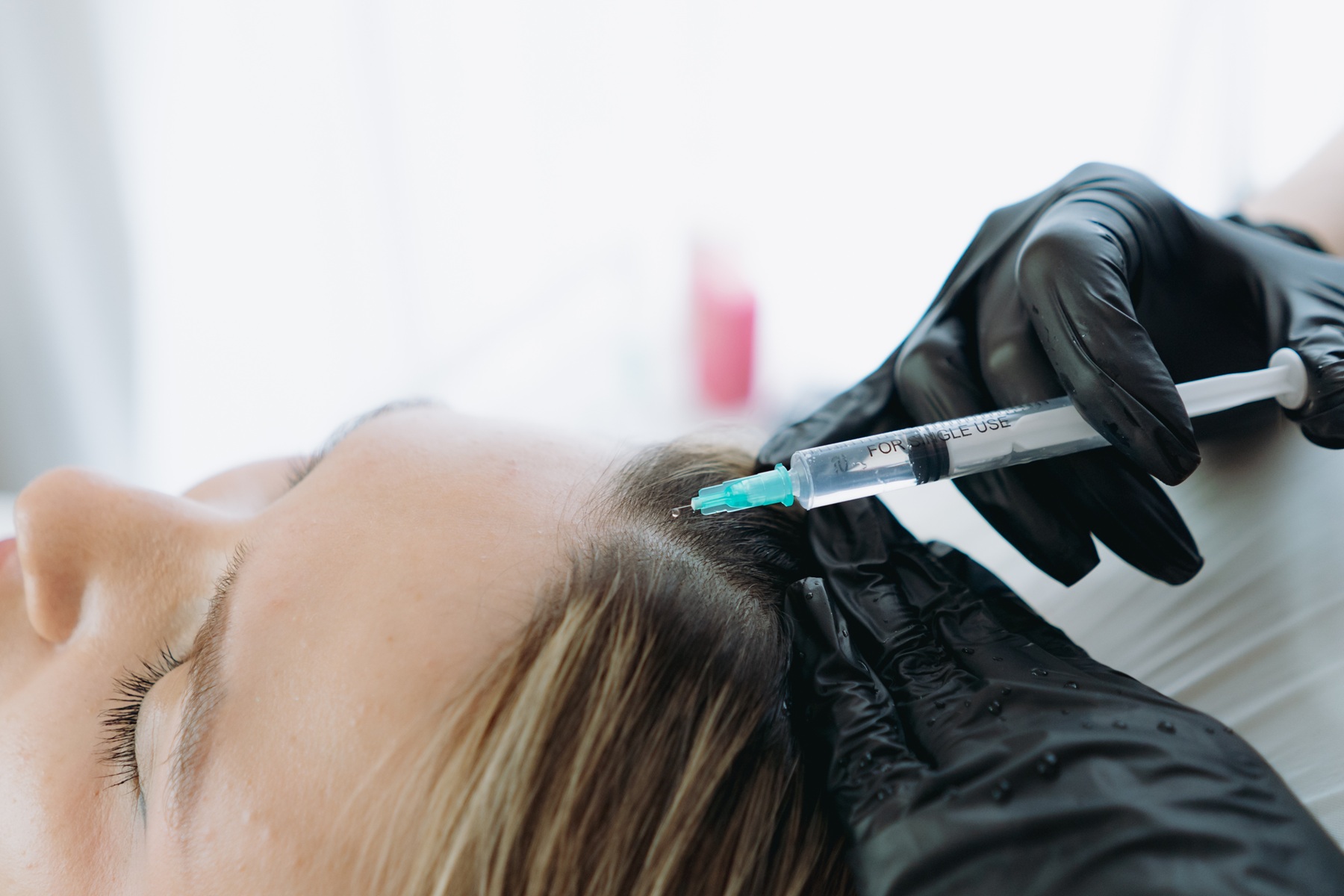
Regenerative therapies have quickly become the talk of 2026, with a focus on harnessing the body’s own biological mechanisms for hair regrowth. Exosomes, in particular, deliver growth factors and reduce inflammation, often leading to visible improvements within a few months and minimal recovery time. Early studies highlight the promise of exosome therapy for fast, lasting results. Stem cell therapies and innovative combinations are also expanding options for those seeking follicle regeneration.

HPIHair Partners is leading the way by combining Wharton’s Jelly stem cell therapy with low-level laser therapy or microneedling. This approach is delivering 25–40% improvements in hair density in trials, making it an exciting option for those interested in follicle regeneration. Advanced PRP/PRF and fatty acid treatments are also evolving, though their results are less predictable and remain under clinical validation.

Comparing Regenerative Therapies and New Pharmaceuticals

Exosome-based treatments, particularly those derived from mesenchymal stem cells, have set a new standard for the speed and durability of results. Autologous cell therapies, using a patient’s own biological material, are valued for their safety and natural appeal but are best viewed as complementary to newer pharmaceutical options. These regenerative approaches may become increasingly important as part of comprehensive hair restoration plans, especially when combined with the latest drug therapies.

Pipeline drugs such as clascoterone and PP405 are also changing the landscape, showing large, measurable density gains in clinical trials. If approved, these medications are expected to become foundational to hair restoration, with regenerative therapies like exosomes and autologous cell treatments potentially layered on top for even greater results.

Proactive Scalp Care and Combination Medications

Optimal hair health begins with a proactive approach. In 2026, scalp and wellness therapies go beyond basic care, targeting the underlying causes of thinning and breakage. Combination topical and oral medications, such as minoxidil/finasteride blends, remain core options and are now enhanced by personalized, multi-ingredient compounds. Oral minoxidil, in particular, is gaining popularity for its systemic benefits, promoting hair growth in a broader range of patients. The HPIHair Partners approach includes thorough scalp health assessments, customized treatment plans, and supportive therapies, all designed to maximize outcomes and encourage regrowth.

Commit to your regimen and track your progress — consistency is everything. Schedule regular follow-ups with your hair restoration provider to address side effects, monitor results, and fine-tune your plan. Enhance your daily hair care routine by using gentle washing techniques and high-quality products, and by avoiding excessive heat or harsh chemicals. These steps help protect and strengthen new hair growth.

While adopting the latest therapies is crucial, paying attention to ongoing care can make a measurable difference in your results. Tracking changes in hair density and quality, whether through photos or professional analysis, enables you and your provider to adjust your strategy more effectively. Many people find that combining medical treatments with supportive habits such as scalp massages or nutritional supplements, as recommended by a provider, can amplify progress. 

Being aware of the components in your hair care products and understanding how they complement your routine can help you avoid unnecessary obstacles. As scientific findings advance, there is increasing recognition that lifestyle habits, such as managing stress, ensuring quality sleep, and maintaining a nutritious diet, influence hair vitality. By making these factors a core part of your regimen, you’ll enhance the effectiveness of both traditional and innovative therapies, paving the way for lasting, positive results.

Leading-Edge Drugs and Biologics: What’s Coming Next

Clascoterone and PP405 are among the most anticipated hair loss treatments for 2026, as both are showing large, quantifiable density gains in controlled trials. Clascoterone offers a new way to block the effects of androgens on hair follicles, while PP405 is designed to stimulate hair follicle stem cells with a novel mechanism. 

Alongside these, Breezula is a topical androgen receptor blocker expected to seek approval in 2026 and may offer a new approach for both men and women with androgenetic alopecia. Rezpegaldesleukin, a biologic that targets the IL-2 pathway, is also generating significant interest due to promising trial results for severe alopecia areata. If these drugs are approved, they are expected to become powerful baselines that can be combined with regenerative therapies as part of comprehensive treatment strategies.
 

Hair Loss Trends Explained

How To Choose the Right Approach in 2026

Your hair is unique, so your treatment should be too. Get a professional assessment to understand your hair loss profile, then choose therapies tailored to your goals. Whether you’re drawn to regenerative treatments, breakthrough pharmaceuticals, or proactive scalp care, staying informed means you can act quickly and get the best possible results.

Take the Next Step With HPIHair Partners

HPIHair Partners, located in Nashville is your partner for the most advanced hair loss solutions in 2026. Our experts blend proven therapies with the newest breakthroughs to build a personalized plan just for you. Whether you’re curious about regenerative treatments, proactive scalp care, or the latest drug innovations, we’ll guide you every step of the way. Take control of your hair’s future. Contact us today to schedule your personalized consultation and start your transformation.

Revian Laser Press Announcement

Which Laser Device is The Best

Understanding the Side Effects of Oral Finasteride for Men

Hair loss can be frustrating and deeply personal. For many men, oral finasteride is one of the first medications offered to treat male pattern hair loss (androgenetic alopecia). While it’s effective for many, it’s important to understand the possible side effects and know that there are other options if you’re not comfortable with it.

Common Side Effects of Oral Finasteride

Finasteride works by blocking the hormone DHT, which contributes to hair loss. But like many medications, it can come with side effects. Some of the most commonly reported include:

  • Reduced sex drive (libido) – Some men notice a drop in sexual desire.
  • Erectile dysfunction – Difficulty with getting or maintaining an erection.
  • Ejaculation issues – Includes reduced semen volume or changes in ejaculation.
  • Breast tenderness or swelling – Soreness or visible enlargement in the breast area.
  • Mood changes – Reports of depression or low mood have occurred in some users.

It’s worth noting that not everyone experiences these effects, and for many, they resolve after stopping the medication. However, in rare cases, some symptoms may persist.

Serious or Less Common Side Effects

While rare, some side effects require immediate medical attention:

  • Allergic reactions – Rash, swelling, itching, or trouble breathing.
  • Changes in breast tissue – Lumps, nipple discharge, or pain.
  • Prostate health – Some studies suggest a possible increased risk of high-grade prostate cancer. Regular checkups are important.

Considering Alternatives? You’re Not Alone.

At HPI Hair Partners, we believe hair loss treatment should be personal, not one-size-fits-all. If you’re exploring options beyond oral medications, we offer non-pharmaceutical approaches rooted in science and compassion.

Natural Topical Treatments

Oils like rosemary, pumpkin seed, and coconut oil support scalp health. Our clinic also offers professionally compounded topicals like Minoxidil and Finasteride for targeted results with lower systemic impact.

Nutritional Support & IV Therapy

Supplements like biotin, zinc, and omega-3s can support healthy hair from the inside out. IV therapy adds amino acids and nutrients directly into your bloodstream to stimulate hair growth naturally.

Scalp Stimulation Treatments

Scalp massage, detoxification treatments, and exfoliating therapies can help improve blood flow and create better conditions for growth.

Spotlight on Mesotherapy: A Minimally Invasive Option

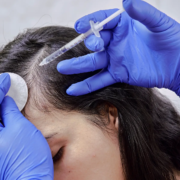
Mesotherapy is a non-surgical treatment that delivers micro-injections of vitamins, minerals, and amino acids directly to the scalp. The goal is to:

  • Nourish hair follicles
  • Increase blood circulation
  • Activate growth at the root

When performed by a clinical trichologist or hair specialist, mesotherapy is generally safe and requires little to no downtime. It’s a powerful option for men looking to avoid oral medications while still supporting healthy, fuller hair.

Take the First Step Toward a Personalized Plan

Choosing the right hair loss solution is deeply personal. Whether you’re concerned about side effects or simply want a more natural path forward, we’re here to help.👉 Book your private consultation with our hair restoration team today

Why Hair Loss Feels So Personal And What You Can Do About It

Hair is more than just something we style or color; it’s part of how we see ourselves. For many women, hair symbolizes femininity, strength, beauty, and even cultural heritage. So when hair loss begins, it’s not just physical. It’s emotional.

More Than a Beauty Concern

Hair loss affects millions of women, but its emotional impact is often overlooked. The experience can trigger feelings of grief, shame, anxiety, or loss of identity. These aren’t surface-level concerns; they’re real and valid. And for many, they’re deeply tied to how they interact with the world.

The truth is, when your hair changes, it can feel like your confidence goes with it.

The Psychology of Hair Loss

Psychodermatology, a field that explores the connection between skin, hair, and mental health, tells us this isn’t just about appearance. It’s about how we process and experience change. Here are four common emotional responses many women face:

  • Loss of Identity
    Hair can be a signature part of how we present ourselves. Losing it often feels like losing a part of who we are.
  • Social Withdrawal
    Women may avoid social events or photos, feeling self-conscious or afraid of judgment.
  • Anxiety and Depression
    The visibility of hair loss can lead to increased anxiety or deepen feelings of sadness.
  • Struggle for Acceptance
    It’s a personal journey to redefine beauty and self-worth beyond what’s visible in the mirror.

You’re Not Alone, And You Don’t Have to Figure It Out Alone

At HPI Hair Partners, we understand that hair loss isn’t just a medical issue — it’s emotional, too. That’s why we offer both clinically advanced treatments and compassionate support, tailored to your unique story. Whether you’re just noticing changes or have been searching for solutions for a while, we’re here to help you feel like yourself again.👉 Let’s talk. Book a private consultation today

Exosomes & Hair Regrowth: Is the Hype Real?

Hair loss can be frustrating, especially when topicals and pills don’t deliver. A new option creating buzz is exosome therapy, a treatment still in its early stages but showing real scientific promise. Here’s what you need to know, straight from the latest research and our clinical perspective at HPI Hair Partners.

What Exactly Are Exosomes?

Your cells send “text messages” to each other throughout the day. Those messages are packed inside exosomes—tiny, bubble-like packages filled with proteins, lipids, and genetic material. When an exosome docks with another cell, it delivers the growth and repair instructions.

Why Exosomes Interest Hair-Loss Specialists

1. Wake up dormant follicles
Exosomes taken from dermal papilla cells (the “command center” of each follicle) can push resting follicles back into the growth phase.

2. Improve scalp circulation
They trigger angiogenesis—new blood-vessel formation—so follicles receive more oxygen and nutrients.

3. Quiet damaging signals
Early lab work shows exosomes may offset the DHT-driven miniaturization seen in androgenetic alopecia.

What the Studies Say

Study TypeKey Takeaway
Human trial, 39 patientsAdipose-derived exosomes increased hair density and thickness by week 12.
Human pilot, 9 menSeven reported visible regrowth they called “satisfying.”
Mouse study, dermal papilla exosomesAccelerated regrowth via the Wnt/β-catenin pathway (a master follicle switch).
Mouse study, milk-derived exosomesMatched minoxidil’s growth effect—without scalp irritation.

Full citations at the end of the article.

Safety & Current Limits

  • Side-effect profile: 125 treated hair-loss patients across published studies reported only mild, temporary reactions—yet in wider dermatology use, ten serious events have been logged.
  • Quality control: Manufacturing methods vary. Until FDA standards tighten, each product’s purity and dose can differ.
  • Cost & access: Cell-derived exosomes are expensive to produce, which raises treatment price tags.

Should You Try It?

Exosome therapy is still considered experimental. If you explore it, ask the clinic:

  1. What source? (Adipose, bone marrow, milk, plant?)
  2. Any peer-reviewed data on that product?
  3. How is sterility and dosing verified?

At HPI Hair Partners, we stay evidence-led. We’re closely monitoring exosome research and will introduce it only when safety, sourcing, and efficacy meet our standards—and yours.

Your Next Step

Every scalp is different. Let’s discuss the proven options available now and create a plan that aligns with your goals and timeline.

Book a confidential consultation

Have questions first? Email our trichology team at customercare@hpihairpartners.com. We’re here to help.

Sources

  1. Beer, S. et al. “Exosomes and regenerative medicine: a review focused on hair disorders.” PubMed 2024.
  2. Kim, J. et al. “Adipose-derived stem-cell exosomes promote hair regrowth in humans.” International Journal of Molecular Sciences 2023.

Moawad, M. et al. “Milk-derived exosomes as a novel therapeutic for alopecia.” Journal of Dermatological Science 2022.

Featured in StyleBlueprint: How HPI Hair Partners Helps Women Navigate Hair Loss

Inspired by StyleBlueprint’s feature on HPI Hair Partners

Hair loss is more than a cosmetic concern. It can be emotional, frustrating, and isolating—especially for women. At HPI Hair Partners, we’ve made it our mission to change that narrative.

We were honored to be featured in StyleBlueprint’s article on how women are addressing hair loss head-on—and how we walk alongside them with real solutions and compassionate support.

Here’s a closer look at what the article shared—and how we’re here to help.

What Makes Hair Loss So Difficult for Women

As StyleBlueprint explains, many women feel blindsided by thinning hair. It can happen after childbirth, during perimenopause, following illness, or even from stress. And unlike the more openly discussed experience of male pattern baldness, women’s hair loss is often met with silence or shame.

At HPI Hair Partners, we know how vulnerable this can feel. That’s why we’ve created a safe, private space to talk openly about hair health—and start rebuilding confidence from the inside out.

Personalized Care—Because There’s No One Cause

StyleBlueprint highlighted one of the key things that sets HPI apart: our commitment to customized care.

Hair loss can stem from:

  • Hormonal imbalances
  • Stress or trauma
  • Thyroid conditions
  • Autoimmune disorders
  • Nutritional deficiencies
  • Medication side effects
  • Genetics
  • Scalp health issues

Instead of guessing or giving one-size-fits-all advice, we start with a detailed consultation and scalp analysis. From there, we recommend a treatment path that fits your diagnosis, lifestyle, and goals.

Non-Surgical Solutions That Work

The article touched on a few of the services we’re known for, including:

  • Scalp micropigmentation, which camouflages thinning areas and gives the illusion of thicker hair
  • Hair restoration systems (like toppers or wigs) that are medically approved and beautifully natural
  • In-office trichology treatments, which help detox the scalp, improve blood flow, and stimulate growth
  • Laser therapy, supplements, and at-home regimens to support progress between visits

Whether you need something immediate or you’re focused on long-term regrowth, we build a plan that feels manageable and effective, not overwhelming.

Why Our Mission Matters

At HPI Hair Partners, we believe in the power of restoring confidence. As StyleBlueprint put it, “You’re not alone—and you’re not out of options.” That’s a message we share every day.

Our work goes beyond scalp treatments or product recommendations. It’s about helping women feel seen, heard, and supported during a season that can feel very isolating.

If you’re starting to notice shedding, thinning, or changes to your scalp health, don’t wait. Early intervention can make a big difference—and we’re here to guide you.

Ready to Take the First Step?

Book a confidential consultation with our team. We’ll walk you through what’s happening and what we can do to help. Schedule your appointment today or learn more about our approach to hair loss.

Low Porosity Hair: What It Is—and How to Care for It

Inspired by Woman’s World’s guide to understanding low porosity hair

If it feels like your hair repels water or your favorite conditioner just sits on top of your strands without sinking in, you might have low porosity hair. It’s a common hair type—but also commonly misunderstood.

At HPI Hair Partners, we work with many clients who are frustrated with dry, dull, or thinning hair. Sometimes the issue isn’t your products—it’s how your hair absorbs them. That’s where understanding porosity comes in.

What Is Low Porosity Hair?

Porosity refers to how well your hair can absorb and retain moisture. With low porosity hair, the cuticle layer lies flat and tight, making it difficult for water and nutrients to get in.

Here’s what that might look like:

  • Products seem to “sit” on your hair rather than absorb
  • Hair takes a long time to fully dry
  • You experience buildup easily
  • Moisture doesn’t seem to help—even when you’re using the “right” products

According to Woman’s World, this is more about structure than health. Low porosity hair isn’t damaged—it just needs different care.

How to Care for Low Porosity Hair

The key is to open the cuticle slightly so your products can actually do their job. That means:

  • Use heat or steam during deep conditioning to help ingredients penetrate the hair shaft.
  • Choose lightweight products with humectants (like glycerin or aloe vera) that draw in moisture.
  • Avoid heavy oils or butters, which tend to coat the hair and lead to buildup.
  • Clarify regularly to keep your scalp and strands clean and product-free.

We often use steam or warm towel treatments in our clinic for this exact reason—they help moisture go into the hair, not just sit on the surface.

Why It Matters for Hair Growth and Health

If your hair can’t absorb moisture, it’s more likely to become dry and brittle over time. And if you’re applying expensive treatments or growth serums without addressing porosity, you may not see results—because your hair can’t receive the help you’re giving it.

That’s why at HPI Hair Partners, we take time to understand your hair type, scalp health, and environmental stressors before building your care plan. Low porosity hair requires a specific strategy—and we’re here to guide you through it.

Want to know your hair’s porosity—and how to work with it?

We’ll help you take the guesswork out of your routine. Book a consultation or explore our personalized hair health treatments designed to help you retain moisture, restore balance, and support stronger hair growth.

Why Steam May Be the Secret to Healthier Hair

Inspired by First for Women’s article on steam treatments for hair

If your hair feels dry, brittle, or slow to grow—especially during colder months—your strands may be craving moisture. And not just from conditioners or serums.

Steam treatments are gaining attention for a good reason: they help your hair absorb and retain hydration at a deeper level.

At HPI Hair Partners, we often remind our clients that healthy hair starts with a healthy scalp and consistent hydration. For anyone dealing with dryness, thinning, or damage, steam may offer a simple but powerful step toward restoring balance.

What Does a Steam Treatment Do for Your Hair?

According to First for Women, steaming creates a warm, moist environment that lifts the hair cuticle, allowing moisture and nutrients to penetrate more effectively. It also:

  • Softens strands
  • Improves elasticity (making hair less prone to breakage)
  • Boosts shine
  • Encourages circulation in the scalp, which may help promote growth

Steam can also help open up clogged hair follicles—important for anyone experiencing thinning or shedding.

Who Should Try a Hair Steam Treatment?

Steam treatments are ideal for:

  • Dry or damaged hair (especially from heat styling or color processing)
  • Curly or textured hair, which tends to need more moisture
  • Anyone experiencing hair loss or scalp dryness

That last group is where we focus most. If you’re dealing with hair loss, your scalp may be inflamed, dry, or congested—steam can be a gentle way to open the pores and soften buildup before a detoxifying or nourishing treatment.

How to Do a Steam Treatment at Home

You don’t need fancy equipment. Here’s what First for Women recommends:

  1. Apply your favorite deep conditioner or mask to clean, damp hair.
  2. Use a warm towel (microwaved or run under hot water, then wrung out) and wrap it around your hair.
  3. Cover with a shower cap to trap in heat and moisture.
  4. Let it sit for 20–30 minutes, then rinse thoroughly.

You can also invest in a handheld steamer or visit a hair specialist (like us!) for an in-office treatment that combines steam with targeted solutions for scalp health or hair loss.

How HPI Hair Partners Uses Steam in Treatment Plans

Steam therapy is part of several in-clinic services at HPI Hair Partners. It helps prepare the scalp for absorption before applying customized serums or topical treatments for hair regrowth and repair.

We use it to gently loosen buildup, increase blood flow, and improve the effectiveness of whatever comes next in your care plan. It’s not a one-size-fits-all tool—but it’s a powerful one when used intentionally.

If you’ve been struggling with dryness, thinning, or breakage, it may be time to look beyond your shampoo and conditioner. You might just need steam.

Want to try a steam treatment with expert support?

Let’s talk. We’ll help you build a routine that works for your hair, your scalp, and your lifestyle. Book a consultation or learn more about our approach to scalp health.

Hard Water and Hair Loss: What You Need to Know (and What to Do About It)

Inspired by Prevention’s expert roundup on hard water shampoos

If your hair feels dry, dull, or just not like it used to, the water coming from your shower may be part of the problem.

Hard water is loaded with minerals like calcium and magnesium. While harmless to your health, these minerals can cause major buildup on the scalp and hair shaft over time—leading to dryness, breakage, scalp irritation, and even hair loss.

How Hard Water Can Contribute to Hair Loss

At HPI Hair Partners, we work with people every day who are concerned about hair thinning or shedding. And we always start by asking about their environment—including water quality. Our hair loss team will help you determine the best steps to take to prevent hard water damage and restore your hair and scalp. 

Here’s why hard water may be a culprit:

  • Mineral buildup blocks follicles: Over time, minerals from hard water can settle on your scalp, clogging hair follicles and preventing healthy hair growth.

  • Weakened strands: The buildup makes it harder for hair to absorb moisture and nutrients, which can lead to dry, brittle hair that’s more prone to breakage.

  • Scalp imbalance: A dry, irritated scalp can cause inflammation or dandruff—conditions that aren’t ideal for strong hair growth.

For anyone already experiencing hair loss, hard water can make things worse. But with the right care, it’s absolutely something you can address.

Shampoos That Help Remove Hard Water Buildup

Thankfully, certain shampoos are made to gently break down and remove mineral buildup without damaging the hair or scalp. Prevention Magazine’s recent roundup highlighted several top performers, including:

  • Malibu C Hard Water Wellness Shampoo – A go-to for many stylists, this clarifying shampoo removes minerals without drying out your hair.

  • Ion Hard Water Shampoo – Includes two chelating agents to target buildup and discoloration while being safe for colored hair.

  • Ouidad Water Works Clarifying Shampoo – Uses citrus extracts and moisturizing plant oils to gently cleanse without stripping.

You can read Prevention’s full list of expert picks here.

What Else You Can Do

Shampoo is a helpful first step, but for those who want to protect their hair long-term—especially if you’re noticing thinning—we recommend a more holistic approach:

  • Install a shower filter to reduce the mineral content at the source.
  • Use a leave-in conditioner or lightweight hair oil to lock in moisture.
  • Have your scalp and hair analyzed by a hair loss specialist to evaluate buildup and scalp health

HPIHair Partners, we take a personalized approach to hair health. Our team of Trichologists and hair loss specialists understands that every person’s hair loss journey is different—and so is the solution. Whether it’s identifying hidden factors like hard water or building a treatment plan that fits your lifestyle, we’re here to help you protect and restore your hair with confidence.

Want to know if hard water might be affecting your hair?

Let’s talk. Book a consultation with our team today.