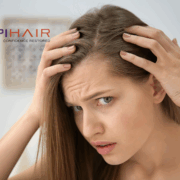
How To Deal With Hair Loss As A Women in Brentwood, TN

Combat female hair loss with specialized treatments for natural regrowth.

Hair loss can be a distressing experience for anyone, but it can be particularly challenging for women. Whether the cause is genetics, hormonal changes, or other factors, dealing with hair loss can take a toll on one’s confidence and self-image. If you’re experiencing hair loss as a woman, you’re not alone, and there are various strategies and treatments available to help you manage this condition. In this comprehensive guide, we will explore the causes of female pattern hair loss and provide practical tips and solutions to help you address this issue with confidence and ease.

Female Pattern Hair Loss

Female pattern hair loss, also known as androgenetic alopecia, is a common condition that affects many women. It is characterized by a gradual thinning of the hair, particularly at the top of the head and along the part line. While male pattern baldness typically follows a distinct pattern, female pattern hair loss can present in different ways, making it important to understand the specific characteristics and symptoms associated with this condition.

Here are some key points to consider:

– Hair thinning is often more diffuse in women, making it less noticeable in the early stages

– Female pattern hair loss can start as early as the late teens or early 20s, but it is more common in women after menopause

– Hormonal changes, genetics, and aging are all factors that can contribute to female pattern hair loss

It’s important to consult with a professional to accurately diagnose the cause of your hair loss and determine the most effective treatment options.

Strategies for Managing Female Pattern Hair Loss

While dealing with female pattern hair loss can be challenging, there are several strategies and treatments that can help you address this issue and feel more confident about your appearance.

1. Consult with a Specialist: Seeking guidance from a dermatologist or a trichologist who specializes in hair and scalp health is crucial. They can provide a comprehensive evaluation, diagnose the underlying cause of your hair loss, and recommend personalized treatment options.

2. Explore Topical Treatments: There are prescription and over-the-counter topical treatments, such as minoxidil, that have been shown to promote hair regrowth and slow down further hair loss in women. Discuss these options with your healthcare provider to see if they are suitable for your specific needs.

3. Consider Oral Medications: In some cases, oral medications like spironolactone and finasteride may be prescribed to help manage female pattern hair loss. These medications work by targeting hormonal imbalances that contribute to hair thinning and can be effective for certain individuals.

4. Embrace Lifestyle Changes: Making healthy lifestyle choices, such as maintaining a balanced diet, managing stress levels, and avoiding excessive hairstyling or heat exposure, can support overall hair health and potentially minimize the impact of hair loss.

5. Explore Hair Restoration Therapies: Advanced treatments like platelet-rich plasma (PRP) therapy and low-level laser therapy (LLLT) have shown promising results in stimulating hair growth and improving hair density in women with pattern hair loss.

The main takeaway

Dealing with hair loss as a woman can be a complex and emotionally challenging experience. nderstanding the causes and available treatments for female pattern hair loss, you can take proactive steps to address this issue and regain confidence in your appearance. Remember that seeking professional guidance and exploring suitable treatment options can make a meaningful difference in managing hair loss and promoting healthy hair growth.
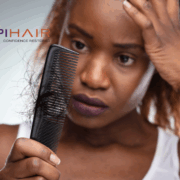
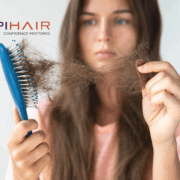
How To Stop Hair Loss In Women in Brentwood, TN

Expert solutions for women’s hair loss – find relief today.

Struggling with hair loss can be an incredibly distressing experience for women. Whether it’s thinning hair, receding hairline, or bald patches, the emotional impact of hair loss can be significant. If you’re a woman dealing with hair loss, know that you’re not alone. Hair loss affects millions of women worldwide, and seeking help is the first step toward finding a solution. At our clinic in Brentwood, TN, we understand the unique challenges that women face when dealing with hair loss. In this comprehensive guide, we’ll explore the causes of hair loss in women and provide valuable insights on how to effectively address this issue.

Appreciating Hair Loss

Hair loss in women can manifest in various forms, including gradual thinning, sudden shedding, or even bald patches. While genetic predisposition, hormonal changes, and aging are common contributors to hair loss, other factors such as stress, nutritional deficiencies, medical conditions, and certain medications can also play a significant role. It’s essential to recognize the underlying cause of your hair loss, as this will ultimately guide the most suitable treatment approach. Consulting with a qualified professional is crucial in identifying the specific cause and developing a personalized plan to address it.

Nutrition and Hair Health

Nutrition plays a pivotal role in maintaining overall health, including the health of your hair. A balanced diet rich in essential vitamins, minerals, and proteins is vital for promoting strong and healthy hair growth. Incorporating the following nutrients into your diet can be beneficial in preventing or minimizing hair loss:

– Protein: Hair is primarily made of protein, so ensuring an adequate intake of protein from sources like lean meats, fish, eggs, and legumes is essential for healthy hair.

– Iron: Iron deficiency is a common cause of hair loss in women. Incorporate iron-rich foods such as spinach, lentils, and red meat into your diet to support hair growth.

– Vitamins: Vitamins such as Biotin (B7), Vitamin A, and Vitamin D are known to support hair health. Consider adding foods like eggs, nuts, leafy greens, and fatty fish to your diet to boost your intake of these essential vitamins.

Stress Management

Chronic stress can have a profound impact on hair health, leading to increased shedding and even hair thinning. Implementing effective stress management techniques such as meditation, yoga, or regular exercise can help mitigate the negative effects of stress on your hair. Additionally, seeking professional support to address underlying stressors or mental health concerns can be instrumental in promoting overall well-being, which in turn can positively impact your hair health.

Professional Treatment Options

In cases where hair loss is more persistent or severe, seeking professional treatment options may be necessary. Advanced therapies such as platelet-rich plasma (PRP) treatments, low-level laser therapy, and customized topical solutions can offer effective solutions for stimulating hair growth and preventing further loss. Moreover, our clinic in Brentwood, TN, offers personalized consultations and treatment plans tailored to the specific needs of women experiencing hair loss.

Last ideas

Addressing hair loss in women necessitates a holistic approach that considers the individual’s unique circumstances and needs. By focusing on nutrition, stress management, and professional treatment options, women can take proactive steps toward mitigating hair loss and promoting healthy, vibrant hair growth. Remember, seeking guidance from experienced professionals is crucial in developing an effective and sustainable plan for addressing hair loss.

Causes Of Hair Loss In Older Women in La Vergne, TN

Effective treatments for hair loss in women. Consult experts now.

Hair loss, also known as alopecia, can be a distressing experience for many women, particularly as they enter middle age and beyond. While it is a common occurrence, realizing the underlying causes and available treatment options is crucial for managing and addressing this issue. In this comprehensive guide, we will explore the various factors that contribute to hair loss in older women, empowering you with knowledge and resources to make informed decisions about your hair health.

Hormonal Changes and Imbalance

Hormonal changes play a significant role in hair health, especially for women as they age. Fluctuations in hormone levels, particularly during menopause, can lead to hair thinning and shedding. As estrogen levels decline, the hair growth cycle may be affected, resulting in reduced hair density and overall volume. Additionally, the increased presence of androgens, such as dihydrotestosterone (DHT), can contribute to hair follicle miniaturization and eventual hair loss.

Nutritional Deficiencies

Adequate nutrition is vital for maintaining healthy hair, and deficiencies in key nutrients can contribute to hair loss in older women. Iron deficiency, commonly experienced by postmenopausal women, can lead to a condition called telogen effluvium, characterized by excessive shedding. Similarly, inadequate intake of essential vitamins and minerals, such as vitamin D, vitamin E, and biotin, can impact the strength and resilience of hair strands, leading to increased breakage and thinning.

Medical Conditions and Underlying Health Issues

Certain medical conditions and underlying health issues can manifest as hair loss in older women. Conditions such as thyroid disorders, autoimmune diseases, and alopecia areata can directly impact the hair growth cycle, resulting in noticeable thinning or bald patches. Additionally, chronic stress and its physiological effects on the body can contribute to hair shedding and reduced hair quality, making stress management an important aspect of maintaining optimal hair health.

Genetic Predisposition

Genetics also play a significant role in the likelihood of experiencing hair loss as women age. Female pattern hair loss, or androgenetic alopecia, can be inherited and is characterized by a gradual reduction in hair volume, particularly at the crown and frontal areas of the scalp. Understanding the genetic predisposition to hair loss can inform personalized treatment approaches and help manage expectations for hair restoration.

Environmental and Lifestyle Factors

External factors, such as exposure to pollution, harsh chemicals in hair products, and excessive heat styling, can contribute to hair damage and subsequent loss. Additionally, lifestyle choices, including smoking, excessive alcohol consumption, and poor sleep patterns, can impact overall health and indirectly affect hair quality and growth. Adopting healthy lifestyle practices and minimizing exposure to damaging elements can support efforts to preserve and promote hair health.

Last reflections

In addressing the causes of hair loss in older women, it is essential to consider a holistic approach that encompasses hormonal balance, nutrition, medical evaluations, genetic predisposition, and lifestyle modifications to support overall well-being. With a comprehensive realizing of the contributing factors, women can explore personalized treatment options, including topical solutions, oral medications, low-level laser therapy, and hair transplantation, to address their specific needs and restore confidence in their hair’s appearance and vitality.

How To Help Genetic Hair Loss In Women in Nashville, TN

Effective solutions for women’s hair loss. Experience confidence today!

Genetic Hair Loss in Women: Understanding the Causes and Effective Solutions

Genetic Hair Loss

Genetic hair loss, also known as female pattern hair loss or androgenetic alopecia, is the most common cause of hair loss in women. It is characterized by a gradual thinning of the hair, primarily on the top and crown of the scalp. This type of hair loss is influenced by genetic and hormonal factors and can be inherited from either parent. While the exact mechanisms are complex, genetic hair loss in women is often linked to the presence of androgens, particularly dihydrotestosterone (DHT), a hormone that can shrink hair follicles and shorten the hair growth cycle.

Exploring Treatment Options

While genetic hair loss may not be entirely preventable, there are several treatment options available to help slow down the progression of hair loss and promote new hair growth. It’s essential to consult with a hair restoration specialist to determine the most suitable approach for your unique needs. Some effective treatment options for genetic hair loss in women include:

– Topical Minoxidil: This over-the-counter treatment is applied directly to the scalp and has been shown to promote hair regrowth in some women.

– Oral Finasteride: While primarily prescribed for men, finasteride may also be an option for women with genetic hair loss, although it is not FDA-approved for female use and should be used with caution.

– Platelet-Rich Plasma (PRP) Therapy: This innovative treatment involves injecting your own platelet-rich plasma into the scalp to stimulate hair follicles and promote hair growth.

– Low-Level Laser Therapy (LLLT): LLLT devices emit red light to enhance blood flow to the scalp, potentially promoting hair growth and improving hair thickness.

– Hair Transplantation: For women with advanced hair loss, hair transplantation can provide a permanent solution by relocating hair follicles from the back or sides of the scalp to the thinning areas.

Lifestyle and Nutritional Considerations

In addition to clinical treatments, making certain lifestyle changes and incorporating specific nutrients into your diet can also support healthy hair growth and minimize the impact of genetic hair loss. Here are some tips to consider:

– Maintain a Balanced Diet: Ensure that your diet includes plenty of protein, vitamins, and minerals essential for hair health, such as iron, zinc, and biotin.

– Manage Stress: Chronic stress can contribute to hair loss, so finding effective stress-management techniques, such as meditation or yoga, is crucial.

– Avoid Harsh Styling Practices: Overusing heat styling tools and chemical treatments can damage the hair shaft, leading to increased breakage and thinning.

– Regular Scalp Massage: Massaging the scalp can help improve blood circulation to the hair follicles, potentially promoting hair growth.

– Hormonal Evaluation: Some women may benefit from hormone evaluation and potential balancing to address underlying hormonal imbalances contributing to hair loss.

Wrapping up

Genetic hair loss in women can be a challenging and emotional experience, but it’s important to remember that effective solutions are available. By seeking professional guidance and exploring the various treatment options, you can take proactive steps to address genetic hair loss and restore your confidence. Whether it’s through clinical interventions, lifestyle modifications, or a combination of both, achieving healthier, fuller hair is a realistic goal. Embracing a comprehensive approach to hair restoration can empower you to feel more in control of your hair health and overall well-being.

Medical Reasons For Hair Loss In Women in Nolensville, TN

Restore your confidence with effective hair loss solutions for women.

Hair loss in women can be a distressing experience, impacting self-esteem and confidence. While it’s often associated with men, women also experience hair thinning and baldness due to various medical reasons. Understanding the underlying causes and available treatment options is crucial in addressing this concern.

Hair Growth Cycle

The human hair growth cycle consists of three phases: anagen (active growth), catagen (transition), and telogen (resting). Each hair follicle operates independently, which means various factors can affect the growth cycle of different hairs on the scalp.

Medical Reasons for Hair Loss in Women

Hair loss in women can be attributed to several medical conditions and factors, some of which are outlined below:

Hormonal Imbalance

Hormonal imbalances, such as those related to thyroid disorders, menopause, and polycystic ovary syndrome (PCOS), can contribute to hair loss in women. Fluctuating hormone levels can disrupt the hair growth cycle, leading to thinning and shedding of hair.

Nutritional Deficiencies

Nutritional deficiencies, particularly in iron, vitamin D, and protein, can significantly impact hair health. Women who follow restrictive diets or have poor eating habits may experience hair loss due to inadequate nutrient intake.

Stress and Telogen Effluvium

Severe emotional or physical stress can trigger a condition called telogen effluvium, causing an increased number of hair follicles to enter the resting phase simultaneously. This may lead to noticeable hair shedding and thinning.

Medical Conditions

Certain medical conditions, such as alopecia areata, lupus, and trichotillomania, can directly affect the hair follicles, resulting in patchy hair loss or overall thinning across the scalp. Seek medical attention if you suspect you have any of these conditions.

Medication and Treatment Side Effects

Some medications and treatments, including chemotherapy, radiation therapy, and certain drugs used for chronic conditions, can lead to hair loss as a side effect. Discuss potential side effects with your healthcare provider before starting any new medications.

Genetic Predisposition

Female pattern hair loss, also known as androgenetic alopecia, can occur due to genetic predisposition. This type of hair loss usually results in gradual thinning at the crown and frontal scalp areas.

Autoimmune Disorders

Autoimmune disorders, such as alopecia areata, involve the immune system mistakenly attacking the hair follicles, leading to hair loss. Seeking early intervention from a healthcare professional is essential to manage autoimmune-related hair loss effectively.

Pregnancy and Postpartum Period

Pregnancy and the postpartum period can result in temporary hair loss due to hormonal fluctuations. This condition, known as postpartum alopecia, often resolves within several months to a year after delivery.

End thoughts

Acknowledging the medical reasons for hair loss in women is crucial for effectively addressing this concern. Whether it’s hormonal imbalances, nutritional deficiencies, stress, or genetic predispositions, identifying the underlying cause is the first step towards finding suitable treatment options. If you’re experiencing hair loss, consult with a healthcare professional to determine the specific cause and explore personalized solutions to promote hair regrowth and overall scalp health.

Saw Palmetto Women’s Hair Loss in La Vergne, TN

Solve hair loss naturally with Saw Palmetto for women.

Suffering from hair loss can be distressing, especially for women who take pride in their appearance. If you’re a woman dealing with hair loss, you are not alone. Fortunately, there are natural remedies available to help combat this issue, such as saw palmetto. In this article, we’ll explore the potential benefits of saw palmetto for women’s hair loss and how it could be the solution you’ve been looking for.

The Impact of Hair Loss in Women

Hair loss is often associated with men, but the reality is that a significant number of women also experience this issue. The emotional toll of hair loss in women can be particularly devastating. Many women report feeling self-conscious and less confident, impacting their overall well-being. As a bodybuilder, maintaining a healthy and strong appearance is paramount, and hair loss can be a considerable obstacle in achieving that goal.

Saw Palmetto

Saw palmetto is a small palm tree native to the southeastern United States. It has been used for centuries by Native Americans to address various health concerns. One of the key benefits of saw palmetto is its potential to prevent the conversion of testosterone into dihydrotestosterone (DHT). This is significant in the context of hair loss, as DHT is often linked to the miniaturization of hair follicles, leading to hair thinning and eventual loss.

Saw palmetto is also known for its anti-inflammatory properties, which may help reduce inflammation in the scalp and promote hair growth. Its effectiveness in addressing benign prostatic hyperplasia (BPH) has been extensively studied, and its impact on hormonal balance makes it a promising natural remedy for hair loss in women.

Benefits of Saw Palmetto for Women’s Hair Loss

1. DHT Inhibition: Saw palmetto’s ability to limit the conversion of testosterone to DHT can potentially prevent hair follicle shrinkage and, in turn, reduce hair loss.

2. Hormonal Balance: By supporting hormonal balance, saw palmetto may help address hair loss caused by imbalances in androgenic hormones.

3. Anti-Inflammatory Properties: Saw palmetto’s anti-inflammatory effects can help soothe the scalp and promote a healthy environment for hair growth.

4. Natural and Safe: As a natural supplement, saw palmetto offers a safe alternative to synthetic hair loss treatments, with fewer side effects.

How to Incorporate Saw Palmetto into Your Routine

If you’re considering saw palmetto as a natural remedy for hair loss, it’s essential to approach it with the right strategy. Here are some tips for incorporating saw palmetto into your routine:

– Consult a Healthcare Professional: Before starting any new supplement regimen, it’s crucial to consult with a healthcare professional, especially if you have pre-existing medical conditions or are taking medications.

– Quality Matters: Ensure that you are using high-quality saw palmetto products from reputable sources to maximize the potential benefits.

– Patience Is Key: Natural remedies often require time to show results, so consistency and patience are vital when integrating saw palmetto into your hair care routine.

Final considerations

Dealing with hair loss as a female bodybuilder can be challenging, but incorporating natural solutions like saw palmetto into your routine could make a meaningful difference. ddressing the root causes of hair loss and promoting a healthy scalp environment, saw palmetto offers a natural and safe alternative for women seeking to combat hair loss.

As you continue to focus on your fitness and overall well-being, consider exploring the potential of saw palmetto as a holistic approach to supporting healthy hair growth.

Treatments For Hair Loss In Women in Brentwood, TN

Restore confidence with effective hair loss treatments for women. Call now!

Hair loss in women can be a distressing experience, impacting self-esteem and confidence. Whether it’s thinning hair or bald patches, finding the right treatment is crucial for restoring your natural beauty and regaining confidence. If you’re in Brentwood, TN, and seeking effective hair loss treatments, our clinic specializes in providing personalized solutions tailored to your needs. From advanced medical therapies to holistic approaches, we offer a comprehensive range of options to address female hair loss.

Female Hair Loss

Recognizing the underlying causes of hair loss in women is essential for identifying the most suitable treatment. Female pattern hair loss, hormonal imbalances, stress, nutritional deficiencies, and certain medical conditions are common contributors to hair thinning and shedding. By conducting a thorough evaluation, our experts can pinpoint the root cause and recommend a tailored treatment plan to address your specific concerns.

Medical Therapies

Advanced medical therapies, such as platelet-rich plasma (PRP) treatments, have shown promising results in stimulating hair growth and improving hair density. PRP therapy involves using the patient’s own blood to extract growth factors, which are then injected into the scalp to promote hair follicle regeneration. This non-surgical procedure is minimally invasive and has gained popularity for its effectiveness in rejuvenating hair growth.

– Platelet-Rich Plasma (PRP) Therapy: Stimulates hair growth and improves hair density.

– Prescription Medications: FDA-approved medications, such as minoxidil and finasteride, may be prescribed to help minimize hair loss and promote regrowth.

Holistic Approaches

In addition to medical treatments, holistic approaches offer natural solutions to combat hair loss and enhance overall hair health. Incorporating lifestyle changes, dietary modifications, and targeted supplements can play a significant role in improving hair resilience and texture.

– Nutritional Supplements: Essential vitamins and minerals, including biotin, iron, and vitamin D, are vital for maintaining healthy hair. Integrating high-quality supplements into your daily routine can support optimal hair growth and vitality.

– Scalp Massage and Aromatherapy: Stimulating the scalp through regular massages and utilizing essential oils known for their hair-nourishing properties can promote blood circulation and encourage follicle health.

Customized Hair Care Regimens

A personalized hair care regimen tailored to your unique needs and preferences is instrumental in nurturing and preserving your hair’s vitality. From gentle cleansing shampoos to nourishing conditioners and specialized serums, selecting the right products can aid in maintaining an optimal environment for healthy hair growth.

– Scalp Treatments: Targeted scalp treatments, including exfoliating masks and revitalizing serums, can help create an optimal environment for hair follicle health and growth.

– Prescriptive Hair Care: Our experts can recommend and customize a range of prescriptive hair care products to address specific concerns, from volume enhancement to moisture retention.

Concluding remarks

If you’re experiencing hair loss and seeking comprehensive solutions tailored to your needs, the journey to reclaiming your confidence starts here. Our clinic in Brentwood, TN, is dedicated to providing the highest standard of care and personalized hair loss treatments for women. With a focus on addressing the root cause of hair loss and restoring natural beauty, our team is committed to supporting you at every step of the way.

Best Women’s Hair Loss Treatment in La Vergne, TN

Restore your confidence with the best hair loss treatment for women.

Hair loss can be a distressing experience for women, impacting self-esteem and confidence. Finding the best treatment to address hair loss concerns is crucial for individuals seeking to restore a fuller, healthier head of hair. If you’re experiencing hair loss, know that you’re not alone, and there are effective solutions available. Understanding the causes of hair loss and exploring the best treatment options tailored for women is the first step towards regaining your confidence and embracing a vibrant, luscious mane.

Hair Loss in Women

Hair loss in women can be caused by various factors, including hormonal imbalances, genetics, aging, and lifestyle choices. Understanding the underlying causes of your hair loss is essential for selecting the most effective treatment. Here are some common contributors to hair loss in women:

– Hormonal Imbalances: Fluctuations in hormones, such as during pregnancy, menopause, or conditions like polycystic ovary syndrome (PCOS), can lead to hair thinning and loss.

– Genetics: Female pattern baldness, or androgenetic alopecia, is a hereditary condition that can cause gradual hair thinning over time.

– Aging: As women age, the rate of hair growth slows down, leading to thinner and more brittle hair.

– Lifestyle Factors: Poor nutrition, stress, and certain medical conditions can also contribute to hair loss in women.

Finding the Best Treatment

When it comes to addressing hair loss in women, there are various treatment options to consider. Here are some of the best treatments for women experiencing hair loss:

– Topical Treatments: Minoxidil, an over-the-counter topical treatment, has been FDA-approved for treating female pattern baldness. It is applied directly to the scalp and has been shown to promote hair regrowth.

– Prescription Medications: Finasteride, an oral medication that inhibits the production of the hormone dihydrotestosterone (DHT), can be prescribed to women for hair loss treatment.

– Low-Level Laser Therapy (LLLT): LLLT devices, such as laser combs or helmets, are designed to stimulate hair follicles and promote hair regrowth.

– Platelet-Rich Plasma (PRP) Therapy: PRP therapy involves injecting the patient’s own platelet-rich plasma into the scalp to stimulate hair growth.

– Hair Transplantation: For women with advanced hair loss, hair transplantation procedures can provide a long-term solution by surgically moving hair follicles from a donor area to the thinning or balding areas.

Maintaining Healthy Hair

In addition to seeking professional treatment, maintaining overall hair health is essential for women experiencing hair loss. Here are some tips for promoting healthy hair growth:

– Eating a Balanced Diet: Consuming a variety of nutrients, including protein, iron, and vitamins A, C, and E, can support healthy hair growth.

– Managing Stress: Practicing stress-reducing activities, such as yoga or meditation, can help minimize the impact of stress-related hair loss.

– Gentle Hair Care: Using gentle, sulfate-free shampoos and avoiding excessive heat styling can help prevent further damage to the hair.

– Scalp Care: Keeping the scalp clean and well-nourished can create an optimal environment for hair growth.

Final considerations

Hair loss can be a distressing experience for women, but with the right knowledge and treatment, it is possible to address and even reverse the effects of hair thinning and loss. nderstanding the causes of hair loss, exploring effective treatments, and adopting healthy hair care practices, women can take proactive steps towards regaining confidence and embracing full, healthy hair.

Treatments For Hair Loss In Women in Brentwood, TN

Restore confidence with effective hair loss treatments for women. Call now!

Hair loss in women can be a distressing experience, impacting self-esteem and confidence. Whether it’s thinning hair or bald patches, finding the right treatment is crucial for restoring your natural beauty and regaining confidence. If you’re in Brentwood, TN, and seeking effective hair loss treatments, our clinic specializes in providing personalized solutions tailored to your needs. From advanced medical therapies to holistic approaches, we offer a comprehensive range of options to address female hair loss.

Female Hair Loss

Recognizing the underlying causes of hair loss in women is essential for identifying the most suitable treatment. Female pattern hair loss, hormonal imbalances, stress, nutritional deficiencies, and certain medical conditions are common contributors to hair thinning and shedding. By conducting a thorough evaluation, our experts can pinpoint the root cause and recommend a tailored treatment plan to address your specific concerns.

Medical Therapies

Advanced medical therapies, such as platelet-rich plasma (PRP) treatments, have shown promising results in stimulating hair growth and improving hair density. PRP therapy involves using the patient’s own blood to extract growth factors, which are then injected into the scalp to promote hair follicle regeneration. This non-surgical procedure is minimally invasive and has gained popularity for its effectiveness in rejuvenating hair growth.

– Platelet-Rich Plasma (PRP) Therapy: Stimulates hair growth and improves hair density.

– Prescription Medications: FDA-approved medications, such as minoxidil and finasteride, may be prescribed to help minimize hair loss and promote regrowth.

Holistic Approaches

In addition to medical treatments, holistic approaches offer natural solutions to combat hair loss and enhance overall hair health. Incorporating lifestyle changes, dietary modifications, and targeted supplements can play a significant role in improving hair resilience and texture.

– Nutritional Supplements: Essential vitamins and minerals, including biotin, iron, and vitamin D, are vital for maintaining healthy hair. Integrating high-quality supplements into your daily routine can support optimal hair growth and vitality.

– Scalp Massage and Aromatherapy: Stimulating the scalp through regular massages and utilizing essential oils known for their hair-nourishing properties can promote blood circulation and encourage follicle health.

Customized Hair Care Regimens

A personalized hair care regimen tailored to your unique needs and preferences is instrumental in nurturing and preserving your hair’s vitality. From gentle cleansing shampoos to nourishing conditioners and specialized serums, selecting the right products can aid in maintaining an optimal environment for healthy hair growth.

– Scalp Treatments: Targeted scalp treatments, including exfoliating masks and revitalizing serums, can help create an optimal environment for hair follicle health and growth.

– Prescriptive Hair Care: Our experts can recommend and customize a range of prescriptive hair care products to address specific concerns, from volume enhancement to moisture retention.

Concluding remarks

If you’re experiencing hair loss and seeking comprehensive solutions tailored to your needs, the journey to reclaiming your confidence starts here. Our clinic in Brentwood, TN, is dedicated to providing the highest standard of care and personalized hair loss treatments for women. With a focus on addressing the root cause of hair loss and restoring natural beauty, our team is committed to supporting you at every step of the way.

Best Women’s Hair Loss Treatment in La Vergne, TN

Restore your confidence with the best hair loss treatment for women.

Hair loss can be a distressing experience for women, impacting self-esteem and confidence. Finding the best treatment to address hair loss concerns is crucial for individuals seeking to restore a fuller, healthier head of hair. If you’re experiencing hair loss, know that you’re not alone, and there are effective solutions available. Understanding the causes of hair loss and exploring the best treatment options tailored for women is the first step towards regaining your confidence and embracing a vibrant, luscious mane.

Hair Loss in Women

Hair loss in women can be caused by various factors, including hormonal imbalances, genetics, aging, and lifestyle choices. Understanding the underlying causes of your hair loss is essential for selecting the most effective treatment. Here are some common contributors to hair loss in women:

– Hormonal Imbalances: Fluctuations in hormones, such as during pregnancy, menopause, or conditions like polycystic ovary syndrome (PCOS), can lead to hair thinning and loss.

– Genetics: Female pattern baldness, or androgenetic alopecia, is a hereditary condition that can cause gradual hair thinning over time.

– Aging: As women age, the rate of hair growth slows down, leading to thinner and more brittle hair.

– Lifestyle Factors: Poor nutrition, stress, and certain medical conditions can also contribute to hair loss in women.

Finding the Best Treatment

When it comes to addressing hair loss in women, there are various treatment options to consider. Here are some of the best treatments for women experiencing hair loss:

– Topical Treatments: Minoxidil, an over-the-counter topical treatment, has been FDA-approved for treating female pattern baldness. It is applied directly to the scalp and has been shown to promote hair regrowth.

– Prescription Medications: Finasteride, an oral medication that inhibits the production of the hormone dihydrotestosterone (DHT), can be prescribed to women for hair loss treatment.

– Low-Level Laser Therapy (LLLT): LLLT devices, such as laser combs or helmets, are designed to stimulate hair follicles and promote hair regrowth.

– Platelet-Rich Plasma (PRP) Therapy: PRP therapy involves injecting the patient’s own platelet-rich plasma into the scalp to stimulate hair growth.

– Hair Transplantation: For women with advanced hair loss, hair transplantation procedures can provide a long-term solution by surgically moving hair follicles from a donor area to the thinning or balding areas.

Maintaining Healthy Hair

In addition to seeking professional treatment, maintaining overall hair health is essential for women experiencing hair loss. Here are some tips for promoting healthy hair growth:

– Eating a Balanced Diet: Consuming a variety of nutrients, including protein, iron, and vitamins A, C, and E, can support healthy hair growth.

– Managing Stress: Practicing stress-reducing activities, such as yoga or meditation, can help minimize the impact of stress-related hair loss.

– Gentle Hair Care: Using gentle, sulfate-free shampoos and avoiding excessive heat styling can help prevent further damage to the hair.

– Scalp Care: Keeping the scalp clean and well-nourished can create an optimal environment for hair growth.

Final considerations

Hair loss can be a distressing experience for women, but with the right knowledge and treatment, it is possible to address and even reverse the effects of hair thinning and loss. nderstanding the causes of hair loss, exploring effective treatments, and adopting healthy hair care practices, women can take proactive steps towards regaining confidence and embracing full, healthy hair.