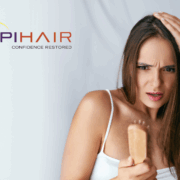
Reasons ForHair Loss In Women in Nashville, TN

Expert solutions for women’s hair loss. Restore confidence and beauty.

For many women, experiencing hair loss can be distressing, affecting not just their physical appearance but also their emotional well-being. Hair loss in women can be caused by a variety of factors such as genetics, hormonal changes, and lifestyle choices. Understanding the reasons for hair loss and seeking appropriate treatment is crucial for women looking to regain their confidence and maintain healthy hair. If you’re noticing more hair in your brush or on the shower floor, it’s important to understand the potential causes and explore the solutions available. This article aims to provide valuable insights into the reasons for hair loss in women, empowering individuals to take proactive steps in addressing this common concern.

Genetic Factors

Genetics play a significant role in determining an individual’s predisposition to hair loss. Female pattern hair loss, also known as androgenetic alopecia, is a hereditary condition that can lead to thinning hair and receding hairline in women. This condition is influenced by the presence of specific genes and hormones, and its onset can vary in different individuals based on their genetic makeup. Understanding the genetic factors contributing to hair loss is crucial in developing personalized treatment plans to manage and potentially reverse the effects of genetic hair loss.

Hormonal Imbalances

Fluctuations in hormone levels can also contribute to hair loss in women. Events such as pregnancy, childbirth, menopause, and conditions like polycystic ovary syndrome (PCOS) can disrupt the natural hormonal balance, leading to hair thinning and shedding. The hormonal changes can affect the growth cycle of hair follicles, resulting in reduced hair density and overall volume. ddressing the underlying hormonal imbalances and restoring equilibrium, women can effectively manage and mitigate the impact of hormone-related hair loss.

Stress and Lifestyle Factors

Chronic stress, poor dietary choices, and inadequate nutrition can also be significant contributors to hair loss in women. High-stress levels can trigger a condition called telogen effluvium, in which a larger number of hair follicles enters the resting phase prematurely, leading to increased shedding and thinning of the hair. Furthermore, deficiencies in essential nutrients such as iron, vitamins, and proteins can compromise the health of hair follicles, leading to brittle, weak hair that is prone to breakage. Adopting a balanced lifestyle, managing stress effectively, and ensuring a nutrient-rich diet are essential strategies for combating hair loss caused by lifestyle factors.

Medical Conditions and Treatments

Certain medical conditions and treatments can also lead to hair loss in women. Autoimmune disorders, thyroid imbalances, and certain medications such as chemotherapy drugs can adversely affect the hair follicles, resulting in noticeable hair thinning and loss. It is important for women experiencing hair loss to consult with healthcare professionals to identify underlying medical issues and explore viable treatment options. ddressing the root causes of hair loss, women can work towards restoring healthy hair growth and minimizing the impact of medical conditions on their overall well-being.

The main takeaway

Hair loss in women can stem from a multitude of factors, ranging from genetic predisposition to hormonal imbalances and lifestyle choices. By gaining a comprehensive realizing of the reasons for hair loss, women can take informed steps to address this common concern and preserve the health and vitality of their hair. Seeking professional guidance from healthcare experts and exploring personalized treatment options can empower women to regain their confidence and maintain healthy, resilient hair.
Women’s Hair Loss Support in La Vergne, TN

Empower your confidence with support for women’s hair loss.

Hair loss is a common and often distressing issue that can affect women of all ages and backgrounds. Whether caused by genetics, hormonal changes, or certain medical conditions, experiencing hair loss can have a significant impact on a woman’s self-esteem and overall well-being. At our leading clinic in La Vergne, TN, we are dedicated to providing comprehensive support and effective solutions for women facing hair loss, helping them regain their confidence and sense of beauty.

Understanding Hair Loss in Women

Women experiencing hair loss often face unique challenges and concerns compared to men. Understanding the underlying causes and the emotional impact of hair loss in women is essential in providing tailored support and effective treatments.

– Different Causes: Unlike male pattern baldness, female hair loss can be caused by a variety of factors including genetics, hormonal imbalances, stress, and certain medical conditions.

– Emotional Impact: Hair loss can significantly impact a woman’s self-esteem, body image, and emotional well-being, leading to feelings of insecurity and distress.

Comprehensive Evaluation and Personalized Treatment

Our clinic specializes in offering a comprehensive evaluation of each patient’s unique hair loss concerns and creating personalized treatment plans tailored to their specific needs. Our experienced team of professionals utilizes advanced techniques and cutting-edge technologies to deliver effective solutions for women’s hair loss.

– Thorough Assessment: We conduct a thorough evaluation to understand the root cause of hair loss, taking into account medical history, hormonal balance, and genetic predispositions.

– Personalized Treatment Plans: Based on the evaluation, we develop individualized treatment plans, which may include advanced hair restoration techniques, PRP therapy, and medical-grade products to promote hair growth.

Empowering Women Through Support and Education

In addition to providing effective treatments, our clinic is committed to empowering women with the knowledge and resources they need to navigate their hair loss journey with confidence and grace.

– Educational Resources: We offer educational resources and support to help women understand the causes of hair loss, effective treatment options, and lifestyle modifications to promote healthy hair.

– Community Support: Our clinic provides a supportive community where women can connect with others facing similar challenges, share experiences, and receive encouragement throughout their hair loss journey.

Restoring Confidence and Beauty

At our clinic, we believe that every woman deserves to feel confident and beautiful, regardless of hair loss concerns. Through our compassionate approach and innovative treatments, we aim to restore not only hair but also confidence and a sense of empowerment in every woman we serve.

– Enhancing Natural Beauty: Our treatments are designed to enhance natural hair growth, restore volume, and create aesthetically pleasing results that align with each woman’s unique beauty.

– Embracing Confidence: We are dedicated to supporting women in embracing their natural beauty and feeling confident in their appearance, empowering them to live life to the fullest.

Schedule Appointment

Hair loss can be a challenging experience for women, impacting both their physical appearance and emotional well-being. However, with the right support and effective treatments, women can regain their confidence and embrace their beauty with renewed enthusiasm. Our clinic in La Vergne, TN, is committed to providing comprehensive support, personalized treatments, and empowering resources to help women overcome hair loss and feel empowered in their own skin.

Causes Of Hair Loss In Women in Nolensville, TN

Regain confidence with effective hair loss treatments for women.

Hair loss in women can be a distressing and frustrating experience. Whether it’s thinning hair, bald patches, or overall loss of hair volume, the emotional impact of this condition can be significant. Understanding the causes of hair loss in women is the first step towards seeking effective treatment and reclaiming confidence. In this comprehensive guide, we’ll explore the various factors that can contribute to hair loss in women, empowering you with the knowledge to make informed decisions about your hair health. If you’re experiencing hair loss and seeking professional assistance, our clinic in Nolensville, TN, is dedicated to providing tailored solutions to restore and revitalize your hair.

Hormonal Imbalance

Hormonal imbalance is a common culprit in female hair loss. Fluctuations in hormone levels, particularly during pregnancy, childbirth, menopause, and thyroid disorders, can trigger hair thinning and shedding. These hormonal shifts can disrupt the natural growth cycle of hair, leading to increased hair loss. Understanding the role of hormones in hair health is crucial in addressing the root causes of hair loss and devising effective treatment plans.

Stress and Emotional Well-being

Stress plays a significant role in the overall health of our bodies, and our hair is no exception. Chronic stress can lead to a condition known as telogen effluvium, where hair follicles are pushed into a premature resting phase, causing increased shedding and thinning of the hair. Additionally, emotional well-being and psychological stress can contribute to hair loss in women, emphasizing the importance of holistic approaches to hair care and management.

Nutritional Deficiencies

Adequate nutrition is essential for maintaining healthy hair growth. Deficiencies in key nutrients such as iron, vitamins (especially B-vitamins), and essential fatty acids can lead to weakened hair, increased shedding, and slow regrowth. An imbalanced diet or restrictive eating patterns can compromise the body’s ability to support optimal hair health. Assessing and addressing nutritional deficiencies is a vital aspect of comprehensive hair loss treatment.

Genetic Predisposition

Genetic predisposition to hair loss, also known as androgenetic alopecia, can affect women as well as men. This hereditary condition can lead to progressive thinning of the hair, often starting at the crown or the front of the scalp. Understanding the genetic factors contributing to hair loss empowers individuals to explore targeted treatment options and interventions to manage and slow down the progression of hair loss.

Medical Conditions and Treatments

Certain medical conditions and their corresponding treatments can impact hair health in women. Conditions such as alopecia areata, autoimmune disorders, and scalp infections can result in localized or widespread hair loss. Additionally, undergoing chemotherapy or radiation therapy for cancer treatment can lead to significant hair shedding. Identifying and addressing the underlying medical factors contributing to hair loss is crucial in devising personalized and effective treatment plans.

The essence

Knowing the multifaceted causes of hair loss in women is instrumental in seeking appropriate treatment and support. From hormonal imbalances and stress to nutritional deficiencies and genetic predisposition, the factors contributing to female hair loss are diverse and complex. ddressing these underlying causes and seeking professional guidance, women can take proactive steps towards restoring their hair health and confidence. If you’re experiencing hair loss and seeking personalized care, our clinic in Nolensville, TN, offers comprehensive solutions tailored to your unique needs.

How To Stop Hair Loss For Women in Franklin, TN

Combat hair loss in women with effective solutions. Boost confidence!

Hair loss in women can be a distressing experience that affects not just physical appearance, but also emotional well-being. It is a common misconception that hair loss only affects men, but in reality, many women also suffer from this condition. If you’re experiencing hair loss, whether it’s due to genetic factors, hormonal changes, or lifestyle habits, it’s essential to seek ways to address this concern. In this guide, we will explore various effective methods to combat hair loss in women, offering valuable insights and actionable steps to help you regain confidence and achieve healthier, fuller hair.

Hair Loss in Women

Hair loss in women can be caused by a myriad of factors, ranging from genetics and hormonal imbalances to stress and dietary deficiencies. Understanding the root cause of your hair loss is crucial in determining the most effective approach to address the issue. It’s important to consult with a professional, such as a dermatologist or a trichologist, to identify the specific cause of your hair loss and develop a tailored treatment plan.

Promoting Scalp Health

A healthy scalp is essential for maintaining strong and vibrant hair. To promote scalp health, consider incorporating the following practices into your hair care routine:

– Regular scalp massages with essential oils to stimulate blood flow and nourish the hair follicles.

– Using sulfate-free shampoos and conditioners to prevent irritation and dryness.

– Avoiding tight hairstyles that put excessive strain on the hair and scalp.

Nutrition and Hair Health

Nutrition plays a significant role in hair health. Consuming a balanced diet that includes essential nutrients such as iron, protein, omega-3 fatty acids, and biotin can support hair growth and reduce the risk of hair loss. Consider adding the following foods to your diet:

– Lean proteins like poultry, fish, and eggs.

– Leafy greens and colorful vegetables rich in vitamins and minerals.

– Nuts, seeds, and legumes for their beneficial fatty acids and protein content.

Lifestyle Modifications

Certain lifestyle habits can contribute to hair loss in women. Making positive changes in these areas can help prevent further hair loss and support hair regrowth:

– Managing stress through relaxation techniques, meditation, or yoga.

– Getting an adequate amount of sleep to allow the body to repair and regenerate itself.

– Avoiding excessive heat styling, chemical treatments, and harsh hair products.

Professional Treatments and Therapies

For more severe cases of hair loss, various professional treatments and therapies are available to help women restore their hair and confidence. Some options include:

– Platelet-rich plasma (PRP) therapy to stimulate hair follicles and encourage growth.

– Low-level laser therapy (LLLT) to promote hair regrowth and improve hair density.

– Prescription medications such as minoxidil or finasteride, depending on the underlying cause of the hair loss.

Whether you’re considering non-invasive treatments or more intensive therapies, consulting with a qualified professional is essential to determine the most suitable approach for your unique condition.

Schedule Appointment

Combatting hair loss in women involves a multifaceted approach that encompasses scalp health, nutrition, lifestyle modifications, and professional interventions. By taking proactive steps to address the underlying causes and implementing effective strategies, women can regain control over their hair health and achieve optimal results. Remember, seeking professional guidance and support is paramount in developing a comprehensive treatment plan tailored to your individual needs.

Low TestosteroneHair Loss In Women in Nashville, TN

Combat low testosterone hair loss with effective treatment options.

Hair loss is a common concern for both men and women, with low testosterone levels being a potential contributing factor. While the prevalence of low testosterone in women is lower than in men, it can still have significant effects, including hair loss. Understanding the relationship between low testosterone and hair loss in women is crucial for effective treatment and management. This comprehensive guide explores the connection between low testosterone and hair loss in women, as well as available treatment options to address this issue.

Knowing Low Testosterone in Women

While testosterone is often associated with men, it is also an important hormone in women. Testosterone plays a critical role in various bodily functions, including regulating energy, mood, and muscle mass. In women, low testosterone levels can lead to several symptoms, such as fatigue, decreased libido, and hair loss.

The Connection between Low Testosterone and Hair Loss

Hair loss in women can be influenced by a variety of factors, including genetics, hormonal changes, and medical conditions. Low testosterone levels can contribute to hair loss by disrupting the hair growth cycle. Testosterone is converted to dihydrotestosterone (DHT) in the body, and high levels of DHT can lead to shrinking hair follicles and shorter hair growth cycles, ultimately resulting in hair thinning and loss.

Symptoms of Low Testosterone-Related Hair Loss

Recognizing the signs of low testosterone-related hair loss in women is essential for early intervention. Some common symptoms include:

– Thinning hair on the scalp

– Noticeable increase in hair shedding

– Reduced hair density in certain areas

– Slower hair growth rate

It’s important to consult with a healthcare professional to accurately diagnose the underlying cause of hair loss and determine if low testosterone levels are a contributing factor.

Treatment Options for Low Testosterone-Related Hair Loss in Women

Addressing low testosterone-related hair loss in women often involves a multi-faceted approach, tailored to each individual’s needs. Here are some potential treatment options:

1. Hormone Replacement Therapy (HRT): For women with clinically low testosterone levels, HRT may be recommended to restore hormonal balance and alleviate associated symptoms, including hair loss.

2. Topical Treatments: Minoxidil, a common topical hair growth solution, can be effective in promoting hair regrowth and combating further hair loss in women with low testosterone levels.

3. Nutritional Support: A balanced diet rich in essential nutrients, such as iron, zinc, and biotin, is crucial for maintaining healthy hair. Nutritional supplements can also support overall hair health.

4. Stress Management: Chronic stress can impact hormone levels and contribute to hair loss. Stress-reducing techniques, such as meditation and yoga, can play a role in managing hair loss associated with low testosterone.

5. Lifestyle Adjustments: Adopting a healthy lifestyle, including regular exercise and adequate sleep, can positively impact hormone levels and overall well-being, potentially benefiting hair health.

The essence

Recognizing the impact of low testosterone on hair loss in women is an important step toward effective management and treatment. nderstanding the connection between hormone levels and hair health, women can explore various options to address hair loss and promote overall well-being.

In the context of a bodybuilder researching supplements, it’s crucial to prioritize comprehensive care and an individualized approach to address low testosterone-related hair loss in women. Consulting with a healthcare professional is essential for accurate diagnosis and personalized treatment recommendations.

Causes Of Hair Loss In Women in Nolensville, TN

Regain confidence with effective hair loss treatments for women.

Hair loss in women can be a distressing and frustrating experience. Whether it’s thinning hair, bald patches, or overall loss of hair volume, the emotional impact of this condition can be significant. Understanding the causes of hair loss in women is the first step towards seeking effective treatment and reclaiming confidence. In this comprehensive guide, we’ll explore the various factors that can contribute to hair loss in women, empowering you with the knowledge to make informed decisions about your hair health. If you’re experiencing hair loss and seeking professional assistance, our clinic in Nolensville, TN, is dedicated to providing tailored solutions to restore and revitalize your hair.

Hormonal Imbalance

Hormonal imbalance is a common culprit in female hair loss. Fluctuations in hormone levels, particularly during pregnancy, childbirth, menopause, and thyroid disorders, can trigger hair thinning and shedding. These hormonal shifts can disrupt the natural growth cycle of hair, leading to increased hair loss. Understanding the role of hormones in hair health is crucial in addressing the root causes of hair loss and devising effective treatment plans.

Stress and Emotional Well-being

Stress plays a significant role in the overall health of our bodies, and our hair is no exception. Chronic stress can lead to a condition known as telogen effluvium, where hair follicles are pushed into a premature resting phase, causing increased shedding and thinning of the hair. Additionally, emotional well-being and psychological stress can contribute to hair loss in women, emphasizing the importance of holistic approaches to hair care and management.

Nutritional Deficiencies

Adequate nutrition is essential for maintaining healthy hair growth. Deficiencies in key nutrients such as iron, vitamins (especially B-vitamins), and essential fatty acids can lead to weakened hair, increased shedding, and slow regrowth. An imbalanced diet or restrictive eating patterns can compromise the body’s ability to support optimal hair health. Assessing and addressing nutritional deficiencies is a vital aspect of comprehensive hair loss treatment.

Genetic Predisposition

Genetic predisposition to hair loss, also known as androgenetic alopecia, can affect women as well as men. This hereditary condition can lead to progressive thinning of the hair, often starting at the crown or the front of the scalp. Understanding the genetic factors contributing to hair loss empowers individuals to explore targeted treatment options and interventions to manage and slow down the progression of hair loss.

Medical Conditions and Treatments

Certain medical conditions and their corresponding treatments can impact hair health in women. Conditions such as alopecia areata, autoimmune disorders, and scalp infections can result in localized or widespread hair loss. Additionally, undergoing chemotherapy or radiation therapy for cancer treatment can lead to significant hair shedding. Identifying and addressing the underlying medical factors contributing to hair loss is crucial in devising personalized and effective treatment plans.

The essence

Knowing the multifaceted causes of hair loss in women is instrumental in seeking appropriate treatment and support. From hormonal imbalances and stress to nutritional deficiencies and genetic predisposition, the factors contributing to female hair loss are diverse and complex. ddressing these underlying causes and seeking professional guidance, women can take proactive steps towards restoring their hair health and confidence. If you’re experiencing hair loss and seeking personalized care, our clinic in Nolensville, TN, offers comprehensive solutions tailored to your unique needs.

How To Stop Hair Loss For Women in Franklin, TN

Combat hair loss in women with effective solutions. Boost confidence!

Hair loss in women can be a distressing experience that affects not just physical appearance, but also emotional well-being. It is a common misconception that hair loss only affects men, but in reality, many women also suffer from this condition. If you’re experiencing hair loss, whether it’s due to genetic factors, hormonal changes, or lifestyle habits, it’s essential to seek ways to address this concern. In this guide, we will explore various effective methods to combat hair loss in women, offering valuable insights and actionable steps to help you regain confidence and achieve healthier, fuller hair.

Hair Loss in Women

Hair loss in women can be caused by a myriad of factors, ranging from genetics and hormonal imbalances to stress and dietary deficiencies. Understanding the root cause of your hair loss is crucial in determining the most effective approach to address the issue. It’s important to consult with a professional, such as a dermatologist or a trichologist, to identify the specific cause of your hair loss and develop a tailored treatment plan.

Promoting Scalp Health

A healthy scalp is essential for maintaining strong and vibrant hair. To promote scalp health, consider incorporating the following practices into your hair care routine:

– Regular scalp massages with essential oils to stimulate blood flow and nourish the hair follicles.

– Using sulfate-free shampoos and conditioners to prevent irritation and dryness.

– Avoiding tight hairstyles that put excessive strain on the hair and scalp.

Nutrition and Hair Health

Nutrition plays a significant role in hair health. Consuming a balanced diet that includes essential nutrients such as iron, protein, omega-3 fatty acids, and biotin can support hair growth and reduce the risk of hair loss. Consider adding the following foods to your diet:

– Lean proteins like poultry, fish, and eggs.

– Leafy greens and colorful vegetables rich in vitamins and minerals.

– Nuts, seeds, and legumes for their beneficial fatty acids and protein content.

Lifestyle Modifications

Certain lifestyle habits can contribute to hair loss in women. Making positive changes in these areas can help prevent further hair loss and support hair regrowth:

– Managing stress through relaxation techniques, meditation, or yoga.

– Getting an adequate amount of sleep to allow the body to repair and regenerate itself.

– Avoiding excessive heat styling, chemical treatments, and harsh hair products.

Professional Treatments and Therapies

For more severe cases of hair loss, various professional treatments and therapies are available to help women restore their hair and confidence. Some options include:

– Platelet-rich plasma (PRP) therapy to stimulate hair follicles and encourage growth.

– Low-level laser therapy (LLLT) to promote hair regrowth and improve hair density.

– Prescription medications such as minoxidil or finasteride, depending on the underlying cause of the hair loss.

Whether you’re considering non-invasive treatments or more intensive therapies, consulting with a qualified professional is essential to determine the most suitable approach for your unique condition.

Schedule Appointment

Combatting hair loss in women involves a multifaceted approach that encompasses scalp health, nutrition, lifestyle modifications, and professional interventions. By taking proactive steps to address the underlying causes and implementing effective strategies, women can regain control over their hair health and achieve optimal results. Remember, seeking professional guidance and support is paramount in developing a comprehensive treatment plan tailored to your individual needs.

Low TestosteroneHair Loss In Women in Nashville, TN

Combat low testosterone hair loss with effective treatment options.

Hair loss is a common concern for both men and women, with low testosterone levels being a potential contributing factor. While the prevalence of low testosterone in women is lower than in men, it can still have significant effects, including hair loss. Understanding the relationship between low testosterone and hair loss in women is crucial for effective treatment and management. This comprehensive guide explores the connection between low testosterone and hair loss in women, as well as available treatment options to address this issue.

Knowing Low Testosterone in Women

While testosterone is often associated with men, it is also an important hormone in women. Testosterone plays a critical role in various bodily functions, including regulating energy, mood, and muscle mass. In women, low testosterone levels can lead to several symptoms, such as fatigue, decreased libido, and hair loss.

The Connection between Low Testosterone and Hair Loss

Hair loss in women can be influenced by a variety of factors, including genetics, hormonal changes, and medical conditions. Low testosterone levels can contribute to hair loss by disrupting the hair growth cycle. Testosterone is converted to dihydrotestosterone (DHT) in the body, and high levels of DHT can lead to shrinking hair follicles and shorter hair growth cycles, ultimately resulting in hair thinning and loss.

Symptoms of Low Testosterone-Related Hair Loss

Recognizing the signs of low testosterone-related hair loss in women is essential for early intervention. Some common symptoms include:

– Thinning hair on the scalp

– Noticeable increase in hair shedding

– Reduced hair density in certain areas

– Slower hair growth rate

It’s important to consult with a healthcare professional to accurately diagnose the underlying cause of hair loss and determine if low testosterone levels are a contributing factor.

Treatment Options for Low Testosterone-Related Hair Loss in Women

Addressing low testosterone-related hair loss in women often involves a multi-faceted approach, tailored to each individual’s needs. Here are some potential treatment options:

1. Hormone Replacement Therapy (HRT): For women with clinically low testosterone levels, HRT may be recommended to restore hormonal balance and alleviate associated symptoms, including hair loss.

2. Topical Treatments: Minoxidil, a common topical hair growth solution, can be effective in promoting hair regrowth and combating further hair loss in women with low testosterone levels.

3. Nutritional Support: A balanced diet rich in essential nutrients, such as iron, zinc, and biotin, is crucial for maintaining healthy hair. Nutritional supplements can also support overall hair health.

4. Stress Management: Chronic stress can impact hormone levels and contribute to hair loss. Stress-reducing techniques, such as meditation and yoga, can play a role in managing hair loss associated with low testosterone.

5. Lifestyle Adjustments: Adopting a healthy lifestyle, including regular exercise and adequate sleep, can positively impact hormone levels and overall well-being, potentially benefiting hair health.

The essence

Recognizing the impact of low testosterone on hair loss in women is an important step toward effective management and treatment. nderstanding the connection between hormone levels and hair health, women can explore various options to address hair loss and promote overall well-being.

In the context of a bodybuilder researching supplements, it’s crucial to prioritize comprehensive care and an individualized approach to address low testosterone-related hair loss in women. Consulting with a healthcare professional is essential for accurate diagnosis and personalized treatment recommendations.

Women’s Hair Loss Support in La Vergne, TN

Empower your confidence with support for women’s hair loss.

Hair loss is a common and often distressing issue that can affect women of all ages and backgrounds. Whether caused by genetics, hormonal changes, or certain medical conditions, experiencing hair loss can have a significant impact on a woman’s self-esteem and overall well-being. At our leading clinic in La Vergne, TN, we are dedicated to providing comprehensive support and effective solutions for women facing hair loss, helping them regain their confidence and sense of beauty.

Understanding Hair Loss in Women

Women experiencing hair loss often face unique challenges and concerns compared to men. Understanding the underlying causes and the emotional impact of hair loss in women is essential in providing tailored support and effective treatments.

– Different Causes: Unlike male pattern baldness, female hair loss can be caused by a variety of factors including genetics, hormonal imbalances, stress, and certain medical conditions.

– Emotional Impact: Hair loss can significantly impact a woman’s self-esteem, body image, and emotional well-being, leading to feelings of insecurity and distress.

Comprehensive Evaluation and Personalized Treatment

Our clinic specializes in offering a comprehensive evaluation of each patient’s unique hair loss concerns and creating personalized treatment plans tailored to their specific needs. Our experienced team of professionals utilizes advanced techniques and cutting-edge technologies to deliver effective solutions for women’s hair loss.

– Thorough Assessment: We conduct a thorough evaluation to understand the root cause of hair loss, taking into account medical history, hormonal balance, and genetic predispositions.

– Personalized Treatment Plans: Based on the evaluation, we develop individualized treatment plans, which may include advanced hair restoration techniques, PRP therapy, and medical-grade products to promote hair growth.

Empowering Women Through Support and Education

In addition to providing effective treatments, our clinic is committed to empowering women with the knowledge and resources they need to navigate their hair loss journey with confidence and grace.

– Educational Resources: We offer educational resources and support to help women understand the causes of hair loss, effective treatment options, and lifestyle modifications to promote healthy hair.

– Community Support: Our clinic provides a supportive community where women can connect with others facing similar challenges, share experiences, and receive encouragement throughout their hair loss journey.

Restoring Confidence and Beauty

At our clinic, we believe that every woman deserves to feel confident and beautiful, regardless of hair loss concerns. Through our compassionate approach and innovative treatments, we aim to restore not only hair but also confidence and a sense of empowerment in every woman we serve.

– Enhancing Natural Beauty: Our treatments are designed to enhance natural hair growth, restore volume, and create aesthetically pleasing results that align with each woman’s unique beauty.

– Embracing Confidence: We are dedicated to supporting women in embracing their natural beauty and feeling confident in their appearance, empowering them to live life to the fullest.

Schedule Appointment

Hair loss can be a challenging experience for women, impacting both their physical appearance and emotional well-being. However, with the right support and effective treatments, women can regain their confidence and embrace their beauty with renewed enthusiasm. Our clinic in La Vergne, TN, is committed to providing comprehensive support, personalized treatments, and empowering resources to help women overcome hair loss and feel empowered in their own skin.

Thyroid Hair Loss In Women in Nashville, TN

Combat thyroid-related hair loss. Discover treatment options today.

Thyroid hair loss in women is a common and distressing condition that can have a profound impact on a person’s self-esteem and overall well-being. The thyroid, a small butterfly-shaped gland located at the base of the neck, plays a crucial role in regulating metabolism, growth, and development. When the thyroid gland becomes underactive or overactive, it can lead to a range of symptoms, including hair loss.

Thyroid Function and Hair Loss

The thyroid gland produces hormones that are responsible for regulating the body’s metabolic rate, heart and digestive function, muscle control, brain development, mood, and bone maintenance. When the thyroid gland is not functioning properly, it can disrupt the body’s delicate balance and lead to a condition known as hypothyroidism or hyperthyroidism.

Hypothyroidism, or an underactive thyroid, occurs when the thyroid gland does not produce enough hormones to meet the body’s needs. This can result in a range of symptoms, including fatigue, weight gain, dry skin, and hair loss. On the other hand, hyperthyroidism, or an overactive thyroid, can cause symptoms such as weight loss, rapid heartbeat, anxiety, and also hair loss.

The Link Between Thyroid Dysfunction and Hair Loss

Hair growth is a complex process that is influenced by various factors, including genetics, hormonal balance, and overall health. Thyroid hormones play a crucial role in regulating the hair growth cycle. When thyroid function is disrupted, it can lead to changes in the hair growth cycle, resulting in hair loss.

Thyroid-related hair loss in women typically presents as diffuse thinning of the hair, rather than specific bald patches. The hair may become dry, brittle, and prone to breakage. In some cases, changes in hair texture and color may also occur. It’s important to note that not all cases of hair loss in women are due to thyroid dysfunction, so it’s essential to consult a healthcare professional for an accurate diagnosis.

Treatment Options for Thyroid-Related Hair Loss

The good news is that thyroid-related hair loss in women is often reversible with proper treatment. Managing thyroid dysfunction through medication, lifestyle modifications, and dietary changes can help restore hormonal balance and promote hair regrowth. In some cases, healthcare professionals may also recommend specific hair care products and treatments to support the hair growth process.

For individuals experiencing thyroid-related hair loss, it’s essential to work closely with a healthcare provider to develop a comprehensive treatment plan that addresses both the underlying thyroid condition and the hair loss symptoms. ddressing the root cause of the hair loss, women can regain confidence and achieve healthier, fuller hair.

Wrapping up

Thyroid hair loss in women can be a challenging and distressing experience, but with the right support and treatment, it is possible to overcome this condition and restore the health and vitality of the hair. nderstanding the link between thyroid dysfunction and hair loss and exploring effective treatment options, women can take proactive steps towards reclaiming their confidence and well-being.

For individuals experiencing symptoms of thyroid dysfunction and hair loss, seeking professional guidance and support is crucial. By partnering with a trusted healthcare provider, women can access personalized care and evidence-based treatments to address both the thyroid condition and associated hair loss.

If you or someone you know is struggling with thyroid-related hair loss, our clinic in Nashville, TN, offers comprehensive care and expertise in treating thyroid disorders and associated symptoms, including hair loss. Contact us today to schedule a consultation and take the first step towards restoring healthy, vibrant hair.