Treatment For Hair Loss In Women in Brentwood, TN

Boost confidence with our effective hair loss treatment for women.

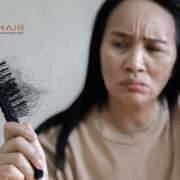
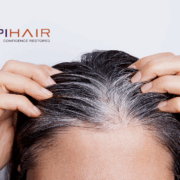
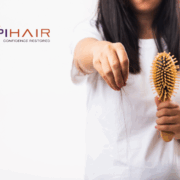
Hair loss in women can be a distressing and confidence-shattering experience. Whether it’s due to genetics, hormonal changes, stress, or other underlying medical conditions, women facing hair loss often feel self-conscious and seek effective treatment options. At our esteemed clinic in Brentwood, TN, we specialize in providing comprehensive and personalized hair loss treatments for women. Our team of experienced professionals is dedicated to helping women regain their confidence and beauty through advanced and proven techniques. If you’re struggling with hair loss, rest assured that there are solutions available to help you achieve lush, healthy locks once again.

Hair Loss in Women

Appreciating the underlying causes of hair loss in women is crucial to devising an effective and personalized treatment plan. There are several factors that can contribute to hair loss in women, including:

Hormonal Imbalance: Fluctuations in hormone levels, particularly during pregnancy, childbirth, menopause, or conditions like PCOS, can lead to hair thinning and loss.

Genetics: Hereditary factors play a significant role in female pattern hair loss, also known as androgenetic alopecia.

Stress and Anxiety: Chronic stress and anxiety can trigger a condition called telogen effluvium, leading to excessive shedding and thinning of hair.

Medical Conditions: Underlying medical conditions such as thyroid disorders, autoimmune diseases, and scalp infections can contribute to hair loss in women.

Effective Treatments for Hair Loss in Women

At our clinic, we offer a range of cutting-edge treatments tailored to address the specific needs of our female patients dealing with hair loss. Some of the effective treatments we provide include:

Platelet-Rich Plasma (PRP) Therapy: This innovative treatment involves using the patient’s own blood plasma, enriched with platelets, to stimulate hair growth and improve hair density.

Low-Level Laser Therapy: Utilizing low-level laser technology, this non-invasive treatment promotes blood circulation in the scalp, encouraging hair follicle stimulation and growth.

Topical Minoxidil: FDA-approved topical solution containing minoxidil can help slow down hair loss and stimulate hair regrowth in women with androgenetic alopecia.

Nutritional Supplements: Addressing potential deficiencies through personalized nutritional supplements can play a vital role in promoting healthy hair growth and combating hair loss.

Consultation and Customized Care

When you visit our clinic in Brentwood, TN, you can expect to receive personalized care and attention from our expert team. Our comprehensive consultation process involves a thorough assessment of your medical history, scalp condition, and specific concerns related to hair loss. We take the time to understand your unique needs and develop a customized treatment plan that aligns with your goals and lifestyle. Our goal is to empower you to make informed decisions and achieve optimal results.

Embracing Confidence and Beauty

Embarking on a journey to address hair loss is not just about restoring your hair; it’s about reclaiming your confidence and embracing your inner beauty. We are here to support and guide you every step of the way, providing compassionate care and proven solutions to help you achieve the hair you desire. Our mission is to see you flourish with renewed confidence and a radiant sense of self-assurance.

Concluding concepts

Don’t let hair loss undermine your confidence and beauty. With the right treatment approach and professional guidance, you can revitalise your hair and reclaim your sense of empowerment. Take the first step towards a fuller, healthier head of hair by scheduling a consultation at our clinic in Brentwood, TN.
How Much Hair Loss Is Normal For Women in Franklin, TN

Expert advice on managing daily hair shedding in women. Learn more.

Every woman experiences some degree of hair shedding on a daily basis. Understanding what amount of hair loss is considered normal is essential for maintaining healthy hair and recognizing when there might be an underlying issue. In this comprehensive guide, we will explore the various factors that contribute to hair loss in women and what level of shedding is typical. Whether you’re concerned about the volume of your hair in the shower drain or simply curious, this article will provide valuable insights into the world of female hair loss.

Factors Affecting Hair Loss

Hair loss in women can be influenced by a variety of factors, both internal and external. Understanding these factors is crucial in determining what level of hair loss is normal and what might necessitate further attention.

– Hormonal Changes: Hormonal fluctuations, such as those experienced during pregnancy, childbirth, menopause, or as a result of thyroid disorders, can contribute to hair shedding.

– Genetics: Family history plays a significant role in determining an individual’s predisposition to hair loss. If female relatives have experienced hair thinning or baldness, this may increase the likelihood of similar issues.

– Stress: Emotional or physical stress can lead to a condition known as Telogen Effluvium, where hair prematurely enters the shedding phase.

– Medical Conditions: Certain health conditions, like alopecia areata, autoimmune disorders, and certain skin conditions, can lead to hair loss.

– Nutritional Deficiencies: Inadequate intake of certain nutrients, particularly iron, protein, and biotin, can impact the health of your hair.

– Hair Care Practices: Overly aggressive styling, excessive heat, and harsh chemicals can damage hair and contribute to increased shedding.

Normal Hair Loss Levels

The average person has roughly 100,000 hair follicles on their scalp, and it is completely normal to lose between 50 to 100 hairs per day. This is because hair follicles go through cycles of growth, transition, and resting, with shedding occurring primarily during the resting phase. However, it is essential to differentiate between normal shedding and excessive hair loss.

Identifying Excessive Hair Loss

While some degree of hair loss is to be expected, there are signs that can indicate excessive shedding, warranting further evaluation. Pay attention to the following signs and symptoms:

– Noticeable Thinning: If you observe a significant decrease in the volume of your hair or a widening part, it may be an indication of excessive hair loss.

– Excessive Shedding: Finding an unusually large amount of hair on your pillow, in the shower drain, or on your hairbrush could be a sign of a problem.

– Scalp Conditions: The emergence of dandruff, itching, or inflammation on the scalp can be associated with abnormal hair loss.

– Patches of Baldness: Sudden bald spots or patchy hair loss should be addressed promptly.

Seeking Professional Care

If you suspect that your hair loss exceeds the normal range, it is advisable to seek the guidance of a healthcare professional. A dermatologist or trichologist can diagnose the cause of excessive shedding, provide personalized advice, and recommend suitable treatment options tailored to your specific needs.

Final thoughts

Recognizing the amount of hair loss that is normal for women is vital for promoting hair health and recognizing when further attention is required. By being aware of the factors influencing hair loss, identifying excessive shedding, and seeking professional care when needed, women can maintain healthy, vibrant hair. Remember that every individual’s hair journey is unique, and it’s essential to pay attention to changes in your hair and scalp health.

Excessive Hair Loss In Women All My Life in Nashville, TN

Stop hair loss worries. Find effective treatment options for women.

Experiencing excessive hair loss as a woman can be a distressing and persistent concern that affects not only our physical appearance but also our emotional well-being. The journey of dealing with hair loss is often complex and can significantly impact our self-esteem. Whether you’ve struggled with this issue for years or if you’re newly navigating the challenges of excessive hair shedding, it’s crucial to understand the underlying causes and explore effective treatment options to address this issue.

Excessive Hair Loss

Excessive hair loss, medically known as alopecia, can be a life-long struggle for many women. It’s essential to recognize that hair loss is a natural part of the hair growth cycle and it’s normal to shed some hair every day. However, when the shedding exceeds the normal range, it can lead to noticeable thinning of the hair or bald patches, causing distress and discomfort.

There are various factors that can contribute to excessive hair loss in women, including genetics, hormonal changes, underlying health conditions, stress, and certain medications. Understanding the specific triggers behind your hair loss is crucial in addressing this issue effectively.

Causes of Excessive Hair Loss

1. Genetic Predisposition: Family history can play a significant role in determining whether you’re prone to excessive hair loss. If female relatives on either side of your family have experienced hair loss, it increases the likelihood of you encountering similar challenges.

2. Hormonal Imbalance: Hormonal fluctuations, particularly during pregnancy, childbirth, and menopause, can trigger excessive hair shedding in women. Conditions such as polycystic ovary syndrome (PCOS) or thyroid disorders can also disrupt the hormonal balance, leading to hair loss.

3. Underlying Health Conditions: Certain medical conditions, such as autoimmune diseases, scalp infections, and nutritional deficiencies, can contribute to excessive hair loss. It’s crucial to address any underlying health issues to manage hair loss effectively.

4. Stress and Emotional Well-being: Chronic stress or traumatic events can disrupt the hair growth cycle, leading to increased shedding. Taking care of your mental well-being is essential in addressing excessive hair loss.

Treatment Options for Excessive Hair Loss

1. Topical Treatments: Minoxidil, an over-the-counter topical medication, is FDA-approved for treating female pattern hair loss. It can help stimulate hair growth and prevent further hair thinning.

2. Prescription Medications: Some women may benefit from prescription medications, such as spironolactone or finasteride, to address hormonal imbalances contributing to hair loss.

3. Platelet-Rich Plasma (PRP) Therapy: This innovative treatment involves injecting platelet-rich plasma derived from your blood into the scalp to stimulate hair growth.

4. Hair Transplantation: In cases of advanced hair loss, hair transplant surgery can be a viable option to restore hair density and improve the overall appearance.

5. Lifestyle Modifications: Adopting a balanced diet, managing stress effectively, and incorporating scalp care routines can all contribute to promoting healthy hair growth and minimizing excessive shedding.

Last ideas

Excessive hair loss in women is a multifaceted issue that requires personalized attention and comprehensive treatment strategies. nderstanding the underlying causes and exploring appropriate treatment options, women can regain confidence and take proactive steps towards addressing their hair loss concerns. If you’re experiencing excessive hair shedding, seeking guidance from a qualified healthcare provider or a specialized hair restoration clinic can provide valuable insights and support on your journey to healthier, fuller hair.

How Much Hair Loss Is Normal For Women in Franklin, TN

Expert advice on managing daily hair shedding in women. Learn more.

Every woman experiences some degree of hair shedding on a daily basis. Understanding what amount of hair loss is considered normal is essential for maintaining healthy hair and recognizing when there might be an underlying issue. In this comprehensive guide, we will explore the various factors that contribute to hair loss in women and what level of shedding is typical. Whether you’re concerned about the volume of your hair in the shower drain or simply curious, this article will provide valuable insights into the world of female hair loss.

Factors Affecting Hair Loss

Hair loss in women can be influenced by a variety of factors, both internal and external. Understanding these factors is crucial in determining what level of hair loss is normal and what might necessitate further attention.

– Hormonal Changes: Hormonal fluctuations, such as those experienced during pregnancy, childbirth, menopause, or as a result of thyroid disorders, can contribute to hair shedding.

– Genetics: Family history plays a significant role in determining an individual’s predisposition to hair loss. If female relatives have experienced hair thinning or baldness, this may increase the likelihood of similar issues.

– Stress: Emotional or physical stress can lead to a condition known as Telogen Effluvium, where hair prematurely enters the shedding phase.

– Medical Conditions: Certain health conditions, like alopecia areata, autoimmune disorders, and certain skin conditions, can lead to hair loss.

– Nutritional Deficiencies: Inadequate intake of certain nutrients, particularly iron, protein, and biotin, can impact the health of your hair.

– Hair Care Practices: Overly aggressive styling, excessive heat, and harsh chemicals can damage hair and contribute to increased shedding.

Normal Hair Loss Levels

The average person has roughly 100,000 hair follicles on their scalp, and it is completely normal to lose between 50 to 100 hairs per day. This is because hair follicles go through cycles of growth, transition, and resting, with shedding occurring primarily during the resting phase. However, it is essential to differentiate between normal shedding and excessive hair loss.

Identifying Excessive Hair Loss

While some degree of hair loss is to be expected, there are signs that can indicate excessive shedding, warranting further evaluation. Pay attention to the following signs and symptoms:

– Noticeable Thinning: If you observe a significant decrease in the volume of your hair or a widening part, it may be an indication of excessive hair loss.

– Excessive Shedding: Finding an unusually large amount of hair on your pillow, in the shower drain, or on your hairbrush could be a sign of a problem.

– Scalp Conditions: The emergence of dandruff, itching, or inflammation on the scalp can be associated with abnormal hair loss.

– Patches of Baldness: Sudden bald spots or patchy hair loss should be addressed promptly.

Seeking Professional Care

If you suspect that your hair loss exceeds the normal range, it is advisable to seek the guidance of a healthcare professional. A dermatologist or trichologist can diagnose the cause of excessive shedding, provide personalized advice, and recommend suitable treatment options tailored to your specific needs.

Final thoughts

Recognizing the amount of hair loss that is normal for women is vital for promoting hair health and recognizing when further attention is required. By being aware of the factors influencing hair loss, identifying excessive shedding, and seeking professional care when needed, women can maintain healthy, vibrant hair. Remember that every individual’s hair journey is unique, and it’s essential to pay attention to changes in your hair and scalp health.

Excessive Hair Loss In Women All My Life in Nashville, TN

Stop hair loss worries. Find effective treatment options for women.

Experiencing excessive hair loss as a woman can be a distressing and persistent concern that affects not only our physical appearance but also our emotional well-being. The journey of dealing with hair loss is often complex and can significantly impact our self-esteem. Whether you’ve struggled with this issue for years or if you’re newly navigating the challenges of excessive hair shedding, it’s crucial to understand the underlying causes and explore effective treatment options to address this issue.

Excessive Hair Loss

Excessive hair loss, medically known as alopecia, can be a life-long struggle for many women. It’s essential to recognize that hair loss is a natural part of the hair growth cycle and it’s normal to shed some hair every day. However, when the shedding exceeds the normal range, it can lead to noticeable thinning of the hair or bald patches, causing distress and discomfort.

There are various factors that can contribute to excessive hair loss in women, including genetics, hormonal changes, underlying health conditions, stress, and certain medications. Understanding the specific triggers behind your hair loss is crucial in addressing this issue effectively.

Causes of Excessive Hair Loss

1. Genetic Predisposition: Family history can play a significant role in determining whether you’re prone to excessive hair loss. If female relatives on either side of your family have experienced hair loss, it increases the likelihood of you encountering similar challenges.

2. Hormonal Imbalance: Hormonal fluctuations, particularly during pregnancy, childbirth, and menopause, can trigger excessive hair shedding in women. Conditions such as polycystic ovary syndrome (PCOS) or thyroid disorders can also disrupt the hormonal balance, leading to hair loss.

3. Underlying Health Conditions: Certain medical conditions, such as autoimmune diseases, scalp infections, and nutritional deficiencies, can contribute to excessive hair loss. It’s crucial to address any underlying health issues to manage hair loss effectively.

4. Stress and Emotional Well-being: Chronic stress or traumatic events can disrupt the hair growth cycle, leading to increased shedding. Taking care of your mental well-being is essential in addressing excessive hair loss.

Treatment Options for Excessive Hair Loss

1. Topical Treatments: Minoxidil, an over-the-counter topical medication, is FDA-approved for treating female pattern hair loss. It can help stimulate hair growth and prevent further hair thinning.

2. Prescription Medications: Some women may benefit from prescription medications, such as spironolactone or finasteride, to address hormonal imbalances contributing to hair loss.

3. Platelet-Rich Plasma (PRP) Therapy: This innovative treatment involves injecting platelet-rich plasma derived from your blood into the scalp to stimulate hair growth.

4. Hair Transplantation: In cases of advanced hair loss, hair transplant surgery can be a viable option to restore hair density and improve the overall appearance.

5. Lifestyle Modifications: Adopting a balanced diet, managing stress effectively, and incorporating scalp care routines can all contribute to promoting healthy hair growth and minimizing excessive shedding.

Last ideas

Excessive hair loss in women is a multifaceted issue that requires personalized attention and comprehensive treatment strategies. nderstanding the underlying causes and exploring appropriate treatment options, women can regain confidence and take proactive steps towards addressing their hair loss concerns. If you’re experiencing excessive hair shedding, seeking guidance from a qualified healthcare provider or a specialized hair restoration clinic can provide valuable insights and support on your journey to healthier, fuller hair.

Thyroid Hair Loss In Women in Nashville, TN

Combat thyroid-related hair loss. Discover treatment options today.

Thyroid hair loss in women is a common and distressing condition that can have a profound impact on a person’s self-esteem and overall well-being. The thyroid, a small butterfly-shaped gland located at the base of the neck, plays a crucial role in regulating metabolism, growth, and development. When the thyroid gland becomes underactive or overactive, it can lead to a range of symptoms, including hair loss.

Thyroid Function and Hair Loss

The thyroid gland produces hormones that are responsible for regulating the body’s metabolic rate, heart and digestive function, muscle control, brain development, mood, and bone maintenance. When the thyroid gland is not functioning properly, it can disrupt the body’s delicate balance and lead to a condition known as hypothyroidism or hyperthyroidism.

Hypothyroidism, or an underactive thyroid, occurs when the thyroid gland does not produce enough hormones to meet the body’s needs. This can result in a range of symptoms, including fatigue, weight gain, dry skin, and hair loss. On the other hand, hyperthyroidism, or an overactive thyroid, can cause symptoms such as weight loss, rapid heartbeat, anxiety, and also hair loss.

The Link Between Thyroid Dysfunction and Hair Loss

Hair growth is a complex process that is influenced by various factors, including genetics, hormonal balance, and overall health. Thyroid hormones play a crucial role in regulating the hair growth cycle. When thyroid function is disrupted, it can lead to changes in the hair growth cycle, resulting in hair loss.

Thyroid-related hair loss in women typically presents as diffuse thinning of the hair, rather than specific bald patches. The hair may become dry, brittle, and prone to breakage. In some cases, changes in hair texture and color may also occur. It’s important to note that not all cases of hair loss in women are due to thyroid dysfunction, so it’s essential to consult a healthcare professional for an accurate diagnosis.

Treatment Options for Thyroid-Related Hair Loss

The good news is that thyroid-related hair loss in women is often reversible with proper treatment. Managing thyroid dysfunction through medication, lifestyle modifications, and dietary changes can help restore hormonal balance and promote hair regrowth. In some cases, healthcare professionals may also recommend specific hair care products and treatments to support the hair growth process.

For individuals experiencing thyroid-related hair loss, it’s essential to work closely with a healthcare provider to develop a comprehensive treatment plan that addresses both the underlying thyroid condition and the hair loss symptoms. ddressing the root cause of the hair loss, women can regain confidence and achieve healthier, fuller hair.

Wrapping up

Thyroid hair loss in women can be a challenging and distressing experience, but with the right support and treatment, it is possible to overcome this condition and restore the health and vitality of the hair. nderstanding the link between thyroid dysfunction and hair loss and exploring effective treatment options, women can take proactive steps towards reclaiming their confidence and well-being.

For individuals experiencing symptoms of thyroid dysfunction and hair loss, seeking professional guidance and support is crucial. By partnering with a trusted healthcare provider, women can access personalized care and evidence-based treatments to address both the thyroid condition and associated hair loss.

If you or someone you know is struggling with thyroid-related hair loss, our clinic in Nashville, TN, offers comprehensive care and expertise in treating thyroid disorders and associated symptoms, including hair loss. Contact us today to schedule a consultation and take the first step towards restoring healthy, vibrant hair.

Treatment For Hair Loss In Women in Brentwood, TN

Boost confidence with our effective hair loss treatment for women.

Hair loss in women can be a distressing and confidence-shattering experience. Whether it’s due to genetics, hormonal changes, stress, or other underlying medical conditions, women facing hair loss often feel self-conscious and seek effective treatment options. At our esteemed clinic in Brentwood, TN, we specialize in providing comprehensive and personalized hair loss treatments for women. Our team of experienced professionals is dedicated to helping women regain their confidence and beauty through advanced and proven techniques. If you’re struggling with hair loss, rest assured that there are solutions available to help you achieve lush, healthy locks once again.

Hair Loss in Women

Appreciating the underlying causes of hair loss in women is crucial to devising an effective and personalized treatment plan. There are several factors that can contribute to hair loss in women, including:

Hormonal Imbalance: Fluctuations in hormone levels, particularly during pregnancy, childbirth, menopause, or conditions like PCOS, can lead to hair thinning and loss.

Genetics: Hereditary factors play a significant role in female pattern hair loss, also known as androgenetic alopecia.

Stress and Anxiety: Chronic stress and anxiety can trigger a condition called telogen effluvium, leading to excessive shedding and thinning of hair.

Medical Conditions: Underlying medical conditions such as thyroid disorders, autoimmune diseases, and scalp infections can contribute to hair loss in women.

Effective Treatments for Hair Loss in Women

At our clinic, we offer a range of cutting-edge treatments tailored to address the specific needs of our female patients dealing with hair loss. Some of the effective treatments we provide include:

Platelet-Rich Plasma (PRP) Therapy: This innovative treatment involves using the patient’s own blood plasma, enriched with platelets, to stimulate hair growth and improve hair density.

Low-Level Laser Therapy: Utilizing low-level laser technology, this non-invasive treatment promotes blood circulation in the scalp, encouraging hair follicle stimulation and growth.

Topical Minoxidil: FDA-approved topical solution containing minoxidil can help slow down hair loss and stimulate hair regrowth in women with androgenetic alopecia.

Nutritional Supplements: Addressing potential deficiencies through personalized nutritional supplements can play a vital role in promoting healthy hair growth and combating hair loss.

Consultation and Customized Care

When you visit our clinic in Brentwood, TN, you can expect to receive personalized care and attention from our expert team. Our comprehensive consultation process involves a thorough assessment of your medical history, scalp condition, and specific concerns related to hair loss. We take the time to understand your unique needs and develop a customized treatment plan that aligns with your goals and lifestyle. Our goal is to empower you to make informed decisions and achieve optimal results.

Embracing Confidence and Beauty

Embarking on a journey to address hair loss is not just about restoring your hair; it’s about reclaiming your confidence and embracing your inner beauty. We are here to support and guide you every step of the way, providing compassionate care and proven solutions to help you achieve the hair you desire. Our mission is to see you flourish with renewed confidence and a radiant sense of self-assurance.

Concluding concepts

Don’t let hair loss undermine your confidence and beauty. With the right treatment approach and professional guidance, you can revitalise your hair and reclaim your sense of empowerment. Take the first step towards a fuller, healthier head of hair by scheduling a consultation at our clinic in Brentwood, TN.
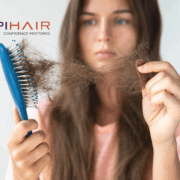
How To Stop Hair Loss In Older Women in Brentwood, TN

Combat hair loss with effective solutions for older women today.

As women age, many may encounter the distressing issue of hair loss. While it’s a common phenomenon, it can still take a toll on one’s confidence and self-esteem. Fortunately, there are several ways to address and even prevent hair loss in older women. Whether it’s through lifestyle changes, dietary adjustments, or seeking professional help, recognizing the underlying causes of hair loss and taking proactive steps can make a significant difference. In this comprehensive guide, we will explore various methods and strategies to help older women combat hair loss and regain a sense of confidence.

Hair Loss in Older Women

Hair loss in older women can be caused by a variety of factors, including hormonal changes, genetic predisposition, and aging. Several common culprits associated with hair loss in older women include:

– Hormonal fluctuations: Changes in hormonal levels, especially during menopause, can lead to hair thinning and loss.

– Nutritional deficiencies: Inadequate intake of essential nutrients, such as iron and protein, can contribute to hair loss.

– Medical conditions: Certain medical conditions, like thyroid disorders and autoimmune diseases, can trigger hair loss in older women.

– Stress and lifestyle factors: Chronic stress, poor dietary habits, and lack of proper hair care can exacerbate hair loss.

Knowing the underlying cause of hair loss is crucial in determining the most effective course of action to address the issue.

Developing a Holistic Approach to Hair Health

Implementing a holistic approach to hair health can be highly beneficial in preventing and combating hair loss in older women. Here are some key elements to consider:

– Balanced diet: Consuming a well-rounded diet rich in protein, iron, vitamins, and minerals can support hair health and mitigate hair loss.

– Stress management: Practicing stress-reducing techniques, such as meditation, yoga, or mindfulness, can help alleviate the impact of stress on hair loss.

– Gentle hair care: Using mild shampoos, avoiding excessive heat styling, and gentle handling of the hair can minimize damage and breakage.

– Regular exercise: Engaging in regular physical activity can promote overall well-being and contribute to improved circulation, which is essential for healthy hair follicles.

Adopting a holistic lifestyle that prioritizes nutritional balance, stress management, and overall well-being can positively impact hair health.

Seeking Professional Assistance

For some women, addressing hair loss may require professional intervention. Consulting with a healthcare provider or a specialist in hair and scalp health can provide valuable insights and personalized recommendations. Treatments and interventions that may be beneficial include:

– Prescription medications: Certain medications, such as minoxidil, can be prescribed to stimulate hair growth in women experiencing hair thinning.

– Hormone therapy: Hormone replacement therapy can help balance hormone levels and mitigate the effects of hormonal fluctuations on hair loss.

– Scalp treatments: Professional scalp treatments, such as microneedling and laser therapy, can promote hair growth and scalp health.

Seeking professional assistance can offer tailored solutions to address the specific underlying causes of hair loss.

In summary

Hair loss in older women is a multifaceted issue that can be influenced by various factors, including hormonal changes, nutritional deficiencies, and lifestyle factors. dopting a holistic approach that encompasses lifestyle modifications, dietary improvements, and seeking professional guidance, older women can effectively address and prevent hair loss. Understanding the root causes of hair loss and implementing proactive measures can lead to improved hair health and overall well-being.

Significant Hair Loss In Women in Franklin, TN

Expert solutions for female hair loss – regain confidence today!

Hair loss is a common concern for many women, and its impact can be emotionally distressing. Whether caused by genetics, hormonal changes, or other underlying factors, hair loss can be a significant source of stress and insecurity. While there are various treatment options available, it’s essential to understand the root causes and seek appropriate professional guidance to address this issue effectively.

Recognizing Hair Loss in Women

Hair loss in women, also known as female pattern hair loss or androgenetic alopecia, is a condition characterized by thinning of the hair on the scalp. While this condition is more prevalent in men, it significantly affects a large number of women as well. Understanding the potential causes and available treatments is crucial for those experiencing this issue.

Common Causes of Hair Loss in Women

– Genetics: Family history plays a significant role in determining whether a woman will experience hair loss. If there’s a history of female pattern baldness in your family, you might be more prone to experiencing it yourself.

– Hormonal Changes: Fluctuations in hormone levels, particularly during pregnancy, childbirth, and menopause, can contribute to hair loss.

– Medical Conditions: Certain medical conditions such as thyroid disorders, autoimmune diseases, and scalp infections can lead to hair loss in women.

– High-Stress Levels: Chronic stress can trigger hair loss in some women, making it essential to manage stress effectively.

– Lifestyle Factors: Poor nutrition, extreme weight loss, and intense physical or emotional stress can all contribute to hair shedding in women.

Seeking Professional Evaluation and Treatment

When experiencing significant hair loss, it is crucial to seek professional evaluation and guidance. Consulting with a qualified healthcare provider, such as a dermatologist or a trichologist, can help determine the underlying causes of hair loss and develop a personalized treatment plan. Whether it involves lifestyle adjustments, medications, or innovative hair restoration procedures, seeking expert advice is essential for effectively addressing this issue.

Treatment Options for Hair Loss in Women

– Medications: There are FDA-approved medications, such as minoxidil and finasteride, that can help promote hair regrowth and prevent further hair loss in women.

– Platelet-Rich Plasma (PRP) Therapy: This innovative treatment involves injecting a concentration of a patient’s own platelets into the scalp to stimulate hair growth.

– Low-Level Laser Therapy (LLLT): LLLT is a non-invasive treatment that uses low-level lasers to enhance hair growth, increase hair thickness, and stop hair loss.

– Hair Transplantation: For women with advanced hair loss, hair transplantation procedures can be an effective long-term solution to restore hair density.

– Lifestyle Changes: Incorporating a well-balanced diet, managing stress levels, and adopting a healthy hair care routine can all contribute to promoting hair health and reducing hair loss.

Embracing Support and Self-Care

Experiencing significant hair loss can take a toll on a woman’s confidence and self-esteem. It’s crucial for women undergoing this challenge to seek emotional support and engage in self-care practices. Connecting with others who are experiencing similar issues and focusing on overall well-being can be empowering in navigating this journey.

Significant hair loss in women can be a distressing experience, but with a thorough recognizing of the potential causes and available treatment options, women can effectively address this issue and regain confidence. Seeking professional guidance and support, along with adopting a holistic approach to hair health, can make a notable difference in managing and overcoming hair loss.

How Bad Is Hair Loss When First Using Rogaine Foam For Women in Nashville, TN

Regain confidence with Rogaine Foam. Say goodbye to hair loss.

Hair loss can be a distressing experience for women, impacting self-esteem and confidence. Many women turn to solutions like Rogaine foam to combat this issue. However, the initial stages of using Rogaine foam can come with unique challenges and changes to be aware of.

Rogaine foam is a popular over-the-counter treatment for hair loss, known for its active ingredient minoxidil. When first starting to use Rogaine foam, many women may notice some side effects and shifts in hair growth patterns. Understanding what to expect during the initial stages of using Rogaine foam can help prepare and manage expectations for women seeking to address their hair loss.

Hair Loss

Hair loss, or alopecia, can be triggered by various factors, including genetics, hormonal changes, stress, and certain medical conditions. For women, experiencing hair loss can be emotionally taxing and have a significant impact on their overall well-being. It’s important to recognize the severity of this issue and seek effective solutions to address the root cause of the problem.

Alopecia can affect anyone, regardless of age or background. However, it’s essential to note that women experiencing hair loss may have different needs and concerns compared to men. Understanding the specific challenges women face when dealing with hair loss is crucial in tailoring treatments and support to meet their unique requirements.

Initial Effects of Rogaine Foam for Women

When women begin using Rogaine foam to combat hair loss, they may experience an adjustment period as their bodies adapt to the new treatment. It’s common for women to notice changes in their hair and scalp during the initial stages of using Rogaine foam. Some effects to be mindful of include:

– Increased Hair Shedding: In the beginning, some women may notice an increase in hair shedding after starting Rogaine foam. This is a common occurrence and should be viewed as a sign that the treatment is stimulating the hair follicles.

– Scalp Sensitivity: It’s not uncommon for women to experience mild scalp irritation or sensitivity when first using Rogaine foam. This can include redness, itching, or a tingling sensation. These side effects typically diminish as the scalp becomes accustomed to the treatment.

– Changes in Hair Texture: As Rogaine foam works to promote hair growth, women may notice changes in the texture and appearance of their hair. Some individuals report that their hair feels thicker or coarser during the initial stages of treatment.

Managing Expectations and Patience

As with any hair loss treatment, patience is key when using Rogaine foam. It’s important for women to have realistic expectations and understand that visible results may take time to manifest. Consistency is critical when using Rogaine foam, and it’s essential to remain committed to the treatment regimen to achieve optimal outcomes.

Women beginning a hair regrowth journey with Rogaine foam should also seek advice from healthcare professionals or trichologists to gain insight into the best practices for application and managing potential side effects. Understanding the nuances of using Rogaine foam and how it interacts with individual hair types and conditions can support women in navigating the initial stages of treatment more effectively.

Schedule Appointment

The initial stages of using Rogaine foam for women may present some challenges, but with comprehensive knowledge and realistic expectations, it can be a valuable and effective tool in combatting hair loss. Seeking professional guidance and maintaining patience are vital components of the journey towards healthier, fuller hair.

With a tailored approach and knowing the changes that may occur during the adjustment period, women can empower themselves to take charge of their hair regrowth journey with Rogaine foam.