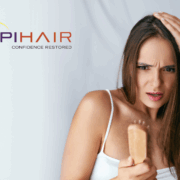
Reasons Why Women’s Hair Loss in Nashville, TN

Solutions for Women’s Hair Loss – Find Support and Understanding

Hair loss can be a distressing experience for anyone, but for women, it can be particularly challenging. From hormonal changes to stress and genetics, there are numerous reasons why women may experience hair loss. Understanding the underlying causes is crucial in order to find effective solutions and regain confidence. In this comprehensive guide, we will delve into the various factors contributing to women’s hair loss and explore potential treatments available, aiming to provide valuable insights and guidance for women in Nashville, TN, and beyond.

Hormonal Imbalance

Hormonal fluctuations can play a significant role in women’s hair loss. Factors such as pregnancy, menopause, polycystic ovary syndrome (PCOS), and thyroid disorders can all lead to imbalances that affect hair growth cycles. During pregnancy, for example, elevated levels of estrogen can prolong the hair’s growth phase, resulting in thicker and healthier-looking hair. However, postpartum hormonal changes can cause an increased shedding of hair, leading to noticeable thinning. Similarly, the onset of menopause can lead to a decline in estrogen levels and an increase in androgen hormones, potentially contributing to hair loss. Understanding these hormonal shifts is essential in addressing the root cause of hair loss in women.

Genetic Predisposition

Genetics can also play a significant role in female hair loss. Androgenetic alopecia, commonly known as female pattern baldness, is a hereditary condition that can lead to gradual thinning of the hair. This type of hair loss typically follows a specific pattern, with the hairline receding and the crown area becoming progressively thinner. While the genetic predisposition to hair loss cannot be altered, various treatments and interventions can help manage its impact and maintain healthy hair growth.

Stress and Lifestyle Factors

Chronic stress and certain lifestyle choices can contribute to hair loss in women. High-stress levels can disrupt the hair growth cycle, leading to increased shedding and weakened hair follicles. Additionally, poor dietary habits, smoking, and excessive hairstyling or use of harsh chemical treatments can also take a toll on the overall health of the hair. Adopting stress-reducing practices, improving nutrition, and minimizing damaging hair practices can help mitigate these factors contributing to hair loss.

Medical Conditions and Medications

Certain medical conditions and medications can have a direct impact on hair health. Conditions such as alopecia areata, lupus, and trichotillomania can result in localized or widespread hair loss. Furthermore, medications used to treat conditions like cancer, arthritis, depression, and high blood pressure can also lead to hair thinning and loss as a side effect. It is important for women experiencing hair loss to consult with healthcare professionals to determine the potential influence of underlying medical conditions and medications.

Seeking Specialized Hair Restoration Solutions

In Nashville, TN, women experiencing hair loss can explore specialized hair restoration solutions to address their individual needs. Advanced technologies, such as platelet-rich plasma (PRP) therapy, low-level laser therapy, and follicular unit extraction (FUE) hair transplants, offer promising options for restoring hair density and rejuvenating the scalp. Consulting with experienced professionals in the field of hair restoration can provide women with personalized strategies tailored to their specific hair loss concerns.

Knowing the multifaceted nature of women’s hair loss is crucial for effectively addressing this common issue. ecognizing the diverse factors that contribute to hair loss, women can take proactive steps to explore suitable treatments and regain confidence in their appearance. Whether it’s managing hormonal imbalances, addressing genetic predispositions, or adopting healthier lifestyle practices, there are various pathways to achieving optimal hair health.
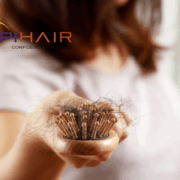
Symptoms Of Fatigue And Hair Loss In Women in Nashville, TN

Empower Your Health: Overcome Fatigue and Hair Loss with Confidence!

Women are strong, resilient, and capable of handling life’s many challenges. However, there are times when even the strongest among us may feel fatigued, both mentally and physically, or notice increased hair loss. While these symptoms are not uncommon, they can be indicative of underlying health issues that require attention. In this comprehensive guide, we will delve into the potential causes of fatigue and hair loss in women, exploring the various symptoms and offering valuable insights to help you understand and address these concerns. Whether you’re a professional athlete, bodybuilder, or simply someone looking to optimize your health, this information will provide you with the knowledge you need to take charge of your well-being.

Fatigue

Fatigue is a common complaint among women, and it can manifest in a variety of ways. Here are some key symptoms to watch for:

– Persistent tiredness and lack of energy

– Difficulty concentrating and making decisions

– Reduced physical performance and endurance

– Increased irritability and mood swings

– Insomnia or disrupted sleep patterns

– Muscle weakness and aches

– Headaches and dizziness

Appreciating the potential causes of fatigue is crucial. Hormonal imbalances, nutritional deficiencies, thyroid problems, and chronic stress are just a few of the factors that can contribute to this issue. It’s essential to consult with a healthcare professional to identify the root cause of your fatigue and develop a targeted treatment plan.

Hair Loss

Hair loss in women can be distressing and is often accompanied by feelings of self-consciousness and reduced self-esteem. Here are some signs that you may be experiencing abnormal hair loss:

– Excessive hair shedding during showering or brushing

– Noticeable thinning of the hair, particularly around the crown or temples

– Receding hairline or widening part

– Bald patches or areas of complete hair loss

Numerous factors can contribute to hair loss in women, including genetic predisposition, hormonal fluctuations, nutritional deficiencies, and certain medical conditions. Seeking professional guidance is imperative to determine the specific cause of your hair loss and explore appropriate treatment options.

Managing Fatigue and Hair Loss

Addressing fatigue and hair loss often involves a multifaceted approach that considers both physical and emotional aspects of health. Here are some strategies to support your well-being:

– Maintain a balanced diet rich in essential nutrients, particularly iron, B vitamins, and protein, to support energy levels and promote hair health.

– Prioritize quality sleep and establish a consistent sleep schedule to combat fatigue and support optimal hair growth.

– Manage stress through relaxation techniques, mindfulness practices, and regular physical activity to reduce the impact of stress-related hair loss and fatigue.

– Consult with a healthcare professional to evaluate hormone levels, thyroid function, and any underlying medical conditions that may be contributing to your symptoms.

Empowering yourself with knowledge and seeking professional guidance are pivotal steps in managing fatigue and hair loss effectively. ddressing these concerns proactively, you can optimize your overall health and well-being, improving your energy levels and supporting the health of your hair.

The main takeaway

Fatigue and hair loss are complex issues that require careful attention and personalized care. As a female athlete or bodybuilder, it’s essential to take a proactive approach to your health, ensuring that you have the energy and vitality to pursue your fitness goals. nderstanding the potential causes of fatigue and hair loss, you can make informed decisions about your health and seek appropriate support when needed. Remember that your well-being is paramount, and addressing these symptoms can empower you to achieve peak performance and maintain a vibrant, healthy appearance.

Treatment ForHair Loss In Women in La Vergne, TN

Revive your confidence – effective hair loss treatment for women.

Hair loss can be distressing for women, impacting their self-esteem and overall sense of well-being. If you’re among the many women experiencing this issue, you’re not alone, and there are effective treatments available to help you regain your full, healthy head of hair.

At our clinic in La Vergne, TN, we understand the unique concerns of women dealing with hair loss. Our expert team is dedicated to providing personalized, effective solutions that address the underlying causes of hair loss and promote healthy, beautiful hair growth.

Hair Loss in Women

Hair loss in women can be caused by a variety of factors, including hormonal imbalances, genetics, medical conditions, and lifestyle choices. Understanding the root cause of your hair loss is crucial in determining the most effective treatment approach.

Common Causes of Hair Loss in Women

– Hormonal Imbalances: Fluctuations in hormone levels, particularly during pregnancy, menopause, or as a result of conditions such as polycystic ovary syndrome (PCOS), can contribute to hair loss.

– Genetics: Family history of hair loss can play a significant role in female pattern baldness.

– Medical Conditions: Certain medical conditions such as thyroid disorders, autoimmune diseases, and alopecia areata can lead to hair thinning and loss.

– Stress and Lifestyle: High stress levels, poor nutrition, and extreme weight fluctuations can also contribute to hair loss in women.

Effective Treatment Options

Once the underlying cause of hair loss is identified, our clinic offers a range of effective treatment options tailored to each individual’s unique needs.

Topical Treatments

– Minoxidil: This FDA-approved topical treatment has been shown to promote hair regrowth in some women by stimulating hair follicles and increasing blood flow to the scalp.

– Prescription Medications: In some cases, oral medications such as spironolactone or finasteride may be prescribed to address hormonal imbalances contributing to hair loss.

Platelet-Rich Plasma (PRP) Therapy

PRP therapy involves drawing a small amount of the patient’s blood, processing it to concentrate the platelets, and then injecting the plasma into the scalp. This process stimulates natural hair growth and improves hair density.

Low-Level Laser Therapy (LLLT)

LLLT utilizes targeted laser light to enhance cellular activity in the scalp, promoting hair growth and strengthening existing hair follicles.

Hair Transplantation

For women with more advanced hair loss, hair transplantation offers a long-term solution by relocating healthy hair follicles to thinning or balding areas of the scalp.

Creating a Personalized Treatment Plan

At our clinic, we understand that every woman’s experience with hair loss is unique. That’s why we prioritize personalized consultations and treatment plans tailored to each individual’s specific needs and goals. Our experienced team takes the time to thoroughly assess the underlying causes of hair loss and develop a comprehensive approach to restore healthy, vibrant hair.

Empowering Women to Reclaim Confidence and Beauty

We are committed to empowering women to regain their confidence and beauty through our advanced hair loss treatments. Our mission is to provide a supportive, compassionate environment where women can feel confident in seeking the treatment they need to address their hair loss concerns.

Whether you’re dealing with thinning hair, pattern baldness, or other forms of hair loss, our clinic in La Vergne, TN, is dedicated to providing the highest quality care and effective solutions for women of all ages.

If you’re ready to take the first step toward restoring your hair and confidence, we invite you to contact us for a personalized consultation and start your journey to beautiful, healthy hair.

Types Of Hair Loss In Women in La Vergne, TN

Expert solutions for women’s hair loss. Boost confidence, feel beautiful.

Hair loss is a common concern among women, affecting their physical appearance and emotional well-being. Understanding the different types and causes of hair loss is crucial for seeking appropriate treatment and maintaining healthy, luxurious hair. As a leading clinic in La Vergne, TN, we specialize in addressing hair loss in women, offering personalized solutions to restore confidence and beauty. In this comprehensive guide, we delve into the various types of hair loss in women, shedding light on their underlying causes and potential treatment options.

Hair Growth Cycle

Hair growth follows a natural cycle consisting of three main phases: anagen, catagen, and telogen. During the anagen phase, hair actively grows, while the catagen phase signals a transition to a resting state. Finally, the telogen phase results in hair shedding, making way for the growth of new hair strands. Understanding this cycle is essential in identifying abnormalities that may lead to hair loss.

Types of Hair Loss in Women

1. Androgenetic Alopecia: Also known as female pattern hair loss, this condition is characterized by a gradual thinning of hair, primarily at the top of the head. It is the most common type of hair loss in women and is influenced by genetic and hormonal factors.

2. Telogen Effluvium: This form of hair loss occurs when a significant number of hair follicles prematurely enter the telogen phase, resulting in excessive shedding. Telogen effluvium can be triggered by physical or emotional stress, illness, or hormonal changes.

3. Alopecia Areata: A condition in which the immune system mistakenly attacks the hair follicles, leading to sudden and unpredictable hair loss in round patches. While the exact cause is not fully understood, it is believed to be an autoimmune disorder.

4. Traction Alopecia: Commonly seen in women who frequently wear tight hairstyles, such as tight ponytails or braids, resulting in gradual hair loss due to constant tension on the hair shafts.

5. Anagen Effluvium: This type of hair loss occurs during the anagen phase and is often associated with cancer treatments, such as chemotherapy, which target rapidly dividing cells, including hair follicles.

Causes of Hair Loss in Women

– Hormonal Imbalance: Fluctuations in hormone levels, particularly androgens, can contribute to hair loss, as seen in conditions like polycystic ovary syndrome (PCOS) and menopause.

– Genetics: Family history plays a significant role in the predisposition to certain types of hair loss, including androgenetic alopecia.

– Medical Conditions: Certain medical conditions, such as thyroid disorders and autoimmune diseases, can lead to hair loss in women.

– Stress: Physical or emotional stress can disrupt the hair growth cycle, leading to excessive shedding and thinning of the hair.

– Hair Styling Practices: Overly tight hairstyles, frequent use of heated styling tools, and harsh chemical treatments can cause damage to the hair and contribute to hair loss.

Seeking Treatment

Upon noticing signs of hair loss, it is vital for women to seek professional evaluation and personalized treatment options. Our clinic in La Vergne, TN, offers a range of advanced treatments, including hair restoration therapies, PRP (platelet-rich plasma) treatments, and personalized hair care regimens tailored to individual needs. We prioritize patient education and empowerment, guiding women through their journey to reclaiming healthy, vibrant hair.

To conclude

Recognizing the different types and causes of hair loss in women is the first step toward effective management and restoration. With the right knowledge and professional guidance, women can address their concerns with confidence and find suitable solutions to maintain beautiful, healthy hair. If you are experiencing hair loss, our clinic is dedicated to providing exceptional care and support, empowering women to embrace their natural beauty with pride and confidence.

How To Stop Hair Loss For Women in Nashville, TN

Reclaim your confidence with effective hair loss solutions for women.

Are you tired of dealing with hair loss and seeking effective solutions to regrow your hair? You’re not alone. Hair loss can be a distressing experience, especially for women. Whether it’s due to genetics, hormonal changes, or other factors, losing hair can impact your confidence and self-esteem. Fortunately, there are proactive steps you can take to address and prevent further hair loss. In this comprehensive guide, we’ll explore the various causes of hair loss in women and provide actionable strategies to help you stop hair loss and promote hair regrowth. Read on to discover how you can regain control over your hair and boost your confidence.

Hair Loss in Women

Hair loss in women can be attributed to a variety of factors, including genetics, hormonal imbalances, stress, medical conditions, and lifestyle choices. Understanding the root cause of your hair loss is crucial in devising an effective treatment plan. Here are some common causes of hair loss in women:

– Genetics: Female pattern hair loss, or androgenetic alopecia, is the most common cause of hair loss in women. This hereditary condition can lead to thinning hair and eventual hair loss.

– Hormonal Imbalances: Fluctuations in hormones, particularly during pregnancy, childbirth, menopause, and thyroid disorders, can contribute to hair loss in women.

– Stress: Persistent emotional or physical stress can trigger hair shedding and exacerbate hair loss.

– Medical Conditions: Certain medical conditions, such as alopecia areata, autoimmune disorders, and nutritional deficiencies, can result in hair loss.

– Lifestyle Choices: Poor diet, excessive heat styling, and tight hairstyles can damage hair and contribute to hair loss.

Acknowledging the underlying cause of your hair loss is the first step in finding the most effective treatment. Consult with a qualified healthcare professional to receive a proper diagnosis and personalized guidance.

Effective Strategies to Stop Hair Loss

Once you’ve identified the potential causes of your hair loss, it’s time to implement effective strategies to address the issue. Here are some proven methods for stopping hair loss and promoting hair regrowth:

– Nutrition and Diet: Consuming a well-balanced diet rich in vital nutrients such as iron, protein, biotin, and vitamins can support healthy hair growth. Consider incorporating foods like eggs, nuts, spinach, and fatty fish into your diet to nourish your hair from within.

– Scalp Care: A healthy scalp is essential for promoting hair growth. Regular scalp massages, using gentle shampoos and conditioners, and avoiding harsh chemicals can improve the condition of your scalp and hair follicles.

– Medical Treatments: Various medical treatments, including minoxidil (Rogaine) and low-level laser therapy, have been shown to be effective in preventing further hair loss and stimulating hair regrowth. Consult a healthcare provider to discuss appropriate treatment options for your specific needs.

– Lifestyle Changes: Adopting a stress-reducing lifestyle, avoiding excessive heat styling, and opting for hair-healthy habits can help prevent further hair loss and support the regrowth process.

– Supplements: Certain supplements, such as biotin, collagen, and saw palmetto, have been associated with promoting hair growth. Consult with a healthcare professional to determine the suitability of these supplements for your individual needs.

Closing considerations

Hair loss can be a challenging experience for women, but with the right knowledge and proactive measures, you can effectively address the issue and promote hair regrowth. nderstanding the underlying causes of hair loss and implementing targeted strategies, you can take control of your hair health and restore your confidence. Remember, seeking professional guidance and personalized advice is essential in finding the most suitable solutions for your specific situation. With determination and the right approach, you can stop hair loss and embrace a healthy, vibrant mane once again.

How To Stop Hair Loss In Older Women in Nolensville, TN

Combat hair loss with effective solutions for older women. Visit now!

Hair loss is a common concern for many women as they age. It can be a distressing experience, impacting self-confidence and self-esteem. While hair loss is often associated with men, many older women also experience thinning hair and balding. If you’re an older woman facing this issue, you’re not alone. Fortunately, there are effective solutions that can help you address and manage hair loss, allowing you to regain confidence and feel your best at any age. In this comprehensive guide, we will explore the various causes of hair loss in older women and provide practical tips and strategies to help you stop hair loss and promote healthy, vibrant hair.

Hair Loss in Older Women

Hair loss in older women can be attributed to a variety of factors, including hormonal changes, genetic predisposition, and lifestyle choices. Understanding the root cause of your hair loss is crucial in determining the most effective course of action to address the issue.

Here are some common causes of hair loss in older women:

1. Hormonal Changes: Fluctuations in hormone levels, particularly during menopause, can lead to hair thinning and loss.

2. Genetic Predisposition: Family history and genetics play a significant role in determining hair loss patterns.

3. Nutritional Deficiencies: Inadequate intake of essential nutrients, such as iron and protein, can contribute to hair loss.

4. Stress: Chronic stress can disrupt the hair growth cycle, leading to increased shedding and thinning.

5. Medical Conditions: Certain medical conditions, such as thyroid disorders, autoimmune diseases, and scalp infections, can contribute to hair loss.

Addressing Hormonal Imbalance

Hormonal imbalance is a common contributor to hair loss in older women. As estrogen levels decline during menopause, the relative increase in androgen hormones can lead to a condition known as androgenetic alopecia, or female pattern hair loss.

To address hormonal imbalance and minimize its impact on hair loss, consider the following strategies:

– Consult with a healthcare provider to discuss hormone replacement therapy options.

– Incorporate phytoestrogen-rich foods, such as flaxseeds and soy products, into your diet to support hormonal balance.

– Engage in regular physical activity to promote overall hormonal balance and reduce stress levels.

Optimizing Nutritional Intake

Nutritional deficiencies can contribute to hair loss, making it essential to focus on a well-balanced diet that supports hair health.

Key nutrients for preventing hair loss and promoting growth include:

– Iron: Ensure adequate iron intake through red meat, lentils, and leafy greens.

– Protein: Include lean sources of protein, such as poultry, fish, and legumes, in your daily meals.

– Omega-3 Fatty Acids: Incorporate omega-3-rich foods like salmon, chia seeds, and walnuts to support scalp health.

– Vitamin D: Spend time outdoors and consume vitamin D-rich foods like fortified dairy products and fatty fish.

Stress Management and Self-Care

Chronic stress can exacerbate hair loss by disrupting the hair growth cycle. Incorporating stress-relief practices and self-care routines can significantly contribute to hair health.

Here are some effective stress management techniques:

– Practice mindfulness meditation or yoga to alleviate stress and promote relaxation.

– Engage in regular physical exercise to reduce stress and boost overall well-being.

– Prioritize sufficient sleep to support hormonal balance and overall health.

End thoughts

Hair loss in older women can be a challenging experience, but with the right strategies and support, it is possible to address and minimize its impact. nderstanding the underlying causes of hair loss, optimizing nutritional intake, addressing hormonal imbalances, and incorporating stress management techniques, older women can take proactive steps to stop hair loss and promote healthy, vibrant hair.

How To Know Whether My Hair Loss Is Immune Related Women in Nolensville, TN

Effective treatments to address women’s hair loss. Discover your options.

Hair loss is a common concern for many women, and it can be caused by a variety of factors. One possible cause of hair loss is immune-related conditions. Understanding the signs and symptoms of immune-related hair loss is crucial for seeking appropriate treatment. In this article, we will explore how to recognize immune-related hair loss in women and discuss potential treatment options. If you are experiencing hair loss and suspect it may be immune-related, read on to learn more about the possible causes and how to address this issue effectively.

Immune-Related Hair Loss in Women

Recognizing Immune-Related Hair Loss

Hair loss can be distressing, but it’s important to identify the underlying cause in order to determine the best course of action. When it comes to immune-related hair loss in women, there are certain signs to watch out for:

– Sudden or rapid hair loss

– Patchy hair loss on the scalp

– Redness, itching, or pain on the scalp

– Hair thinning or shedding beyond what is considered normal

– Changes in the texture or appearance of the hair

If you have noticed any of these symptoms, it is advisable to consult with a healthcare professional to determine the cause of your hair loss.

The Immune System’s Role

The immune system plays a vital role in protecting the body from illness and infection. However, in some cases, the immune system may mistakenly attack healthy cells, including hair follicles. This autoimmune response can lead to various types of hair loss, such as alopecia areata or frontal fibrosing alopecia. Understanding the role of the immune system in hair loss is crucial for accurately diagnosing and treating the condition.

Seeking Professional Evaluation

If you suspect that your hair loss may be immune-related, it is important to seek professional evaluation from a qualified healthcare provider. A dermatologist or trichologist can assess your symptoms, conduct relevant tests, and provide an accurate diagnosis. Additionally, they can recommend personalized treatment options based on the specific cause of your immune-related hair loss.

Treatment Options for Immune-Related Hair Loss

Topical Treatments

In some cases, topical treatments such as corticosteroids or immunotherapy may be prescribed to target the immune response in the scalp. These treatments can help to reduce inflammation, promote hair regrowth, and manage symptoms of immune-related hair loss.

Oral Medications

For more extensive or persistent cases of immune-related hair loss, oral medications such as corticosteroids or immunosuppressants may be recommended. These medications work to modulate the immune system’s response and can be effective in managing certain types of autoimmune-related hair loss.

Laser Therapy

Low-level laser therapy (LLLT) has shown promise in treating immune-related hair loss by stimulating hair follicles and promoting healthier hair growth. This non-invasive treatment option can be used in conjunction with other therapies to improve the overall condition of the scalp and hair.

Supportive Care

In addition to medical interventions, maintaining a healthy lifestyle and caring for your scalp can contribute to managing immune-related hair loss. This includes proper nutrition, stress management, and gentle hair care practices that minimize further damage to the hair and scalp.

Schedule Appointment

Recognizing the signs of immune-related hair loss in women is the first step towards seeking appropriate care and treatment. nderstanding the role of the immune system in hair loss and exploring available treatment options, individuals can take proactive steps to address this condition effectively. Seeking professional evaluation and personalized treatment recommendations are crucial for managing immune-related hair loss and promoting healthier hair growth.

Hormonal Hair Loss In Women in Nashville, TN

Expert solutions for hormonal hair loss – restore confidence today!

Hormonal hair loss in women can be a distressing and frustrating experience, impacting not only the physical appearance but also the emotional well-being of those affected. The condition, also known as androgenetic alopecia, occurs when hormonal imbalances or sensitivity to androgens, the group of male hormones including testosterone, lead to hair thinning and loss in women of all ages. If you’re experiencing this issue, you’re not alone, and there are effective treatments available to help restore your hair and confidence.

Hormonal Hair Loss in Women

Hormonal hair loss in women is a complex phenomenon influenced by various factors, including genetics, hormone levels, and the body’s sensitivity to androgens. Women produce a small amount of androgens, but if they are sensitive to these hormones, it can lead to a condition called androgenetic alopecia. This sensitivity can cause hair follicles to shrink and produce finer, shorter hairs, ultimately leading to a visible thinning of the hair.

Symptoms of Hormonal Hair Loss

It’s essential to recognize the symptoms of hormonal hair loss in women to address the issue early on. Some common signs of androgenetic alopecia include:

– Gradual thinning of hair on the top of the head

– Increased shedding of hair, especially during showering or brushing

– Visible scalp through the hair

– Widening of the hair part

If you notice these symptoms, it’s important to seek professional help to determine the cause and explore potential treatment options.

Treatment Options for Hormonal Hair Loss

Fortunately, there are effective treatment options available for hormonal hair loss in women. Here are some of the most common approaches:

– Topical treatments: Minoxidil, a topical solution, is FDA-approved for the treatment of androgenetic alopecia in women. It works by increasing blood flow to the scalp and revitalizing hair follicles, promoting hair regrowth.

– Oral medications: Some women may benefit from oral medications like spironolactone, which can help block the effects of androgens on the hair follicles. It’s essential to consult a healthcare professional before starting any oral medication to address hormonal hair loss.

– Hormone therapy: For women experiencing hormonal imbalances contributing to hair loss, hormone therapy may be recommended to restore balance and minimize the impact of androgens on the hair follicles.

– Platelet-rich plasma (PRP) therapy: This innovative treatment involves using the patient’s own blood plasma, enriched with platelets, to promote the growth of healthy hair follicles.

– Hair transplant surgery: In more severe cases of hormonal hair loss, individuals may consider hair transplant surgery to restore a fuller, natural-looking hairline.

Consulting with a skilled healthcare provider or hair restoration specialist is crucial to explore the most suitable treatment option based on your individual needs and the underlying cause of your hormonal hair loss.

Empower Yourself with Knowledge and Support

Dealing with hormonal hair loss can take an emotional toll, and it’s essential to seek support and empower yourself with knowledge. Understanding the underlying causes of your hair loss and the available treatment options can help you make informed decisions about your care. Additionally, joining support groups or connecting with others who are experiencing similar challenges can provide valuable emotional support and encouragement throughout your journey.

To summarize

Hormonal hair loss in women is a complex condition that requires individualized attention and care. nderstanding the underlying causes and available treatment options, women can take proactive steps to address their hair loss and regain confidence in their appearance. If you’re struggling with hormonal hair loss, don’t hesitate to seek professional guidance and explore the diverse treatment approaches that can help you achieve healthier, fuller hair.

Options For Women With Hair Loss in Nashville, TN

Revitalize your confidence with our expert hair loss treatments.

Experiencing hair loss can be a distressing and emotional journey for many women. Whether caused by genetics, hormonal changes, stress, or medical conditions, hair loss can significantly impact a woman’s self-esteem and confidence. If you are facing this challenge, know that you are not alone. At our clinic in Nashville, TN, we understand the unique needs of women dealing with hair loss and offer a range of innovative and effective treatment options to help you restore your hair and confidence.

Hair Loss in Women

Hair loss in women can manifest in various forms, such as thinning of the scalp, receding hairline, or overall loss of hair volume. Understanding the underlying causes is crucial for identifying the most suitable treatment options. Factors contributing to female hair loss can include genetics, hormonal imbalances, nutritional deficiencies, stress, and certain medical conditions. Consulting with a qualified hair restoration specialist can help determine the root cause of your hair loss and develop a personalized treatment plan.

Effective Treatment Options

We offer a comprehensive range of treatment options tailored specifically for women, addressing the diverse needs and preferences of our clients. Our skilled specialists are dedicated to providing the most advanced and proven solutions to help women combat hair loss and achieve natural-looking results. Some of the options available at our clinic include:

– Platelet-Rich Plasma (PRP) Therapy: This innovative treatment harnesses the power of your body’s natural growth factors to stimulate hair growth and improve hair density. PRP therapy can effectively address various types of hair loss, promoting the growth of new, stronger hair.

– Low-Level Laser Therapy (LLLT): Utilizing advanced laser technology, LLLT is a non-invasive treatment option that stimulates hair follicles, promoting hair regrowth and improving scalp health. This painless and safe procedure can be an excellent choice for women seeking gentle yet effective hair restoration solutions.

– Hair Transplantation: For women experiencing more advanced stages of hair loss, hair transplantation offers a long-term, permanent solution. Our clinic specializes in modern hair transplant techniques that yield natural-looking, lasting results, restoring your hair and confidence.

– Customized Topical Treatments: We recognize that every woman’s hair loss journey is unique, and our personalized topical treatments cater to individual needs. From custom-formulated shampoos to targeted scalp treatments, we provide tailored solutions to address specific hair concerns.

Holistic Approach to Hair Restoration

At our clinic, we emphasize a holistic approach to hair restoration, focusing on not only addressing the physical aspects of hair loss but also nurturing overall well-being. Our specialists offer guidance on lifestyle modifications, nutritional support, and stress management techniques to enhance the effectiveness of hair loss treatments. We believe that a comprehensive, holistic approach is essential for achieving sustainable and natural-looking results.

Empowering Women through Education

Education is key to empowering women to make informed decisions about their hair restoration journey. Our clinic is dedicated to providing comprehensive educational resources, consultations, and support to help women understand their options and feel confident in their choices. We strive to create a welcoming and supportive environment where women can openly discuss their concerns and explore the most suitable treatment paths.

Concluding remarks

Women facing hair loss deserve compassionate care and effective solutions to regain their confidence and beauty. At our Nashville clinic, we are committed to offering women personalized, innovative hair restoration treatments that deliver natural-looking results. If you are ready to take the first step towards restoring your hair and confidence, we are here to support you on your journey.

How To Prevent Women’s Hair Loss in Brentwood, TN

Restore your confidence with our comprehensive women’s hair loss guide.

Hair loss can be a distressing experience for women, impacting their self-esteem and overall confidence. Many factors contribute to hair loss, including genetics, hormonal changes, underlying medical conditions, and lifestyle choices. Understanding the causes of hair loss and implementing preventive measures can help women maintain healthy and voluminous hair. In this comprehensive guide, we will explore effective strategies to prevent women’s hair loss, empowering you to take proactive steps towards maintaining a full and luscious mane.

The Causes of Women’s Hair Loss

Hair loss in women can be attributed to various factors, necessitating a comprehensive realizing of the underlying causes. ecognizing the root causes of hair loss, women can tailor their preventive strategies to address specific concerns. Common causes of women’s hair loss include:

– Genetics: Hereditary hair loss, or androgenetic alopecia, is the most prevalent cause of hair loss in both men and women. Understanding one’s family history of hair loss can provide valuable insights into the potential risk of experiencing hair thinning or shedding.

– Hormonal Changes: Fluctuations in hormone levels, particularly during pregnancy, menopause, or thyroid imbalances, can significantly impact hair health. Hormonal shifts may contribute to hair thinning and loss, emphasizing the importance of hormonal balance in preventing hair-related concerns.

– Medical Conditions: Certain medical conditions, such as alopecia areata, scalp infections, and autoimmune disorders, can lead to hair loss. Addressing these underlying conditions through medical intervention and lifestyle modifications is crucial in preventing further hair damage.

– Lifestyle Factors: Unhealthy lifestyle choices, including poor nutrition, excessive stress, and inadequate hair care practices, can exacerbate hair loss. Adopting a holistic approach to wellness and maintaining a balanced lifestyle can positively impact hair health.

Effective Preventive Measures for Women’s Hair Loss

Taking proactive measures to prevent hair loss is essential for maintaining healthy, vibrant hair. By implementing targeted strategies, women can mitigate the risk of hair thinning and promote optimal hair growth. Here are effective preventive measures to safeguard against women’s hair loss:

– Nutrient-Rich Diet: Consuming a well-rounded diet rich in essential nutrients, such as protein, iron, vitamins, and omega-3 fatty acids, is crucial for promoting hair strength and vitality. Incorporating foods like leafy greens, lean proteins, and nuts can support optimal hair health.

– Scalp Care Routine: Establishing a regular scalp care routine, including gentle cleansing, moisturizing, and exfoliation, can promote a healthy environment for hair growth. Additionally, using nourishing hair products and avoiding harsh chemicals can protect the scalp and hair follicles.

– Stress Management: Chronic stress can contribute to hair loss, making stress management an integral part of preventive care. Engaging in relaxation techniques, mindfulness practices, and regular exercise can help alleviate stress and support overall well-being, thereby promoting healthy hair growth.

– Hormonal Balance: Consulting a healthcare professional to address hormonal imbalances through appropriate therapies or medications can help regulate hormone levels, minimizing the impact on hair health.

– Professional Evaluation: Seeking guidance from a qualified hair specialist or dermatologist can provide tailored insights and recommendations for addressing specific hair loss concerns, ensuring personalized preventive care.

Schedule Appointment

By comprehensively realizing the underlying causes of women’s hair loss and implementing effective preventive measures, individuals can proactively maintain healthy, voluminous hair. Embracing a holistic approach to wellness, encompassing nutrition, skincare, stress management, and professional guidance, empowers women to safeguard against the impact of hair loss, fostering confidence and vitality.