FrontalHair Loss In Women in La Vergne, TN

Combat frontal hair loss in women with expert solutions today!

Frontal hair loss in women can be distressing and affect self-esteem. It is a common condition that can have various underlying causes. At our clinic in La Vergne, TN, we specialize in helping women address and manage frontal hair loss, providing effective treatments and personalized care to support our patients in regaining confidence and achieving healthy, vibrant hair.

Frontal Hair Loss

Frontal hair loss, also known as female pattern hair loss, is characterized by the thinning of hair around the hairline and frontal scalp area. This type of hair loss can be particularly challenging for women, as it can significantly impact their appearance and self-image. Understanding the causes and potential treatments for frontal hair loss is crucial for addressing the issue effectively.

Causes of Frontal Hair Loss

There are several factors that can contribute to frontal hair loss in women, including:

Hormonal Imbalance: Fluctuations in hormone levels, particularly the androgens, can play a significant role in hair loss. Conditions such as polycystic ovary syndrome (PCOS) can lead to imbalances and contribute to hair loss.

Genetics: Genetic predisposition can also play a key role in frontal hair loss. Women with a family history of hair loss may be more prone to experiencing similar patterns of thinning and loss.

Stress: Emotional or physical stress can contribute to hair loss by disrupting the normal hair growth cycle. Chronic stress can lead to hair shedding and thinning over time.

Nutritional Deficiencies: Inadequate intake of essential nutrients, such as iron, vitamins, and proteins, can affect hair health and lead to thinning and loss in the frontal area.

Treatment Options for Frontal Hair Loss

Addressing frontal hair loss requires a comprehensive approach that may include the following treatment options:

Topical Treatments: Minoxidil-based solutions can be effective in promoting hair regrowth and preventing further loss in the frontal area. These topical treatments are applied directly to the scalp and can help stimulate hair follicles.

Nutritional Support: A balanced diet and supplementation with essential nutrients can support healthy hair growth and address potential deficiencies contributing to hair loss.

Hormonal Management: In cases where hormonal imbalances are identified as a contributing factor, hormonal therapies or medications may be prescribed to restore balance and reduce hair loss.

Platelet-Rich Plasma (PRP) Therapy: This innovative treatment involves using the patient’s own blood to extract platelets and growth factors, which are then injected into the scalp to stimulate hair growth and improve hair density.

Hair Transplantation: For individuals with advanced frontal hair loss, hair transplant procedures can be an effective long-term solution, providing natural and lasting results.

Lifestyle Considerations

In addition to targeted treatments, addressing frontal hair loss in women may also involve lifestyle modifications to support overall hair health. These may include:

Stress Management: Implementing stress-reducing techniques such as meditation, yoga, or counseling can help minimize the impact of stress on hair health.

Scalp Care: Gentle scalp massage and proper hair care practices can promote circulation and support a healthy environment for hair growth.

Healthy Habits: Adopting a well-rounded, healthful lifestyle that includes regular exercise, hydration, and adequate sleep can contribute to overall well-being, including hair health.

Schedule Appointment

Frontal hair loss in women can be a complex and multifaceted issue, but with the right approach, it is possible to address and manage effectively. nderstanding the underlying causes, exploring appropriate treatments, and embracing lifestyle considerations, women can take proactive steps to maintain healthy and thriving hair. At our clinic in La Vergne, TN, we are dedicated to supporting women in their journey to overcome frontal hair loss and regain confidence in their appearance.

How To Reverse Hair Loss In Aging Women in Nashville, TN

Strong, healthy hair solutions for aging women. Say goodbye to frustration.

Hair loss is a common concern for many women as they age, and it can be a source of distress and frustration. Fortunately, there are effective strategies and treatments available to help reverse hair loss and promote stronger, healthier hair. If you’re experiencing hair thinning or loss, it’s important to understand the underlying causes and explore the options for addressing this issue. In this comprehensive guide, we’ll delve into the various factors that contribute to hair loss in aging women and discuss proven methods for reversing this process. Whether you’re looking for natural remedies, lifestyle changes, or advanced clinical treatments, this article aims to provide valuable insights to help you regain confidence in your hair and overall appearance.

Hair Loss in Aging Women

Hair loss in aging women can be attributed to a variety of factors, including hormonal changes, genetic predisposition, nutritional deficiencies, and environmental stressors. Understanding these underlying causes is crucial in developing an effective treatment plan. Here are some key factors to consider:

– Hormonal Changes: Fluctuations in hormone levels, particularly the decrease in estrogen during menopause, can contribute to hair thinning and loss.

– Genetic Predisposition: Family history plays a significant role in determining an individual’s susceptibility to hair loss. If female relatives have experienced hair thinning or baldness, it increases the likelihood of similar patterns in the next generation.

– Nutritional Deficiencies: Inadequate intake of essential nutrients such as vitamins, minerals, and proteins can lead to weakened hair follicles and subsequent hair loss.

– Environmental Stressors: Exposure to pollutants, harsh styling practices, and certain medications can damage hair follicles and accelerate the aging process.

ddressing these underlying factors, it becomes possible to develop a targeted approach to reversing hair loss and promoting hair regrowth.

Effective Strategies for Reversing Hair Loss

1. Nutritional Supplementation: Incorporating a well-rounded diet rich in vitamins and minerals is crucial for maintaining healthy hair. Supplements such as biotin, vitamin D, and omega-3 fatty acids have been shown to support hair growth and strength.

2. Scalp Care: Adopting a gentle hair care routine and utilizing scalp treatments can help nourish the hair follicles and improve overall scalp health. Massaging the scalp, using essential oils, and avoiding harsh chemical products are essential for promoting hair rejuvenation.

3. Prescription Medications: FDA-approved medications such as minoxidil and finasteride have been effective in stimulating hair regrowth and preventing further loss. These medications are often recommended for women experiencing pattern hair loss.

4. Platelet-Rich Plasma (PRP) Therapy: This innovative treatment involves injecting concentrated platelets from the patient’s blood into the scalp to stimulate hair follicles and promote regrowth. PRP therapy has shown promising results in reversing hair loss and enhancing hair density.

5. Hair Transplantation: For women with advanced hair loss, surgical hair transplantation can be a viable option for restoring natural-looking hair. This procedure involves transferring hair follicles from a donor area to the thinning or balding areas of the scalp.

xploring these strategies and consulting with a qualified healthcare professional, women can take proactive steps toward reversing hair loss and achieving visible improvements in hair quality and density.

Final thoughts

Reversing hair loss in aging women is a multifaceted process that necessitates a comprehensive approach addressing the underlying causes and utilizing targeted treatments. Whether through nutritional supplementation, scalp care, prescription medications, or advanced clinical procedures, women have viable options for promoting hair regrowth and maintaining healthy, vibrant hair. By prioritizing overall health and seeking professional guidance, women can effectively address hair loss concerns and regain confidence in their appearance.
Women Over 40 Hair Loss in Nashville, TN

Discover hair loss solutions for women over 40. Expert advice available.

For many women, hitting the age of 40 can bring about a whole host of changes in their bodies. One of the most common concerns that women over 40 face is hair loss. Whether it’s thinning hair, receding hairlines, or more noticeable shedding, dealing with hair loss can be a distressing experience for many women. As a woman over 40, it’s essential to understand the causes of hair loss and the treatment options available to address this issue. In this comprehensive guide, we’ll delve into the factors contributing to hair loss in women over 40 and explore the various strategies and treatments that can help you restore your confidence and maintain healthy, luscious locks.

Hair Loss in Women Over 40

As women age, hormonal changes, particularly the decrease in estrogen levels during menopause, can significantly impact the health of their hair. Additionally, genetic predispositions, stress, nutritional deficiencies, and certain medical conditions can also contribute to hair thinning and loss. It’s crucial for women over 40 to gain a deep acknowledging of these factors to effectively address their hair loss concerns.

– Hormonal Changes: The decline in estrogen levels can lead to hair follicles becoming more sensitive to androgens, resulting in hair thinning and loss.

– Genetic Predispositions: Women with a family history of hair loss may be more prone to experiencing similar issues as they age.

– Stress: Chronic stress can disrupt the natural hair growth cycle, leading to increased shedding and thinning of the hair.

– Nutritional Deficiencies: Inadequate intake of essential nutrients, such as vitamins and minerals, can compromise hair health and contribute to hair loss.

– Medical Conditions: Conditions such as thyroid disorders, autoimmune diseases, and certain medications can also play a role in hair loss among women over 40.

Exploring Treatment Options

Fortunately, numerous treatment options are available to address hair loss in women over 40. From lifestyle modifications to medical interventions, acknowledging the diverse array of solutions can empower women to take proactive steps towards regaining their hair’s vitality.

– Dietary Adjustments: Incorporating a well-balanced diet rich in vitamins, minerals, and protein can support healthy hair growth and minimize the impact of nutritional deficiencies.

– Topical Treatments: Minoxidil, a topical medication, has been approved for use in women to promote hair regrowth and prevent further hair loss.

– Hormone Replacement Therapy: For women experiencing hair loss due to hormonal imbalances, hormone replacement therapy under the guidance of a healthcare professional can help stabilize hormone levels and minimize hair shedding.

– Platelet-Rich Plasma (PRP) Therapy: This innovative treatment involves injecting a concentration of a patient’s platelets into the scalp to stimulate hair growth and promote thicker, healthier hair.

– Laser Therapy: Low-level laser therapy devices can be used at home or in a clinical setting to stimulate hair follicles and improve hair density over time.

Seeking Professional Guidance

Given the complex nature of hair loss in women over 40, seeking the expertise of a healthcare professional specializing in hair restoration is crucial. A comprehensive evaluation can help identify the underlying causes of hair loss and guide the development of a tailored treatment plan. Clinics such as ours in Nashville, TN, offer specialized services to address the unique needs of women experiencing hair loss, providing personalized solutions ranging from advanced diagnostics to cutting-edge treatments.

End thoughts

Hair loss can pose a significant challenge for women over 40, affecting their self-esteem and overall well-being. By gaining a thorough acknowledging of the factors contributing to hair loss and exploring the diverse treatment options available, women can reclaim their confidence and maintain healthy, vibrant hair. At our clinic in Nashville, TN, we are dedicated to supporting women on their journey to overcoming hair loss and achieving renewed hair vitality.

SuddenHair Loss In Women in Nashville, TN

Expert advice and treatments for women’s sudden hair loss.

Hair loss can be a distressing experience, especially for women. The sudden onset of hair loss can be a source of anxiety and concern, impacting a woman’s self-esteem and confidence. If you are experiencing sudden hair loss, it’s essential to understand the potential causes and available treatment options. In this comprehensive guide, we will delve into the various factors that can contribute to sudden hair loss in women and explore the effective treatments that can help you regain your luscious locks.

Sudden Hair Loss

Sudden hair loss in women can be a perplexing and challenging issue to navigate. Unlike gradual hair thinning, sudden hair loss often catches individuals off guard, leaving them searching for answers and solutions. There are several factors that may contribute to sudden hair loss in women, including:

– Hormonal Imbalance: Fluctuations in hormonal levels, particularly during pregnancy, childbirth, or menopause, can trigger sudden hair loss.

– Medical Conditions: Certain medical conditions such as thyroid disorders, autoimmune diseases, and scalp infections can lead to sudden hair loss.

– Stress and Trauma: Emotional or physical stress, trauma, or sudden weight loss can disrupt the hair growth cycle, resulting in excessive shedding.

– Nutritional Deficiencies: Inadequate intake of essential nutrients, such as iron, proteins, and vitamins, can impact hair health, leading to sudden hair loss.

Seeking Professional Evaluation

If you are experiencing sudden hair loss, it’s crucial to seek a thorough evaluation from a qualified healthcare professional. A dermatologist or trichologist can assess your scalp and hair health, identify any underlying causes, and recommend personalized treatment options to address your specific needs. Additionally, they may perform diagnostic tests to uncover any potential hormonal imbalances or nutritional deficiencies that could be contributing to your hair loss.

Treatment Options for Sudden Hair Loss

Fortunately, there are various treatment options available to address sudden hair loss in women. Depending on the underlying cause and your individual circumstances, the following treatments may be recommended:

– Topical Treatments: Minoxidil, a topical solution approved by the FDA, can help stimulate hair growth and halt further hair loss.

– Oral Medications: In certain cases, oral medications such as spironolactone or finasteride may be prescribed to manage hormonal imbalances that contribute to hair loss.

– Platelet-Rich Plasma (PRP) Therapy: PRP therapy involves injecting platelet-rich plasma derived from your blood into the scalp to promote hair growth and improve hair density.

– Nutritional Supplements: Supplements containing biotin, vitamins, and minerals can help address nutritional deficiencies and support healthy hair growth.

– Laser Therapy: Low-level laser therapy, often administered through specialized combs or helmets, can stimulate hair follicles and promote hair regrowth.

Embracing Hair Care Practices

In addition to seeking professional treatment, adopting healthy hair care practices is essential for managing and preventing sudden hair loss. Here are some tips to promote optimal hair health:

– Use gentle hair care products free from harsh chemicals and sulfates to minimize damage to the hair and scalp.

– Avoid tight hairstyles and excessive heat styling, which can strain and weaken the hair, leading to breakage and hair loss.

– Maintain a balanced and nutritious diet rich in proteins, vitamins, and minerals to support overall hair health.

– Practice stress-reducing techniques such as meditation, yoga, and deep breathing exercises to minimize the impact of stress on hair health.

Schedule Appointment

Sudden hair loss in women can have a profound impact on emotional well-being and self-image. nderstanding the potential causes, seeking professional evaluation, exploring treatment options, and adopting healthy hair care practices, women can effectively address sudden hair loss and regain confidence in their appearance.
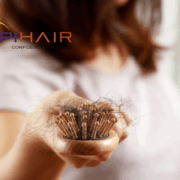
How Much Biotin Should You Take To Help With Thinning Hair Loss In Women in Nashville, TN

Boost confidence, combat thinning hair. Comprehensive Biotin guide for women.

Thinning hair in women can be a distressing experience, impacting confidence and self-esteem. Many women turn to biotin supplements as a potential solution to help combat hair loss. Biotin, also known as vitamin B7, is a water-soluble vitamin that plays a vital role in maintaining healthy hair, skin, and nails. If you are considering biotin as a remedy for thinning hair, it is essential to educate yourself on the proper dosage and its effectiveness. In this comprehensive guide, we will explore the role of biotin in promoting hair health, the recommended dosage for women dealing with hair loss, and how you can incorporate it into your daily routine to support your hair growth journey.

Biotin and its Role in Hair Health

Biotin is a crucial nutrient that supports the growth and maintenance of healthy hair. It is involved in the production of keratin, a protein that forms the structural foundation of hair, skin, and nails. Adequate levels of biotin are necessary for the strength and resilience of hair strands, and a deficiency in this vitamin can lead to brittle hair and hair loss. Research has shown that biotin supplementation can contribute to improved hair thickness and overall hair health, making it a popular choice for individuals seeking to address hair thinning and promote regrowth.

Recommended Biotin Dosage for Women Dealing with Hair Loss

When it comes to determining the appropriate dosage of biotin for addressing hair loss in women, it is essential to consider individual factors such as age, overall health, and the underlying causes of hair thinning. While there is no standard recommended dietary allowance (RDA) for biotin specifically for hair loss, studies have suggested that a daily dose of 2.5 mg (or 2,500 mcg) of biotin may be beneficial for promoting hair growth and combating hair loss in women. It is important to note that higher doses should be discussed with a healthcare professional, as excessive biotin intake can lead to potential side effects and interactions with other medications.

Incorporating Biotin into Your Daily Routine

Incorporating biotin into your daily routine can be a simple and effective way to support your hair health. Biotin supplements are available in various forms, including capsules, gummies, and powders, making it convenient to integrate into your regimen. When selecting a biotin supplement, opt for products from reputable brands that undergo third-party testing to ensure quality and purity. Additionally, consider combining biotin with other essential nutrients for hair health, such as vitamins A, C, and E, as well as minerals like zinc and iron, to maximize its benefits.

Apart from supplementation, you can also increase your biotin intake through dietary sources. Foods rich in biotin include eggs, nuts, seeds, and certain vegetables, providing a natural way to support your body’s biotin levels. Be mindful of your overall diet and aim to maintain a balanced and nutrient-rich eating plan to promote optimal hair growth and health.

In summary

Biotin can be a valuable ally in your journey to combat thinning hair and promote regrowth. nderstanding its role in hair health, adhering to recommended dosages, and integrating it into your daily routine, you can harness the benefits of biotin to support your hair growth goals. However, it is crucial to approach supplementation with caution and seek professional guidance, especially if you are dealing with underlying health conditions or taking medications. Remember that addressing hair loss is a multifaceted process, and while biotin can be a helpful tool, a holistic approach that encompasses lifestyle, nutrition, and overall wellness is key to achieving optimal results.

For personalized recommendations and expert guidance on managing hair loss and promoting hair growth, we invite you to connect with our clinic in Nashville, TN. Our team of experienced professionals is dedicated to providing tailored solutions and support for women navigating the challenges of thinning hair. Take the first step towards revitalizing your hair health by scheduling a consultation with us today.

FinasterideHair Loss In Women in Nolensville, TN

Combat hair loss with Finasteride. Discover the benefits today!

Hair loss can be a distressing experience, affecting individuals of all ages and genders. For women, in particular, hair loss can significantly impact self-esteem and confidence. If you are struggling with female pattern hair loss, you are not alone. The good news is that there are effective treatments available, and one such treatment is finasteride. In this comprehensive guide, we will explore the use of finasteride for hair loss in women, providing valuable insights and information for those seeking solutions for their hair loss concerns.

What is Finasteride and How Does It Work?

Finasteride is a medication that was initially developed to treat benign prostatic hyperplasia (BPH), a condition in which the prostate gland enlarges. However, its effectiveness in stimulating hair growth has made it a popular treatment for hair loss in both men and women. Finasteride works by inhibiting the production of dihydrotestosterone (DHT), a hormone that plays a significant role in the shrinkage of hair follicles. educing DHT levels, finasteride can help to reverse the miniaturization of hair follicles, promoting thicker and healthier hair growth.

Is Finasteride Safe for Women?

While finasteride has been widely used in men for many years, its use in women is a more recent development. Studies have shown that finasteride can be effective in treating female pattern hair loss, with some women experiencing significant improvements in hair density and regrowth. However, it is essential to note that finasteride is not recommended for women who are pregnant or planning to become pregnant, as it can cause harm to the developing fetus. It is crucial to consult a qualified healthcare professional before starting finasteride treatment to ensure that it is safe and suitable for your individual circumstances.

The Benefits of Finasteride for Hair Loss in Women

– Stimulates Hair Regrowth: Finasteride has been shown to stimulate the regrowth of hair in women with female pattern hair loss, leading to increased hair density and coverage.

– Slows Down Hair Loss: By inhibiting the production of DHT, finasteride can slow down the progression of hair loss, giving women more time to address their hair loss concerns.

– Improves Hair Thickness: Many women who use finasteride notice an improvement in the thickness and quality of their hair, leading to a more voluminous and healthy-looking appearance.

– Boosts Confidence: The positive impact of finasteride on hair growth can significantly enhance the confidence and self-esteem of women, empowering them to feel more comfortable and satisfied with their appearance.

Potential Side Effects and Considerations

As with any medication, finasteride may be associated with certain side effects and considerations. While many women tolerate finasteride well, some may experience side effects such as decreased libido, breast tenderness, and mood changes. It is essential to discuss these potential side effects with a healthcare provider and weigh them against the benefits of treatment. Additionally, regular monitoring and follow-up appointments may be necessary to assess the response to finasteride and make any necessary adjustments to the treatment plan.

Overall

Female pattern hair loss can be a challenging experience, impacting various aspects of a woman’s life. However, with the availability of treatments like finasteride, women have viable options to address their hair loss concerns and improve the health and appearance of their hair. If you are considering finasteride as a treatment for hair loss, it is crucial to seek guidance from a knowledgeable and experienced healthcare provider who can provide personalized recommendations based on your unique needs and goals.

Finasteride has shown promising results in promoting hair regrowth and slowing down the progression of hair loss in women. nderstanding the benefits and considerations associated with finasteride, women can make informed decisions about their hair loss treatment and take positive steps towards revitalizing their hair and regaining confidence.

SuddenHair Loss In Women in Nashville, TN

Expert advice and treatments for women’s sudden hair loss.

Hair loss can be a distressing experience, especially for women. The sudden onset of hair loss can be a source of anxiety and concern, impacting a woman’s self-esteem and confidence. If you are experiencing sudden hair loss, it’s essential to understand the potential causes and available treatment options. In this comprehensive guide, we will delve into the various factors that can contribute to sudden hair loss in women and explore the effective treatments that can help you regain your luscious locks.

Sudden Hair Loss

Sudden hair loss in women can be a perplexing and challenging issue to navigate. Unlike gradual hair thinning, sudden hair loss often catches individuals off guard, leaving them searching for answers and solutions. There are several factors that may contribute to sudden hair loss in women, including:

– Hormonal Imbalance: Fluctuations in hormonal levels, particularly during pregnancy, childbirth, or menopause, can trigger sudden hair loss.

– Medical Conditions: Certain medical conditions such as thyroid disorders, autoimmune diseases, and scalp infections can lead to sudden hair loss.

– Stress and Trauma: Emotional or physical stress, trauma, or sudden weight loss can disrupt the hair growth cycle, resulting in excessive shedding.

– Nutritional Deficiencies: Inadequate intake of essential nutrients, such as iron, proteins, and vitamins, can impact hair health, leading to sudden hair loss.

Seeking Professional Evaluation

If you are experiencing sudden hair loss, it’s crucial to seek a thorough evaluation from a qualified healthcare professional. A dermatologist or trichologist can assess your scalp and hair health, identify any underlying causes, and recommend personalized treatment options to address your specific needs. Additionally, they may perform diagnostic tests to uncover any potential hormonal imbalances or nutritional deficiencies that could be contributing to your hair loss.

Treatment Options for Sudden Hair Loss

Fortunately, there are various treatment options available to address sudden hair loss in women. Depending on the underlying cause and your individual circumstances, the following treatments may be recommended:

– Topical Treatments: Minoxidil, a topical solution approved by the FDA, can help stimulate hair growth and halt further hair loss.

– Oral Medications: In certain cases, oral medications such as spironolactone or finasteride may be prescribed to manage hormonal imbalances that contribute to hair loss.

– Platelet-Rich Plasma (PRP) Therapy: PRP therapy involves injecting platelet-rich plasma derived from your blood into the scalp to promote hair growth and improve hair density.

– Nutritional Supplements: Supplements containing biotin, vitamins, and minerals can help address nutritional deficiencies and support healthy hair growth.

– Laser Therapy: Low-level laser therapy, often administered through specialized combs or helmets, can stimulate hair follicles and promote hair regrowth.

Embracing Hair Care Practices

In addition to seeking professional treatment, adopting healthy hair care practices is essential for managing and preventing sudden hair loss. Here are some tips to promote optimal hair health:

– Use gentle hair care products free from harsh chemicals and sulfates to minimize damage to the hair and scalp.

– Avoid tight hairstyles and excessive heat styling, which can strain and weaken the hair, leading to breakage and hair loss.

– Maintain a balanced and nutritious diet rich in proteins, vitamins, and minerals to support overall hair health.

– Practice stress-reducing techniques such as meditation, yoga, and deep breathing exercises to minimize the impact of stress on hair health.

Schedule Appointment

Sudden hair loss in women can have a profound impact on emotional well-being and self-image. nderstanding the potential causes, seeking professional evaluation, exploring treatment options, and adopting healthy hair care practices, women can effectively address sudden hair loss and regain confidence in their appearance.

How Much Biotin Should You Take To Help With Thinning Hair Loss In Women in Nashville, TN

Boost confidence, combat thinning hair. Comprehensive Biotin guide for women.

Thinning hair in women can be a distressing experience, impacting confidence and self-esteem. Many women turn to biotin supplements as a potential solution to help combat hair loss. Biotin, also known as vitamin B7, is a water-soluble vitamin that plays a vital role in maintaining healthy hair, skin, and nails. If you are considering biotin as a remedy for thinning hair, it is essential to educate yourself on the proper dosage and its effectiveness. In this comprehensive guide, we will explore the role of biotin in promoting hair health, the recommended dosage for women dealing with hair loss, and how you can incorporate it into your daily routine to support your hair growth journey.

Biotin and its Role in Hair Health

Biotin is a crucial nutrient that supports the growth and maintenance of healthy hair. It is involved in the production of keratin, a protein that forms the structural foundation of hair, skin, and nails. Adequate levels of biotin are necessary for the strength and resilience of hair strands, and a deficiency in this vitamin can lead to brittle hair and hair loss. Research has shown that biotin supplementation can contribute to improved hair thickness and overall hair health, making it a popular choice for individuals seeking to address hair thinning and promote regrowth.

Recommended Biotin Dosage for Women Dealing with Hair Loss

When it comes to determining the appropriate dosage of biotin for addressing hair loss in women, it is essential to consider individual factors such as age, overall health, and the underlying causes of hair thinning. While there is no standard recommended dietary allowance (RDA) for biotin specifically for hair loss, studies have suggested that a daily dose of 2.5 mg (or 2,500 mcg) of biotin may be beneficial for promoting hair growth and combating hair loss in women. It is important to note that higher doses should be discussed with a healthcare professional, as excessive biotin intake can lead to potential side effects and interactions with other medications.

Incorporating Biotin into Your Daily Routine

Incorporating biotin into your daily routine can be a simple and effective way to support your hair health. Biotin supplements are available in various forms, including capsules, gummies, and powders, making it convenient to integrate into your regimen. When selecting a biotin supplement, opt for products from reputable brands that undergo third-party testing to ensure quality and purity. Additionally, consider combining biotin with other essential nutrients for hair health, such as vitamins A, C, and E, as well as minerals like zinc and iron, to maximize its benefits.

Apart from supplementation, you can also increase your biotin intake through dietary sources. Foods rich in biotin include eggs, nuts, seeds, and certain vegetables, providing a natural way to support your body’s biotin levels. Be mindful of your overall diet and aim to maintain a balanced and nutrient-rich eating plan to promote optimal hair growth and health.

In summary

Biotin can be a valuable ally in your journey to combat thinning hair and promote regrowth. nderstanding its role in hair health, adhering to recommended dosages, and integrating it into your daily routine, you can harness the benefits of biotin to support your hair growth goals. However, it is crucial to approach supplementation with caution and seek professional guidance, especially if you are dealing with underlying health conditions or taking medications. Remember that addressing hair loss is a multifaceted process, and while biotin can be a helpful tool, a holistic approach that encompasses lifestyle, nutrition, and overall wellness is key to achieving optimal results.

For personalized recommendations and expert guidance on managing hair loss and promoting hair growth, we invite you to connect with our clinic in Nashville, TN. Our team of experienced professionals is dedicated to providing tailored solutions and support for women navigating the challenges of thinning hair. Take the first step towards revitalizing your hair health by scheduling a consultation with us today.

FinasterideHair Loss In Women in Nolensville, TN

Combat hair loss with Finasteride. Discover the benefits today!

Hair loss can be a distressing experience, affecting individuals of all ages and genders. For women, in particular, hair loss can significantly impact self-esteem and confidence. If you are struggling with female pattern hair loss, you are not alone. The good news is that there are effective treatments available, and one such treatment is finasteride. In this comprehensive guide, we will explore the use of finasteride for hair loss in women, providing valuable insights and information for those seeking solutions for their hair loss concerns.

What is Finasteride and How Does It Work?

Finasteride is a medication that was initially developed to treat benign prostatic hyperplasia (BPH), a condition in which the prostate gland enlarges. However, its effectiveness in stimulating hair growth has made it a popular treatment for hair loss in both men and women. Finasteride works by inhibiting the production of dihydrotestosterone (DHT), a hormone that plays a significant role in the shrinkage of hair follicles. educing DHT levels, finasteride can help to reverse the miniaturization of hair follicles, promoting thicker and healthier hair growth.

Is Finasteride Safe for Women?

While finasteride has been widely used in men for many years, its use in women is a more recent development. Studies have shown that finasteride can be effective in treating female pattern hair loss, with some women experiencing significant improvements in hair density and regrowth. However, it is essential to note that finasteride is not recommended for women who are pregnant or planning to become pregnant, as it can cause harm to the developing fetus. It is crucial to consult a qualified healthcare professional before starting finasteride treatment to ensure that it is safe and suitable for your individual circumstances.

The Benefits of Finasteride for Hair Loss in Women

– Stimulates Hair Regrowth: Finasteride has been shown to stimulate the regrowth of hair in women with female pattern hair loss, leading to increased hair density and coverage.

– Slows Down Hair Loss: By inhibiting the production of DHT, finasteride can slow down the progression of hair loss, giving women more time to address their hair loss concerns.

– Improves Hair Thickness: Many women who use finasteride notice an improvement in the thickness and quality of their hair, leading to a more voluminous and healthy-looking appearance.

– Boosts Confidence: The positive impact of finasteride on hair growth can significantly enhance the confidence and self-esteem of women, empowering them to feel more comfortable and satisfied with their appearance.

Potential Side Effects and Considerations

As with any medication, finasteride may be associated with certain side effects and considerations. While many women tolerate finasteride well, some may experience side effects such as decreased libido, breast tenderness, and mood changes. It is essential to discuss these potential side effects with a healthcare provider and weigh them against the benefits of treatment. Additionally, regular monitoring and follow-up appointments may be necessary to assess the response to finasteride and make any necessary adjustments to the treatment plan.

Overall

Female pattern hair loss can be a challenging experience, impacting various aspects of a woman’s life. However, with the availability of treatments like finasteride, women have viable options to address their hair loss concerns and improve the health and appearance of their hair. If you are considering finasteride as a treatment for hair loss, it is crucial to seek guidance from a knowledgeable and experienced healthcare provider who can provide personalized recommendations based on your unique needs and goals.

Finasteride has shown promising results in promoting hair regrowth and slowing down the progression of hair loss in women. nderstanding the benefits and considerations associated with finasteride, women can make informed decisions about their hair loss treatment and take positive steps towards revitalizing their hair and regaining confidence.

Women Over 40 Hair Loss in Nashville, TN

Discover hair loss solutions for women over 40. Expert advice available.

For many women, hitting the age of 40 can bring about a whole host of changes in their bodies. One of the most common concerns that women over 40 face is hair loss. Whether it’s thinning hair, receding hairlines, or more noticeable shedding, dealing with hair loss can be a distressing experience for many women. As a woman over 40, it’s essential to understand the causes of hair loss and the treatment options available to address this issue. In this comprehensive guide, we’ll delve into the factors contributing to hair loss in women over 40 and explore the various strategies and treatments that can help you restore your confidence and maintain healthy, luscious locks.

Hair Loss in Women Over 40

As women age, hormonal changes, particularly the decrease in estrogen levels during menopause, can significantly impact the health of their hair. Additionally, genetic predispositions, stress, nutritional deficiencies, and certain medical conditions can also contribute to hair thinning and loss. It’s crucial for women over 40 to gain a deep acknowledging of these factors to effectively address their hair loss concerns.

– Hormonal Changes: The decline in estrogen levels can lead to hair follicles becoming more sensitive to androgens, resulting in hair thinning and loss.

– Genetic Predispositions: Women with a family history of hair loss may be more prone to experiencing similar issues as they age.

– Stress: Chronic stress can disrupt the natural hair growth cycle, leading to increased shedding and thinning of the hair.

– Nutritional Deficiencies: Inadequate intake of essential nutrients, such as vitamins and minerals, can compromise hair health and contribute to hair loss.

– Medical Conditions: Conditions such as thyroid disorders, autoimmune diseases, and certain medications can also play a role in hair loss among women over 40.

Exploring Treatment Options

Fortunately, numerous treatment options are available to address hair loss in women over 40. From lifestyle modifications to medical interventions, acknowledging the diverse array of solutions can empower women to take proactive steps towards regaining their hair’s vitality.

– Dietary Adjustments: Incorporating a well-balanced diet rich in vitamins, minerals, and protein can support healthy hair growth and minimize the impact of nutritional deficiencies.

– Topical Treatments: Minoxidil, a topical medication, has been approved for use in women to promote hair regrowth and prevent further hair loss.

– Hormone Replacement Therapy: For women experiencing hair loss due to hormonal imbalances, hormone replacement therapy under the guidance of a healthcare professional can help stabilize hormone levels and minimize hair shedding.

– Platelet-Rich Plasma (PRP) Therapy: This innovative treatment involves injecting a concentration of a patient’s platelets into the scalp to stimulate hair growth and promote thicker, healthier hair.

– Laser Therapy: Low-level laser therapy devices can be used at home or in a clinical setting to stimulate hair follicles and improve hair density over time.

Seeking Professional Guidance

Given the complex nature of hair loss in women over 40, seeking the expertise of a healthcare professional specializing in hair restoration is crucial. A comprehensive evaluation can help identify the underlying causes of hair loss and guide the development of a tailored treatment plan. Clinics such as ours in Nashville, TN, offer specialized services to address the unique needs of women experiencing hair loss, providing personalized solutions ranging from advanced diagnostics to cutting-edge treatments.

End thoughts

Hair loss can pose a significant challenge for women over 40, affecting their self-esteem and overall well-being. By gaining a thorough acknowledging of the factors contributing to hair loss and exploring the diverse treatment options available, women can reclaim their confidence and maintain healthy, vibrant hair. At our clinic in Nashville, TN, we are dedicated to supporting women on their journey to overcoming hair loss and achieving renewed hair vitality.