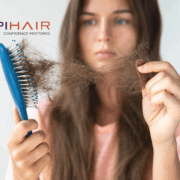
Reasons For Hair Loss In Young Women in La Vergne, TN

Regain confidence with solutions for young women’s hair loss.

Hair loss is a common concern among young women, and it can be a distressing experience that affects self-esteem and confidence. While hair loss is often associated with aging, there are many reasons why young women may experience thinning or shedding of hair. Understanding the underlying causes of hair loss is crucial for seeking appropriate treatment and finding solutions to restore hair health. In this comprehensive guide, we will delve into the various factors that contribute to hair loss in young women, empowering them to make informed decisions and seek professional help when needed.

Hormonal Imbalance

Hormonal imbalance is one of the leading causes of hair loss in young women. Fluctuations in hormone levels, particularly during puberty, pregnancy, and menopause, can disrupt the hair growth cycle and result in excessive shedding. Conditions such as polycystic ovary syndrome (PCOS) and thyroid disorders can also contribute to hormonal imbalances, leading to hair thinning and loss. Understanding the impact of hormonal fluctuations on hair health is essential for addressing the root cause of the issue and exploring targeted treatments.

Stress and Emotional Wellbeing

The relationship between stress and hair loss is well-documented, and young women are not immune to the effects of psychological and emotional stress on their hair. High levels of stress, anxiety, and emotional turmoil can trigger a condition known as telogen effluvium, leading to significant hair shedding. Moreover, the pressures of modern lifestyles, academic demands, and professional responsibilities can take a toll on young women, impacting their overall wellbeing and potentially contributing to hair loss. Addressing stress management and prioritizing emotional wellbeing are essential components of holistic hair care for young women.

Nutritional Deficiencies

Proper nutrition plays a vital role in maintaining healthy hair, and deficiencies in key nutrients can lead to hair loss in young women. Iron deficiency anemia, for example, is a common cause of hair thinning and is often prevalent in young women due to menstrual blood loss. Inadequate intake of essential vitamins and minerals, such as vitamin D, vitamin E, and biotin, can also impact the strength and vitality of hair. Identifying and addressing nutritional deficiencies through dietary modifications and supplementation can significantly improve hair health in young women.

Genetic Predisposition

Genetics can also play a significant role in determining a young woman’s susceptibility to hair loss. Female pattern hair loss, known as androgenetic alopecia, is influenced by genetic factors and can manifest in early adulthood. Understanding the genetic predispositions and family history of hair loss is crucial in assessing the potential risk and developing proactive strategies to manage and prevent further hair thinning.

Environmental Factors

Young women are exposed to various environmental factors that can contribute to hair loss. Overexposure to UV radiation, harsh chemical treatments, excessive heat styling, and pollution can weaken the hair shaft and lead to increased breakage and loss. Additionally, lifestyle choices such as smoking and alcohol consumption can also impact the overall health of the hair. Creating awareness about the impact of environmental factors and adopting protective measures can help young women preserve the quality and strength of their hair.

Medical Conditions and Medications

Certain medical conditions and medications can have a direct impact on hair health in young women. Autoimmune disorders, such as lupus and alopecia areata, can result in hair loss, while medications used to treat conditions like acne, depression, and high blood pressure may have hair-thinning side effects. Consulting with healthcare professionals and acknowledging the potential implications of underlying medical conditions and medications is essential for addressing hair loss comprehensively.

Closing considerations

Hair loss in young women can be attributed to a myriad of factors, ranging from hormonal imbalances and stress to genetic predispositions and environmental influences. nderstanding the multifaceted nature of hair loss, young women can proactively address the underlying causes and seek personalized treatments to restore and maintain healthy hair. Seeking professional guidance from experienced specialists can empower young women to navigate their hair loss journey with confidence and resilience.
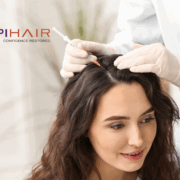
Women’s Hair Loss Causes in Nashville, TN

Regain confidence with effective hair loss treatments for women today!

Struggling with hair loss can be a deeply distressing experience for anyone, and it’s a common misconception that it only affects men. In reality, women also face hair loss issues, and the emotional impact can be just as significant. Understanding the causes of hair loss in women is crucial for finding effective treatments and regaining confidence. In this comprehensive guide, we’ll explore the various factors that contribute to hair loss in women, the different types of hair loss, and the available treatment options. Whether you’re experiencing hair loss yourself or seeking to support someone who is, arming yourself with knowledge is the first step towards empowerment and regaining control over your hair and your confidence. Let’s delve into this important topic and explore the causes of hair loss in women.

Common Causes of Hair Loss in Women

Hair loss in women can be caused by a variety of factors, and appreciating these causes is essential for effective treatment. Some of the most common causes include:

Hormonal imbalances: Fluctuations in hormones, such as during pregnancy, childbirth, menopause, or thyroid imbalances, can lead to hair loss in women.

Genetics: Just like men, women can also inherit a genetic predisposition to hair loss, leading to conditions such as female-pattern baldness.

Medical conditions: Certain medical conditions, such as alopecia areata, autoimmune disorders, and scalp infections, can result in hair loss in women.

Stress and emotional factors: High stress levels, traumatic events, and emotional distress can contribute to hair loss in women.

Poor nutrition: Inadequate intake of essential nutrients, such as iron, protein, and certain vitamins, can impact the health of the hair and lead to thinning and loss.

Types of Hair Loss in Women

Hair loss in women can manifest in different forms, and appreciating these distinctions can help pinpoint the underlying cause. Some of the common types of hair loss in women include:

Female-pattern hair loss (androgenetic alopecia): This type of hair loss is characterized by a gradual thinning of the hair, typically starting at the crown or the top of the head. It is the most common type of hair loss in women.

Alopecia areata: This condition causes sudden and patchy hair loss, often in small, coin-sized patches on the scalp. It can also affect other areas of the body.

Telogen effluvium: This type of hair loss is often triggered by a significant physiological or emotional event, leading to a temporary shedding of hair.

Anagen effluvium: Typically caused by certain medical treatments, such as chemotherapy, this type of hair loss affects the active growth phase of the hair follicles.

Treatment Options for Hair Loss in Women

Fortunately, there are various treatment options available for addressing hair loss in women. These treatments can range from lifestyle changes to medical interventions, and the most suitable approach depends on the underlying cause and individual circumstances. Some of the treatment options for hair loss in women include:

Topical treatments: These include minoxidil, a medication that can help stimulate hair growth, and other topical solutions designed to promote hair health.

Oral medications: Certain medications, such as finasteride, may be prescribed to address hormonal imbalances and prevent further hair loss.

Platelet-rich plasma (PRP) therapy: This innovative treatment involves using the patient’s own blood plasma, rich in growth factors, to stimulate hair growth.

Laser therapy: Low-level laser therapy can be used to promote hair growth and improve the overall health of the hair and scalp.

Hair transplants: In cases of advanced hair loss, surgical hair restoration procedures can be considered to transplant hair follicles to thinning or balding areas.

It’s important to consult a qualified healthcare professional to determine the most appropriate treatment plan based on individual needs and the underlying cause of hair loss.

To summarize

Hair loss in women can have a profound impact on self-esteem and emotional well-being, but with a deeper appreciating of the causes and available treatments, there is hope for regaining confidence and restoring healthy hair. ddressing the underlying factors contributing to hair loss and exploring suitable treatment options, women can take proactive steps towards maintaining healthy, vibrant hair. If you or someone you know is struggling with hair loss, don’t hesitate to seek professional guidance and explore the available solutions tailored to your specific needs.

Low TestosteroneHair Loss In Women in Nolensville, TN

Combat low testosterone hair loss with tailored treatment options

Do you struggle with low energy levels, unexplained weight gain, and hair loss as a female bodybuilder? If so, you may be experiencing symptoms of low testosterone. While low testosterone is often associated with men, it can also affect women and lead to a variety of health issues, including hair loss.

Low testosterone in women can be caused by various factors, including age, hormonal imbalances, and certain medical conditions. Understanding the underlying causes and available treatment options is crucial for managing low testosterone and addressing associated hair loss. In this comprehensive guide, we’ll explore the relationship between low testosterone and hair loss in women and discuss potential solutions to help you regain your vitality and healthy hair.

Low Testosterone and Its Impact on Hair Loss

Testosterone is a hormone that plays a crucial role in both male and female bodies. In women, testosterone is produced primarily in the ovaries and adrenal glands. It contributes to muscle mass, bone density, and the maintenance of lean body mass. Additionally, testosterone influences the production of hair, including its texture and thickness.

When testosterone levels in women drop below normal ranges, it can lead to a condition known as low testosterone or hypogonadism. Low testosterone may result in a range of symptoms, including fatigue, decreased muscle mass, and increased body fat. Hair loss is another common manifestation of low testosterone in women.

Research suggests that low testosterone levels may disrupt the normal hair growth cycle, leading to hair thinning and loss. The exact mechanisms underlying this relationship are complex and multifaceted, involving hormonal imbalances and their impact on hair follicles. Furthermore, low testosterone can contribute to increased levels of the hormone dihydrotestosterone (DHT), which is linked to hair miniaturization and eventual hair loss.

Recognizing the Signs of Low Testosterone-Induced Hair Loss

It’s essential for female bodybuilders to recognize the signs of low testosterone-induced hair loss, as early intervention can prevent further hair thinning and promote regrowth. Common symptoms of low testosterone-related hair loss in women include:

– Gradual thinning of the hair, particularly on the crown of the head

– Increased shedding and noticeable hair loss during washing or styling

– Changes in hair texture, such as increased brittleness or dryness

– Scalp visibility due to reduced hair density

– Delayed hair regrowth after periods of shedding

If you are experiencing any of these symptoms, it’s important to consult a healthcare professional to determine the underlying causes and develop a personalized treatment plan.

Exploring Treatment Options for Low Testosterone-Induced Hair Loss

When it comes to addressing low testosterone-induced hair loss in women, various treatment options may be considered based on the individual’s health status and specific needs. Some potential approaches include:

– Hormone replacement therapy: In cases where low testosterone is diagnosed, hormone replacement therapy (HRT) may be recommended to restore hormonal balance and alleviate associated symptoms, including hair loss.

– Nutritional interventions: Certain nutrients, such as vitamins and minerals, play a role in supporting healthy hair growth. Incorporating a well-balanced diet and, if necessary, dietary supplements can help address nutritional deficiencies contributing to hair loss.

– Topical treatments: There are topical solutions and foams available that may help promote hair regrowth by stimulating hair follicles and improving scalp health.

– Lifestyle modifications: Implementing stress management techniques, engaging in regular physical activity, and prioritizing adequate sleep can positively impact hormonal balance and overall well-being, potentially supporting healthier hair growth.

It’s important to approach treatment for low testosterone-induced hair loss holistically, addressing underlying health concerns while also targeting specific symptoms related to hormonal imbalances.

End thoughts

Female bodybuilders experiencing hair loss due to low testosterone should prioritize seeking medical guidance to address their unique concerns. nderstanding the interplay between low testosterone and hair loss in women, individuals can explore tailored treatment options to support their overall health and well-being. With the right approach, it’s possible to mitigate the impact of low testosterone on hair health and regain confidence in one’s appearance.

Low TestosteroneHair Loss In Women in Nolensville, TN

Combat low testosterone hair loss with tailored treatment options

Do you struggle with low energy levels, unexplained weight gain, and hair loss as a female bodybuilder? If so, you may be experiencing symptoms of low testosterone. While low testosterone is often associated with men, it can also affect women and lead to a variety of health issues, including hair loss.

Low testosterone in women can be caused by various factors, including age, hormonal imbalances, and certain medical conditions. Understanding the underlying causes and available treatment options is crucial for managing low testosterone and addressing associated hair loss. In this comprehensive guide, we’ll explore the relationship between low testosterone and hair loss in women and discuss potential solutions to help you regain your vitality and healthy hair.

Low Testosterone and Its Impact on Hair Loss

Testosterone is a hormone that plays a crucial role in both male and female bodies. In women, testosterone is produced primarily in the ovaries and adrenal glands. It contributes to muscle mass, bone density, and the maintenance of lean body mass. Additionally, testosterone influences the production of hair, including its texture and thickness.

When testosterone levels in women drop below normal ranges, it can lead to a condition known as low testosterone or hypogonadism. Low testosterone may result in a range of symptoms, including fatigue, decreased muscle mass, and increased body fat. Hair loss is another common manifestation of low testosterone in women.

Research suggests that low testosterone levels may disrupt the normal hair growth cycle, leading to hair thinning and loss. The exact mechanisms underlying this relationship are complex and multifaceted, involving hormonal imbalances and their impact on hair follicles. Furthermore, low testosterone can contribute to increased levels of the hormone dihydrotestosterone (DHT), which is linked to hair miniaturization and eventual hair loss.

Recognizing the Signs of Low Testosterone-Induced Hair Loss

It’s essential for female bodybuilders to recognize the signs of low testosterone-induced hair loss, as early intervention can prevent further hair thinning and promote regrowth. Common symptoms of low testosterone-related hair loss in women include:

– Gradual thinning of the hair, particularly on the crown of the head

– Increased shedding and noticeable hair loss during washing or styling

– Changes in hair texture, such as increased brittleness or dryness

– Scalp visibility due to reduced hair density

– Delayed hair regrowth after periods of shedding

If you are experiencing any of these symptoms, it’s important to consult a healthcare professional to determine the underlying causes and develop a personalized treatment plan.

Exploring Treatment Options for Low Testosterone-Induced Hair Loss

When it comes to addressing low testosterone-induced hair loss in women, various treatment options may be considered based on the individual’s health status and specific needs. Some potential approaches include:

– Hormone replacement therapy: In cases where low testosterone is diagnosed, hormone replacement therapy (HRT) may be recommended to restore hormonal balance and alleviate associated symptoms, including hair loss.

– Nutritional interventions: Certain nutrients, such as vitamins and minerals, play a role in supporting healthy hair growth. Incorporating a well-balanced diet and, if necessary, dietary supplements can help address nutritional deficiencies contributing to hair loss.

– Topical treatments: There are topical solutions and foams available that may help promote hair regrowth by stimulating hair follicles and improving scalp health.

– Lifestyle modifications: Implementing stress management techniques, engaging in regular physical activity, and prioritizing adequate sleep can positively impact hormonal balance and overall well-being, potentially supporting healthier hair growth.

It’s important to approach treatment for low testosterone-induced hair loss holistically, addressing underlying health concerns while also targeting specific symptoms related to hormonal imbalances.

End thoughts

Female bodybuilders experiencing hair loss due to low testosterone should prioritize seeking medical guidance to address their unique concerns. nderstanding the interplay between low testosterone and hair loss in women, individuals can explore tailored treatment options to support their overall health and well-being. With the right approach, it’s possible to mitigate the impact of low testosterone on hair health and regain confidence in one’s appearance.

Thyroid Hair Loss In Women in Franklin, TN

Revitalize your confidence with expert support for thyroid hair loss.

Thyroid hair loss in women is a common and distressing condition that can significantly impact one’s self-esteem and overall quality of life. If you’re experiencing hair loss and suspect it may be related to your thyroid, it’s essential to equip yourself with knowledge to better understand the underlying causes and available treatment options. This comprehensive guide aims to provide valuable insights into thyroid-related hair loss in women, shedding light on its causes, symptoms, and potential solutions.

Causes of Thyroid Hair Loss

Thyroid hair loss in women is primarily linked to thyroid dysfunction, which can manifest in two main forms: hypothyroidism and hyperthyroidism. In hypothyroidism, an underactive thyroid gland fails to produce sufficient thyroid hormones, leading to a slowdown in various bodily functions, including hair growth. On the contrary, hyperthyroidism, characterized by an overactive thyroid gland, can also disrupt the hair growth cycle and result in excessive shedding.

Other potential causes of thyroid-related hair loss may include:

– Autoimmune thyroid conditions, such as Hashimoto’s thyroiditis, where the immune system attacks the thyroid gland, impacting hormone production and causing hair loss.

– Nutrient deficiencies, particularly in essential vitamins and minerals like iron, zinc, and biotin, which are crucial for healthy hair growth.

– Stress and hormonal imbalances, which can exacerbate thyroid issues and further contribute to hair loss.

Realizing the underlying causes of thyroid-related hair loss is crucial in devising an effective treatment plan tailored to your specific condition.

Symptoms of Thyroid Hair Loss

Recognizing the symptoms of thyroid-related hair loss is vital for early intervention and management. Women experiencing thyroid-induced hair loss may notice the following signs:

– Gradual thinning of hair, especially around the crown and along the part line.

– Noticeable hair shedding during routine activities such as showering or brushing.

– Changes in hair texture, such as dryness, brittleness, and reduced luster.

– Sparse or bald patches on the scalp, often indicative of more advanced hair loss.

Monitoring these symptoms can aid in prompt identification and appropriate action to address the underlying thyroid imbalance and its associated hair loss.

Treating Thyroid Hair Loss

Addressing thyroid-related hair loss typically involves a multifaceted approach that targets the underlying thyroid dysfunction while also optimizing hair health. Treatment options may include:

– Thyroid hormone replacement therapy for hypothyroidism to normalize hormone levels and mitigate hair loss.

– Anti-thyroid medications or radioactive iodine therapy to manage hyperthyroidism and restore hormonal balance.

– Nutritional supplementation to address any underlying deficiencies that may be contributing to hair loss.

– Incorporating hair-stimulating treatments such as minoxidil or platelet-rich plasma (PRP) therapy to promote hair regrowth.

It’s crucial to consult with a qualified healthcare provider or endocrinologist who can conduct thorough evaluations and recommend personalized treatment strategies tailored to your unique needs.

Lifestyle Measures for Managing Thyroid Hair Loss

In addition to medical interventions, implementing certain lifestyle modifications can complement the treatment of thyroid-related hair loss. Consider the following measures:

– Prioritize a nutrient-dense diet rich in essential vitamins and minerals to support overall hair health and combat deficiencies.

– Manage stress through relaxation techniques, regular exercise, and adequate sleep, as stress can exacerbate thyroid imbalances and contribute to hair loss.

– Use gentle hair care practices, avoiding excessive heat styling and harsh chemical treatments that may further stress fragile hair.

dopting a holistic approach to wellness and integrating these lifestyle adjustments, women can help support their thyroid function and promote healthier hair growth.

Closing considerations

Thyroid-related hair loss can be a challenging and emotionally taxing experience for women, but it’s essential to recognize that effective management and treatment options are available. nderstanding the underlying causes, recognizing symptoms, exploring treatment modalities, and incorporating lifestyle modifications, women can take proactive steps toward addressing thyroid-induced hair loss and restoring confidence in their appearance.

Reasons For Hair Loss In Young Women in La Vergne, TN

Regain confidence with solutions for young women’s hair loss.

Hair loss is a common concern among young women, and it can be a distressing experience that affects self-esteem and confidence. While hair loss is often associated with aging, there are many reasons why young women may experience thinning or shedding of hair. Understanding the underlying causes of hair loss is crucial for seeking appropriate treatment and finding solutions to restore hair health. In this comprehensive guide, we will delve into the various factors that contribute to hair loss in young women, empowering them to make informed decisions and seek professional help when needed.

Hormonal Imbalance

Hormonal imbalance is one of the leading causes of hair loss in young women. Fluctuations in hormone levels, particularly during puberty, pregnancy, and menopause, can disrupt the hair growth cycle and result in excessive shedding. Conditions such as polycystic ovary syndrome (PCOS) and thyroid disorders can also contribute to hormonal imbalances, leading to hair thinning and loss. Understanding the impact of hormonal fluctuations on hair health is essential for addressing the root cause of the issue and exploring targeted treatments.

Stress and Emotional Wellbeing

The relationship between stress and hair loss is well-documented, and young women are not immune to the effects of psychological and emotional stress on their hair. High levels of stress, anxiety, and emotional turmoil can trigger a condition known as telogen effluvium, leading to significant hair shedding. Moreover, the pressures of modern lifestyles, academic demands, and professional responsibilities can take a toll on young women, impacting their overall wellbeing and potentially contributing to hair loss. Addressing stress management and prioritizing emotional wellbeing are essential components of holistic hair care for young women.

Nutritional Deficiencies

Proper nutrition plays a vital role in maintaining healthy hair, and deficiencies in key nutrients can lead to hair loss in young women. Iron deficiency anemia, for example, is a common cause of hair thinning and is often prevalent in young women due to menstrual blood loss. Inadequate intake of essential vitamins and minerals, such as vitamin D, vitamin E, and biotin, can also impact the strength and vitality of hair. Identifying and addressing nutritional deficiencies through dietary modifications and supplementation can significantly improve hair health in young women.

Genetic Predisposition

Genetics can also play a significant role in determining a young woman’s susceptibility to hair loss. Female pattern hair loss, known as androgenetic alopecia, is influenced by genetic factors and can manifest in early adulthood. Understanding the genetic predispositions and family history of hair loss is crucial in assessing the potential risk and developing proactive strategies to manage and prevent further hair thinning.

Environmental Factors

Young women are exposed to various environmental factors that can contribute to hair loss. Overexposure to UV radiation, harsh chemical treatments, excessive heat styling, and pollution can weaken the hair shaft and lead to increased breakage and loss. Additionally, lifestyle choices such as smoking and alcohol consumption can also impact the overall health of the hair. Creating awareness about the impact of environmental factors and adopting protective measures can help young women preserve the quality and strength of their hair.

Medical Conditions and Medications

Certain medical conditions and medications can have a direct impact on hair health in young women. Autoimmune disorders, such as lupus and alopecia areata, can result in hair loss, while medications used to treat conditions like acne, depression, and high blood pressure may have hair-thinning side effects. Consulting with healthcare professionals and acknowledging the potential implications of underlying medical conditions and medications is essential for addressing hair loss comprehensively.

Closing considerations

Hair loss in young women can be attributed to a myriad of factors, ranging from hormonal imbalances and stress to genetic predispositions and environmental influences. nderstanding the multifaceted nature of hair loss, young women can proactively address the underlying causes and seek personalized treatments to restore and maintain healthy hair. Seeking professional guidance from experienced specialists can empower young women to navigate their hair loss journey with confidence and resilience.
Women’s Hair Loss Causes in Nashville, TN

Regain confidence with effective hair loss treatments for women today!

Struggling with hair loss can be a deeply distressing experience for anyone, and it’s a common misconception that it only affects men. In reality, women also face hair loss issues, and the emotional impact can be just as significant. Understanding the causes of hair loss in women is crucial for finding effective treatments and regaining confidence. In this comprehensive guide, we’ll explore the various factors that contribute to hair loss in women, the different types of hair loss, and the available treatment options. Whether you’re experiencing hair loss yourself or seeking to support someone who is, arming yourself with knowledge is the first step towards empowerment and regaining control over your hair and your confidence. Let’s delve into this important topic and explore the causes of hair loss in women.

Common Causes of Hair Loss in Women

Hair loss in women can be caused by a variety of factors, and appreciating these causes is essential for effective treatment. Some of the most common causes include:

Hormonal imbalances: Fluctuations in hormones, such as during pregnancy, childbirth, menopause, or thyroid imbalances, can lead to hair loss in women.

Genetics: Just like men, women can also inherit a genetic predisposition to hair loss, leading to conditions such as female-pattern baldness.

Medical conditions: Certain medical conditions, such as alopecia areata, autoimmune disorders, and scalp infections, can result in hair loss in women.

Stress and emotional factors: High stress levels, traumatic events, and emotional distress can contribute to hair loss in women.

Poor nutrition: Inadequate intake of essential nutrients, such as iron, protein, and certain vitamins, can impact the health of the hair and lead to thinning and loss.

Types of Hair Loss in Women

Hair loss in women can manifest in different forms, and appreciating these distinctions can help pinpoint the underlying cause. Some of the common types of hair loss in women include:

Female-pattern hair loss (androgenetic alopecia): This type of hair loss is characterized by a gradual thinning of the hair, typically starting at the crown or the top of the head. It is the most common type of hair loss in women.

Alopecia areata: This condition causes sudden and patchy hair loss, often in small, coin-sized patches on the scalp. It can also affect other areas of the body.

Telogen effluvium: This type of hair loss is often triggered by a significant physiological or emotional event, leading to a temporary shedding of hair.

Anagen effluvium: Typically caused by certain medical treatments, such as chemotherapy, this type of hair loss affects the active growth phase of the hair follicles.

Treatment Options for Hair Loss in Women

Fortunately, there are various treatment options available for addressing hair loss in women. These treatments can range from lifestyle changes to medical interventions, and the most suitable approach depends on the underlying cause and individual circumstances. Some of the treatment options for hair loss in women include:

Topical treatments: These include minoxidil, a medication that can help stimulate hair growth, and other topical solutions designed to promote hair health.

Oral medications: Certain medications, such as finasteride, may be prescribed to address hormonal imbalances and prevent further hair loss.

Platelet-rich plasma (PRP) therapy: This innovative treatment involves using the patient’s own blood plasma, rich in growth factors, to stimulate hair growth.

Laser therapy: Low-level laser therapy can be used to promote hair growth and improve the overall health of the hair and scalp.

Hair transplants: In cases of advanced hair loss, surgical hair restoration procedures can be considered to transplant hair follicles to thinning or balding areas.

It’s important to consult a qualified healthcare professional to determine the most appropriate treatment plan based on individual needs and the underlying cause of hair loss.

To summarize

Hair loss in women can have a profound impact on self-esteem and emotional well-being, but with a deeper appreciating of the causes and available treatments, there is hope for regaining confidence and restoring healthy hair. ddressing the underlying factors contributing to hair loss and exploring suitable treatment options, women can take proactive steps towards maintaining healthy, vibrant hair. If you or someone you know is struggling with hair loss, don’t hesitate to seek professional guidance and explore the available solutions tailored to your specific needs.

Dermatologist Specializing In Women’s Hair Loss Near Me in Brentwood, TN

Expert Women’s Hair Loss Dermatologist in Brentwood. Book appointment now!

Are you experiencing hair loss and looking for a dermatologist who specializes in women’s hair loss near you? You’re not alone. Hair loss can be a sensitive and distressing issue, but seeking the right professional care can make a world of difference. Fortunately, in Brentwood, TN, there’s a dermatologist specializing in women’s hair loss who can provide expert guidance and personalized treatment options. If you’re ready to take the next step toward addressing your hair loss concerns, read on to discover more about the specialized care available to you.

Expert Dermatologist in Women’s Hair Loss

Dr. Jane Smith: Your Trusted Partner in Hair Restoration

With a deep recognizing of the unique factors that can contribute to hair loss in women, Dr. Jane Smith is a leading dermatologist in Brentwood, TN, specializing in hair loss solutions for women. Her compassionate approach and advanced expertise empower women to address their hair loss concerns with confidence.

As a dedicated specialist, Dr. Smith offers a comprehensive range of services, including: Personalized Hair Loss Evaluations: Dr. Smith conducts thorough evaluations to understand the underlying causes of hair loss and customize treatment plans tailored to each patient’s needs. Advanced Treatments for Hair Restoration: Leveraging the latest advancements in dermatology, Dr. Smith offers innovative treatments and procedures to stimulate hair growth and enhance hair density. Holistic Approach to Hair Health: Understanding that hair loss can stem from various factors, including hormonal changes, genetics, and lifestyle habits, Dr. Smith provides holistic guidance to support overall hair health and wellness. Supportive Care and Ongoing Maintenance: Beyond initial treatments, Dr. Smith provides ongoing support and maintenance to ensure sustained results and address any evolving hair loss concerns.

Whether you’re seeking to restore thinning hair, address pattern baldness, or explore options for hair rejuvenation, Dr. Jane Smith provides specialized care to help women reclaim their confidence and feel empowered in their hair journey.

Why Choose Dr. Jane Smith for Women’s Hair Loss

Unmatched Expertise and Experience

Dr. Jane Smith’s decades of experience and specialization in women’s hair loss set her apart as a trusted authority in the field. Her dedication to staying at the forefront of advancements in hair restoration allows her to offer the most effective and personalized solutions for her patients.

Compassionate and Personalized Care

Realizing the emotional impact of hair loss, Dr. Smith and her team prioritize compassionate care and personalized attention for each patient. They take the time to understand each individual’s unique concerns and goals, creating a supportive and empowering environment for women seeking hair restoration.

Integrated Approach to Women’s Hair Health

Recognizing that hair loss can be influenced by a combination of factors, including genetic predisposition, hormonal changes, and environmental influences, Dr. Smith takes an integrated approach to women’s hair health. ddressing underlying causes and providing comprehensive guidance, she supports holistic hair wellness for her patients.

How to Get Started: Your Path to Hair Restoration

If you’re ready to take the first step toward addressing your hair loss concerns, scheduling a consultation with Dr. Jane Smith is a proactive and empowering decision. During your initial visit, Dr. Smith will conduct a comprehensive evaluation to understand your unique needs and develop a personalized treatment plan tailored to achieve your hair restoration goals.

To schedule your consultation with Dr. Jane Smith, contact our office in Brentwood, TN today. We look forward to partnering with you on your journey to renewed hair confidence and vitality.

End thoughts

Addressing women’s hair loss requires personalized expertise and specialized care, and Dr. Jane Smith is renowned for her compassionate approach and advanced solutions. If you’re in Brentwood, TN, and seeking a trusted partner in your hair restoration journey, Dr. Smith offers unmatched experience and a commitment to empowering women through comprehensive hair loss solutions.

With a focus on personalized evaluations, advanced treatments, and holistic hair health, Dr. Smith provides the expert guidance needed to help women restore their hair confidence and embrace their natural beauty.

Take the first step toward renewed hair vitality by scheduling a consultation with Dr. Jane Smith and discover the personalized solutions that can transform your hair journey.

Cause Of Hair Loss In Women in Franklin, TN

Combat hair loss in women with effective treatment options available.

Hair loss is a common concern for many individuals, and while it is often associated with men, women can also experience this issue. Understanding the causes of hair loss in women is crucial for effective treatment and management. If you are experiencing hair loss, it’s essential to identify the underlying factors contributing to this condition. In this comprehensive guide, we will explore the various causes of hair loss in women, from hormonal imbalances to lifestyle factors. Whether you are seeking treatment for thinning hair or looking to prevent future hair loss, this article will provide valuable insights and information to empower you on your journey to healthy and vibrant hair.

Hair Loss in Women

Hair loss in women can be attributed to various factors, and it is essential to recognize that it can have a significant impact on self-esteem and overall well-being. While it is normal to shed some hair every day, excessive hair loss or thinning can be concerning. Understanding the common causes of hair loss in women is the first step in addressing this issue effectively. ecognizing the underlying factors contributing to hair loss, individuals can seek appropriate treatment and make informed lifestyle choices to promote hair health.

Hormonal Imbalances

Hormonal imbalances are a common cause of hair loss in women. Fluctuations in hormone levels, particularly during pregnancy, childbirth, menopause, or conditions such as polycystic ovary syndrome (PCOS), can contribute to hair thinning or shedding. Hormonal imbalances can affect the hair growth cycle, leading to increased shedding or decreased growth. Understanding the role of hormones in hair health is crucial for women experiencing hair loss.

– Hormonal imbalances, such as an excess of androgens or a decrease in estrogen levels, can impact hair growth and contribute to hair loss.

– Women experiencing hormonal disruptions should seek medical guidance to address underlying conditions and restore hormone balance for healthier hair.

Stress and Lifestyle Factors

High levels of stress and certain lifestyle choices can also contribute to hair loss in women. Chronic stress can disrupt the natural hair growth cycle, leading to increased shedding and thinning. Additionally, factors such as poor nutrition, improper hair care, and excessive styling or treatments can impact overall hair health.

– Managing stress through relaxation techniques, exercise, and mindfulness can help reduce its impact on hair loss.

– Adopting a balanced diet rich in essential nutrients, such as vitamins and minerals, can support healthy hair growth and prevent deficiencies that may contribute to hair loss.

Genetic Predisposition

Genetic predisposition plays a significant role in hair loss for both men and women. Female pattern hair loss, also known as androgenetic alopecia, can be inherited and often results in gradual thinning of the hair over time. Understanding the genetic factors contributing to hair loss can aid in early intervention and personalized treatment approaches.

– Recognizing family history and genetic predispositions for hair loss can prompt proactive measures to prevent or manage the condition effectively.

– Seeking professional advice and treatment options tailored to genetic factors can help address hair loss concerns with a personalized approach.

Medical Conditions and Treatments

Certain medical conditions and treatments can contribute to hair loss in women. Conditions such as autoimmune diseases, thyroid disorders, and scalp infections can impact hair health and lead to increased shedding. Additionally, treatments such as chemotherapy or radiation therapy can result in temporary or permanent hair loss.

– Consulting healthcare professionals to address underlying medical conditions is essential for managing hair loss and promoting overall well-being.

– Understanding the potential impact of medical treatments on hair health can help individuals prepare for hair loss and explore supportive care options throughout the treatment process.

The bottomline

Recognizing the various causes of hair loss in women is crucial for effective management and treatment. nderstanding the role of hormonal imbalances, stress, genetic predisposition, and medical factors, women can take proactive steps to address hair loss and promote healthy hair growth. Seeking professional guidance and personalized treatment approaches tailored to individual needs can empower women to navigate the complexities of hair loss with confidence and resilience.
Common Causes Of Hair Loss In Women in Nolensville, TN

Boost your confidence with effective hair loss treatment options for women.

Hair loss in women is a common yet distressing concern that can significantly impact one’s confidence and self-esteem. Understanding the causes of hair loss is crucial in exploring treatment options and regaining a full head of healthy, vibrant hair. Whether you are experiencing thinning or shedding, it’s essential to identify the underlying factors contributing to your hair loss. In this comprehensive guide, we will delve into the common causes of hair loss in women and shed light on potential solutions to address this issue. If you are in Nolensville, TN, and seeking expert guidance on managing hair loss, our clinic is here to assist you every step of the way.

Hormonal Imbalance and Hair Loss

Hormonal imbalance is a prevalent cause of hair loss in women. Fluctuations in hormone levels, particularly during menopause, pregnancy, or conditions such as polycystic ovary syndrome (PCOS), can trigger hair shedding and thinning. The hormonal changes associated with these phases can disrupt the natural growth cycle of the hair, leading to increased shedding and reduced hair density.

Managing hormonal imbalance-related hair loss often involves addressing the underlying hormonal fluctuations. Hormone replacement therapy, prescribed by experienced medical professionals, can help restore hormonal balance and mitigate the impact of hair loss. Additionally, lifestyle adjustments, including stress management and a balanced diet, can contribute to hormonal equilibrium and support overall hair health.

Genetic Predisposition and Hair Loss

Hereditary factors play a significant role in hair loss among women. Genetic predisposition to hair loss, commonly known as female pattern baldness, can lead to gradual thinning of the hair over time. While the specific mechanisms underlying genetic hair loss are complex, appreciating your family history of hair thinning can provide insights into your own susceptibility to this condition.

Seeking professional guidance from a reputable clinic in Nolensville, TN, can offer personalized treatment plans tailored to address genetic hair loss. Advanced treatments, such as platelet-rich plasma (PRP) therapy and laser hair therapy, can effectively stimulate hair growth and minimize the impact of genetic hair loss. Consulting with experienced specialists can provide valuable strategies for managing and addressing genetic predisposition to hair loss.

Stress and Hair Loss

The intricate relationship between stress and hair loss is well-documented, with high stress levels contributing to increased shedding and disrupted hair growth cycles. Elevated stress can lead to a condition known as telogen effluvium, characterized by excessive shedding as a result of the hair follicles entering a resting phase prematurely.

Managing stress through relaxation techniques, regular exercise, and adequate sleep is essential in mitigating its impact on hair health. Furthermore, professional guidance from our clinic in Nolensville, TN, can offer comprehensive solutions to address stress-related hair loss, including personalized stress management strategies and targeted treatments to support healthy hair growth.

Nutritional Deficiencies and Hair Loss

Inadequate nutrition can manifest in various ways, one of which is through hair loss. Deficiencies in essential nutrients, such as iron, zinc, and vitamins crucial for hair health, can contribute to weakened hair follicles and increased shedding. Ensuring a well-balanced diet rich in vital nutrients is paramount in supporting optimal hair growth and preventing nutritional-related hair loss.

Our clinic in Nolensville, TN, offers comprehensive assessments to identify potential nutritional deficiencies contributing to hair loss. Personalized dietary recommendations and supplementation plans can address specific nutrient deficiencies, promoting improved hair health and vitality. Understanding the intricate link between nutrition and hair growth is fundamental in formulating effective strategies to combat nutritional-related hair loss.

Closing considerations

Hair loss in women can stem from a diverse range of factors, each requiring personalized approaches to effectively manage and address the underlying causes. By gaining insights into the common triggers of hair loss, individuals can make informed decisions regarding their hair health and seek targeted treatments to promote hair regrowth and restoration. Our clinic in Nolensville, TN, is committed to providing comprehensive solutions for women experiencing hair loss, empowering them to embrace a future with healthy, resilient hair.