
Overcoming Alopecia Universalis
Guest Will Siskey, co-founder of the Sparrow Clinic, joins hosts Nataliia Sanzo and Kimberly Vaughn on this episode of the Thyroid Hair Loss Connection podcast. Listen to full episode here!
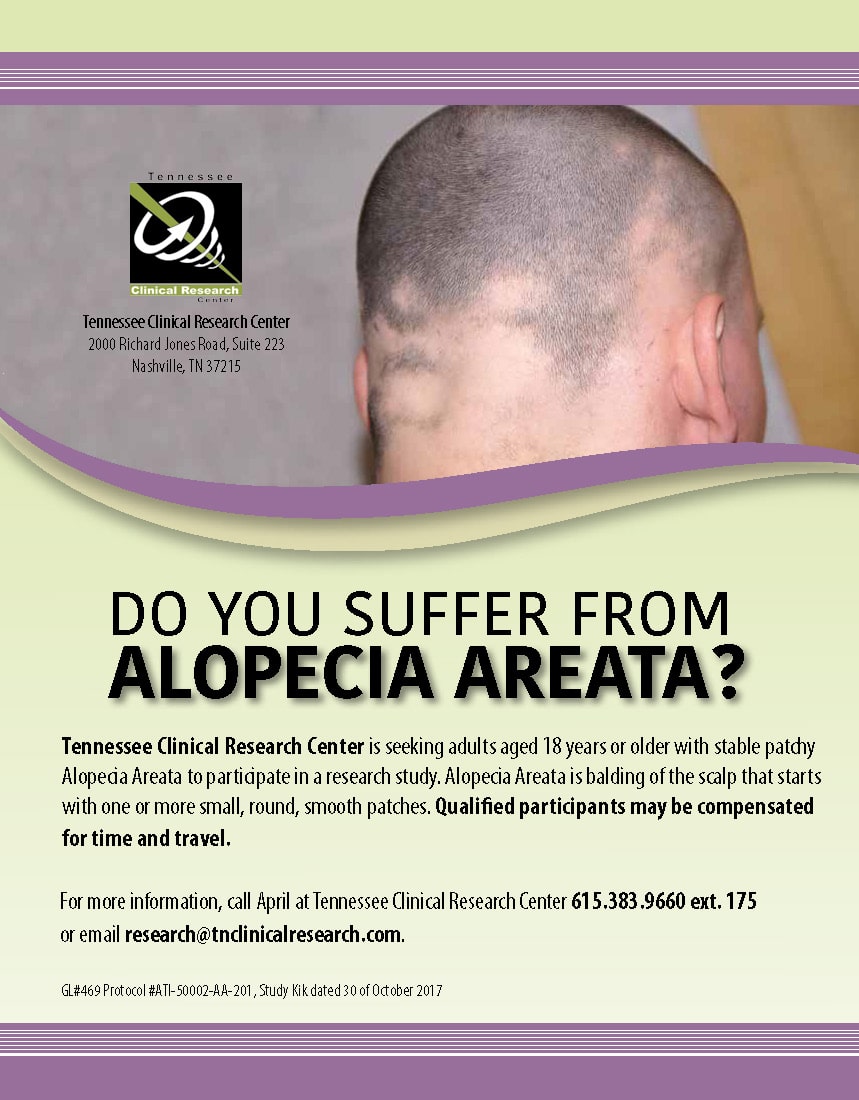
Will was diagnosed with Alopecia Areata at the young age of 16. His health challenge quickly progressed to Alopecia Universalis causing total hair loss all over his body.
Will writes about his journey to health on his clinic’s website: “It was out of desperation that we sought more natural treatments as traditional options had gotten us nothing more than a long list of side effects. We changed my diet among other lifestyle changes and sure enough a few years later I had about 85% recovery. Then a new challenge occurred, a gut parasite. We sought and learned more. Leading us to stem cell therapy using your own cells, tricking your cells to act younger with things like NAD+, immunomodulators, and so much more. So here I am 10 years later with a full head of hair experts said was impossible. All because the Lord, His design of our bodies, and the power of a determined mother.”
THLC asked Will to share what worked for him. This is his personal holistic, clean diet that supports his auto-immune condition plus suggestions for a simple, slightly less restrictive diet to improve health.
Will’s diet first started by eliminating the following:
- Gluten
- Dairy
- Soy
- Processed Foods
- Artificial Ingredients
- Food Substitutes
- Peanuts
- Artificial Colorings
- Processed Salt
As his auto-immune condition improved, his diet continued to evolve, and Will shares the following with his diet today:
As for produce: organic–biodynamic even when available.
- Fermented Foods
- Organ meats
- All of the ones listed above except I do eat raw 100% grass fed organic A2A2 Dairy on occasion now.
- No vegetarian fed organic or non-organic chicken. Must be eating worms and insects.
- No seed & nut oils: canola, sunflower, safflower, rapeseed, etc.
- Wide array of colorful vegetables. Certain vegetables like spinach, kale, brussels sprouts, collard greens, etc. can contain some anti-nutrient components, making it essential to cook them properly.
- Bone broth &/or bone marrow
- Wild foods when available
- Cooking oils: I use tallow, lard, coconut oil, avocado oil, or olive oil (the most unrefined and most natural the better.) Certain olive oils and processes can distort the omega profiles rendering them borderline toxic to your cells, while many others are “cut” or mixed with cheap seed oils like canola. This is also true even for organic corn and soy fed chickens.
Simple Ways to improve your diet & lifestyle
Without going too restrictive
- Increase veggie & fruit intake if it is not a staple part of your diet. Everything should be organic but if not then I would take ION before eating for sure. There are only a select few foods that are GMO, so if you do not eat organic than make sure they are non-gmo. Corn is a great example. A list can be found online.
- Beef, Lamb, Bison, Elk – Eat as wild and closest to nature intended as possible. For beef that is grass fed, preferably organic, no hormones, no antibiotics (unless necessary), etc.
- Fish & shellfish – wild caught never farm raised. Larger fish tend to have higher levels of metals in them like swordfish and tuna. Don’t have to be avoided but something I wouldn’t eat a ton of.
- Chicken & Eggs – Find a farm that grows them organically and not vegetarian feed which is often corn and grain etc. This still distorts the chicken’s fat profile to where it is almost toxic to us. The chickens may eat some grain but mostly worms and insects. Typically, one of the hardest items to find.
- Oils – Use an organic olive oil or properly raised animal fat. A good olive oil source is Apollo Olive Oil in California. Avocado oil and coconut oil are also options.
- Sugars – no artificial sugars or sweetners, no high fructose corn syrup. Best options are organic cane sugar, coconut sugar, or something minimally processed. Raw honey, maple syrup, and molasses are also other options. Organic stevia is okay too, but I wouldn’t overdo stevia.
- Salt – use a sea salt. Some are even tested for micro plastics. A good brand I use is Redmond’s Real Salt.
- Grains – organic sprouted ancient grains. Sourdough is best for any baked goods because it limits the gluten content through the fermentation process and increases nutrients.
- Legumes – organic, soaked, and sprouted.
- Nuts – organic – sprouted if you’re sensitive.
- Dairy – Same standards for the beef above but also unpasteurized and raw dairy. If you’re getting cheese you want to make sure the cheese isn’t stored at too high a temperature. Finding a good farm is the best way to do this.
- Limit processed and boxed foods.
Nataliia and Kimberly want to thank Will for his candid discussion about his Alopecia diagnosis and for providing the diet he follows. You can find out more about Will and the Sparrow Clinic by emailing him: Will@thesparrowclinic.com