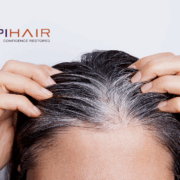
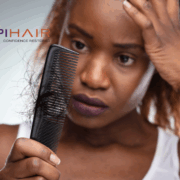
Stop Hair Loss In Women in Franklin, TN

Prevent hair loss in women with effective solutions. Get help!

Losing hair can be a distressing experience for women. Whether it’s due to genetics, hormonal imbalances, or other underlying health conditions, dealing with hair loss can be challenging. If you’re among those struggling with this issue, it’s essential to understand the causes and explore effective solutions. At our clinic in Franklin, TN, we are dedicated to helping women regain their confidence and address the root causes of hair loss. In this comprehensive guide, we will delve into the topic of hair loss in women, exploring the factors contributing to this condition and providing actionable strategies to stop hair loss and promote hair regrowth.

Hair Loss in Women

Hair loss in women can be attributed to a variety of factors, including genetics, hormonal changes, stress, and certain medical conditions. Understanding the underlying cause is crucial in determining the most effective treatment approach. It’s important to consult with a professional to accurately diagnose the cause of your hair loss. Once the cause is identified, targeted treatment plans can be implemented to address the specific root issue.

Common Causes of Hair Loss in Women

Several factors can contribute to hair loss in women. Some of the most common causes include:

– Genetics: Female pattern baldness, also known as androgenetic alopecia, can be inherited from either the mother or father’s side of the family.

– Hormonal Imbalances: Fluctuations in hormone levels, particularly during pregnancy, menopause, or conditions such as polycystic ovary syndrome (PCOS), can contribute to hair loss.

– Stress: High levels of stress can lead to a condition called telogen effluvium, causing hair follicles to prematurely enter the resting phase and result in increased shedding.

– Medical Conditions: Underlying medical issues such as thyroid disorders, autoimmune diseases, and alopecia areata can lead to hair loss in women.

Effective Solutions to Stop Hair Loss

Fortunately, there are various effective solutions available to help women combat hair loss and promote regrowth. These solutions may include:

– Topical Treatments: Solutions containing minoxidil or other growth-stimulating ingredients can be applied directly to the scalp to encourage hair regrowth.

– Nutritional Supplements: Certain vitamins and minerals, such as biotin, vitamin D, and iron, play a crucial role in maintaining healthy hair. Supplementing with these nutrients can support hair growth.

– Hormone Balancing: For women experiencing hair loss due to hormonal imbalances, hormone therapy or other medications may be recommended to restore optimal levels.

– Platelet-Rich Plasma (PRP) Therapy: This innovative treatment involves using the patient’s own blood plasma, rich in growth factors, to stimulate hair follicles’ regrowth potential.

Take Charge of Your Hair Health

If you’re struggling with hair loss, it’s important to take proactive steps to address the issue. By consulting with a professional at our clinic in Franklin, TN, you can gain valuable insights into the potential causes of your hair loss and develop a personalized treatment plan to restore your hair’s volume and vitality. Don’t let hair loss hold you back – take charge of your hair health today.

Hair loss in women can stem from a combination of genetic, hormonal, and lifestyle factors. nderstanding the root causes and exploring effective solutions, women can take proactive steps to stop hair loss and promote regrowth. Consult with a professional to gain personalized insights and develop a tailored treatment plan to address your specific needs.
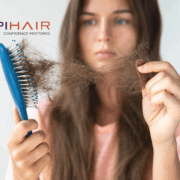
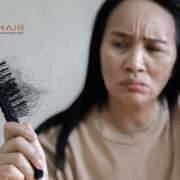
Typical Hair Loss In Women in Franklin, TN

Boost your confidence with effective hair loss treatment options for women.

Hair loss is a common concern for many women, and it can be a distressing experience that impacts self-esteem and confidence. While hair loss is often associated with men, it is important to recognize that women also experience this issue. Understanding the causes and treatment options for hair loss in women is crucial for anyone seeking to address this condition and regain healthy, beautiful hair.

Hair Growth and Loss

Appreciating the natural hair growth cycle is essential in comprehending hair loss. The hair growth cycle consists of three phases: anagen (growth phase), catagen (transitional phase), and telogen (resting phase). Each hair follicle operates independently, and various factors can influence the duration and quality of each phase.

Diagnostics to detect the cause of hair loss in women can include a scalp biopsy, blood tests, and microscopic analysis of a hair strand. It is important to consult a medical professional to accurately diagnose the underlying cause of the hair loss and determine the most appropriate treatment options.

Common Causes of Hair Loss in Women

Hormonal Changes

Hormonal changes, such as those experienced during pregnancy, childbirth, menopause, or thyroid imbalances, can lead to hair loss. These changes can disrupt the natural hair growth cycle, leading to increased shedding or thinning of the hair.

Medical Conditions

Certain medical conditions, such as alopecia areata, autoimmune disorders, and underlying health issues, can contribute to hair loss in women. It is crucial to address any underlying medical conditions to effectively manage hair loss.

Stress and Lifestyle Factors

Chronic stress, poor nutrition, and unhealthy lifestyle habits can negatively impact hair health. Maintaining a balanced diet, managing stress, and prioritizing healthy lifestyle choices can significantly influence hair growth and prevent excessive shedding.

Genetic Predisposition

Genetic predisposition can play a significant role in hair loss for both men and women. Understanding family history and genetic influences can provide valuable insights into potential hair loss patterns.

Treatment Options for Hair Loss in Women

Topical Treatments

Topical treatments, such as minoxidil, can help stimulate hair growth and slow down the progression of hair loss. These treatments are often applied directly to the scalp and can be effective for certain types of hair loss.

Prescription Medications

For hormonal-related hair loss, prescription medications like spironolactone or oral contraceptives may be recommended to address the underlying hormonal imbalances contributing to hair loss.

Platelet-Rich Plasma (PRP) Therapy

PRP therapy involves extracting a patient’s blood, processing it to isolate the platelet-rich plasma, and injecting it into the scalp to stimulate hair follicles and promote hair growth.

Low-Level Laser Therapy (LLLT)

LLLT utilizes red light to stimulate hair follicles and promote hair growth. This non-invasive treatment option has gained popularity for its ability to improve hair thickness and density.

Last ideas

Overall, hair loss in women can be a complex and multifaceted issue with various underlying causes. nderstanding the factors contributing to hair loss and exploring the available treatment options, women can take proactive steps to address this condition and restore healthy, vibrant hair.

PreventingHair Loss In Women Aging in Nashville, TN

Prevent hair loss with age! Expert tips for women available.

As women, we are all too familiar with the changes that come with aging, including the potential for hair loss. Whether you are experiencing thinning hair, a receding hairline, or more visible scalp, it’s natural to want to understand how to prevent and reverse these changes. This comprehensive guide will provide you with actionable tips and insights to help you maintain healthy, vibrant hair as you age. If you’re ready to take control of your hair health, keep reading to discover the best ways to prevent hair loss in women as they age.

Realizing the Causes of Hair Loss in Women

Common Catalysts for Hair Loss

Hair loss in women can be triggered by various factors, including genetics, hormonal changes, stress, poor nutrition, and certain medical conditions. Understanding the underlying causes is crucial to developing an effective prevention strategy.

Genetic predisposition: If hair loss runs in your family, you may be more likely to experience it as you age.

Hormonal changes: Fluctuations in hormone levels, particularly during menopause, can contribute to hair thinning and loss.

Stress: Chronic stress can disrupt the natural hair growth cycle, leading to increased shedding and reduced hair density.

Nutritional deficiencies: Inadequate intake of essential nutrients, such as vitamins and minerals, can impact the health of your hair follicles.

Medical conditions: Conditions like alopecia areata, thyroid disorders, and autoimmune diseases can directly affect hair growth and lead to noticeable hair loss.

Developing a Holistic Approach to Hair Health

Nourishing Your Body from Within

A well-rounded approach to preventing hair loss involves nurturing your body from the inside out. By focusing on nutrition, stress management, and healthy lifestyle habits, you can create an optimal environment for hair growth and maintenance.

Balanced diet: Ensure that your diet includes plenty of protein, healthy fats, vitamins, and minerals essential for strong, healthy hair.

Supplements: Consider incorporating supplements like biotin, collagen, and vitamins known to support hair growth.

Stress reduction: Practice stress-reducing activities such as meditation, yoga, or mindfulness to minimize the impact of stress on your hair.

Scalp care: Maintain a clean and healthy scalp by using gentle cleansers and incorporating regular scalp massages to stimulate blood flow.

Protective styling: Limit harsh styling practices and opt for protective hairstyles that minimize stress on your hair and scalp.

Seeking Professional Intervention

Consulting with Hair Restoration Experts

If you’re experiencing significant hair loss or thinning, seeking the expertise of a hair restoration specialist can provide personalized insights and treatment options tailored to your specific needs.

Medical evaluation: A comprehensive evaluation by a dermatologist or trichologist can identify any underlying medical conditions contributing to your hair loss.

Advanced treatments: Explore advanced treatments such as PRP therapy, laser therapy, or hair transplant procedures to address hair loss effectively.

Customized care plans: Work with hair restoration professionals to develop a customized treatment plan that aligns with your goals and preferences.

Schedule Appointment

Maintaining vibrant, healthy hair as you age is attainable with the right knowledge and proactive steps. nderstanding the underlying causes of hair loss, nurturing your body from within, and seeking professional guidance when needed, you can take control of your hair health and enjoy beautiful, resilient hair for years to come.

Common Medicla TreatmentHair Loss In Women in Nashville, TN

Boost your confidence with expert help for female hair loss.

Understanding Hair Loss in Women

Hair loss in women can be caused by various factors, including hormonal imbalances, genetics, autoimmune conditions, stress, and certain medical treatments. Understanding the underlying cause of hair loss is crucial in determining the most appropriate treatment approach. Whether you are dealing with thinning hair, receding hairline, or patchy bald spots, seeking professional medical guidance is the first step in addressing the issue.

Common Medical Treatments for Hair Loss in Women

When it comes to medical treatments for hair loss in women, several options are available to promote hair growth and improve the overall health of your hair. It’s important to consult with a healthcare professional to determine the most suitable treatment based on your specific needs and medical history. Here are some common medical treatments for hair loss in women:

– Topical Minoxidil: Topical minoxidil, available as a solution or foam, is an FDA-approved medication for treating female pattern hair loss. It works by promoting hair growth and slowing down hair loss. Incorporating minoxidil into your daily hair care routine can help improve the density and thickness of your hair.

– Oral Finasteride: Finasteride, an oral medication, is another option for addressing hair loss in women. It works by blocking the conversion of testosterone to DHT, a hormone that can contribute to hair loss. It is important to discuss the potential risks and benefits of finasteride with your healthcare provider before considering this treatment option.

– Low-Level Laser Therapy (LLLT): LLLT is a non-invasive treatment that uses red light therapy to stimulate hair follicles, promoting hair growth. This treatment can be administered through in-office sessions or at-home devices. LLLT has shown promising results in improving hair density and overall hair quality.

– Platelet-Rich Plasma (PRP) Therapy: PRP therapy involves using the patient’s own blood plasma to stimulate hair growth. The plasma, enriched with growth factors, is injected into the scalp to promote the regeneration of hair follicles. PRP therapy is a safe and effective option for women experiencing hair loss.

– Hormone Therapy: For women experiencing hair loss due to hormonal imbalances, hormone therapy may be recommended to restore hormonal levels and address the underlying cause of hair loss. Balancing hormone levels can help improve hair growth and minimize hair shedding.

It’s important to note that the effectiveness of these treatments can vary from person to person, and individual results may differ. Consulting with a qualified healthcare provider is essential in determining the most suitable treatment plan tailored to your specific needs and goals.

The main takeaway

Hair loss in women is a multifaceted issue that requires a personalized and comprehensive approach to treatment. xploring the available medical treatments and consulting with experienced professionals, you can take proactive steps towards addressing hair loss and regaining confidence in your appearance. Our clinic in Nashville, TN, is dedicated to providing individualized care and effective treatment options to support women in their journey towards healthy, vibrant hair.

If you are struggling with hair loss, we are here to help you find the most suitable medical treatment to restore the beauty and vitality of your hair. Contact us today to schedule a personalized consultation and take the first step towards revitalizing your hair and boosting your confidence.

Restoring healthy hair is within reach, and our team is committed to guiding you through this transformative process with compassion and expertise.

Common Causes Of Hair Loss In Women in Franklin, TN

Expert solutions for women’s hair loss. Find relief today.

Hair loss in women is a challenging and often distressing experience. Whether you’re noticing a thinning crown or a widening part, acknowledging the potential causes is crucial to finding the right solution. At our clinic in Franklin, TN, we specialize in helping women address their hair loss concerns with personalized and effective treatments. In this comprehensive guide, we’ll explore the common causes of hair loss in women, providing valuable insights for body builders and fitness industry professionals who are looking to understand and address this issue from a female perspective.

Hormonal Imbalance

Hormonal imbalance is a significant factor in female hair loss. Fluctuations in hormones, especially during pregnancy, childbirth, menopause, and thyroid disorders, can lead to excessive shedding and thinning of the hair. Understanding the impact of hormonal changes on hair health is essential for women in the fitness industry, as the rigorous training and nutrition regimes can sometimes disrupt hormonal balance. Our clinic offers tailored treatments to address hormonal imbalances and their effects on hair loss.

Stress and Nutrition

Another common cause of hair loss in women is stress and nutritional deficiencies. High-stress levels can lead to a condition called telogen effluvium, resulting in widespread shedding of hair. Additionally, inadequate intake of essential nutrients, such as protein, iron, and vitamins, can contribute to weakened hair follicles and subsequent hair loss. Fitness-focused women, including body builders, often face unique challenges in managing stress and maintaining a balanced diet. Our clinic provides holistic approaches to address stress reduction and nutritional support for optimal hair health.

Genetic Factors

Genetic predisposition plays a significant role in female hair loss. Conditions such as androgenetic alopecia, commonly known as female pattern baldness, can be inherited and lead to progressive thinning of the hair. Understanding the genetic factors contributing to hair loss is crucial for women in the fitness industry, as it allows for proactive measures to maintain hair health. At our clinic, we offer genetic testing and personalized treatment plans tailored to individual genetic profiles.

Medical Conditions and Treatments

Certain medical conditions and treatments can also contribute to hair loss in women. Conditions like alopecia areata, autoimmune disorders, and scalp infections can lead to hair thinning and bald patches. Additionally, undergoing medical treatments such as chemotherapy can result in significant hair loss. It is essential for women in the fitness industry to be aware of these potential factors and seek specialized care from professionals who understand the unique needs of active individuals. Our clinic offers comprehensive evaluations and targeted treatments for women experiencing hair loss due to medical conditions or treatments.

Schedule Appointment

In summary, hair loss in women can stem from a variety of causes, ranging from hormonal imbalances and stress to genetic predisposition and medical conditions. Understanding these common factors is essential for women in the fitness industry, including body builders, who are seeking personalized solutions for their hair loss concerns. At our clinic in Franklin, TN, we are dedicated to providing tailored treatments and compassionate care to address the diverse needs of women experiencing hair loss. By gaining a deeper acknowledging of the underlying causes, women can take proactive steps to regain confidence and maintain optimal hair health.

Women’s Hair Loss Causes in Nolensville, TN

Expert solutions for women’s hair loss. Discover the root cause.

Hair loss is a prevalent concern among women, affecting individuals of all ages and backgrounds. While men are commonly associated with balding, the truth is that women also experience hair loss, and it can be utterly distressing. Understanding the causes of women’s hair loss is crucial in addressing and managing this issue. In this comprehensive guide, we will delve into the various factors contributing to women’s hair loss, providing valuable insights for those seeking to comprehend and combat this condition.

Hormonal Imbalance and Hair Loss

Hormonal imbalance is a leading cause of hair loss in women. Fluctuations in hormone levels, particularly during pregnancy, menopause, and the menstrual cycle, can result in thinning of hair or significant shedding. The hormone dihydrotestosterone (DHT) is a known contributor to hair loss, as it can shrink hair follicles, leading to shorter and finer hair growth. Additionally, conditions such as polycystic ovary syndrome (PCOS) can lead to increased androgen levels, which may trigger hair loss in affected individuals.

Stress and Hair Loss

Chronic stress can have a profound impact on the body, including the potential for hair loss. The physiological response to stress can disrupt the normal hair growth cycle, pushing more hair follicles into the shedding phase. This condition, known as telogen effluvium, can lead to noticeable hair thinning and shedding. Addressing stress through relaxation techniques, mindfulness, and seeking professional support can play a pivotal role in mitigating the effects of stress-related hair loss.

Nutritional Deficiencies and Hair Loss

The body’s nutritional status has a direct correlation with the health of hair. Inadequate intake of essential nutrients such as iron, protein, and certain vitamins can manifest as brittle, weak, and thinning hair. Iron deficiency, in particular, is known for its association with hair loss. Ensuring a well-balanced diet rich in essential nutrients is fundamental in supporting healthy hair growth and preventing potential deficiencies that can contribute to hair loss.

Medical Conditions and Hair Loss

Several medical conditions can lead to hair loss in women. Autoimmune disorders like alopecia areata can result in sudden hair loss, often in distinct patches. Thyroid disorders, such as hypothyroidism or hyperthyroidism, can also impact the hair growth cycle, leading to thinning or loss of hair. Consulting with a healthcare professional to address underlying medical issues is crucial in managing hair loss associated with these conditions.

Genetics and Hair Loss

Genetic predisposition plays a significant role in hair loss among women. Female pattern hair loss, also known as androgenetic alopecia, is influenced by genetic factors and can lead to progressive thinning of hair over time. Understanding one’s family history of hair loss can provide valuable insights into the potential risk of developing similar patterns of hair loss and guide proactive measures to manage the condition.

End thoughts

Knowing the various causes of women’s hair loss is essential in devising tailored approaches to address this concern. By comprehensively exploring the impact of hormonal imbalance, stress, nutritional deficiencies, medical conditions, and genetic factors, individuals can gain valuable insights into the root causes of hair loss and explore targeted solutions for managing this issue. Empowering women with knowledge and tailored support is crucial in addressing hair loss and fostering confidence and well-being.

PreventingHair Loss In Women Aging in Nashville, TN

Prevent hair loss with age! Expert tips for women available.

As women, we are all too familiar with the changes that come with aging, including the potential for hair loss. Whether you are experiencing thinning hair, a receding hairline, or more visible scalp, it’s natural to want to understand how to prevent and reverse these changes. This comprehensive guide will provide you with actionable tips and insights to help you maintain healthy, vibrant hair as you age. If you’re ready to take control of your hair health, keep reading to discover the best ways to prevent hair loss in women as they age.

Realizing the Causes of Hair Loss in Women

Common Catalysts for Hair Loss

Hair loss in women can be triggered by various factors, including genetics, hormonal changes, stress, poor nutrition, and certain medical conditions. Understanding the underlying causes is crucial to developing an effective prevention strategy.

Genetic predisposition: If hair loss runs in your family, you may be more likely to experience it as you age.

Hormonal changes: Fluctuations in hormone levels, particularly during menopause, can contribute to hair thinning and loss.

Stress: Chronic stress can disrupt the natural hair growth cycle, leading to increased shedding and reduced hair density.

Nutritional deficiencies: Inadequate intake of essential nutrients, such as vitamins and minerals, can impact the health of your hair follicles.

Medical conditions: Conditions like alopecia areata, thyroid disorders, and autoimmune diseases can directly affect hair growth and lead to noticeable hair loss.

Developing a Holistic Approach to Hair Health

Nourishing Your Body from Within

A well-rounded approach to preventing hair loss involves nurturing your body from the inside out. By focusing on nutrition, stress management, and healthy lifestyle habits, you can create an optimal environment for hair growth and maintenance.

Balanced diet: Ensure that your diet includes plenty of protein, healthy fats, vitamins, and minerals essential for strong, healthy hair.

Supplements: Consider incorporating supplements like biotin, collagen, and vitamins known to support hair growth.

Stress reduction: Practice stress-reducing activities such as meditation, yoga, or mindfulness to minimize the impact of stress on your hair.

Scalp care: Maintain a clean and healthy scalp by using gentle cleansers and incorporating regular scalp massages to stimulate blood flow.

Protective styling: Limit harsh styling practices and opt for protective hairstyles that minimize stress on your hair and scalp.

Seeking Professional Intervention

Consulting with Hair Restoration Experts

If you’re experiencing significant hair loss or thinning, seeking the expertise of a hair restoration specialist can provide personalized insights and treatment options tailored to your specific needs.

Medical evaluation: A comprehensive evaluation by a dermatologist or trichologist can identify any underlying medical conditions contributing to your hair loss.

Advanced treatments: Explore advanced treatments such as PRP therapy, laser therapy, or hair transplant procedures to address hair loss effectively.

Customized care plans: Work with hair restoration professionals to develop a customized treatment plan that aligns with your goals and preferences.

Schedule Appointment

Maintaining vibrant, healthy hair as you age is attainable with the right knowledge and proactive steps. nderstanding the underlying causes of hair loss, nurturing your body from within, and seeking professional guidance when needed, you can take control of your hair health and enjoy beautiful, resilient hair for years to come.

Common Medicla TreatmentHair Loss In Women in Nashville, TN

Boost your confidence with expert help for female hair loss.

Understanding Hair Loss in Women

Hair loss in women can be caused by various factors, including hormonal imbalances, genetics, autoimmune conditions, stress, and certain medical treatments. Understanding the underlying cause of hair loss is crucial in determining the most appropriate treatment approach. Whether you are dealing with thinning hair, receding hairline, or patchy bald spots, seeking professional medical guidance is the first step in addressing the issue.

Common Medical Treatments for Hair Loss in Women

When it comes to medical treatments for hair loss in women, several options are available to promote hair growth and improve the overall health of your hair. It’s important to consult with a healthcare professional to determine the most suitable treatment based on your specific needs and medical history. Here are some common medical treatments for hair loss in women:

– Topical Minoxidil: Topical minoxidil, available as a solution or foam, is an FDA-approved medication for treating female pattern hair loss. It works by promoting hair growth and slowing down hair loss. Incorporating minoxidil into your daily hair care routine can help improve the density and thickness of your hair.

– Oral Finasteride: Finasteride, an oral medication, is another option for addressing hair loss in women. It works by blocking the conversion of testosterone to DHT, a hormone that can contribute to hair loss. It is important to discuss the potential risks and benefits of finasteride with your healthcare provider before considering this treatment option.

– Low-Level Laser Therapy (LLLT): LLLT is a non-invasive treatment that uses red light therapy to stimulate hair follicles, promoting hair growth. This treatment can be administered through in-office sessions or at-home devices. LLLT has shown promising results in improving hair density and overall hair quality.

– Platelet-Rich Plasma (PRP) Therapy: PRP therapy involves using the patient’s own blood plasma to stimulate hair growth. The plasma, enriched with growth factors, is injected into the scalp to promote the regeneration of hair follicles. PRP therapy is a safe and effective option for women experiencing hair loss.

– Hormone Therapy: For women experiencing hair loss due to hormonal imbalances, hormone therapy may be recommended to restore hormonal levels and address the underlying cause of hair loss. Balancing hormone levels can help improve hair growth and minimize hair shedding.

It’s important to note that the effectiveness of these treatments can vary from person to person, and individual results may differ. Consulting with a qualified healthcare provider is essential in determining the most suitable treatment plan tailored to your specific needs and goals.

The main takeaway

Hair loss in women is a multifaceted issue that requires a personalized and comprehensive approach to treatment. xploring the available medical treatments and consulting with experienced professionals, you can take proactive steps towards addressing hair loss and regaining confidence in your appearance. Our clinic in Nashville, TN, is dedicated to providing individualized care and effective treatment options to support women in their journey towards healthy, vibrant hair.

If you are struggling with hair loss, we are here to help you find the most suitable medical treatment to restore the beauty and vitality of your hair. Contact us today to schedule a personalized consultation and take the first step towards revitalizing your hair and boosting your confidence.

Restoring healthy hair is within reach, and our team is committed to guiding you through this transformative process with compassion and expertise.

Common Causes Of Hair Loss In Women in Franklin, TN

Expert solutions for women’s hair loss. Find relief today.

Hair loss in women is a challenging and often distressing experience. Whether you’re noticing a thinning crown or a widening part, acknowledging the potential causes is crucial to finding the right solution. At our clinic in Franklin, TN, we specialize in helping women address their hair loss concerns with personalized and effective treatments. In this comprehensive guide, we’ll explore the common causes of hair loss in women, providing valuable insights for body builders and fitness industry professionals who are looking to understand and address this issue from a female perspective.

Hormonal Imbalance

Hormonal imbalance is a significant factor in female hair loss. Fluctuations in hormones, especially during pregnancy, childbirth, menopause, and thyroid disorders, can lead to excessive shedding and thinning of the hair. Understanding the impact of hormonal changes on hair health is essential for women in the fitness industry, as the rigorous training and nutrition regimes can sometimes disrupt hormonal balance. Our clinic offers tailored treatments to address hormonal imbalances and their effects on hair loss.

Stress and Nutrition

Another common cause of hair loss in women is stress and nutritional deficiencies. High-stress levels can lead to a condition called telogen effluvium, resulting in widespread shedding of hair. Additionally, inadequate intake of essential nutrients, such as protein, iron, and vitamins, can contribute to weakened hair follicles and subsequent hair loss. Fitness-focused women, including body builders, often face unique challenges in managing stress and maintaining a balanced diet. Our clinic provides holistic approaches to address stress reduction and nutritional support for optimal hair health.

Genetic Factors

Genetic predisposition plays a significant role in female hair loss. Conditions such as androgenetic alopecia, commonly known as female pattern baldness, can be inherited and lead to progressive thinning of the hair. Understanding the genetic factors contributing to hair loss is crucial for women in the fitness industry, as it allows for proactive measures to maintain hair health. At our clinic, we offer genetic testing and personalized treatment plans tailored to individual genetic profiles.

Medical Conditions and Treatments

Certain medical conditions and treatments can also contribute to hair loss in women. Conditions like alopecia areata, autoimmune disorders, and scalp infections can lead to hair thinning and bald patches. Additionally, undergoing medical treatments such as chemotherapy can result in significant hair loss. It is essential for women in the fitness industry to be aware of these potential factors and seek specialized care from professionals who understand the unique needs of active individuals. Our clinic offers comprehensive evaluations and targeted treatments for women experiencing hair loss due to medical conditions or treatments.

Schedule Appointment

In summary, hair loss in women can stem from a variety of causes, ranging from hormonal imbalances and stress to genetic predisposition and medical conditions. Understanding these common factors is essential for women in the fitness industry, including body builders, who are seeking personalized solutions for their hair loss concerns. At our clinic in Franklin, TN, we are dedicated to providing tailored treatments and compassionate care to address the diverse needs of women experiencing hair loss. By gaining a deeper acknowledging of the underlying causes, women can take proactive steps to regain confidence and maintain optimal hair health.

Women’s Hair Loss Causes in Nolensville, TN

Expert solutions for women’s hair loss. Discover the root cause.

Hair loss is a prevalent concern among women, affecting individuals of all ages and backgrounds. While men are commonly associated with balding, the truth is that women also experience hair loss, and it can be utterly distressing. Understanding the causes of women’s hair loss is crucial in addressing and managing this issue. In this comprehensive guide, we will delve into the various factors contributing to women’s hair loss, providing valuable insights for those seeking to comprehend and combat this condition.

Hormonal Imbalance and Hair Loss

Hormonal imbalance is a leading cause of hair loss in women. Fluctuations in hormone levels, particularly during pregnancy, menopause, and the menstrual cycle, can result in thinning of hair or significant shedding. The hormone dihydrotestosterone (DHT) is a known contributor to hair loss, as it can shrink hair follicles, leading to shorter and finer hair growth. Additionally, conditions such as polycystic ovary syndrome (PCOS) can lead to increased androgen levels, which may trigger hair loss in affected individuals.

Stress and Hair Loss

Chronic stress can have a profound impact on the body, including the potential for hair loss. The physiological response to stress can disrupt the normal hair growth cycle, pushing more hair follicles into the shedding phase. This condition, known as telogen effluvium, can lead to noticeable hair thinning and shedding. Addressing stress through relaxation techniques, mindfulness, and seeking professional support can play a pivotal role in mitigating the effects of stress-related hair loss.

Nutritional Deficiencies and Hair Loss

The body’s nutritional status has a direct correlation with the health of hair. Inadequate intake of essential nutrients such as iron, protein, and certain vitamins can manifest as brittle, weak, and thinning hair. Iron deficiency, in particular, is known for its association with hair loss. Ensuring a well-balanced diet rich in essential nutrients is fundamental in supporting healthy hair growth and preventing potential deficiencies that can contribute to hair loss.

Medical Conditions and Hair Loss

Several medical conditions can lead to hair loss in women. Autoimmune disorders like alopecia areata can result in sudden hair loss, often in distinct patches. Thyroid disorders, such as hypothyroidism or hyperthyroidism, can also impact the hair growth cycle, leading to thinning or loss of hair. Consulting with a healthcare professional to address underlying medical issues is crucial in managing hair loss associated with these conditions.

Genetics and Hair Loss

Genetic predisposition plays a significant role in hair loss among women. Female pattern hair loss, also known as androgenetic alopecia, is influenced by genetic factors and can lead to progressive thinning of hair over time. Understanding one’s family history of hair loss can provide valuable insights into the potential risk of developing similar patterns of hair loss and guide proactive measures to manage the condition.

End thoughts

Knowing the various causes of women’s hair loss is essential in devising tailored approaches to address this concern. By comprehensively exploring the impact of hormonal imbalance, stress, nutritional deficiencies, medical conditions, and genetic factors, individuals can gain valuable insights into the root causes of hair loss and explore targeted solutions for managing this issue. Empowering women with knowledge and tailored support is crucial in addressing hair loss and fostering confidence and well-being.