Women Over 40 Hair Loss in Franklin, TN

Effective treatment options for women over 40 experiencing hair loss.

Hair loss is a common concern that affects women of all ages, but it can be particularly distressing for women over 40. As we age, changes in hormone levels, genetics, and environmental factors can contribute to hair thinning and loss. Understanding the causes and available treatment options is essential for women dealing with this issue. In this comprehensive guide, we will explore the various factors that contribute to hair loss in women over 40 and discuss the best approaches to addressing this concern.

Hair Loss in Women Over 40

As women reach their 40s and beyond, they often experience changes in their hair texture and density. Hair may become thinner, finer, and more prone to shedding. There are several factors that can contribute to hair loss in women over 40, including:

Hormonal Changes: Fluctuations in hormone levels, particularly decreases in estrogen and progesterone, can affect hair growth cycles and lead to increased shedding.

Genetics: Family history can play a significant role in determining a woman’s susceptibility to hair loss. If other female family members have experienced hair thinning or baldness, it’s likely that she may also be predisposed to similar issues.

Stress: Chronic stress can have a profound impact on the body, including disrupting the hair growth cycle and leading to increased shedding.

Nutritional Deficiencies: Inadequate intake of essential nutrients, such as iron, protein, and certain vitamins, can contribute to hair loss and affect overall hair health.

Environmental Factors: Exposure to pollutants, harsh styling practices, and excessive heat or chemical treatments can damage hair and contribute to increased shedding.

It’s important for women to recognize that hair loss is not solely a cosmetic issue; it can also have a significant impact on self-esteem and overall well-being. Seeking professional guidance and support is essential for effectively addressing hair loss concerns.

Treatment Options for Women Over 40

Fortunately, there are several treatment options available to help women over 40 manage and address hair loss. These options may include:

Topical Treatments: Minoxidil, also known as Rogaine, is an FDA-approved topical treatment that can help stimulate hair growth and prevent further hair loss.

Prescription Medications: Some women may benefit from prescription medications, such as spironolactone or finasteride, to help regulate hormone levels and minimize hair shedding.

Nutritional Supplements: Supplements containing biotin, vitamins, and minerals essential for hair health can help support hair growth and overall hair quality.

Platelet-Rich Plasma (PRP) Therapy: This regenerative treatment involves using the patient’s own blood platelets to promote hair growth and improve hair density.

Hair Transplantation: For women dealing with advanced hair loss, surgical options such as hair transplantation can provide long-term restoration of hair density and coverage.

Lifestyle Changes: Adopting a healthy lifestyle, managing stress, and ensuring a well-balanced diet can contribute to overall hair health and minimize hair loss.

It’s important for women to consult with a qualified healthcare professional or specialist to determine the most suitable treatment approach based on their individual needs and medical history.

Final thoughts

Hair loss in women over 40 can be a complex and emotionally challenging issue, but it’s important to remember that effective treatment options are available. nderstanding the underlying causes of hair loss and exploring appropriate treatment avenues, women can regain confidence and achieve healthier, fuller-looking hair.

If you’re experiencing hair loss and seeking guidance, our clinic in Franklin, TN, offers comprehensive solutions tailored to address the unique needs of women over 40. Our team of experienced professionals is dedicated to providing personalized care and helping you achieve your hair restoration goals.

Remember, you’re not alone in your journey to address hair loss. We’re here to support you every step of the way.
Treating Hair Loss In Women in Nashville, TN

Regain your confidence with our effective hair loss treatment for women.

Hair loss is a common concern among women, and it can have a significant impact on self-esteem and overall well-being. Whether you are experiencing thinning hair or more noticeable bald patches, it’s essential to know that effective treatments are available. At our Nashville clinic, we specialize in providing personalized solutions to address hair loss in women. Our goal is to help you regain confidence and achieve optimal hair health. In this comprehensive guide, we’ll explore the causes of hair loss in women and discuss various treatment options, empowering you to make informed decisions about your hair care journey.

Hair Loss in Women

Hair loss in women can be attributed to a variety of factors, including genetics, hormonal imbalances, and underlying medical conditions. Understanding the root cause of your hair loss is crucial in determining the most effective treatment approach. Some common causes of hair loss in women include:

Hormonal Imbalances: Fluctuations in hormone levels, particularly during pregnancy, menopause, or thyroid disorders, can contribute to hair thinning and shedding.

Genetics: Inherited hair loss patterns, such as female pattern baldness, can lead to gradual thinning of the hair over time.

Stress and Lifestyle Factors: High-stress levels, poor nutrition, and certain medications can all play a role in hair loss among women.

Medical Conditions: Conditions such as alopecia areata, autoimmune disorders, and scalp infections can result in significant hair loss.

By identifying the underlying cause of your hair loss, our team can develop a personalized treatment plan tailored to your specific needs.

Effective Hair Loss Treatments for Women

As a bodybuilder, you understand the importance of overall health and well-being. When it comes to addressing hair loss, taking a comprehensive approach is key. Our clinic offers a range of proven treatments designed to promote hair growth and improve the overall quality of your hair. Some of the most effective options for treating hair loss in women include:

Topical Solutions: Minoxidil, an FDA-approved topical solution, is a common treatment for female pattern hair loss. It stimulates hair follicles and promotes regrowth.

Platelet-Rich Plasma (PRP) Therapy: PRP therapy involves using a patient’s own blood plasma to stimulate hair follicles, promoting natural hair growth and enhancing hair density.

Nutritional Support: A balanced diet rich in essential vitamins and minerals, along with targeted supplements, can help nourish hair follicles and support healthy hair growth.

Low-Level Laser Therapy: This non-invasive treatment uses specialized light wavelengths to stimulate hair follicles, improving blood flow and promoting hair regrowth.

Hair Transplantation: For women experiencing more advanced hair loss, hair transplantation procedures can restore natural-looking hair by relocating healthy follicles to thinning or balding areas.

These treatments, combined with our personalized approach and expert guidance, can help you achieve noticeable improvements in your hair health and confidence.

Empowering Women to Reclaim Their Hair

At our Nashville clinic, we understand the unique challenges women face when dealing with hair loss. Our compassionate team is dedicated to providing a supportive and inclusive environment where you can explore treatment options with confidence. We believe in empowering women to take control of their hair health and feel proud of their unique beauty.

By focusing on education, personalized care, and cutting-edge treatments, we aim to inspire and guide women on their journey to reclaim their hair and restore their confidence. Our commitment to excellence and patient satisfaction sets us apart as a trusted destination for women seeking effective solutions for hair loss.

Whether you’re a professional bodybuilder or an active individual who values both physical and emotional well-being, our clinic is here to support you every step of the way. Contact us today to schedule a consultation and take the first step toward healthier, fuller hair.
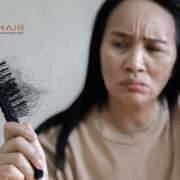
Causes Of Hair Loss In Women in Nashville, TN

Combat hair loss in women. Expert advice and solutions available.

Hair loss in women can be distressing, impacting both physical appearance and emotional well-being. As a leading clinic in Nashville, TN, we understand the concerns and challenges that women face when dealing with hair loss. Our goal is to provide valuable insights and guidance to help you understand the causes of hair loss and explore effective solutions. From hormonal imbalances to lifestyle factors, there are several reasons why women may experience hair loss. In this comprehensive guide, we will delve into the various factors that contribute to this condition, shedding light on the complexities of female hair loss.

Hormonal Imbalances

Hormonal imbalances are a common cause of hair loss in women. Fluctuations in hormone levels, such as those experienced during pregnancy, childbirth, or menopause, can disrupt the natural growth cycle of hair. Additionally, conditions like polycystic ovary syndrome (PCOS) can lead to elevated androgen levels, contributing to hair thinning and alopecia. Understanding the intricate relationship between hormones and hair health is crucial in addressing the underlying causes of hair loss in women.

Genetic Predisposition

Genetics play a significant role in determining an individual’s susceptibility to hair loss. Female pattern hair loss, also known as androgenetic alopecia, is influenced by genetic factors and can result in gradual thinning of the hair. While the inheritance pattern may vary, having a family history of hair loss can significantly increase the likelihood of experiencing similar issues. cknowledging genetic predispositions, women can better assess their risk and proactively manage their hair health.

Stress and Emotional Well-being

The impact of stress on hair health should not be overlooked. Chronic stress can disrupt the normal hair growth cycle and lead to increased shedding. Moreover, emotional well-being and mental health play a crucial role in maintaining healthy hair. It’s essential for women to prioritize self-care and seek support to manage stress effectively, thereby reducing its potential impact on hair loss.

Nutritional Deficiencies

A balanced diet is fundamental for overall well-being, including the health of your hair. Nutritional deficiencies, such as inadequate intake of essential vitamins and minerals, can contribute to hair thinning and loss. Iron, vitamin D, and biotin are particularly important for promoting healthy hair growth. Our clinic offers personalized nutritional guidance to address any deficiencies and optimize your dietary choices to support hair health.

Medical Conditions and Treatments

Certain medical conditions and treatments can have an impact on hair health. Conditions like thyroid disorders and autoimmune diseases can manifest in hair loss symptoms. Additionally, treatments such as chemotherapy may result in temporary or permanent hair loss. Understanding the implications of these factors is crucial in developing comprehensive treatment plans tailored to individual needs.

Environmental Factors and Hair Care Practices

External factors, including environmental pollutants and harsh hair care practices, can contribute to hair damage and loss. Exposure to pollutants and toxins can compromise the overall health of the scalp and hair follicles. Similarly, excessive heat styling, overuse of chemical treatments, and tight hairstyles can lead to increased breakage and hair loss. Adopting gentle hair care practices and minimizing exposure to harmful substances are essential steps in preserving the integrity of your hair.

Overall

Hair loss in women can stem from a multitude of factors, each requiring a nuanced approach for effective management. By gaining a deeper acknowledging of the causes of hair loss, women can make informed decisions and take proactive steps to address their specific concerns. Our clinic is committed to providing comprehensive care and specialized solutions to support women on their journey to healthier, fuller hair.

Stop Hair Loss In Women in Brentwood, TN

Regain confidence with effective hair loss solutions for women.

Hair loss in women can be a distressing experience, impacting both physical appearance and self-confidence. Whether you’ve noticed thinning hair, receding hairline, or bald patches, it’s essential to address the issue promptly. Understanding the causes, effective treatments, and preventive measures for hair loss in women is crucial to managing this condition and regaining healthy, luscious locks.

Hair loss in women is a widespread concern that can have various underlying causes. To effectively address this issue, it’s important to explore the potential reasons, treatment options, and preventive strategies.

Hair Loss in Women

Hair loss in women can have multifaceted causes, ranging from genetic predisposition and hormonal imbalances to lifestyle factors and underlying medical conditions. Common reasons for hair loss in women include:

– Genetic Predisposition: Family history can play a significant role in female pattern hair loss. Understanding your genetic predisposition to hair loss can help inform your approach to treatment and management.

– Hormonal Imbalances: Fluctuations in hormonal levels, particularly related to pregnancy, childbirth, menopause, or thyroid disorders, can contribute to hair loss in women. Balancing hormones is essential in managing this type of hair loss.

– Nutritional Deficiencies: Inadequate intake of essential nutrients, such as iron, protein, and vitamins, can affect hair health and contribute to hair loss. A balanced diet and supplementation, when necessary, are crucial in addressing this factor.

– Stress and Lifestyle Factors: High levels of stress, poor lifestyle choices, and excessive hairstyling practices can strain the hair and lead to increased shedding and hair thinning.

Effective Treatments for Hair Loss in Women

Fortunately, several effective treatments are available to address hair loss in women and promote hair regrowth. Some of the most common options include:

– Topical Treatments: Minoxidil, a topical solution approved by the FDA for treating female pattern hair loss, can help stimulate hair growth and prevent further loss.

– Prescription Medications: Certain medications, such as finasteride, may be prescribed to women experiencing hair loss, particularly for those with conditions such as androgenetic alopecia.

– Low-Level Laser Therapy: This non-invasive treatment option utilizes low-level laser light to stimulate hair follicles and promote hair regrowth.

– Platelet-Rich Plasma (PRP) Therapy: PRP therapy involves injecting concentrated platelets derived from the patient’s blood into the scalp to stimulate hair follicles and encourage hair growth.

– Hair Transplant Surgery: In cases of advanced hair loss, hair transplant surgery can be considered to restore natural-looking, permanent hair growth.

Preventive Measures and Lifestyle Changes

In addition to seeking effective treatments for hair loss, women can also implement preventive measures and lifestyle changes to promote healthy hair and minimize the risk of further loss. Some recommendations include:

– Balanced Nutrition: Consuming a diet rich in essential nutrients, including protein, iron, vitamins, and minerals, is crucial for maintaining healthy hair.

– Stress Management: Practicing stress-reducing activities, such as yoga, meditation, or mindfulness techniques, can help mitigate the impact of stress on hair health.

– Gentle Hair Care: Avoiding aggressive hairstyling practices, excessive heat styling, and chemical treatments can help prevent damage to the hair shaft and follicles.

– Scalp Care: Using gentle, pH-balanced hair care products and incorporating scalp massages can promote circulation and support healthy hair growth.

Addressing hair loss in women involves acknowledging the underlying causes, exploring effective treatments, and implementing preventive measures and lifestyle changes. By taking a comprehensive approach to managing hair loss, women can restore confidence and maintain healthy, vibrant hair.

Older Women’s Hair Loss in Nolensville, TN

Specialized solutions for women’s hair loss. Restore confidence today!

Understanding Older Women’s Hair Loss

Hair loss in women, particularly as they age, is a common phenomenon that can significantly impact their self-esteem and overall well-being. It’s crucial for women to understand the factors that contribute to hair loss in order to explore suitable treatment options. While hair thinning and loss can be emotionally challenging, it’s important to approach the issue with knowledge and optimism.

When it comes to older women, the most common causes of hair loss include hormonal changes, genetics, and aging. Hormonal fluctuations, such as those experienced during menopause, can lead to a gradual thinning of the hair. Genetics also play a significant role, as women with a family history of hair loss are more likely to experience it themselves. Additionally, aging can lead to a decrease in hair density and overall hair health.

In order to address hair loss effectively, it’s essential for older women to consult with medical professionals who specialize in hair restoration. Our clinic in Nolensville, TN offers personalized consultations and tailored treatment plans to address the specific needs of older women experiencing hair loss.

Comprehensive Treatment Options

Our clinic understands the unique concerns of older women with regards to hair loss and offers a comprehensive range of treatment options. From non-invasive therapies to advanced surgical procedures, we prioritize the individual needs and preferences of each patient.

– Non-surgical treatments: We provide non-invasive treatments such as topical solutions, laser therapy, and platelet-rich plasma (PRP) injections. These options are designed to stimulate hair growth and improve overall hair quality without the need for surgery.

– Surgical procedures: For women seeking more extensive restoration, we offer advanced surgical procedures, including follicular unit extraction (FUE) and follicular unit transplantation (FUT). These techniques involve transplanting hair follicles from donor areas to areas experiencing thinning or baldness, resulting in natural-looking and long-lasting results.

– Lifestyle and holistic approach: In addition to medical treatments, our clinic emphasizes the importance of holistic care and lifestyle modifications to support hair health. This may include nutritional counseling, stress management techniques, and personalized hair care regimens.

Personalized Care and Support

At our clinic in Nolensville, TN, we prioritize personalized care and support for older women experiencing hair loss. We understand the emotional impact of this concern and strive to create a supportive and compassionate environment for our patients. Our team of professionals is dedicated to guiding women through their hair restoration journey with empathy and expertise.

During the initial consultation, our experienced specialists conduct a thorough evaluation to identify the underlying causes of hair loss and develop a customized treatment plan. We believe in open communication and transparency, ensuring that each patient is well-informed and confident in their decision-making process.

Furthermore, our clinic provides ongoing support and follow-up care to monitor the progress of treatment and address any concerns that may arise. Our goal is to empower older women to regain their confidence and embrace a renewed sense of self-assurance through effective hair restoration solutions.

The bottomline

Hair loss is a complex and multifaceted issue for many older women, and seeking professional guidance is essential in addressing it effectively. Our clinic in Nolensville, TN is committed to providing exceptional care and tailored solutions to support women through their hair restoration journey. With a focus on comprehensive treatment options and personalized support, we aim to empower older women to reclaim their confidence and vitality.

If you or someone you know is struggling with hair loss, we encourage you to reach out to our clinic for a confidential consultation. Together, we can explore the best possible approach to restore hair health and promote a positive self-image.

Women’s Hair Loss in Nashville, TN

Boost your confidence with effective hair loss treatments for women.

Hair loss is a common issue that affects women of all ages, and it can have a significant impact on self-esteem and confidence. If you’re experiencing hair loss, you’re not alone. There are numerous factors that can contribute to hair loss in women, and appreciating these causes is crucial for finding effective treatments. In this comprehensive guide, we’ll explore the various causes of hair loss in women and discuss the available treatment options. Whether you’re dealing with thinning hair or more severe hair loss, this guide will provide valuable insights to help you make informed decisions about your hair health. If you’re located in Nashville, TN, and seeking professional help for your hair loss, our clinic is dedicated to providing personalized and effective solutions to address your specific needs.

Hair Loss in Women

Hair loss in women can be a distressing experience, impacting not only physical appearance but also emotional well-being. It’s essential to understand the underlying causes of hair loss in order to effectively address the issue. While hair loss can be influenced by genetic factors, there are various other potential causes to consider, including hormonal imbalances, stress, nutritional deficiencies, and certain medical conditions. By identifying the specific cause of your hair loss, you can take proactive steps to address the issue and explore suitable treatment options.

The Causes of Hair Loss in Women

– Hormonal Imbalances: Fluctuations in hormone levels, particularly during pregnancy, menopause, or thyroid disorders, can lead to hair loss in women.

– Stress: Chronic stress can disrupt the hair growth cycle, leading to increased shedding and thinning of the hair.

– Nutritional Deficiencies: Inadequate intake of essential nutrients such as iron, vitamin D, and protein can contribute to hair loss.

– Medical Conditions: Conditions such as alopecia areata, autoimmune disorders, and certain medications may also be linked to hair loss in women.

Effective Treatment Options for Hair Loss

Fortunately, there are various treatment options available to address hair loss in women, ranging from topical treatments to advanced medical procedures. It’s important to consult with a qualified specialist to determine the most suitable treatment for your specific condition. Some of the effective treatment options for hair loss in women include:

– Topical Solutions: Minoxidil is an FDA-approved topical treatment that can promote hair regrowth and slow down further hair loss.

– Nutritional Supplements: Certain vitamins and minerals, such as biotin, iron, and zinc, can support hair health and growth when taken as supplements.

– Platelet-Rich Plasma (PRP) Therapy: This innovative procedure involves injecting concentrated platelets from your own blood into the scalp to stimulate hair growth.

– Hair Transplantation: For women with more advanced hair loss, hair transplantation can provide long-lasting and natural-looking results.

Seek Professional Assistance in Nashville, TN

If you’re in Nashville, TN, and seeking personalized care for your hair loss, our clinic offers comprehensive services tailored to address the unique needs of women experiencing hair loss. Our team of experienced specialists is committed to providing effective solutions, utilizing the latest advancements in hair restoration techniques. We understand the impact of hair loss on your well-being and are dedicated to helping you regain your confidence and achieve optimal hair health.

Schedule Appointment

Hair loss in women is a multifaceted issue with various underlying causes, but effective treatments are available to address this concern. nderstanding the factors contributing to hair loss and exploring suitable treatment options, women can take proactive steps toward restoring their hair health and confidence. If you’re dealing with hair loss, seeking professional assistance from our clinic in Nashville, TN, can provide you with the personalized care and support you need to address this issue effectively.

Women’s Hair Loss Testostorane in Brentwood, TN

Understanding women’s hair loss due to testosterone. Expert insights available.

Hair loss is a common concern for both men and women, but the underlying causes can differ drastically. While many may associate hair loss with aging, it can also be attributed to hormonal imbalances, especially in women. One specific hormone that plays a significant role in female hair loss is testosterone. Understanding the impact of testosterone on hair loss in women is crucial in addressing this issue effectively. In this comprehensive guide, we will delve into the relationship between testosterone and hair loss in women, exploring the causes, symptoms, and available treatment options to help you gain a deeper realizing of this often overlooked issue.

The Role of Testosterone in Hair Loss

Testosterone, commonly referred to as a male hormone, is also present in smaller quantities in women. While it is primarily known for its role in male characteristics and reproductive functions, testosterone can also affect women’s health, including hair growth and loss. When the balance of testosterone in a woman’s body is disrupted, it can lead to various complications, one of which is hair loss.

Testosterone can be converted into dihydrotestosterone (DHT) through an enzyme called 5-alpha reductase. DHT is known to have a more potent effect on hair follicles, causing them to shrink and eventually stop producing new hairs. This process, known as miniaturization, is a common cause of hair thinning and eventual hair loss in both men and women. In women, the conversion of testosterone to DHT can contribute to pattern hair loss, also known as androgenetic alopecia.

Androgenetic Alopecia

Androgenetic alopecia is the most common form of hair loss in both men and women. While it is often associated with genetic predisposition, hormonal factors, including the influence of testosterone, play a significant role in its development. In women, this condition can manifest as diffuse hair thinning or a widening of the hair part, leading to a visible reduction in hair density.

It’s important to recognize the signs of androgenetic alopecia early on to seek appropriate interventions. Some common symptoms include gradual thinning of the hair, noticeable shedding during grooming or washing, and a visible scalp in areas where hair density has decreased. Understanding the correlation between testosterone and androgenetic alopecia is crucial in effectively addressing hair loss in women.

Addressing Testosterone-Related Hair Loss

When it comes to combating testosterone-related hair loss in women, there are several approaches that can be considered. It’s essential to consult with a qualified healthcare provider to determine the most suitable course of action based on an individual’s unique circumstances. Some potential treatment options may include:

1. Hormone Therapy: Balancing hormone levels, including testosterone, through hormone replacement therapy can help manage hair loss caused by hormonal imbalances.

2. Topical Treatments: Minoxidil, a topical solution, has been approved by the FDA for the treatment of female pattern hair loss. It is believed to stimulate hair regrowth and slow down hair loss progression.

3. Nutritional Supplements: Certain vitamins, minerals, and herbal supplements have been studied for their potential to support hair health and combat hair loss. Zinc, biotin, and saw palmetto are among the popular options.

4. Lifestyle Modifications: Adopting a healthy lifestyle that includes regular exercise, a balanced diet, and stress management can contribute to overall well-being, potentially impacting hair health as well.

Closing considerations

Realizing the link between testosterone and hair loss in women is a crucial step in addressing this common yet distressing issue. ecognizing the impact of testosterone on hair follicles and exploring effective treatment options, individuals can take proactive steps to manage and potentially reverse hair loss. It’s important to seek professional guidance and consider personalized approaches to address hormonal imbalances and minimize the effects of testosterone-related hair loss.

Women’s Hair Loss in Nashville, TN

Boost your confidence with effective hair loss treatments for women.

Hair loss is a common issue that affects women of all ages, and it can have a significant impact on self-esteem and confidence. If you’re experiencing hair loss, you’re not alone. There are numerous factors that can contribute to hair loss in women, and appreciating these causes is crucial for finding effective treatments. In this comprehensive guide, we’ll explore the various causes of hair loss in women and discuss the available treatment options. Whether you’re dealing with thinning hair or more severe hair loss, this guide will provide valuable insights to help you make informed decisions about your hair health. If you’re located in Nashville, TN, and seeking professional help for your hair loss, our clinic is dedicated to providing personalized and effective solutions to address your specific needs.

Hair Loss in Women

Hair loss in women can be a distressing experience, impacting not only physical appearance but also emotional well-being. It’s essential to understand the underlying causes of hair loss in order to effectively address the issue. While hair loss can be influenced by genetic factors, there are various other potential causes to consider, including hormonal imbalances, stress, nutritional deficiencies, and certain medical conditions. By identifying the specific cause of your hair loss, you can take proactive steps to address the issue and explore suitable treatment options.

The Causes of Hair Loss in Women

– Hormonal Imbalances: Fluctuations in hormone levels, particularly during pregnancy, menopause, or thyroid disorders, can lead to hair loss in women.

– Stress: Chronic stress can disrupt the hair growth cycle, leading to increased shedding and thinning of the hair.

– Nutritional Deficiencies: Inadequate intake of essential nutrients such as iron, vitamin D, and protein can contribute to hair loss.

– Medical Conditions: Conditions such as alopecia areata, autoimmune disorders, and certain medications may also be linked to hair loss in women.

Effective Treatment Options for Hair Loss

Fortunately, there are various treatment options available to address hair loss in women, ranging from topical treatments to advanced medical procedures. It’s important to consult with a qualified specialist to determine the most suitable treatment for your specific condition. Some of the effective treatment options for hair loss in women include:

– Topical Solutions: Minoxidil is an FDA-approved topical treatment that can promote hair regrowth and slow down further hair loss.

– Nutritional Supplements: Certain vitamins and minerals, such as biotin, iron, and zinc, can support hair health and growth when taken as supplements.

– Platelet-Rich Plasma (PRP) Therapy: This innovative procedure involves injecting concentrated platelets from your own blood into the scalp to stimulate hair growth.

– Hair Transplantation: For women with more advanced hair loss, hair transplantation can provide long-lasting and natural-looking results.

Seek Professional Assistance in Nashville, TN

If you’re in Nashville, TN, and seeking personalized care for your hair loss, our clinic offers comprehensive services tailored to address the unique needs of women experiencing hair loss. Our team of experienced specialists is committed to providing effective solutions, utilizing the latest advancements in hair restoration techniques. We understand the impact of hair loss on your well-being and are dedicated to helping you regain your confidence and achieve optimal hair health.

Schedule Appointment

Hair loss in women is a multifaceted issue with various underlying causes, but effective treatments are available to address this concern. nderstanding the factors contributing to hair loss and exploring suitable treatment options, women can take proactive steps toward restoring their hair health and confidence. If you’re dealing with hair loss, seeking professional assistance from our clinic in Nashville, TN, can provide you with the personalized care and support you need to address this issue effectively.

Women’s Hair Loss Testostorane in Brentwood, TN

Understanding women’s hair loss due to testosterone. Expert insights available.

Hair loss is a common concern for both men and women, but the underlying causes can differ drastically. While many may associate hair loss with aging, it can also be attributed to hormonal imbalances, especially in women. One specific hormone that plays a significant role in female hair loss is testosterone. Understanding the impact of testosterone on hair loss in women is crucial in addressing this issue effectively. In this comprehensive guide, we will delve into the relationship between testosterone and hair loss in women, exploring the causes, symptoms, and available treatment options to help you gain a deeper realizing of this often overlooked issue.

The Role of Testosterone in Hair Loss

Testosterone, commonly referred to as a male hormone, is also present in smaller quantities in women. While it is primarily known for its role in male characteristics and reproductive functions, testosterone can also affect women’s health, including hair growth and loss. When the balance of testosterone in a woman’s body is disrupted, it can lead to various complications, one of which is hair loss.

Testosterone can be converted into dihydrotestosterone (DHT) through an enzyme called 5-alpha reductase. DHT is known to have a more potent effect on hair follicles, causing them to shrink and eventually stop producing new hairs. This process, known as miniaturization, is a common cause of hair thinning and eventual hair loss in both men and women. In women, the conversion of testosterone to DHT can contribute to pattern hair loss, also known as androgenetic alopecia.

Androgenetic Alopecia

Androgenetic alopecia is the most common form of hair loss in both men and women. While it is often associated with genetic predisposition, hormonal factors, including the influence of testosterone, play a significant role in its development. In women, this condition can manifest as diffuse hair thinning or a widening of the hair part, leading to a visible reduction in hair density.

It’s important to recognize the signs of androgenetic alopecia early on to seek appropriate interventions. Some common symptoms include gradual thinning of the hair, noticeable shedding during grooming or washing, and a visible scalp in areas where hair density has decreased. Understanding the correlation between testosterone and androgenetic alopecia is crucial in effectively addressing hair loss in women.

Addressing Testosterone-Related Hair Loss

When it comes to combating testosterone-related hair loss in women, there are several approaches that can be considered. It’s essential to consult with a qualified healthcare provider to determine the most suitable course of action based on an individual’s unique circumstances. Some potential treatment options may include:

1. Hormone Therapy: Balancing hormone levels, including testosterone, through hormone replacement therapy can help manage hair loss caused by hormonal imbalances.

2. Topical Treatments: Minoxidil, a topical solution, has been approved by the FDA for the treatment of female pattern hair loss. It is believed to stimulate hair regrowth and slow down hair loss progression.

3. Nutritional Supplements: Certain vitamins, minerals, and herbal supplements have been studied for their potential to support hair health and combat hair loss. Zinc, biotin, and saw palmetto are among the popular options.

4. Lifestyle Modifications: Adopting a healthy lifestyle that includes regular exercise, a balanced diet, and stress management can contribute to overall well-being, potentially impacting hair health as well.

Closing considerations

Realizing the link between testosterone and hair loss in women is a crucial step in addressing this common yet distressing issue. ecognizing the impact of testosterone on hair follicles and exploring effective treatment options, individuals can take proactive steps to manage and potentially reverse hair loss. It’s important to seek professional guidance and consider personalized approaches to address hormonal imbalances and minimize the effects of testosterone-related hair loss.

Stop Hair Loss In Women in Brentwood, TN

Regain confidence with effective hair loss solutions for women.

Hair loss in women can be a distressing experience, impacting both physical appearance and self-confidence. Whether you’ve noticed thinning hair, receding hairline, or bald patches, it’s essential to address the issue promptly. Understanding the causes, effective treatments, and preventive measures for hair loss in women is crucial to managing this condition and regaining healthy, luscious locks.

Hair loss in women is a widespread concern that can have various underlying causes. To effectively address this issue, it’s important to explore the potential reasons, treatment options, and preventive strategies.

Hair Loss in Women

Hair loss in women can have multifaceted causes, ranging from genetic predisposition and hormonal imbalances to lifestyle factors and underlying medical conditions. Common reasons for hair loss in women include:

– Genetic Predisposition: Family history can play a significant role in female pattern hair loss. Understanding your genetic predisposition to hair loss can help inform your approach to treatment and management.

– Hormonal Imbalances: Fluctuations in hormonal levels, particularly related to pregnancy, childbirth, menopause, or thyroid disorders, can contribute to hair loss in women. Balancing hormones is essential in managing this type of hair loss.

– Nutritional Deficiencies: Inadequate intake of essential nutrients, such as iron, protein, and vitamins, can affect hair health and contribute to hair loss. A balanced diet and supplementation, when necessary, are crucial in addressing this factor.

– Stress and Lifestyle Factors: High levels of stress, poor lifestyle choices, and excessive hairstyling practices can strain the hair and lead to increased shedding and hair thinning.

Effective Treatments for Hair Loss in Women

Fortunately, several effective treatments are available to address hair loss in women and promote hair regrowth. Some of the most common options include:

– Topical Treatments: Minoxidil, a topical solution approved by the FDA for treating female pattern hair loss, can help stimulate hair growth and prevent further loss.

– Prescription Medications: Certain medications, such as finasteride, may be prescribed to women experiencing hair loss, particularly for those with conditions such as androgenetic alopecia.

– Low-Level Laser Therapy: This non-invasive treatment option utilizes low-level laser light to stimulate hair follicles and promote hair regrowth.

– Platelet-Rich Plasma (PRP) Therapy: PRP therapy involves injecting concentrated platelets derived from the patient’s blood into the scalp to stimulate hair follicles and encourage hair growth.

– Hair Transplant Surgery: In cases of advanced hair loss, hair transplant surgery can be considered to restore natural-looking, permanent hair growth.

Preventive Measures and Lifestyle Changes

In addition to seeking effective treatments for hair loss, women can also implement preventive measures and lifestyle changes to promote healthy hair and minimize the risk of further loss. Some recommendations include:

– Balanced Nutrition: Consuming a diet rich in essential nutrients, including protein, iron, vitamins, and minerals, is crucial for maintaining healthy hair.

– Stress Management: Practicing stress-reducing activities, such as yoga, meditation, or mindfulness techniques, can help mitigate the impact of stress on hair health.

– Gentle Hair Care: Avoiding aggressive hairstyling practices, excessive heat styling, and chemical treatments can help prevent damage to the hair shaft and follicles.

– Scalp Care: Using gentle, pH-balanced hair care products and incorporating scalp massages can promote circulation and support healthy hair growth.

Addressing hair loss in women involves acknowledging the underlying causes, exploring effective treatments, and implementing preventive measures and lifestyle changes. By taking a comprehensive approach to managing hair loss, women can restore confidence and maintain healthy, vibrant hair.