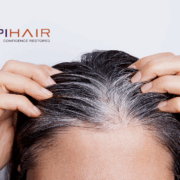
Cause Of Hair Loss In Older Women in Nashville, TN

Expert solutions for natural hair loss in older women available!

Hair loss is a natural part of aging for both men and women. However, the causes and impact of hair loss can differ between the genders. For older women, experiencing hair thinning or loss can be a distressing and emotionally challenging experience. It’s important for women to understand the various factors that can contribute to hair loss as they age, as well as seek appropriate solutions to maintain healthy and vibrant hair.

Factors Contributing to Hair Loss

As women enter their later years, several factors can contribute to the thinning and loss of hair. Understanding these factors can provide clarity and potentially guide individuals toward effective solutions to address their concerns.

Hormonal Changes

One of the leading causes of hair loss in older women is hormonal changes. Fluctuations in hormone levels, particularly during menopause, can result in reduced hair thickness and density. The decrease in estrogen levels can lead to hair becoming finer and more prone to falling out.

Genetic Predisposition

Genetics also play a significant role in hair loss among older women. Family history of hair thinning or balding can increase the likelihood of experiencing similar issues as women age. Understanding the genetic predisposition can help in early intervention and management strategies.

Nutritional Deficiencies

Poor nutrition can have a substantial impact on hair health. As women age, it’s vital to ensure they are getting adequate levels of essential vitamins and minerals to support healthy hair growth. Deficiencies in nutrients such as iron, vitamin D, and biotin can contribute to hair thinning and loss.

Stress and Emotional Well-being

The emotional and psychological toll of aging can also manifest in physical ways, including hair health. Chronic stress and emotional distress can lead to hair loss in older women. Finding effective stress management techniques and promoting emotional well-being can positively impact overall health, including hair growth.

Medical Conditions and Treatments

Certain medical conditions and the treatments for them can also lead to hair loss. Conditions such as thyroid disorders, autoimmune diseases, and certain medications can contribute to hair thinning. It’s important for older women to work closely with healthcare providers to address underlying health issues that may be impacting their hair.

Lifestyle Factors

Lifestyle habits and choices can also influence hair health. Factors such as smoking, excessive sun exposure, and harsh hair treatments can contribute to hair damage and loss. Adopting a healthy lifestyle and minimizing damaging habits can support overall hair wellness.

Effective Strategies for Managing Hair Loss

While the causes of hair loss in older women can be multifaceted, there are various strategies to address and manage these concerns. Seeking professional guidance from a specialized clinic, such as our renowned facility in Nashville, TN, can provide personalized solutions and support for women experiencing hair loss.

Hormone Replacement Therapy

For women experiencing hair loss related to hormonal changes, hormone replacement therapy (HRT) may be a viable option. HRT can help restore hormone levels to mitigate the impact of menopausal hormone imbalances on hair health.

Nutritional Supplementation

Incorporating targeted nutritional supplements, such as biotin, iron, and vitamin D, can support hair growth and combat deficiencies that contribute to hair thinning. Our clinic offers comprehensive nutritional assessments and personalized supplementation recommendations.

Advanced Hair Restoration Treatments

Our clinic specializes in advanced hair restoration treatments tailored to the unique needs of older women. From non-surgical solutions such as laser therapy to innovative hair transplant techniques, we offer cutting-edge options to restore and enhance hair density.

Stress Management and Well-being

Addressing stress and emotional well-being is integral to promoting overall health, including hair growth. Our clinic provides holistic approaches to stress management, including relaxation techniques and counseling support to mitigate the impact of emotional distress on hair health.

Personalized Lifestyle Guidance

Our team of experts offers individualized lifestyle recommendations to promote optimal hair wellness. From advising on gentle hair care practices to encouraging healthy lifestyle habits, we aim to empower women with the knowledge and tools to support vibrant and resilient hair.

The bottomline

Hair loss in older women can stem from a variety of factors, and addressing these concerns requires a multifaceted approach. At our Nashville, TN clinic, we are dedicated to providing tailored solutions and compassionate care for women seeking to combat hair loss and restore confidence in their appearance. nderstanding the underlying causes and exploring effective interventions, women can reclaim healthy and beautiful hair as they age.

Causes Of Loss Of Hair In Senior Women in La Vergne, TN

Regain confidence with effective hair loss solutions for senior women.

Hair loss is a common concern for many senior women, and it can have a significant impact on their self-esteem and overall well-being. Understanding the causes of hair loss is crucial in addressing this issue and providing effective solutions. In this comprehensive guide, we will explore the various factors that contribute to hair loss in senior women, as well as potential treatments and strategies to help manage and prevent further loss.

Hair Loss in Senior Women

As women age, they may experience changes in their hair texture and density. Hair loss in senior women can be attributed to a combination of genetic, hormonal, and environmental factors. Understanding the root causes of this issue is essential in formulating personalized treatment plans and interventions.

Genetic Factors: Genetic predisposition plays a significant role in hair loss for both men and women. Senior women with a family history of thinning hair or pattern baldness are more likely to experience similar issues themselves. Genetic factors can influence the sensitivity of hair follicles to hormones, resulting in gradual hair thinning and loss over time.

Hormonal Imbalances: Fluctuations in hormone levels, particularly during menopause, can contribute to hair loss in senior women. Estrogen and progesterone levels decline as women age, which can disrupt the hair growth cycle and lead to hair thinning. Additionally, the increased production of androgens (male hormones) in post-menopausal women can contribute to hair loss.

Environmental Factors: External factors such as stress, nutritional deficiencies, and certain medications can also impact hair health in senior women. Chronic stress can disrupt the hair growth cycle and lead to excessive shedding, while inadequate intake of essential nutrients like vitamins and minerals can weaken hair follicles. Furthermore, some medications for common age-related conditions may have side effects that contribute to hair loss.

Common Types of Hair Loss in Senior Women

Senior women may experience different types of hair loss, each with its own unique characteristics and underlying causes.

Androgenetic Alopecia: Also known as female pattern hair loss, androgenetic alopecia is the most common type of hair loss in senior women. It is characterized by gradual thinning of the hair, primarily at the crown and the top of the head. This type of hair loss is often hereditary and is influenced by hormone levels.

Telogen Effluvium: Telogen effluvium is a type of temporary hair loss that occurs when a large number of hair follicles enter the resting phase simultaneously, leading to excessive shedding. This can be triggered by stress, illness, surgery, or hormonal changes, and it often resolves on its own once the underlying cause is addressed.

Alopecia Areata: This autoimmune condition causes patchy hair loss on the scalp, resulting in smooth, coin-sized bald spots. While the exact cause of alopecia areata is not fully understood, it is thought to be related to immune system abnormalities. It can occur at any age, including in senior women.

Managing Hair Loss in Senior Women

Addressing hair loss in senior women requires a multifaceted approach that takes into account the specific underlying causes and individual needs of each patient.

Consultation and Diagnosis: Seeking professional guidance from a dermatologist or trichologist is essential in identifying the underlying cause of hair loss and determining the most appropriate course of action. Diagnostic tests, such as blood work and scalp evaluations, may be conducted to gather comprehensive information about the patient’s overall health and scalp condition.

Lifestyle Modifications: Encouraging senior women to adopt a healthy lifestyle that includes stress management, regular exercise, and a balanced diet rich in essential nutrients can support overall hair health. Additionally, avoiding harsh styling practices and minimizing exposure to damaging environmental factors can help preserve remaining hair.

Medical Treatments: Depending on the specific type and cause of hair loss, medical interventions such as topical minoxidil (Rogaine), oral medications, or hormone replacement therapy may be recommended to promote hair regrowth and prevent further loss. In some cases, advanced procedures like platelet-rich plasma (PRP) therapy or low-level laser therapy (LLLT) may be beneficial in stimulating hair follicles.

Cosmetic Solutions: For senior women experiencing noticeable thinning or balding, cosmetic options such as wigs, hairpieces, or hair fibers can provide immediate aesthetic improvement while undergoing targeted treatment. These solutions can help boost confidence and maintain a sense of normalcy during the hair restoration process.

Concluding perspectives

Hair loss is a common and complex issue that affects many senior women. By thoroughly appreciating the various causes and types of hair loss, as well as the available management and treatment options, senior women can be empowered to address this concern and regain confidence in their appearance. With the support of experienced professionals and tailored interventions, senior women can navigate the challenges of hair loss with resilience and optimism.

Autoimmune Diseases That Cause Hair Loss In Women in Nolensville, TN

Hair loss? Possible autoimmune disease. Consult specialist for diagnosis and treatment.

Autoimmune diseases are a group of conditions in which the immune system mistakenly attacks the body’s own cells. This can lead to a range of symptoms and complications, including hair loss. In women, autoimmune diseases that cause hair loss can be distressing and have a profound impact on their self-esteem and well-being. Understanding the underlying conditions and available treatment options is vital for those dealing with hair loss due to autoimmune diseases. In this comprehensive guide, we will explore the various autoimmune diseases that can lead to hair loss in women, their symptoms, and potential treatment approaches. Whether you’re experiencing hair loss or seeking to expand your knowledge, this article aims to provide valuable insights and support.

Autoimmune Diseases Causing Hair Loss

Autoimmune diseases manifest when the immune system fails to differentiate between foreign substances and the body’s own cells, resulting in the immune system attacking normal healthy tissues. Several autoimmune diseases are associated with hair loss in women, including:

Alopecia Areata

Alopecia areata is a common autoimmune condition that causes round patches of hair loss on the scalp and other areas of the body. It occurs when the immune system targets hair follicles, leading to hair loss. The condition can range from mild to severe, with some women experiencing total scalp hair loss (alopecia totalis) or complete body hair loss (alopecia universalis). Understanding the triggers and potential treatment options is crucial for managing alopecia areata effectively.

Lupus

Lupus is a chronic autoimmune disease that can affect multiple organs, including the skin. Hair loss can be a prominent symptom of lupus, often occurring in patches and sometimes leading to thinning of the scalp hair. Women with lupus may also experience other skin-related issues, necessitating a comprehensive approach to treatment and management. Understanding the complex nature of lupus and its impact on hair loss is essential for those navigating this condition.

Hashimoto’s Thyroiditis

Hashimoto’s thyroiditis is an autoimmune condition that affects the thyroid gland, leading to hypothyroidism. Thyroid hormone imbalances can contribute to hair loss in women, with symptoms such as thinning hair, brittle hair, and overall hair loss being common manifestations of the condition. Addressing the underlying thyroid dysfunction is pivotal in managing hair loss associated with Hashimoto’s thyroiditis.

Further Understanding and Support

Apart from the aforementioned autoimmune diseases, several other conditions, such as rheumatoid arthritis, celiac disease, and scleroderma, can also contribute to hair loss in women. Seeking comprehensive medical evaluation and support from healthcare professionals specializing in autoimmune diseases is crucial for accurate diagnosis and personalized treatment plans. Addressing the underlying autoimmune condition is paramount in managing hair loss effectively.

Treatment Approaches for Hair Loss Due to Autoimmune Diseases

The treatment of hair loss in women with autoimmune diseases typically involves a multidisciplinary approach aimed at addressing the underlying autoimmune condition while also targeting hair regrowth and scalp health. Some common treatment approaches include:

Immunosuppressant Therapy

For conditions such as alopecia areata and lupus, immunosuppressant medications may be prescribed to modulate the immune system’s response and reduce the attack on hair follicles. These medications aim to mitigate inflammation and prevent further hair loss.

Hormone Replacement Therapy

In cases of Hashimoto’s thyroiditis and other hormonal imbalances contributing to hair loss, hormone replacement therapy may be recommended to restore hormonal equilibrium and alleviate hair loss symptoms.

Topical Treatments

Topical treatments, such as minoxidil, can be beneficial in promoting hair regrowth and improving scalp health. Additionally, medicated shampoos and scalp treatments may be prescribed to address underlying skin conditions associated with autoimmune diseases.

Lifestyle Modifications

Incorporating a well-balanced diet, stress management techniques, and adequate sleep can support overall health and potentially contribute to mitigating hair loss associated with autoimmune diseases. Consultation with a healthcare provider and a registered dietitian can help tailor lifestyle interventions to individual needs.

Wrapping up

Hair loss due to autoimmune diseases can significantly impact a woman’s emotional well-being and quality of life. nderstanding the underlying autoimmune conditions, recognizing the associated symptoms, and embracing holistic treatment approaches, women can navigate the challenges of hair loss with confidence and resilience. Seeking expert medical guidance and support remains essential in managing hair loss caused by autoimmune diseases, empowering women to maintain a positive sense of self and well-being.

Symptoms Of Fatigue And Hair Loss In Women in Nolensville, TN

Combat fatigue and hair loss with our women’s wellness program.

Fatigue and hair loss are common concerns that women may experience at some point in their lives. These symptoms can be frustrating and may impact not only physical well-being but also emotional health. Understanding the potential connection between fatigue and hair loss is crucial for identifying underlying health issues and seeking appropriate care. In this article, we will explore the symptoms of fatigue and hair loss in women, shedding light on potential causes and treatments. If you are experiencing these symptoms, it may be time to seek professional guidance. This dynamic information aims to bring awareness and encourage action, serving as a valuable resource for women seeking answers and solutions to their health concerns.

Symptoms of Fatigue in Women

Fatigue or excessive tiredness is a common complaint among women. It can manifest in various ways, ranging from general tiredness to debilitating exhaustion. Recognizing the symptoms of fatigue is essential in addressing the underlying causes and seeking effective solutions. Here are some common indicators of fatigue in women:

– Persistent lack of energy

– Difficulty concentrating

– Muscle weakness

– Reduced physical or mental performance

– Feeling sleepy despite getting enough rest

– Irritability and mood swings

– Insomnia

– Chronic headaches

– Unexplained weight loss or gain

– Decreased immune function

These symptoms can significantly impact daily activities and overall quality of life, making it essential to explore the potential triggers of fatigue and develop strategies to combat it effectively.

Symptoms of Hair Loss in Women

Hair loss, or alopecia, can be distressing and may affect women of various ages. Understanding the signs of hair loss can help women identify the issue early and seek appropriate treatment. Here are some common symptoms of hair loss in women:

– Thinning of hair, especially at the crown or along the part line

– Excessive hair shedding, leading to noticeable hair loss in the shower or on hairbrushes

– Receding hairline

– Small bald patches on the scalp

– Changes in hair texture, such as becoming brittle or fragile

– Visible scalp through the hair

While some degree of hair shedding is normal, persistent or excessive hair loss should be evaluated by a healthcare professional to determine the underlying cause and explore suitable interventions.

The Connection

Fatigue and hair loss can often be interconnected and may share common underlying causes. For women experiencing both symptoms simultaneously, it is essential to consider the potential links between the two. Several factors can contribute to both fatigue and hair loss, including:

– Hormonal imbalances: Fluctuations in estrogen and progesterone levels can impact both energy levels and hair health.

– Nutritional deficiencies: Inadequate intake of essential nutrients, such as iron, vitamin D, and protein, can contribute to fatigue and hair loss.

– Thyroid disorders: Conditions such as hypothyroidism or hyperthyroidism can lead to fatigue and hair thinning or loss.

– Stress: Chronic stress can not only cause fatigue but also trigger a type of hair loss called telogen effluvium.

– Autoimmune conditions: Disorders like alopecia areata or lupus can lead to both fatigue and hair loss as the body’s immune system attacks its tissues, including hair follicles.

Appreciating the potential connections between these symptoms can guide women in seeking comprehensive healthcare that addresses their overall well-being.

Seeking Professional Guidance

If you are experiencing persistent fatigue and hair loss, it is crucial to consult a healthcare professional for a thorough evaluation. Seeking the expertise of a healthcare provider can help identify the underlying causes of these symptoms and establish a tailored treatment plan. Diagnostic tests, including blood work and hormonal assessments, may be necessary to pinpoint the root cause of fatigue and hair loss. Based on the findings, healthcare providers can recommend targeted interventions, which may include:

– Dietary modifications to address nutritional deficiencies

– Hormonal therapies to balance hormone levels

– Stress management techniques such as mindfulness meditation or counseling

– Prescription medications or supplements to support hair growth and combat fatigue

– Lifestyle adjustments to promote overall well-being

By consulting with a healthcare provider, women can gain valuable insights into their health and access the support needed to address the symptoms of fatigue and hair loss effectively.

The essence

Fatigue and hair loss can be challenging for women, impacting not only their physical appearance but also their emotional well-being. ecognizing the symptoms and potential connections between these issues, women can take proactive steps to address their health concerns. Seeking professional guidance is essential in determining the underlying causes and developing personalized strategies for managing fatigue and promoting hair health. With the right approach, women can regain vitality and confidence, enhancing their overall quality of life.

How To PreventHair Loss In Women in Nashville, TN

Combat hair loss with our expert tips in Nashville, TN!

Are you concerned about hair loss? You’re not alone. Many women in Nashville, TN, are experiencing hair loss and seeking effective prevention methods. Whether it’s due to genetics, stress, hormonal imbalances, or other factors, hair loss can be distressing. But the good news is that there are steps you can take to prevent and minimize the impact of hair loss. In this comprehensive guide, we’ll explore the best strategies and lifestyle changes for preventing hair loss in women.

Hair Loss in Women

Hair loss in women can be attributed to various factors, including genetics, hormonal imbalances, stress, and environmental influences. Understanding the root cause of hair loss is crucial for implementing an effective prevention plan. Here are some key insights into the common causes of hair loss in women:

Genetics: Family history plays a significant role in determining the likelihood of hair loss in women. If your mother or other female relatives experienced hair thinning or baldness, there’s a higher chance that you may also be predisposed to hair loss.

Hormonal Imbalances: Fluctuations in hormone levels, particularly during pregnancy, childbirth, menopause, or thyroid disorders, can contribute to hair loss in women. Hormonal imbalances can disrupt the natural growth and shedding cycles of hair, resulting in excessive shedding and thinning.

Stress: Chronic stress can have a detrimental effect on overall health, including hair health. High stress levels can lead to a condition called telogen effluvium, where a significant amount of hair shifts into the shedding phase, causing noticeable hair thinning.

Environmental Factors: Exposure to environmental pollutants, harsh chemicals, and certain hair styling practices can damage the hair follicles and contribute to hair loss. Protecting your hair from these external factors is essential for maintaining its health and vitality.

Effective Hair Care Practices

Implementing a holistic hair care routine is crucial for preventing hair loss and promoting healthy hair growth. Here are some key tips for maintaining optimal hair health:

Gentle Hair Styling: Avoid tight ponytails, braids, and other hairstyles that put excessive tension on the hair follicles. Opt for gentle hair accessories and styles that minimize pulling and breakage.

Proper Hair Washing: Use a gentle, sulfate-free shampoo and conditioner to cleanse and nourish your hair. Avoid over-washing, as it can strip the hair of essential oils and lead to dryness and brittleness.

Scalp Care: Keep your scalp clean and healthy by regularly exfoliating and massaging it to stimulate blood circulation and promote hair growth. Consider using scalp serums or treatments with essential nutrients for added nourishment.

Nutritious Diet: Ensure that your diet is rich in essential nutrients, such as protein, iron, vitamins, and omega-3 fatty acids, that support hair health. Incorporate foods like leafy greens, nuts, fish, and eggs for optimal hair nutrition.

Stress Management and Self-Care

Managing stress and prioritizing self-care are integral aspects of preventing hair loss in women. Here are some effective strategies for reducing stress and promoting overall well-being:

Mindfulness Practices: Engage in mindfulness meditation, deep breathing exercises, or yoga to alleviate stress and promote relaxation. These practices can help balance hormone levels and reduce the impact of stress on hair health.

Physical Activity: Regular exercise not only improves overall health but also enhances blood circulation to the scalp, promoting hair growth. Incorporate a mix of cardiovascular and strength-training exercises into your routine for optimal benefits.

Relaxation Techniques: Explore various relaxation techniques, such as aromatherapy, hot baths, or soothing music, to create a calming environment and reduce stress levels. Prioritize activities that bring joy and relaxation into your daily life.

Professional Consultation and Treatment Options

If you’re experiencing persistent or severe hair loss, seeking professional consultation from a reputable clinic in Nashville, TN, is crucial. Trained specialists can assess your specific needs and recommend personalized treatment options, including:

Scalp Analysis: Advanced scalp analysis techniques can provide valuable insights into the underlying causes of hair loss and guide personalized treatment plans.

Medical Treatments: Medical interventions, such as prescription medications, PRP therapy, or laser treatments, can effectively target the root causes of hair loss and promote regrowth.

Nutritional Guidance: Experienced professionals can offer tailored nutritional guidance and supplement recommendations to address any deficiencies contributing to hair loss.

Concluding concepts

Preventing hair loss in women requires a comprehensive approach that encompasses proper hair care, stress management, and professional guidance. nderstanding the underlying causes of hair loss and implementing proactive measures, women in Nashville, TN, can maintain healthy and vibrant hair. Take proactive steps to protect your hair and seek professional support when needed to embark on a journey towards optimal hair health.

How To Prevent Hair Loss In Women in Franklin, TN

Stop worrying about hair loss! Discover effective solutions for women.

Are you worried about hair loss? Whether you’re experiencing thinning hair, shedding, or bald patches, the thought of losing your locks can be distressing. Hair loss in women is more common than you might think and can be caused by a variety of factors, including genetics, hormonal changes, stress, and certain medical conditions. Fortunately, there are proactive steps you can take to prevent and manage hair loss, and our clinic in Franklin, TN is here to help. In this comprehensive guide, we’ll explore the top strategies for maintaining healthy hair and preventing hair loss in women. From lifestyle changes to targeted treatments, we’ll cover everything you need to know to support optimal hair health.

Hair Loss in Women

Hair loss in women can be a complex and multifaceted issue, with a range of potential causes. Understanding the root of the problem is the first step in effectively addressing and preventing hair loss. Some common factors that contribute to hair loss in women include:

Hormonal Imbalance: Fluctuations in hormone levels, particularly during pregnancy, childbirth, menopause, or conditions such as polycystic ovary syndrome (PCOS), can lead to hair thinning and loss.

Genetics: Female pattern hair loss, or androgenetic alopecia, is a hereditary condition that can result in progressive hair thinning over time.

Stress and Anxiety: Physical or emotional stress can trigger temporary hair loss, known as telogen effluvium, due to the disruption of the hair growth cycle.

Nutritional Deficiencies: Inadequate intake of essential nutrients, such as iron, protein, and certain vitamins, can impact hair health and contribute to hair loss.

Medical Conditions: Underlying medical conditions like thyroid disorders, autoimmune diseases, and scalp conditions can manifest as hair loss in women.

Environmental Factors: Exposure to harsh chemicals, excessive heat styling, or tight hairstyles can damage the hair and lead to breakage and thinning.

ddressing these underlying factors, you can take proactive steps to prevent and mitigate hair loss, promoting healthy, vibrant hair.

Building a Hair-Healthy Lifestyle

Maintaining a hair-healthy lifestyle is essential for preventing hair loss and promoting optimal hair growth. Here are some key lifestyle strategies to support the health of your hair:

Nutrient-Rich Diet: Ensure your diet includes ample sources of essential nutrients for hair health, such as lean proteins, iron-rich foods, vitamin-rich fruits and vegetables, and healthy fats.

Stress Management: Practice stress-reducing activities like yoga, meditation, deep breathing exercises, or engaging in hobbies to mitigate the impact of stress on hair health.

Gentle Hair Care: Avoid harsh treatments, excessive heat styling, and tight hairstyles that can damage the hair shaft and contribute to breakage and thinning.

Scalp Care: Maintain a clean and healthy scalp by using gentle, nourishing shampoos and conditioners and incorporating scalp massages to promote circulation and stimulate hair growth.

Regular Exercise: Engage in regular physical activity to support overall health and promote circulation, which can benefit hair follicles and encourage healthy growth.

Effective Treatments and Interventions

In addition to lifestyle modifications, there are various targeted treatments and interventions that can help prevent hair loss and support healthy hair growth in women. Some effective strategies include:

Topical Treatments: Minoxidil, an FDA-approved topical solution, can help stimulate hair growth and prevent further hair loss when applied directly to the scalp.

Nutritional Supplements: Certain supplements, such as biotin, vitamin D, and marine collagen, can support hair health and promote strong, resilient hair.

Prescription Medications: In some cases, prescription medications like spironolactone or oral contraceptives may be recommended to address hormonal imbalances that contribute to hair loss.

Low-Level Laser Therapy: This non-invasive treatment can stimulate hair follicles and promote hair growth, offering a targeted approach to addressing hair loss.

Platelet-Rich Plasma (PRP) Therapy: PRP therapy involves using a patient’s own blood components to stimulate hair follicles, promoting hair growth and thickness.

In-office Treatments: Our clinic offers advanced treatments, such as microneedling with growth factors, scalp injections, and hair restoration procedures, for comprehensive and personalized solutions.

By combining lifestyle adjustments with targeted treatments, women can take proactive steps to address hair loss and achieve healthy, vibrant hair.

Schedule Appointment

Hair loss in women can be a distressing experience, but it’s important to know that effective strategies are available to prevent and manage it. nderstanding the underlying causes, adopting a hair-healthy lifestyle, and exploring targeted treatments, women can take proactive steps to maintain healthy, resilient hair. If you’re concerned about hair loss, our clinic in Franklin, TN is dedicated to providing personalized solutions and support to help you achieve optimal hair health. Don’t let hair loss hold you back – take proactive steps today to promote the vibrant, healthy hair you deserve.

Nymag Best Plastic Surgeons ForHair Loss In Women in Franklin, TN

Restore your confidence with expert care for women’s hair loss.

Hair loss in women can be a distressing and emotionally challenging experience. Whether it’s due to genetics, hormonal changes, or other underlying factors, losing hair can significantly impact a woman’s self-esteem. Fortunately, advancements in plastic surgery have made it possible to address hair loss effectively, offering women the opportunity to restore their confidence and feel their best. If you’re considering plastic surgery for hair loss, it’s crucial to seek out a reputable and skilled plastic surgeon who specializes in addressing the unique needs of women. At our clinic in Franklin, TN, we understand the sensitive nature of hair loss and are committed to providing tailored solutions to help you achieve the results you desire.

Choosing the Right Plastic Surgeon

When it comes to addressing hair loss in women, the expertise and experience of the plastic surgeon are paramount. Choosing a surgeon who specializes in hair restoration for women ensures that you’ll receive personalized care that takes into account the specific causes and patterns of female hair loss. The most effective plastic surgeons for hair loss in women are those who have a deep knowing of the complex factors that contribute to female hair loss, including hormonal influences, genetic predispositions, and the overall aesthetic goals of their patients. By selecting a plastic surgeon with a proven track record in women’s hair restoration, you can feel confident that you’re receiving the highest standard of care.

The Nymag Best Plastic Surgeons for Hair Loss in Women

Nymag is a reputable source for identifying top professionals across a range of specialties, including plastic surgery. Their list of best plastic surgeons for hair loss in women serves as a valuable resource for individuals seeking expert care tailored to their specific needs. The surgeons featured in this list have been recognized for their exceptional skills and successful outcomes in addressing hair loss in women. By choosing a plastic surgeon from the Nymag list, you can be assured that you’re entrusting your care to a highly regarded and accomplished professional.

Key Considerations for Choosing a Plastic Surgeon

When evaluating potential plastic surgeons for hair loss in women, there are several key considerations to keep in mind. These factors can help you make an informed decision and ultimately select the right surgeon for your needs:

– Specialization in Women’s Hair Restoration: Look for plastic surgeons who specialize in addressing hair loss specifically in women. Their specialized expertise enables them to tailor their approach to the unique needs and goals of female patients.

– Experience and Track Record: Research the surgeon’s experience and track record in performing hair restoration procedures for women. Review before-and-after photos of previous patients to assess the quality of their work and the outcomes they have achieved.

– Comprehensive Consultation: Choose a surgeon who prioritizes a thorough and comprehensive consultation process. This should involve a detailed assessment of your specific hair loss concerns, a discussion of treatment options, and a personalized treatment plan tailored to your individual needs.

– Patient-Centered Approach: Seek out a plastic surgeon who prioritizes a patient-centered approach, focusing on open communication, empathy, and understanding. A supportive and compassionate environment can make a significant difference in your overall experience and satisfaction with the results.

Our Commitment to Women’s Hair Restoration

At our clinic in Franklin, TN, we are dedicated to helping women regain their confidence and restore their hair through advanced plastic surgery techniques. Our team of skilled plastic surgeons specializes in addressing hair loss in women, providing personalized care that addresses the unique factors contributing to female hair loss. We understand the emotional impact of hair loss and are committed to delivering exceptional results that enhance your natural beauty and well-being.

With a focus on precision and artistry, we tailor our approach to each individual, taking into account their specific concerns and goals. Whether you’re considering hair transplant surgery, PRP therapy, or other innovative techniques, we offer comprehensive consultations to develop a customized treatment plan that aligns with your needs and preferences. By choosing our clinic for your women’s hair restoration needs, you can trust that you’re in the hands of experienced professionals who are dedicated to helping you look and feel your best.

Schedule AppointmentRestoring your hair and regaining your confidence is within reach with the expertise of a skilled plastic surgeon. By selecting a specialist who understands the unique complexities of female hair loss, you can embark on a transformative journey toward achieving the lush, full hair you desire. At our clinic in Franklin, TN, we are committed to providing exceptional care that is tailored to the unique needs of women, offering advanced solutions for hair restoration. Take the first step toward enhancing your confidence and embracing a revitalized appearance by choosing a trusted plastic surgeon who prioritizes the well-being and satisfaction of their female patients.

Is It Common For Women In Their 70S To Experience Hair Loss? in La Vergne, TN

Restore confidence in your hair. Effective treatments for women available.

Hair loss is a common concern for both men and women, and it can be especially distressing for women in their 70s. Understanding the causes and potential treatment options for hair loss is crucial for addressing this issue. In this comprehensive guide, we will explore the common reasons for hair loss in women in their 70s, as well as effective strategies to manage and potentially reverse this condition. Whether you are experiencing hair loss yourself or seeking information to support a loved one, this article aims to provide valuable insights and guidance.

Hair Loss in Women

Hair loss in women, especially as they age, is a prevalent and often distressing issue. While it is widely recognized that men can experience hair loss as they age, the impact of hair loss on women, particularly those in their 70s, is often overlooked. It is essential to acknowledge that hair loss can have a significant emotional and psychological impact on women, affecting their self-esteem and overall well-being.

Hair loss in women can manifest in various forms, including overall thinning, receding hairline, and even bald patches. Understanding the underlying causes of hair loss is crucial in developing effective treatment strategies. Contrary to common misconceptions, hair loss in women is not always solely attributed to aging. Several factors can contribute to hair loss in women in their 70s, including hormonal changes, genetic predisposition, medical conditions, and lifestyle factors.

Common Causes of Hair Loss in Women in Their 70s

1. Hormonal Changes: As women age, hormonal fluctuations, particularly a decrease in estrogen and progesterone levels, can contribute to hair loss. Additionally, the onset of menopause can trigger changes in hair thickness and growth patterns.

2. Genetics: A family history of hair loss, or female pattern baldness, can significantly influence the likelihood of experiencing hair loss in women. Genetic predisposition plays a vital role in determining the susceptibility to hair thinning and shedding.

3. Medical Conditions: Certain medical conditions, such as thyroid disorders, autoimmune diseases, and nutritional deficiencies, can contribute to hair loss in women. It is essential to address any underlying medical issues that may be impacting hair health.

4. Lifestyle Factors: Factors such as high stress levels, poor nutrition, and inadequate hair care practices can contribute to hair loss in women. Adopting a healthy lifestyle and utilizing proper hair care techniques can help mitigate these factors.

Effective Treatment Options for Hair Loss

Addressing hair loss in women requires a multifaceted approach, considering the diverse underlying causes and individual circumstances. Treatment options can range from lifestyle modifications to medical interventions, tailored to each person’s specific needs and health status.

1. Topical Treatments: Over-the-counter or prescription topical solutions, such as minoxidil, can help promote hair growth and prevent further thinning. These treatments are applied directly to the scalp and can be effective in stimulating hair follicles.

2. Hormone Therapy: For women experiencing hair loss due to hormonal imbalances, hormone replacement therapy may be recommended to restore hormonal levels and reduce the impact on hair health.

3. Nutritional Supplements: Adequate intake of essential vitamins and minerals, such as biotin, iron, and vitamin D, is crucial for maintaining healthy hair. Supplementing with targeted nutritional support can aid in addressing underlying deficiencies contributing to hair loss.

4. Platelet-Rich Plasma (PRP) Therapy: PRP therapy involves injecting concentrated platelets from the patient’s blood into the scalp, stimulating hair growth and improving hair density. This regenerative treatment has shown promising results in addressing hair loss in women.

5. Lifestyle Modifications: Adopting stress-reducing practices, maintaining a balanced diet, and prioritizing scalp and hair care can contribute to overall hair health and potentially mitigate hair loss.

Final notions

Hair loss in women in their 70s is a multifaceted issue influenced by hormonal, genetic, medical, and lifestyle factors. Understanding the common causes of hair loss and exploring effective treatment options is crucial for addressing this concern and supporting overall well-being. By taking a proactive approach to hair health, women can potentially mitigate hair loss and maintain healthy, vibrant hair as they age.

Whether you are personally navigating hair loss or seeking guidance for a loved one, it is essential to consult with healthcare professionals, such as dermatologists and trichologists, to develop a tailored approach to managing hair loss. ddressing the root causes and exploring targeted treatment options, women can pursue strategies to promote hair growth and restore confidence in their appearance.

In La Vergne, TN, our clinic stands ready to provide comprehensive support and guidance for women experiencing hair loss. With a dedicated team of experts specializing in hair and scalp health, we offer personalized consultations and advanced treatment options to address a wide range of hair concerns. Contact us today to embark on a journey toward healthier, fuller hair and renewed confidence.

How To Know Whether My Hair Loss Is Immune Related Women in Nashville, TN

Expert help for immune-related hair loss in women. Call now!

Are you noticing an increase in hair shedding? Do you find more hairs in the shower drain or in your hairbrush? Hair loss can be a distressing experience, especially for women. While it’s common to lose some hair every day, excessive hair loss could be a cause for concern. In some cases, hair loss in women could be related to immune system disorders. Understanding the potential immune-related causes of hair loss is crucial for seeking appropriate treatment. In this comprehensive guide, we will explore the signs, symptoms, and diagnostic criteria for immune-related hair loss in women, empowering you to make informed decisions about your hair health. Whether you are a competitive bodybuilder, a fitness enthusiast, or someone who is passionate about health and wellness, this information will help you understand and address this often overlooked issue.

Identifying Immune-Related Hair Loss

Hair loss can occur for various reasons, and immune-related causes are particularly significant in some cases. The immune system plays a critical role in protecting the body from illnesses and infections. However, when the immune system becomes overactive or mistakenly attacks healthy cells, it can lead to autoimmune diseases, which may manifest in hair loss. Here are some indicators that your hair loss may be immune-related:

– Sudden or rapid hair loss: If you notice a significant increase in the amount of hair you are losing, especially if it occurs rapidly or in diffuse patterns, it could be a sign of immune-related hair loss.

– Patchy hair loss: The development of bald patches or areas of hair thinning that appear suddenly and without an obvious cause may be indicative of an autoimmune condition affecting the hair follicles.

– Changes in skin and nails: Some immune-related hair loss conditions are accompanied by changes in the skin, such as the development of a rash or discoloration, or abnormal nail growth.

It’s essential to recognize that these signs can indicate various underlying health issues, and a comprehensive evaluation by a qualified healthcare professional is necessary to determine the precise cause of hair loss.

Immune-Related Hair Loss Conditions

Several autoimmune disorders can contribute to hair loss in women. One of the most well-known is alopecia areata, which is characterized by sudden hair loss in circular or oval patches. Alopecia areata occurs when the immune system targets hair follicles, leading to hair loss. Another condition, known as lupus, is a systemic autoimmune disease that can cause hair loss as one of its many symptoms. Additionally, conditions like thyroid diseases, such as Hashimoto’s thyroiditis, can also lead to immune-related hair loss.

Recognizing the specific symptoms and patterns associated with these conditions can aid in prompt diagnosis and treatment. Seeking medical advice and undergoing proper diagnostic tests are critical steps in identifying and addressing immune-related hair loss.

Diagnostic Evaluation

When experiencing hair loss, seeking a thorough evaluation by a healthcare professional is essential. The diagnostic process may involve a detailed medical history, physical examination, and specific laboratory tests to identify any underlying autoimmune conditions contributing to hair loss. Comprehensive blood work, including thyroid function tests and autoimmune markers, may be necessary to assess the potential involvement of the immune system in hair loss. Additionally, a scalp examination and, in some cases, a skin biopsy may be performed to aid in diagnosis.

It’s important to consult with a healthcare provider who specializes in diagnosing and treating hair loss in women, as they can offer personalized recommendations based on your specific needs and medical history.

Treatment Approach

Recognizing the immune-related nature of hair loss is pivotal in developing an effective treatment plan. In cases where autoimmune conditions are causing hair loss, the treatment approach aims to modulate the immune response and alleviate the symptoms of the underlying disorder. Treatment strategies may include:

– Topical or oral medications to suppress the immune system’s attack on hair follicles.

– Intervention to address the specific autoimmune condition contributing to hair loss, such as targeted therapies for conditions like lupus or Hashimoto’s thyroiditis.

– Hair restoration procedures to address visible hair loss and support regrowth.

Each treatment plan should be tailored to the individual’s unique medical history and the specific autoimmune condition involved.

Last ideas

Recognizing the potential immune-related causes of hair loss in women is crucial for timely intervention and effective management. By being aware of the signs and symptoms associated with immune-related hair loss and seeking a thorough diagnostic evaluation, individuals can take proactive steps to address this issue. At our clinic in Nashville, TN, we specialize in evaluating and addressing hair loss in women, offering personalized treatment plans to support optimal hair health. If you are experiencing hair loss and suspect it may be immune-related, we encourage you to seek professional care to understand the underlying cause and explore appropriate treatment options.

Nymag Best Plastic Surgeons ForHair Loss In Women in Brentwood, TN

Regain confidence with top female hair loss specialists. Book now!

Losing hair can be a distressing experience, especially for women. Whether it’s due to genetics, hormonal changes, or other factors, hair loss can have a significant impact on a woman’s self-esteem and confidence. Fortunately, with advancements in cosmetic surgery, there are options available to help women address hair loss and restore their hair to its full glory. If you’re considering plastic surgery for hair loss, it’s important to seek out the best plastic surgeons who specialize in this area to ensure the best possible outcome. In this guide, we’ll explore the top plastic surgeons for hair loss in women as recommended by New York Magazine (NYMag) and how you can take the first step toward regaining your confidence.

Finding the Right Plastic Surgeon for Hair Loss in Women

When it comes to addressing hair loss through plastic surgery, choosing the right surgeon is crucial. The best plastic surgeons have a wealth of experience, specialized expertise, and a track record of successful outcomes specifically related to hair restoration in women. Here are some key considerations to keep in mind when searching for the best plastic surgeons for hair loss:

– Specialization in Hair Restoration: Look for plastic surgeons who have a specific focus on hair loss treatments for women. Their specialization in this area indicates a deep recognizing of the unique factors that contribute to female hair loss and the most effective techniques for restoration.

– Proven Track Record: Research the surgeon’s before-and-after portfolio to assess the quality of their work. Look for real patient testimonials and reviews that speak to the surgeon’s expertise in addressing hair loss in women.

– Cutting-Edge Techniques: The best plastic surgeons stay abreast of the latest advancements in hair restoration techniques. Seek out surgeons who utilize innovative methods and state-of-the-art technology to deliver superior results.

– Personalized Consultation: A reputable plastic surgeon will offer a personalized consultation to discuss your specific concerns, assess your individual needs, and provide a customized treatment plan tailored to your unique hair restoration goals.

Choosing NYMag’s Recommended Plastic Surgeons

New York Magazine (NYMag) is known for its comprehensive and well-researched recommendations in various domains, including healthcare. When it comes to identifying the best plastic surgeons for hair loss in women, NYMag has curated a list of top professionals who are renowned for their expertise in this specialized area. Here are some of the plastic surgeons featured on NYMag’s list:

– Dr. Samantha Andrews: With over 20 years of experience in plastic surgery, Dr. Andrews is recognized for her exceptional skills in hair restoration for women. Her compassionate approach and dedication to achieving natural-looking results make her a preferred choice for many individuals seeking hair loss solutions.

– Dr. Michael Collins: As a board-certified plastic surgeon, Dr. Collins has garnered a stellar reputation for his expertise in female hair loss treatments. His emphasis on personalized care and attention to detail has earned him recognition as one of the leading practitioners in the field.

– Dr. Jasmine Reed: Known for her innovative techniques and commitment to patient satisfaction, Dr. Reed is celebrated for her transformative work in hair restoration for women. Her comprehensive approach and focus on individualized treatment plans have made her a trusted name in the industry.

Exploring Hair Restoration Options

Hair restoration for women encompasses a range of advanced techniques designed to address different types of hair loss. The best plastic surgeons for hair loss understand the diverse needs of their patients and offer a variety of options to achieve optimal results. Some of the most popular hair restoration treatments for women include:

– Hair Transplantation: This procedure involves extracting hair follicles from the back or sides of the scalp and transplanting them to the areas experiencing hair loss. Advanced hair transplantation methods ensure natural-looking results and minimal scarring.

– Platelet-Rich Plasma (PRP) Therapy: PRP therapy utilizes the patient’s own blood plasma rich in growth factors to stimulate hair follicle regeneration and promote hair growth. It’s a non-invasive, natural approach to hair restoration that is especially beneficial for women experiencing early-stage hair thinning.

– Low-Level Laser Therapy (LLLT): LLLT is a safe and effective technique that uses low-level lasers to stimulate hair follicles, improve hair density, and encourage new hair growth. It’s a non-surgical option that is well-suited for women seeking gradual, long-term improvements in their hair quality.

Wrapping up

Hair loss in women can be a challenging experience, but with the expertise of the best plastic surgeons for hair restoration, it’s possible to regain a full, vibrant head of hair. By choosing a surgeon who specializes in addressing female hair loss and offers innovative treatment options, you can take proactive steps toward enhancing your confidence and overall well-being.

Remember to schedule a consultation with a trusted plastic surgeon to discuss your specific concerns and explore the personalized hair restoration solutions available to you. With the guidance of top professionals recommended by NYMag, you can embark on a transformative journey to reclaiming your beautiful, healthy hair.