Tag Archive for: Hair Loss in Women

Best Treatment For Hair Loss In Women in Nolensville, TN

Treat Hair Loss with Best Solutions for Women. Call Now!

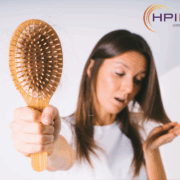
Hair loss can be a distressing experience for anyone, but it can be particularly challenging for women. Whether it’s due to genetics, hormonal changes, stress, or other factors, hair loss in women can impact self-esteem and overall well-being. If you’re in Nolensville, TN, and are seeking effective treatments for hair loss, you’re in the right place. We are here to provide you with valuable insights and practical solutions to address this common concern.

Hair Loss in Women

Hair loss in women is a complex issue and can be caused by a wide range of factors. From genetic predisposition to hormonal imbalances, appreciating the root cause is essential for finding the most effective treatment. Here are some common reasons for hair loss in women:

Hormonal Changes: Fluctuations in hormones, particularly during pregnancy, childbirth, menopause, or conditions such as polycystic ovarian syndrome (PCOS), can contribute to hair loss.

Genetic Predisposition: Female pattern hair loss, also known as androgenetic alopecia, is hereditary and can lead to thinning hair and baldness in women.

Stress: Physical or emotional stress can disrupt the hair growth cycle, leading to temporary hair loss known as telogen effluvium.

Medical Conditions: Certain medical conditions such as thyroid disorders, autoimmune diseases, and scalp infections can contribute to hair loss in women.

Best Treatments for Hair Loss in Women

Finding the best treatment for hair loss in women involves addressing the specific cause and tailoring the approach to individual needs. Here are some effective treatments to consider:

Topical Minoxidil: FDA-approved minoxidil formulations, such as 2% or 5% topical solutions, can help stimulate hair growth and slow down further hair loss.

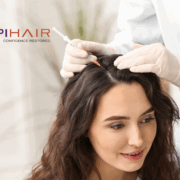
Platelet-Rich Plasma (PRP) Therapy: This innovative treatment involves injecting the patient’s own platelet-rich plasma into the scalp to promote hair growth and improve hair density.

Nutritional Supplements: Certain vitamins and minerals, such as biotin, iron, and vitamin D, play a crucial role in hair health. Supplementing with these nutrients can support hair growth and minimize hair loss.

Hormone Therapy: For women experiencing hormonal imbalances contributing to hair loss, hormone therapy under medical supervision can be beneficial in restoring hormonal equilibrium.

Low-Level Laser Therapy (LLLT): Non-invasive laser devices designed to stimulate hair follicles can be used to promote hair growth and improve hair thickness.

Consultation and Personalized Treatment

When it comes to addressing hair loss in women, personalized care and attention to individual needs are paramount. At our clinic in Nolensville, TN, we offer comprehensive consultations to assess the underlying causes of hair loss and develop personalized treatment plans for each patient. Our experienced team understands the unique challenges women face with hair loss and is dedicated to providing effective solutions tailored to individual circumstances.

With a focus on evidence-based treatments and a commitment to patient satisfaction, our clinic is dedicated to helping women regain confidence and achieve optimal hair health. If you’re ready to take the first step towards addressing your hair loss concerns, we’re here to support and guide you on your journey to healthier, fuller hair.

Final considerations

Hair loss in women can have a significant impact on emotional well-being and self-confidence. However, with the right approach and personalized care, effective treatments can help women address and manage hair loss successfully. If you’re in Nolensville, TN, and are seeking expert guidance and effective solutions for hair loss, our clinic is here to provide you with the support and care you need. Take the first step towards healthier, fuller hair and schedule a consultation with our experienced team today.
Best Treatment For Hair Loss In Women in Nolensville, TN

Treat Hair Loss with Best Solutions for Women. Call Now!

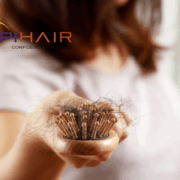
Hair loss can be a distressing experience for anyone, but it can be particularly challenging for women. Whether it’s due to genetics, hormonal changes, stress, or other factors, hair loss in women can impact self-esteem and overall well-being. If you’re in Nolensville, TN, and are seeking effective treatments for hair loss, you’re in the right place. We are here to provide you with valuable insights and practical solutions to address this common concern.

Hair Loss in Women

Hair loss in women is a complex issue and can be caused by a wide range of factors. From genetic predisposition to hormonal imbalances, appreciating the root cause is essential for finding the most effective treatment. Here are some common reasons for hair loss in women:

Hormonal Changes: Fluctuations in hormones, particularly during pregnancy, childbirth, menopause, or conditions such as polycystic ovarian syndrome (PCOS), can contribute to hair loss.

Genetic Predisposition: Female pattern hair loss, also known as androgenetic alopecia, is hereditary and can lead to thinning hair and baldness in women.

Stress: Physical or emotional stress can disrupt the hair growth cycle, leading to temporary hair loss known as telogen effluvium.

Medical Conditions: Certain medical conditions such as thyroid disorders, autoimmune diseases, and scalp infections can contribute to hair loss in women.

Best Treatments for Hair Loss in Women

Finding the best treatment for hair loss in women involves addressing the specific cause and tailoring the approach to individual needs. Here are some effective treatments to consider:

Topical Minoxidil: FDA-approved minoxidil formulations, such as 2% or 5% topical solutions, can help stimulate hair growth and slow down further hair loss.

Platelet-Rich Plasma (PRP) Therapy: This innovative treatment involves injecting the patient’s own platelet-rich plasma into the scalp to promote hair growth and improve hair density.

Nutritional Supplements: Certain vitamins and minerals, such as biotin, iron, and vitamin D, play a crucial role in hair health. Supplementing with these nutrients can support hair growth and minimize hair loss.

Hormone Therapy: For women experiencing hormonal imbalances contributing to hair loss, hormone therapy under medical supervision can be beneficial in restoring hormonal equilibrium.

Low-Level Laser Therapy (LLLT): Non-invasive laser devices designed to stimulate hair follicles can be used to promote hair growth and improve hair thickness.

Consultation and Personalized Treatment

When it comes to addressing hair loss in women, personalized care and attention to individual needs are paramount. At our clinic in Nolensville, TN, we offer comprehensive consultations to assess the underlying causes of hair loss and develop personalized treatment plans for each patient. Our experienced team understands the unique challenges women face with hair loss and is dedicated to providing effective solutions tailored to individual circumstances.

With a focus on evidence-based treatments and a commitment to patient satisfaction, our clinic is dedicated to helping women regain confidence and achieve optimal hair health. If you’re ready to take the first step towards addressing your hair loss concerns, we’re here to support and guide you on your journey to healthier, fuller hair.

Final considerations

Hair loss in women can have a significant impact on emotional well-being and self-confidence. However, with the right approach and personalized care, effective treatments can help women address and manage hair loss successfully. If you’re in Nolensville, TN, and are seeking expert guidance and effective solutions for hair loss, our clinic is here to provide you with the support and care you need. Take the first step towards healthier, fuller hair and schedule a consultation with our experienced team today.
Normal Hair Loss For Women in Franklin, TN

Expert solutions for female hair loss. Book consultation now!

Hair loss, or alopecia, is a common concern for many women. While it is often associated with aging, it can occur at any stage of life for a variety of reasons. Understanding the normal patterns of hair loss in women is important for distinguishing between regular shedding and potential underlying issues. In this comprehensive guide, we will explore the typical causes of hair loss in women, how to identify normal patterns, and when to seek professional advice. Whether you are experiencing hair loss or simply want to learn more about this topic, this information will serve as a valuable resource.

Normal Hair Loss

Hair growth is a continuous cycle that consists of three phases: anagen, catagen, and telogen. In the anagen phase, hair actively grows for an average of 3-5 years before entering the catagen phase, a transitional period that lasts for about 10 days. Finally, the hair enters the telogen phase, where it rests for approximately 3 months before shedding and starting the cycle anew.

During the telogen phase, it is normal to lose 50 to 100 hairs per day as part of the body’s natural renewal process. Factors such as stress, hormonal changes, diet, and aging can influence the hair growth cycle, potentially leading to increased shedding. Understanding this regular pattern can provide reassurance and help differentiate expected hair loss from more severe issues that require attention.

Common Causes of Hair Loss

Several common factors can contribute to hair loss in women:

1. Genetics: Family history can play a significant role in hair loss patterns. Female pattern hair loss, characterized by thinning on the top and crown of the scalp, is a hereditary condition that affects many women.

2. Hormonal Changes: Fluctuations in hormone levels, such as those experienced during pregnancy, childbirth, or menopause, can impact hair growth cycles and lead to temporary shedding.

3. Stress and Anxiety: Emotional or physical stress can trigger a condition known as telogen effluvium, where a larger number of hairs than usual enter the telogen phase and subsequently shed.

4. Medical Conditions: Certain illnesses, autoimmune disorders, and thyroid imbalances can contribute to hair loss in women.

5. Diet and Nutrition: Inadequate intake of essential nutrients, particularly protein, iron, and vitamins, may affect the health of the hair and lead to increased shedding.

ecognizing these common causes, women can gain insight into their individual circumstances and take appropriate steps to address any underlying issues contributing to their hair loss.

When to Seek Professional Advice

While occasional shedding is a natural part of the hair growth cycle, persistent or excessive hair loss may warrant professional evaluation. It is essential to consult a healthcare provider or a qualified specialist if any of the following apply:

– Sudden or dramatic hair loss

– Hair loss that is accompanied by itching, burning, or pain

– Noticeable thinning in specific areas of the scalp

– Hair loss following childbirth or significant hormonal changes

– Hair loss that disrupts daily activities or causes distress

Seeking timely medical advice can help identify any underlying conditions and facilitate appropriate intervention to address hair loss effectively.

Key point

Recognizing the normal patterns of hair loss in women is crucial for distinguishing between expected shedding and potential indications of underlying health concerns. By becoming familiar with the common causes and recognizing when to seek professional guidance, women can proactively manage their hair health and overall well-being. Remember, while hair loss can be a source of concern, there are various treatment options available to address specific conditions and promote healthy hair growth. By staying informed and seeking support when needed, women can navigate the complexities of hair loss with confidence and empowerment.

Main Cause Of Hair Loss In Women Over 60 in Brentwood, TN

Combat hair loss in older women with effective treatment options.

Hair loss is a natural part of aging for both men and women. However, women over 60 often experience hair thinning or loss due to various factors. Understanding the main causes of hair loss in women over 60 is essential for identifying appropriate treatment options. In this comprehensive guide, we’ll explore the primary reasons for hair loss in women over 60, along with potential solutions to alleviate this common concern.

Hormonal Changes and Imbalance

Hormonal changes play a significant role in hair loss among women over the age of 60. The decrease in estrogen levels during menopause can lead to thinning hair or hair loss. Additionally, imbalances in thyroid hormones, particularly hypothyroidism, can contribute to hair thinning and shedding. Understanding these hormonal shifts is crucial in addressing and managing hair loss in older women.

Age-Related Factors

As women age, the hair growth cycle tends to slow down, leading to reduced hair density and quality. The aging process affects the hair follicles, making them more susceptible to damage and subsequent hair loss. Moreover, the production of natural oils in the scalp decreases with age, causing dryness and weakening of the hair strands. Recognizing the impact of age-related changes is vital in developing tailored approaches to address hair loss in this demographic.

Medical Conditions and Medications

Several medical conditions commonly prevalent in older women, such as alopecia areata, autoimmune diseases, and certain skin conditions, can contribute to hair thinning and loss. Moreover, the long-term use of specific medications, including those for blood pressure, cholesterol, and arthritis, may have hair-thinning side effects. Understanding the relationship between medical conditions, medications, and hair loss is critical in determining appropriate treatment paths.

Nutritional Deficiencies

Poor nutrition can exacerbate hair loss in women over 60. Deficiencies in essential nutrients such as iron, vitamin D, and B vitamins can impact the health of hair follicles, leading to increased shedding and reduced hair density. Additionally, inadequate protein intake can compromise the strength and resilience of the hair. Identifying and addressing these nutritional deficiencies is crucial in promoting healthier hair growth in older women.

Stress and Lifestyle Factors

Chronic stress and unhealthy lifestyle habits can also contribute to hair loss in women over 60. High stress levels can trigger a condition called telogen effluvium, causing excess hair shedding. Additionally, smoking, excessive alcohol consumption, and poor sleep patterns can negatively impact overall hair health. Recognizing the influence of stress and lifestyle factors is essential in devising holistic strategies to manage hair loss in older women.

Genetic Predisposition

Genetic predisposition to hair loss, commonly known as female pattern baldness, can become more pronounced in women over the age of 60. This hereditary condition can lead to progressive thinning of the hair, particularly at the crown and frontal areas. Understanding the role of genetics in hair loss is crucial in providing tailored treatment options for affected individuals.

Schedule Appointment

Hair loss in women over 60 can result from a combination of hormonal changes, age-related factors, medical conditions, nutritional deficiencies, stress, lifestyle choices, and genetic predisposition. ddressing these underlying causes and considering appropriate treatment modalities, women can effectively manage and potentially reverse hair loss, restoring confidence and promoting overall well-being.

Normal Hair Loss For Women in Franklin, TN

Expert solutions for female hair loss. Book consultation now!

Hair loss, or alopecia, is a common concern for many women. While it is often associated with aging, it can occur at any stage of life for a variety of reasons. Understanding the normal patterns of hair loss in women is important for distinguishing between regular shedding and potential underlying issues. In this comprehensive guide, we will explore the typical causes of hair loss in women, how to identify normal patterns, and when to seek professional advice. Whether you are experiencing hair loss or simply want to learn more about this topic, this information will serve as a valuable resource.

Normal Hair Loss

Hair growth is a continuous cycle that consists of three phases: anagen, catagen, and telogen. In the anagen phase, hair actively grows for an average of 3-5 years before entering the catagen phase, a transitional period that lasts for about 10 days. Finally, the hair enters the telogen phase, where it rests for approximately 3 months before shedding and starting the cycle anew.

During the telogen phase, it is normal to lose 50 to 100 hairs per day as part of the body’s natural renewal process. Factors such as stress, hormonal changes, diet, and aging can influence the hair growth cycle, potentially leading to increased shedding. Understanding this regular pattern can provide reassurance and help differentiate expected hair loss from more severe issues that require attention.

Common Causes of Hair Loss

Several common factors can contribute to hair loss in women:

1. Genetics: Family history can play a significant role in hair loss patterns. Female pattern hair loss, characterized by thinning on the top and crown of the scalp, is a hereditary condition that affects many women.

2. Hormonal Changes: Fluctuations in hormone levels, such as those experienced during pregnancy, childbirth, or menopause, can impact hair growth cycles and lead to temporary shedding.

3. Stress and Anxiety: Emotional or physical stress can trigger a condition known as telogen effluvium, where a larger number of hairs than usual enter the telogen phase and subsequently shed.

4. Medical Conditions: Certain illnesses, autoimmune disorders, and thyroid imbalances can contribute to hair loss in women.

5. Diet and Nutrition: Inadequate intake of essential nutrients, particularly protein, iron, and vitamins, may affect the health of the hair and lead to increased shedding.

ecognizing these common causes, women can gain insight into their individual circumstances and take appropriate steps to address any underlying issues contributing to their hair loss.

When to Seek Professional Advice

While occasional shedding is a natural part of the hair growth cycle, persistent or excessive hair loss may warrant professional evaluation. It is essential to consult a healthcare provider or a qualified specialist if any of the following apply:

– Sudden or dramatic hair loss

– Hair loss that is accompanied by itching, burning, or pain

– Noticeable thinning in specific areas of the scalp

– Hair loss following childbirth or significant hormonal changes

– Hair loss that disrupts daily activities or causes distress

Seeking timely medical advice can help identify any underlying conditions and facilitate appropriate intervention to address hair loss effectively.

Key point

Recognizing the normal patterns of hair loss in women is crucial for distinguishing between expected shedding and potential indications of underlying health concerns. By becoming familiar with the common causes and recognizing when to seek professional guidance, women can proactively manage their hair health and overall well-being. Remember, while hair loss can be a source of concern, there are various treatment options available to address specific conditions and promote healthy hair growth. By staying informed and seeking support when needed, women can navigate the complexities of hair loss with confidence and empowerment.

Main Cause Of Hair Loss In Women Over 60 in Brentwood, TN

Combat hair loss in older women with effective treatment options.

Hair loss is a natural part of aging for both men and women. However, women over 60 often experience hair thinning or loss due to various factors. Understanding the main causes of hair loss in women over 60 is essential for identifying appropriate treatment options. In this comprehensive guide, we’ll explore the primary reasons for hair loss in women over 60, along with potential solutions to alleviate this common concern.

Hormonal Changes and Imbalance

Hormonal changes play a significant role in hair loss among women over the age of 60. The decrease in estrogen levels during menopause can lead to thinning hair or hair loss. Additionally, imbalances in thyroid hormones, particularly hypothyroidism, can contribute to hair thinning and shedding. Understanding these hormonal shifts is crucial in addressing and managing hair loss in older women.

Age-Related Factors

As women age, the hair growth cycle tends to slow down, leading to reduced hair density and quality. The aging process affects the hair follicles, making them more susceptible to damage and subsequent hair loss. Moreover, the production of natural oils in the scalp decreases with age, causing dryness and weakening of the hair strands. Recognizing the impact of age-related changes is vital in developing tailored approaches to address hair loss in this demographic.

Medical Conditions and Medications

Several medical conditions commonly prevalent in older women, such as alopecia areata, autoimmune diseases, and certain skin conditions, can contribute to hair thinning and loss. Moreover, the long-term use of specific medications, including those for blood pressure, cholesterol, and arthritis, may have hair-thinning side effects. Understanding the relationship between medical conditions, medications, and hair loss is critical in determining appropriate treatment paths.

Nutritional Deficiencies

Poor nutrition can exacerbate hair loss in women over 60. Deficiencies in essential nutrients such as iron, vitamin D, and B vitamins can impact the health of hair follicles, leading to increased shedding and reduced hair density. Additionally, inadequate protein intake can compromise the strength and resilience of the hair. Identifying and addressing these nutritional deficiencies is crucial in promoting healthier hair growth in older women.

Stress and Lifestyle Factors

Chronic stress and unhealthy lifestyle habits can also contribute to hair loss in women over 60. High stress levels can trigger a condition called telogen effluvium, causing excess hair shedding. Additionally, smoking, excessive alcohol consumption, and poor sleep patterns can negatively impact overall hair health. Recognizing the influence of stress and lifestyle factors is essential in devising holistic strategies to manage hair loss in older women.

Genetic Predisposition

Genetic predisposition to hair loss, commonly known as female pattern baldness, can become more pronounced in women over the age of 60. This hereditary condition can lead to progressive thinning of the hair, particularly at the crown and frontal areas. Understanding the role of genetics in hair loss is crucial in providing tailored treatment options for affected individuals.

Schedule Appointment

Hair loss in women over 60 can result from a combination of hormonal changes, age-related factors, medical conditions, nutritional deficiencies, stress, lifestyle choices, and genetic predisposition. ddressing these underlying causes and considering appropriate treatment modalities, women can effectively manage and potentially reverse hair loss, restoring confidence and promoting overall well-being.

Sudden Hair Loss In Women in Nolensville, TN

Quick solutions for sudden hair loss in women. Restore confidence.

Hair loss is a common concern for women, and sudden hair loss can be particularly distressing. Whether you’re experiencing thinning hair or patchy baldness, realizing the causes and potential treatments for sudden hair loss is crucial. If you’re in Nolensville, TN and seeking assistance with sudden hair loss, our clinic is here to help. In this comprehensive guide, we’ll delve into the factors behind sudden hair loss in women and explore treatment options to help you regain confidence in your appearance.

Sudden Hair Loss

Sudden hair loss in women can occur for a variety of reasons, and pinpointing the underlying cause is the first step in finding a solution. Some of the common factors contributing to sudden hair loss include:

Hormonal Changes: Fluctuations in hormone levels, particularly during pregnancy, menopause, or thyroid disorders, can lead to sudden hair loss.

Stress and Trauma: Emotional or physical stress can disrupt the hair growth cycle, leading to excessive shedding and noticeable thinning.

Medical Conditions: Certain medical conditions such as alopecia areata, autoimmune disorders, and scalp infections can trigger sudden hair loss.

Diet and Nutrition: Inadequate intake of essential nutrients, particularly iron and protein, can impact hair health and contribute to sudden hair loss.

Seeking Professional Guidance

If you’re experiencing sudden hair loss, seeking professional guidance is crucial. Our clinic in Nolensville, TN offers a multidisciplinary approach to address sudden hair loss in women. Our team of experts specializes in diagnosing the root cause of hair loss and formulating personalized treatment plans tailored to your specific needs.

Upon visiting our clinic, you can expect a comprehensive assessment of your hair and scalp health, including:

Thorough Medical History: Understanding your medical history, including any underlying health conditions or medications, is essential in identifying potential factors contributing to sudden hair loss.

Diagnostic Testing: Our clinic utilizes advanced diagnostic tests to evaluate hormone levels, nutrient deficiencies, and any underlying scalp conditions that may be contributing to hair loss.

Personalized Treatment Plan: Based on the findings from the assessment, our team will develop a tailored treatment plan, combining medical interventions, lifestyle modifications, and supportive therapies to address sudden hair loss.

Exploring Treatment Options

Treatment for sudden hair loss in women can vary based on the underlying cause and severity of the condition. Some of the treatment options offered at our clinic include:

Topical Solutions: Prescription-strength topical solutions containing minoxidil or other active ingredients may be recommended to promote hair regrowth and halt further shedding.

Nutritional Counseling: Our team of nutrition experts can provide personalized guidance on optimizing your diet to support hair health, addressing any nutrient deficiencies that may be contributing to your hair loss.

Platelet-Rich Plasma (PRP) Therapy: PRP therapy involves using the patient’s own blood components to stimulate hair follicles, promoting hair regrowth and improving hair density.

Laser Therapy: Low-level laser therapy (LLLT) can be utilized to enhance blood flow to the scalp, promoting healthier hair follicles and potentially slowing down or reversing hair loss.

Overall

Sudden hair loss in women is a complex and multifaceted issue, and finding an effective solution requires a thorough realizing of the underlying causes and personalized treatment approaches. If you’re in Nolensville, TN, and seeking professional assistance with sudden hair loss, our clinic is dedicated to providing comprehensive care and tailored treatment plans to address your specific needs. Don’t let sudden hair loss diminish your confidencereach out to our team and take the first step towards reclaiming a full, healthy head of hair.

Sudden Hair Loss In Women in Nolensville, TN

Quick solutions for sudden hair loss in women. Restore confidence.

Hair loss is a common concern for women, and sudden hair loss can be particularly distressing. Whether you’re experiencing thinning hair or patchy baldness, realizing the causes and potential treatments for sudden hair loss is crucial. If you’re in Nolensville, TN and seeking assistance with sudden hair loss, our clinic is here to help. In this comprehensive guide, we’ll delve into the factors behind sudden hair loss in women and explore treatment options to help you regain confidence in your appearance.

Sudden Hair Loss

Sudden hair loss in women can occur for a variety of reasons, and pinpointing the underlying cause is the first step in finding a solution. Some of the common factors contributing to sudden hair loss include:

Hormonal Changes: Fluctuations in hormone levels, particularly during pregnancy, menopause, or thyroid disorders, can lead to sudden hair loss.

Stress and Trauma: Emotional or physical stress can disrupt the hair growth cycle, leading to excessive shedding and noticeable thinning.

Medical Conditions: Certain medical conditions such as alopecia areata, autoimmune disorders, and scalp infections can trigger sudden hair loss.

Diet and Nutrition: Inadequate intake of essential nutrients, particularly iron and protein, can impact hair health and contribute to sudden hair loss.

Seeking Professional Guidance

If you’re experiencing sudden hair loss, seeking professional guidance is crucial. Our clinic in Nolensville, TN offers a multidisciplinary approach to address sudden hair loss in women. Our team of experts specializes in diagnosing the root cause of hair loss and formulating personalized treatment plans tailored to your specific needs.

Upon visiting our clinic, you can expect a comprehensive assessment of your hair and scalp health, including:

Thorough Medical History: Understanding your medical history, including any underlying health conditions or medications, is essential in identifying potential factors contributing to sudden hair loss.

Diagnostic Testing: Our clinic utilizes advanced diagnostic tests to evaluate hormone levels, nutrient deficiencies, and any underlying scalp conditions that may be contributing to hair loss.

Personalized Treatment Plan: Based on the findings from the assessment, our team will develop a tailored treatment plan, combining medical interventions, lifestyle modifications, and supportive therapies to address sudden hair loss.

Exploring Treatment Options

Treatment for sudden hair loss in women can vary based on the underlying cause and severity of the condition. Some of the treatment options offered at our clinic include:

Topical Solutions: Prescription-strength topical solutions containing minoxidil or other active ingredients may be recommended to promote hair regrowth and halt further shedding.

Nutritional Counseling: Our team of nutrition experts can provide personalized guidance on optimizing your diet to support hair health, addressing any nutrient deficiencies that may be contributing to your hair loss.

Platelet-Rich Plasma (PRP) Therapy: PRP therapy involves using the patient’s own blood components to stimulate hair follicles, promoting hair regrowth and improving hair density.

Laser Therapy: Low-level laser therapy (LLLT) can be utilized to enhance blood flow to the scalp, promoting healthier hair follicles and potentially slowing down or reversing hair loss.

Overall

Sudden hair loss in women is a complex and multifaceted issue, and finding an effective solution requires a thorough realizing of the underlying causes and personalized treatment approaches. If you’re in Nolensville, TN, and seeking professional assistance with sudden hair loss, our clinic is dedicated to providing comprehensive care and tailored treatment plans to address your specific needs. Don’t let sudden hair loss diminish your confidencereach out to our team and take the first step towards reclaiming a full, healthy head of hair.

Types Of Hair Loss In Women in Brentwood, TN

Restore your confidence with personalized hair loss solutions for women.

Hair loss is a common concern among women, and it can be a distressing experience that affects self-esteem and confidence. Understanding the different types of hair loss in women is essential for identifying the underlying causes and seeking effective solutions. In this comprehensive guide, we will explore the various types of hair loss in women, their potential triggers, and available treatment options. Whether you are experiencing thinning hair or noticeable bald patches, it is crucial to delve into the root causes and explore potential remedies. If you are seeking personalized and effective solutions for hair loss, our clinic in Brentwood, TN, is dedicated to providing professional care and support. Let’s embark on a journey to understand the complexities of hair loss in women and find ways to address this common concern.

Hair Loss in Women

Hair loss in women can be attributed to various factors, including genetics, hormonal changes, medical conditions, and lifestyle habits. While it is normal to shed around 50 to 100 hairs a day, excessive hair loss may indicate an underlying problem that requires attention. It is essential to differentiate between temporary shedding and persistent hair loss to determine the appropriate course of action.

Types of Hair Loss in Women

1. Androgenetic Alopecia:

– Also known as female pattern baldness, androgenetic alopecia is the most common type of hair loss in women. It is characterized by thinning hair on the scalp, mainly at the crown and frontal areas. Genetics and hormonal fluctuations, particularly an increase in androgen levels, play a significant role in this type of hair loss.

2. Telogen Effluvium:

– Telogen effluvium is a condition characterized by excessive shedding of hair due to a disturbance in the hair growth cycle. It can be triggered by factors such as stress, hormonal changes, dietary deficiencies, childbirth, illness, or certain medications. The shedding is usually diffuse and not limited to specific areas of the scalp.

3. Alopecia Areata:

– Alopecia areata is an autoimmune condition that causes hair loss in distinct, round patches on the scalp or other parts of the body. It occurs when the immune system mistakenly attacks the hair follicles, leading to sudden hair loss. The condition can be unpredictable and may result in complete baldness in severe cases.

4. Traction Alopecia:

– Traction alopecia is commonly seen in women who frequently wear tight hairstyles or use hair accessories that exert constant tension on the hair shafts. Prolonged traction can damage the hair follicles and lead to hair loss, particularly along the hairline or in areas where the tension is applied.

5. Anagen Effluvium:

– This type of hair loss occurs during the anagen or active growth phase of the hair follicles. It is often associated with chemotherapy or radiation therapy for cancer treatment. Anagen effluvium leads to sudden and severe hair loss, affecting the scalp, eyebrows, and other body hair.

Seeking Solutions for Hair Loss

Recognizing the specific type of hair loss is crucial for devising an appropriate treatment plan. Our clinic in Brentwood, TN, offers a range of solutions tailored to address the unique needs of women experiencing hair loss. From advanced hair restoration therapies to medical interventions and personalized hair care regimens, our team is committed to providing comprehensive support and guidance to help you regain confidence and achieve healthy, beautiful hair.

The impact of hair loss on women goes beyond physical appearance, often affecting emotional well-being and overall quality of life. Identifying the type of hair loss and seeking professional guidance is the first step toward finding effective solutions. Our clinic in Brentwood, TN, is dedicated to offering personalized care and advanced treatments for women experiencing hair loss. Take the proactive approach towards addressing hair loss and embark on a journey to restore your hair and confidence.

Types Of Hair Loss In Women in La Vergne, TN

Expert solutions for women’s hair loss. Boost confidence, feel beautiful.

Hair loss is a common concern among women, affecting their physical appearance and emotional well-being. Understanding the different types and causes of hair loss is crucial for seeking appropriate treatment and maintaining healthy, luxurious hair. As a leading clinic in La Vergne, TN, we specialize in addressing hair loss in women, offering personalized solutions to restore confidence and beauty. In this comprehensive guide, we delve into the various types of hair loss in women, shedding light on their underlying causes and potential treatment options.

Hair Growth Cycle

Hair growth follows a natural cycle consisting of three main phases: anagen, catagen, and telogen. During the anagen phase, hair actively grows, while the catagen phase signals a transition to a resting state. Finally, the telogen phase results in hair shedding, making way for the growth of new hair strands. Understanding this cycle is essential in identifying abnormalities that may lead to hair loss.

Types of Hair Loss in Women

1. Androgenetic Alopecia: Also known as female pattern hair loss, this condition is characterized by a gradual thinning of hair, primarily at the top of the head. It is the most common type of hair loss in women and is influenced by genetic and hormonal factors.

2. Telogen Effluvium: This form of hair loss occurs when a significant number of hair follicles prematurely enter the telogen phase, resulting in excessive shedding. Telogen effluvium can be triggered by physical or emotional stress, illness, or hormonal changes.

3. Alopecia Areata: A condition in which the immune system mistakenly attacks the hair follicles, leading to sudden and unpredictable hair loss in round patches. While the exact cause is not fully understood, it is believed to be an autoimmune disorder.

4. Traction Alopecia: Commonly seen in women who frequently wear tight hairstyles, such as tight ponytails or braids, resulting in gradual hair loss due to constant tension on the hair shafts.

5. Anagen Effluvium: This type of hair loss occurs during the anagen phase and is often associated with cancer treatments, such as chemotherapy, which target rapidly dividing cells, including hair follicles.

Causes of Hair Loss in Women

– Hormonal Imbalance: Fluctuations in hormone levels, particularly androgens, can contribute to hair loss, as seen in conditions like polycystic ovary syndrome (PCOS) and menopause.

– Genetics: Family history plays a significant role in the predisposition to certain types of hair loss, including androgenetic alopecia.

– Medical Conditions: Certain medical conditions, such as thyroid disorders and autoimmune diseases, can lead to hair loss in women.

– Stress: Physical or emotional stress can disrupt the hair growth cycle, leading to excessive shedding and thinning of the hair.

– Hair Styling Practices: Overly tight hairstyles, frequent use of heated styling tools, and harsh chemical treatments can cause damage to the hair and contribute to hair loss.

Seeking Treatment

Upon noticing signs of hair loss, it is vital for women to seek professional evaluation and personalized treatment options. Our clinic in La Vergne, TN, offers a range of advanced treatments, including hair restoration therapies, PRP (platelet-rich plasma) treatments, and personalized hair care regimens tailored to individual needs. We prioritize patient education and empowerment, guiding women through their journey to reclaiming healthy, vibrant hair.

To conclude

Recognizing the different types and causes of hair loss in women is the first step toward effective management and restoration. With the right knowledge and professional guidance, women can address their concerns with confidence and find suitable solutions to maintain beautiful, healthy hair. If you are experiencing hair loss, our clinic is dedicated to providing exceptional care and support, empowering women to embrace their natural beauty with pride and confidence.