
Tag Archive for: Hair Loss

Revolutionary Peptide Therapy Restores Wellness, Targets Inflammation

Peptide Therapy For Chronic Inflammatory Demyelinating Polyneuroopathy

At HPIHair in Nashville, we offer personalized, physician-supported solutions rooted in science to help you address the underlying causes of hair loss. Our team of trichologists and hair loss specialists work with you to develop a clinically-based, individualized treatment plan tailored to your unique needs, whether you’re in the early stages of hair loss or seeking full restoration. With over 30 years of success in helping people regrow their hair, it’s no wonder that physicians trust us with their patients’ care. One promising option we offer is peptide therapy, a rapidly developing field that uses specific peptidesshort chains of amino acidsto potentially influence biological processes like tissue repair, immune function, and overall wellness. Though peptide therapy shows promise in supporting hair regrowth, individual results can vary, so it’s essential to consult with healthcare professionals to determine how this treatment may align with your personal health goals. Experience the power of hair science for yourselfget started on your journey today.

Understanding Peptide Therapy: A New Frontier in Hair Restoration

Peptide therapy is an innovative approach to addressing chronic inflammatory demyelinating polyneuroapathy that holds significant promise in supporting hair regrowth and overall wellness. Here are some essential factors to consider as you explore the potential benefits of peptide therapy:

Scientific Foundation: Peptide therapy involves the use of specific peptides, which are short chains of amino acids that play key roles in various biological processes. These peptides can influence tissue repair, immune function, and other essential aspects of wellness, making them a compelling option for individuals seeking to restore their hair and improve their overall health.

Customized Treatments: At HPIHair, our approach to peptide therapy is personalized and physician-supported. Our team takes into account your unique health needs and goals to develop a clinically-based treatment plan tailored specifically to you. This personalized approach ensures that you receive the targeted support necessary for a successful peptide therapy experience.

Potential Benefits: Peptide therapy has shown promise in supporting hair regrowth by influencing biological processes critical to the hair growth cycle. Additionally, these peptides may contribute to overall wellness by promoting tissue repair and modulating immune function. As the field of peptide therapy continues to evolve, ongoing research is shedding light on the numerous potential benefits for individuals experiencing chronic inflammatory demyelinating polyneuroapathy.

An Individualized Approach to Care: Your Path to Wellness

When considering peptide therapy for chronic inflammatory demyelinating polyneuroapathy, it’s crucial to prioritize an individualized approach to care. Here are some important factors to keep in mind as you embark on your wellness journey:

Consultation with Healthcare Professionals: Before starting peptide therapy, it’s essential to consult with healthcare professionals who specialize in hair restoration and wellness. They can conduct a comprehensive evaluation of your health history and individual needs to determine if peptide therapy is a suitable option for you and how it may align with your personal health goals.

Potential Risks and Side Effects: While peptide therapy holds promise in supporting hair regrowth and overall wellness, it’s important to be aware of potential risks and side effects associated with the treatment. Your healthcare professionals can provide detailed information on what to expect and address any concerns you may have, ensuring that you embark on your peptide therapy journey with confidence and awareness.

Monitoring and Adjustments: Throughout your peptide therapy experience, ongoing monitoring and adjustments are crucial to optimize your results and ensure your safety. Our team at HPIHair is dedicated to providing comprehensive support, including regular assessments and necessary adjustments to your treatment plan as needed to maximize the benefits of peptide therapy.

Embracing the Power of Peptide Therapy: Your Journey to Health and Wellness

xploring peptide therapy as a potential option for chronic inflammatory demyelinating polyneuroapathy, you’re taking a proactive step toward embracing the power of advanced treatments rooted in science. Here’s how you can move forward on your journey to health and wellness:

Comprehensive Evaluation: Begin with a comprehensive evaluation by our team of trichologists and hair loss specialists at HPIHair. This evaluation will provide valuable insights into your unique health needs and guide the development of a personalized peptide therapy treatment plan tailored specifically to you.

Professional Guidance and Support: Throughout your peptide therapy experience, you can rely on the professional guidance and support of our dedicated team at HPIHair. Our experts are committed to providing the highest level of care and ensuring that you have the resources and support needed to navigate your wellness journey with confidence and assurance.

Empowerment Through Knowledge: As you embark on your journey with peptide therapy, we empower you with knowledge and information to help you make informed decisions about your health and wellness. Through open communication and ongoing education, we ensure that you have a thorough appreciating of peptide therapy and its potential impact on hair regrowth and overall wellness.

Schedule a Session Today!

Take the first step toward harnessing the power of peptide therapy to support hair regrowth and overall wellness. Schedule a session with our team at HPIHair in Nashville to explore personalized, physician-supported solutions tailored to your unique needs. Embark on your journey to health and wellness with confidence and assurance. Topics: peptide therapy, chronic inflammatory demyelinating polyneuroapathy, hair restoration.

Peptide Therapy for Hair Regrowth: A Promising Solution for Women

Peptide Therapy Advertisement

Are you searching for a personalized, science-based approach to tackle the underlying causes of hair loss? At HPIHair in Nashville, our team of trichologists and hair loss specialists is dedicated to creating individualized treatment plans tailored to your unique needs. With over 30 years of experience in helping people regrow their hair, our physician-supported solutions have earned the trust of physicians and patients alike.

Peptide therapy is a rapidly evolving field that utilizes specific peptidesshort chains of amino acidsto potentially influence biological processes, such as tissue repair, immune function, and overall wellness. While this treatment shows promise in supporting hair regrowth, individual results can vary. Therefore, consulting with healthcare professionals is crucial to determine how peptide therapy may align with your personal health goals.

Discover the potential of hair science and take the first step on your journey to revitalizing your hair. Our expert team is ready to guide you through the promising option of peptide therapy and develop a customized plan that suits your needs.

Exploring the Pros and Cons of Peptide Therapy

When considering peptide therapy for hair regrowth, it’s essential to weigh the potential benefits and drawbacks to make an informed decision. Here are the key pros and cons to consider:

Pros:

– Promotes Hair Regrowth: Peptide therapy has shown promising results in promoting hair follicle regeneration and stimulating new hair growth, offering hope for people experiencing hair loss.

– Supports Tissue Repair: Peptides are known for their potential to enhance tissue repair, which can contribute to the overall health and resilience of the scalp and hair follicles.

– Aids in Immune Function: Certain peptides may have immunomodulatory effects, potentially addressing underlying immune-related factors contributing to hair loss.

– Minimal Side Effects: Compared to some other hair regrowth treatments, peptide therapy is generally well-tolerated with minimal side effects, making it suitable for many individuals.

– Customized Treatment: Peptide therapy can be tailored to suit individual needs, ensuring a personalized approach to addressing specific concerns related to hair loss.

Cons:

– Varied Results: The effectiveness of peptide therapy for hair regrowth can vary among individuals, which means that not everyone may experience the same level of success.

– Cost Considerations: As a specialized treatment, peptide therapy may come with associated costs that require careful consideration, particularly for long-term use.

– Treatment Duration: Optimal results from peptide therapy may require ongoing and consistent treatment, which can demand a degree of commitment from the individual.

– Consultation Requirement: Due to the individualized nature of peptide therapy, it’s important to consult with healthcare professionals to determine its suitability for your specific circumstances.

Navigating the Journey of Peptide Therapy for Hair Regrowth

Embarking on the journey of peptide therapy for hair regrowth involves a systematic approach to understand the potential implications, benefits, and practical considerations. Here’s a detailed overview of the key elements involved in navigating this journey:

Consultation and Assessment:

Before delving into peptide therapy, it’s crucial to engage in a comprehensive consultation with our team of specialists. During this stage, we’ll conduct a thorough assessment of your unique circumstances, including the specific patterns and causes of your hair loss, as well as your overall health and wellness.

Customized Treatment Planning:

Following the initial assessment, our experts will craft a personalized treatment plan that integrates peptide therapy with other suitable interventions, tailored to address the root causes of your hair loss. This approach ensures a holistic strategy aimed at optimizing your hair regrowth potential.

Educational Guidance and Support:

Throughout the journey, our team will provide you with ample support and educational resources to empower you with knowledge about peptide therapy and its potential effects. By staying informed and involved in the process, you’ll gain a deeper acknowledging of the treatment and its impact on your hair health.

Regular Monitoring and Adjustments:

As you progress through peptide therapy, our specialists will continuously monitor your response to the treatment, making necessary adjustments to optimize its effectiveness. This proactive approach ensures that your treatment remains aligned with your evolving needs and goals.

Empowering Your Confidence and Well-Being

Beyond the prospect of hair regrowth through peptide therapy, our focus extends to empowering your confidence and overall well-being. By choosing our physician-supported solutions rooted in science, you’re not just embarking on a journey to revitalize your hair but also investing in the enhancement of your self-assurance and quality of life.

Our commitment to personalized care and evidence-based approaches ensures that you receive comprehensive support tailored to your specific needs. We understand that addressing hair loss goes beyond the physical aspects, and our holistic approach aims to uplift your confidence and bring about a positive transformation in every aspect of your life.

Schedule a Session Today

Embark on your personalized journey towards hair regrowth and overall well-being with our expert team at HPIHair. Take the first step by scheduling a consultation with our specialists to explore the potential of peptide therapy and discover the transformative effects it can offer. Don’t let hair loss overshadow your confidence and vitalitylet’s work together to unlock the power of peptide therapy for your unique needs.

Uncover the possibilities of peptide therapy and embrace the transformative journey that awaits you. Contact us today to schedule your session and take charge of your hair health.

New Therapy Boosts Hair Growth for Men

Peptide Therapy Health

At HPIHair in Nashville, we offer personalized, physician-supported solutions rooted in science to help you address the underlying causes of hair loss. Our team of trichologists and hair loss specialists work with you to develop a clinically-based, individualized treatment plan tailored to your unique needs, whether you’re in the early stages of hair loss or seeking full restoration. With over 30 years of success in helping people regrow their hair, it’s no wonder that physicians trust us with their patients’ care. One promising option we offer is peptide therapy, a rapidly developing field that uses specific peptidesshort chains of amino acidsto potentially influence biological processes like tissue repair, immune function, and overall wellness. Though peptide therapy shows promise in supporting hair regrowth, individual results can vary, so it’s essential to consult with healthcare professionals to determine how this treatment may align with your personal health goals. Experience the power of hair science for yourselfget started on your journey today.

Peptide Therapy for Hair Regrowth

Peptide therapy has emerged as a groundbreaking approach in addressing hair loss, offering a new way to stimulate the natural regrowth of hair through targeted biological processes. As women researching peptide therapy for hair regrowth, you may have specific questions about how this innovative treatment works and its potential benefits. Here are some key points to consider:

– Peptide therapy involves the use of specific peptidesshort chains of amino acidsthat may influence biological processes related to tissue repair and hair follicle stimulation.

– These bioactive peptides can potentially improve blood circulation to the scalp, regulate hormonal imbalances that contribute to hair loss, and promote the rejuvenation of dormant hair follicles.

– By targeting underlying factors that contribute to hair loss, such as inflammation and oxidative stress, peptide therapy aims to create a conducive environment for natural hair regrowth.

Potential Benefits of Peptide Therapy for Hair Regrowth

As you explore the potential benefits of peptide therapy for hair regrowth, it’s essential to understand the positive impact it can have on your journey to healthier, fuller hair. Here’s what you need to know about the potential advantages of peptide therapy:

– Improved Hair Density: Peptide therapy may contribute to increased hair density by stimulating the proliferation of hair follicles and promoting stronger, thicker hair growth.

– Enhanced Hair Quality: Through its influence on key biological processes, peptide therapy can support the restoration of hair health, leading to improved texture, shine, and overall hair quality.

– Addressing Underlying Causes: Unlike traditional hair treatments that focus solely on superficial improvements, peptide therapy targets the underlying causes of hair loss, offering a comprehensive approach to regaining hair confidence.

Consulting with Our Specialists

To maximize the benefits of peptide therapy for hair regrowth, it’s important to consult with our experienced team of trichologists and hair loss specialists. During your consultation, you can expect the following personalized approach:

– Comprehensive Hair Assessment: Our specialists will conduct a thorough evaluation to understand the specific factors contributing to your hair loss and develop a customized treatment plan tailored to your unique needs.

– Individualized Treatment Plan: Based on the findings of your assessment, we will create a personalized peptide therapy plan designed to address your hair concerns and optimize the regrowth process.

– Ongoing Support and Monitoring: Throughout your peptide therapy journey, our dedicated team will provide continuous support, monitoring your progress and making any necessary adjustments to ensure the best possible outcomes.

Understanding the Role of Peptide Therapy in Hair Science

Peptide therapy represents an exciting frontier in the field of hair science, harnessing the potential of bioactive peptides to address hair loss at its biological roots. nderstanding the role of peptide therapy in hair science, you can gain valuable insights into the mechanisms that drive its effectiveness:

– Targeting Hair Follicle Health: Peptides can stimulate the activity of hair follicle stem cells, encouraging the regeneration of new hair follicles and the revitalization of existing ones.

– Modulating Inflammatory Processes: A key benefit of peptide therapy is its ability to modulate inflammatory responses in the scalp, reducing inflammation that can disrupt hair growth cycles.

– Promoting Scalp Circulation: Peptides may enhance blood flow to the scalp, ensuring that essential nutrients and oxygen reach the hair follicles, supporting optimal conditions for hair regrowth.

Incorporating Peptide Therapy into Your Hair Care Routine

As you seek to integrate peptide therapy into your hair care routine, it’s important to understand the practical aspects of this innovative treatment. Here’s how peptide therapy can seamlessly become part of your hair care regimen:

– Customized Application: Peptide therapy can be customized to suit your lifestyle and preferences, whether it’s through topical solutions, scalp treatments, or in-office procedures tailored to your specific needs.

– Complementary Treatments: Our specialists may recommend complementary hair care products and treatments that enhance the benefits of peptide therapy, supporting overall hair health and regrowth.

– Long-term Maintenance: Peptide therapy offers long-term benefits for hair regrowth, and our team will work with you to establish a maintenance plan that sustains the results of your treatment.

Schedule Your Consultation Today

Now that you’ve gained valuable insights into the potential of peptide therapy for hair regrowth, take the next step toward addressing your hair loss concerns by scheduling a consultation with our dedicated team at HPIHair in Nashville. Let us guide you through the transformative power of peptide therapy and help you embark on a rejuvenating journey to healthier, fuller hair. Experience the science of hair regrowth firsthandschedule your consultation today.

Understanding Hair Loss and the Science Behind It

By Kimberly Vaughn, Advanced Trichologist, Hair Loss Coach and Certified Nutritional Coach

How do you go about understanding hair loss? What causes hair loss? Unfortunately, the answer to that question is complicated. There are a number of possible causes, and it can take some detective work to determine the source of your particular case.

While there are about 18 documented causes, there are five that are most common. Chances are, your hair loss falls into one of these categories. At the very least, these are where you should start in determining why your hair is thinning:

1• Genetics. Just like male pattern baldness, genetics can be the cause of hair loss in women as well. It usually involves thinning of the front hairline, temples, or all the way to the crown of the head. This cause needs to be ruled out through a DNA test or TrichoTest™.

2 • Autoimmune Disorders. In an autoimmune disorder, the body mistakenly identifies your own hair follicle cells as foreign agents and attacks them in a misguided effort to protect you. In this case, the hair loss may appear across the scalp, as well as the eyebrows, eyelashes, and beard. If you start to see balding areas, a significant amount of hair loss in the shower, or thinning of the edges of your eyebrows, an autoimmune disease may be the culprit.

There are a number of autoimmune disorders, but Hashimoto’s thyroiditis is one of the most common, as thyroid issues are frequently the reason for hair loss. The best way to determine if this is the case is to be tested for autoimmune antibodies and thyroid markers. Unfortunately, most doctors don’t test for all thyroid markers, so you need to specifically request a full set of these blood tests. If doctors determine that an autoimmune disorder is causing your hair loss, they may recommend dietary and gut health changes, nutritional supplements, and/or prescribe medications.

3 • Scalp Conditions. Diseases like eczema and psoriasis can lead to hair loss. If you have noticed your hair thinning, examine your scalp carefully, and visit a dermatologist for a proper diagnosis. Bear in mind, too, that psoriasis is an autoimmune disorder, and people with one of these disorders often develop more of them over time, especially if doctors don’t treat them. Therefore, it’s important to treat scalp conditions early.

4 • Underlying Health Conditions. To determine if an underlying condition is causing your hair loss, you need to undergo a full set of laboratory tests. Most of us neglect these to our detriment. We need to stay on top of these numbers to determine if we have any vitamin or mineral deficiencies. As I mentioned in number 2, this includes a full workup of thyroid markers.

Other deficiencies to specifically note include iron, ferritin, and vitamin D. All of these particularly play a critical role in hair growth and the health of your hair follicles. Note that your levels of these nutrients should be in the optimal range or at least in the high normal range. If they’re in the low or mid-normal range, you may not have enough of these nutrients to prevent your hair loss. If your vitamin D level is especially low, you may need an IV infusion or a prescription-strength supplement for a few weeks before starting a maintenance dose.

Please don’t supplement these on your own, however. A medical practitioner should test your levels and direct you to make sure you take the proper dosage. It’s also important to check your nutrient levels regularly, preferably on an annual basis.

5 • Traction Alopecia. This condition results from (1) frequent twirling, picking, and pulling of the hair, eyebrows, and/or eyelashes cause this condition. Frequent repetitive behaviors can also cause this form of alopecia; or (2) tight ponytails, braids, or weaves put tension and strain on the hair strands and follicles. Over time, the hair follicle can lose enough strength that it actually dies. Therefore, it’s important to recognize the problem early before it’s too late.

Doctors can often treat and improve hair loss, but they must pinpoint the cause first. If you are losing hair, pay close attention to your symptoms, and get the medical help you need to determine the source and receive proper treatment.

If you are experiencing any of the causes listed above or are concerned about your hair, contact HPIHair today to meet with a Trichologist. HPIHair.com, 615-662-8722 or info@hpihairpartners.com

#Nashville #TheNews #Brentwood #Franklin

PCOS and Hair Loss: Is There a Connection?

By Kimberly Vaughn, Clinical Trichologist, Certified Nutritional Coach,
Chief Hair Loss Coach and President of HPIHair Partners

Polycystic Ovary Syndrome (PCOS) affects a significant percentage of women, but many have never heard of it. Even those who have been formally diagnosed with it are often unaware that hair loss is one of its most common symptoms. 

The hair loss that women with PCOS experience can be either male-patterned hair loss (MPHL) or female-patterned hair loss (FPHL). MPHL involves loss of hair at the temples and front hair line, as well as sometimes on the crown. FMPL, which can also be present in men, is diffused across the entire scalp. 

How can you find out if your hair loss is due to PCOS?

You would need to be diagnosed by a gynecologist or general practitioner. “A pelvic exam is important to rule out ovarian tumors, but the cysts often seen in patients with PCOS will not usually be felt on exam,” says Dr. Jack Monaco, founder of The Nashville Hormone & Integrative Medicine Center in Nashville, Tennessee. “Laparoscopic visualization of the pelvic organs demonstrates a characteristic appearance of the ovaries but is not routinely done for diagnosis. But it may be done if other gynecologic issues are present.” 

But here are some of the other symptoms that frequently come with PCOS: 

  • Besides thinning hair, women often experience the opposite in other parts of the body—excessive hair growth on the chin, other parts of the face, arms, and abdomen. It grows at such a rapid rate that tweezing or shaving won’t work. It also tends to be dark and coarse. If the hair is brown or black, laser hair reduction can be a good option to get rid of it. 
  • Irregular, heavy, or infrequent menstrual periods. 
  • Acne on the face, back, and chest. 
  • Obesity and difficulty losing weight. 
  • Infertility. 
  • Dark patches on the skin. 

It’s also common for women with PCOS to be diagnosed with diabetes, pre-diabetes, and/or a thyroid disorder. No one is exactly sure what causes PCOS, although researchers believe it’s usually a combination of genetic and environmental factors. 

In fact, animal studies suggest that in some cases, it may begin as a result of genetic or chemical changes in the womb. “The exact cause is not known, but it is clearly a hormonal condition,” Dr. Monaco says. “The classic PCOS patient is obese and has blood sugar and insulin abnormalities and high blood pressure. There is a variant of PCOS, however, where the patients are thinner and may have only acne or facial hair as their presenting symptoms.”

Testing for PCOS 

PCOS is generally diagnosed through extensive testing.

First, an ultrasound is performed to look for ovarian cysts. However, the absence of cysts doesn’t necessarily mean the absence of the syndrome. In some women, there are no cysts at all, while others will have cysts that come and go, as their hormone levels and menstrual periods regulate for months at a time. For these reasons, PCOS is an exceedingly complicated disease. 

Besides an ultrasound, a battery of tests should be done to make a diagnosis and determine the root cause. This is because PCOS may be attributed to elevated testosterone levels, thyroid malfunction, adrenal gland malfunction, diabetes/pre-diabetes, and/or poor ratio of beneficial to harmful bacteria in the gut.

“Testing to make the diagnosis of PCOS includes blood testing for testosterone levels, blood sugar and insulin resistance, and adrenal hormones, both salivary and blood,” according to Dr. Monaco. “Pelvic ultrasound and thyroid hormones will also be helpful,” he says. 

Therefore, the evaluations include: 

  • Total testosterone test. Bear in mind that some women with PCOS have seemingly normal testosterone levels. In this case, the problem is often abnormal sex hormone binding globulin, which carries testosterone around in the body. If that’s the culprit, testosterone levels may need to be reduced below what is considered normal. 
  • Full battery of thyroid function tests. 
  • Adrenal function test called the 17-hydroxyprogesterone test (17-OHP), which is performed early in the morning after fasting. 
  • Hemoglobin-A1C test and glucose challenge test to check for diabetes and pre-diabetes. • Gut and stool tests to determine the health of the microbiome/gut. 
  • Epigenetic hair follicle test to uncover underlying health concerns and get to the cause of both hair loss and excessive hair growth. 

Treating PCOS 

Unfortunately, there is no cure for PCOS, so treatment is focused on managing the symptoms.

“While there is no specific “cure” there are many options for the PCOS patient, such as Berberine and Metformin to regulate blood sugar and insulin resistance/metabolic syndrome, Inositol which influences the actions of insulin, adrenal support, and diet and carbohydrate restriction,” Dr. Monaco says. 

The most common medication given is birth control. It takes over the function of the ovaries and helps to regulate female hormones, as well as testosterone levels. However, this alone may not be enough to curb symptoms. 

If diabetes, thyroid malfunction, or adrenal malfunction are found to be root causes, those diseases must be treated individually. For example, as Dr. Monaco mentioned, Metformin (also called Glucophage) may be prescribed for a diabetic or pre-diabetic condition to regulate blood sugar. In some cases, this medication also regulates hormone levels. 

Weight loss or weight management is often part of the treatment plan, although researchers are uncertain if obesity is caused by PCOS or if PCOS causes obesity. If acne is a symptom, it may be treated by a dermatologist. 

But what about hair loss?

Do any of these treatments help to curb thinning hair or the excessive hair growth on other parts of the body?

Yes, they can help. Scalp treatments that stimulate blood circulation on the scalp can encourage growth. Meanwhile, efforts to reduce testosterone levels, which are usually responsible for excessive hair growth, can reduce unwanted hair.

Of course, any hair that is already on the face and body must be removed through procedures like laser hair reduction, which can usually kill the hair follicle with about eight treatments. Without lowering testosterone, however, the hair will continue to grow despite laser treatments, which can be expensive if they have to be repeated regularly. 

Additionally, diet and exercise can potentially help with all symptoms of PCOS from hair loss and hair growth to irregular periods, blood sugar, insulin levels associated with diabetes and pre-diabetes, obesity, and poor gut health.

Nutrition management must be individualized, though. There is no one-size-fits-all diet. Therefore, it’s important to work with a registered dietician who has experience with PCOS. 

If you have hair loss accompanied by irregular, heavy, or infrequent periods, or if you have hair loss along with excessive hair growth on the face and body (as well as any of the other symptoms mentioned in this article), please look for a gynecologist or general medical doctor with experience diagnosing and treating PCOS.

Social media groups are available to help you find referrals in your area. A doctor knowledgeable about this disease can guide you with an individualized treatment plan based on your test results. It’s also recommended to see a Certified Trichologist to specifically treat your hair loss and excessive hair growth.

Thyroid Problems and Hair Loss: Key Insights

By Kimberly Vaughn, Advanced Trichologist, Certified Nutritional and Hair Loss Coach, President of HPIHair of Nashville, Tennessee

An estimated 80 million Americans deal with hair loss, while 20 million Americans are estimated to have some thyroid problems. A significant number of these people may find that their thyroid problems and hair loss are directly connected. Yet, this link is not well-known, even among the medical community. If a physician is aware of it, the complexities of diagnosis are often misunderstood. Nevertheless, hair loss is one of the first symptoms an endocrinologist might see if there is a problem with the thyroid.

Despite its small size, the thyroid has a significant effect on many of the body’s organs and systems. It is a butterfly-shaped gland located at the base of the neck right below the Adam’s apple. Why is it so important? “The thyroid controls the metabolic rate of the body, which is how you convert food into energy. The function of every cell depends on the proper function of the thyroid gland and its hormones,” says Lynn N. Ellington, an M.D. in obstetrics and gynecology and founding partner of the Womens Group of Franklin, Tennessee. (Dr. Ellington is also a frequent guest of the ThyroidHairLossConnection podcast).

Our thyroid can be hyperactive as in hyperthyroidism or hypoactive as in hypothyroidism. Hashimoto’s disease is an autoimmune disorder that causes hypothyroidism, and Graves disease is an autoimmune disorder that causes hyperthyroidism. Many people mistakenly think that only hypothyroidism is associated with hair loss, but any of these thyroid conditions may include hair loss and related symptoms.

“Regardless of the cause of the thyroid imbalance,” says Dr. Ellington, “if the thyroid hormones are too high or too low, the body can lose more hair follicles than it can replace, thus resulting in hair loss overall. With hypothyroidism, there is a normal amount of hair loss, but the new hair growth is slowed so there is a net loss of hair. With hyperthyroidism, the replacement is normal, but the amount of hair loss on a daily basis is accelerated. Thus, there is also a net loss of hair with this condition.”

Besides hair loss, the most common symptoms of hypothyroidism include: fatigue, weight gain, cold intolerance, dry skin, joint and muscle pain, and depression. Common hyperthyroidism symptoms include (besides hair loss): anxiety, heat intolerance, concentration problems, and goiter.

Of course, the thyroid is a gland that produces hormones: T1, T2, T3, and T4. Medicine actually knows very little about T1 and T2, but we know that T3 and T4 help oxygen enter our cells, which helps the body produce and use energy. In this way, it plays a vital role in metabolism.

To diagnose thyroid problems and hair loss, a comprehensive blood panel must be conducted, including:

  • TSH
  • Free T4
  • Free T3
  • Reverse T3
  • Thyroid antibodies
  • SHBG (Sex Hormone Binding Globulin)
  • Total T4
  • Total T3
  • It would take an entire article to discuss the significance of each of these markers. Unfortunately, however, due to insurance issues or perhaps lack of knowledge, doctors may only run tests for TSH and Free T3. These are not enough to get a full picture of the thyroid’s function and whether hair loss can be attributed to it. The numbers for each of these markers must be evaluated together, and sometimes, other hormonal issues might be involved. You can see why a diagnosis can be complex.

Vitamins, Minerals, and Diet

If someone is ultimately diagnosed with a thyroid condition, they might be treated with antithyroid medications if they have hyperthyroidism or a synthetic hormone replacement if they have hypothyroidism. Hair loss and other symptoms may not improve with these medications, however. That is because the underlying cause of the hair loss could be a nutritional deficiency that has also caused or contributed to the loss of thyroid function.

In some cases, though, an excess of a particular nutrient can cause hair loss. This is the case with selenium, for example, so it is important to avoid over-supplementation.

Diet also plays a part in both the function of the thyroid and the potential for hair loss. There is no one-diet-fits-all approach, however, to take care of these symptoms. Everyone is different, and everyone has different nutritional deficiencies and food sensitivities. For that reason, it is recommended that people suffering from hair loss are evaluated from a holistic perspective and not just for the physical hair loss experienced. Again, hair loss is complex with many different contributing factors.

Below is a list of the most important nutrients related to the health of the hair and scalp, as well as the optimal levels for healthy, growing hair.

  • Vitamin B12 – 500-900 mcg
  • Vitamin D 25-hydroxy – 50-90 mcg
  • Folic Acid – 10.0-20.0 mg
  • Copper – 90-126 mcg
  • Zinc – .75-1.01 mg
  • Iron – 70-125 mg

If someone suffers from hair loss, the above labs should be checked along with the Thyroid tests mentioned. Bear in mind that copper and zinc can accumulate in the body, so it is recommended to test their levels every six months.

In the case of iron, a test should also be done to evaluate “transferrin saturation.” Iron can be high, while ferritin levels (a blood protein containing iron) may be low. These additional numbers reflect how your body is storing and using iron. This is because we have free radical iron that may not be processed properly due to another vitamin deficiency.

Again, the interactions between hormones, nutrient deficiencies, and organ functions must be evaluated together to determine the true reason for the symptom of hair loss.

HPIHair: 1st in Nashville to begin TED Treatment!

TED treatment (TransEpidermal Delivery) is an ultrasound-based system that uses sound waves and air pressure to enhance the penetration of a powerful topical hair growth formula into the scalp.

This combination is designed to increase blood flow, optimize scalp health, and stimulate hair follicles to produce thicker, stronger, healthier hair.

When Alma TED is used with this topical formula, it promotes increased blood flow to the scalp and a healthier, thicker, stronger head of hair. It offers these benefits without the discomfort and shedding commonly associated with in-office hair growth treatments.

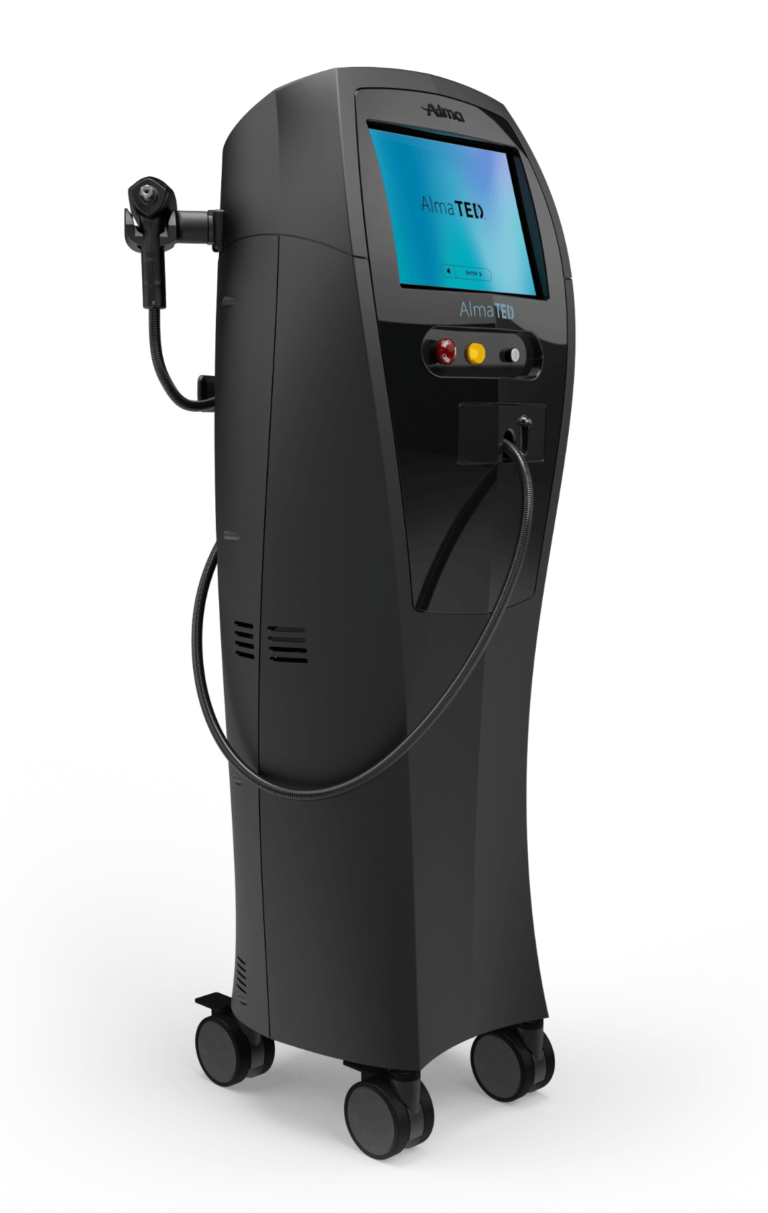
Alma TED technology for hair restoration equipment

Who is a Good Candidate for Treatment with Alma TED? – Patients who are experiencing hair shedding, hair loss or hair thinning may be good candidates for treatment with TED. A consultation is recommended to determine if you are a good candidate for TED treatment. TED was developed to be used on any individual that is suffering from hair loss or wants to improve the overall thickness and appearance of their hair.

What Should I Expect with Alma TED? – TED is a quick, 20-25 minute treatment. During your consultation, our Clinical Trichology team will perform a detailed evaluation of your scalp and hair, quantifying your hair density and hair caliber in each zone, as well as assessing your overall scalp health to personalize and customize the best treatment plan for you. You’ll notice improvements within one month of your first treatment.  Best results are seen after a series of 3 treatments. 

Is the Alma TED Treatment Painful? – No, the treatment is quite comfortable and, for many patients, relaxing. You can expect to feel a warm sensation from the device and a vibration or ringing sound through the course of treatment, but there is no pain involved. No needles and no anesthesia are required. No trauma or discomfort at the scalp.

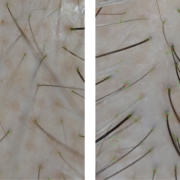
Before and after results of a hair restoration treatment plan of a man
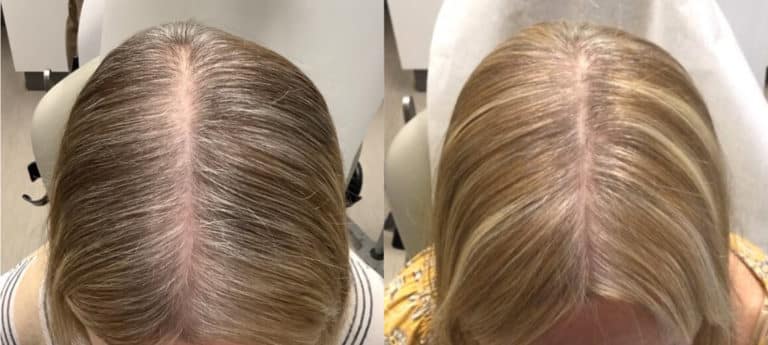
Before and after Alma TED technology for hair restoration results density results of a woman

Baseline and Post 4 Treatments. Photo Courtesy of Lady Dy, MD, FAAD

Baseline and Post 2 Treatments.
Photo Courtesy of Lady Dy, MD, FAAD

How Soon Will I See Results From Alma TED? – You can expect to see minor results after one TED treatment, but it is typically recommended to have a series of at least three TED treatments, one month apart, for optimal results.

How does Alma TED compare to other non-surgical/non-invasive Regenerative Treatments? – It’s important to know that every patient is an individual, and there is no “one size fits all” therapy. Other therapies at HPIHair are typically a once/twice-a-year treatment, whereas TED would require a series of three treatments, one month apart and can be repeated if need quarterly for optimal growing results.

Does Alma TED regrow a new hair follicle? – Unfortunately, no. The only way to restore hair growth to a severely depleted area is through hair transplantation. However, TED can be used in conjunction with hair transplants to help slow, stop, and reverse the progression of hair loss in non-transplanted areas.

How Can TED help Hair Growth? – TED uses low-frequency “ultrasonic” acoustic sound waves and air pressure to drive topical hair growth treatments deep into the skin through a process called acoustic cavitation. This use of sound waves to increase the penetration of topical treatments is called sonophoresis.

Through the process of Alma TED or “TransEpidermal Delivery,” we can increase the penetration of topical hair growth treatments through the top layer of skin, allowing more of the active ingredients to reach the hair follicles located below.

What are Current Patients Saying About Alma TED?

“TED was painless and honestly, somewhat relaxing. I felt as though I could take a quick nap during the procedure.”  – M. Baily

“I felt like I was getting a 30 minute scalp massage. It’s only been a few weeks but my hair definitely looks and feels thicker already.” – C. Smith

“No Pain. I heard a soft vibration but it was soothing. The HPIHair team is amazing.” – Bob

Before and after Alma TED technology for hair restoration results density results of a woman

Baseline and Post 2 Treatments. Photo Courtesy of Lady Dy, MD, FAAD

Before and after Alma TED technology for hair restoration results density results of a man

Baseline and Post 3 Treatments. Photo Courtesy of Shraddha Desai, MD, FAAD

Overcoming Alopecia Universalis

Guest Will Siskey, co-founder of the Sparrow Clinic, joins hosts Nataliia Sanzo and Kimberly Vaughn on this episode of the Thyroid Hair Loss Connection podcast. Listen to full episode here!

Will was diagnosed with Alopecia Areata at the young age of 16. His health challenge quickly progressed to Alopecia Universalis causing total hair loss all over his body.

Will writes about his journey to health on his clinic’s website: “It was out of desperation that we sought more natural treatments as traditional options had gotten us nothing more than a long list of side effects. We changed my diet among other lifestyle changes and sure enough a few years later I had about 85% recovery. Then a new challenge occurred, a gut parasite. We sought and learned more. Leading us to stem cell therapy using your own cells, tricking your cells to act younger with things like NAD+, immunomodulators, and so much more. So here I am 10 years later with a full head of hair experts said was impossible. All because the Lord, His design of our bodies, and the power of a determined mother.”

THLC asked Will to share what worked for him. This is his personal holistic, clean diet that supports his auto-immune condition plus suggestions for a simple, slightly less restrictive diet to improve health.

Will’s diet first started by eliminating the following:

  • Gluten
  • Dairy
  • Soy
  • Processed Foods
  • Artificial Ingredients
  • Food Substitutes
  • Peanuts
  • Artificial Colorings
  • Processed Salt

As his auto-immune condition improved, his diet continued to evolve, and Will shares the following with his diet today:

As for produce: organic–biodynamic even when available.

  • Fermented Foods
  • Organ meats
  • All of the ones listed above except I do eat raw 100% grass fed organic A2A2 Dairy on occasion now.
  • No vegetarian fed organic or non-organic chicken. Must be eating worms and insects.
  • No seed & nut oils: canola, sunflower, safflower, rapeseed, etc.
  • Wide array of colorful vegetables. Certain vegetables like spinach, kale, brussels sprouts, collard greens, etc. can contain some anti-nutrient components, making it essential to cook them properly.
  • Bone broth &/or bone marrow
  • Wild foods when available
  • Cooking oils: I use tallow, lard, coconut oil, avocado oil, or olive oil (the most unrefined and most natural the better.) Certain olive oils and processes can distort the omega profiles rendering them borderline toxic to your cells, while many others are “cut” or mixed with cheap seed oils like canola. This is also true even for organic corn and soy fed chickens.

Foods to promote healthy hair

Simple Ways to improve your diet & lifestyle

Without going too restrictive

  • Increase veggie & fruit intake if it is not a staple part of your diet. Everything should be organic but if not then I would take ION before eating for sure. There are only a select few foods that are GMO, so if you do not eat organic than make sure they are non-gmo. Corn is a great example. A list can be found online.
  • Beef, Lamb, Bison, Elk – Eat as wild and closest to nature intended as possible. For beef that is grass fed, preferably organic, no hormones, no antibiotics (unless necessary), etc.
  • Fish & shellfish – wild caught never farm raised. Larger fish tend to have higher levels of metals in them like swordfish and tuna. Don’t have to be avoided but something I wouldn’t eat a ton of.
  • Chicken & Eggs – Find a farm that grows them organically and not vegetarian feed which is often corn and grain etc. This still distorts the chicken’s fat profile to where it is almost toxic to us. The chickens may eat some grain but mostly worms and insects. Typically, one of the hardest items to find.
  • Oils – Use an organic olive oil or properly raised animal fat. A good olive oil source is Apollo Olive Oil in California. Avocado oil and coconut oil are also options.
  • Sugars – no artificial sugars or sweetners, no high fructose corn syrup. Best options are organic cane sugar, coconut sugar, or something minimally processed. Raw honey, maple syrup, and molasses are also other options. Organic stevia is okay too, but I wouldn’t overdo stevia.
  • Salt – use a sea salt. Some are even tested for micro plastics. A good brand I use is Redmond’s Real Salt.
  • Grains – organic sprouted ancient grains. Sourdough is best for any baked goods because it limits the gluten content through the fermentation process and increases nutrients.
  • Legumes – organic, soaked, and sprouted.
  • Nuts – organic – sprouted if you’re sensitive.
  • Dairy – Same standards for the beef above but also unpasteurized and raw dairy. If you’re getting cheese you want to make sure the cheese isn’t stored at too high a temperature. Finding a good farm is the best way to do this.
  • Limit processed and boxed foods.

Nataliia and Kimberly want to thank Will for his candid discussion about his Alopecia diagnosis and for providing the diet he follows. You can find out more about Will and the Sparrow Clinic by emailing him: Will@thesparrowclinic.com

Thyroid, Hair Loss Connection

Lots of Hair Shed?

Are you having symptoms of Thyroid Disease?

Hair loss is a complicated issue, and it is very important to look at all aspects of a person’s well-being when trying to identify the root cause.

When someone is suffering from symptoms of hormonal imbalance and thyroid issues, most likely they are also shedding hair. Getting the proper diagnosis early on will help restart your hair growth journey!

Signs and Symptoms of Thyroid Disease

  • Anxiety and irritability
  • Mood swings
  • Sleep disorders (too much or too little sleep)
  • Irregular menstruation
  • Your body temperature is too warm or too cold
  • Lack of focus or concentration
  • Unusual weight changes
  • Fatigued muscles
  • Dry hair and skin

Why does the Thyroid Cause Hair Loss?

The thyroid is known as the “master gland”. This gland controls hormone production. When the thyroid is not regulating correctly, it affects other bodily functions. 

The development of the hair follicle falls into one of these major roles. Hair starts to shed resulting in thinning all over the scalp and possibly other areas such as your eyebrows.

New growth may not happen until the thyroid is operating properly again. The amount of hair loss could be severe if the thyroid condition is not treated.

An autoimmune condition known as alopecia is quite often seen with thyroid disorders. Two other autoimmune conditions, PCOS, polycystic ovary syndrome and lupus, may cause hair loss and can be connected to thyroid issues.

Your thyroid also controls your digestive process. A slow-acting thyroid could cause your stomach to not produce as much acid as you need. This could hinder the absorption of vitamins and minerals. 

Minerals like iron are crucial for oxygenating red blood cells, which carry oxygen to the hair follicle. Lack of oxygen can lead to hair loss.

How to Find Out More?

Subscribe and listen to our podcast series: Thyroid, Hair Loss Connection. It is also available on Apple Podcast, Spotify, or Overcast. 

The hosts of this podcast are Kimberly Vaughn, a national trichologist, and certified nutrition, and hair loss coach, along with Nataliia Sanzo, a registered dietitian, a.k.a Nashville Thyroid Expert®️.

Each week, you will learn practical solutions to hair growth, thyroid healing, and balancing hormones with holistic nutrition, quality supplements, and the latest treatments. 

They will discuss evidence-based models leading to the root cause of your hair loss and thyroid disease. The hosts will incorporate the importance of gut health, diet, nutrition, and lifestyle protocols. 

The episodes will feature industry leaders in functional and integrative medicine, experts in health and nutrition, and actual clients who will share their stories and practices that work.

Did you know?

August is National Hair Loss Awareness Month

At HPIHair, every day is Hair Loss Awareness!

Since August has been dedicated to hair loss, we wanted to take the opportunity to discuss this issue that effects men, women, and children. Hair loss is a complicated and complex challenge. Hair plays an important role in the appearance and confidence of a person. Rapidly thinning hair becomes devastating to the sufferer. In addition, losing hair can also indicate an internal health issue that should be addressed.  

HPIHair uses a science-based approach to hair loss. We have a team of clinicians specializing in one thing: the science of hair growth. We’ve been helping patients overcome hair loss for over 30 years. Our total-body, holistic, clinically proven process discovers the real underlying causes of your hair loss first, so you’re assured of the right individual treatment protocol. We help you through the entire treatment process to ensure maximum results. Most importantly, this approach is successful in re-growing hair. It’s not a miracle, just hair science that works. 

Real Clients, Real Results, Real Testimonies!

5 Star Google Review by N.L. “Kimberly is absolutely wonderful! She is so incredibly kind, knowledgeable, and trustworthy! She helped us get to the bottom of our 3-year-olds hair loss and we are so thankful for her and her team!”

5 Star Google Review by B.K. “Excellent! I am suffering hair loss and would not have a hair left on my head if I hadn’t found HPI. Kimberly was able to stop my hair from falling out in less than 30 days and now I am in recovery mode – my hair is filling in and growing back. I am so thankful for HPIHair!”