Men’s Hair Loss & Solutions

It’s All About the Hairline!

Many men relate their hair growth to their youth. Seeking a solution to male pattern thinning hair is now very common and the options have grown.

Male Pattern Baldness, also known as Androgenetic Alopecia, is the most common form of hair loss in men. According to the U.S. National Library of Medicine, 50 million men in the U.S. and more than 50% of all men over the age of 50 will experience this hair loss. Androgenetic Alopecia has been seen in men as young as teenagers and the risks increase with age.

WHY?

Genetic Science of Hair Loss

Researchers have determined that this form of hair loss is related to hormones called androgens. One specific androgen in particular, Dihydrotestosterone (DHT). These hormones are important for regulating hair growth. As each hair has a 2-6 year hair growth cycle, it rests for a few months and then falls out. An increased level of androgens causes a shorter hair growth cycle and results in shorter, thinner hairs. In turn, the hairs that have fallen out are not replaced as fast. Scientific studies have found that the AR gene provides instructions for making a protein called an androgen receptor, which controls the body’s response to DHT. Variations of the AR gene result in a higher activity of androgen receptors in the follicle (an increased level as mentioned), subsequently causing a slower cycle where the hair lost is not naturally capable of replenishing itself due to a DHT build up. The DHT clings to the hair follicle and blocks the passage of the new hair.

Facts to Know:

  • Wearing hats, combing, brushing, twisting, and styling will NOT cause hair loss.
  • There is a link between smoking and the speed of which hair loss occurs.
  • Don’t just assume that male pattern baldness or male pattern thinning is to blame. Though this is normally the culprit in cases of male balding, there could be several other reasons your hair is thinning—among them: a vitamin deficiency, an underlying health condition, a medication you’re taking, dramatic weight loss, or physical or emotional stresses.

Men’s Hair Loss & Thinning Solutions

  • Hair Restoration– is a minimally invasive procedure that is performed in our clinic by an experienced medical professional. Our Scalp Injection treatment uses your body’s own growth factors, found in plasma, to enhance the stimulation of new hair growth. This is collected from your own blood. The procedure is 100% natural with minimal risk of allergic reaction or rejection.
  • Microneedling and Growth Factors – Growth Factor and Copper Peptide Serum is used with a Microneedle device to penetrate the scalp with a topical serum. It is a remarkable treatment option anyone experiencing thinning, brittle, and aging hair strands. The serum is enriched with copper peptides for thicker, voluminous, younger feeling hair.
  • Low Light Laser Therapy (LLLT) – Low light laser hair growth therapy releases red light onto the scalp, repairing at the cellular level, stimulating energy production and increasing blood flow. FDA-approved for various uses, low light laser hair therapy has been shown to result in new hair growth for most patients undergoing treatment. Low light laser hair therapy is proven to safely and effectively encourage the regrowth of thicker, fuller, healthier hair!

HPIHair uses medical grade laser equipment and our expert technicians concentrate the compressed light onto the area in need of stimulation.

This light works to significantly increase blood supply to the treated area, even after only one treatment. Stimulates follicles and encourages healthier, stronger, more lustrous hair production.

  • Medication: Finasteride – This prescription pill slows down your body’s DHT assembly line. Some men have been able to grow new hair while using it. Many experts think it works better than minoxidil. Like Minoxidil, hair loss may begin again when discontinued.
  • Hair Transplants -The most expensive and invasive treatment – A doctor will move healthy hair from the back and side of your head to the top. The process may need to be done a few times before it works. After 2 months, you’ll shed most of what the doctor moved and new strands will grow back. Within 6 months it will look normal. (Not offered at HPIHair)
  • Topical Treatment: Minoxidil – an FDA approved treatment that slows hair loss for some men and stimulates the hair follicles to grow new hair. Minoxidil takes four months to one year to produce visible results. A continuation of this treatment is necessary to keep results or hair loss is likely to begin again.
  • Hair Replacement or Additions – Over the years these have had many names. HPIHair used the term hair replacement. No matter the name, they are essentially the same thing. A hair addition, whether it be a full cranial prosthetic or a small piece to cover the crown can now look very natural. HPIHair uses a thin skin from which the hair protrudes from and attaches seamlessly to the scalp to provide the appearance of hair protruding right from your own scalp.

The 23rd Annual Trichotillomania Conference 2016

As HPIHair is a partner in your hair loss journey, we want to make sure you have the outlets and TLC_Learning_Center.jpginformation you need while you’re on this journey. Coming up in April is an event for those of you struggling with Trichotillomania. The Trichotillomania Learning Center is hosting the 23rd Annual Conference on BFRBs on April 15th -17th in Dallas, TX.
Who would be positively affected by this conference? People of all ages living with pulling, picking and related behaviors, their familes and loved ones, clinicians looking to improve their strategies for treating these disorders and interested researchers.
Visit this link for more information : TLC Conference 2016

15th Annual Songwriter’s Night – HPIHair Sponsors the Event

Brentwood_YMCA_2016_Event_Flyer.jpgHPIHair is proud to Sponsor the Brentwood Family YMCA Songwriters Night!
On Thursday, April 28, 2016 theBrentwood Family YMCA will host its 15th Annual Songwriter’s Night at 3rd and Lindsley, while supporting one of the nation’s leading nonprofits committed to strengthening communities through youth development, healthy living and social responsibility.
100% of donations goes directly to support the outreach programs of the Brentwood Family YMCA including YCAP (Youth Community Action Project), and Full Circle.
YCAP is a program dedicated to serving at-risk youth in Williamson/Davidson County. Since the early 2000s, the program has impacted young lives right here in our community in partnership with Williamson County Schools, the Juvenile Courts and the Williamson County Alternative Learning Center. We believe that every young person deserves the opportunity to learn, grow and thrive.
FULL CIRCLE is a free outreach program serving children and young adults with special needs ages 3 to 21 years of age. It is designed to build children in Spirit, Mind and Body through recreational and social opportunities led by special education professionals as well as a Team Sports league that offers baseball, kickball, basketball and soccer. The program serves those with varying disabilities ranging from Down Syndrome to autism with no exceptions. Funded 100% by donations, Full Circle is provided at no cost to the families that participate.
Attend This Event
If you have a charity you’re passionate about in the Middle Tennessee Area, let us know!
Call 615-662-8722

“How to be a Friend to Those in Need”

On Monday, March 21st, Kimberly Vaughn of HPIHair had the opportunity to speak to the 3-21_Presentation_-_Rotary-446360-edited.jpgCool Springs Rotary Club! The topic “How to be a friend to those in need,” catered perfectly to the HPIHair outreach for anyone experiencing hair loss for any reason. When it comes to hair loss, many people experience it, but no one talks about it. So when you do find a friend you can confide in it makes a world of difference.
At HPIHair Partners, we are the friend you can confide in. We provide a complimentary consultation to simply listen! We want to make sure you are heard when it comes to how you look and ultimately feel about yourself. Kimberly continues to explain the heart behind HPIHair, “Within the name HPIHair; we care, we listen, we have solutions, we restore appearance and confidence, we are your friend and hair partner!”

Kimberly invited Nashville Alopecia Areata Support Group Leader Becky Hibbs to speak to the Cool Springs Rotary Club as well. 3-21_Presentation_-_Rotary_3-532461-edited.jpgLiving with Alopecia Areata Universalis herself, Becky talked about how Kimberly became a friend to her by offering a space for her group to meet if needed, as well as putting the word out to clients if anyone needed an outlet of support.

“Sometimes you don’t know who is actually helping who when you lend a hand to someone in need”, says Kimberly.

Thinning Hair? Try Low Light Laser Therapy for regrowth!

If you or someone you know is suffering from thinning hair or balding, you need an effective hair growth solution. In our experience, Low Light Laser Therapy is the most effective solution!
HPIHair describes how it works and offers a limited time special!
Ultimate-Laser-image-1.jpg
According to DermNet, the hair growth cycle is comprised of 3 phases: growth (the anagen phase), resting (the telogen phase), and shedding (the catagen phase). Low Light Laser Therapy is effective because it works to increase blood flow in the scalp and stimulate metabolisim in the hair follicles that are in the catagen or telogen phases, which results in the production of anagen hair, or hair growth. This eventually puts a stop to hair loss and leaves the client with healthier, thicker hair.
Think you might be a candidate to regrow your hair with Low Light Laser Therapy?
HPI is offering complementary consultations to see if Low Light Laser Therapy is the right solution for you!
Special Promotion:
We are currently offering $200 off a 6 month and $500 off a 12 month professional laser therapy program purchased by March 18th, 2016!
Schedule your appointment today by clicking below or call us at 615.662.8722 to receive the gift of hair this holiday season!

Cold Cap Therapy – Keeping Your Hair throughout Chemotherapy

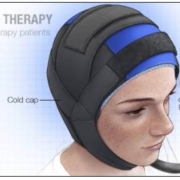
Cold Cap Therapy is used on patients during chemotherapy treatments to prevent the loss of their hair.

What is Cold Cap Therapy?

Cold cap therapy, requires the use of a special cap or set of caps, cooled to very cold temperatures (-22F), and worn for a period of hours before, during and after each chemotherapy treatment. The blood vessels leading to the hair follicles are constricted by the cold, reducing the amount of chemo drugs that reach the follicles, allowing the patient to keep the majority of his/her hair! The treatment, which originated in Sweden, has been available in several European countries for 20 years, as well as Australia and New Zealand. Patients in the United States learned of the process and several thousand have successfully used it within the last several years.

How Does it Work?

According to The Rapunzel Project, studies have shown that cold caps slow down the metabolic rate at which hair cells absorb nutrients or anything else in the blood. Therefore, when the chemo in the blood goes into the hair follicles the absorption rate is minimal, and most hair can withstand this level of attack. Although some thinning may still occur, the majority of hair remains.

FDA Cleared for Breast Cancer Patients!

Cold Caps were still in clinical trials in the U.S. until December of 2015, when the FDA approved a specific cold cap for breast cancer patients beginning in January of 2016. ABC News did a report on the FDA approval of the Dignitana DigniCap Cooling System. This specific type of cap consists of a computer-controlled device that circulates cold liquid to a cooling cap worn during chemotherapy treatment.

Clinical Trial Results:

In the U.S. clinical trial, seven out of 10 patients with early stage breast cancer receiving the treatment kept at least 50 percent of their hair. No harmful effects were reported, but the treatment is only for solid tumor cancers, not blood-based ones because of a concern with metastasis in the scalp.

Negatives to Cold Caps:

  • Expensive – The DigniCap costs around $400 to $500 per chemotherapy treatment
  • Uncomfortable at first
  • Timely and takes efforts of volunteers

Other Cold Cap Options:

  • Penguin Cold Caps
  • Chemo Cold Caps

Nashville Location with Freezers available to cold cap users:

Vanderbilt Breast Center at One Hundred Oaks – Nashville, TN

If Cold Capping is not an option for you or you want to make sure you have a back up plan: Call us at HPIHair 615-662-8722 for a complimentary consultation to determine the best option for you!

Men’s Hair Loss & Solutions

Many men relate their hair growth to their youth, which is why it has become very common to seek a solution to male pattern thinning hair.aging-men-1.jpg
Male Pattern Baldness, also known as Androgenetic Alopecia, is the most common form of hair loss in men. According to the U.S. National Library of Medicine, 50 million men in the U.S. and more than 50% of all men over the age of 50 will experience this hair loss. Androgenetic Alopecia has been seen in men as young as teenagers and the risks increase with age.
WHY? Genetic Science of the Hair Loss.
Reasearchers have determined that this form of hair loss is related to hormones called Androgens. One specific androgen in particular, Dehydrotestosterone (DHT). These hormones are important for regulating hair growth. As each hair has a 2-6 year hair growth cycle, it rests for a few months and then falls out. An increased level of androgens causes a shorter hair growth cycle and results in shorter, thinner hairs. In turn, the hairs that have fallen out are not replaced as fast. Scientific studies have found that the AR gene provides instructions for making a protein called an androgen receptor, which controls the body’s response to DHT. Variations of the AR gene result in a higher activity of androgen receptors in the follicle(an increased level as mentioned), subsequently causing a slower cycle where the hair lossed is not naturally capable of replenishing itself due to a DHT build up. The DHT clings to the hair follicle and blocks the passage of the new hair.DHT_Blocking_hair.png
Facts to Know:
1. Wearing hats, combing, brushing, twisting, and styling will NOT cause hair loss.
2.There is a link between smoking and the speed of which hair loss occurs.
3. Don’t just assume that male pattern baldness or male pattern thinning is to blame. Though this is normally the culprit in cases of male balding, there could be several other reasons your hair is thinning—among them: a vitamin deficiency, an underlying health condition, a medication you’re taking, dramatic weight loss, or physical or emotional stresses.
Solutions :
1. Topical Treatment: Minoxidil – an FDA approved treatment that slows hair loss for some men and stimulates the hair follicles to grow new hair. Minoxidil takes four months to one year to produce visible results. A continuation of this treatment is necessary to keep results or hair loss is likely to begin again.
2. Medication: Finasteride – This prescription pill slows down your body’s DHT assembly line. Some men have been able to grow new hair while using it. Many experts think it works better than minoxidil. Like Minoxidil, hair loss may begin again when discontinued.
3. Hair Transplants -The most expensive and invasive treatment – A doctor will move healthy hair from the back and side of your head to the top.The process may need to be done a few times before it works. After 2 months, you’ll shed most of what the doctor moved and new strands will grow back. Within 6 months it will look normal.anders_beforeafter2-1.jpg
4. Hair Replacement or Additions – Over the years these have had many names. Some companies call them Sensigraft, some call it a hair replacement. No matter the name, they are essentially the same thing. A hair addition, whether it be a full cranial prosthetic or a small piece to cover the crown can now look very natural. The thin skin the hair protrudes from attaches seemlessly to the scalp to provide the appearance of hair protruding right from your own scalp.
5. Low Light Laser Therapy (LLLT) – Low light laser hair growth therapy releases red light onto the scalp, repairing at the cellular level, stimulating energy production and increasing blood flow. FDA-approved for various uses, low light laser hair therapy has been shown to result in new hair growth for most patients undergoing treatment. Low light laser hair therapy is proven to safely and effectively encourage the regrowth of thicker, healthier hair.
At HPIHair:
Using a “cold” laser, our expert technicians will concentrate compressed light onto the area in need of stimulation with our Ultimate Laser. This light works to:
Significantly increase blood supply to the treated area, even after only one treatment
Stimulate follicles & encourage healthier, stronger & more lustrous hair production
Put a stop to hair loss

Hormones and Hair Loss: What you should know.

Your thinning hair or hair loss may be due to a hormonal imbalance. Your hair can tell you a lot about your overall health. Sometimes your hair growth is stunted, when the body goes into crisis mode, while it redirects energy to other cells in the body. Hair loss is oftentimes the first sign of trouble!
While age is definitely a factor of hair loss, many people experiencing thinning hair are attributing it to hormonal imbalances. It is estimated that 1 in 5 women experience some form of hair loss. Women are affected less than men as they have more estrogen, which helps to balance the affects of androgens or dihydrotestosterone (DHT). DHT_Blocking_hair.png
What is Dihydrotestosterone (DHT)? Simply put, it is dried up testosterone. When the DHT bonds to the hair follices, it blocks the hair from being able to grow normally or even sprout through the follicle. In order to restimulate that hair growth, DHT needs to be broken down and then continually blocked from attaching to the follicle again to maintain hair growth.
What are some of the cases in which hormones can be the culprit of thinning hair?
1.Thyroid problems Thyroid_gland.jpg
Hair growth depends on proper function of the thyroid. Too much of the thyroid hormone can result in thin hair and too little of it can result in hair loss on the scalp and body.
2. Emotional Stress
– When the adrenal gland becomes overworked it produces a stress hormone called “cortisol”. This hormone causes the body to produce more adrenaline, testosterone, and subsequently DHT.
3. Post-Pregnancy
After pregnancy, a woman’s hormones are in dissaray. Here’s what’s going on. Normally, about 85 to 95 percent of the hair on your head is growing and the other 5 to 15 percent is in a resting stage. After the resting period, this hair falls out — often while you’re brushing or shampooing it — and is replaced by new growth. An average woman sheds about 100 hairs a day.
During pregnancy, increased levels of estrogen prolong the growing stage. There are fewer hairs in the resting stage and fewer falling out each day, so you have thicker hair!
After you give birth, your estrogen levels drop and a lot more hair follicles enter the resting stage. Soon you’ll have more hair coming out in the shower or on the brush. This unusual shedding will taper off and your hair will be back to its pre-pregnancy thickness about six to 12 months after you give birth.
4. Medications
A variety of medications can result in hair loss in women. The most common is birth control. According to the American Hair Loss Association (AHLA), it’s recommended that women should consider using a low-androgen index birth control pill to avoid the effects of DHT, especially women with a predisposition to hair loss. The AHLA adds that women should be cautious with any hormonal medication or therapy, as they can all trigger hair loss.
hormonalimbalance_chart.jpg
SOLUTION: Testing your female hormones: estrogen, testosterone, thyroid hormones and cortisol, is essential to determine if your hair loss is hormonal or genetic. If it is a hormonal imbalance, your doctor or nurse practitioner can prescribe bioidentical hormones made by a compounding pharmacy to help balance your hormone levels. To restimulate your hair loss, contact HPIHair to find the right treatment for you!
Call us TODAY at 615-662-8722 for a complimentary consultation. The sooner we see you, the sooner we can resolve your hair thinning or hair loss issues.

How to Care for your Hair Enhancement!

When you wear a human hair enhancement (full or partial), you need to know how to take care of it! The “non-growing” hair is not living, so there are a few extra steps that can be difficult to remember. Whether you wear it more permanently or temporarily with clips or tape, caring for your enhancement is important when it comes to the longevity of the piece as well as your happiness with your investment!

At HPIHair, we don’t let you leave our salon without understanding how to care for your hair. We will take you through this step by step process to show you it’s not as hard as it may seem. If you’ve had a hair addition for a while and have fallen off the hair care wagon, consider this a helpful reminder. If you’re new to wearing hair and never knew how to properly take care of it, the following instructions will restore your enhancement help to maintain it for a long time.

Man Feeling His Hair

TIPS FOR CARE:

Shampooing

  • Always shampoo your non-growing hair on head or attached to a form using a chin strap to hold in place as well as T-pins around perimeter. Shampoo twice a week if worn constantly and one time a week if seldom worn. Shampooing ensures the hair is kept clean and moisturized which is the key to longevity.
  • ALWAYS Keep hair flowing in its natural direction (do not rub or scrub in circular motions) to avoid tangling and inverting into cap. Wet hair well with warm water from scalp to ends and lather a nickel to quarter size amount of shampoo (massaged in hands) from scalp to ends in a smooth downward motion.
  • LONG HAIR – use wide tooth comb to comb shampoo from ends of the hair gradually working upwards toward scalp/base. Never excessively pull or tug on hair.
  • Rinse well with warm then cool water. Repeat shampoo if styling product is used, to ensure all product is removed from hair and completely clean.

Conditioning

  • *IMPORTANT: Do not apply conditioner directly on the knots of the hair ONLY from the middle of the hair strands down to the end.
  • Comb conditioner through hair as described above with shampoo
  • Leave in hair for 2-3 minutes
  • Rinse with warm then cool water
  • Protein Treatment – Treat once a week. Ask the expert technicians at HPIHair for their recommends and any special instructions.
  • Drying – Permanently attached hair should be blotted, blotted, & blotted again to remove as much moisture as possible. HPI recommends a friction free towel to assist with this process.
  • Temporary hair wearers – Dry hair on a towel, hair side down, and roll as you would fragile garments. Blot as you roll.
  • Styling – Apply styling products or moisture oil. Long hair should always be protected by a leave-in treatment prior to drying or using any type of heat styling tool.
  • Style hair on head or form (make certain the base mesh cap of full cap prosthetics are completely dry prior to placing on a Styrofoam form.
  • Use a drying stand to ensure base of cap is dry to ensure cap does not stretch.
  • IF using a hair dryer to finish drying, make sure to use MEDIUM to LOW heat.
  • Hair needs to be 75% dry before styling with a brush or applying any tension to the hair.
  • HPI recommends air drying to finish (no iron), or as much as possible before using a low heat setting blow dryer. **Make sure non-growing hair is dry before applying hot styling tools!

Best Ways to Stop Hair Thinning in 2016

It’s officially 2016 and there’s no better time to finally get the hair you’ve always wanted (or restore the natural look you once took pride in). Whether you’ve been battling thinning hair for years or it’s a recent issue, check out these tips to put an end to the problem this year.
1. Loosen the tension in your hairstyles.
Many people love to wear their hair in tight ponytails or up-do’s because it feels more secure that way. However, this is one of the worst things you can do to your hair. Making a habit of wearing tight hairstyles, blow drying your hair straight with a brush, or wearing your hair up while you sleep can actually cause traction alopecia, a medical term from hair loss or hair thinning that results from too much pressure on the hair follicles.
2. Put down the heat styling tools.
Few things are more damaging and dehydrating to your hair than styling with heat, especially if you have thinning hair. If you just can’t live without that blow-dry or freshly-curled look, always use a heat protectant product before styling your hair with a heat tool of any kind.
3. Know your body and your history.
Hair loss or hair thinning can often result from changes in your health. Things like pregnancy or childbirth, hormonal changes, menopause, or medical conditions are all common causes. Take care of your body by eating a healthy diet and watch out for signs that there could be a bigger issue. Hair loss or hair thinning is often genetic, so if someone in your family experienced hair loss, there’s a good chance that could be the reason you are, too.
4. Condition your hair.
If your hair is feeling thin or brittle, never skip the conditioner when you wash your hair. It also might help to try to deep conditioning treatment once a week, or an easy home remedy like the ones in this post.
5. Consider a professional treatment.
Many people don’t realize what treatment options are available to treat their thinning hair. At HPIHair, we have low light laser therapy treatments, in home treatments, and stimulants and supplements that can work wonders for clients experiencing thinning hair or hair loss. Schedule a complimentary, private consultation with one of our experts who can guide you through the best treatment process for you.