“I am totally humbled that Lesly has chosen to share her story with us today. Lesly was the first one I reached out to when I knew I was going to be needing chemo. I remember her and a friend of ours going to my first wig appointment at HPI. I said to Kimberly, the owner of HPI, that I was more traumatized by the thought of losing my hair than I was losing my breasts”. Lesly looked at me and laughed and said she legit said the same thing!
Lesly is one of my heros. I’m so lucky to have had her in my life during that unknown journey, and I’m so glad she is in my life now to help each other learn how to navigate this new life of ours.
https://hpihairpartners.com/wp-content/uploads/2019/04/tataToCancer.jpg272272hpi-marketinghttps://hpihairpartners.com/wp-content/uploads/2025/09/hpihairlogo_300px.pnghpi-marketing2019-04-22 11:40:102025-10-11 08:09:29Lesly’s Breast Cancer Journey
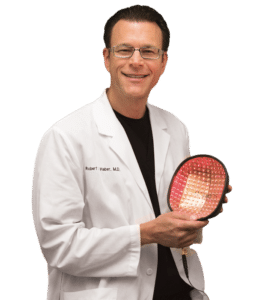
LaserCap®, the original take-home, FDA Cleared Medical Device for hair regrowth, delivers a specific form of light directed from a special sort of laser, to promote new hair growth.
How does that interaction actually work? Well, without getting too technical, by treating the base of your hair follicles, our proprietary redlight energy is able to stimulate and re-energize the mitochondria of your cells. Since mitochondria are considered to be the “powerhouses” of your cells, reviving them is effectively the same as breathing new life into a retired power plant. Once recovered to the point of healthy function, the mitochondria are able to reproduce of their own accord and repair the scalp just like they were meant to. This results in noticeably thicker, healthier hair and, eventually, even new hair growth from previously-dormant follicles. Fascinating, isn’t it?
Getting The Dosage Just Right
Just like a dose of medicine, low-level laser therapy depends upon regular use and consistent “dosages”. Because of this, any high-quality LLLT device needs to have some means of ensuring proper application, lest any benefit of the treatment become lost due to improper use. Used exactly as prescribed, the LaserCap™ is designed to produce coherent stimulation all across the scalp, resulting in a treatment that is perfectly safe, totally painless, and actually effective. Correct dosage will mean optimal absorption of healing red light, healthier hair, and a happier scalp.
5 Ways LaserCap™ Re-Grows Your Hair
LaserCap™ delivers cool-temperature Low-Level Laser Therapy directly to the scalp at the follicle to help you re-grow hair. Here are five of the most notable ways in which this gentle therapy can have a massively helpful effect on the quality and health of your hair:
Inhibits 5-alpha Reductase
5-alpha reductase is the enzyme responsible for converting the common sex hormone testosterone into the hair loss hormone known as DHT (dihydrotestosterone). Researchers have found that the more 5-alpha reductase enzyme a person has, the more likely they are to suffer from hair loss. LaserCap™ inhibits the production of 5-alpha-reductase in the user, thereby halting the conversion of testosterone into DHT. This in turn slows and eventually halts the loss of hair due to DHT.
Activates Shock Proteins
Heat shock proteins are known to aid in cellular health. In the scalp, the specific shock protein known as HSP27 is utilized. The LLLT technology of LaserCap™ works to activate this specific shock protein and others, allowing them to boost hair follicle stem cell growth. Essentially, this process encourages hair re-growth at the innermost layer of the cell, the outer root of each sheath, and within the top layer of skin (at the epidermis cells where a structural protein called keratin is produced).
Boosts Oxygen Delivery
LaserCap™ boosts oxygenation to every cell of the scalp. When the low-level infrared lights interact with your scalp, the laser separates two key factors of the hair loss equation: nitric oxide (NO) and an enzyme known as cytochrome c oxidase (CCO). These elements then bind together, moving oxygen on a cellular level and lowering cellular respiration. As a result, more life-giving oxygen is delivered to hair follicles along with essential nutrients for new hair growth.
Increases Blood Flow
As the cells of your scalp begin to receive more oxygen, the small capillaries of your scalp are finally allowed to “breathe”. Nitric oxide acts as a vasodilator, helping to widen the tiny blood vessels. Old blockages are released and the flow of blood increases even as the delivery of oxygen is improved. This process is often referred to as vasodilation and, as you might imagine, it is vital to the growth of new hair and considered a foundational requirement for sustainably healthy hair.
Causes Acute Inflammation
Inflammation is a natural response of your immune system and can be used to encourage hair regrowth. While too much inflammation can actually contribute to hair loss (remember our discussion regarding fibrosis and calcification, smaller “doses” can be significantly beneficial to the hair growth process. The focused effect of red light on the scalp helps to instigate this helpful form of inflammation, thus aiding in the growth of new hair without becoming uncomfortable or resulting in any negative side effects.
LaserCap™ is the original take-home medical device preferred by physicians for the treatment of hair loss with proven results in both men and women.
Questions? Schedule your free consultation!
WE NOW OFFER FACETIME & SKYPE CONSULTATIONS
https://hpihairpartners.com/wp-content/uploads/2019/03/shutterstock_211543882.jpg6671000hpi-marketinghttps://hpihairpartners.com/wp-content/uploads/2025/09/hpihairlogo_300px.pnghpi-marketing2019-03-12 14:32:482026-01-05 23:06:525 Ways LaserCap™ Works to Re-Grow Your Hair
Understanding the “why” of hair loss can inform the “how” of personalized treatment By HPI Contributing Partners: Bianca Garilli ND
Hair loss, or alopecia, is a common complaint by patients, male and female alike. It can affect localized regions (like the temples and crown of the head seen in male-pattern baldness), the entire scalp, and sometimes can even extend to other areas of the body. Typical hair loss is approximately 50-100 hairs per day, but those suffering from more extensive hair loss frequently notice increased hair loss after brushing or styling their locks or even when cleaning the sinks and sweeping their floors. (1) Hair loss can have a significant emotional and social impact on individuals. Understanding the underlying causes can be extremely helpful in creating an effective set of recommendations to mitigate hair loss.
Although hair loss or balding has a genetic component in many cases, there are also non-genetic, modifiable factors that may lead to hair loss. Let’s explore a few of the most common causes, including your genes, that underlie hair loss as well as targeted recommendations to reduce the loss. (1,2)
Heredity (genetic): Many people are convinced that their hair loss is hereditary and runs in the family. For cases of male-pattern baldness or female-pattern baldness (both also known as “androgenetic alopecia”), this would be correct. This form of balding typically occurs gradually as the person ages, often following specific patterns such as a receding hairline in males and thinning of hair in specific areas or over the whole scalp in women. (3)
The genetics of hair loss is complex. For example, over 200 independent, novel genetic correlates of male pattern baldness were identified in a recent genome-wide association study (GWAS), with a majority of those being autosomal related, while others were found to be X chromosome variants. (4) Another well-studied gene, the androgen receptor (AR) gene, is associated with hormonally-related balding and may contribute to androgenetic alopecia. (5)
Androgenetic alopecia is the most prevalent hair loss disorder globally.(6) This hereditary baldness affects over 80 million people in the US alone, creating a demand for effective treatments. (7) Hereditary balding may be caused in some part by excess androgens, when testosterone is converted into dihydrotestosterone (DHT) by 5-alpha-reductase (5AR) at higher-than-normal rates.8 Approaches to slow the rate of balding include reducing DHT levels or giving 5AR inhibitors. (8)
Beyond the conventional medicine prescription approach, non-Rx options on the market are numerous, including: L-cystine, caffeine-based lotions and shampoos, capsaicin, marine protein supplements, melatonin, procyanidins (a phytonutrient class of anti-inflammatory flavonoids found mainly in plants, including apples, barley, cocoa, cinnamon, grapes, and tea), pumpkin seed and rosemary oils, saw palmetto, zinc, and various others. (9)
Hormones: Hormonal changes associated with various life stages including pregnancy, childbirth, and menopause or fluctuation in thyroid function and thyroid hormone levels can also lead to temporary and sometimes permanent hair loss. Partnering with a healthcare provider who practices personalized lifestyle medicine is key to balancing hormone levels through individualized lifestyle changes and sometimes targeted nutritional supplementation or medications, such as hormone replacement therapy (HRT). (1)
Medical conditions and medications: Medical conditions may also be the culprit for some individuals’ hair loss; these conditions may include infections such as ringworm, conditions with mental health underpinnings (e.g., trichotillomania, a disorder involving recurrent, irresistible urges to pull out body hair), and a relatively common condition called alopecia areata. (1,7) The latter has a lifetime incidence of 2% globally and is an immune-mediated condition that creates smooth, round patches of hair loss on the scalp or body; characterized by unpredictability, spontaneous regrowth as well as possible relapse periods. (6)
Identifying and treating the root causes of the medical condition can lead to hair regrowth, so it is prudent to seek out clinician experts who know how to utilize a Functional Medicine lens. In some cases, medications used to treat other health issues can induce hair loss as a side effect; these might include medications used for the treatment of cancer, arthritis, depression, heart problems, gout, and high blood pressure. (1)
Stress: The physiologic effects of stress are not limited to specific organs like the brain or heart. No, stress impacts whole body health, including increasing the risk of hair loss through various mechanisms, one of those being the pro-inflammatory milieu (i.e., hormones, cytokines, etc.) of stress in the body. (10) In recent years, the concept of a “brain-skin” connection has taken hold as a way to understand how stress may influence difficult-to-treat skin disorders such as psoriasis, atopic dermatitis, and urticaria, as well as its effect on hair loss. (11)
In particular, it is thought that “neurohormones, neurotransmitters, and cytokines, released during a stress response may also significantly influence the hair cycle.” (11) The growth of hair, the hair shaft production, and hair pigmentation, along with various other hair characteristics, may be impacted by the production of these stress-related molecules. (12) If hair loss is considered to be stress-related (which may be a possible underlying factor in Telogen effluvium, alopecia areata, trichotillomania, and hormone-related hair loss), a wide range of mind-body, naturopathic, and Functional Medicine approaches may be useful. (13)
Nutritional deficits: In some situations, sudden weight loss or protein deficiency can lead to hair loss. (2) Additionally, certain nutritional deficiencies can also exacerbate hair thinning and loss. These include iron, niacin, fatty acids, selenium, and zinc; conversely, excess intake of vitamins E and A may increase the risk of hair loss. (2) Although biotin (vitamin B7) is anecdotally thought to be useful for combating hair loss, available published research indicates that biotin supplementation may only yield helpful hair effects if a gross biotin deficiency (relatively rare) or hair syndrome (e.g., uncombable hair syndrome) exist. (14-15) Healthcare practitioners should use lab testing and physical exams to assess for nutritional insufficiencies or deficiencies, so a dietary plan and supplementation recommendations can be individualized and effective.
Beyond the above common reasons for hair loss, the following are also potential causes: radiation treatments, excessive hair styling, and certain types of hair treatments.
In summary, hair loss, although common, does not have to be permanent in all cases. Working with a Functional Medicine provider to determine the root causes of the hair loss is the first and best step in understanding the “why” of a patient’s hair concern and the “how” of the personalized treatment.
9. Hosking AM et al. Complementary and alternative treatments for alopecia: a comprehensive review. Skin Appendage Disord. 2018. doi: 10.1159/00049203.5
10. Hadshiew IM et al. Burden of hair loss: stress and the underestimated psychosocial impact of telogen effluvium and androgenetic alopecia. J Invest Dermatol. 2004;123(3):455-457.
11. Botchkarev V. Stress and the hair follicle: exploring the connections. Am J Pathol. 2003;162(3):709–712.
12. Paus R. Exploring the “brain-skin connection”: leads and lessons from the hair follicle. Curr Res Transl Med. 2016;64(4):207-214.
Dr. Garilli is a former US Marine turned Naturopathic Doctor (ND). She works in private practice in Northern California and consults with naturopathic and Functional Medicine leaders, including the Institute for Functional Medicine and Metagenics. She is passionate about optimizing health and wellness in individuals, families, companies, and communities- one lifestyle change at a time. Dr. Garilli has been on staff at the University of California Irvine, Susan Samueli Center for Integrative Medicine and is faculty at Hawthorn University. She is the creator of the Military and Veteran Health Initiative and is the current Past-President of the Children’s Heart Foundation, CA Chapter.
https://hpihairpartners.com/wp-content/uploads/2019/01/Picture1.png8291108hpi-marketinghttps://hpihairpartners.com/wp-content/uploads/2025/09/hpihairlogo_300px.pnghpi-marketing2019-01-30 13:31:072026-01-17 15:11:07Alopecia: Genes, Hormones, & Causes of Hair Loss
Expecting a baby can be one of the most exciting (and scary) things you can experience in life. Along with the life changes, come the changes your body encounters. Some changes are good like that pregnancy glow and thicker hair. Some changes can be difficult like struggling with morning sickness and an ever-changing body image.
As a medical professional, when it comes to myself it’s like all medical knowledge goes out the window. I found myself researching about what changes I could expect from pregnancy even though I counseled pregnant women all the time about expectations. The problem is that no two pregnancies are the same. Because of that, I thought certain things didn’t apply to me, like the post-partum hair fallout.
As my pregnancy months grew I started to notice how thick my hair had gotten. I’ve had fine hair most of my life, so I loved my new found thickness. My sisters and friends had told me enjoy it while it lasts because after baby arrives the hair will fall out. I thought I was ready for what was to come. Boy, was I wrong.
I remember standing in the shower one morning thinking to myself my hair must not going to be fall out like it had for others. It’d been three months and I still had my thick hair. It was that next week when I was combing my hair and I couldn’t believe how much hair was in my comb. And it was only getting worse. When I was asked how much I was loosing, I couldn’t even say. It was handfuls and handfuls. It was shocking to see that much hair fall out. I wondered how much would I lose and when it would stop. If it would stop. And now, it all makes sense. Because of the hair cycle, shedding often does not occur until around 90 days post partum.
My shedding did slow down, but I was also proactive about the process. That’s the key: to be proactive. The minute my hair started shedding I started professional laser treatments 2-3 times per week. If you are experiencing post partum hair loss you are not alone. Here at HPIHair, we understand how hair loss can affect you and we have several tools to help slow your shedding and reverse your hair loss.
If you are experiencing post partum hair loss contact us today at 615.662.8722.
https://hpihairpartners.com/wp-content/uploads/2018/03/Neuweg-29e-scaled-1.jpg18292560hpi-marketinghttps://hpihairpartners.com/wp-content/uploads/2025/09/hpihairlogo_300px.pnghpi-marketing2019-01-01 11:41:442026-01-17 15:07:45Post Partum Hair Loss: A Personal Story
Alopecia affects millions of people around the world and does not discriminate against age, gender, and ethnicity. Androgenic alopecia, male or female patterned baldness, is one of the most common types of alopecia; however, alopecia areata, totalis, and universalis also affect a large part of the population. Because so many people worldwide are affected, there are continuous on-going studies to find new ways to treat the various types of alopecia.
Here are two promising clinical trials to keep your eye on:
In the Alopecia Universalis (AU) and Alopecia Totalis (AT) study sponsored by Aclaris Therapeutics, Inc. is assessing the safety, patient tolerance, and pharmacological properties of a new topical solution for patients diagnosed with alopecia universalis or alopecia totalis. In this randomized, double-blind trial, subjects are to apply a topical solution or a placebo to their scalp twice-daily for a total of 28 days. After 28 days, hair growth will be evaluated in addition to medication concentration found in the blood and skin. This study is currently in phase 2 of its clinical trial.
The Intrepid Therapeutics, Inc. study Comparator Solution and Vehicle Solution in Males With Androgenetic Alopecia the clinical trial enrolled 95 male participants with mild to moderate androgenic alopecia in the temporal and frontal hair region to evaluate the effectiveness of a new topical solution. In this randomized, double-blind trial, subjects will be evaluated for efficiency and safety of a new topical solution to be applied twice daily for a total of 26 weeks.
Early results seem promising and demonstrate slightly more effectiveness than minoxidil. And because the medication mechanism is different, it is possible this new solution may be used in conjunction with minoxidil. Updated results of this phase 2 trail will be available June/July of 2018.
There is also a new, investigative clinical trial in the Nashville area focused on an oral treatment for alopecia. Learn about that trial in this post. Act fast as the trial is only available for a small group.
Contact us today at 615.662.8722 for the latest hair loss solutions.
https://hpihairpartners.com/wp-content/uploads/2025/09/hpihairlogo_300px.png00hpi-marketinghttps://hpihairpartners.com/wp-content/uploads/2025/09/hpihairlogo_300px.pnghpi-marketing2018-12-30 11:00:122026-01-07 14:52:44Hair Loss Clinical Studies & Trials
Our four seasons of Hair Loss: Winter, Spring, Summer and Autumn.
For most of the world, these seasons bring about change outside, whether it in the temperature or other elements in nature.
At times these transformations are welcome, while at other times we wish they’d never take place. Seasonal Hair loss is the latter of those two emotions, similar to the ten inches of rain, constant icing of the roads, or scorching temperatures.
What is it about certain seasons, specifically Spring and Autumn?
Spring & Autumn Hair Loss and what can you do about it?
The sudden struggle of hair loss during spring & autumn has plagued many women for years. Studies have shown that these 2 seasons, more than the others, is a time where even the healthiest of individuals will face the pain of hair loss. This is due the life cycle of the hair follicles.
The typical cycle runs between 2-6 years, throughout there is a large portion that is constantly growing, while a small amount is considered to be ‘resting’, preparing to fall out.
For most women, the resting stage takes place in July, and then just a few months later proceeds to fall out. Although this shedding is noticeable to you, there’s no cause for concern.
Seasonal hair loss is common amongst all mammals, including us humans.
How do you avoid this unique seasonal Hair Loss change? Great question!
We highly recommend that you take the proper precautions to treat your hair. This is only possible if you know your hair and its unique needs as well.
If you’re not sure where to get started, make an appointment to meet with one of our professionals at HPIHair and learn more about your individual hair needs.
Visit us at https://hpihair.com or call 615.622.8722 for more information!
https://hpihairpartners.com/wp-content/uploads/2018/10/Autumn-Seasonal-Hair-Loss.jpg14072148hpi-marketinghttps://hpihairpartners.com/wp-content/uploads/2025/09/hpihairlogo_300px.pnghpi-marketing2018-11-08 17:28:152026-01-07 15:01:12Seasonal Hair Loss | Does our hair shed more in the fall?
The kids in our TLC community face incredible challenges with their BFRB’s (Body Focused Repetitive Behaviors). Sometimes every month, every week, every day is a challenge. And yet, our kids show such resilience and strength!
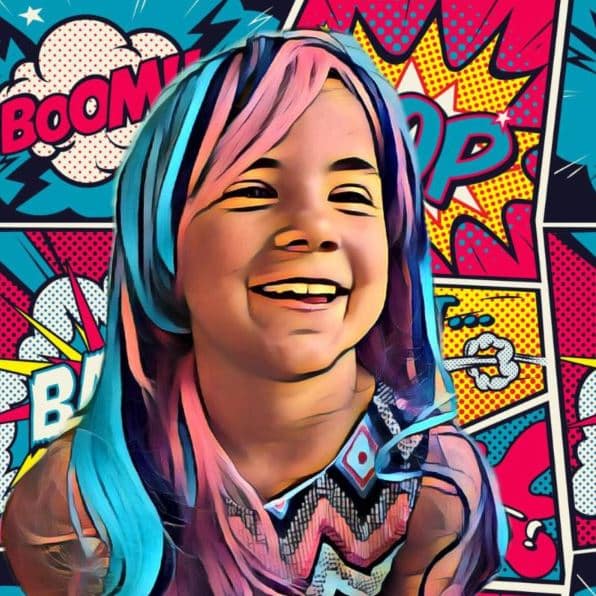
At eleven years old, Emily is one our BFRB superheroes.
She showed the first signs of hair pulling at only six months old, although her parents had not yet identified it as trichotillomania.
Emily ingested her hair after pulling, known as trichophagia which is common among hair pullers, but also dangerous. At seven, she required surgery to remove a life-threatening mass of hair from her stomach.
Armed with the support of her family and the resources she accessed through The TLC Foundation, Emily has overcome trichophagia.
In addition to swimming, acting, singing, and earning a first-degree black belt in tae kwon do, Emily, who still lives with trichotillomania, is determined to raise awareness about BFRB’s and encourages others to seek out help with their BFRB.
HPIHair offers hair coverage prosthetics and hair enhancements to help the BFRB community. Many of our current trichotillomania clients have good results by attaching a custom designed hair enhancement to cover the area of pulling or picking. By attaching the enhancement to the surrounding hair or scalp this precludes continued pulling in the same area causing long term damage to the hair, even complete baldness overtime.
The staff at HPIHair specializes in treatment for our BFRB friends. We have a private confidential approach to our services and are willing to help you and your family today. We are only a phone call or Facetime appointment away!
Your gift to TLC makes transformation stories like Emily’s possible. Your donations help children and families provide resources and treatment providers educated in evidence-based practices so that these children can thrive. These contributions also funds scientific research so that we will soon have more effective treatments and even a cure.
https://hpihairpartners.com/wp-content/uploads/2018/10/Emily-BFRB-Superhero.Facebook.jpg6281200hpi-marketinghttps://hpihairpartners.com/wp-content/uploads/2025/09/hpihairlogo_300px.pnghpi-marketing2018-10-31 16:34:492026-01-09 16:13:11BFRB Super Hero Overcomes Trichophagia
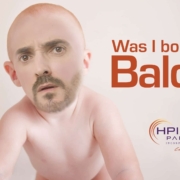
If you are a male living in the Czech Republic, you have a 42.7% chance of going bald. The United States ranks 6th behind the United Kingdom for bald men.
If you want to keep your locks, hop the next flight to Japan, or Hong Kong! Sounds great to me since sushi and Asian cuisine is my all-time favorite.
You are not alone! Julius Caesar hid a receding hairline beneath that crown of olive leaves, and Napoleon rushed into battle with a comb-over.
Of course, plenty of our country’s forefathers donned powdered wigs to cover patchy hair loss (theirs brought on by a syphilis outbreak), and presidents John Adams, John Quincy Adams, Martin Van Buren, and Dwight Eisenhower, among others, had less than a full head of hair.
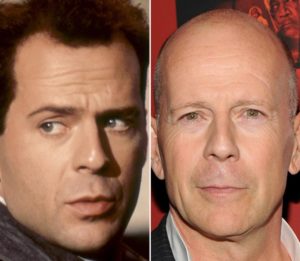
Even modern-day pop culture has enlisted many a chrome dome into its ranks — here’s looking at you, Bruce Willis, Jude Law, Mathew McConaughey, Sir Elton, and the list goes on!
If you’re balding, to say you’re not alone with this problem is no overstatement. A reported 70 percent of men will be affected by hair loss during their lifetime. Many times, balding is a natural part of the aging process, but certainly not always.
Since the problem of baldness goes so far back, it can be difficult to understand why there’s not yet a cure for it.
Fortunately, there are numerous treatments that are proven effective for thinning hair and hair loss. Hair growth is possible, and the hair loss gene can be turned around with work and commitment.
Educate yourself, do not believe ONE solution (other than transplants) will do the trick!
Check out the HPIHair FAQs or call (615) 662-8722 today!
https://hpihairpartners.com/wp-content/uploads/2018/10/Was-I-born-bald-with-text-1.jpg12612000hpi-marketinghttps://hpihairpartners.com/wp-content/uploads/2025/09/hpihairlogo_300px.pnghpi-marketing2018-10-22 19:52:092026-01-07 14:48:01Was I born bald?
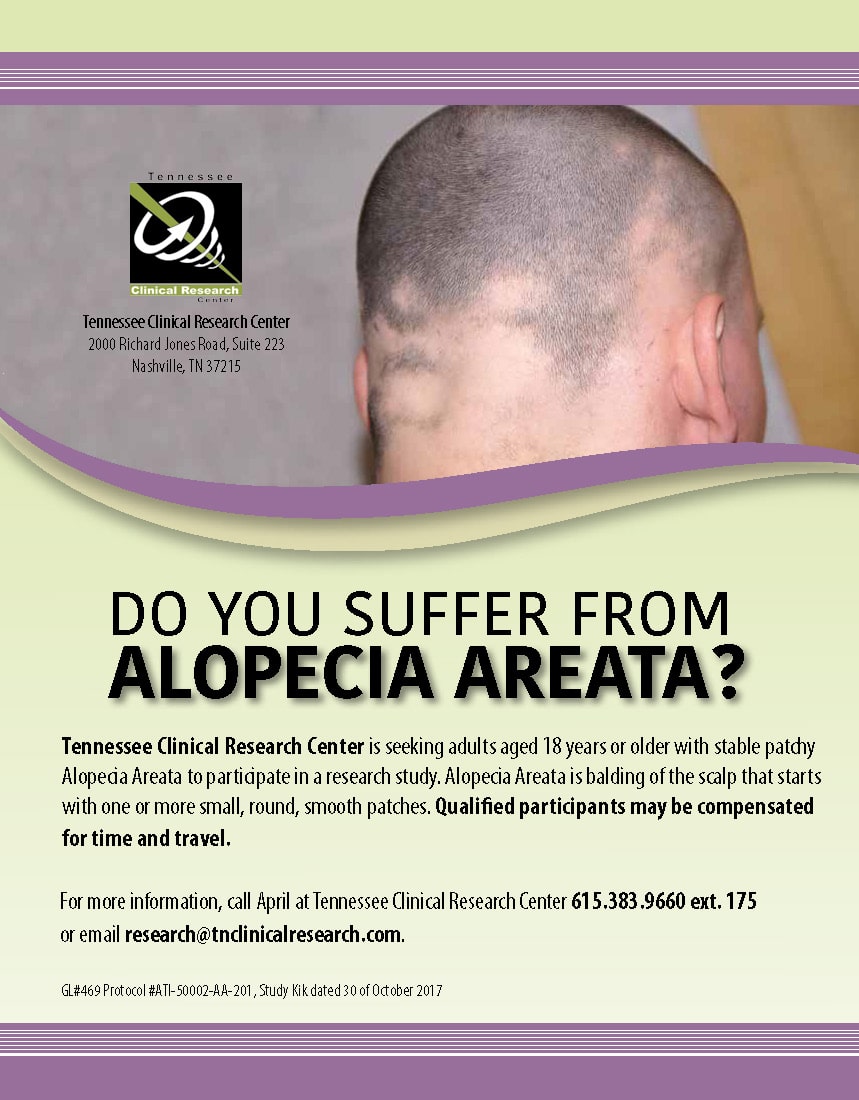
Alopecia affects millions of people around the world and does not discriminate against age, gender, and ethnicity. Androgenic alopecia, male or female patterned baldness, is one of the most common types of alopecia; however, alopecia areata, totalis, and universalis also affect a large part of the population. In a recent post in anticipation of other clinical trials and studies, we pointed out these and a few hair loss trials. Now, we have one closer to home.
In collaboration with the Tennessee Clinical Research Center, we are supporting efforts to increase awareness of a local clinical research study currently looking for adults with alopecia areata (bald patches on the scalp), or with alopecia universalis–which can result in total loss of all scalp and body hair including eyebrows, eyelashes, and intranasal hair, or alopecia totalis (total scalp hair loss) to participate in a study of an oral investigational drug. Under the direction of Dr. Michael Gold, the trial focuses on oral medication, which have been shown to be more effective than topical treatments. Interested?
YOU MAY QUALIFY TO PARTICIPATE IF YOU:
Are at least 18 years old
Have areas of hair loss on the scalp due to Alopecia Areata (AA), Alopecia Universalis (AU) or Alopecia Totalis (AT)
Have been experiencing the current episode of AA, AU, or AT for at least 6 months and no more than 7 years
Have 30-100% total scalp hair loss
Are willing to stop any current prohibited treatments for your scalp hair loss
Are willing to attend regular study visits involving lab tests, electrocardiograms, questionnaires, and other study procedures for the duration of the study
We all experience an itchy scalp from time to time, imagine how distracting and uncomfortable this sensation can be if it persists?! This condition is commonly referred to as Burning Scalp Syndrome. Doctors have a very hard time diagnosing this condition, therefore treatment is challenging.
Many believe chronic stress, anxiety, digestive issues and depression can leading causes over stimulation of Substance P. PubMed.gov describes Substance P (SP) as a secretion that it defines as:
“…by nerves and inflammatory cells such as macrophages, eosinophils, lymphocytes, and dendritic cells and acts by binding to the neurokinin-1 receptor (NK-1R). SP has proinflammatory effects in immune and epithelial cells and participates in inflammatory diseases of the respiratory, gastrointestinal, and musculoskeletal systems.”
In a nutshell, SP causes our nerves to fire, resulting in a painful sensation to our bodies and scalp. Your scalp can actually be so sensitive your “hairs” hurt!
Each case is different and no one has a solid cure. The options below might offer some relief.
Quercetin – Naturally helps to remove excessive Substance P from nerves.
Magnesium – Low magnesium enables excessive Substance P response. Did you know low magnesium can cause itching of the skin.
Omega 3’s – This should be in both forms of Flax Oil and Fish Oil. Make sure you buy quality and only use the best brands. Omega 3’s are vital for healthy nerves. Many people find that improving their Omega 3 levels greatly improve the discomfort.
Tryptophan -This amino acid will help the body to relax and fight against SP. Amino acids are a critical step in maintaining a healthy scalp and hair stimulation.
Proper diagnosis and treatment for your hair and scalp are key to less pain. Consider a new regiment or supplement for at least 90 days before giving up! Staying the course, being diligent and purposeful about a solution is your best bet!



 requirement for sustainably healthy hair.