How stress could lead to hair loss

Did you know that stress equals hair loss? Within the last year alone, hair loss affected 50 million Americans, and this number is only predicted to increase in the days and years ahead. Days become busier with career and family commitments and our lives become more stress filled, taking a toll on our bodies. The first to be affected when our body is under great stress is our hair.

Stress in large amounts causes our hair to transition into a resting (catagen) phase prematurely.

The transition continues to occur while our hair rapidly moves into a phase called telogen, characterized by fallout or shedding. This stage occurs at rapid rates before it is supposed to when under the influence of stress. Those who are affected by hair loss during stress will notice fallout of their hair in the shower, during brushing and while styling. Though this process of fallout can be frustrating, the phase often will slow and reverse itself during the course of a few months. In some cases, depending on your age and health, most, if not all, of your hair will regrow.

In other cases, various types of stressors to our body can cause other conditions related to hair loss.

One condition, alopecia areata, can be caused by severe stress. Individuals with this condition experience hair loss as the body’s immune system attack the hair follicles. Another condition that can occur in the presence of stress is trichotillomania. Trichotillomania is characterized by the urge to pull out one’s own hair either from the eyebrows, eyelashes, scalp or other parts of the body. This urge to pull out hair is a coping mechanism for individuals with trichotillomania, a Body-Focused Repetitive Behavior that occurs when experiencing stress, tension, loneliness, boredom or frustration.

In case you have found yourself frustrated, confused or hopeless throughout the process of hair loss, the team at HPIHair wants to help guide you through your options and possible regrowth and restoration. HPIHair offers men, woman, and children hair restoration technology and options under the leadership of Founder Kimberly Vaughn. Clients who experience mild to aggressive hair loss due to genetic or medical-related causes can find customized guidance based on individual needs at HPIHair. Contact us for a consultation.
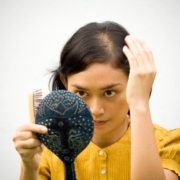

Understanding DHT and its Effects on Hair Loss

There are many reasons why you may be experiencing hair loss and/or thinning. Causes for hair loss in both men and women include genetics, diet, stress, environment, medication side effects, autoimmune diagnosis, underlying medical concerns, and the influence of hormones, notably DHT on hair loss.

Our evidence-based approach begins with answering the question ‘WHY’ and from there crafting an individualized treatment plan for each client.

We accomplish this by a combination of magnified scalp imaging (Trico scope) and a customized blood panel testing for specific vitamins, minerals, and hormones that affect hair growth and contribute to hair loss/shedding.

Through our AlopeciaDX blood test, we’ve found an increase in dihydrotestosterone (DHT) is the most common culprit behind male hair loss and is responsible for 25% of thinning in women.

For this reason, our combination therapy approach often includes DHT blocking shampoos & supplements.

What is DHT and how does it relate to hair loss and hair thinning?

Dihydrotestosterone (DHT) is an androgen (sex hormone) and a byproduct of testosterone that gives males their sex characteristics such as a deeper voice, body hair, sex drive, and muscle mass. Overproduction of this hormone can cause hair thinning and eventually, male or female pattern hair loss. Testosterone is also produced by women but because women produce estrogen it helps prevent testosterone from converting into DHT.

How does DHT work?

DHT is converted into testosterone with the help of alpha 5-reductase enzymes. If there is a large amount of DHT it can attach to the receptors on hair follicles in your scalp and cause them to decrease in size and cause hair thinning. If there is a genetic link to hair loss DHT can cause hair loss at a much faster rate in both men and women.

How do high or low levels affect the human body?

High levels of DHT can lead to certain health conditions and cause problems in sexual development during puberty.

Low levels of DHT can delay puberty for both men and women and may lead to delayed sexual organ development, changes in body fat, and can affect the prostate gland.

How does DHT contribute to hair loss?

An abnormal amount of DHT can cause hair follicles to shrink at a faster rate, causing them to look thinner and eventually causing hair to fall out. If you have a history of genetic thinning, DHT can accelerate the rate of hair loss.

DHT and Women?

Women may have an excess amount of androgens during menopause or close to menopause because their bodies stop producing estrogen and progesterone. This, in turn, causes a higher percentage of sex hormones such as DHT in the body and typically leads to hair thinning.

DHT and Men?

Male pattern baldness affects 50 percent of all men in the US, the presence of DHT affects the hair follicles on the scalp leading to accelerated hair thinning and loss.

What can I do to reduce DHT?

There are various oral and topical medications that can help target DHT, they can either block or inhibit the rate of production. Popular medications prescribed by most health care providers that are specific for hair loss include:

Finasteride: also known as Propecia. Finasteride blocks the metabolism of testosterone which is how it can help prevent hair loss and is also used to decrease prostate enlargement; one unpleasant side effect is also a decreased sexual function. A study done at Harvard reported a rare decrease in irreversible sexual function, effecting 4%-6% of men.

Minoxidil: better known as Rogaine. There is a foam-based and solution-based formulation that is used for hair growth in the treatment of male pattern baldness, female pattern baldness and thinning. It is not used for baldness at the front of the scalp or receding hairline in men. HPI uses a topical solution with Minoxidil called Re-stim, which has more natural carrier agents such as aloe vera, rather than large amounts of alcohol which can dry out and irritate the scalp.

Dutasteride: Mostly used to treat enlarged prostate, Dutasteride prevents the conversion of testosterone to dihydrotestosterone (DHT) in the body which is why it is used for treating hair loss. There are side effects that are rare but should be considered, such as impotence, decreased sex drive, breast tenderness, and testicular swelling to consider when taking this medication.

There are many other side effects from medications alone or in combination with others, so it is important to speak to your health care provider prior to taking any prescription medication.

online consultation request

Franklin Homepage | Hair Loss

How a local business provides progressive solutions for the ageless condition

Kimberly HPI Hair Partners Franklin HomepageCheck out the latest edition of the Franklin Homepage for a detailed discussion of HPI’s multi-faceted approach to hair preservation, restoration, and replacement.

Hair loss is a chronic and progressive condition that affects women and men of all ages. Actually, a recent study from The American Hair Loss Association estimated that at least 50% of women by the age of 50 and 25% of men before the age of 25 will see their first signs of hair loss. Knowing that millions nationwide will be affected by this ageless condition, scientists, doctors and trichologists are giving more and more attention to discovering the root causes of hair growth and hair loss.

“Their therapeutic plan is a three-pronged approach that really gets to the bottom of the hair loss you’re experiencing so that you can achieve optimal results.”

Read the full article by clicking here, williamsonhomepage.com.

Refresh and Enhance Your Brows and Lashes!

We now offer professional permanent makeup services for anyone suffering from hair loss, Hashimoto and thyroid disease, chemotherapy, alopecia areata, totalis, universalis, and genetics.  Men and women alike experience this challenge and now we can help!


Enhance and perfect your brows and lashes!

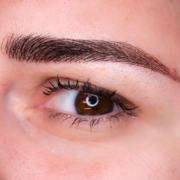
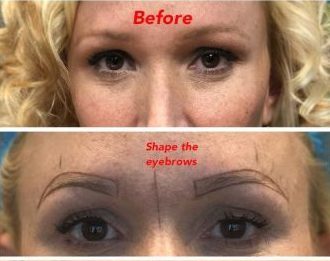
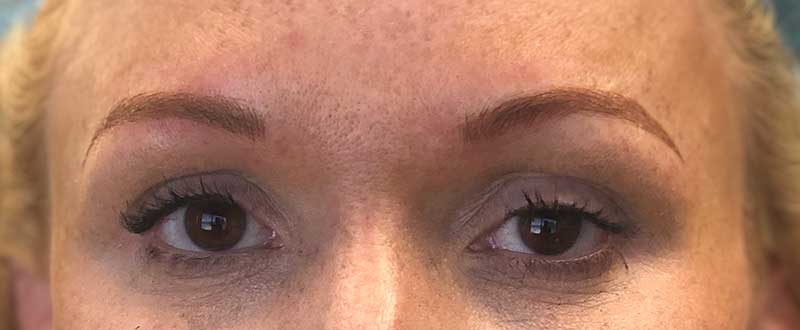
Our microblading expert Julie is an artist! From the first visit she offers the client a sketch of how their eyebrows will appear and shares her color palette to allow the clients to help select the appropriate eyebrow color. The results are stunning!

Brena, an HPI Microblading client, was very concerned about her eyebrows appearing too dark or unnatural.  Here is what she had to say…

I couldn’t be happier with the process.  Julie is a true artist and professional. Her technique, color blending and attention to the small details of my eyebrows couldn’t be more spot on!”

Ready to Refresh and Renew your Eyebrows?

Contact us today!

Scalp Micro-pigmentation [SMP] Client Success Story

Scalp Micro-pigmentation [SMP] is a non-invasive treatment. Using customized micro-needles to deposit pigment into the scalp. The result creates the appearance of tiny hair follicles that help thicken and restore the look of less scalp, less hair transparency, resulting in a fuller hair appearance.

If you are a male or female with transparent hair (too much scalp is showing), or you are beginning to thin in the crown area, SMP is a great option to consider.

HPI Welcomes New Hires Reena Bhakta and Adrienne Taylor

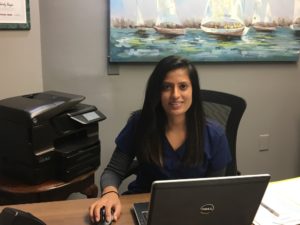
We are pleased to announce the addition of Reena Bhakta as family nurse practitioner, and Adrienne Taylor as office administrator to the team at HPIHair.

HPI Nurse Practioner Reena Bhakta Bhakta brings unique knowledge from her previous job as a registered nurse in Nashville General Hospital’s Emergency Room. Originally from Tulsa, Oklahoma, she graduated from the University of Oklahoma with a bachelor’s degree in nursing and went on to receive her master’s in nursing from Tennessee State University. Board-certified with the American Academy of Nurse Practitioners and Tennessee State Board of Nursing, Bhakta is most passionate about providing care to her clients while helping them gain a more positive outlook on their health, wellness, and spirituality.
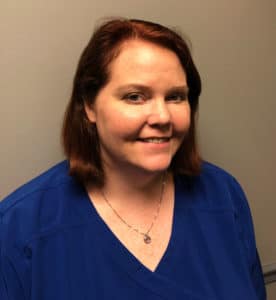


“We are thrilled that Reena has joined our HPI team,” said Kimberly Vaughn, founder and managing director of HPIHair. “She is incredibly skilled in caring for patients battling chronic disease and has a real dedication to health and wellness. Among many talents, Reena thinks strategically, reacts quickly and remains calm in critical situations, which are all important attributes in our patient-focused industry.”

Also joining the HPIHair team is Adrienne Taylor. Hired as the office administrator, Taylor is originallyfrom Terry, Mississippi, but has been part of the Nashville community for close to 15 years. She received her bachelor’s degree in agriculture from Ohio State University and her master’s degree in horticulture from Mississippi State University. When she is not at the office, Terry enjoys gardening, cooking and spending time with her family.

“Adrienne’s welcoming nature brings a smile to everyone who walks into our office,” added Vaughn. “She is a positive light on the HPI team who possesses key qualities like flexibility, patience, and a strong work ethic. Above all, she is a team player who helps restore confidence in our amazing clients.”

Cool Springs Franklin Location, Now Accepting Appointments

HPI will begin seeing patients in our new Franklin office located within Nashville Hormone & Integrative Medicine beginning November 18th.

Trichology Consultations will include a one-hour appointment for a deep dive into the reasons and nature of the client’s hair loss concerns.  We will also include a customized blood panel testing specific vitamins, minerals, and hormones that affect hair growth and contribute to hair loss.  We will also take a deep dive into your hair and scalp health with our Trichoscope images.

Areas of health included in our blood workup will consist of:

Our team of hair loss clinicians will see patients on Wednesday and Fridays at our 2nd location within Nashville Hormone & Integrative Medicine at 1909 Mallory Lane, Suite 108; Franklin, TN 37067

Please call our main number (615) 662-8722 for more information and to schedule.

Why Am I Losing My Hair?

Many of our clients experiencing hair thinning and hair loss are left with a lot of unanswered questions. Here at HPIHair, we want to help our clients get to the root cause of their hair loss. Our AlopeciaDX blood testing is customized to your needs.  Alopecia Areata, Androgenetic Alopecia, Stress, Thyroid, etc…are just a few conditions causing early-stage thinning to aggressive hair loss!  Our customized blood test (hair loss labs) especially looking for underlying medical issues, along with high DHT, vitamin and mineral deficiencies.

What are your underlying health concerns? Are they causing your hair loss? More specifically we are looking for:

  • Dihydrotestosterone (DHT)– Men are the most likely candidate to experience this commonly caused hair loss culprit.  However, women can also experience this type of hair loss. 50 million men and 30 million women in the United States experience this form of hair loss.
  • Iron Deficiencies– Iron is essential for the production of hemoglobin. Low hemoglobin results in a reduction of oxygen, which healthy hair requires. When iron levels are low oxygen cannot be transferred for healthy hair.
  • Thyroid Dysfunction– Disruption of the thyroid causes the hair growth cycle to remain in the resting phase, causing hair loss.
  • Vitamin Deficiencies– Vitamins stimulate new growth in hair follicles. Without optimal levels, growth can be stunted.
  • Mineral Deficiencies– Lack of certain minerals inhibits the hair’s ability to grow at a cellular level and affects the hair growth cycles. Certain minerals also help to strengthen the hair follicle.
  • Gene Mutation– Certain gene mutations may play a vital role in the hair cycle of both growth and strength.
  • Amino Acids– Amino acids are essential for healthy hair. These are especially important for the growth cycle and strength of hair.

Often times, there are multiple variables playing a role in hair loss.  Understanding the cause can be the difference between losing more hair or stopping it.

With the AlopeciaDX blood testing, we have the technology, skill, and knowledge to help accurately diagnose factors leading to your hair thinning, shedding, and loss.

Callie’s Story

As posted on TataToCancer.blog 

“I was diagnosed with Stage IIIA Grade 2, HR/PR positive HER2 negative breast cancer at age 31. I am now NED!”

“My name is Callie, I have been married to my husband, Scott for 14 years. I have two amazing stepsons (17 &18) and a beautiful 13 year old daughter. My husband has been in the Army for 15 years. We are from the middle Tennessee area, we lived in San Diego when I was diagnosed.
Sometime in late 2016, at age 31 I found a lump in my left breast, I was always good about doing monthly self checks, I don’t know how I missed it before then. “

Read The Full Article on TataToCancer.blog 


Lesly’s Breast Cancer Journey

As posted on TataToCancer.blog

“I am totally humbled that Lesly has chosen to share her story with us today. Lesly was the first one I reached out to when I knew I was going to be needing chemo. I remember her and a friend of ours going to my first wig appointment at HPI. I said to Kimberly, the owner of HPI, that I was more traumatized by the thought of losing my hair than I was losing my breasts”. Lesly looked at me and laughed and said she legit said the same thing!

Lesly is one of my heros. I’m so lucky to have had her in my life during that unknown journey, and I’m so glad she is in my life now to help each other learn how to navigate this new life of ours.

Enough of my babbling! Here is Lesly!”

Read the full article on TataToCancer.blog