
Tag Archive for: women’s hair loss

Peptide Therapy: Enhancing Hair Regrowth and Wellness

Peptide Therapy

Are you tired of struggling with hair loss and longing for a solution that addresses the underlying causes? Look no further than HPIHair in Nashville. As a leader in the field, we specialize in providing personalized, physician-supported solutions rooted in science. Our dedicated team of trichologists and hair loss specialists collaborates with you to develop a clinically-based, individualized treatment plan tailored to your unique needs. Whether you’re in the early stages of hair loss or seeking full restoration, we’re committed to helping you achieve the best results. With over 30 years of success in helping people regrow their hair, our track record speaks for itself. Physicians trust us with their patients’ care for good reasonwe produce meaningful, lasting results.

At HPIHair, we stay at the forefront of hair science, offering a range of cutting-edge treatments. One promising option we provide is peptide therapy, a rapidly developing field that utilizes specific peptidesshort chains of amino acidsto influence biological processes such as tissue repair, immune function, and overall wellness. Peptide therapy has shown great promise in supporting hair regrowth, making it a potential solution to consider in your journey toward reclaiming fuller, healthier hair. However, individual results can vary, and it’s crucial to consult with healthcare professionals to determine how this treatment may align with your personal health goals. Join us at HPIHair and experience the power of hair science firsthandstart your journey today.

Peptide Therapy: What You Need to Know

When exploring potential treatments for hair loss, it’s essential to consider peptide therapy and its implications. To navigate this promising field with clarity, it’s important to understand the key aspects:

– Peptides in Hair Health: Peptides are known for their potential to stimulate hair growth by enhancing blood flow and increasing the production of collagen and elastin, contributing to stronger, healthier hair follicles.

– Tissue Repair and Hair Regrowth: Peptides can play a crucial role in promoting tissue repair, a process that is integral to supporting hair regrowth and improving overall hair health.

– Immune Function and Hair Wellness: Certain peptides have been linked to modulating immune function and reducing inflammation, potentially creating a more hospitable environment for hair regrowth.

– Individual Variation: While peptide therapy presents promising possibilities, individual responses to treatment can vary based on factors such as genetics, lifestyle, and overall health.

Why Peptide Therapy Matters for Women’s Hair Loss

For women experiencing hair loss, peptide therapy offers a targeted and potentially effective approach to addressing this challenging issue. Here’s why peptide therapy is particularly relevant to women’s hair health:

– Hormonal Influences: Women’s hair loss can often be influenced by hormonal changes, and peptide therapy has the potential to modulate these hormonal imbalances, effectively addressing this root cause of hair loss.

– Collagen Support: Peptides have a demonstrated ability to stimulate collagen production, which is crucial for maintaining the strength and resilience of hair follicles, especially in women experiencing hair thinning or breakage.

– Immune Regulation: As women’s hair loss can be linked to conditions such as alopecia areata, which involve immune system dysfunction, peptide therapy’s impact on immune function can contribute to addressing these specific challenges.

– Personalized Approach: Peptide therapy allows for a tailored, personalized treatment plan that considers the unique factors influencing each woman’s hair loss, offering a comprehensive and individualized approach to regaining hair health.

Consultation and Personalized Treatment Planning

At HPIHair in Nashville, we understand the importance of individualized care, especially when it comes to addressing women’s hair loss. When you choose HPIHair for peptide therapy, you can expect a comprehensive approach that includes:

– Thorough Assessment: Our experienced team conducts a detailed assessment of your hair health, considering factors such as hair density, scalp condition, and any underlying health issues contributing to hair loss.

– Customized Treatment Plan: Based on our assessment, we develop a personalized peptide therapy plan tailored to your specific needs and goals, ensuring that the treatment aligns with your overall health and wellness.

– Ongoing Support: Throughout your peptide therapy journey, you’ll receive dedicated support and guidance from our team, with regular check-ins and adjustments to the treatment plan as needed to optimize your results.

– Integration with Other Treatments: If appropriate, we can integrate peptide therapy with other treatments and interventions to provide a comprehensive approach to addressing your unique hair loss concerns.

Experience the Power of Peptide Therapy at HPIHair

As you consider your options for addressing hair loss, it’s important to choose a trusted partner who prioritizes scientific rigor, personalized care, and tangible results. HPIHair in Nashville is dedicated to empowering women to regain confidence and achieve their hair restoration goals through cutting-edge solutions like peptide therapy. Take the first step toward reclaiming your hair healthschedule a session with our experienced team and embark on a transformative journey toward fuller, healthier hair.

Closing ideas

Peptide therapy represents a promising frontier in addressing women’s hair loss, offering a personalized and science-backed approach to regaining hair health. At HPIHair in Nashville, we stand at the forefront of this innovative field, providing comprehensive support and individualized treatment plans to help women achieve meaningful results. Join us and experience the power of peptide therapytake the next step in your hair restoration journey today.
HPIHair: 1st in Nashville to begin TED Treatment!

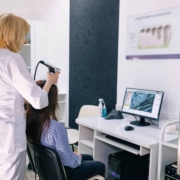
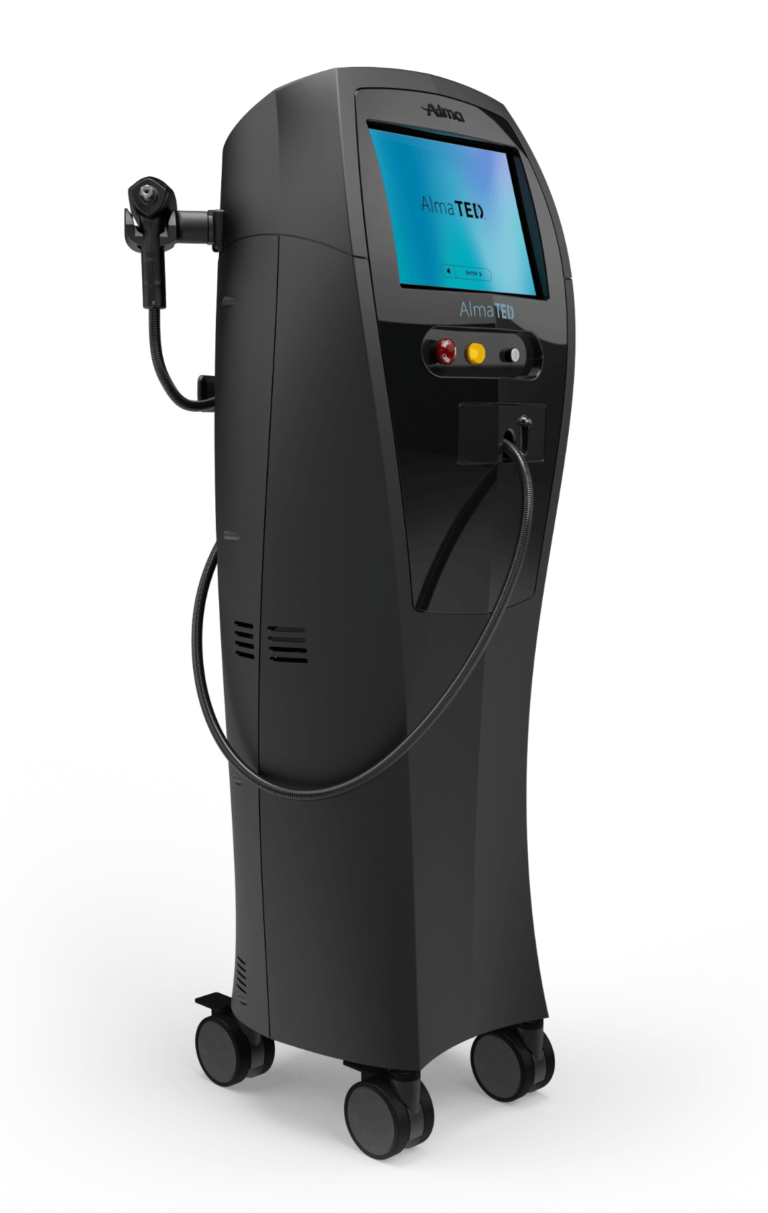
TED treatment (TransEpidermal Delivery) is an ultrasound-based system that uses sound waves and air pressure to enhance the penetration of a powerful topical hair growth formula into the scalp.

This combination is designed to increase blood flow, optimize scalp health, and stimulate hair follicles to produce thicker, stronger, healthier hair.

When Alma TED is used with this topical formula, it promotes increased blood flow to the scalp and a healthier, thicker, stronger head of hair. It offers these benefits without the discomfort and shedding commonly associated with in-office hair growth treatments.

Alma TED technology for hair restoration equipment

Who is a Good Candidate for Treatment with Alma TED? – Patients who are experiencing hair shedding, hair loss or hair thinning may be good candidates for treatment with TED. A consultation is recommended to determine if you are a good candidate for TED treatment. TED was developed to be used on any individual that is suffering from hair loss or wants to improve the overall thickness and appearance of their hair.

What Should I Expect with Alma TED? – TED is a quick, 20-25 minute treatment. During your consultation, our Clinical Trichology team will perform a detailed evaluation of your scalp and hair, quantifying your hair density and hair caliber in each zone, as well as assessing your overall scalp health to personalize and customize the best treatment plan for you. You’ll notice improvements within one month of your first treatment.  Best results are seen after a series of 3 treatments. 

Is the Alma TED Treatment Painful? – No, the treatment is quite comfortable and, for many patients, relaxing. You can expect to feel a warm sensation from the device and a vibration or ringing sound through the course of treatment, but there is no pain involved. No needles and no anesthesia are required. No trauma or discomfort at the scalp.

Before and after results of a hair restoration treatment plan of a man
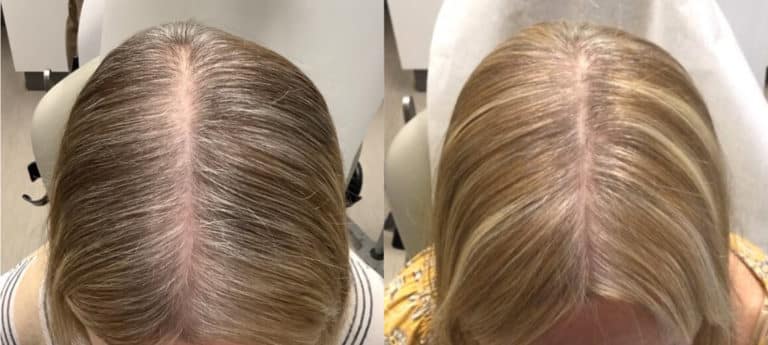
Before and after Alma TED technology for hair restoration results density results of a woman

Baseline and Post 4 Treatments. Photo Courtesy of Lady Dy, MD, FAAD

Baseline and Post 2 Treatments.
Photo Courtesy of Lady Dy, MD, FAAD

How Soon Will I See Results From Alma TED? – You can expect to see minor results after one TED treatment, but it is typically recommended to have a series of at least three TED treatments, one month apart, for optimal results.

How does Alma TED compare to other non-surgical/non-invasive Regenerative Treatments? – It’s important to know that every patient is an individual, and there is no “one size fits all” therapy. Other therapies at HPIHair are typically a once/twice-a-year treatment, whereas TED would require a series of three treatments, one month apart and can be repeated if need quarterly for optimal growing results.

Does Alma TED regrow a new hair follicle? – Unfortunately, no. The only way to restore hair growth to a severely depleted area is through hair transplantation. However, TED can be used in conjunction with hair transplants to help slow, stop, and reverse the progression of hair loss in non-transplanted areas.

How Can TED help Hair Growth? – TED uses low-frequency “ultrasonic” acoustic sound waves and air pressure to drive topical hair growth treatments deep into the skin through a process called acoustic cavitation. This use of sound waves to increase the penetration of topical treatments is called sonophoresis.

Through the process of Alma TED or “TransEpidermal Delivery,” we can increase the penetration of topical hair growth treatments through the top layer of skin, allowing more of the active ingredients to reach the hair follicles located below.

What are Current Patients Saying About Alma TED?

“TED was painless and honestly, somewhat relaxing. I felt as though I could take a quick nap during the procedure.”  – M. Baily

“I felt like I was getting a 30 minute scalp massage. It’s only been a few weeks but my hair definitely looks and feels thicker already.” – C. Smith

“No Pain. I heard a soft vibration but it was soothing. The HPIHair team is amazing.” – Bob

Before and after Alma TED technology for hair restoration results density results of a woman

Baseline and Post 2 Treatments. Photo Courtesy of Lady Dy, MD, FAAD

Before and after Alma TED technology for hair restoration results density results of a man

Baseline and Post 3 Treatments. Photo Courtesy of Shraddha Desai, MD, FAAD

FDA’s Approach & Interest in New Balding Drugs

What is in store for the hair loss community?

FDA’s Approach & interest in new balding drugs

As we have recently observed, the powers of the FDA can be ramped to warp speed when a natural disaster occurs and thousands of lives are lost!  Certainly, grateful something lights a fire when needed.  Sadly, even though 80 million Americans were losing their hair prior to the pandemic, hair loss is still lagging with approvals. The amazing news, an outcome from the focused research and “all hands (scientist/chemists/researchers) on deck” through the pandemic, our nation is moving faster than ever before toward many amazing hopes and cures.  Wow, what wonderful news for the hair loss community.

Phase 1, 2 and recruitment of phase 3 trials are in the makings around the world and with anticipated hope we feel confident we will begin to see positive results with Clascoterone along with many others by the end of 2022

Learn more about Clascoteron along with others as you follow our blog series.  Original link is below.


Read Article Here: Clascoteron (Breezula) for Hair Loss Update!

Why Do I Lose More Hair in the Fall?

Why do we see increased loss particular times of the year?

Is your skin dryer in cooler months?

Is your scalp more sensitive in the fall and itchy in the spring and summer?

Seasonal hair loss is REAL.  Like seasonal allergies, our bodies (and hair follicles alike) are trying to fight off allergens created by temperatures, blooming tress, and more.

Increases in hair loss at particular times of the year is not an exact science, however it appears that women suffer from this condition much more than men. Without a direct link to temperature changes, research has identified that as environment changes occur, our bodies change. During more severe cold or warm temperature changes our skin can dry or become oily.

Ah-ha……the hair is a cellular living structure during the anagen/growing phase just as our skin is always producing and shedding!  Just as our skin stresses each season, so will our hair.

What can you do?

Check with your hair loss specialist to determine the “actual” cause of the hair loss first.  If you are in a stage of reactive (telogen/anagen effluvium)  hair loss, take a deep breath, and seek a specialist to help with a short-term aggressive treatment plan to control the shedding and help your hair follicles rebound at a faster than normal rate.  This shedding phase is more aggressive than your normal rate of hair loss thus, you will benefit from an aggressive treatment plan.

After determining the cause, treatment should be planned accordingly. Minoxidil and Finasteride are Food and Drug Administration- (FDA) approved medical treatments for genetic hair loss. However, consider more natural treatments such as customized IV Hair Health treatments, scalp injections, stimulating scalp treatments and micro needling procedures are also among treatment options. If you are suffering from nutritional deficiencies, treatment will comprise of supplements, and IV therapy.  If your hair loss is more complex and due to hormonal disorders such as PCOS or thyroid, you’ll likely be referred to an endocrinologist to fix the root cause and it may take longer to see results.

Powerful Foods that Prevent Seasonal Hair Loss

Is hair loss normal?

Seasonal shedding, like seasonal allergies (or even skin problems), happens when a change in temperature stresses the scalp and follicles, causing strands to come out. Of course, there is more to it than that. Get the real scoop on seasonal hair loss from the industry’s best Trichologist, Kimberly Vaughn with HPIHair .

“Losing 80 – 100 hairs every day can be a reason to take notice if this continues on a regular basis” says Kimberly. You may notice an increase in shedding at various periods of the year, particularly in the late autumn months. Trichologists call it seasonal shedding. Kimberly notes that seasonal shedding is usually not a reason for worry if your hair and scalp have been cared for properly. If your health and hormones are also regulated, your hair should slow the aggressive seasonal shed in less than a month. With time, shedding should return to typical daily levels, and normal hair growth will resume.

When should you worry?

These variables include excessive or consistent stress, medicines you may be taking, internal factors like hormones (menopause and pregnancy), thyroid function, and poor hair and scalp care. Your hair may heal and revert to its regular growth cycle in certain instances. In other instances, hair may start to weaken, grow thinner, or become dormant. Without a doubt, excessive hair loss is extremely distressing, and although it is generally transitory, it can cause a continuous cycle of hair loss if not properly identified and managed. Kimberly suggests undergoing a Single Hair Analysis (SHA) test to determine underlying reasons leading to the root of the hair loss problem.

Hair Loss Diet, anyone?

We all know that nutrition plays an important role in the health of our hair. We interviewed Nataliia Sanzo, a Registered Dietitian Nutritionist, and Nashville Thyroid Expert®️ to learn about the top foods that stop and prevent seasonal shedding and may promote a fuller head of hair.

“When it comes to preventing and treating hair loss, the first thing we need to address is nutritional deficiencies,” says Nataliia. Eating the right foods can lead to a fuller, healthier head of hair.

Nataliia summarized the variety of nutrients that promote hair growth:

Let’s look at the best types of food for hair loss.

Foods to promote healthy hair

Almonds and almond butter

Almond butter includes a range of elements that have been related to hair health, including protein, healthy fats, and certain vitamins. Researchers claim that the vitamin E concentration in nuts is especially beneficial for keeping your hair strong and glossy.

Salmon

Salmon is high in omega-3 fatty acids, which offer a wide range of health advantages. Omega-3 fatty acids have anti-inflammatory properties. If you have inflammation that is causing hair loss, this nutrient may help stop seasonal hair loss. Walnuts, chia seeds, and flax seeds are all excellent sources of omega-3s.

Spinach

Spinach is rich in nutrients and minerals that are good for both your hair and your general health. It’s essential to make sure you don’t have a deficiency in anything in your diet that may be causing hair loss. To make sure you don’t have any deficiencies, I like to run a variety of tests to check protein levels, iron, iron storage, vitamin D, amongst others. Spinach, in addition to being rich in iron and magnesium, may aid in the production of sebum in your hair.

Eggs

Eggs are high in protein and important minerals, including choline and vitamins A, D, and B12, all of which are beneficial to hair health. Lutein and zeaxanthin, two carotenoids present in eggs, also have a role in cellular health, particularly in the eyes, skin, and hair. Eggs also include ten micrograms of biotin, a B vitamin that may aid hair growth and strengthen nails. “Almonds, avocados, and salmon are other excellent sources of biotin,” Nataliia adds.

Oatmeal

Oats are high in zinc, fiber, iron, omega-3, and polyunsaturated fatty acids (PUFAs), all of which help to promote hair development and thickening.

Nataliia suggests topping oatmeal with some chia seeds to make your daily cup of oats even more hair-boosting. This nutritional powerhouse is a complete protein, with 20% more protein than soybeans, and may aid in the growth of long, luscious hair.

Lentils

Lentils are high in folic acid, which aids in the formation of red blood cells in the body. Your organs, including your skin and scalp, get oxygen from red blood cells, thus maintaining their health and vitality.

Oysters

Nataliia notes that it is possible that you’re not receiving enough zinc in your diet if your hair is thinning or falling out entirely. Fortunately, research shows that hair loss caused by zinc deficiency may be restored simply by increasing zinc intake.

 Blueberries

According to a study published in the International Journal of Cosmetic Science, oxidative stress has been related to hair loss and unhealthy scalps. Therefore, it’s essential to include antioxidants in your diet to keep your scalp and hair happy. Blueberries, in particular, are high in antioxidants such as vitamin B and proanthocyanins.

Barley

Barley, like almond butter, is high in vitamin E. It may aid in hair development; therefore, consuming foods rich in this vitamin is always a wise choice if you’re seeking to supplement your diet with additional foods for hair growth.

Halibut

Halibut has a lot of magnesium, which helps the body keep its insulin levels in check. Diabetes has also been related to hair loss, so keeping your insulin levels under control is critical for a variety of reasons.

Shiitake mushrooms

Copper is required for the strength of keratin fibers. According to multiple researches, the trace elements may also help hair retain its original color and prevent graying. A cup of cooked shiitake mushrooms has 1,287 micrograms of the mineral, which is 143 percent of your daily recommended value. Copper is also abundant in seaweed and sesame seeds.

food for healthy hair

Finally, Nataliia emphasized the importance of the consumption of high-protein foods, which aid in the growth of healthy, strong hair. Hair follicles are the tube-shaped passageways in the scalp and skin where hair develops and grows. A large portion of their structure is comprised of protein, which is also an important component in the development of healthy hair cells. In order to increase your body’s protein levels, try including more eggs or fish in your diet.

Nataliia Sanzo is a Registered Dietitian, Nashville Thyroid Expert®️, and Certified Health and Wellness Coach. Nataliia has been helping people since 2015 address their thyroid disorders, gut and liver health, food sensitivities, and intolerances. She will help you to understand the value of lifestyle interventions and functional medicine in restoring health.

HPIHair is excited to welcome Nataliia as our Staff Dietitian .

Written by Nataliia Sanzo, RDN

Choosing the Right Hair Restoration Clinic

A Hair Restoration Clinic Should Have a Certified Trichologist

What is a Trichologist and why are they important for a hair restoration clinic? A trichologist is a specialist in trichology, which comes from the Greek word Trikhos, meaning hair. Trichology is the para-medical science of the hair and the scalp, cosmetic chemistry, and life sciences. It encompasses the science of the structure, function and diseases of the human hair and scalp as well the diagnosis and treatment of these diseases and disorders (Dr. David H. Kingsley, PhD, WTS). An experienced Certified Trichologist can advise and offer men and women who are having hair/scalp-related problems, hair loss or scalp conditions. They help people with concerns of hair loss, breakage, oily scalp, and scalp psoriasis. HPI’s trichologists and specialty team can also aid in problems related to all forms of alopecia and trichotillomania (the hair-pulling disorder).  A Trichologist examines the hair and scalp to recommend treatment(s) specifically for the severity of hair/scalp concerns.

A Trichologist cannot prescribe medications or make a diagnosis, so they work along side a Doctor or Practitioner. However, the Trichologist offers a different insight to hair conditions that a M.D. or Practitioner may not be as familiar with, to help design the right treatment protocol and prescriptions, if need be. HPI is a well-known hair restoration clinic in Nashville, that has an MD, Nurse Practitioner, RN, Trichologist and Aesthetician all working together to provide the BEST solutions to ALL our clients.

  • Dr. Jack Monaco
  • Kimberly Vaughn, Trichologist
  • Reena Bhatka, Nurse Practitioner

Advanced Treatments for Hair Restoration

First thing is first, make sure you are not being pushed just to have surgery. Hair Transplant surgery can be a great option, but it is not for everyone. Surgery should really be a last resort, there are so many avenues to hair restoration before surgery. The right clinic will have a variety of treatments to offer you, based on your specific concerns. The top priority should be accessing the true cause of hair loss and developing a plan from there. May sure you and your provider explore all options and that you are educated on those options, you will not be sorry in the end!

  • Start with blood work or an epigenetics report, these tests will tell your provider what is going on internally that can potentially be causing the thinning or loss.
    • Based on the results from the above tests, you may just need a diet change, topicals or supplements to regenerate the hair
  • If the provider feels you need treatment, make sure they discuss ALL options with you and how those options work. Most treatment plans are going to be a multi-therapeutic approach to achieve the best results.

Treatments, outside of surgery, that should be considered:

COVID-19 Hair Loss Post Recovery

According to the American Academy of Dermatology, some patients experience hair loss 2-3 months after recovering from COVID-19. Telogen Effluvium is a temporary form of hair loss. It increases the number of hair follicles in the telogen (shedding) phase by more than 50%. Those who experience telogen effluvium show signs 2-3 months after a traumatic event, like the COVID-19. Researchers believe the “shock” the virus has caused to the body’s immune system is causing this hair loss post recovery. The virus itself may not be causing the hair loss, but the stress and trauma it wreaks on the body is the culprit. 

Telogen Effluvium Caused By COVID-19 

Telogen effluvium is debatably the second most common form of hair loss in both men and women. Other forms of hair loss manifest in concentrated parts of the scalp. Telogen effluvium appears as a diffused thinning all over the scalp. Typically, the crown loses more hair than the sides and back of the head. The hairline is not usually impacted. Telogen effluvium does not cause total and permanent hair loss. 

Understanding TELOGEN EFFLUVIUM Hair Loss Post COVID-19

In order to understand telogen effluvium, it is best to first have a understanding of how a “normal” head of hair works. The average person has 120,000 to 150,000 strands of hair on the scalp, and sheds an average of 100 hairs a day. These hairs shed following a resting period of three to four months, after a several-year-long growth cycle is complete. Different hairs are in different stages of the growth cycle at different times. However, if you suffer from telogen effluvium a disproportionate number of hair follicles shift suddenly into the resting (catagen) stage. This usually results in the shedding of a large number of hairs within a short period of time. 

Hair Loss Causes - PandemicCauses: 

Treatment for Hair Loss Post COVID-19

The treatment for telogen effluvium can depend on the cause. Most cases of telogen effluvium can be waited out, as they will resolve themselves.

Treatment options may include:

*A multi-therapeutic approach will always be the best option to help the scalp and hair return to normal.

PepFactor Scalp

PepFactor Scalp is an advanced scalp and hair health treatment formulated with the world’s first and ONLY authentic basic fibroblast growth factor (bFGF) combined with Copper Peptides. This natural formulation works to offer regenerative properties for hair regrowth. Pepfactor works quicker than other growth factor or plasma treatments. This treatment stimulates collagen and heals tissue surrounding the hair follicles, which in turn improves hair and scalp health to regenerate hair. Most patients see results within the first few weeks after the first treatment. Results are best when done in a series and results may vary between individuals.  

Autumn Seasonal Hair Loss

Seasonal Hair Loss | Does our hair shed more in the fall?

Our four seasons of Hair Loss: Winter, Spring, Summer and Autumn. 

For most of the world, these seasons bring about change outside, whether it in the temperature or other elements in nature.

At times these transformations are welcome, while at other times we wish they’d never take place. Seasonal Hair loss is the latter of those two emotions, similar to the ten inches of rain, constant icing of the roads, or scorching temperatures.

What is it about certain seasons, specifically Spring and Autumn?

Spring & Autumn Hair Loss and what can you do about it?

The sudden struggle of hair loss during spring & autumn has plagued many women for years. Studies have shown that these 2 seasons, more than the others, is a time where even the healthiest of individuals will face the pain of hair loss. This is due the life cycle of the hair follicles.

The typical cycle runs between 2-6 years, throughout there is a large portion that is constantly growing, while a small amount is considered to be ‘resting’, preparing to fall out.

For most women, the resting stage takes place in July, and then just a few months later proceeds to fall out. Although this shedding is noticeable to you, there’s no cause for concern.

Seasonal hair loss is common amongst all mammals, including us humans.

How do you avoid this unique seasonal Hair Loss change? Great question!

We highly recommend that you take the proper precautions to treat your hair. This is only possible if you know your hair and its unique needs as well.

If you’re not sure where to get started, make an appointment to meet with one of our professionals at HPIHair and learn more about your individual hair needs.

Visit us at https://hpihair.com or call 615.622.8722 for more information!

10 Facts About Women’s Hair Loss

Hair loss in women is actually very common, despite what many may believe. However, woman experiencing thinning hair may suffer in silence and female hair loss is often not discussed as prevalently as male hair loss. Because of this, you and many women feel alone and are not aware of how common this issue is.

Here are ten facts about hair loss and thinning in women:

  1. Hair loss affects women of all ages, ethnicities, and nationalities.
  2. Nearly 21 million women experience female pattern baldness.
  3. Women often experience diffuse hair thinning, commonly called androgenic alopecia.
  4. Most women dealing with hair thinning and loss are between the ages of 25-35.
  5. At the age of 35, hair density is changing and often times not noticeable until your 40’s or 50’s.

  6. Thinning of hair in 25% of women is caused by an increase in dihydrotestosterone (DHT).
  7. Women may also experience thinning or loss of eyebrows and eye lashes.
  8. 50% of women will have hair loss by the age of 50.
  9. Hair shedding from stress can be temporary, but 1 in 4 women who are predisposed to genetic hair loss, will not be able to re-grow hair.
  10. Menopause can cause hair thinning in up to 40% of women due to changes in hormones.

If you are experiencing hair thinning or loss call us at 615.662.8722. to discuss your treatment options.

Hair Today, Gone Tomorrow

Dealing with Hair Loss, Part 2

Social Acceptance

Socially, there are a lot of people who are teased or have been teased for hair loss.  As presented in the first post of this two-part hair loss series, stress can add to hair loss as well as lead to additional personal struggles–social ridicule makes the struggles with hair loss even harder.

People are often uneducated or naïve to the medical or genetic conditions that can cause hair loss. Studies show that 60% of men are teased for balding at some point in their lives. Hair loss often causes people to limit their social activities, causing them to stay indoors, and often retract themselves from others or the public in general. Surveys have also shown that around 40% of women with alopecia have had marital problems, and around 63% claimed to have career related problems, such as, limited opportunities for promotions or advancement.

Although all of this may come across as very discouraging news, the GOOD news is that we have great options at HPIHair in Nashville for those battling hair loss! Many people will often try in-home remedies such as, oils, hair masks, or over-the-counter vitamins to begin. Although we are certainly not opposed to this idea, most hair loss sufferers will need to seek professional screening and/or blood testing for a proper diagnosis before being able to know how or where to begin treating. We recommend starting with your local physician or dermatologist.

Available Solutions

We offer non-surgical solutions for men, women, children, adults, and seniors! These solutions include Low-Level Laser Therapy, DHT fighting products, scalp injections, growth factors, and customized enhancements! All of which have the capability of helping you look and feel like yourself again! Our focus is making every person feel the very best about themselves and we look forward to sending our clients out of our doors with restored confidence and with a renewed outlook on the day and life.

“And suddenly you just know…it’s time to start something new & trust the magic of beginnings.” -Meister Eckhart

Call us today to explore your options, 615.662.8722.

HPIHair Testimonials: Woman & Men tell their stories