
Thyroid, Hair Loss Connection

Lots of Hair Shed?

Are you having symptoms of Thyroid Disease?

Hair loss is a complicated issue, and it is very important to look at all aspects of a person’s well-being when trying to identify the root cause.

When someone is suffering from symptoms of hormonal imbalance and thyroid issues, most likely they are also shedding hair. Getting the proper diagnosis early on will help restart your hair growth journey!

Signs and Symptoms of Thyroid Disease

  • Anxiety and irritability
  • Mood swings
  • Sleep disorders (too much or too little sleep)
  • Irregular menstruation
  • Your body temperature is too warm or too cold
  • Lack of focus or concentration
  • Unusual weight changes
  • Fatigued muscles
  • Dry hair and skin

Why does the Thyroid Cause Hair Loss?

The thyroid is known as the “master gland”. This gland controls hormone production. When the thyroid is not regulating correctly, it affects other bodily functions. 

The development of the hair follicle falls into one of these major roles. Hair starts to shed resulting in thinning all over the scalp and possibly other areas such as your eyebrows.

New growth may not happen until the thyroid is operating properly again. The amount of hair loss could be severe if the thyroid condition is not treated.

An autoimmune condition known as alopecia is quite often seen with thyroid disorders. Two other autoimmune conditions, PCOS, polycystic ovary syndrome and lupus, may cause hair loss and can be connected to thyroid issues.

Your thyroid also controls your digestive process. A slow-acting thyroid could cause your stomach to not produce as much acid as you need. This could hinder the absorption of vitamins and minerals. 

Minerals like iron are crucial for oxygenating red blood cells, which carry oxygen to the hair follicle. Lack of oxygen can lead to hair loss.

How to Find Out More?

Subscribe and listen to our podcast series: Thyroid, Hair Loss Connection. It is also available on Apple Podcast, Spotify, or Overcast. 

The hosts of this podcast are Kimberly Vaughn, a national trichologist, and certified nutrition, and hair loss coach, along with Nataliia Sanzo, a registered dietitian, a.k.a Nashville Thyroid Expert®️.

Each week, you will learn practical solutions to hair growth, thyroid healing, and balancing hormones with holistic nutrition, quality supplements, and the latest treatments. 

They will discuss evidence-based models leading to the root cause of your hair loss and thyroid disease. The hosts will incorporate the importance of gut health, diet, nutrition, and lifestyle protocols. 

The episodes will feature industry leaders in functional and integrative medicine, experts in health and nutrition, and actual clients who will share their stories and practices that work.

Does Finasteride, Minoxidil, Tretinoin Cure Hair Loss?

Have you been researching for hair loss cure recently? You have surely found many hair loss solutions and probably see Minoxidil, Finasteride, and Tretinoin pop up frequently. But, what exactly do these prescription medications and other hair loss topical solutions do for your hair? Read on to find out.

Minoxidil

The Basics: Minoxidil stimulates hair growth, slows additional balding, and improves blood flow to the hair follicles by widening blood vessels. A 6% Minoxidil solution promotes hair growth by reactivating dormant follicles.

The Data: Minoxidil has been used for hair loss treatment for several decades. The medication affects follicular cells by enhancing hair growth and reducing hair loss. Mori and Uno discovered that a minoxidil solution shortened the telogen phase to 1 to 2 days in treated rats compared to approximately 20 days in untreated rats. There was an increase in the rate of DNA synthesis in anagen bulbs, suggesting that minoxidil stimulated secondary hair germ cells of telogen follicles and caused a rapid shift to the anagen phase. Read More

Finasteride Topical and Oral Pill

The Basics: Finasteride blocks the production of a hair loss hormone called DHT and stops more hair from falling out.

The Data: Oral Finasteride is FDA approved and has proven results for hair growth. Finasteride inhibits an enzyme called 5-alpha-reductase. The 5-alpha-reductase enzyme changes testosterone to another hormone and is one of the causes of hair loss in males. Since Finasteride blocks this enzyme, it will increase testosterone levels in the body and increase hair growth on the scalp. Oral Finasteride does have side effects, so a topical serum has been tested with similar results.

Tretinoin

The Basics: Tretinoin promotes healthy turnover in hair follicles to stimulate effective growth and speeds up the skin cell turnover process. Clinical studies have shown better hair growth and improved efficacy when prescription Tretinoin is combined with Minoxidil.

The Data: Tretinoin, also known as all-trans retinoic acid, is often combined with Minoxidil since they are reported to complement each other. Together, they create denser hair regrowth than either compound alone. Vitamin A and retinoic acid are reported to play a critical part in the growth, differentiation, and maintenance of hair follicles. Topical Tretinoin is known to control the hair growth cycle and has been promoted to stimulate the growth of sub-optimal hairs.

The Trichologists and hair loss specialists at HPIHair often use a combination of these topical solutions. We apply a science-based approach to get to the root of your scalp and hair issues. Each client receives a customized plan to start on their hair growth journey. Have questions or clarifications? We are more than happy to answer them. Request a consultation with us!

Blog Series: Help Your Hair Loss & Scalp Irritation The Natural Way

Part Two: Vitamins and Minerals

Do you think the generic multi-vitamin that you take daily is sufficient for your overall health including your hair and scalp? Possibly, but how do we know for sure? If you searched recently for thinning hair solutions, you would find yourself overwhelmed with ads for topicals, shampoos, and supplements all aimed to grow your hair. There is typically a reason for hair thinning. Recognizing the root of the problem can be more difficult. We must look at many different factors, i.e., hormones, thyroid, lifestyle, nutrition, stress, environmental toxins. Fortunately, we now have the technology at our fingertips to identify some of the triggers that may lead to hair loss. Our Hair Follicle Test is an epigenetic test providing access to nutritional and environmental factors to help the patient optimize their overall health.

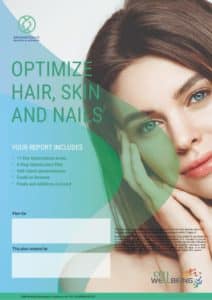
We want to focus on the Vitamin and Mineral section of the Optimize Hair, Skin, and Nails Report. Vitamins and minerals are also known as Micronutrients. The majority of vitamins and mineral must come from diet and nutrition. The human body is unable to make most of the micronutrients that are essential. While our bodies only require a small amount of these organic nutrients, they are essential for life. In addition, micronutrients play a major role in the hair follicle cycle with cellular turnover and how rapidly the cells divide. Deficiency or even over supplementation of vitamins and minerals may be causing your hair thinning.

When thinking about hair and scalp health, it is important to recognize the need for the optimal balance of vitamin and mineral levels. Let’s look at the top micronutrients and the foods to include for hair and scalp health: Vitamin A, Vitamin B, Vitamin C, Vitamin D, Vitamin E, Iron, Selenium, and Zinc.

essential Vitamins for healthy hair

Vitamin A

Vitamin A, also known as Retinol, is a fat-soluble vitamin that is stored in the liver. Achieving an equilibrium of Vitamin A is extremely important. In excessive quantities, this micronutrient can cause toxicity. Vitamin A is one of the micronutrients that can hinder hair growth and cause hair loss if you consume too much or over-supplement. The maximum tolerable amount is 10,000IU per day. The top five food sources of Vitamin A: beef liver, sweet potato, spinach, raw carrots, and ricotta cheese.

Vitamin B

Known as Vitamin B Complex due to the eight water-soluble components: B1 (thiamine), B2 (riboflavin), B3 (niacin), B5 (pantothenic acid), B6, B7 (biotin), folate, and B12. Hair loss is shown in those that are deficient in B2, biotin, folate, and B12. Riboflavin-rich foods include eggs, organ meats, lean meats, low-fat milk, green vegetables, and fortified cereals and grain products. Dietary sources of Vitamin B7 or Biotin include meat, fish, eggs, organ meats, seeds, nuts, sweet potatoes, spinach, and broccoli. The best foods containing Folate are beef liver, asparagus, brussels sprouts, dark green leafy vegetables, oranges and orange juice, nuts, beans, and peas. B12 sources are clams, beef liver, fish, meat, poultry, eggs, and milk. Other products are fortified with B12 including some dairy products, cereals, and nutritional yeasts.

Vitamin C

In a person with an iron deficiency, it is important to understand how essential Vitamin C is to assist with the absorption of iron in the intestine. Vitamin C also needs to be consumed through food sources such as citrus fruits, potatoes, tomatoes, green peppers, and cabbage.

Vitamin D

Vitamin D is fat soluble and helps to maintain adequate levels of calcium and phosphorus in your body and is believed to exert an anti-inflammatory effect. Vitamin D occurs in very few food groups. The best sources are trout, salmon, tuna, mackerel, and other fatty fish. Beef liver, egg yolks, and cheese have very small amounts of Vitamin D. In the US, milk is fortified with Vitamin D at a rate of 120IU per cup.

Vitamin E

Vitamin E contains tocotrienols and are known to be potent antioxidants. There is a correlation between oxidative stress and hair loss. Hair loss patients commonly exhibit lower levels of antioxidants in their scalp area. Dietary sources of Vitamin E are wheat germ, sunflower, safflower oils, almonds, seeds, spinach, and broccoli. In addition, some companies add Vitamin E to their products.

The Minerals for Healthy hair

Iron

Iron deficiency is one of the top nutritional deficiencies, especially among women. It is debated if low levels of iron could contribute to hair loss, but there does seem to be a correlation when serum ferritin levels are low. As we learned in the Vitamin C paragraph, iron in plant foods is better absorbed by the body when eaten with Vitamin C rich foods. Iron food sources are lean meat, seafood, poultry, beans, lentils, spinach, kidney beans, and peas. Iron-fortified food products like cereals or grains are also optional.

Selenium

Selenium is an essential trace element that the body needs to stay healthy. Selenium does carry a risk of toxicity in amounts ingested above 400mcg per day. One important function of selenium is with the thyroid gland. Thyroid imbalances can be a cause of hair loss so it makes sense that making sure you get adequate amounts of selenium is important. Foods rich in Selenium include seafood, meat, poultry, eggs, dairy products, breads, cereals, and other grain products.

Zinc

Zinc is also an essential trace element and must be supplied through the diet since the body cannot make it on its own. Zinc deficiency is well known in patients diagnosed with Alopecia Areata. Supplementing with Zinc has shown increased hair regrowth in those patients. The ideal dietary sources of Zinc are oysters, red meat, poultry, and dairy products. Vegetarian sources that provide some zinc are beans, nuts, whole grains, and fortified cereals.

As you can see, eating a balance of vitamin-rich food is important to healthy scalp and hair. Finding the right balance is often frustrating, and because of the hair growth cycle, could take months to know that you are on the right track. Our Hair Follicle Test is the gateway to new information arming you with the knowledge to make optimal choices to maintain a healthy homeostasis in your body.

Hair Follicle Test

How do you know if you are eating the right vitamins and minerals for healthy hair and scalp? Our Epigenetic Hair Follicle test includes vitamin and mineral indicators in a 30 plus page report that is personalized for you. The new innovative test can be done In-Office or from the comfort of your own home with our At-Home test. In addition to the vitamin and mineral profile, our epigenetic test also reveals amino acids, antioxidants, fatty acids, and environmental stressors, arming you with the knowledge of changes that you can make to improve your overall scalp and hair health.

Click Below for sample report


Blog Series: Help Your Hair Loss & Scalp Irritation The Natural Way

Part One: Amino acids

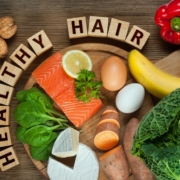
Healthy Food

Surely you have heard of amino acids. Remember, we learned about it in middle school science! As a review, amino acids are molecules that create protein when combined and are considered the building blocks of our existence.

The human body needs amino acids. In addition to being necessary for survival, they are extremely important for the health and condition of your hair and scalp.  Collagen, elastin, and keratin are the fundamental protein elements that make up a healthy scalp and hair.  Collagen binds the scalp tissue and hair follicles together.

Collagen: The vital amino acids for collagen production are lysine, glycine, and proline. Lysine absorbs calcium aiding in the formation of collagen and is thought to able to prevent conversion of testosterone into DHT. Dihydrotestosterone (DHT) is the leading cause of male pattern baldness. Glycine is essential for collagen production. It is also able to protect the body from nerve ailments that cause hair loss. Proline aids in maintaining muscle tissue and aids in collagen synthesis.

Elastin: Over 70 amino acids create elastin. It aids in the vitality of the hair and scalp like collagen. It gives scalp and hair its stretch and elasticity.

Keratin: The abundant amino acid in keratin is cysteine. Cysteine helps to maintain the overall health and strength of the hair.

What do Amino Acids Do?

  • Maintain a normal digestive system
  • Process food in our stomach
  • Provide a source of energy
  • Build muscle, grow, and repair tissue
  • Maintain vibrant skin, hair, and nails
  • Create hormones and neurotransmitters
  • Enhance your immune system

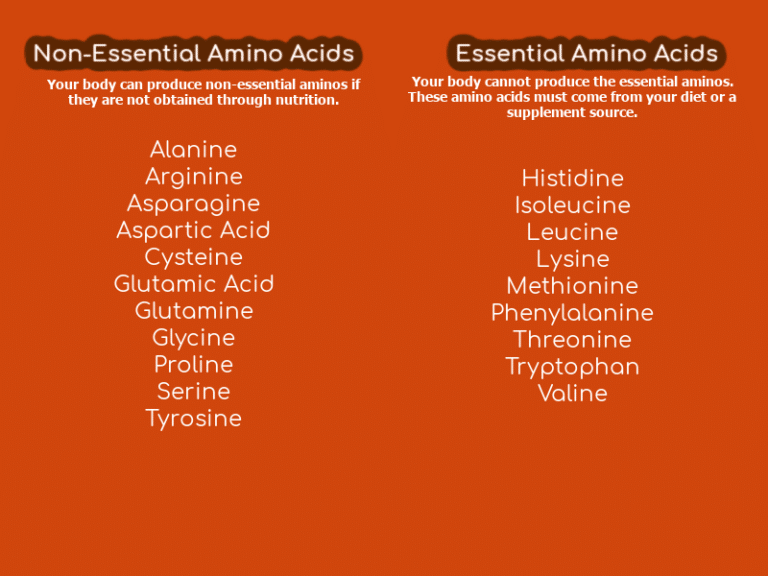
Even though your body produces hundreds of amino acids, it needs twenty to function properly. These twenty are divided into eleven non-essential amino acids and nine essential amino acids. The nine essential amino acids can only be received from your nutrition since our body cannot make these aminos.

Non-Essential & Essential Amino Acids

The ideal sources of essential amino acids are animal proteins such as beef, poultry, dairy, and eggs since these proteins are easily absorbed and used by your body. Foods that contain all nine essential amino acids are called complete proteins. It is possible to consume essential amino acids from vegetarian sources like soy, quinoa, spirulina, hemp seeds, chia seeds, and buckwheat. Incomplete proteins are those that contain some of the essential amino acids. These would include nuts and nut butters, seeds, beans, and some grains. A person following a vegetarian or vegan diet would need to ensure they are consuming enough different types of food to get all the nine essential amino acids in their diet.

Ultimate Scalp and Hair Health

Now that we understand how important amino acids are to your diet, we will now consider them for our hair and scalp health. External amino acid use can aid in the overall health of your scalp and hair. Using a scalp exfoliant or scalp mask rich in amino acids can help remove dead skin from the scalp which can be blocking the hair follicles.  Stimulating scalp treatments with a medicated scalp mask with added amino acids are an excellent way to nourish the hair and scalp while stimulating blood flow to the follicles!

Hair Follicle Test

How do you know if your amino acids levels are in tune? Which amino acids need improvement in your diet? Our Epigenetic Hair Follicle test includes amino acid indicators in a 30 plus page report that is personalized for you. The new innovative test can be done In-Office or from the comfort of your own home with our At-Home test. In addition to the amino acid profile, our epigenetic test also reveals vitamin, mineral, antioxidants, fatty acids, and environmental stressors, arming you with the knowledge of changes that you can make to improve your overall scalp and hair health.

Click Below for sample report


Hair, Skin, Nails Report

Q&A with an Expert in Hair Loss

Anyone can experience hair thinning.  Left on our own, we often don’t know why hair loss starts.  Twenty-year hair loss specialist Kimberly Vaughn answers your personal questions on alopecia, or hair loss.  Kimberly is the managing director of HPIHair in Nashville and a compassionate hair coach certified as a World Trichologist Society trained professional.  She specializes in hair preservation, hair restoration, and hair replacement.

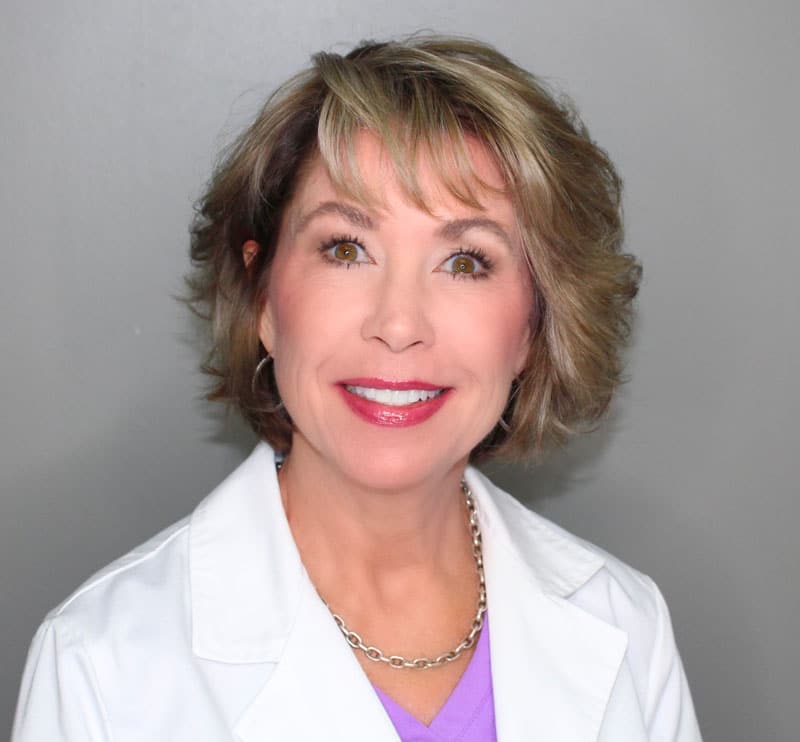
Kimberly Vaughn

Question: I am a 27-year-old woman who is in great health (at least I think).  Workouts are on my schedule three to four days a week.  I am a vegan and work hard at getting enough protein in my diet, drink plenty of water, and my hair is still falling out.  What is going on?

Answer: From your description above, the first three thoughts that come to mind are:
1) Has something major happened in your life within the past 9 months? COVID, break up, etc…
2) When was the last time that you had a physical with a wholistic blood work up?  This means, ALL hormones, thyroid tests, vitamins, and minerals.
3) Do you have a genetic predisposition to hair loss? Parents, grandparents, aunts that have thinning hair?  Hair loss is a complicated topic with varying roads to travel in the quest for answers. The first step, and many times the hardest is determining the cause(s) of the hair loss.  As with any health concern, we need to understand the cause/effect scenario to determine treatment options.  Start looking for your answers, with factual evidence and get your blood work done.

Question:  I am in my early 30s and now wear hats every day.  What are my options to have hair again and can it look natural?

Answer: Hair loss is a challenging subject for men, no matter how old you are.  The photos you shared confidentially illustrate a significant hair loss on the top and crown of your head.  Treatment for advanced hair loss, such as you are experiencing, has limitations.  However, we now have many more options than ever before!  If you are considering a hair replacement to fully cover the scalp, Nashville offers many options for hair replacement studios.  Another options to consider is Scalp Micropigmentation (SMP) treatments.  This is a tattoo-type procedure performed on the scalp to camouflage the bare skin, mimicking the look of a hair follicle.  SMP is performed in sessions and can offer as much camouflage as needed.  Either replacement or permanent camouflage are good options.  Do your homework though!  Ensure you have selected the best provider for your solution.

Question:  My hair has been thinning for a few years and continues to worsen.  My dermatologist has diagnosed my problem as androgenic alopecia.  Does this mean I will start losing more hair or will my hair become patchy and fall out in clumps?  After seeing several pictures online, I am more worried now than even before the diagnosis.

Answer: Take a few deep breaths, we will sort through the differences and you should feel better shortly.  Androgenic alopecia and alopecia areata are very different diagnoses and conditions.  The word “alopecia” simply means hair loss.  As you would imagine, the word androgenic refers to heredity and can be referred to as male-pattern hair loss or female-pattern hair loss.  Alopecia areata is an auto immune condition causing hair loss on the head, face, and other parts of the body.  It is very different than its stepsister androgenic alopecia.  Both hair loss conditions are extremely devastating and can affect your appearance in different ways, depending on your gender, age, and ethnicity.

Alopecia areata treatment, if started at the onset of the diagnosis, can be very successful and reduce the likelihood of further episodes.  Look deeply into your diet and overall health and consider steroid injections or micro needling procedures.  We have seen strong, promising results with the above treatments.  With androgenic alopeicia, although very different in nature and pattern of hair loss, a holistic approach is the best place to begin as well.  Hormones, thyroid, genetics, diet, and overall health are also key drivers adding to the genetic predisposition.  Don’t blame your family!  Eighty million of us experience some form of hair loss during our lifetime and blaming our amazing family isn’t the way to go!

MTHFR = 2 Parents + Defective Genes

What is MTHFR?

MTHFR is a gene in the body responsible for the manufacturing of the MTHFR enzyme called methylenetetrahydrofolate reductase. This enzyme is necessary for methylation (an epigenetic signaling tool that cells use to lock genes in the “off” position), DNA repairs, and support of other key functions in the body. Methylation is essential to convert both folate and folic acid into an active form that can be readily used by the body. We know that folate and folic acid are important to maintaining hair health. Those with this mutation may be experiencing hair thinning or hair loss. Individuals with this mutation may also develop a folate deficiency as well.

“The benefit of recognizing MTHFR deficiency early is that you can start preventative therapy, including a high folate diet, very early in life and prevent or reduce the most severe effects,” says Fritz Roth, a professor of molecular genetics in the Donnelly Centre for Cellular and Biomolecular Research at the Temerty Faculty of Medicine and senior author on a new study into the genetic causes of the disorder.

Their findings are published in the American Journal of Human Genetics.

There are likely thousands of variants circulating in the population whose effects on folate metabolism—and health—remain unknown. Knowing which variants impair enzyme function can help predict, and possibly prevent, the negative consequences associated with MTHFR deficiency.

Why is this important?

Methylation is essential to convert both folate and folic acid into an active form that can be readily used by the body. We know that folate and folic acid are important to maintaining hair health.

What Next?

Consider amino acid supplementation. Aminos are the building blocks of the proteins in our body and they also play a very critical role in our hair health. MTHFR is especially important for converting an amino acid called homocysteine into the amino acid methionine. Those sensitive to this mutation may also develop a higher homocysteine level, which has been linked to an increase in cardiac disease and stroke. Not a GENE you should be messing around with!

The following resources can help you learn more about this disorder:

https://www.cdc.gov/ncbddd/folicacid/mthfr-gene-and-folic-acid.html

https://rarediseases.info.nih.gov/diseases/10953/mthfr-gene-variant

If you would like to get tested for the MTHFR gene mutation and are looking for answers to your hair loss questions contact us today at 615.662.8722 or complete our consultation form online.

Why Do I Lose More Hair in the Fall?

Why do we see increased loss particular times of the year?

Is your skin dryer in cooler months?

Is your scalp more sensitive in the fall and itchy in the spring and summer?

Seasonal hair loss is REAL.  Like seasonal allergies, our bodies (and hair follicles alike) are trying to fight off allergens created by temperatures, blooming tress, and more.

Increases in hair loss at particular times of the year is not an exact science, however it appears that women suffer from this condition much more than men. Without a direct link to temperature changes, research has identified that as environment changes occur, our bodies change. During more severe cold or warm temperature changes our skin can dry or become oily.

Ah-ha……the hair is a cellular living structure during the anagen/growing phase just as our skin is always producing and shedding!  Just as our skin stresses each season, so will our hair.

What can you do?

Check with your hair loss specialist to determine the “actual” cause of the hair loss first.  If you are in a stage of reactive (telogen/anagen effluvium)  hair loss, take a deep breath, and seek a specialist to help with a short-term aggressive treatment plan to control the shedding and help your hair follicles rebound at a faster than normal rate.  This shedding phase is more aggressive than your normal rate of hair loss thus, you will benefit from an aggressive treatment plan.

After determining the cause, treatment should be planned accordingly. Minoxidil and Finasteride are Food and Drug Administration- (FDA) approved medical treatments for genetic hair loss. However, consider more natural treatments such as customized IV Hair Health treatments, scalp injections, stimulating scalp treatments and micro needling procedures are also among treatment options. If you are suffering from nutritional deficiencies, treatment will comprise of supplements, and IV therapy.  If your hair loss is more complex and due to hormonal disorders such as PCOS or thyroid, you’ll likely be referred to an endocrinologist to fix the root cause and it may take longer to see results.

What Type of Hair Loss Do You Have?

Are you one of the 1 in 5 Americans who suffer from hair loss?  

Hair loss can be caused by a variety of reasons.  Though generally speaking there are 7 distinct types of hair loss Androgenic Alopecia

  • Male pattern hair loss
  • Female pattern hair loss

Telogen Effluvium

  • Aggressive hair loss of more than 300 hairs per day

Anagen Effluvium

  • Sudden hair loss with hair in the growing phase (chemotherapy or radiation therapy treatments)

Alopecia Areata/Totalis/Universalis

  • Auto-immune condition

Cicatricial Alopecia

  • Scarring alopecia (a rare type of hair loss in which inflammation destroys hair follicles

Lichen Planopilaris

  • May cause a dry, flaky rash to appear on the skin (causes hair on the scalp to fall out in clumps)

Hair Shaft Abnormalities

  • Hair strands will shed, and weaken making them vulnerable to breaking

Though these are the types of hair loss, there may be underlying reasons that hair is falling out or not growing back. One contributing factor is a common condition called leaky gut.  Leaky gut occurs when the body is not able to absorb vitamins and minerals in food.  In addition, hair loss can occur when the body undergoes a physical trauma (such as surgery) or emotional trauma (such as stress or grief).  When a trauma is experienced, the body shuts down things it feels are not vital to survival, including hair follicles.  For those who have had bariatric surgery, 60 million lose hair due to the trauma on their bodies from the surgery.  Bariatric patients can benefit from IV therapy both prior to surgery and after, because they are no longer able to absorb the vitamins and minerals that they need.  Surprisingly, even people who have had hair transplants can be affected by hair loss due to the procedure.  With any and all of these circumstances, IV therapy for hair loss could be an option for people going through these things to help with vitamin and mineral absorption.  Since the reason for hair loss is so intricate, many sufferers can benefit from a more aggressive, natural treatment like IV therapy. HPIHair is the first in the southeast to offer these natural hair therapies. Customized IV hair loss therapy is the process of vitamins being put directly into your bloodstream, therefore bypassing the digestive tract.  The vitamins included in the cocktail include copper, selenium, amino acids, NAC,vitamin B’s and vitamin C. Hair loss infusion therapy may benefit you if you have experienced any of the following:

  • Dry, thin or brittle hair
  • Excessive shedding
  • A sore and tender scalp
  • Pre and post surgery
  • Pre and post hair transplant
  • Post COVID-19 diagnosis hair shedding

If you are interested in a natural solution for your hair loss or you would like to try an alternate solution, please contact HPIHair today.  

Powerful Foods that Prevent Seasonal Hair Loss

Is hair loss normal?

Seasonal shedding, like seasonal allergies (or even skin problems), happens when a change in temperature stresses the scalp and follicles, causing strands to come out. Of course, there is more to it than that. Get the real scoop on seasonal hair loss from the industry’s best Trichologist, Kimberly Vaughn with HPIHair .

“Losing 80 – 100 hairs every day can be a reason to take notice if this continues on a regular basis” says Kimberly. You may notice an increase in shedding at various periods of the year, particularly in the late autumn months. Trichologists call it seasonal shedding. Kimberly notes that seasonal shedding is usually not a reason for worry if your hair and scalp have been cared for properly. If your health and hormones are also regulated, your hair should slow the aggressive seasonal shed in less than a month. With time, shedding should return to typical daily levels, and normal hair growth will resume.

When should you worry?

These variables include excessive or consistent stress, medicines you may be taking, internal factors like hormones (menopause and pregnancy), thyroid function, and poor hair and scalp care. Your hair may heal and revert to its regular growth cycle in certain instances. In other instances, hair may start to weaken, grow thinner, or become dormant. Without a doubt, excessive hair loss is extremely distressing, and although it is generally transitory, it can cause a continuous cycle of hair loss if not properly identified and managed. Kimberly suggests undergoing a Single Hair Analysis (SHA) test to determine underlying reasons leading to the root of the hair loss problem.

Hair Loss Diet, anyone?

We all know that nutrition plays an important role in the health of our hair. We interviewed Nataliia Sanzo, a Registered Dietitian Nutritionist, and Nashville Thyroid Expert®️ to learn about the top foods that stop and prevent seasonal shedding and may promote a fuller head of hair.

“When it comes to preventing and treating hair loss, the first thing we need to address is nutritional deficiencies,” says Nataliia. Eating the right foods can lead to a fuller, healthier head of hair.

Nataliia summarized the variety of nutrients that promote hair growth:

Let’s look at the best types of food for hair loss.

Almonds and almond butter

Almond butter includes a range of elements that have been related to hair health, including protein, healthy fats, and certain vitamins. Researchers claim that the vitamin E concentration in nuts is especially beneficial for keeping your hair strong and glossy.

Salmon

Salmon is high in omega-3 fatty acids, which offer a wide range of health advantages. Omega-3 fatty acids have anti-inflammatory properties. If you have inflammation that is causing hair loss, this nutrient may help stop seasonal hair loss. Walnuts, chia seeds, and flax seeds are all excellent sources of omega-3s.

Spinach

Spinach is rich in nutrients and minerals that are good for both your hair and your general health. It’s essential to make sure you don’t have a deficiency in anything in your diet that may be causing hair loss. To make sure you don’t have any deficiencies, I like to run a variety of tests to check protein levels, iron, iron storage, vitamin D, amongst others. Spinach, in addition to being rich in iron and magnesium, may aid in the production of sebum in your hair.

Eggs

Eggs are high in protein and important minerals, including choline and vitamins A, D, and B12, all of which are beneficial to hair health. Lutein and zeaxanthin, two carotenoids present in eggs, also have a role in cellular health, particularly in the eyes, skin, and hair. Eggs also include ten micrograms of biotin, a B vitamin that may aid hair growth and strengthen nails. “Almonds, avocados, and salmon are other excellent sources of biotin,” Nataliia adds.

Oatmeal

Oats are high in zinc, fiber, iron, omega-3, and polyunsaturated fatty acids (PUFAs), all of which help to promote hair development and thickening.

Nataliia suggests topping oatmeal with some chia seeds to make your daily cup of oats even more hair-boosting. This nutritional powerhouse is a complete protein, with 20% more protein than soybeans, and may aid in the growth of long, luscious hair.

Lentils

Lentils are high in folic acid, which aids in the formation of red blood cells in the body. Your organs, including your skin and scalp, get oxygen from red blood cells, thus maintaining their health and vitality.

Oysters

Nataliia notes that it is possible that you’re not receiving enough zinc in your diet if your hair is thinning or falling out entirely. Fortunately, research shows that hair loss caused by zinc deficiency may be restored simply by increasing zinc intake.

 Blueberries

According to a study published in the International Journal of Cosmetic Science, oxidative stress has been related to hair loss and unhealthy scalps. Therefore, it’s essential to include antioxidants in your diet to keep your scalp and hair happy. Blueberries, in particular, are high in antioxidants such as vitamin B and proanthocyanins.

Barley

Barley, like almond butter, is high in vitamin E. It may aid in hair development; therefore, consuming foods rich in this vitamin is always a wise choice if you’re seeking to supplement your diet with additional foods for hair growth.

Halibut

Halibut has a lot of magnesium, which helps the body keep its insulin levels in check. Diabetes has also been related to hair loss, so keeping your insulin levels under control is critical for a variety of reasons.

Shiitake mushrooms

Copper is required for the strength of keratin fibers. According to multiple researches, the trace elements may also help hair retain its original color and prevent graying. A cup of cooked shiitake mushrooms has 1,287 micrograms of the mineral, which is 143 percent of your daily recommended value. Copper is also abundant in seaweed and sesame seeds.

Finally, Nataliia emphasized the importance of the consumption of high-protein foods, which aid in the growth of healthy, strong hair. Hair follicles are the tube-shaped passageways in the scalp and skin where hair develops and grows. A large portion of their structure is comprised of protein, which is also an important component in the development of healthy hair cells. In order to increase your body’s protein levels, try including more eggs or fish in your diet.

Nataliia Sanzo is a Registered Dietitian, Nashville Thyroid Expert®️, and Certified Health and Wellness Coach. Nataliia has been helping people since 2015 address their thyroid disorders, gut and liver health, food sensitivities, and intolerances. She will help you to understand the value of lifestyle interventions and functional medicine in restoring health.

HPIHair is excited to welcome Nataliia as our Staff Dietitian .

Written by Nataliia Sanzo, RDN

What is Alopecia Totalis?

As we discussed in our prior blog, “What is Alopecia Areata?”, September is Alopecia Awareness Month. Alopecia is a Latin term meaning “hair loss”, however there are four main types of alopecia: Androgenic Alopecia (AGA), Alopecia Areata (AA), Alopecia Totalis (AT), and Alopecia Universalis (AU). This month HPIHair will dive into the differences between these four types of alopecia.

Third on our list to discuss is Alopecia Totalis (AT). AT is a condition that causes complete loss of hair from the neck up. The exact cause of this condition is unknown, but research shows it is an autoimmune condition where the immune system attacks the hair follicles. Roughly 20% of those affected by AT have a family member with alopecia  suggesting that genes could play a role in this condition.

Unfortunately, there is no known cure for Alopecia Totalis, but with newer studies it is possible it can revert itself. At HPIHair we provide different cosmetic options such as hair replacement, scalp micropigmentation and microblading for eyebrows for those who prefer to camouflage their scalp and facial hair loss.