What Type of Hair Loss Do You Have?

Are you one of the 1 in 5 Americans who suffer from hair loss?  

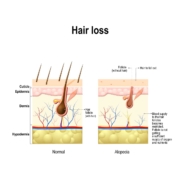
Hair loss can be caused by a variety of reasons.  Though generally speaking there are 7 distinct types of hair loss Androgenic Alopecia

  • Male pattern hair loss
  • Female pattern hair loss

Telogen Effluvium

  • Aggressive hair loss of more than 300 hairs per day

Anagen Effluvium

  • Sudden hair loss with hair in the growing phase (chemotherapy or radiation therapy treatments)

Alopecia Areata/Totalis/Universalis

  • Auto-immune condition

Cicatricial Alopecia

  • Scarring alopecia (a rare type of hair loss in which inflammation destroys hair follicles

Lichen Planopilaris

  • May cause a dry, flaky rash to appear on the skin (causes hair on the scalp to fall out in clumps)

Hair Shaft Abnormalities

  • Hair strands will shed, and weaken making them vulnerable to breaking

Though these are the types of hair loss, there may be underlying reasons that hair is falling out or not growing back. One contributing factor is a common condition called leaky gut.  Leaky gut occurs when the body is not able to absorb vitamins and minerals in food.  In addition, hair loss can occur when the body undergoes a physical trauma (such as surgery) or emotional trauma (such as stress or grief).  When a trauma is experienced, the body shuts down things it feels are not vital to survival, including hair follicles.  For those who have had bariatric surgery, 60 million lose hair due to the trauma on their bodies from the surgery.  Bariatric patients can benefit from IV therapy both prior to surgery and after, because they are no longer able to absorb the vitamins and minerals that they need.  Surprisingly, even people who have had hair transplants can be affected by hair loss due to the procedure.  With any and all of these circumstances, IV therapy for hair loss could be an option for people going through these things to help with vitamin and mineral absorption.  Since the reason for hair loss is so intricate, many sufferers can benefit from a more aggressive, natural treatment like IV therapy. HPIHair is the first in the southeast to offer these natural hair therapies. Customized IV hair loss therapy is the process of vitamins being put directly into your bloodstream, therefore bypassing the digestive tract.  The vitamins included in the cocktail include copper, selenium, amino acids, NAC,vitamin B’s and vitamin C. Hair loss infusion therapy may benefit you if you have experienced any of the following:

  • Dry, thin or brittle hair
  • Excessive shedding
  • A sore and tender scalp
  • Pre and post surgery
  • Pre and post hair transplant
  • Post COVID-19 diagnosis hair shedding

If you are interested in a natural solution for your hair loss or you would like to try an alternate solution, please contact HPIHair today.  

Powerful Foods that Prevent Seasonal Hair Loss

Is hair loss normal?

Seasonal shedding, like seasonal allergies (or even skin problems), happens when a change in temperature stresses the scalp and follicles, causing strands to come out. Of course, there is more to it than that. Get the real scoop on seasonal hair loss from the industry’s best Trichologist, Kimberly Vaughn with HPIHair .

“Losing 80 – 100 hairs every day can be a reason to take notice if this continues on a regular basis” says Kimberly. You may notice an increase in shedding at various periods of the year, particularly in the late autumn months. Trichologists call it seasonal shedding. Kimberly notes that seasonal shedding is usually not a reason for worry if your hair and scalp have been cared for properly. If your health and hormones are also regulated, your hair should slow the aggressive seasonal shed in less than a month. With time, shedding should return to typical daily levels, and normal hair growth will resume.

When should you worry?

These variables include excessive or consistent stress, medicines you may be taking, internal factors like hormones (menopause and pregnancy), thyroid function, and poor hair and scalp care. Your hair may heal and revert to its regular growth cycle in certain instances. In other instances, hair may start to weaken, grow thinner, or become dormant. Without a doubt, excessive hair loss is extremely distressing, and although it is generally transitory, it can cause a continuous cycle of hair loss if not properly identified and managed. Kimberly suggests undergoing a Single Hair Analysis (SHA) test to determine underlying reasons leading to the root of the hair loss problem.

Hair Loss Diet, anyone?

We all know that nutrition plays an important role in the health of our hair. We interviewed Nataliia Sanzo, a Registered Dietitian Nutritionist, and Nashville Thyroid Expert®️ to learn about the top foods that stop and prevent seasonal shedding and may promote a fuller head of hair.

“When it comes to preventing and treating hair loss, the first thing we need to address is nutritional deficiencies,” says Nataliia. Eating the right foods can lead to a fuller, healthier head of hair.

Nataliia summarized the variety of nutrients that promote hair growth:

Let’s look at the best types of food for hair loss.

Almonds and almond butter

Almond butter includes a range of elements that have been related to hair health, including protein, healthy fats, and certain vitamins. Researchers claim that the vitamin E concentration in nuts is especially beneficial for keeping your hair strong and glossy.

Salmon

Salmon is high in omega-3 fatty acids, which offer a wide range of health advantages. Omega-3 fatty acids have anti-inflammatory properties. If you have inflammation that is causing hair loss, this nutrient may help stop seasonal hair loss. Walnuts, chia seeds, and flax seeds are all excellent sources of omega-3s.

Spinach

Spinach is rich in nutrients and minerals that are good for both your hair and your general health. It’s essential to make sure you don’t have a deficiency in anything in your diet that may be causing hair loss. To make sure you don’t have any deficiencies, I like to run a variety of tests to check protein levels, iron, iron storage, vitamin D, amongst others. Spinach, in addition to being rich in iron and magnesium, may aid in the production of sebum in your hair.

Eggs

Eggs are high in protein and important minerals, including choline and vitamins A, D, and B12, all of which are beneficial to hair health. Lutein and zeaxanthin, two carotenoids present in eggs, also have a role in cellular health, particularly in the eyes, skin, and hair. Eggs also include ten micrograms of biotin, a B vitamin that may aid hair growth and strengthen nails. “Almonds, avocados, and salmon are other excellent sources of biotin,” Nataliia adds.

Oatmeal

Oats are high in zinc, fiber, iron, omega-3, and polyunsaturated fatty acids (PUFAs), all of which help to promote hair development and thickening.

Nataliia suggests topping oatmeal with some chia seeds to make your daily cup of oats even more hair-boosting. This nutritional powerhouse is a complete protein, with 20% more protein than soybeans, and may aid in the growth of long, luscious hair.

Lentils

Lentils are high in folic acid, which aids in the formation of red blood cells in the body. Your organs, including your skin and scalp, get oxygen from red blood cells, thus maintaining their health and vitality.

Oysters

Nataliia notes that it is possible that you’re not receiving enough zinc in your diet if your hair is thinning or falling out entirely. Fortunately, research shows that hair loss caused by zinc deficiency may be restored simply by increasing zinc intake.

 Blueberries

According to a study published in the International Journal of Cosmetic Science, oxidative stress has been related to hair loss and unhealthy scalps. Therefore, it’s essential to include antioxidants in your diet to keep your scalp and hair happy. Blueberries, in particular, are high in antioxidants such as vitamin B and proanthocyanins.

Barley

Barley, like almond butter, is high in vitamin E. It may aid in hair development; therefore, consuming foods rich in this vitamin is always a wise choice if you’re seeking to supplement your diet with additional foods for hair growth.

Halibut

Halibut has a lot of magnesium, which helps the body keep its insulin levels in check. Diabetes has also been related to hair loss, so keeping your insulin levels under control is critical for a variety of reasons.

Shiitake mushrooms

Copper is required for the strength of keratin fibers. According to multiple researches, the trace elements may also help hair retain its original color and prevent graying. A cup of cooked shiitake mushrooms has 1,287 micrograms of the mineral, which is 143 percent of your daily recommended value. Copper is also abundant in seaweed and sesame seeds.

Finally, Nataliia emphasized the importance of the consumption of high-protein foods, which aid in the growth of healthy, strong hair. Hair follicles are the tube-shaped passageways in the scalp and skin where hair develops and grows. A large portion of their structure is comprised of protein, which is also an important component in the development of healthy hair cells. In order to increase your body’s protein levels, try including more eggs or fish in your diet.

Nataliia Sanzo is a Registered Dietitian, Nashville Thyroid Expert®️, and Certified Health and Wellness Coach. Nataliia has been helping people since 2015 address their thyroid disorders, gut and liver health, food sensitivities, and intolerances. She will help you to understand the value of lifestyle interventions and functional medicine in restoring health.

HPIHair is excited to welcome Nataliia as our Staff Dietitian .

Written by Nataliia Sanzo, RDN
What is Alopecia Totalis?

As we discussed in our prior blog, “What is Alopecia Areata?”, September is Alopecia Awareness Month. Alopecia is a Latin term meaning “hair loss”, however there are four main types of alopecia: Androgenic Alopecia (AGA), Alopecia Areata (AA), Alopecia Totalis (AT), and Alopecia Universalis (AU). This month HPIHair will dive into the differences between these four types of alopecia.

Third on our list to discuss is Alopecia Totalis (AT). AT is a condition that causes complete loss of hair from the neck up. The exact cause of this condition is unknown, but research shows it is an autoimmune condition where the immune system attacks the hair follicles. Roughly 20% of those affected by AT have a family member with alopecia  suggesting that genes could play a role in this condition.

Unfortunately, there is no known cure for Alopecia Totalis, but with newer studies it is possible it can revert itself. At HPIHair we provide different cosmetic options such as hair replacement, scalp micropigmentation and microblading for eyebrows for those who prefer to camouflage their scalp and facial hair loss.

The Benefits of Drinking Wine

As we all know there are health benefits of drinking wine. Immunity support, stress reduction, and digestive health can all be supported by ingredients we consume from the wine we drink.

Antioxidant Rich

Years of research proves dark grapes contain higher concentrations of antioxidants like resveratrol, epicatechin, catechin and proanthocyanins.  Antioxidants protect cells from free-radical damage, consuming antioxidants stimulates collagen synthesis to promote the health of your hair, skin and nails.

https://youtu.be/fgwgSLlbj08

Anti-Stressor 

Scientific studies show those who drink red wines are less likely to become depressed and stressed than those who do not. As we ALL know stress can take a tole on our bodies in many ways; i.e. brittle nails, hair loss, dry skin, weight gain and more. 

Healthy Gut Supporting

Wine contains anti-bacterial components which can help aid in stomach irritations and digestive concerns. Wine also helps reduce infections and illness caused by foods we ingest. When our bodies struggle to digest foods we eat, the body ends up using energy that should be delivered to other areas of the body, taking away from the over all health of those areas. Our hair, skin and nails are the first areas the energy is taken from. 

What is Alopecia Areata?

As we discussed in our prior blog, “What is Androgenic Alopecia?”, September is Alopecia Awareness Month. Alopecia is a Latin term meaning hair loss”, however there are four main types of alopecia: Androgenic Alopecia (AGA), Alopecia Areata (AA), Alopecia Totalis (AT), and Alopecia Universalis (AU). This month HPIHair will dive into the differences between these four types of alopecia.

Second on our list to discuss is Alopecia Areata (AA). Alopecia areata is an autoimmune disorder that causes unpredictable hair loss. It is the most common form of medical alopecia.  6.8 million people in the USA and 147 million people worldwide have been diagnosed with AA according to NAAF, the National Alopecia Areata Foundation. For most people who deal with AA, their hair falls out in patches of various sizes. Alopecia Areata can affect anyone, at any age. AA typically presents itself before the age of 30. AA is not limited to just the scalp; it can be seen anywhere hair forms on the body. It can sometimes form into more aggressive types of alopecia conditions, which we will discuss in our next two blogs. 

Alopecia areata is a polygenic disease , meaning both parents contribute specific genes that are passed down to their child, which is very rare. Therefore, scientists believe more than just genetics play a role in causing AA and that other environmental and health factors contribute to developing this condition.

Resources and help for those dealing with AA:

NAAF was established in 1981 to offer support to individuals affected by alopecia areata. They advocate for change and fund research to find treatments or cures for all ages. NAAF provides a network of support for those dealing with AA and their families.

Epigenetic holistic testing can also be a point of entry to understanding how your health, environment, and stressors can effect AA.

What is Androgenic Alopecia?

Alopecia is a Latin term meaning “hair loss”, however there are four main types of alopecia: Androgenic Alopecia (AGA), Alopecia Areata (AA), Alopecia Totalis (AT), and Alopecia Universalis (AU). This month HPIHair will dive into the differences between these four types of alopecia.

The first on our list to discuss is Androgenic Alopecia, abbreviated AGA. So, what is AGA?

Andro – hormone androgen, which aids in hair growth

Genic – “genetic” meaning genes

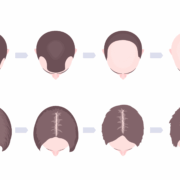
Androgenic alopecia can affect both men and women. It is a genetic form of alopecia, also know as male pattern or female pattern baldness.

Males:

Men can begin noticing signs of AGA in their early 20s. For most males AGA presents itself as a receding hairline and/or gradual thinning of the top of the head and crown areas.

FEMALES:

Women may notice signs of AGA as early as a postpubescent age. Women and girls who develop this condition notice significant hair thinning over their entire scalp (diffused), with the majority of loss occurring in the temporal areas and the top of the head.

Options for Treatment:

Every medical condition affects each person in different ways. Hair loss is no different and may be the only symptom or one of many. If you are experiencing hair loss, genetics may indeed play a role. However, genetics are not typically the singular factor contributing to hair loss. Often there are multiple variables playing a role in hair loss and understanding the cause can be the difference between losing more hair or stopping the loss. At HPIHair every client is helped individually with a comprehensive set of options designed to fit his or her individual needs.

We Listen. We Care. We Make a Difference.

Vitamins and Minerals and Fatty Acids…Oh My!

Increase Results by Increasing Cellular Growth

Educating our patients about nutritional needs beneficial to the skin and scalp will only increase the success of Microneedling Scalp treatments. There are many factors involved in hair loss and lack luster skin, but this focus is on the nutritional component. Iron rich foods include lean red meat, spinach, beef liver, beans, and shellfish. Iron is essential to produce hemoglobin and low hemoglobin levels bring less oxygen which is a necessity to viable hair follicles.  B-Vitamins also aid in creating red blood cells. Food sources of B-Vitamins include salmon, leafy greens, and eggs. Vitamins C and E, antioxidants found in fruits and vegetables, help prevent cell damage and inflammation. Vitamin A in spinach and carrots encourages cell growth. Essential minerals for a healthy scalp include Zinc, found in oysters, pumpkin seeds, and whole grains, and Selenium in Brazil nuts and yellowfin tuna. https://youtu.be/fgwgSLlbj08 Luminous and younger looking skin comes from nourishment from within as well as topical serums with Growth Factors and Peptides. In addition to the above-mentioned vitamins and minerals, essential fatty acids (efa) are beneficial to keeping your skin healthy and vibrant. EFAs are best consumed in diet as the body cannot synthesize them. These Polyunsaturated Fatty Acids (PUFAs) are included in a diet rich in EFAs oily fish, seeds, nuts, and avocados. Essential Fatty Acids include both Omega 3 and Omega 6. It is important that Omega 3 Fatty Acids are at a minimum of a 2:1 ratio to Omega 6 and even as high as a 4:1 ration for optimal health. Inflammation could occur without the correct balance.

We use a proprietary blend of basic Fibroblast Growth Factors (bFGFs) and either Copper Peptides in the Scalp Kits or Hyaluronic Acid in the Skin Kits contain great ingredients to achieve positive results. The benefit of including Copper Peptides with our Scalp Kit shows in thicker, voluminous, younger feeling hair. The presence of Hyaluronic Acid adds moisture and radiance to skin.

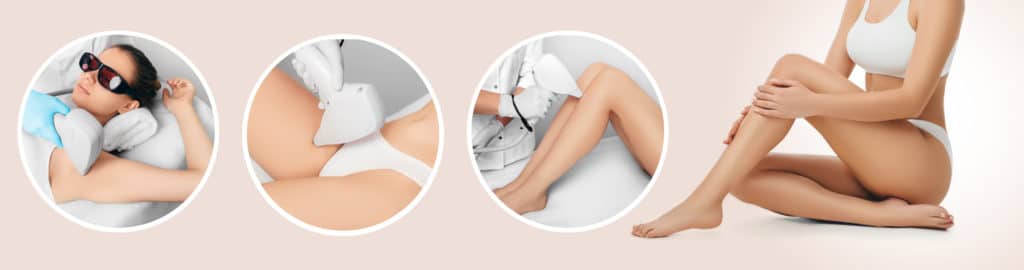
Laser Hair Removal for Men


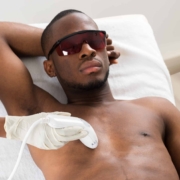
Benefits of laser hair removal for men

Pesky hairs between your eyebrows? Ready to show off your silky smooth abs on the next beach trip? Tired of those painful, red bumps that form after shaving sometimes?

Whatever the your reason, laser hair removal is a safe and effective treatment that men are doing now more than ever, because of the benefits. 

  • Prevent ingrown hairs
  • Extend the life of your hair cuts by removing hair on the back of the neck
  • Prevent chaffing 

The #1 benefit of laser hair removal is never having to shave, tweeze or wax again! Save yourself time, money, and embarrassment.

You will NO longer have to deal with ingrown hairs or pseudofolliculitis barbae in treatment area(s).

Laser hair removal mean less hair which also means less sweat – and that means a better scent!

Most common laser hair treatment removal areas for men

  • Chest
  • Back
  • Stomach
  • Neck
  • Groin
  • Between the eyebrows
  • Ears
  • Nose
  • Scalp – for those balding and tired of shaving

If you are ready to get started with Laser Hair Removal, start by consulting with our team of professionals. Listen to what your laser technician asks you to do before and after treatments to achieve optimal outcomes.

Things To Know Before You Go – Laser Hair Removal

Follow these guidelines:

  • Come to your appointment squeaky clean- do not use any lotions, oils, creams, make-up, deodorant, etc. on the area(s) to be treated the day of your laser hair removal appointment.
  • Shave the area(s) to be treated 24-48 hours prior to your appointment. A $15-30 charge will be added to your service if the technician has to shave your treatment area(s).
  • Do not wax or tweeze between treatments, the follicle of the hair must still be present for treatments to be effective.
  • For at least 2 weeks prior to your treatment avoid sun exposure, tanning beds and artificial tanning products.
  • You should use SPF of 30+ daily while going through treatments.
  • Avoid topical products that can cause photosensitivity to the treatment area(s) for 3-5 days prior to treatment.
    • Examples: alpha/beta hydroxy acids, salicylic acid, glycolic acid, retinols, and benzoyl peroxide **ask your technician, prior to your appointment, if you have questions about products you may be using
  • Let your technician know if you have started any medication that may cause photosensitivity prior to your appointment.
  • Typically for laser hair removal to the face area: You must wait at least 14 days after having aesthetic treatments such: Botox, filler injections, chemical peels, or microdermabrasion. For more invasive aesthetic treatments like laser resurfacing and micro-needling it is recommended to wait 4 weeks before being treated.
  • Avoid heavy sweating for 24 hours post treatment
    • Saunas, hot showers, strenuous exercise, hot tubs, etc.
  • Laser Hair Removal cannot be done over tattooed skin.
  • Laser Hair Removal requires 6-8 treatments for an optimal outcome.
    • Treatments can be done every 4-6 weeks.
  • This treatment does NOT work on blonde, red or grey hair.


Laser Hair Removal

Schedule your consultation now: (615) 662-8722

Choosing the Right Hair Restoration Clinic

A Hair Restoration Clinic Should Have a Certified Trichologist

What is a Trichologist and why are they important for a hair restoration clinic? A trichologist is a specialist in trichology, which comes from the Greek word Trikhos, meaning hair. Trichology is the para-medical science of the hair and the scalp, cosmetic chemistry, and life sciences. It encompasses the science of the structure, function and diseases of the human hair and scalp as well the diagnosis and treatment of these diseases and disorders (Dr. David H. Kingsley, PhD, WTS). An experienced Certified Trichologist can advise and offer men and women who are having hair/scalp-related problems, hair loss or scalp conditions. They help people with concerns of hair loss, breakage, oily scalp, and scalp psoriasis. HPI’s trichologists and specialty team can also aid in problems related to all forms of alopecia and trichotillomania (the hair-pulling disorder).  A Trichologist examines the hair and scalp to recommend treatment(s) specifically for the severity of hair/scalp concerns.

A Trichologist cannot prescribe medications or make a diagnosis, so they work along side a Doctor or Practitioner. However, the Trichologist offers a different insight to hair conditions that a M.D. or Practitioner may not be as familiar with, to help design the right treatment protocol and prescriptions, if need be. HPI is a well-known hair restoration clinic in Nashville, that has an MD, Nurse Practitioner, RN, Trichologist and Aesthetician all working together to provide the BEST solutions to ALL our clients.

  • Dr. Jack Monaco
  • Kimberly Vaughn, Trichologist
  • Reena Bhatka, Nurse Practitioner

Advanced Treatments for Hair Restoration

First thing is first, make sure you are not being pushed just to have surgery. Hair Transplant surgery can be a great option, but it is not for everyone. Surgery should really be a last resort, there are so many avenues to hair restoration before surgery. The right clinic will have a variety of treatments to offer you, based on your specific concerns. The top priority should be accessing the true cause of hair loss and developing a plan from there. May sure you and your provider explore all options and that you are educated on those options, you will not be sorry in the end!

  • Start with blood work or an epigenetics report, these tests will tell your provider what is going on internally that can potentially be causing the thinning or loss.
    • Based on the results from the above tests, you may just need a diet change, topicals or supplements to regenerate the hair
  • If the provider feels you need treatment, make sure they discuss ALL options with you and how those options work. Most treatment plans are going to be a multi-therapeutic approach to achieve the best results.

Treatments, outside of surgery, that should be considered: