Tag Archive for: men’s hair loss

HPIHair: 1st in Nashville to begin TED Treatment!


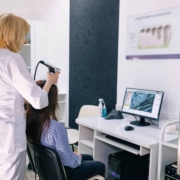
TED treatment (TransEpidermal Delivery) is an ultrasound-based system that uses sound waves and air pressure to enhance the penetration of a powerful topical hair growth formula into the scalp.

This combination is designed to increase blood flow, optimize scalp health, and stimulate hair follicles to produce thicker, stronger, healthier hair.

When Alma TED is used with this topical formula, it promotes increased blood flow to the scalp and a healthier, thicker, stronger head of hair. It offers these benefits without the discomfort and shedding commonly associated with in-office hair growth treatments.
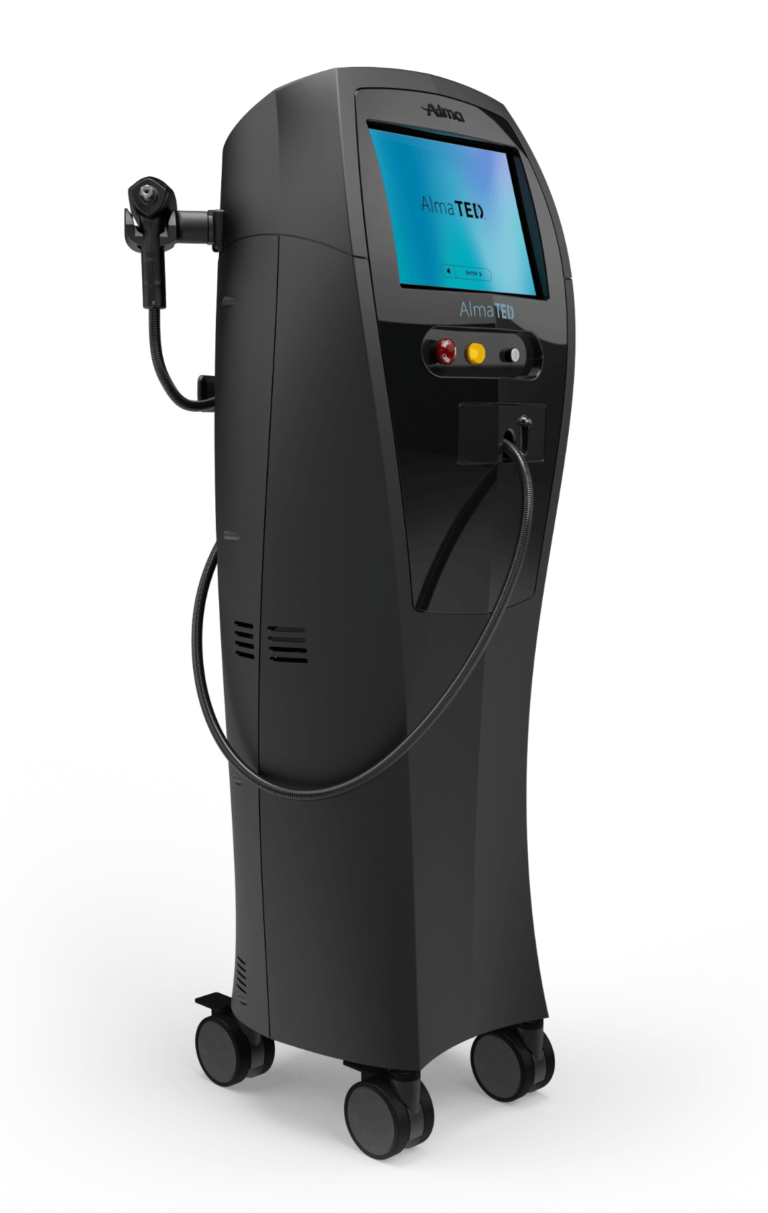
Alma TED technology for hair restoration equipment

Who is a Good Candidate for Treatment with Alma TED? – Patients who are experiencing hair shedding, hair loss or hair thinning may be good candidates for treatment with TED. A consultation is recommended to determine if you are a good candidate for TED treatment. TED was developed to be used on any individual that is suffering from hair loss or wants to improve the overall thickness and appearance of their hair.

What Should I Expect with Alma TED? – TED is a quick, 20-25 minute treatment. During your consultation, our Clinical Trichology team will perform a detailed evaluation of your scalp and hair, quantifying your hair density and hair caliber in each zone, as well as assessing your overall scalp health to personalize and customize the best treatment plan for you. You’ll notice improvements within one month of your first treatment.  Best results are seen after a series of 3 treatments.

Is the Alma TED Treatment Painful? – No, the treatment is quite comfortable and, for many patients, relaxing. You can expect to feel a warm sensation from the device and a vibration or ringing sound through the course of treatment, but there is no pain involved. No needles and no anesthesia are required. No trauma or discomfort at the scalp.

How Soon Will I See Results From Alma TED? – You can expect to see minor results after one TED treatment, but it is typically recommended to have a series of at least three TED treatments, one month apart, for optimal results.

How does Alma TED compare to other non-surgical/non-invasive Regenerative Treatments? – It’s important to know that every patient is an individual, and there is no “one size fits all” therapy. Other therapies at HPIHair are typically a once/twice-a-year treatment, whereas TED would require a series of three treatments, one month apart and can be repeated if need quarterly for optimal growing results.

Does Alma TED regrow a new hair follicle? – Unfortunately, no. The only way to restore hair growth to a severely depleted area is through hair transplantation. However, TED can be used in conjunction with hair transplants to help slow, stop, and reverse the progression of hair loss in non-transplanted areas.

How Can TED help Hair Growth? – TED uses low-frequency “ultrasonic” acoustic sound waves and air pressure to drive topical hair growth treatments deep into the skin through a process called acoustic cavitation. This use of sound waves to increase the penetration of topical treatments is called sonophoresis.

Through the process of Alma TED or “TransEpidermal Delivery,” we can increase the penetration of topical hair growth treatments through the top layer of skin, allowing more of the active ingredients to reach the hair follicles located below.

What are Current Patients Saying About Alma TED?

“TED was painless and honestly, somewhat relaxing. I felt as though I could take a quick nap during the procedure.”  – M. Baily

“I felt like I was getting a 30 minute scalp massage. It’s only been a few weeks but my hair definitely looks and feels thicker already.” – C. Smith

“No Pain. I heard a soft vibration but it was soothing. The HPIHair team is amazing.” – Bob
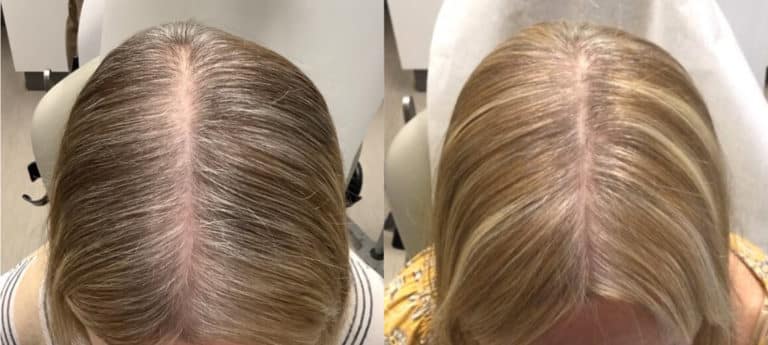
Before and after Alma TED technology for hair restoration results density results of a woman

Baseline and Post 2 Treatments. Photo Courtesy of Lady Dy, MD, FAAD

FDA’s Approach & Interest in New Balding Drugs

What is in store for the hair loss community?

FDA’s Approach & interest in new balding drugs

As we have recently observed, the powers of the FDA can be ramped to warp speed when a natural disaster occurs and thousands of lives are lost!  Certainly, grateful something lights a fire when needed.  Sadly, even though 80 million Americans were losing their hair prior to the pandemic, hair loss is still lagging with approvals. The amazing news, an outcome from the focused research and “all hands (scientist/chemists/researchers) on deck” through the pandemic, our nation is moving faster than ever before toward many amazing hopes and cures.  Wow, what wonderful news for the hair loss community.

Phase 1, 2 and recruitment of phase 3 trials are in the makings around the world and with anticipated hope we feel confident we will begin to see positive results with Clascoterone along with many others by the end of 2022

Learn more about Clascoteron along with others as you follow our blog series.  Original link is below.


Read Article Here: Clascoteron (Breezula) for Hair Loss Update!

Choosing the Right Hair Restoration Clinic

A Hair Restoration Clinic Should Have a Certified Trichologist

What is a Trichologist and why are they important for a hair restoration clinic? A trichologist is a specialist in trichology, which comes from the Greek word Trikhos, meaning hair. Trichology is the para-medical science of the hair and the scalp, cosmetic chemistry, and life sciences. It encompasses the science of the structure, function and diseases of the human hair and scalp as well the diagnosis and treatment of these diseases and disorders (Dr. David H. Kingsley, PhD, WTS). An experienced Certified Trichologist can advise and offer men and women who are having hair/scalp-related problems, hair loss or scalp conditions. They help people with concerns of hair loss, breakage, oily scalp, and scalp psoriasis. HPI’s trichologists and specialty team can also aid in problems related to all forms of alopecia and trichotillomania (the hair-pulling disorder).  A Trichologist examines the hair and scalp to recommend treatment(s) specifically for the severity of hair/scalp concerns.

A Trichologist cannot prescribe medications or make a diagnosis, so they work along side a Doctor or Practitioner. However, the Trichologist offers a different insight to hair conditions that a M.D. or Practitioner may not be as familiar with, to help design the right treatment protocol and prescriptions, if need be. HPI is a well-known hair restoration clinic in Nashville, that has an MD, Nurse Practitioner, RN, Trichologist and Aesthetician all working together to provide the BEST solutions to ALL our clients.

  • Dr. Jack Monaco
  • Kimberly Vaughn, Trichologist
  • Reena Bhatka, Nurse Practitioner

Advanced Treatments for Hair Restoration

First thing is first, make sure you are not being pushed just to have surgery. Hair Transplant surgery can be a great option, but it is not for everyone. Surgery should really be a last resort, there are so many avenues to hair restoration before surgery. The right clinic will have a variety of treatments to offer you, based on your specific concerns. The top priority should be accessing the true cause of hair loss and developing a plan from there. May sure you and your provider explore all options and that you are educated on those options, you will not be sorry in the end!

  • Start with blood work or an epigenetics report, these tests will tell your provider what is going on internally that can potentially be causing the thinning or loss.
    • Based on the results from the above tests, you may just need a diet change, topicals or supplements to regenerate the hair
  • If the provider feels you need treatment, make sure they discuss ALL options with you and how those options work. Most treatment plans are going to be a multi-therapeutic approach to achieve the best results.

Treatments, outside of surgery, that should be considered:

COVID-19 Hair Loss Post Recovery

According to the American Academy of Dermatology, some patients experience hair loss 2-3 months after recovering from COVID-19. Telogen Effluvium is a temporary form of hair loss. It increases the number of hair follicles in the telogen (shedding) phase by more than 50%. Those who experience telogen effluvium show signs 2-3 months after a traumatic event, like the COVID-19. Researchers believe the “shock” the virus has caused to the body’s immune system is causing this hair loss post recovery. The virus itself may not be causing the hair loss, but the stress and trauma it wreaks on the body is the culprit. 

Telogen Effluvium Caused By COVID-19 

Telogen effluvium is debatably the second most common form of hair loss in both men and women. Other forms of hair loss manifest in concentrated parts of the scalp. Telogen effluvium appears as a diffused thinning all over the scalp. Typically, the crown loses more hair than the sides and back of the head. The hairline is not usually impacted. Telogen effluvium does not cause total and permanent hair loss. 

Understanding TELOGEN EFFLUVIUM Hair Loss Post COVID-19

In order to understand telogen effluvium, it is best to first have a understanding of how a “normal” head of hair works. The average person has 120,000 to 150,000 strands of hair on the scalp, and sheds an average of 100 hairs a day. These hairs shed following a resting period of three to four months, after a several-year-long growth cycle is complete. Different hairs are in different stages of the growth cycle at different times. However, if you suffer from telogen effluvium a disproportionate number of hair follicles shift suddenly into the resting (catagen) stage. This usually results in the shedding of a large number of hairs within a short period of time. 

Causes: 

Treatment for Hair Loss Post COVID-19

The treatment for telogen effluvium can depend on the cause. Most cases of telogen effluvium can be waited out, as they will resolve themselves.

Treatment options may include:

*A multi-therapeutic approach will always be the best option to help the scalp and hair return to normal.

PepFactor Scalp

PepFactor Scalp is an advanced scalp and hair health treatment formulated with the world’s first and ONLY authentic basic fibroblast growth factor (bFGF) combined with Copper Peptides. This natural formulation works to offer regenerative properties for hair regrowth. Pepfactor works quicker than other growth factor or plasma treatments. This treatment stimulates collagen and heals tissue surrounding the hair follicles, which in turn improves hair and scalp health to regenerate hair. Most patients see results within the first few weeks after the first treatment. Results are best when done in a series and results may vary between individuals.  

Low-Level Laser Therapy Works!

Hair loss can be devastating for both men and women, it can impact their confidence and social skills. AGA – Androgenic Alopecia is the most common type of hair loss disorder across both sexes. Large percentages of 50-75% of men and women are affected by AGA as they age, 40 and over[13]. However, there is hope for those dealing with hair loss!

Ray s Laser

How Does Low-Level Laser Therapy (LLLT) Work?

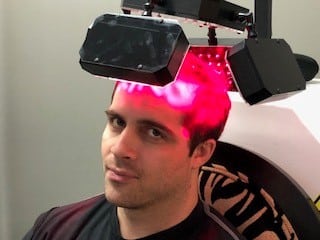
LLLT is an approved treatment by the Food and Drug Administration (FDA), known to help increase blood circulation to the hair follicles [6]. Laser therapy has demonstrated proliferative effects in a variety of tissues and cell types, including hair follicles [7]. LLLT induces proliferation, migration, oxygenation, anti-inflammation, adhesion and transition of hair follicles from telogen (non-growing) to anagen (growing). All studies including LLLT found significantly more dense hair following treatment protocols. SUCRA (surface under the cumulative ranking) scores proved Low-Level Laser Therapy to be one of the most effective hair growth treatments, followed by scalp injections, finasteride and minoxidil [78].

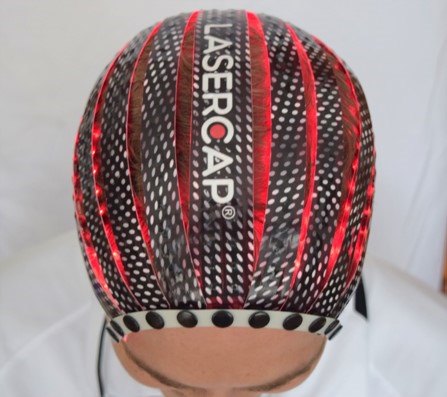
Low-Level Laser Therapy is increasing hair density and promoting growth in both men and women, protocols are assigned by their providers. Higher quality laser devices are available in professional offices and there are also at-home devices readily available to the consumer. We suggest you still see a provider to determine the best treatment laser & treatment protocol for your individual hair loss needs.

Shop Our At Home Laser Devices- CLICK Here!

  • Grows new, healthy hair
  • Doubles the follicle size of existing hair
  • Slows down and stops hair loss
  • Hands-free operation allows the user to carry out other tasks during treatment
  • Suggested at home use is 30 minutes every other day

References

  1. Rousso DE, Kim SW (2014) A review of medical and surgical treatment options for androgenetic alopecia. JAMA Facial Plast Surg 16(6):444–450. https://doi.org/10.1001/jamafacial.2014.316
  2. Delaney SW, Zhang P (2018) Systematic review of low-level laser therapy for adult androgenic alopecia. J Cosmet Laser Ther 20(4): 229–236. https://doi.org/10.1080/14764172.2017.1400170
  3. Afifi L, Maranda EL, Zarei M, Delcanto GM, Falto-Aizpurua L, Kluijfhout WP, Jimenez JJ (2017) Low-level laser therapy as a treatment for androgenetic alopecia. Lasers Surg Med 49(1):27–39. https://doi.org/10.1002/lsm.22512
  4. Kalia S, Lui H (2013) Utilizing electromagnetic radiation for hair growth: a critical review of phototrichogenesis. Dermatol Clin 31(1):193–200. https://doi.org/10.1016/j.det.2012.08.018
  5. Gupta AK, Foley KA (2017) A critical assessment of the evidence for low-level laser therapy in the treatment of hair loss. Dermatol Surg 43(2):188–197. https://doi.org/10.1097/DSS.0000000000000904
  6. Nct (2017) BiRestore^ Light Therapy Apparatus. https://clinicaltrials.gov/show/nct03331003. Accessed Oct 2018
  7. Gupta AK, Mays RR, Dotzert MS, Versteeg SG, Shear NH, Piguet V (2018) Efficacy of non-surgical treatments for androgenetic alopecia: a systematic review and network meta-analysis. J Eur Acad Dermatol Venereol. https://doi.org/10.1111/jdv.15081
  8. Adil A, Godwin M (2017) The effectiveness of treatments for androgenetic alopecia: a systematic review and meta-analysis. J Am Acad Dermatol 77(1):136–141.e135. https://doi.org/10.1016/j.jaad.2017.02.054
  9. de Freitas LF, Hamblin MR (2016) Proposed mechanisms of photobiomodulation or low-level light therapy. IEEE J Sel Top Quantum Electron 22(3). https://doi.org/10.1109/JSTQE.2016.2561201

Hair Today, Gone Tomorrow

Dealing with Hair Loss, Part 2

Social Acceptance

Socially, there are a lot of people who are teased or have been teased for hair loss.  As presented in the first post of this two-part hair loss series, stress can add to hair loss as well as lead to additional personal struggles–social ridicule makes the struggles with hair loss even harder.

People are often uneducated or naïve to the medical or genetic conditions that can cause hair loss. Studies show that 60% of men are teased for balding at some point in their lives. Hair loss often causes people to limit their social activities, causing them to stay indoors, and often retract themselves from others or the public in general. Surveys have also shown that around 40% of women with alopecia have had marital problems, and around 63% claimed to have career related problems, such as, limited opportunities for promotions or advancement.

Although all of this may come across as very discouraging news, the GOOD news is that we have great options at HPIHair in Nashville for those battling hair loss! Many people will often try in-home remedies such as, oils, hair masks, or over-the-counter vitamins to begin. Although we are certainly not opposed to this idea, most hair loss sufferers will need to seek professional screening and/or blood testing for a proper diagnosis before being able to know how or where to begin treating. We recommend starting with your local physician or dermatologist.

Available Solutions

We offer non-surgical solutions for men, women, children, adults, and seniors! These solutions include Low-Level Laser Therapy, DHT fighting products, scalp injections, growth factors, and customized enhancements! All of which have the capability of helping you look and feel like yourself again! Our focus is making every person feel the very best about themselves and we look forward to sending our clients out of our doors with restored confidence and with a renewed outlook on the day and life.

“And suddenly you just know…it’s time to start something new & trust the magic of beginnings.” -Meister Eckhart

Call us today to explore your options, 615.662.8722.

HPIHair Testimonials: Woman & Men tell their stories

Hair Today, Gone Tomorrow!

Dealing with Hair Loss

Have you ever wondered what you would do if you woke up one day and didn’t have your hair anymore? This is an unfortunate realization and struggle so many people face on a daily basis. Often, it’s not an overnight issue; however, that doesn’t make it any less traumatic. Sometimes people battle hair loss as early as infancy into latter adulthood.

According to The Hair Society, approximately 35 million men and 21 million women suffer from hair loss. Typically beginning at age 35, men have a 40% loss rate which increases to a 70% loss rate at age 80. However, women age 60 who experience hair loss will be in the 80% range.  Much of the world-wide population will lose more hair than they ever dreamed and they will need professional services to help them restore their hair.

Stress and Hair LossCould you imagine how that would make you feel? How would it affect your psychological behaviors, social life, relationships, self-confidence, or even your career path due to your physical appearance? It can really take a toll on people mentally & emotionally! It often causes people to stress, which may initially, or later, lead to impulsive behaviors to find the right “quick fix.” Here at HPIHair, we often consult with those about some of their very deep insecurities that they may have lived with for many years. Furthermore, we see many people who are affected by anxiety brought on by their hair loss. The fear of people knowing or noticing, just people looking in the general vicinity of the head will often make people extremely self-conscious. Depression is another well-known side-effect of hair loss.

According to EMedExpert, the discovery of hair loss is a stressful experience for both sexes, but substantially more distressing for women. Throughout the course of history attitudes towards baldness have been overwhelmingly negative. Living with alopecia areata, alopecia totalis, alopecia universalis, trichotillomania (compulsive hair pulling), or genetic hair thinning can be difficult in a culture that views hair as a sign of youth, beauty, and good health.

“Whether you are bald by [medical diagnosis, uncontrolled behaviors, genetics], or by choice, you are FABULOUS! It is the quality of the heart and soul that makes you, YOU! and that is a beautiful and special person.” – Bald & Fabulous

Call us today to explore your options, 615.662.8722.

Learn More About Hair Loss and HPIHair Solutions